Space Stories

Space Threats to Our Planet: What Could Endanger Earth from the Cosmos?
Space Stories Universe

Space Threats to Our Planet: What Could Endanger Earth from the Cosmos?

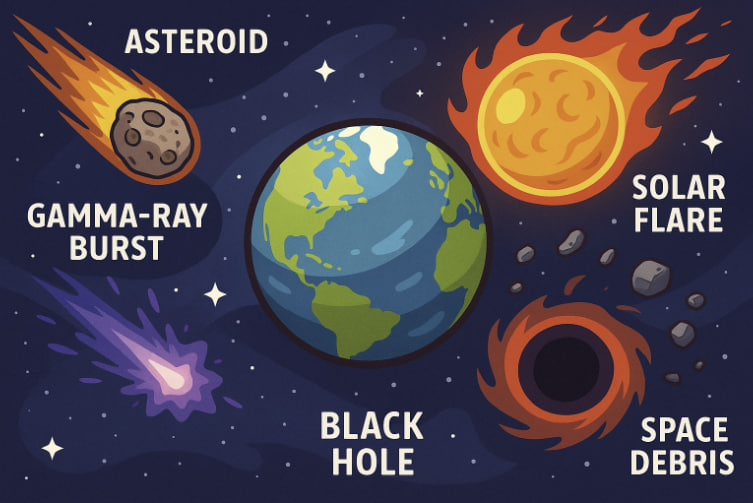
Earth may feel like a safe haven, but it exists in a dynamic and sometimes dangerous cosmic environment. From high-speed asteroids to powerful solar storms, space holds a range of potential threats to our planet. Although large-scale disasters are rare, the consequences could be severe — and humanity is only beginning to develop systems to monitor and respond. This article explores the most significant space threats to Earth, their likelihood, and how scientists are preparing for them.
Is There Life on Mars?
Space Stories

Is There Life on Mars?

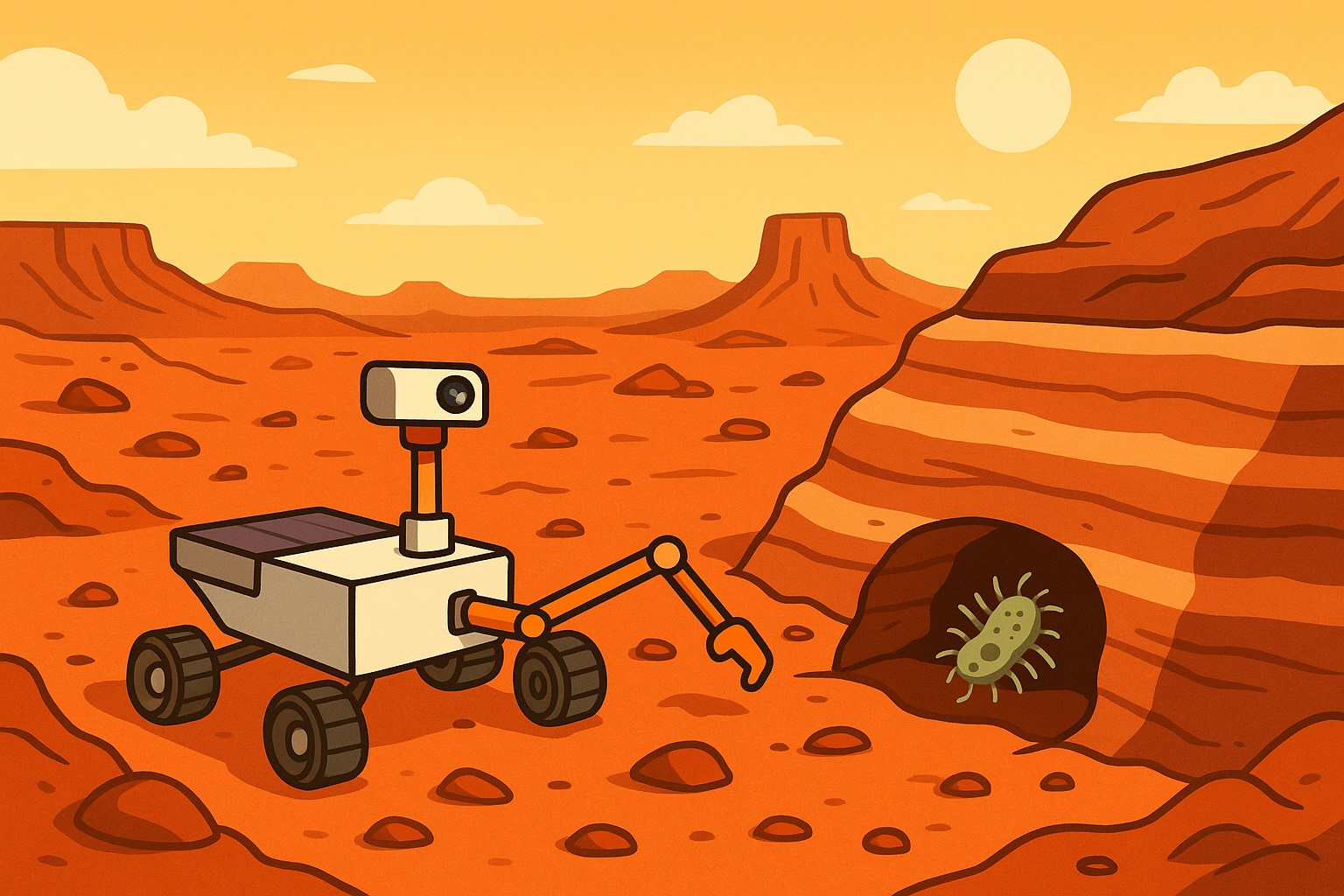
For decades, the question “Is there life on Mars?” has fascinated scientists, dreamers, and the general public alike. As Earth’s closest planetary neighbor with somewhat similar conditions, Mars has long been considered the most promising candidate for extraterrestrial life in the Solar System. While no direct evidence of life has been found yet, mounting clues continue to fuel the search. In this article, we explore what scientists know, what they are looking for, and whether life on Mars — past or present — is truly possible.

Europa: Jupiter’s Mysterious Icy Moon
Space Stories

Europa: Jupiter’s Mysterious Icy Moon

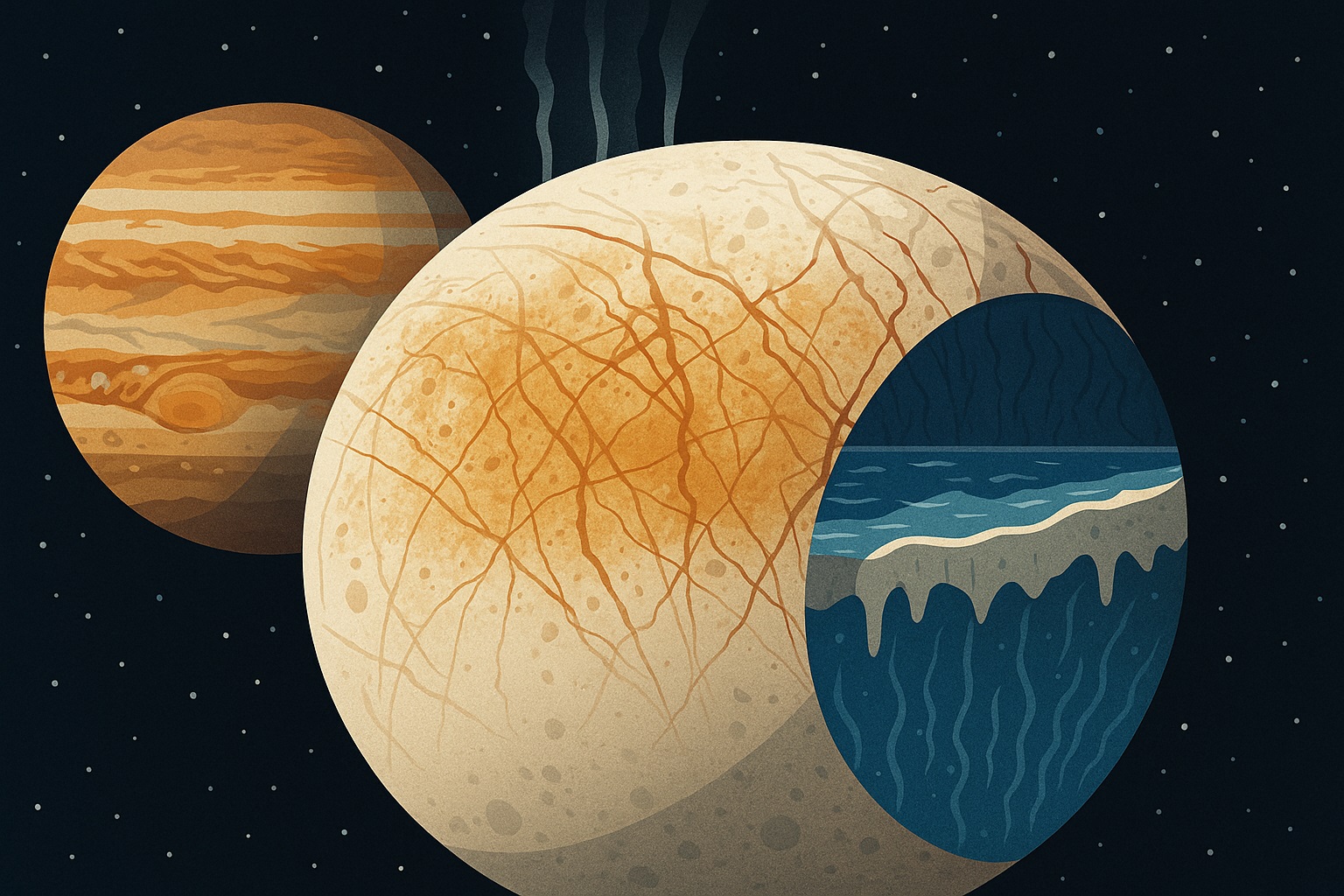
Among the dozens of moons orbiting Jupiter, Europa stands out as one of the most intriguing. Though only slightly smaller than Earth’s Moon, Europa holds great scientific interest because of what lies beneath its frozen surface — a vast subsurface ocean that may harbor the conditions for life. This article explores Europa’s structure, surface, and the potential for habitability that has captivated scientists around the world.

Features of the Planets in the Solar System
Space Stories

Features of the Planets in the Solar System

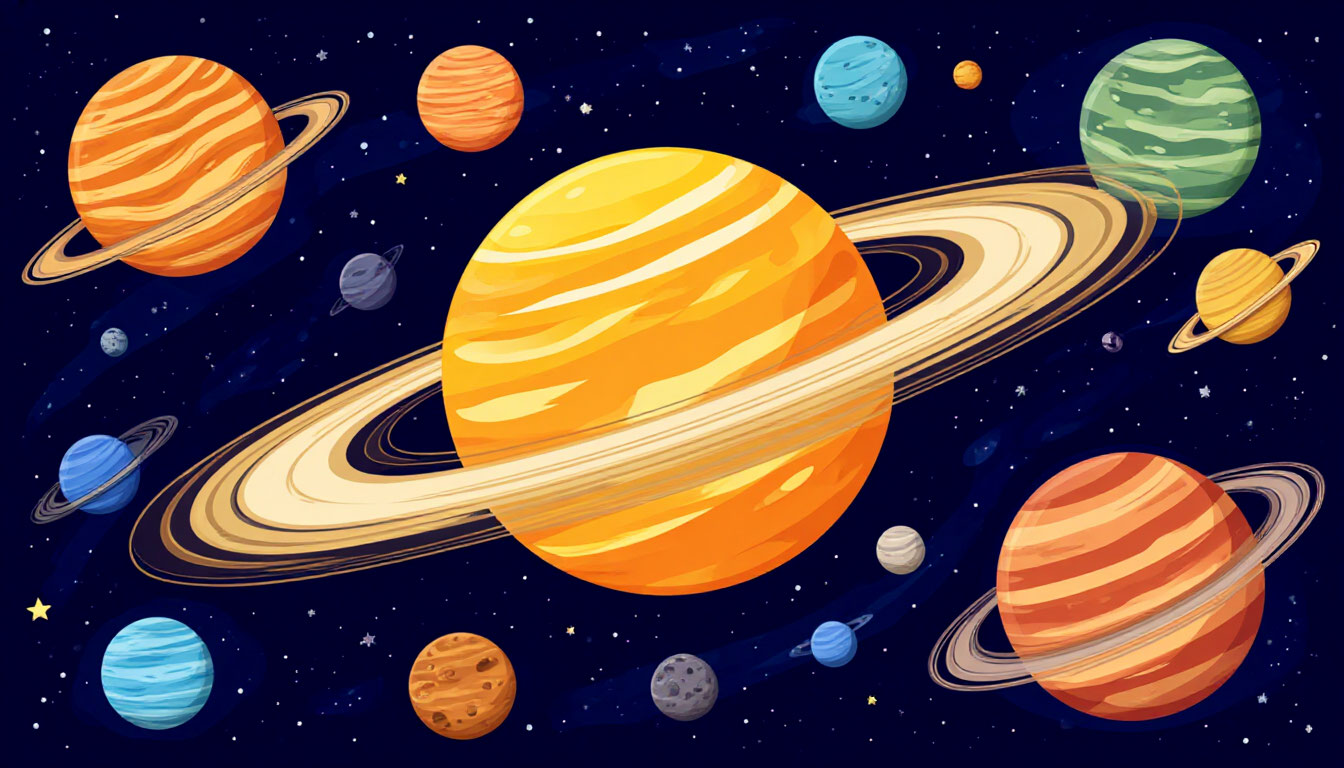
The Solar System is home to eight diverse planets, each with its own unique structure, atmosphere, surface features, and orbit. From the scorched plains of Mercury to the icy winds of Neptune, the planets reveal the complexity and variety of planetary science. This article explores the defining characteristics of each planet, grouped into terrestrial and gas/ice giant categories.

Terraforming Mars: How Realistic Is It?
Space Stories Cosmic Innovations

Terraforming Mars: How Realistic Is It?

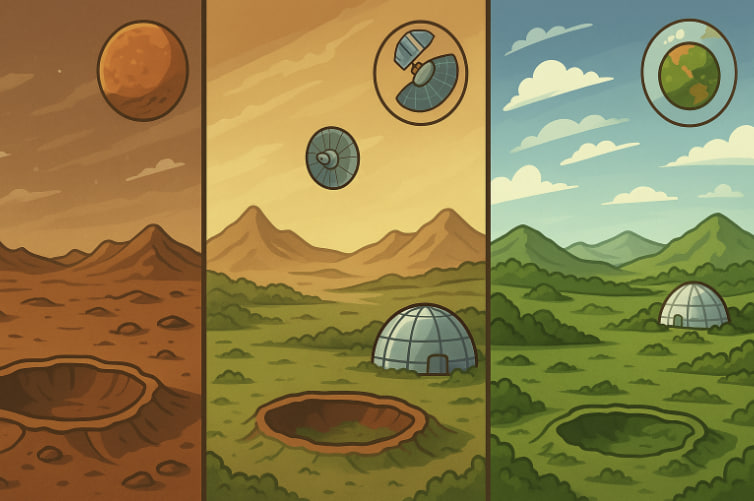
The idea of terraforming Mars — transforming the Red Planet into a habitable world for humans — has captivated scientists, visionaries, and science fiction writers for decades. With interest in Mars colonization growing thanks to agencies like NASA and companies like SpaceX, the question arises: can we really change an entire planet’s environment to make it Earth-like? This article explores what terraforming Mars would involve, the scientific challenges, and how realistic this vision actually is.

Shielding Earthly Life: How to Stay Safe During Solar Storms and Cosmic Events
Space Stories

Shielding Earthly Life: How to Stay Safe During Solar Storms and Cosmic Events

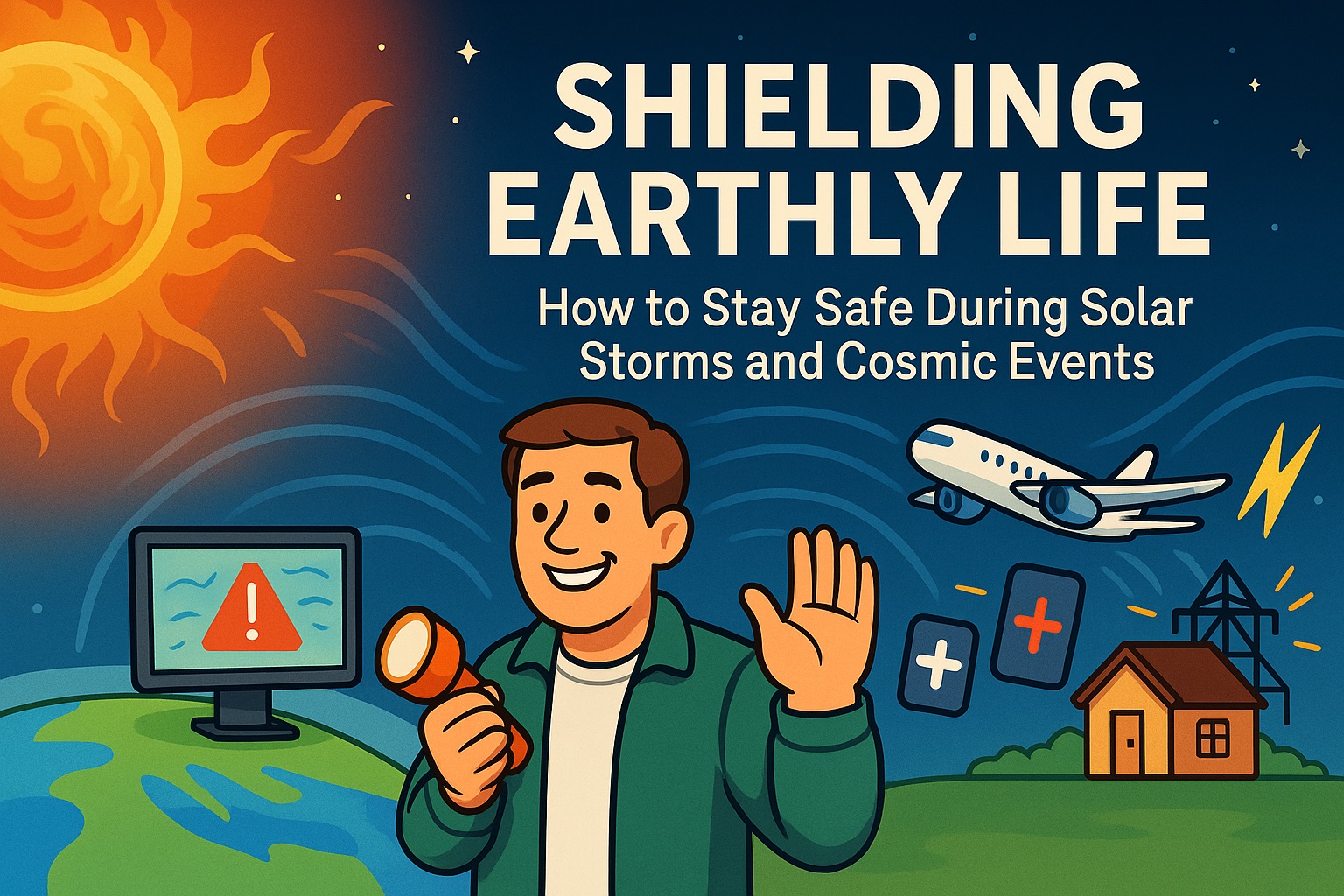
As we move deeper into the digital age and rely more heavily on satellites, electronics, and high-altitude travel, we are becoming increasingly vulnerable to cosmic phenomena like solar storms, geomagnetic disturbances, and space radiation. While most people won’t feel the effects directly, the impact on technology and health can be significant. So, how can we protect ourselves during these powerful celestial outbursts?

The Solar Maximum: What Happens at the Peak of Solar Activity?
Space Stories

The Solar Maximum: What Happens at the Peak of Solar Activity?

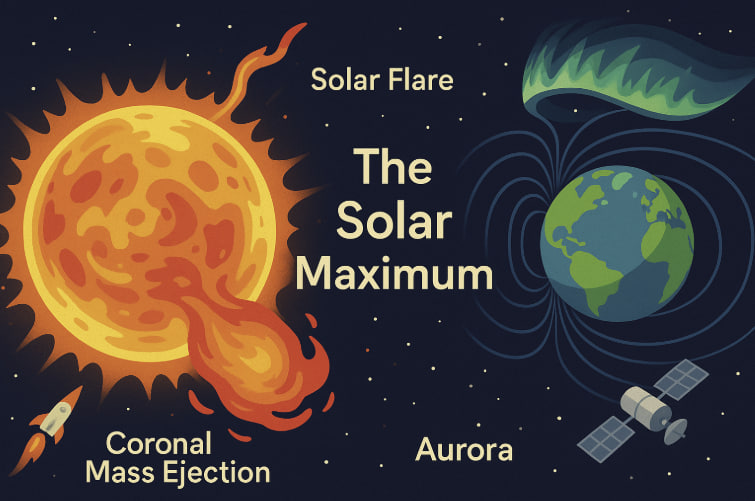
Every 11 years, our Sun enters a period of heightened activity known as the solar maximum. During this time, the Sun becomes more restless, producing more sunspots, solar flares, and coronal mass ejections (CMEs). These events can have profound effects not just on the space environment but also on Earth’s technology and even climate. As we approach the next solar peak, understanding what it means—and what it could do—is more important than ever.

Solar Storms and the Ultraviolet Index: Understanding the Sun’s Impact on Earth
Space Stories

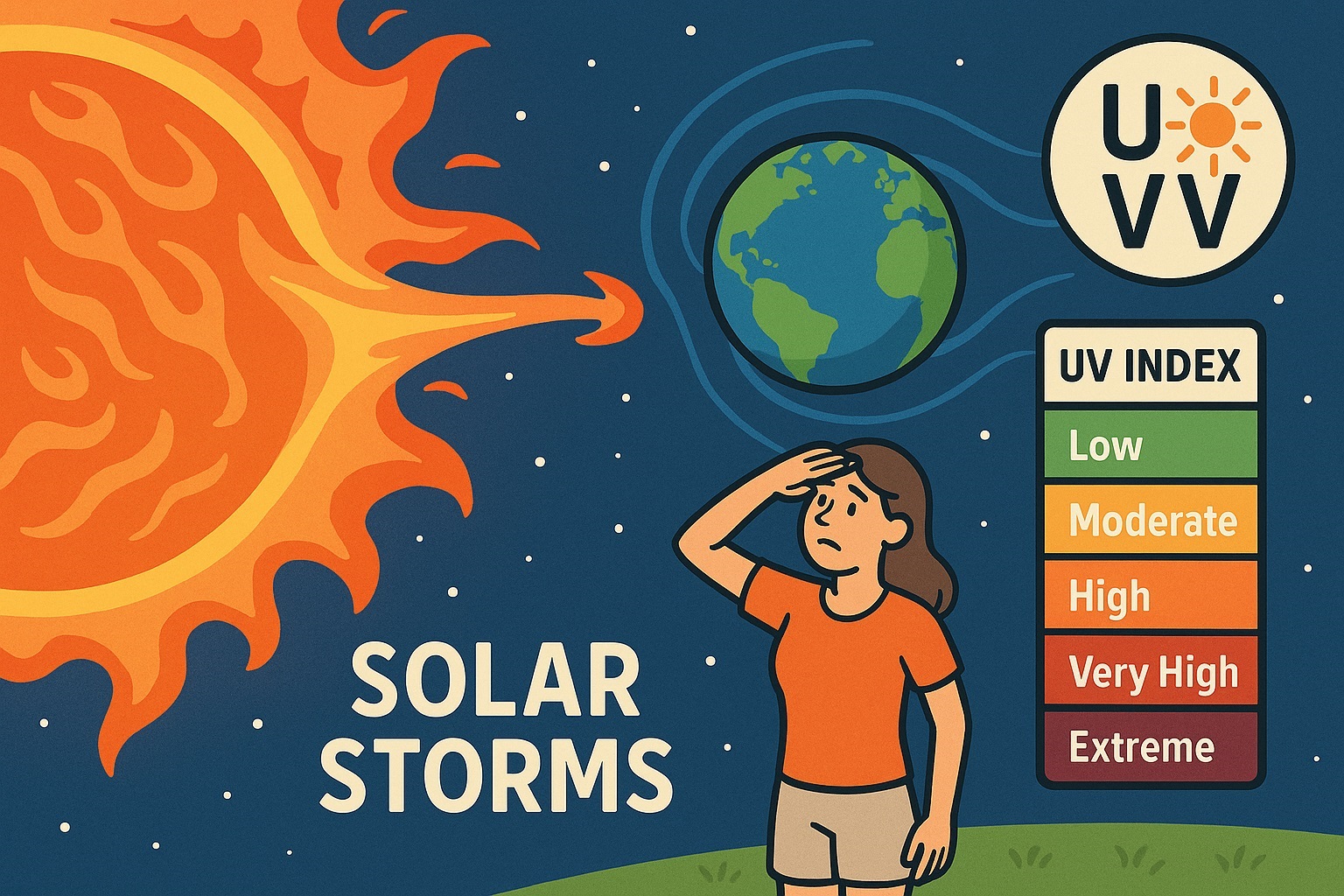
Solar Storms and the Ultraviolet Index: Understanding the Sun’s Impact on Earth

The Sun is the engine of life on our planet, providing light, warmth, and energy. But it is also a source of powerful and sometimes dangerous phenomena—solar storms. These cosmic events can disrupt satellites, communications, and even power grids on Earth. Alongside these events, the Sun also affects our ultraviolet (UV) exposure, which is measured by the UV index—a key indicator of potential harm to human skin and eyes. In this article, we’ll explore what solar storms are, how they impact our planet, and why understanding UV radiation is equally important for public health.

The Sun: The Heartbeat of Our Solar System
Space Stories Universe

The Sun: The Heartbeat of Our Solar System

The Sun is more than just a bright object in the sky—it’s the reason life exists on Earth. This enormous ball of glowing gas powers everything from weather patterns to photosynthesis. It shapes the orbits of planets, drives climate, and influences technology through solar activity. But what exactly is the Sun, how does it work, and why is it so vital to us?

Experiments on the ISS: What We've Learned About Life in Space
Space Stories History

Experiments on the ISS: What We've Learned About Life in Space

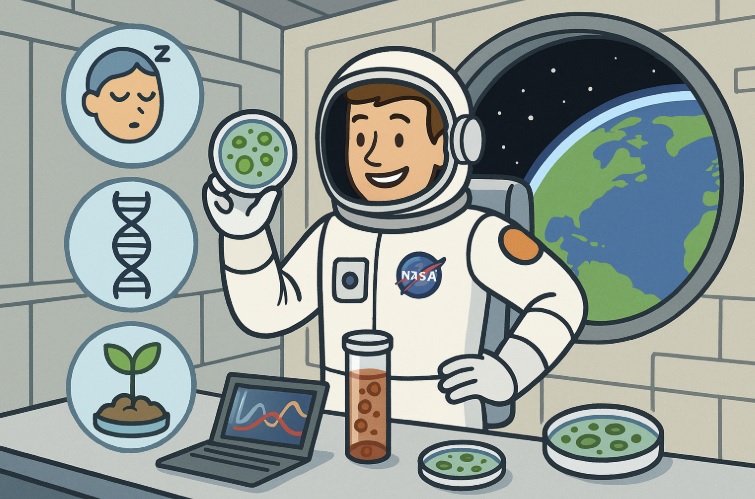
Since its launch in 1998, the International Space Station (ISS) has served as humanity’s most advanced orbital laboratory. Orbiting Earth at 400 kilometers above the surface, the ISS is more than just a spacecraft—it’s a unique testing ground for scientific experiments that can’t be replicated on Earth. But what exactly have we learned about life in space after more than two decades of continuous research?