Space Stories

What Is the Universe Made Of?
Space Stories Universe

What Is the Universe Made Of?

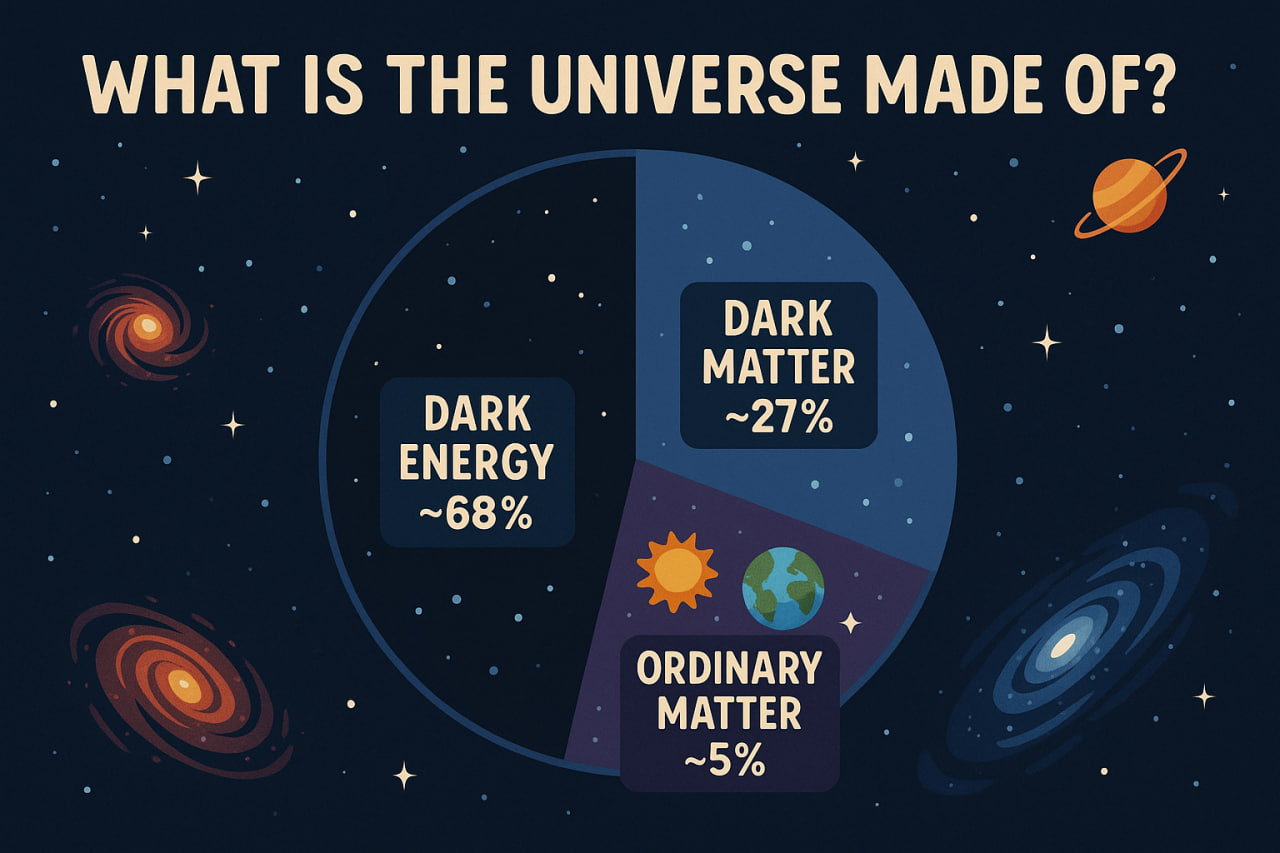
The universe is vast, mysterious, and full of wonders—from stars and planets to invisible forces we can barely comprehend. But what exactly is it made of? Modern astrophysics tells us that the visible matter we see—galaxies, stars, and planets—makes up only a small fraction of everything that exists. Most of the universe is composed of unseen, exotic substances that scientists are still working to understand.

Mercury: The Swiftest and Smallest Planet in the Solar System
Space Stories Universe

Mercury: The Swiftest and Smallest Planet in the Solar System

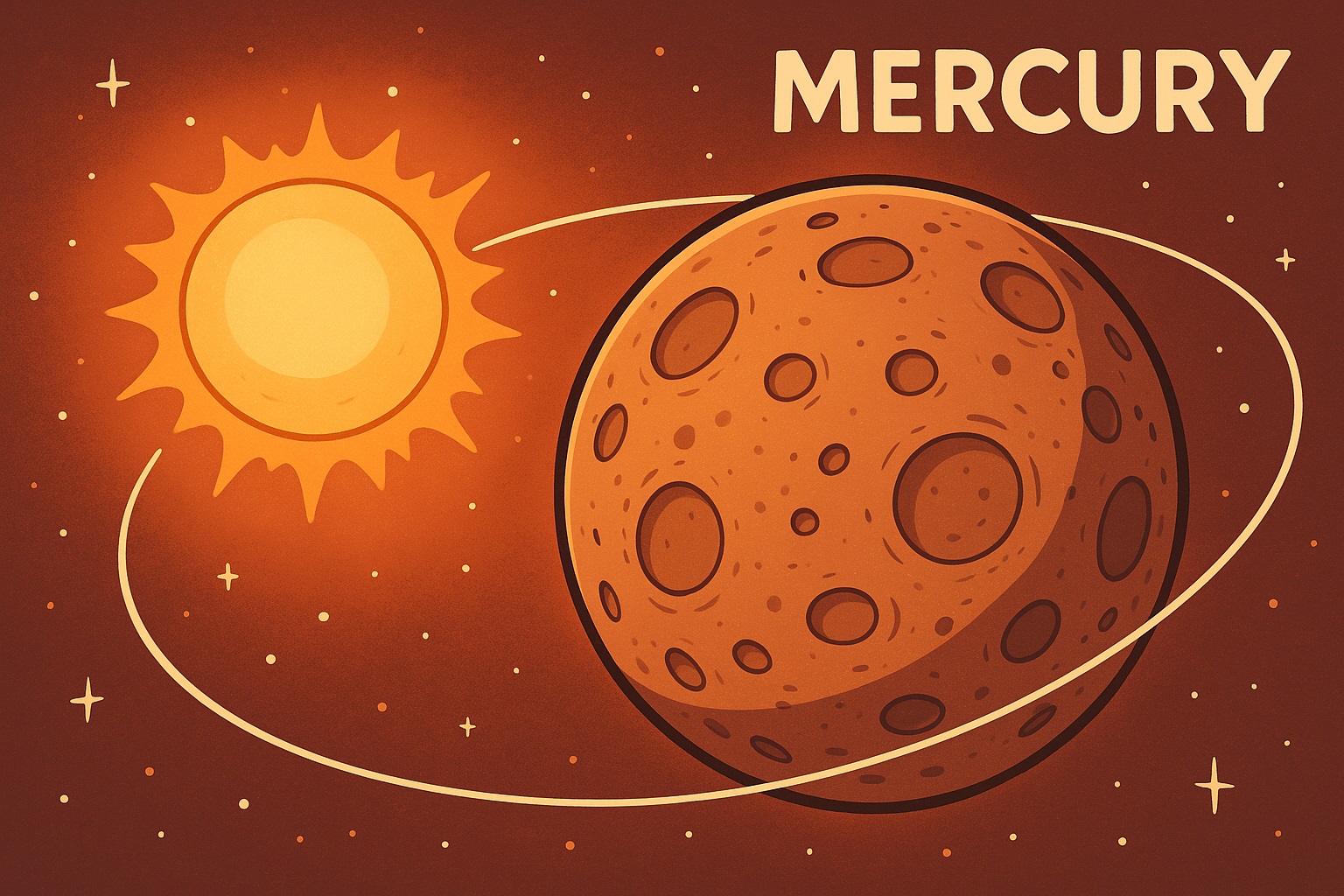
Mercury is the closest planet to the Sun and the smallest in our solar system. Despite its proximity to the Sun, it's not the hottest planet—Venus holds that title. However, Mercury is one of the most fascinating celestial bodies due to its extreme temperature changes, cratered surface, and rapid orbit.

Theia: The Mysterious Planet That Changed Earth's History?
Space Stories Universe

Theia: The Mysterious Planet That Changed Earth's History?

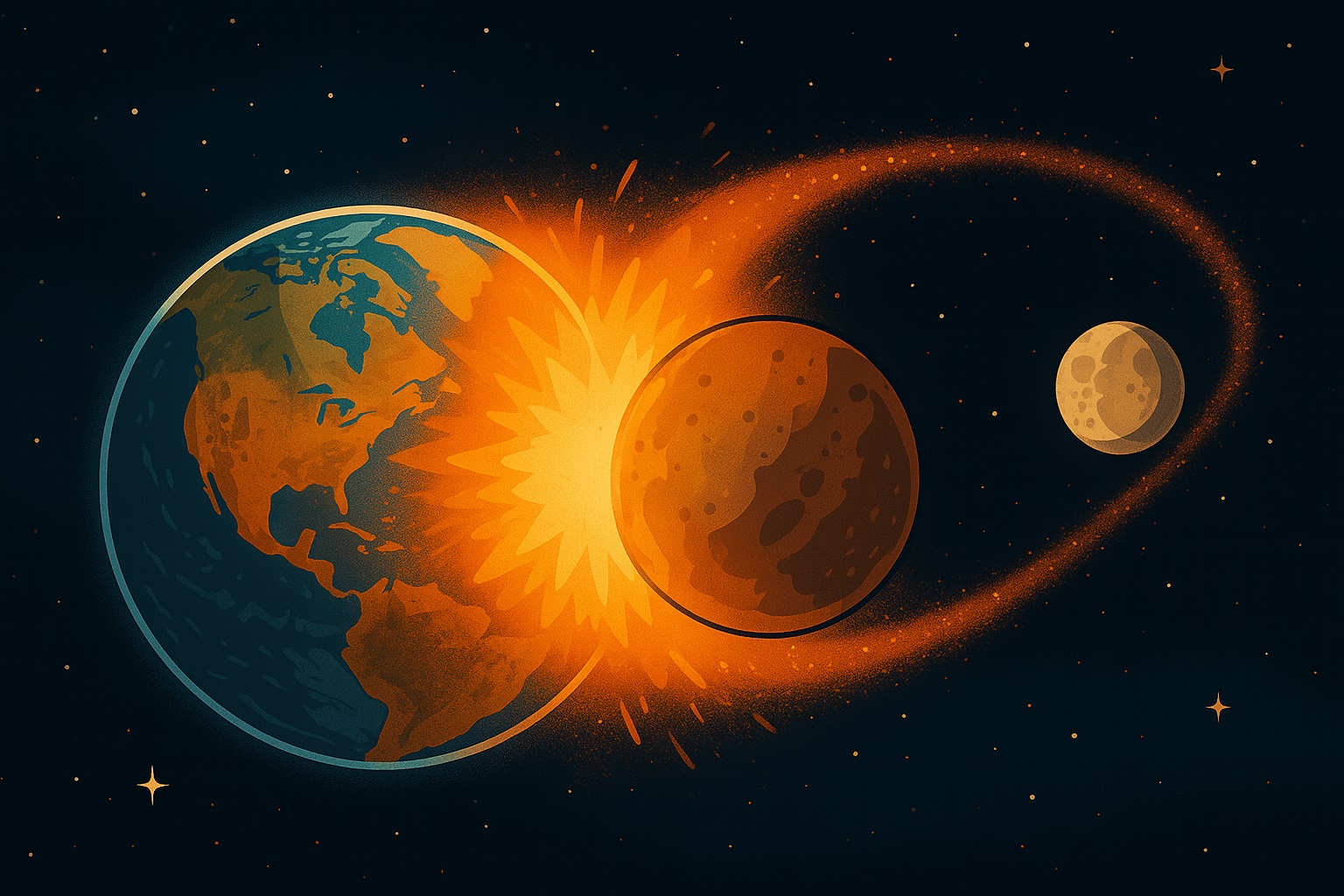
Theia is a hypothetical ancient planetary body believed to have collided with Earth over 4 billion years ago. While Theia no longer exists as a separate planet, scientists suggest that this cosmic impact played a critical role in the formation of the Moon and may have even shaped the early structure of our planet. The idea of Theia is central to the giant impact hypothesis, the most widely accepted theory explaining the Moon's origin.

Why Doesn’t the Moon Fall to Earth?
Space Stories Universe

Why Doesn’t the Moon Fall to Earth?

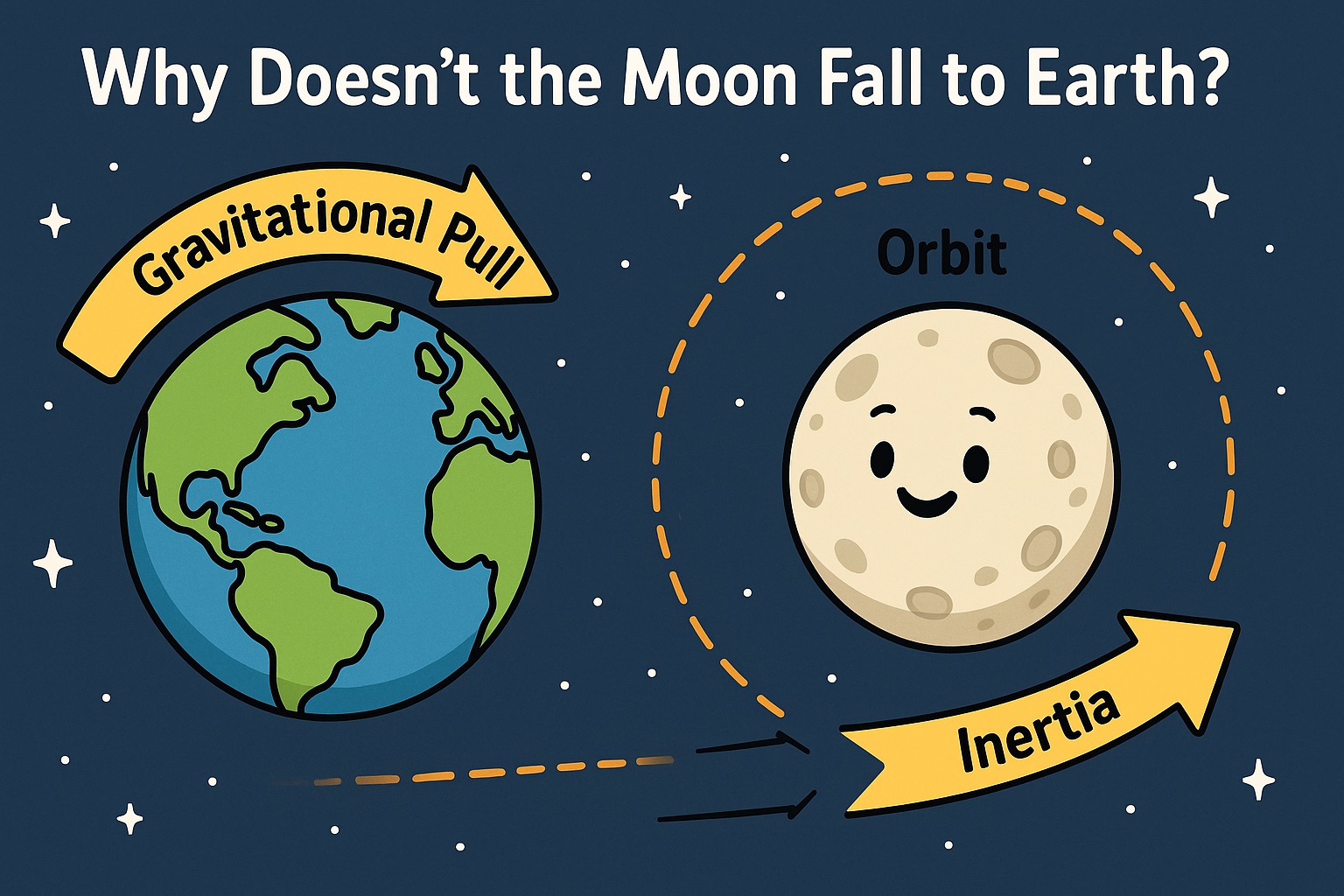
At first glance, it might seem logical to assume that the Moon should eventually fall to Earth due to gravity. After all, gravity pulls objects toward each other—and the Earth is massive. But the Moon doesn’t crash into us. Instead, it remains in a stable orbit. Why? The answer lies in the balance between gravitational pull and inertia—specifically, the centripetal force that keeps the Moon moving along a curved path.

The Moon: Earth's Natural Satellite and Its Many Mysteries
Space Stories Universe

The Moon: Earth's Natural Satellite and Its Many Mysteries

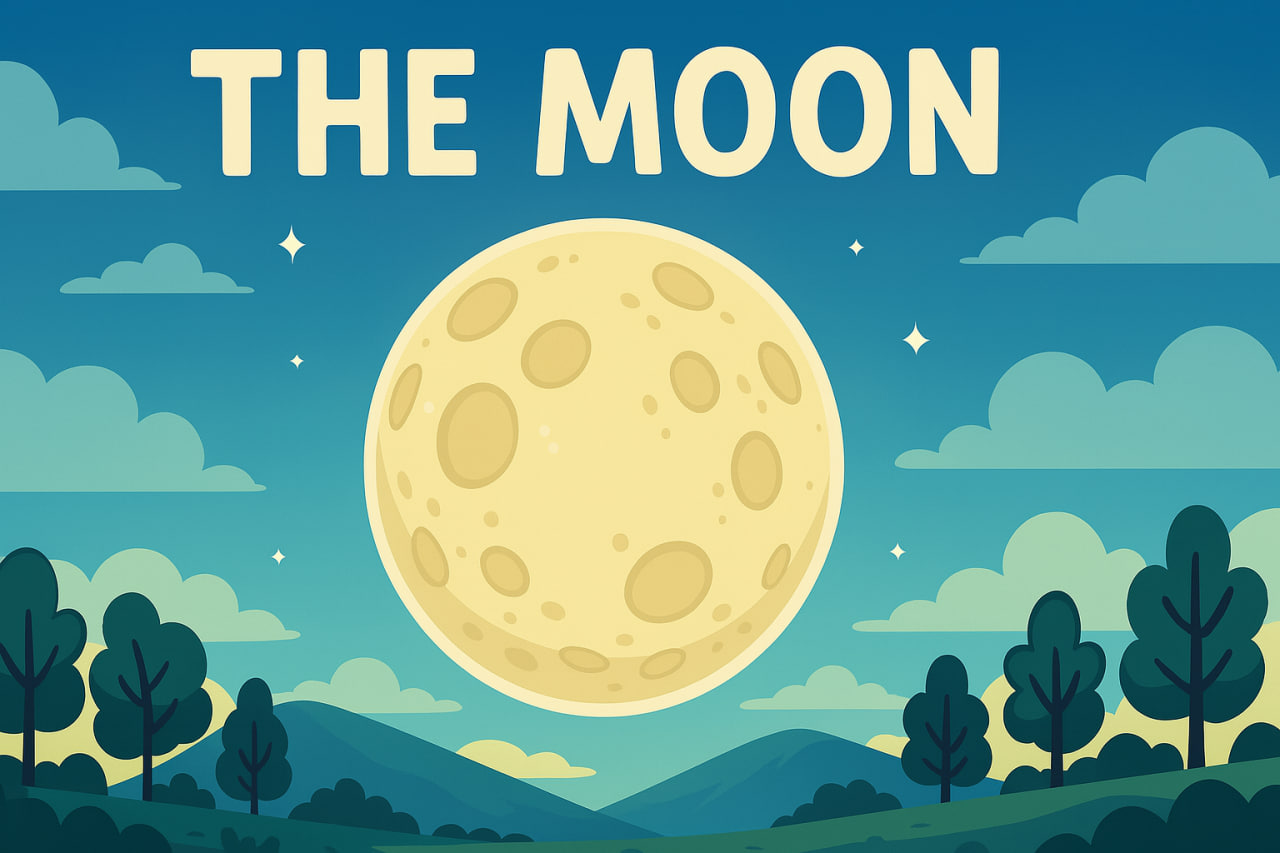
The Moon is Earth’s only natural satellite, orbiting our planet at an average distance of about 384,400 kilometers. It is the fifth-largest moon in the solar system and the second-densest, after Jupiter's Io. Despite its close proximity, the Moon remains a source of fascination, myths, and scientific discovery. It plays a vital role in shaping life on Earth—affecting tides, stabilizing our planet's tilt, and even influencing biological cycles.

Types of Stars: The Diversity of Stellar Objects in the Universe
Space Stories Universe

Types of Stars: The Diversity of Stellar Objects in the Universe

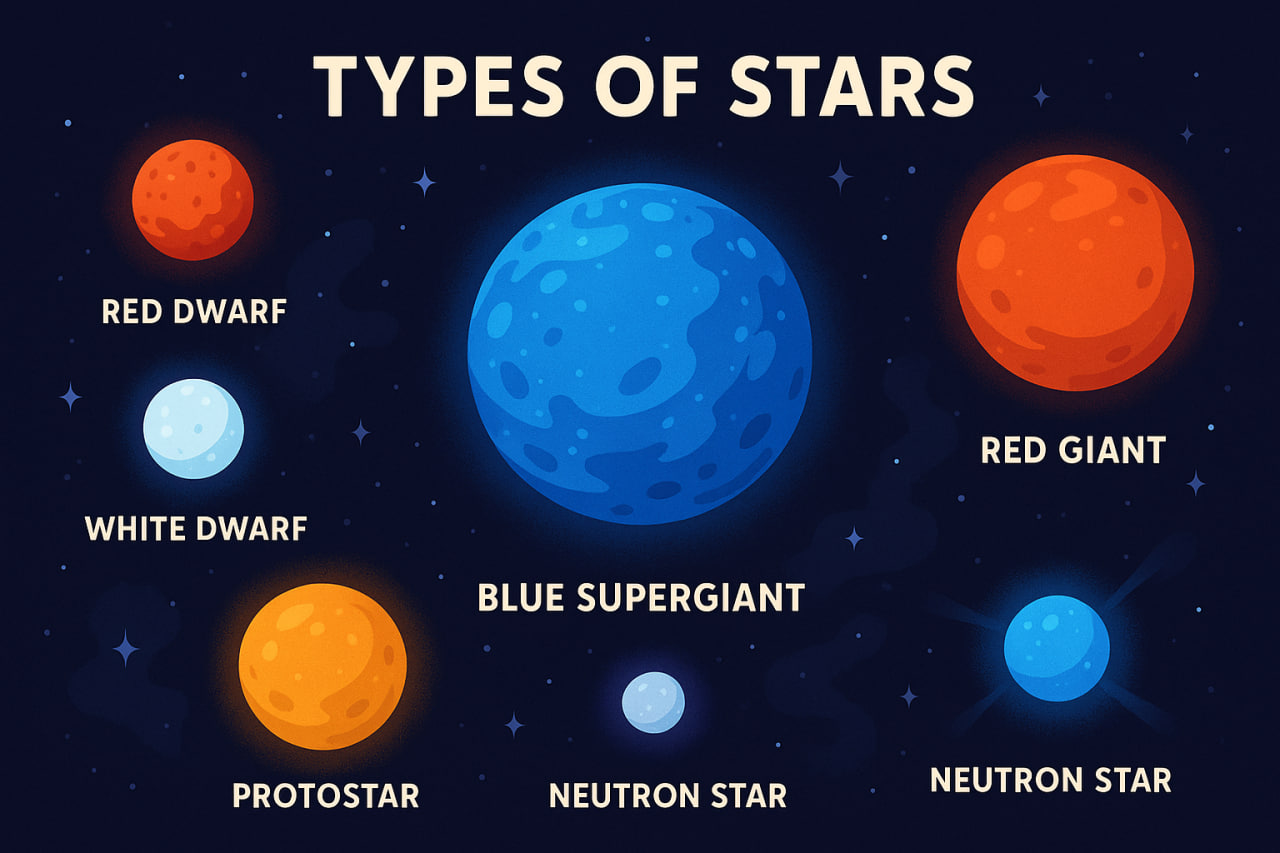
Stars are massive, glowing spheres of hot gas — primarily hydrogen and helium — that produce energy through nuclear fusion. They vary greatly in size, color, temperature, brightness, and lifespan. These differences allow astronomers to classify stars into distinct types, from tiny red dwarfs to colossal blue supergiants. Understanding the types of stars helps us grasp how galaxies evolve and how elements that form planets and life are created.

The Crab Nebula: A Cosmic Remnant of a Stellar Explosion
Space Stories Universe

The Crab Nebula: A Cosmic Remnant of a Stellar Explosion

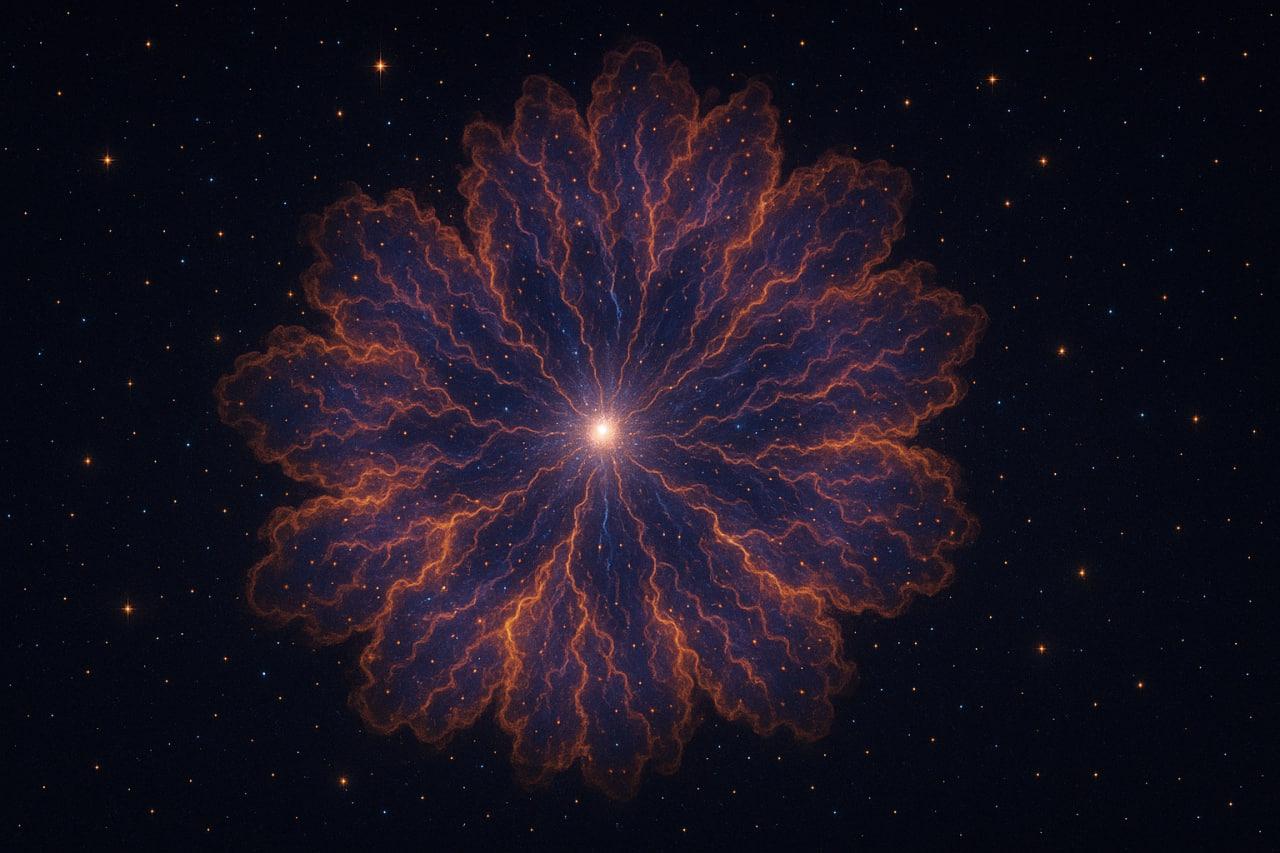
The Crab Nebula (cataloged as Messier 1 or M1) is one of the most studied and iconic objects in the night sky. Located about 6,500 light-years away in the constellation Taurus, it is the visible remnant of a supernova explosion that was recorded by Chinese and Arab astronomers in the year 1054 AD. The explosion was so bright it was visible even during the day for several weeks. What remains today is a swirling, glowing cloud of gas, plasma, and energetic particles — a nebula — expanding outward from the original star’s destruction.

What Is the Big Bang Theory?
Space Stories Science

What Is the Big Bang Theory?

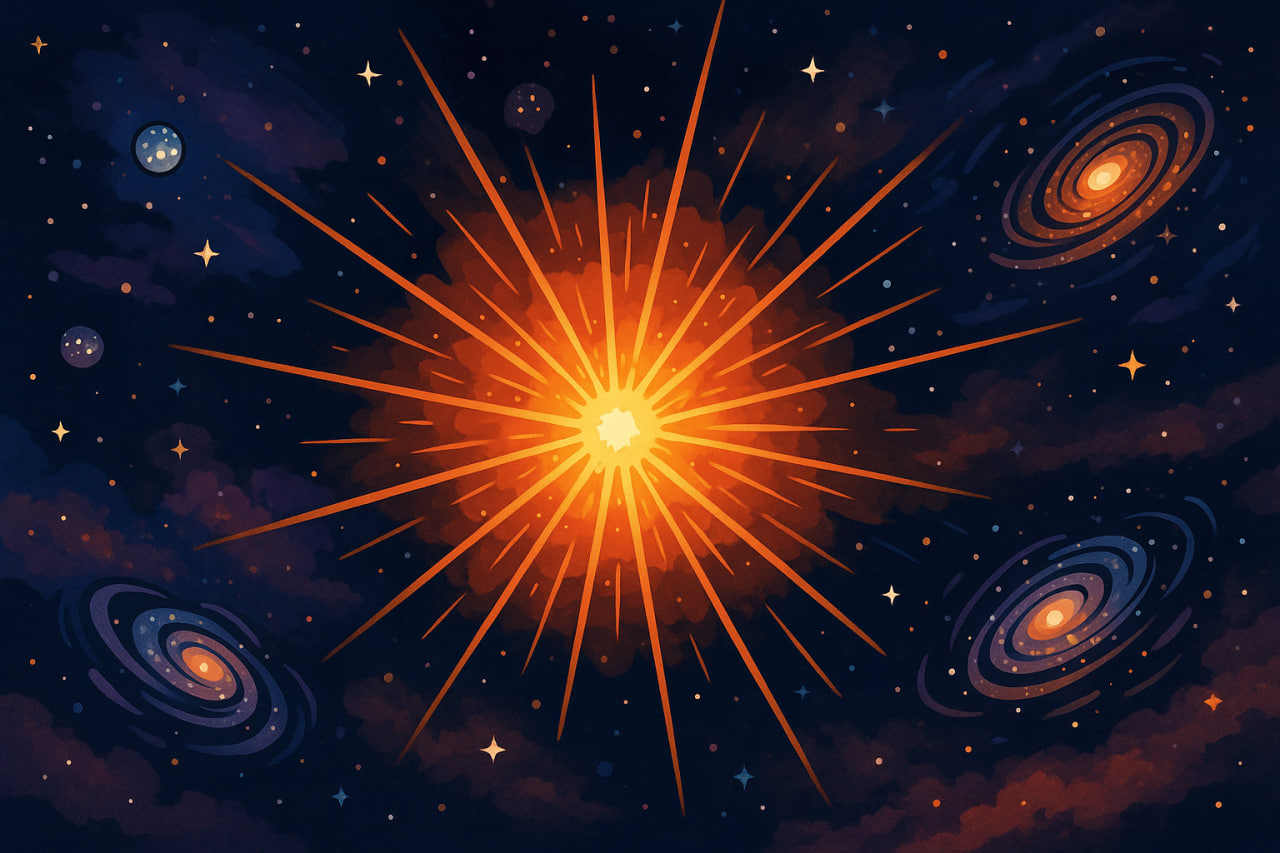
The Big Bang Theory is the leading scientific explanation for the origin and evolution of the universe. According to this theory, the universe began approximately 13.8 billion years ago from a state of extremely high density and temperature. Rather than an explosion in space, the Big Bang was the sudden expansion of space itself, marking the beginning of time, space, matter, and energy.

What Is Ultraviolet Radiation and How It Affects Life on Earth
Space Stories Universe Science

What Is Ultraviolet Radiation and How It Affects Life on Earth

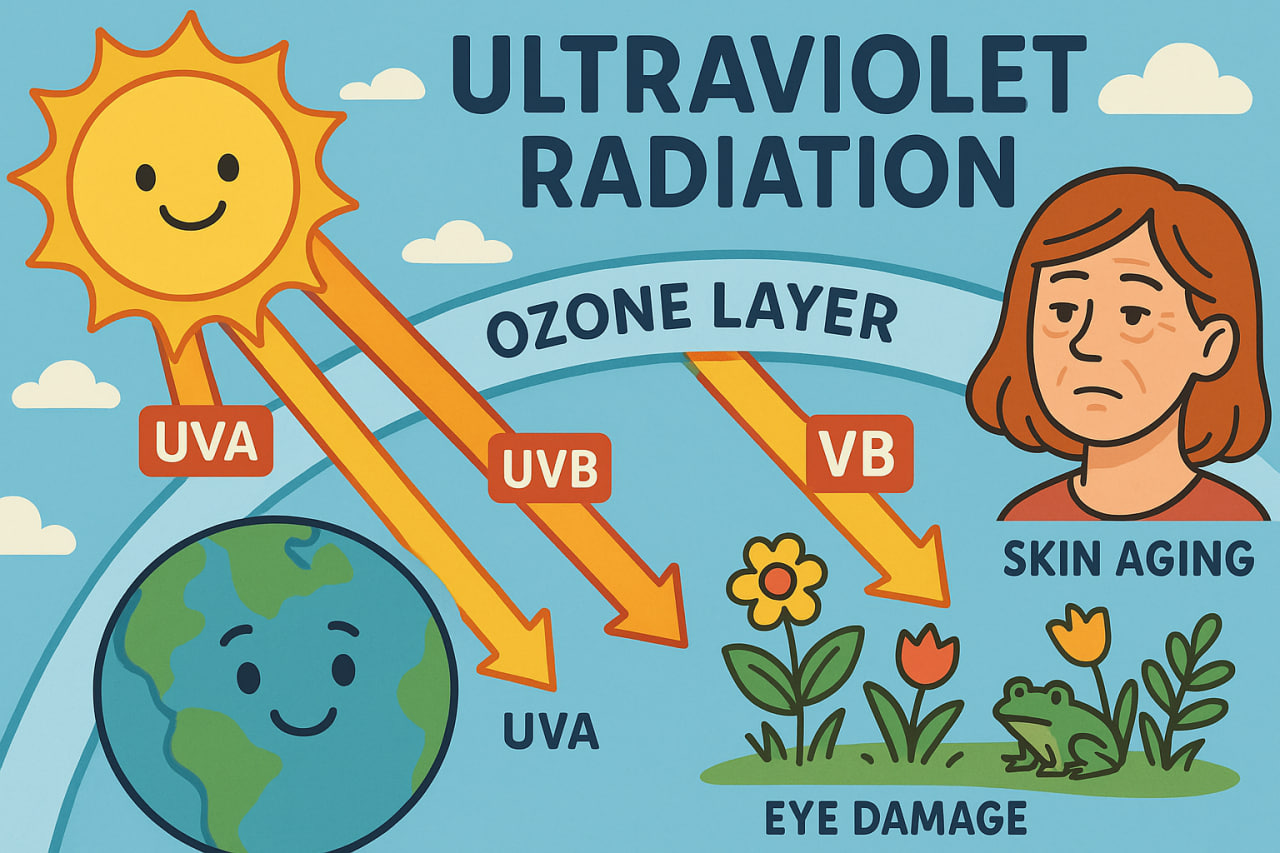
Ultraviolet (UV) radiation is a form of electromagnetic radiation that comes primarily from the Sun. While it plays important roles in nature and human health, overexposure to UV radiation can have harmful effects. Understanding what UV radiation is and how it interacts with our environment helps us take precautions while benefiting from its positive aspects.