Space Stories

What Would Happen If the Sun Stopped?
Space Stories Universe Solar System

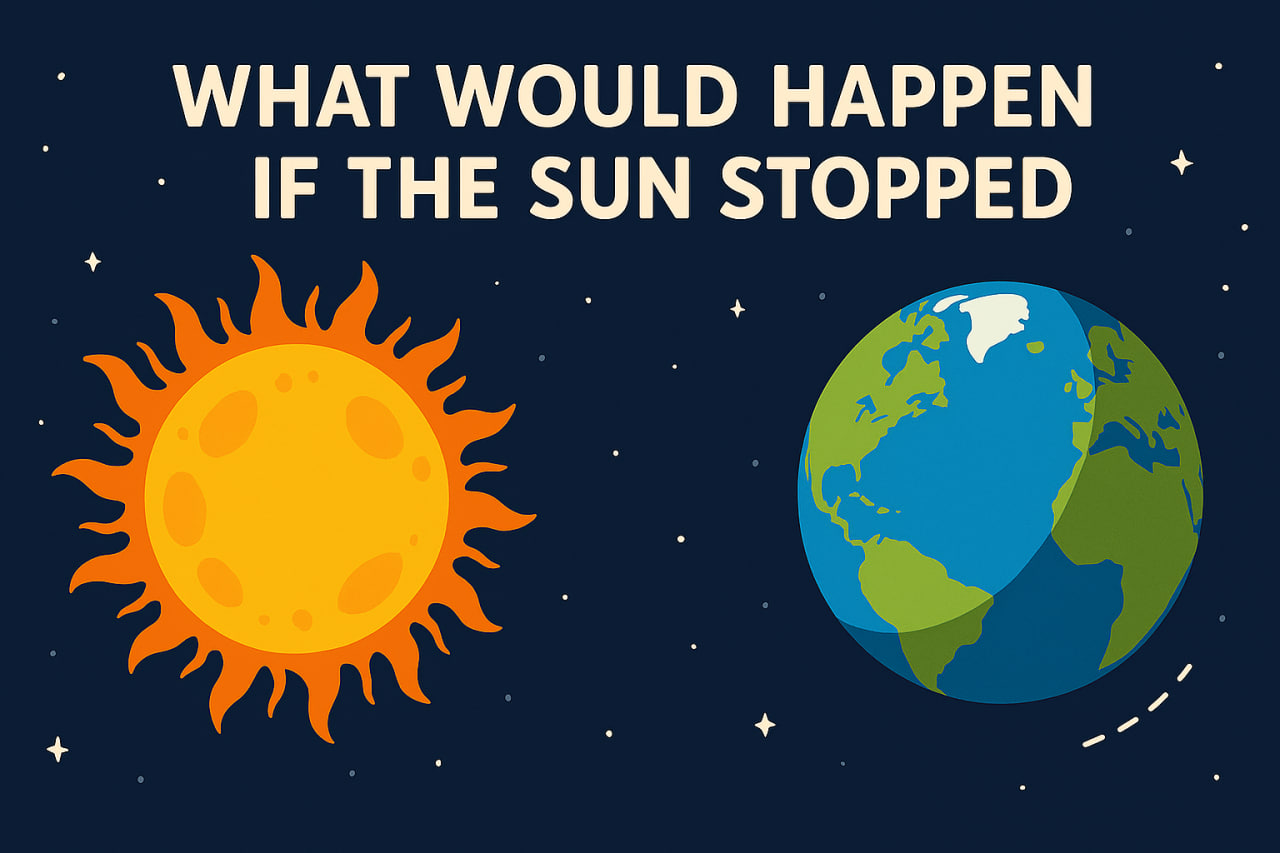
What Would Happen If the Sun Stopped?

The Sun is the engine of our Solar System, providing heat, light, and gravity that hold everything together. If the Sun were to suddenly stop—whether it stopped producing energy or ceased its gravitational pull—the consequences would be immediate and catastrophic for Earth and all life on it. While such a scenario is purely hypothetical, it helps us understand just how much we depend on our star.
Why Stars Twinkle: The Science Behind Starlight Flickering
Space Stories Universe

Why Stars Twinkle: The Science Behind Starlight Flickering

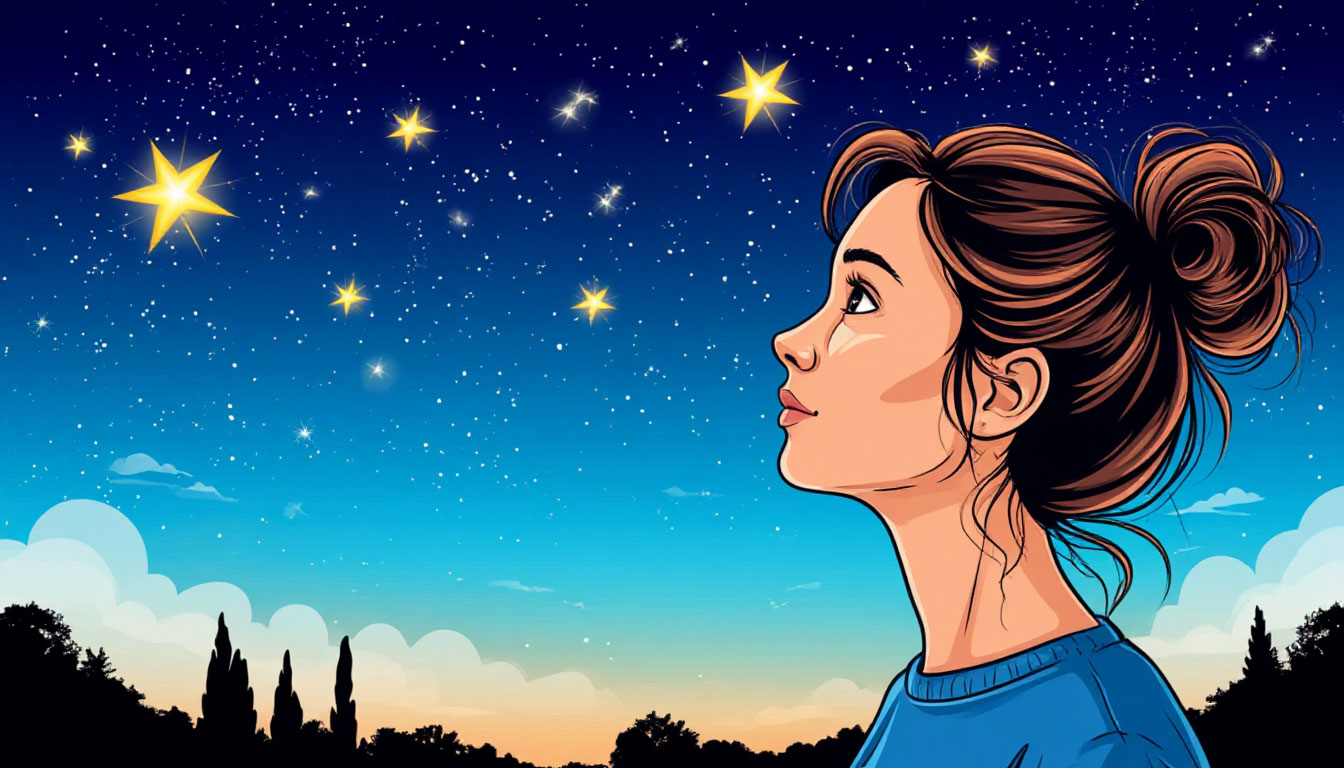
When you gaze up at the night sky, you’ll notice that stars appear to twinkle, while planets shine with a steadier glow. This charming shimmer has inspired poetry and songs, but the reason why stars twinkle is rooted in physics and our atmosphere. It's not the stars themselves that are changing, but rather the way their light travels to us.

How Earth Formed: The Story of Our Planet’s Origins
Space Stories Solar System

How Earth Formed: The Story of Our Planet’s Origins

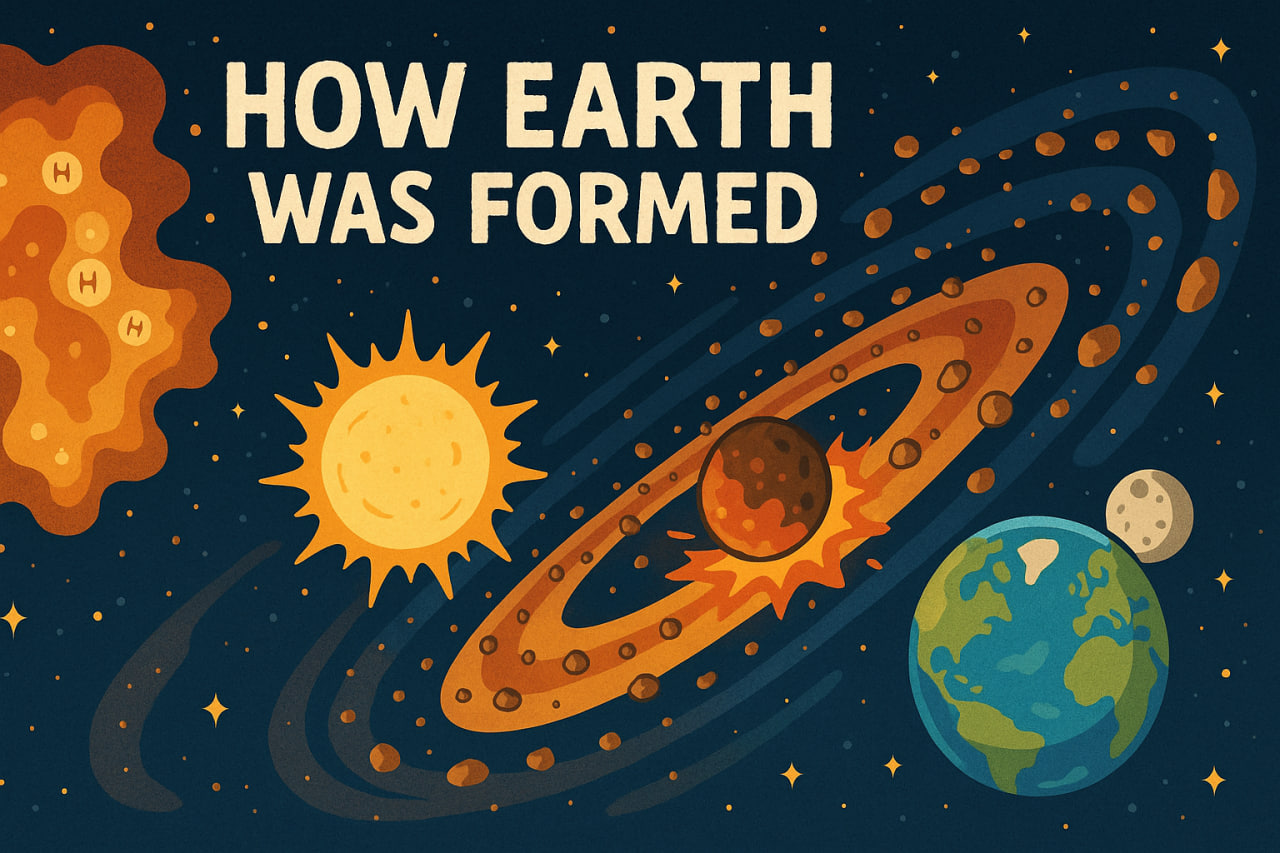
The Earth as we know it is the result of billions of years of cosmic evolution. From a cloud of dust to a vibrant planet teeming with life, Earth’s journey is a complex tale shaped by gravity, collisions, and internal transformation. Understanding how Earth formed gives us insight into not only our own world but the history of the entire Solar System. We don't know exactly how it was formed, but according to current theories, it looked something like this.

Moon Exploration: Past Achievements and Future Frontiers
Space Stories History Universe

Moon Exploration: Past Achievements and Future Frontiers

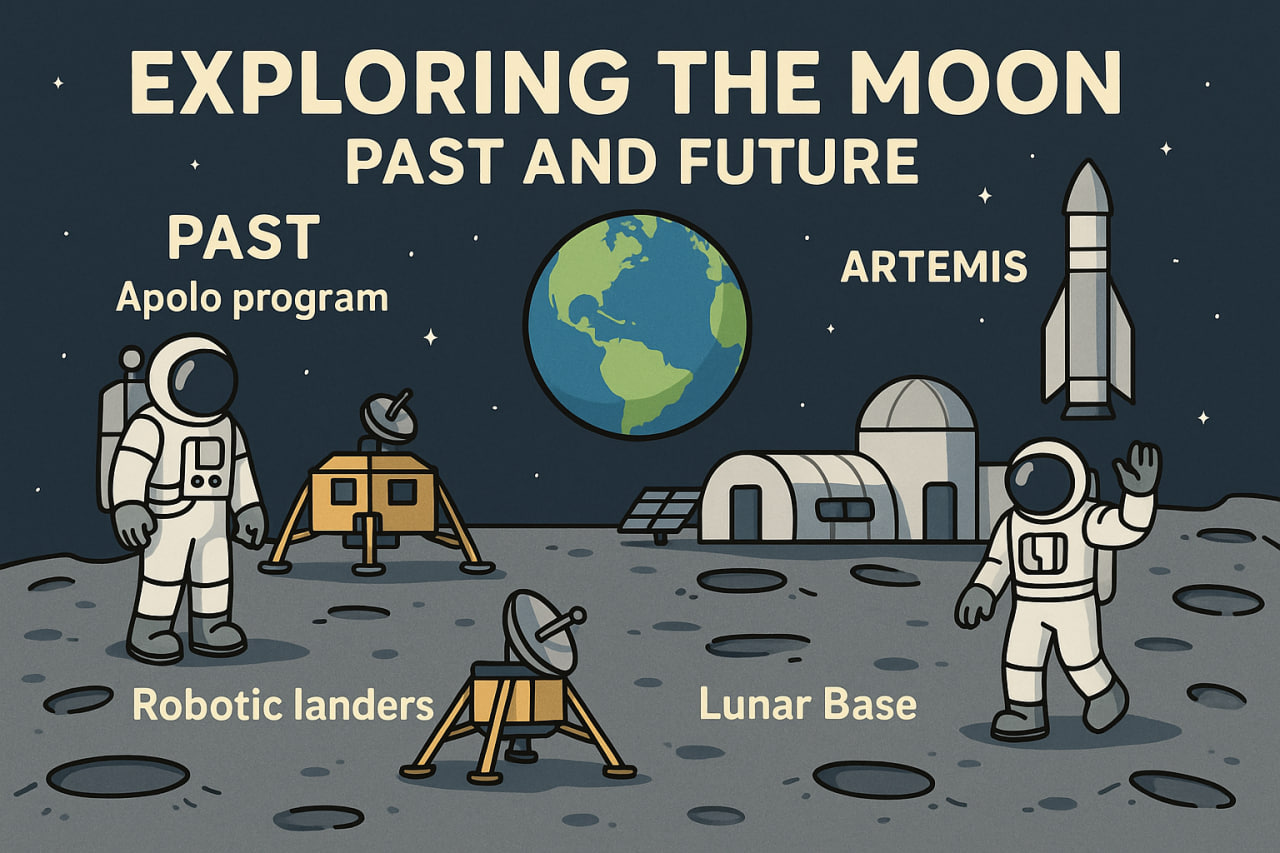
For centuries, the Moon has fascinated humanity. As Earth’s only natural satellite and the brightest object in our night sky, it has been central to ancient myths, scientific curiosity, and space exploration. From the first robotic missions to future lunar bases, the Moon remains a vital focus for global space agencies.

Microgravity: What Happens to the Human Body in Space
Space Stories Universe Science

Microgravity: What Happens to the Human Body in Space

Microgravity, often described as “weightlessness,” is the condition in which people or objects appear to be weightless while in orbit. Although gravity is still present, everything falls around Earth at the same rate, creating the illusion of floating. This unique environment has profound effects on the human body, many of which begin within hours of arriving in space.

Space Debris: A Growing Problem for the Future
Space Stories Universe Solar System

Space Debris: A Growing Problem for the Future

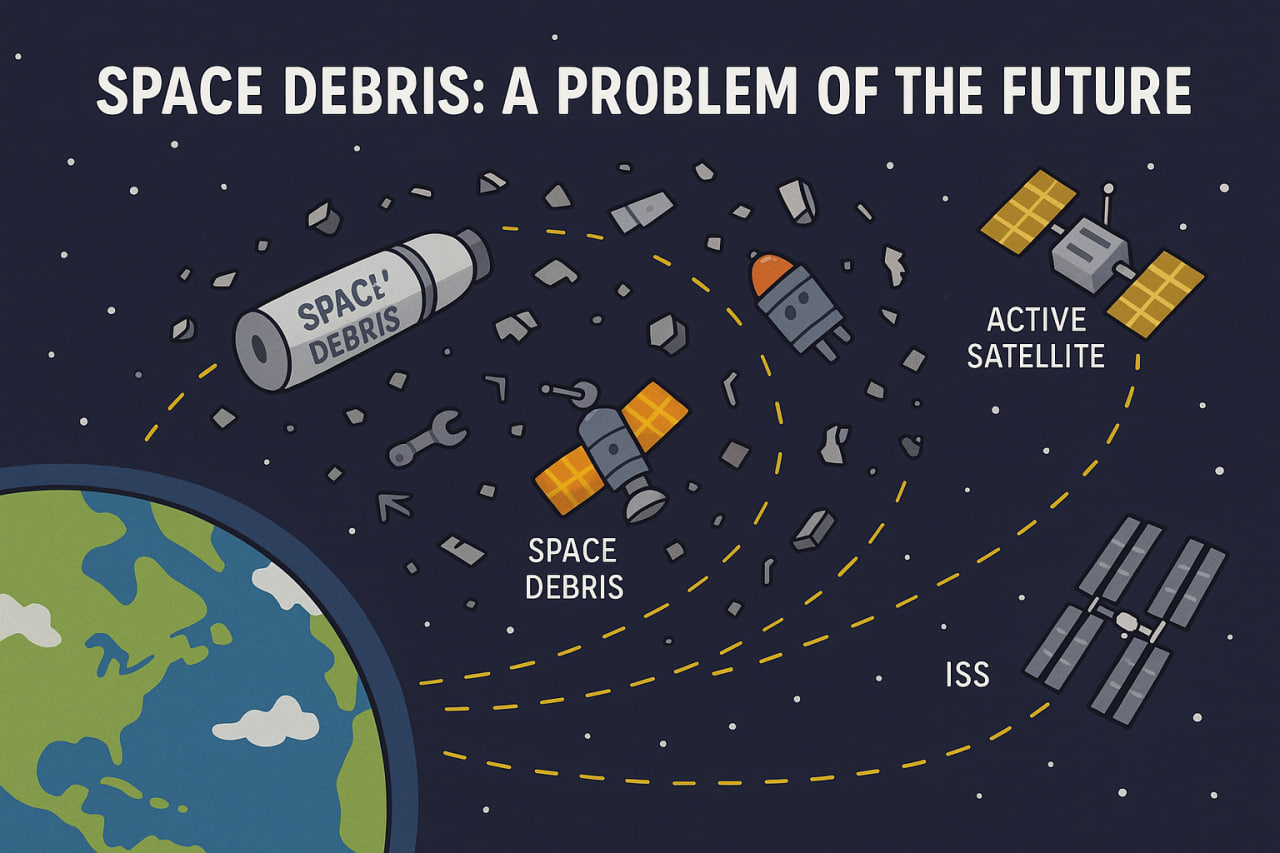
Space debris, also known as space junk, refers to non-functional human-made objects orbiting Earth. These include defunct satellites, spent rocket stages, fragments from past collisions, and even tools lost during spacewalks. While most of this debris is small, even tiny objects can cause serious damage due to their high orbital speeds. As we launch more satellites and spacecraft, space debris has become one of the most pressing environmental challenges in near-Earth space.

What Determines a Planet’s Orbit?
Space Stories Universe Science

What Determines a Planet’s Orbit?

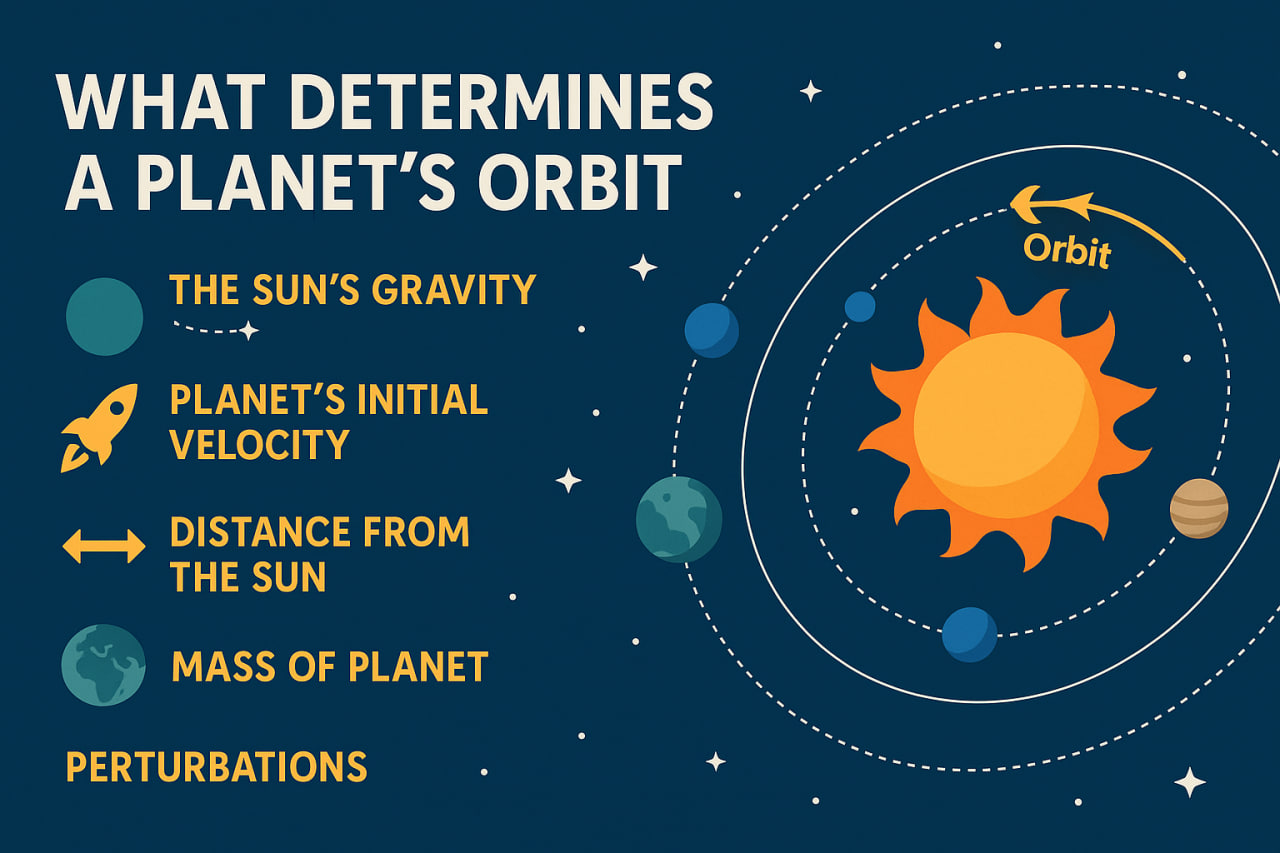
An orbit is the curved path a planet follows around a star — in our case, the Sun — due to the force of gravity. All planets in the Solar System orbit the Sun in elliptical paths, though they may appear almost circular. The shape, size, and speed of these orbits depend on several physical forces and conditions that were set during the early formation of the Solar System.

How Much Does the Earth Weigh?
Space Stories Universe Solar System

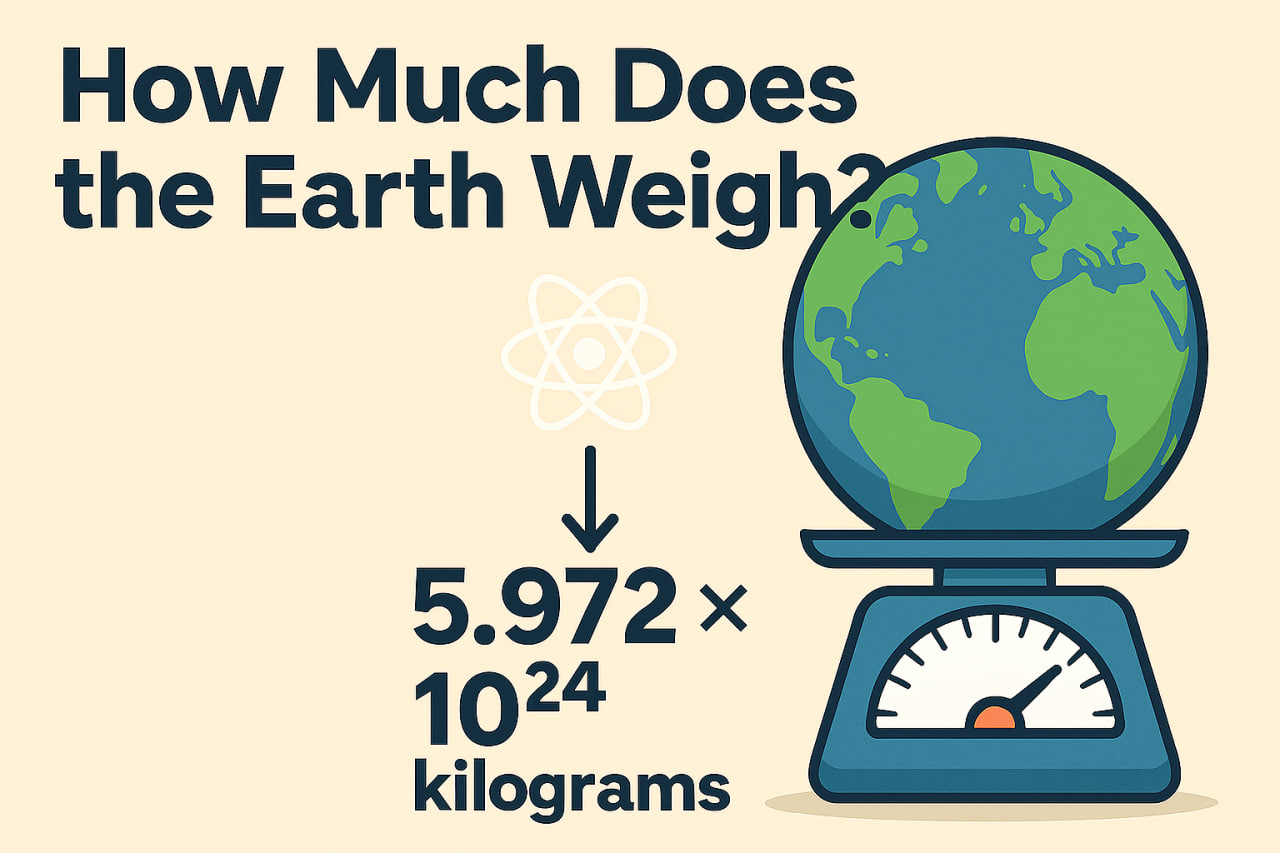
How Much Does the Earth Weigh?

When we ask how much the Earth “weighs,” we’re really asking about its mass. Weight, in physics, depends on gravity and varies depending on where an object is located. Since Earth is in space and not sitting on a scale, scientists measure its mass instead — a fixed quantity that doesn’t depend on location.

How Stars Are Formed: The Birth of Cosmic Light
Space Stories Universe

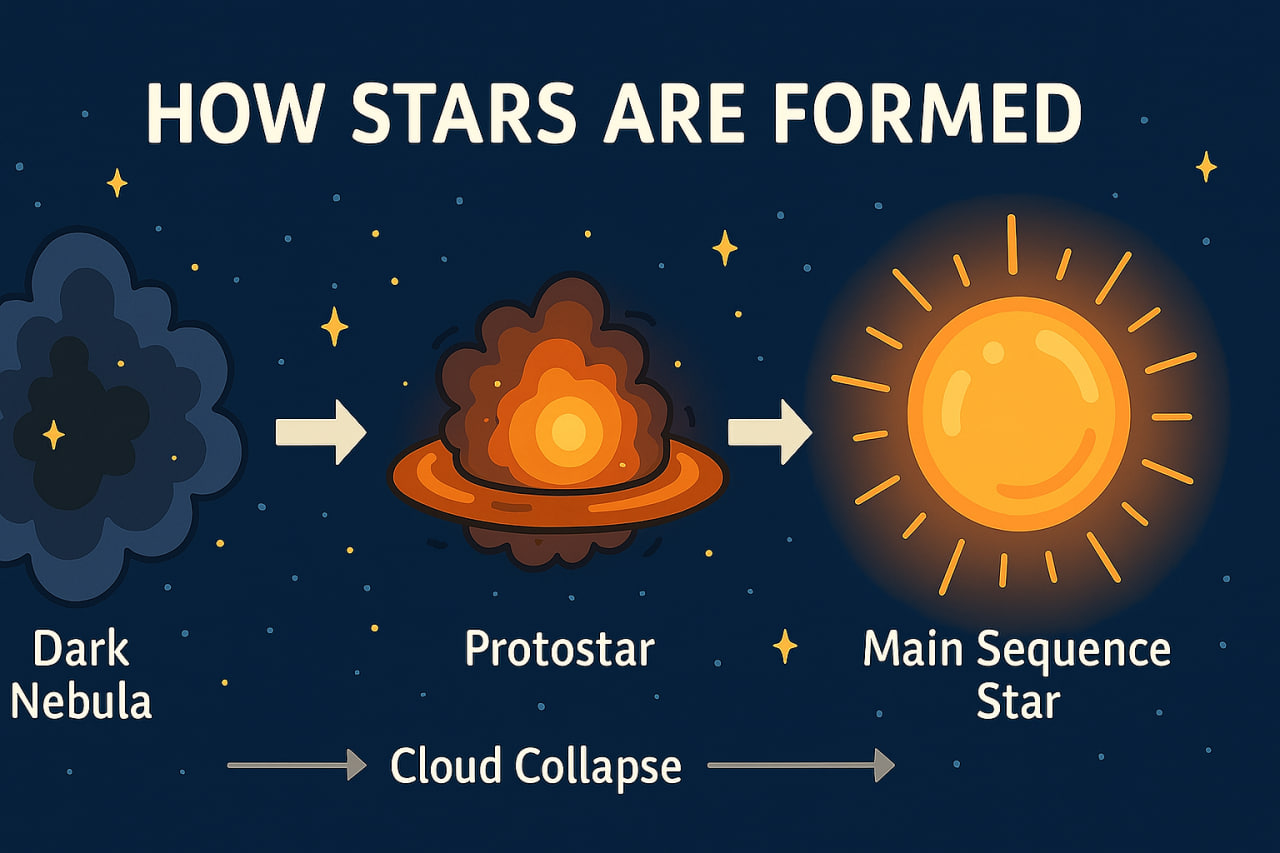
How Stars Are Formed: The Birth of Cosmic Light

Stars are massive spheres of glowing gas that shine with energy produced by nuclear fusion. Every star—including our Sun—was born from cosmic clouds in deep space. The process of star formation is both violent and beautiful, involving gravity, gas, dust, and intense pressure over millions of years.