Space Stories

What Is Redshift?
Space Stories Universe

What Is Redshift?

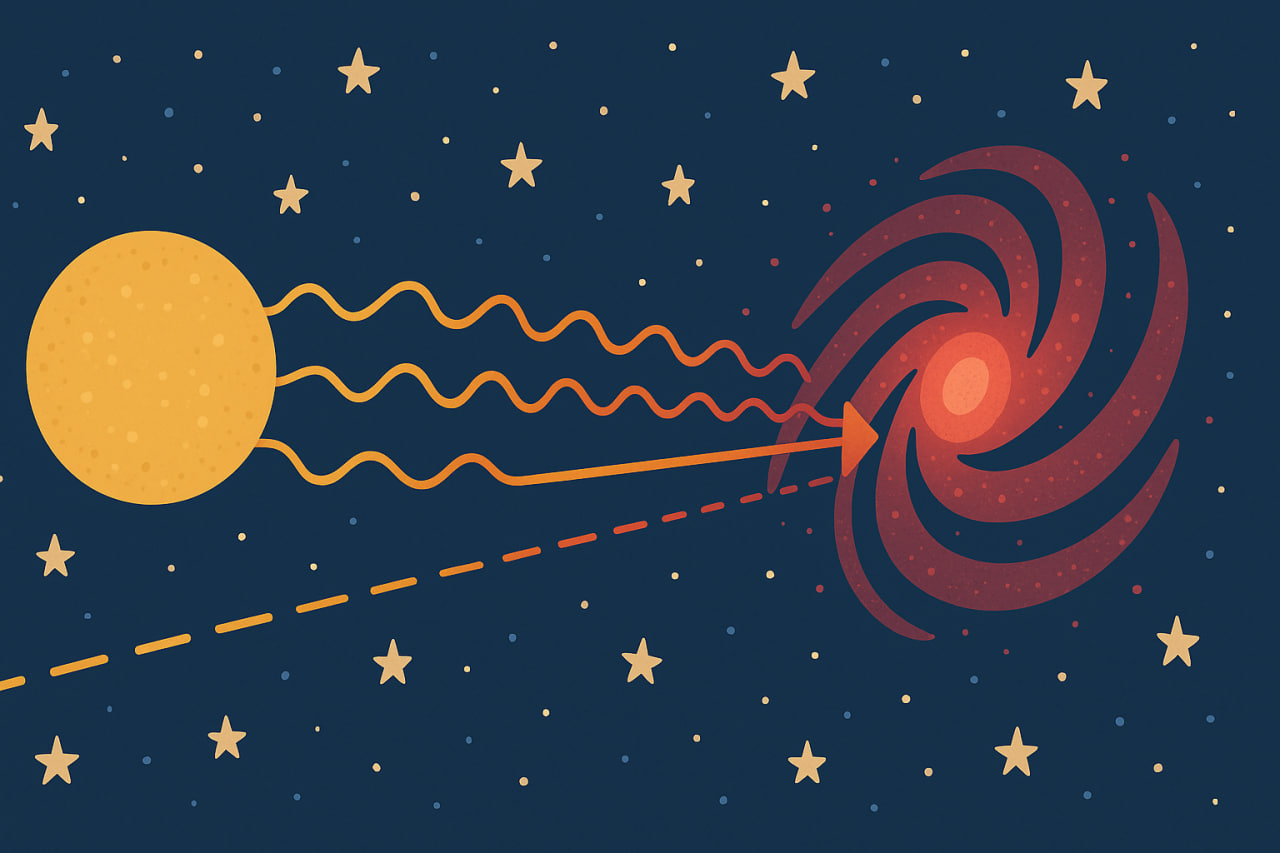
Redshift is a key concept in astronomy that helps scientists understand how distant celestial objects move in space. When we observe light from stars and galaxies, we’re not just seeing brightness — we’re also reading information embedded in that light. One of the most important clues comes from shifts in the wavelengths of that light. A redshift means the light has stretched, shifting toward the red end of the visible spectrum. This stretching tells us that the object emitting the light is moving away from us. Redshift has become a cornerstone for discovering that the universe is expanding.
What Are Asteroid Belts?
Space Stories Universe Solar System

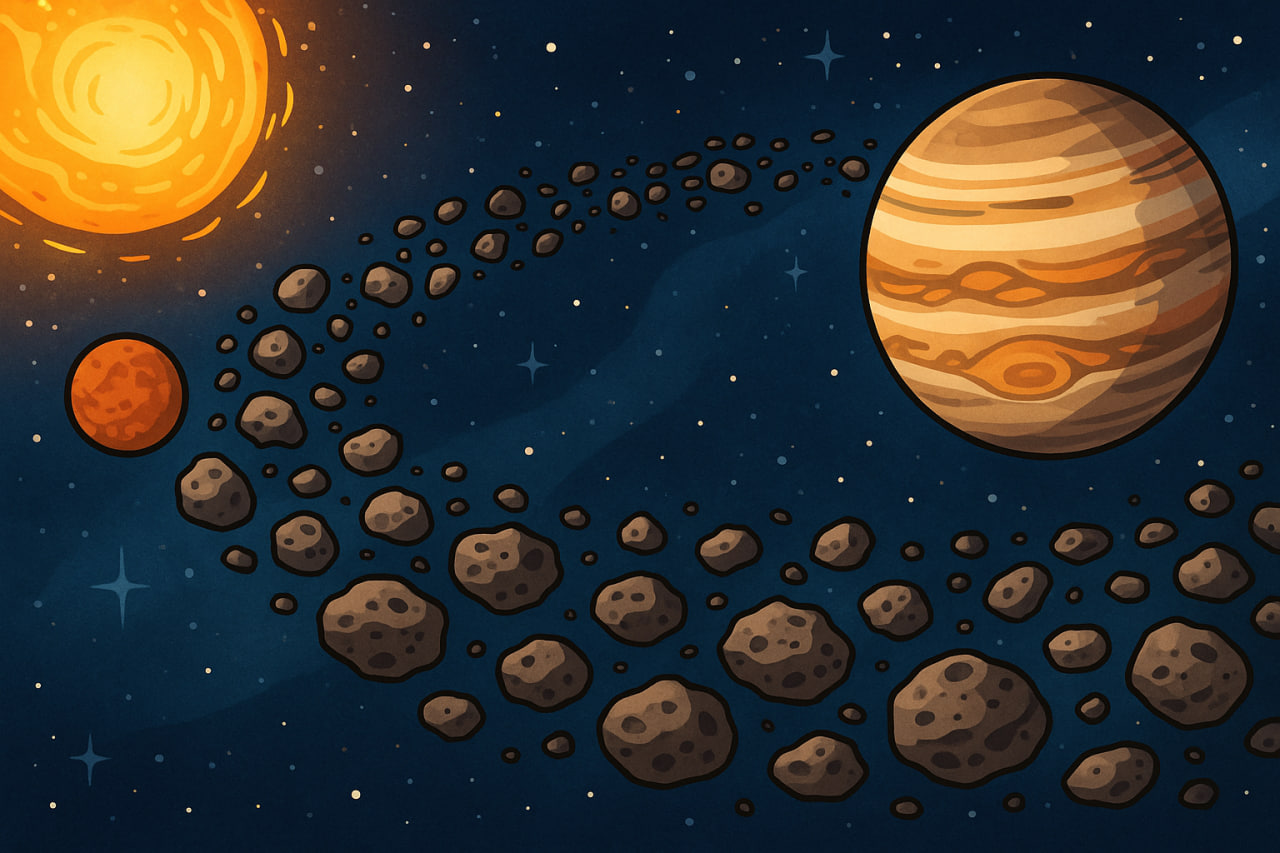
What Are Asteroid Belts?

The asteroid belt is a vast region in space filled with rocky objects of various sizes orbiting the Sun. These objects, called asteroids, are remnants from the early formation of the solar system. While often portrayed in science fiction as chaotic, the real asteroid belts are mostly empty space dotted with millions of small celestial bodies. The most well-known of these belts lies between Mars and Jupiter, and plays a significant role in understanding the evolution of planets and the structure of our cosmic neighborhood.

The ISS as a Scientific Platform: Research from Inside
Space Stories Cosmic Innovations Science

The ISS as a Scientific Platform: Research from Inside

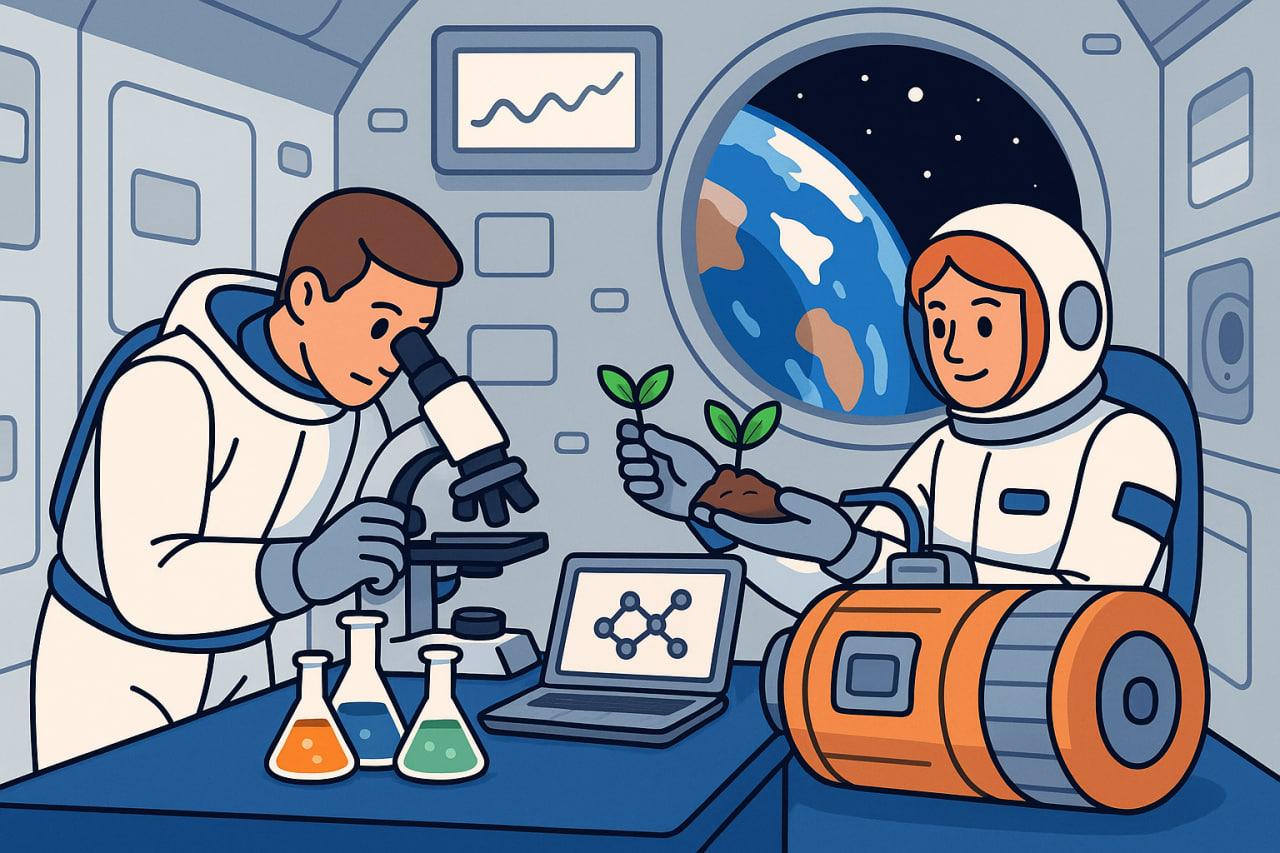
The International Space Station (ISS) is not just a symbol of global cooperation, but a fully operational scientific laboratory in orbit. Orbiting Earth at about 400 kilometers in altitude, the ISS travels at a speed of approximately 28,000 km/h, completing one orbit every 90 minutes. Inside this massive structure, astronauts from multiple nations conduct daily scientific experiments in a unique environment that cannot be replicated on Earth. The ISS provides long-term access to microgravity, enabling researchers to study biological, chemical, and physical processes without the interference of gravity. These conditions reveal new insights into cell behavior, fluid dynamics, material science, and more. The station's modular structure includes dedicated lab modules such as Destiny (USA), Columbus (Europe), and Kibo (Japan), each outfitted with specialized equipment. These modules make the ISS an extraordinary research hub floating above Earth.

Plants in Orbit: Agricultural Technologies in Microgravity
Space Stories Cosmic Innovations New Discoveries

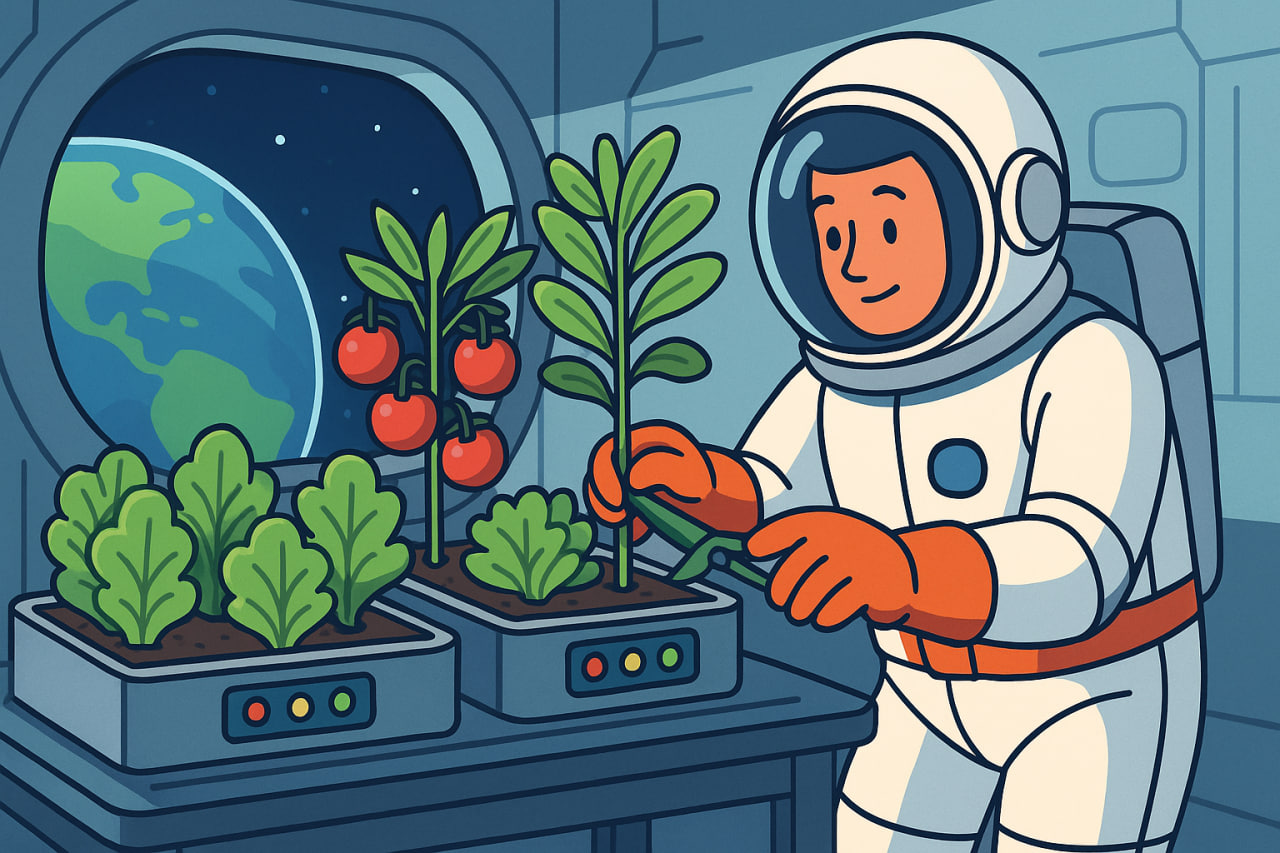
Plants in Orbit: Agricultural Technologies in Microgravity

Growing plants in space has become a crucial component of long-term space exploration. As humanity prepares for extended missions to the Moon, Mars, and beyond, sustainable food production in microgravity is no longer a theoretical challenge — it is a pressing engineering and biological frontier. The ability to grow crops in orbit supports crew nutrition, psychological well-being, oxygen regeneration, and closed-loop life support systems.

Why Venus Is a Evil Planet
Space Stories Universe Solar System

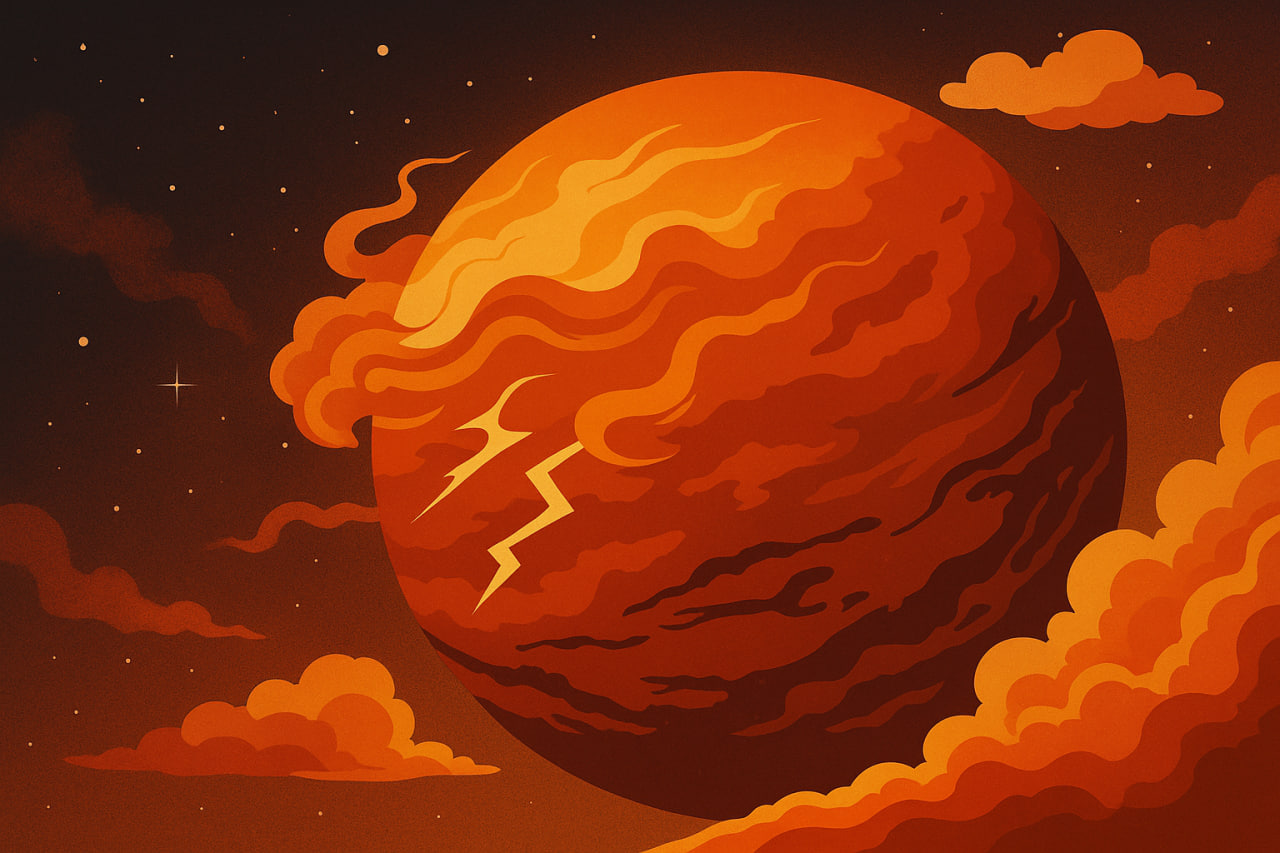
Why Venus Is a Evil Planet

Although similar in size and composition to Earth, Venus is often described as our planet’s evil twin. With scorching temperatures, crushing atmospheric pressure, and acidic clouds, Venus is one of the most inhospitable places in the solar system. Understanding why Venus became so hostile provides critical insights into planetary evolution—and even Earth's future.

How Space Stations Are Built
Space Stories Cosmic Innovations Hi-Tech

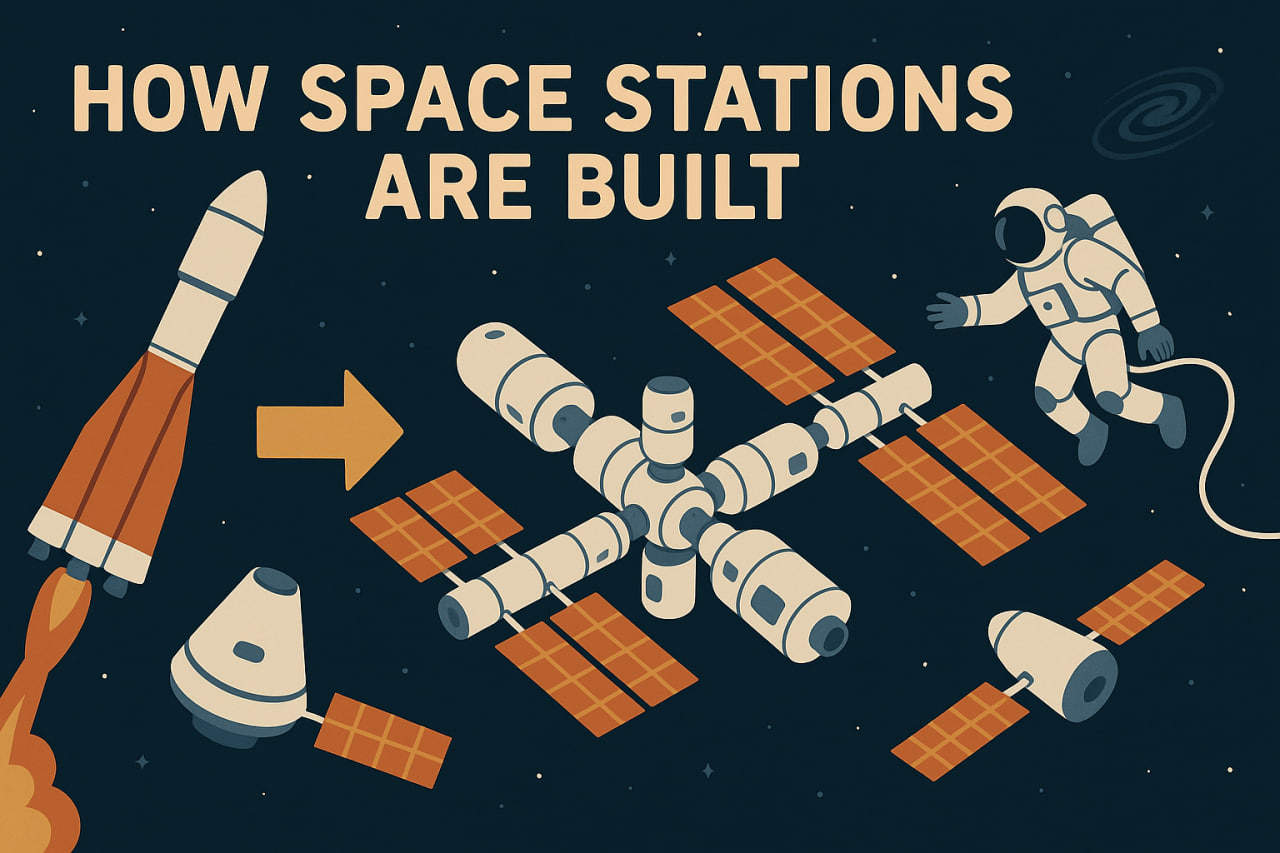
How Space Stations Are Built

A space station is a large, habitable artificial satellite that orbits Earth, serving as a platform for scientific research, space exploration, and international cooperation. Building a space station is one of the most complex engineering tasks ever undertaken by humanity. Unlike ground-based structures, space stations must be assembled in orbit, piece by piece, using specially designed modules, spacecraft, and astronaut labor.

Where Does Earth's Atmosphere End?
Space Stories Science Solar System

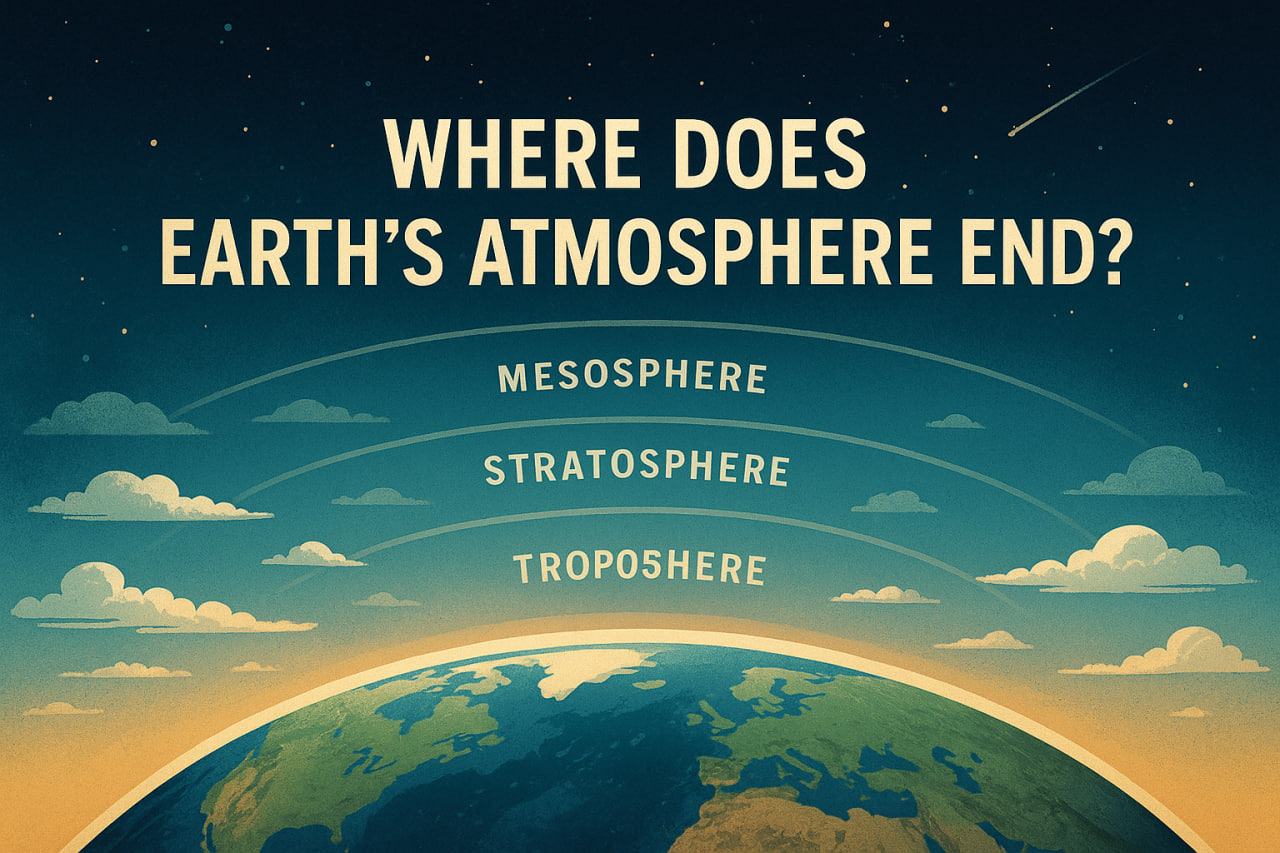
Where Does Earth's Atmosphere End?

The atmosphere of Earth is a vast and complex layer of gases that surrounds the planet, gradually thinning with altitude. But where does it actually end? Unlike a solid surface, the boundary of Earth's atmosphere isn’t sharply defined. Instead, it fades into the vacuum of space over hundreds of kilometers. Scientists have proposed several definitions for the "edge" of the atmosphere, depending on whether they’re discussing physics, satellite motion, or legal boundaries.

The Sun’s Impact on Earth
Space Stories Be Smart Solar System

The Sun’s Impact on Earth

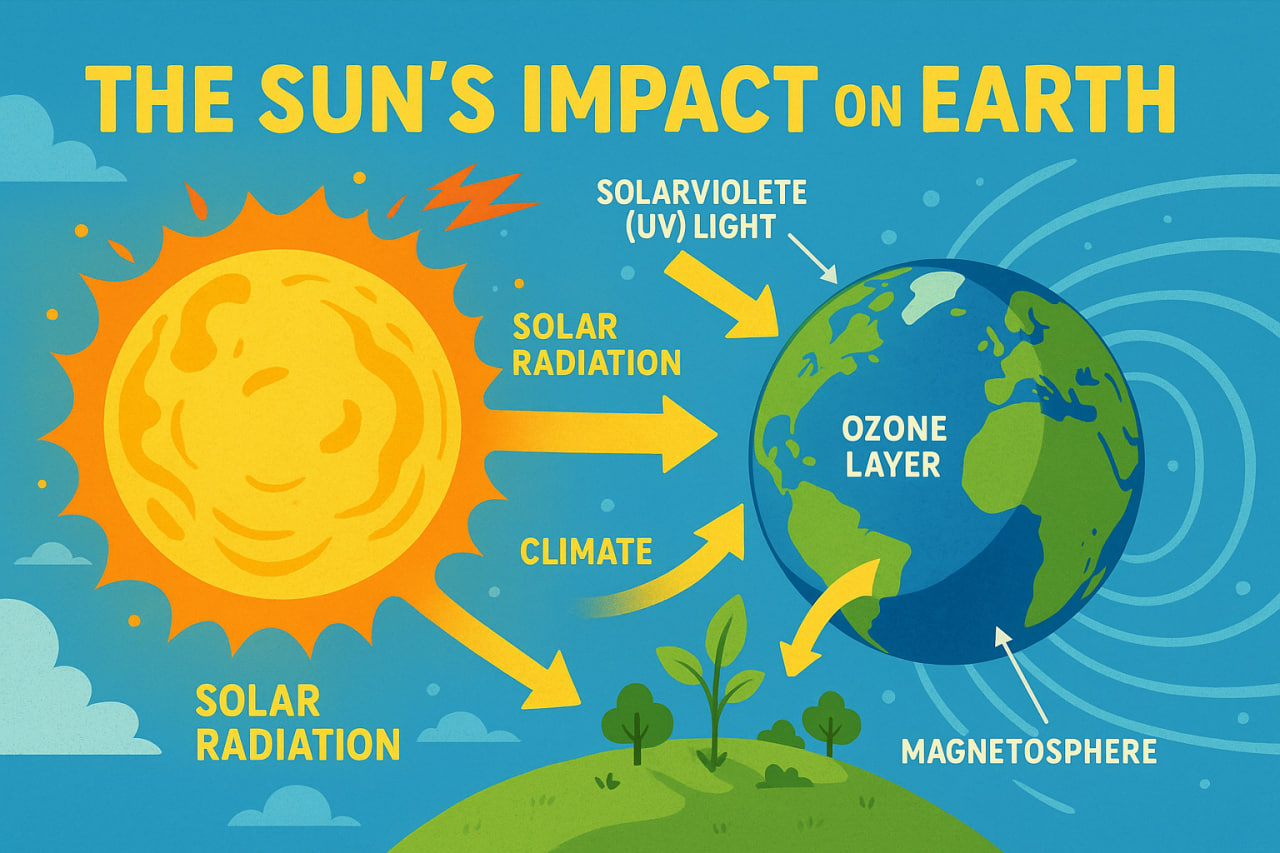
The Sun is the central driver of nearly all natural processes on Earth. As the closest star to our planet, it provides the energy necessary for life, powers the weather and climate systems, and influences Earth's magnetic field and atmosphere. However, the Sun is not just a steady source of light—its dynamic behavior can also pose risks to satellites, communication systems, and even human health.

What Are Wormholes?
Space Stories Universe

What Are Wormholes?

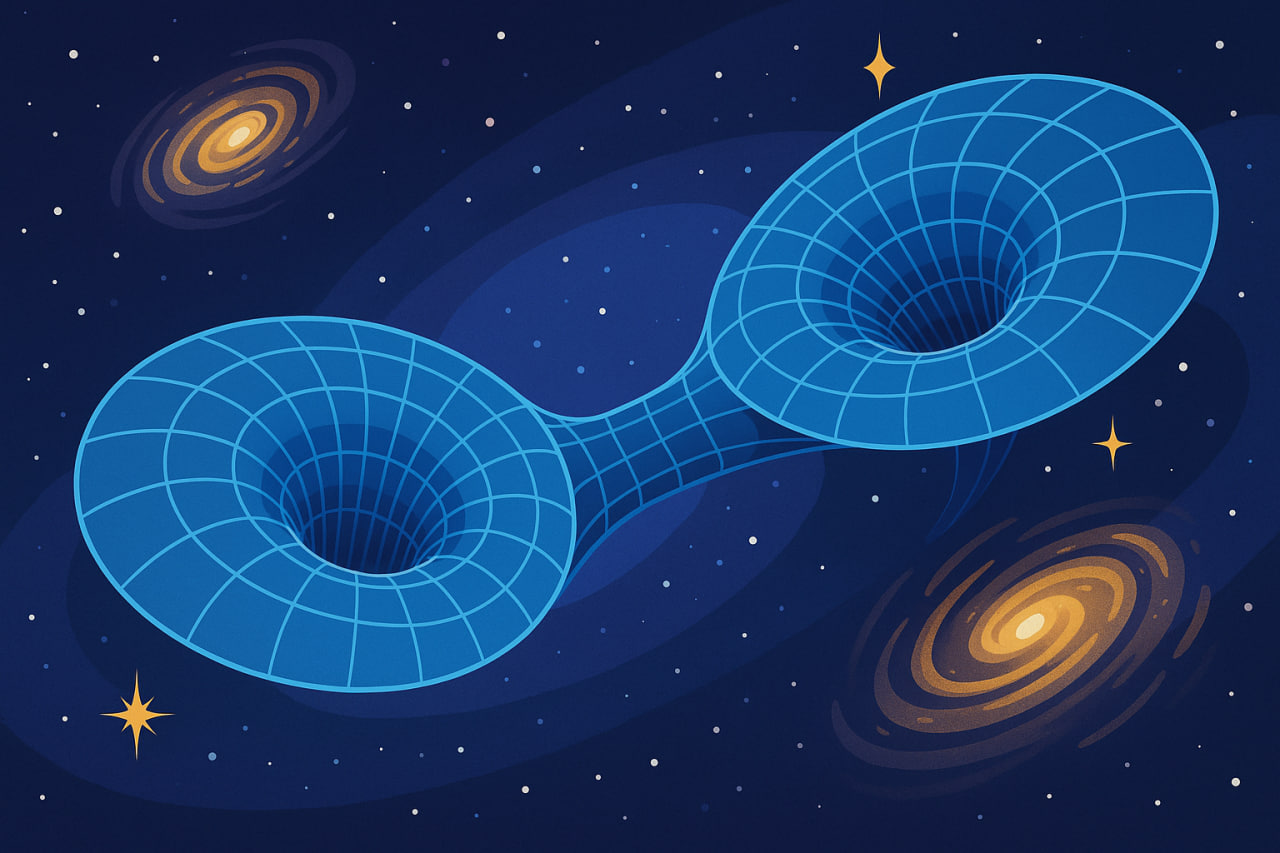
Wormholes, also known as Einstein-Rosen bridges, are theoretical passages through space and time that could connect two distant points in the universe. These concepts emerge from solutions to Einstein’s general theory of relativity, which describes how massive objects warp space-time. In theory, wormholes could act as shortcuts across the cosmos, potentially allowing for faster-than-light travel or even time travel. However, to date, no actual wormhole has been observed, and many scientists consider them purely speculative.

Can Humans Live on Mars?
Space Stories Universe Solar System

Can Humans Live on Mars?

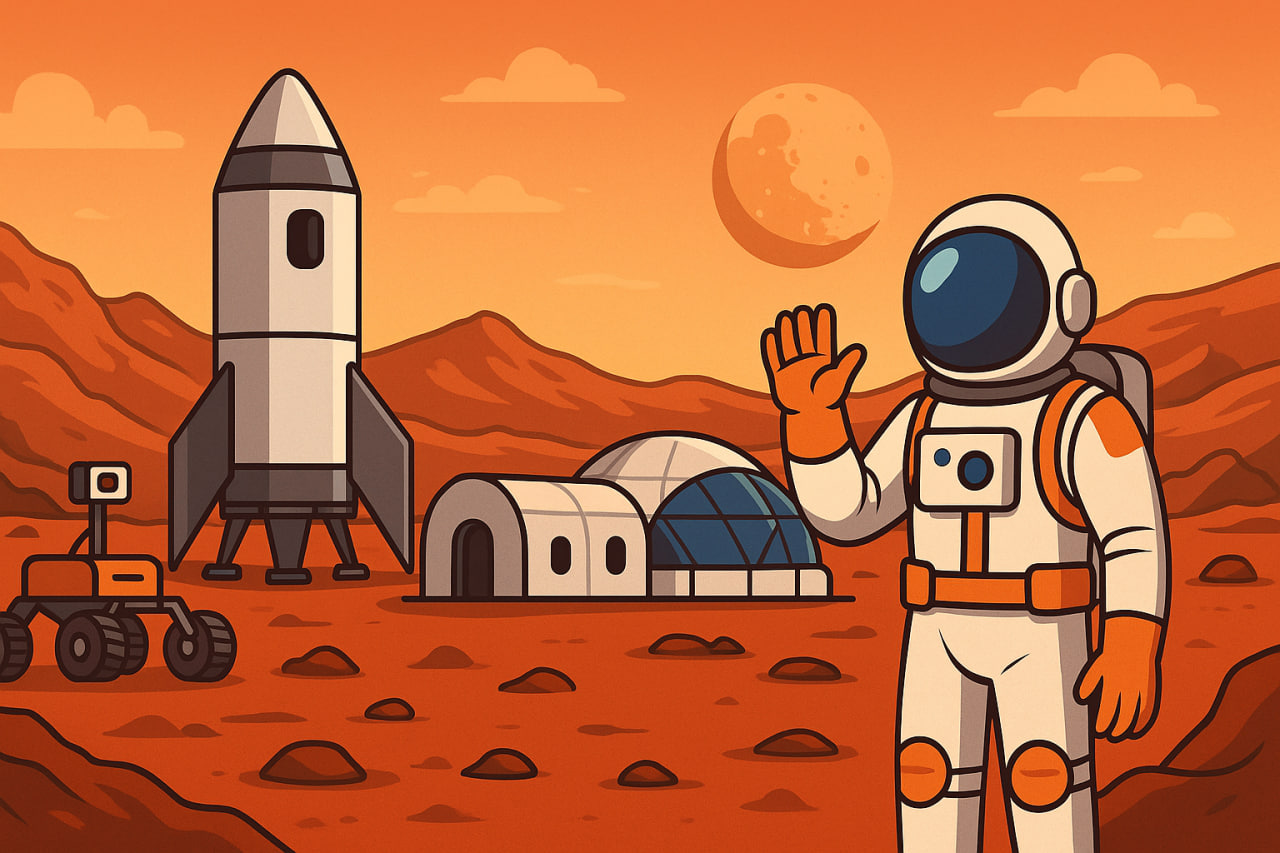
The idea of humans living on Mars has fascinated scientists, engineers, and science fiction writers for decades. As Earth faces environmental and population challenges, some experts consider Mars a potential second home for humanity. But while space agencies like NASA and SpaceX plan future missions, many obstacles stand between us and permanent Martian settlement. Life on Mars may be possible, but it requires overcoming serious technological, biological, and logistical challenges.