Space Stories

The History of Human Spaceflight
Space Stories History

The History of Human Spaceflight

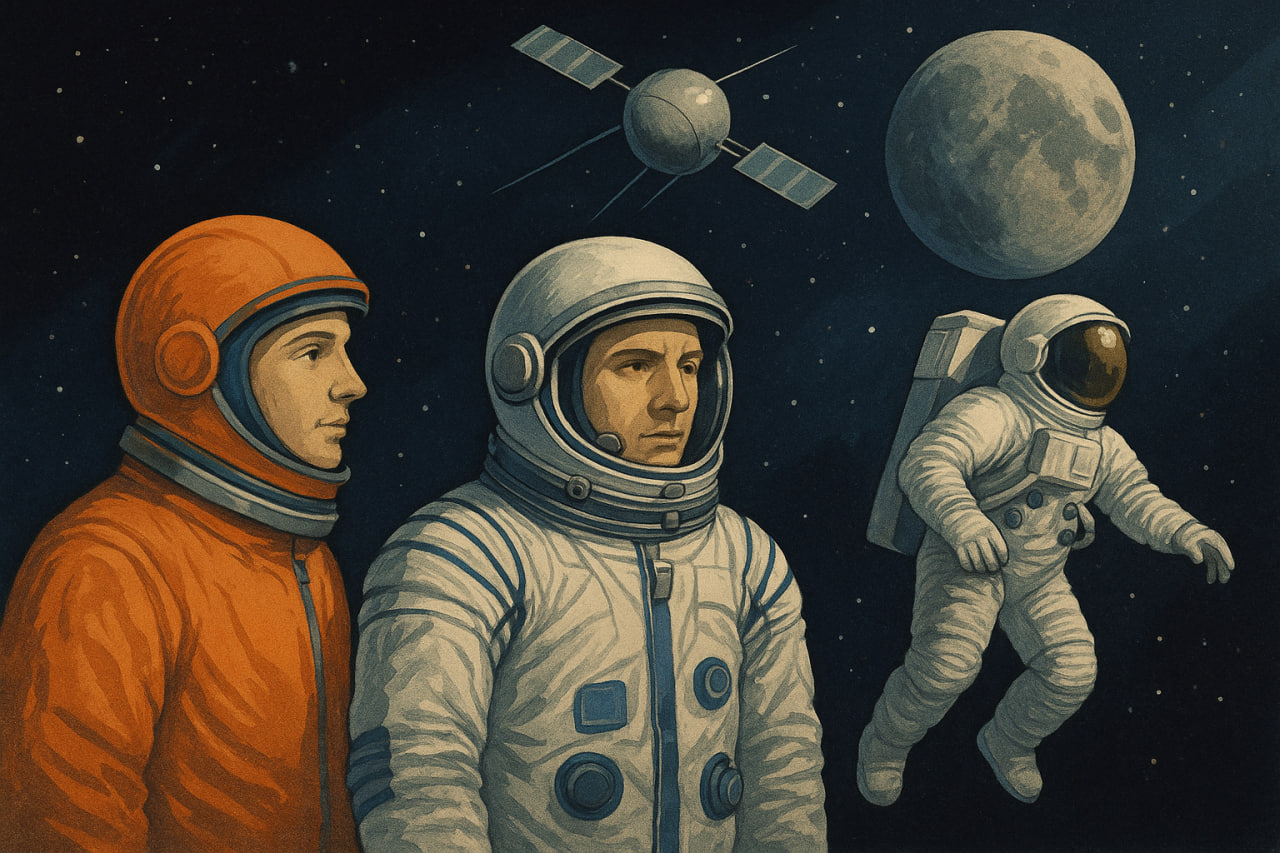
The story of cosmonautics — also known as human spaceflight — is one of the most remarkable chapters in modern history. It began with ideas from science fiction, advanced through wartime rocketry, and evolved into a global pursuit that now includes international cooperation, deep space exploration, and long-term space living. This article traces the most important milestones in the history of space exploration, with a focus on human achievements from the 20th century to the present.
The First Moon Landing
Space Stories History Earth & Moon

The First Moon Landing

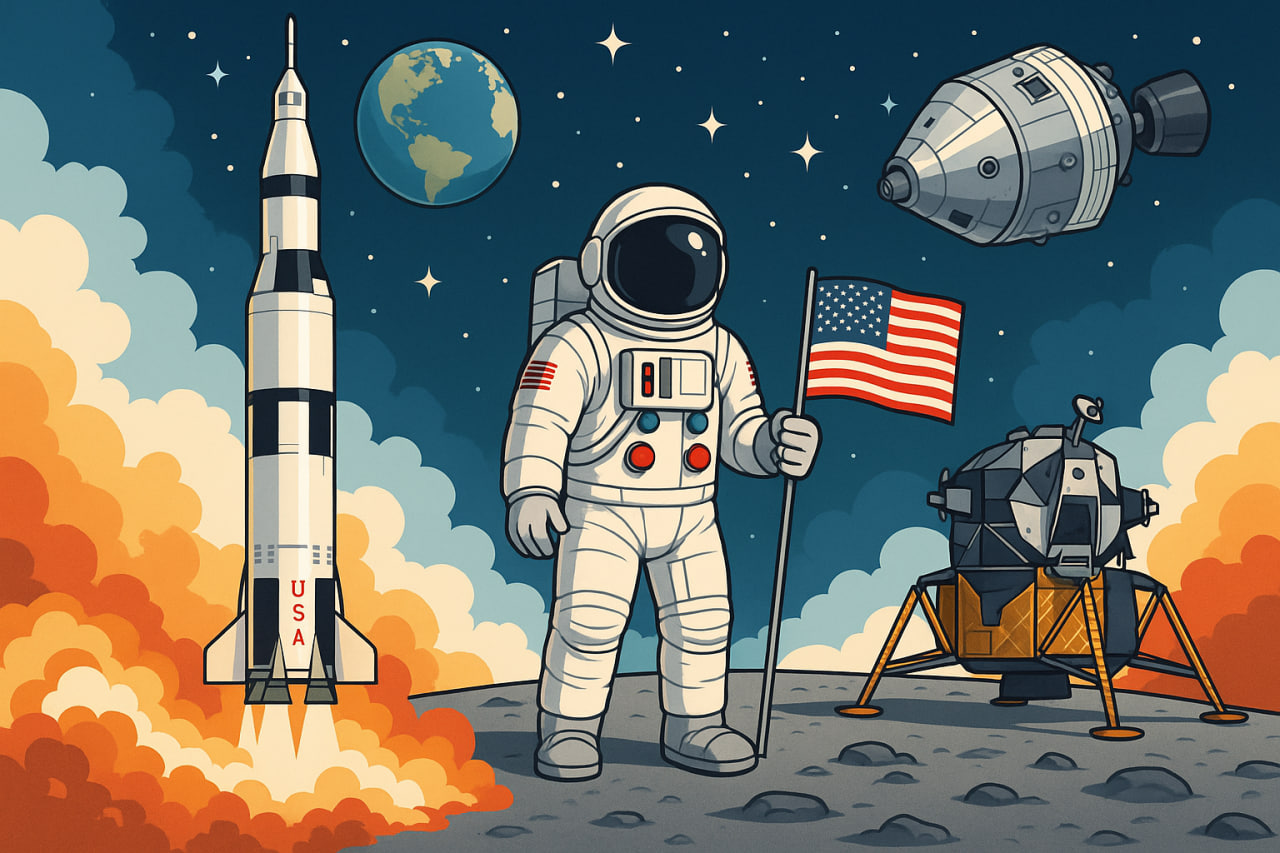
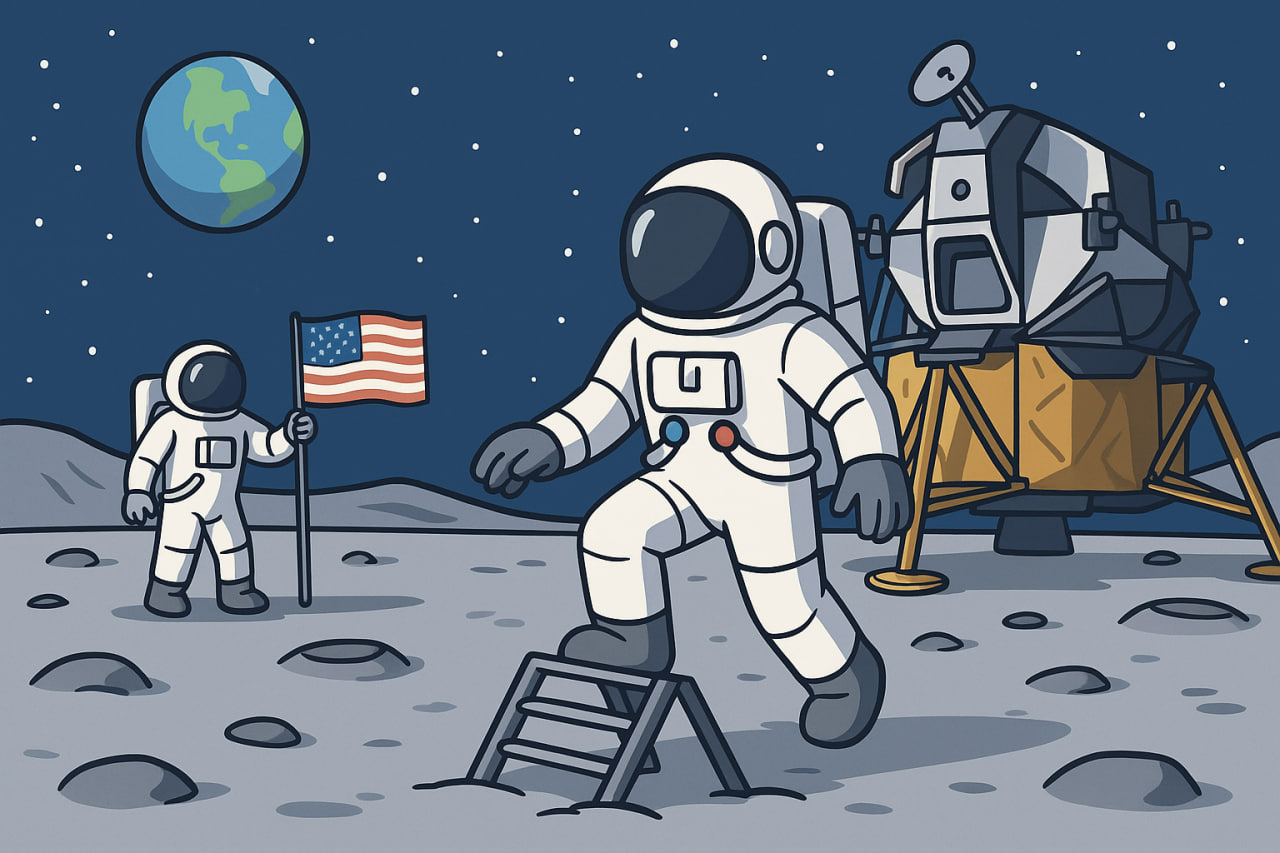
On July 20, 1969, millions of people across the globe watched in awe as Neil Armstrong stepped onto the surface of the Moon, delivering the iconic words: "That's one small step for [a] man, one giant leap for mankind." The Apollo 11 mission was not just a technical achievement, but a symbol of what humanity could accomplish through science, perseverance, and international effort. It marked the first time humans set foot on another celestial body.

Rockets: The Engines of Space Exploration
Space Stories Cosmic Innovations Science

Rockets: The Engines of Space Exploration

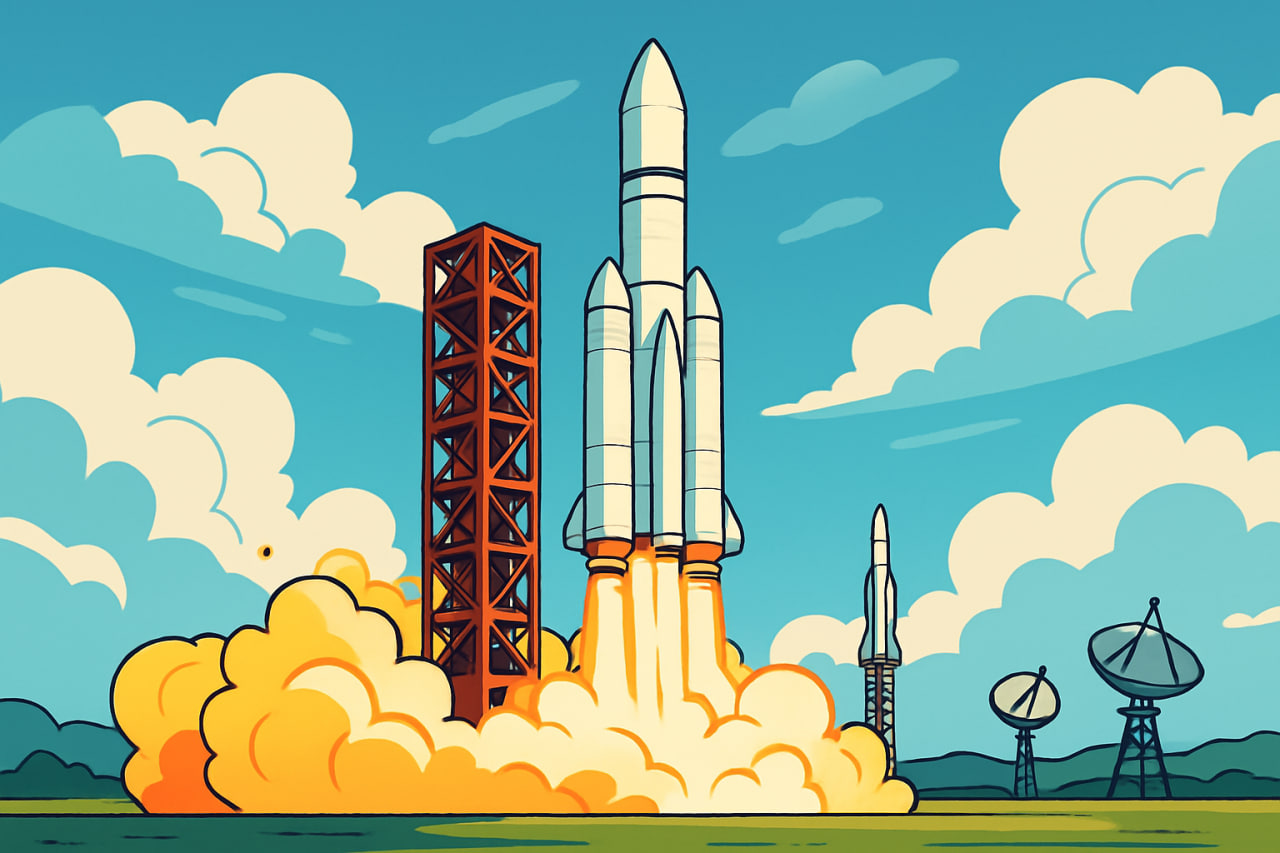
A rocket is a vehicle or device that moves by expelling gas out of a nozzle at high speed, based on Newton’s Third Law of Motion: “For every action, there is an equal and opposite reaction.” Rockets are the only machines that can operate in the vacuum of space, making them essential for launching satellites, space probes, crew missions, and even interplanetary travel.

The History of the Apollo Program
Space Stories History

The History of the Apollo Program

The Apollo program, run by NASA between 1961 and 1972, was one of the most ambitious and historic endeavors in human history. Its goal: to land humans on the Moon and return them safely to Earth. This monumental task was driven by both scientific curiosity and geopolitical competition, particularly during the Cold War era. In the end, Apollo not only succeeded in its mission — it redefined what humanity could achieve beyond Earth.

What Are Light Years?
Space Stories Universe Be Smart

What Are Light Years?

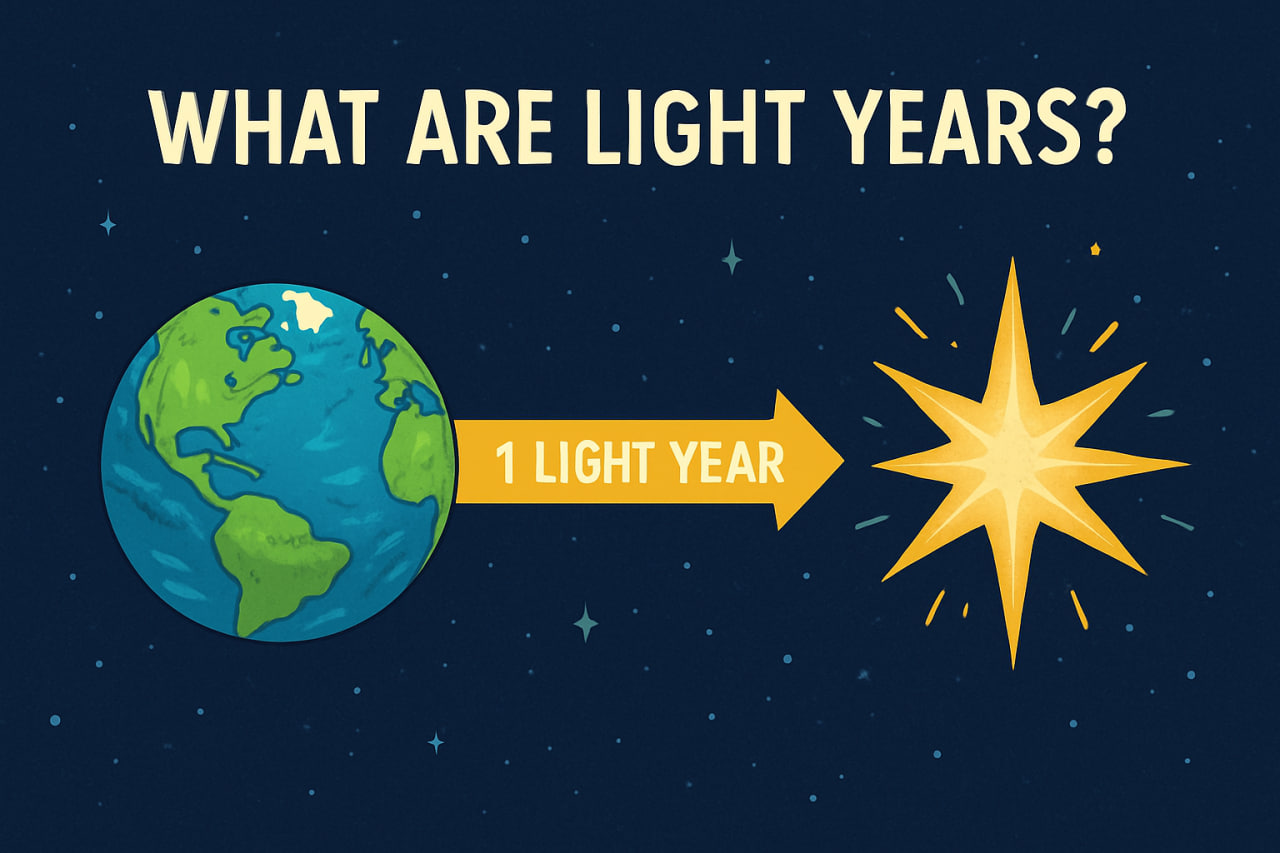
When astronomers talk about stars, galaxies, or other celestial objects, they often use the term "light year" — but it’s not a measure of time. Despite the word “year”, a light year is actually a unit of distance, representing how far light travels in one year. Given the vastness of the universe, ordinary kilometers or miles become impractical, so light years allow scientists to talk about enormous cosmic scales more clearly.

How Do Scientists Measure the Distance to Stars?
Space Stories Universe Science

How Do Scientists Measure the Distance to Stars?

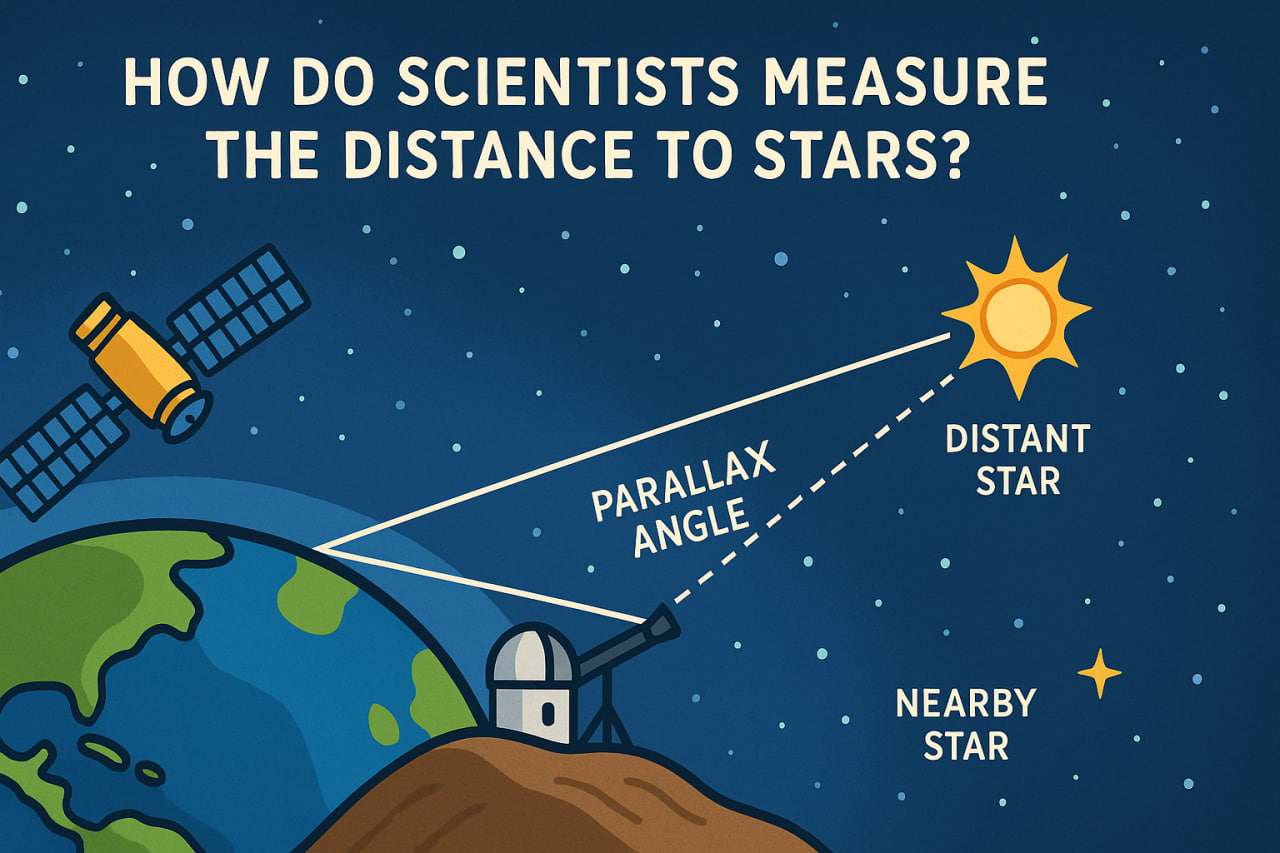
Stars may appear close as dots in the night sky, but in reality, they are incredibly far away — often light years from Earth. Since we can't stretch a measuring tape across space, astronomers rely on clever, physics-based methods to determine these vast distances. Measuring how far stars are helps us understand their size, brightness, evolution, and even the shape of our galaxy.

Why Do Some Planets Have Rings?
Space Stories Universe

Why Do Some Planets Have Rings?

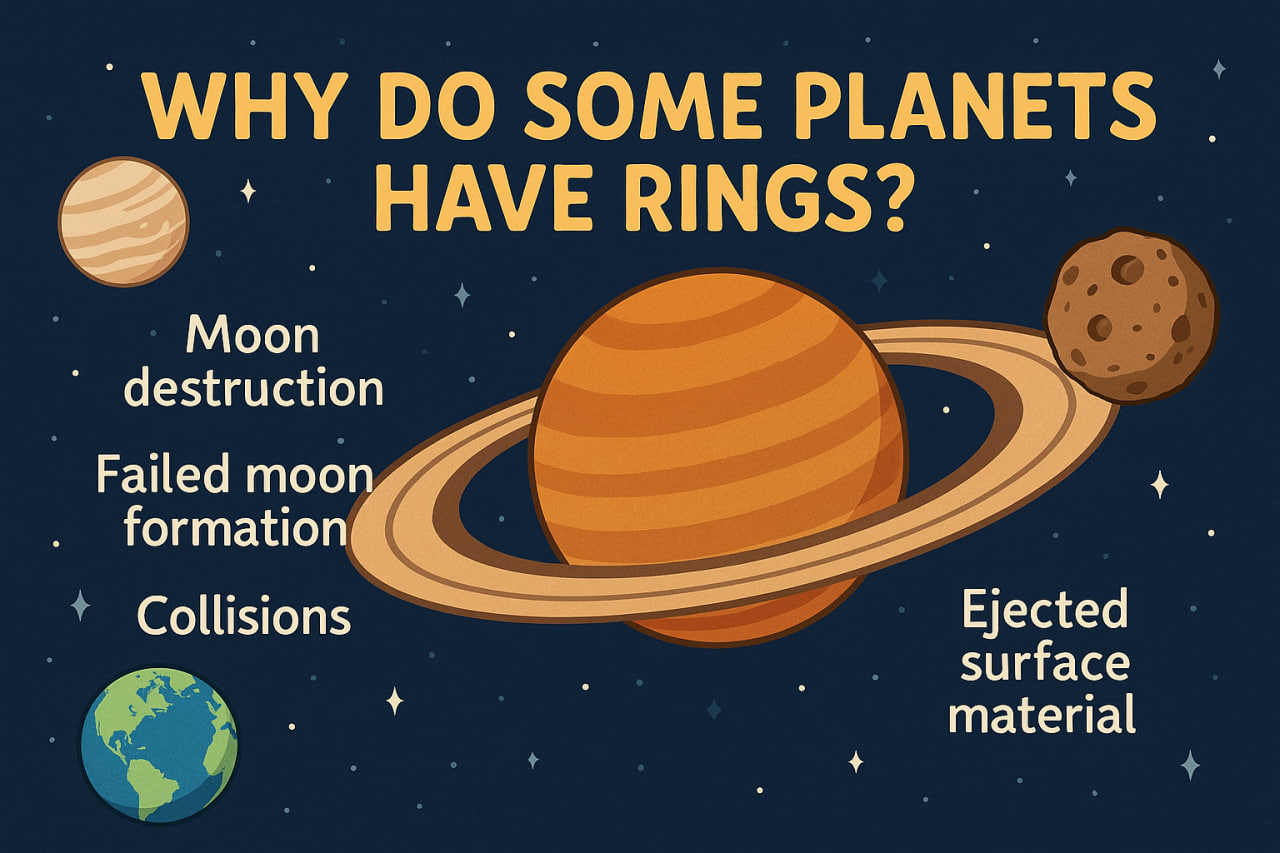
When we picture planets with rings, Saturn immediately comes to mind. But did you know that all four gas giants in our solar system — Jupiter, Saturn, Uranus, and Neptune — have rings? These stunning structures are more than just beautiful; they are a window into a planet’s history, gravity, and moons. Understanding why some planets have rings while others do not helps astronomers learn more about planet formation and dynamics.

Where Does Space Begin?
Space Stories Universe Solar System

Where Does Space Begin?

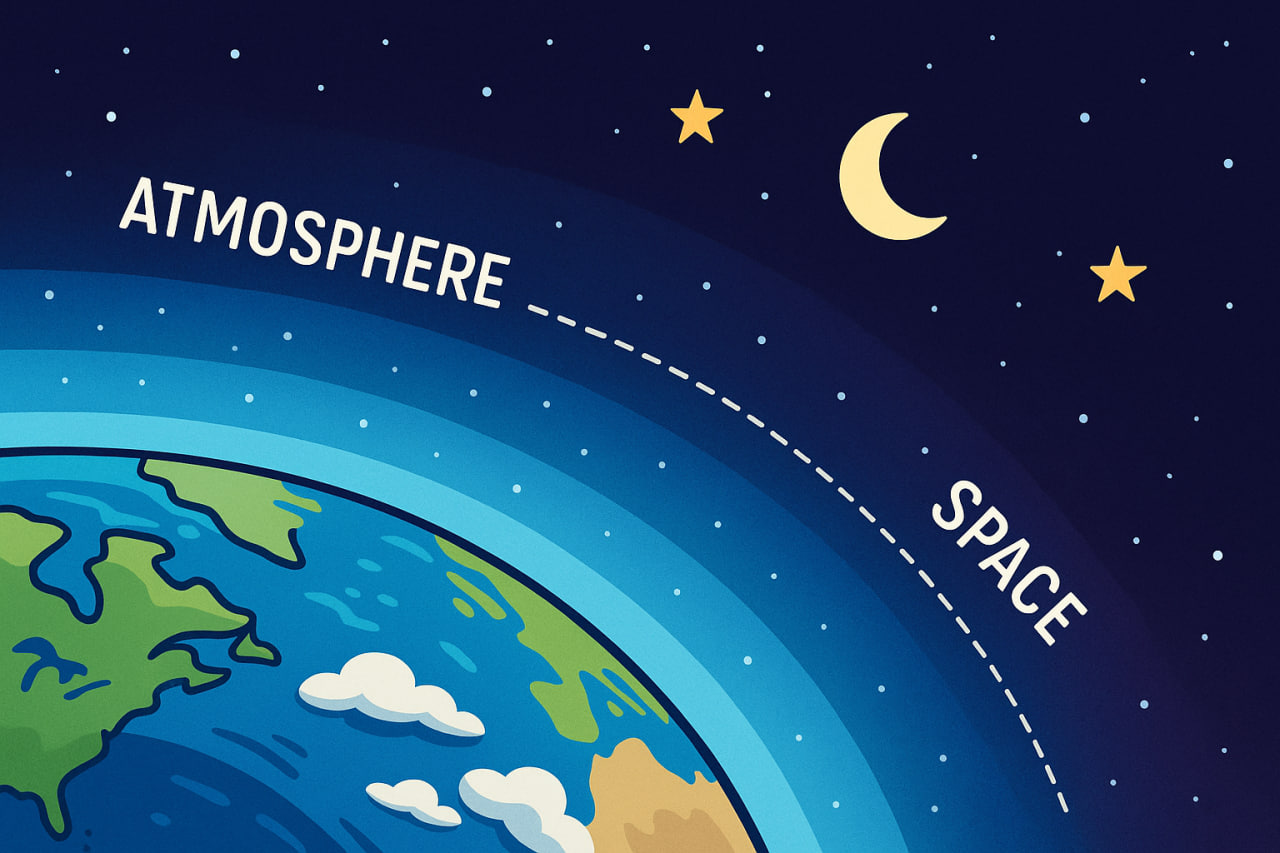
When we look up at the sky, it may seem like space begins just beyond the clouds. But scientifically defining where Earth ends and space begins is far more complex. The boundary between the atmosphere and outer space doesn’t have a visible line — instead, it’s defined by altitude, atmospheric density, and practical use (such as satellite orbit). The most widely accepted boundary is known as the Kármán line, but it’s not the only interpretation. Let’s explore how scientists define the edge of space — and why it matters.

How Planets Form
Space Stories Universe Science

How Planets Form

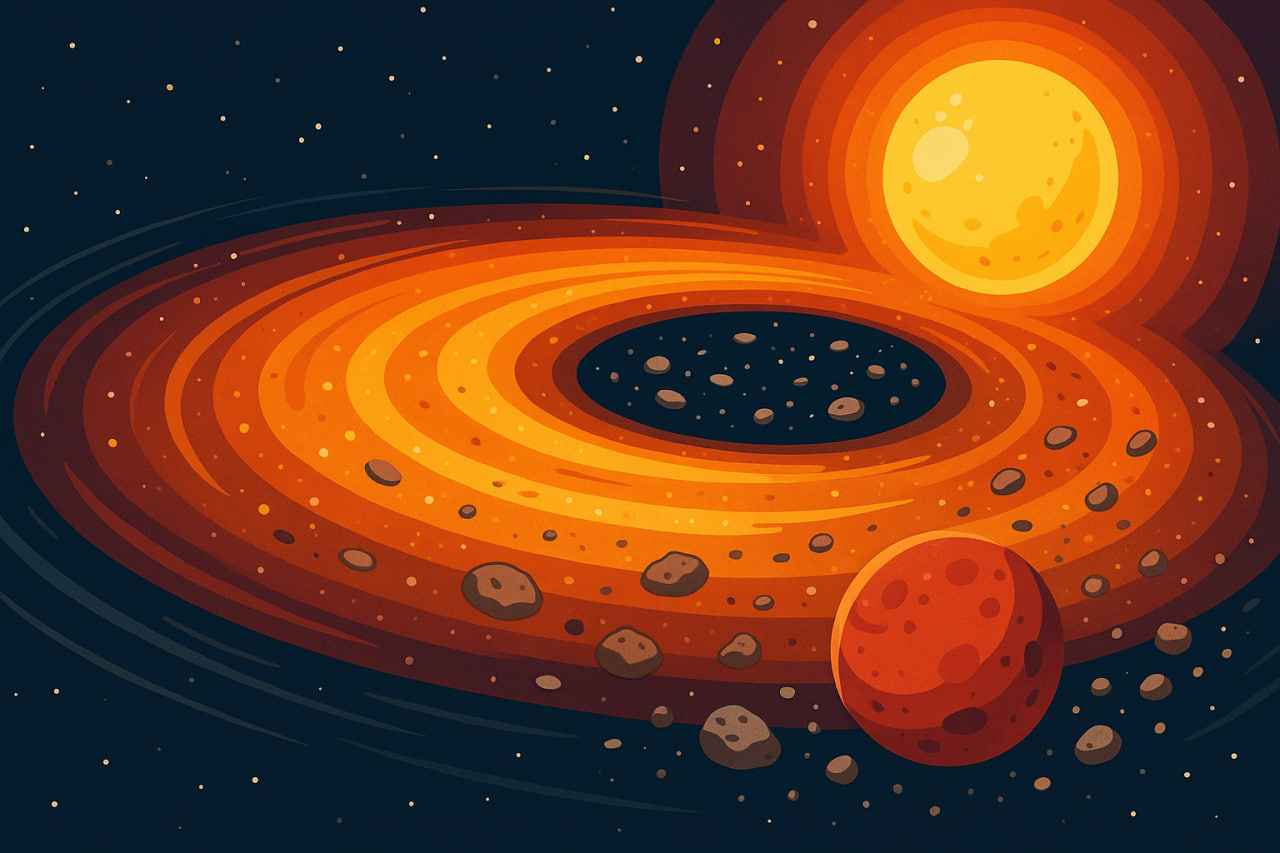
Planets don’t simply appear — they are the result of complex processes unfolding over millions of years. From dust particles in a swirling cloud of gas to massive, orbiting worlds, planetary formation is a fundamental chapter in the evolution of solar systems. Understanding how planets form not only explains Earth’s origin but also helps scientists search for exoplanets and assess their potential to support life.

Why Scientists Study Jupiter's Icy Moons
Space Stories Universe Solar System

Why Scientists Study Jupiter's Icy Moons

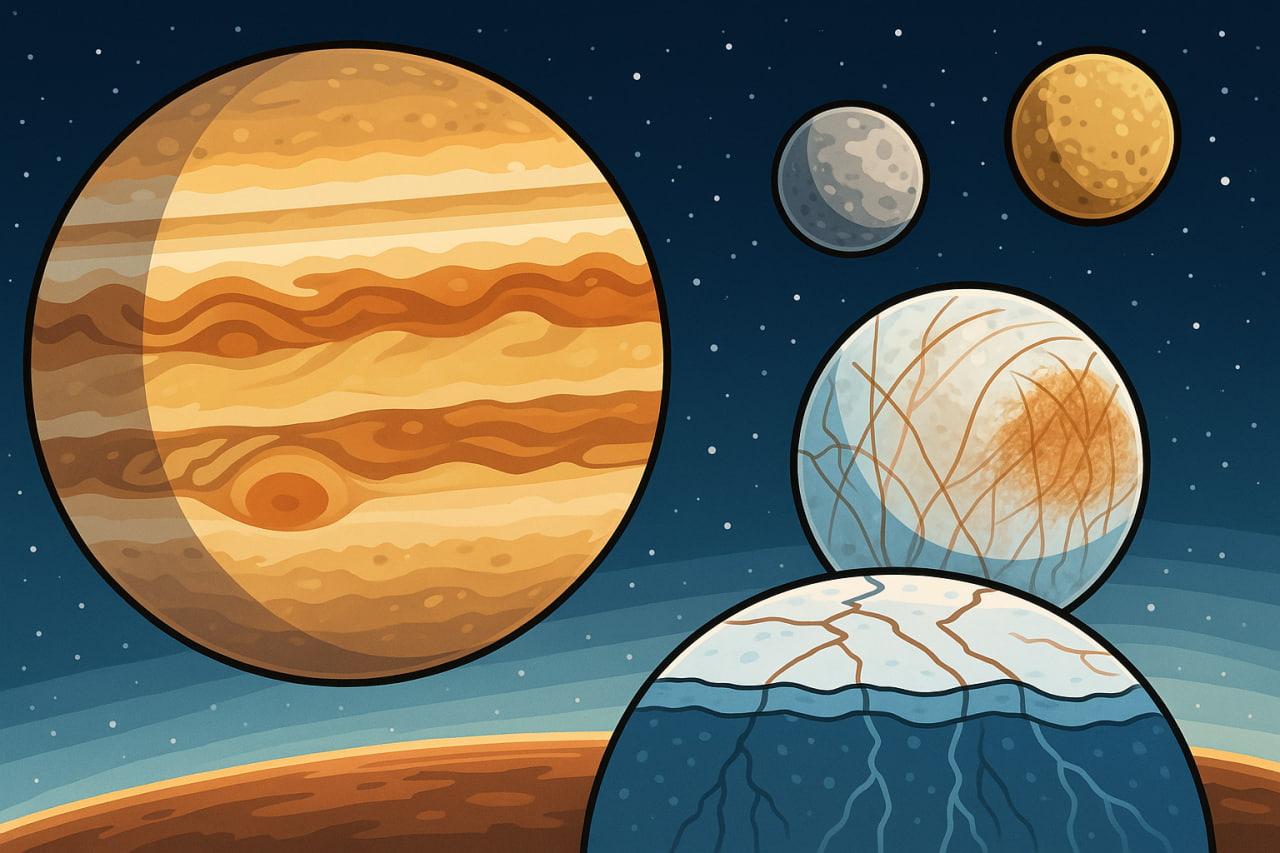
Jupiter is not just the largest planet in our solar system — it's also a host to dozens of fascinating moons, including several that are covered in ice. These icy satellites, such as Europa, Ganymede, and Callisto, have become prime targets in the search for extraterrestrial life and in understanding the history of the solar system. Hidden beneath their frozen surfaces, scientists believe there may be vast subsurface oceans, making them some of the most exciting worlds for exploration.