Space Stories

What Would Happen if an Asteroid or Comet Were Found on a Collision Course with Earth?
Space Stories Cosmic Innovations Be Smart

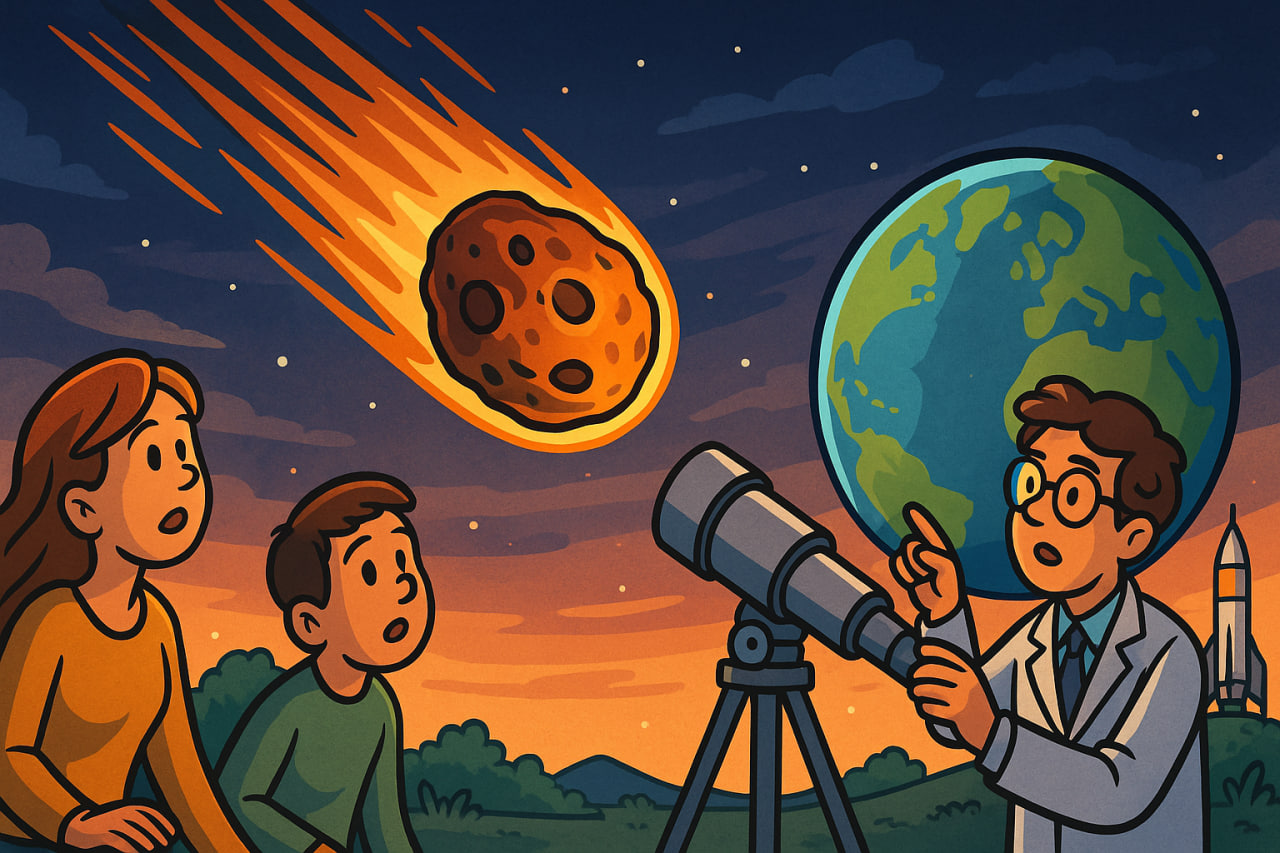
What Would Happen if an Asteroid or Comet Were Found on a Collision Course with Earth?

The possibility of an asteroid or comet colliding with Earth has long been a subject of both scientific research and public concern. While such events are rare, history shows that they can have devastating consequences. Scientists and space agencies monitor the skies to detect these objects early, but what if one were discovered heading directly toward Earth with no way to avoid impact?
How Old Is the Universe?
Space Stories Universe

How Old Is the Universe?

The age of the universe is one of the most fundamental questions in cosmology. Scientists estimate that the universe is about 13.8 billion years old. This calculation is based on a combination of astronomical observations, the study of cosmic background radiation, and the expansion rate of the universe. Determining the universe’s age has taken decades of research, with precision improving thanks to advanced telescopes and space missions.

How Star Clusters Form
Space Stories Universe

How Star Clusters Form

Star clusters are groups of stars bound together by gravity, often born from the same giant cloud of gas and dust. They provide astronomers with important insights into how stars form and evolve. Since the stars within a cluster are created around the same time and from the same material, they serve as natural laboratories for studying stellar development and the history of our galaxy.

What Are Lunar Maria (Lunar Seas)?
Space Stories Earth & Moon

What Are Lunar Maria (Lunar Seas)?

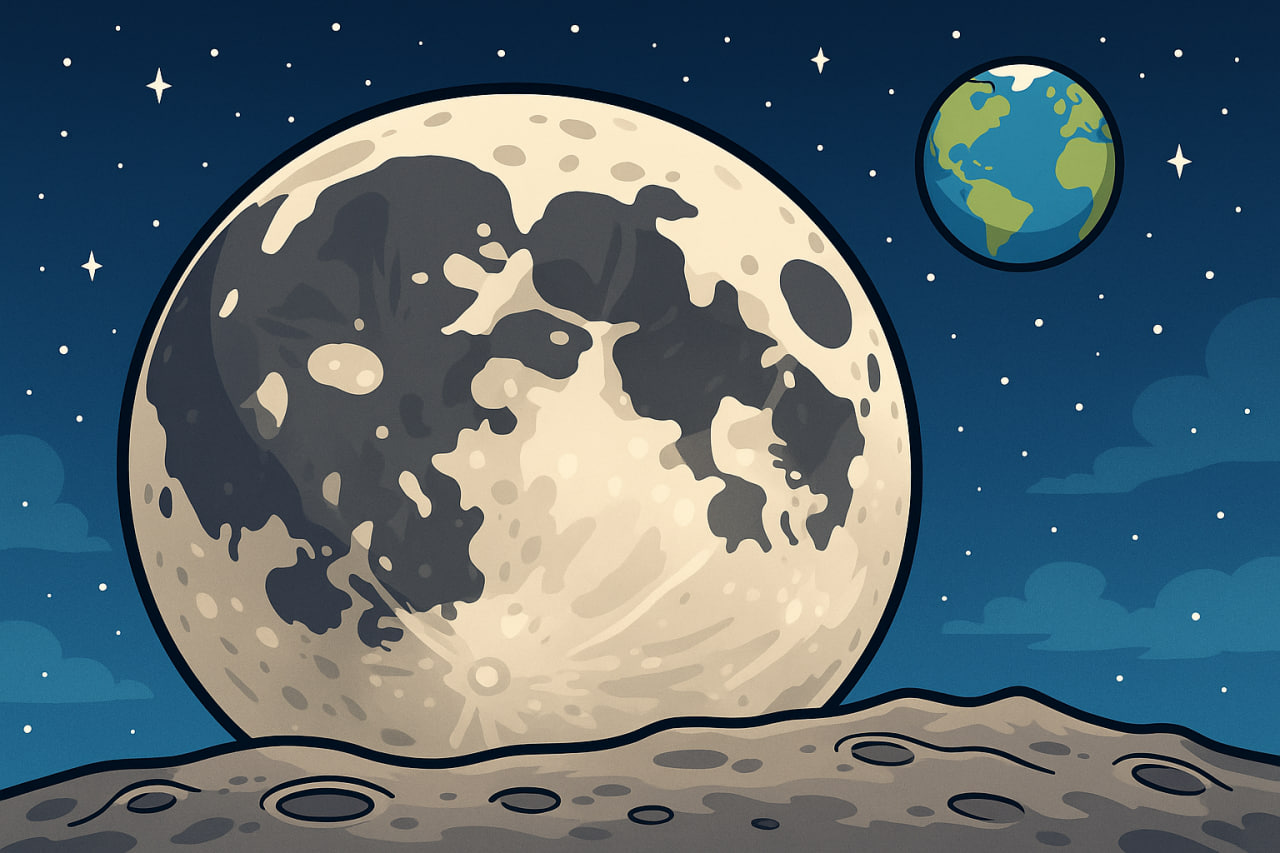
Lunar maria, often called “lunar seas,” are the large, dark plains visible on the surface of the Moon. Despite their name, they are not seas of water but vast areas of solidified lava. Ancient astronomers once believed these dark regions were actual oceans, which is how they got their name. Today, we know they are volcanic in origin and play an important role in understanding the Moon’s history.

Why Is the Sky Black in Space?
Space Stories Universe Science

Why Is the Sky Black in Space?

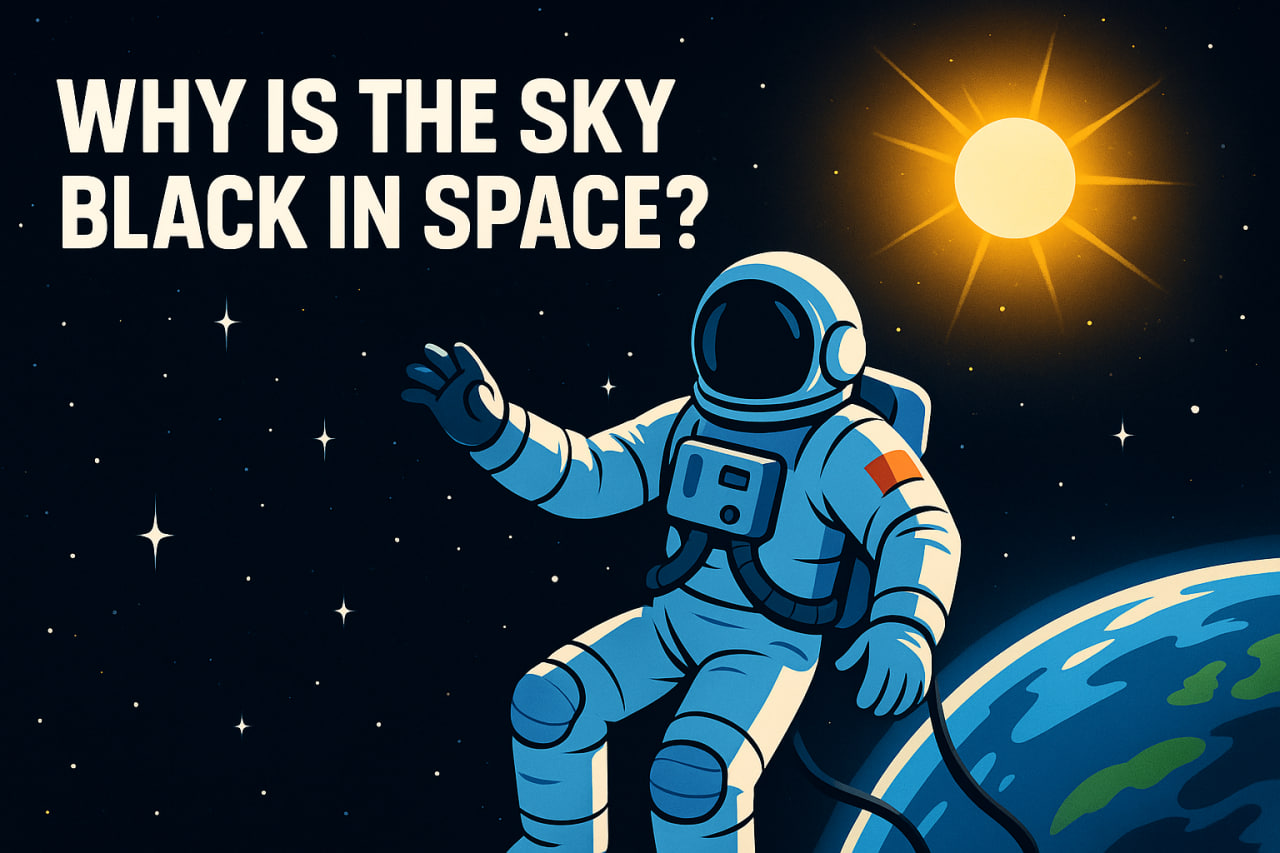
When astronauts look out into space, they see a black sky, even though the Sun is shining brightly. This might seem strange because on Earth, the daytime sky is blue. The difference is explained by the way light interacts with the atmosphere. In space, where there is no atmosphere to scatter sunlight, the sky remains black.

What Is a Planetary Alignment?
Space Stories Universe

What Is a Planetary Alignment?

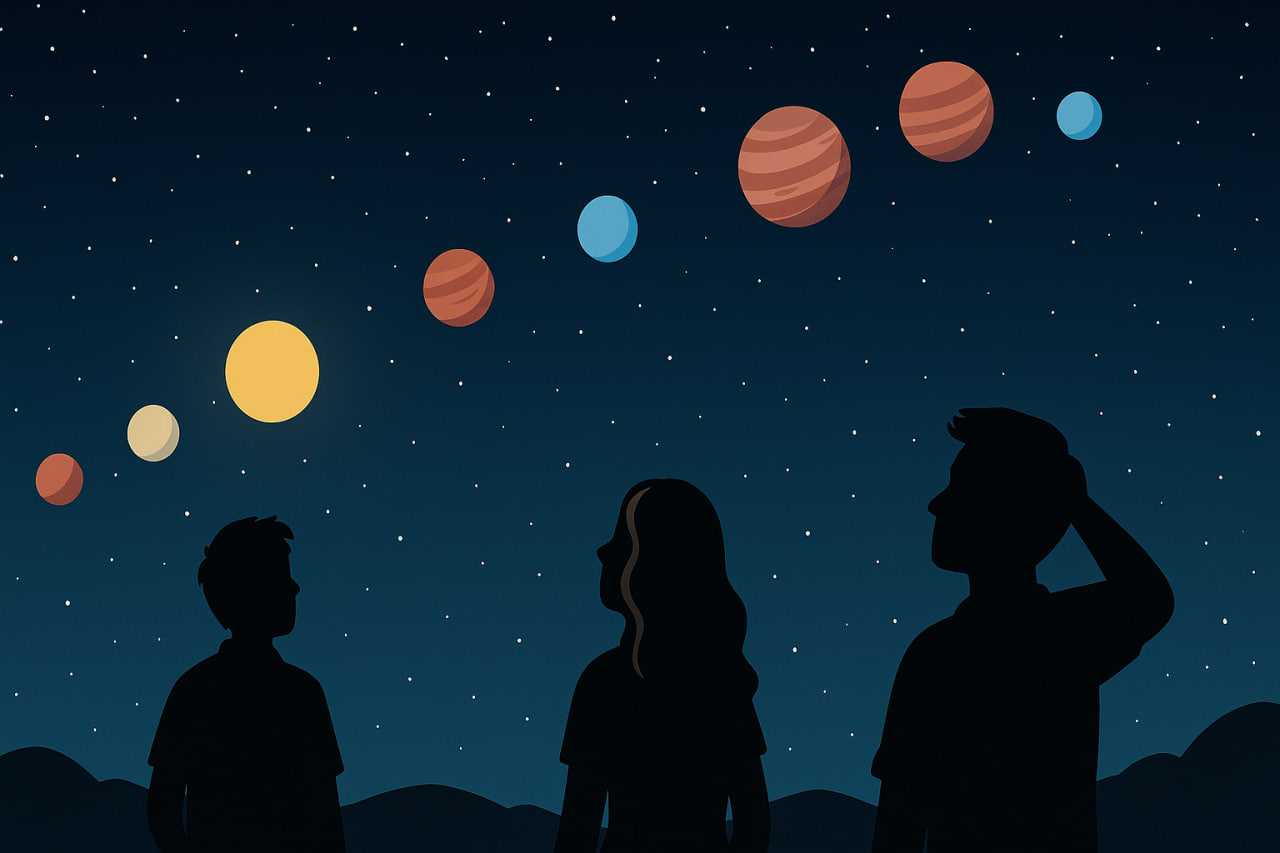
A planetary alignment, often called a planetary parade, is an astronomical event when several planets appear lined up in the sky from Earth’s perspective. In reality, the planets do not move into a single straight line in space, but their positions in their orbits create the visual effect of alignment. Such events are spectacular to observe and provide valuable opportunities for astronomers to study planetary motions.

How Scientists Search for Extraterrestrial Life
Space Stories Universe Science

How Scientists Search for Extraterrestrial Life

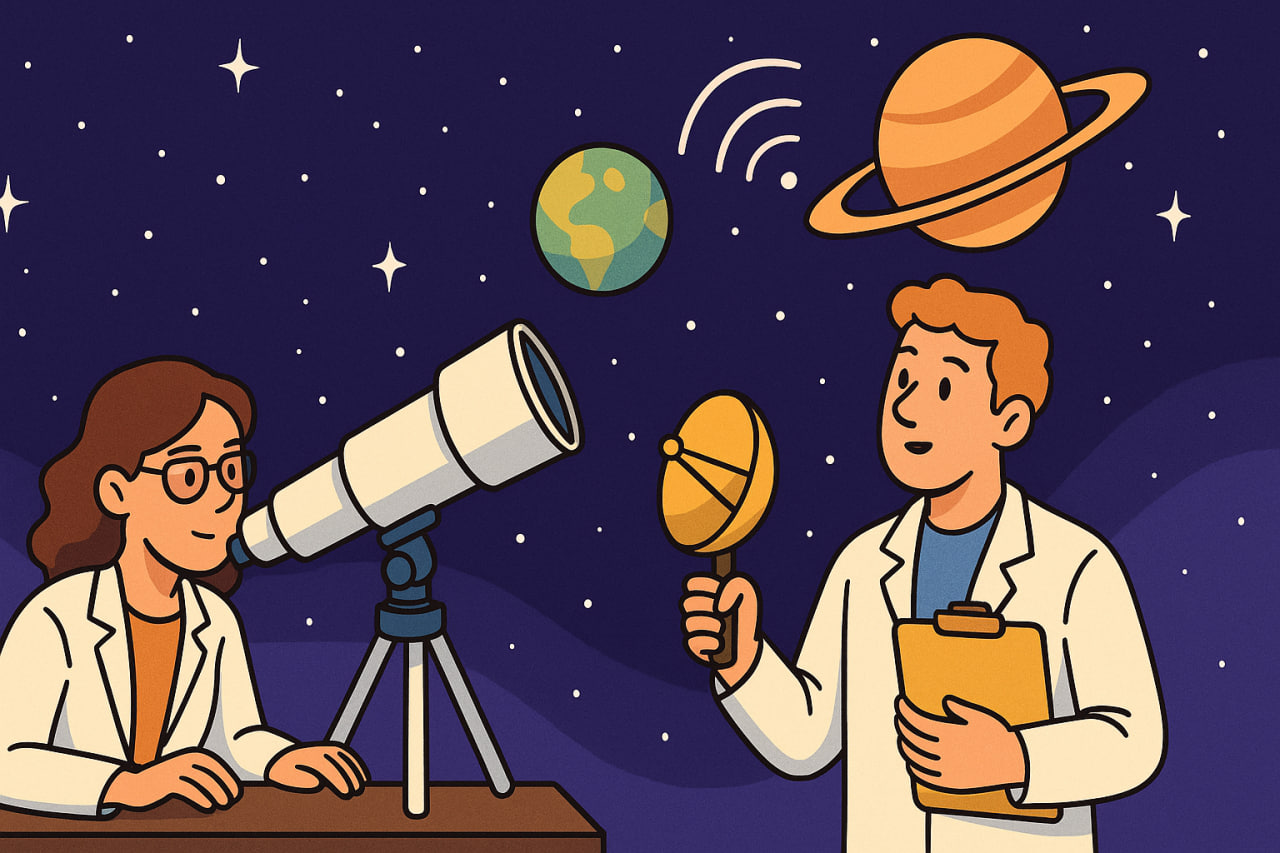
The question of whether life exists beyond Earth is one of humanity’s greatest mysteries. Scientists approach this search using a combination of astronomy, biology, and advanced technology. While no evidence of extraterrestrial life has been confirmed yet, ongoing research brings us closer to answering this profound question.

Why Celestial Bodies Are Round
Space Stories Universe Science

Why Celestial Bodies Are Round

When we observe planets, stars, and many moons, one thing stands out—they are mostly round. Unlike small asteroids or comets that often have irregular shapes, larger celestial bodies take on spherical forms. This happens because of the powerful influence of gravity, which pulls matter toward the center equally from all directions, creating a round shape.

What Shape Is Our Galaxy and How Does It Move Through Space?
Space Stories Universe

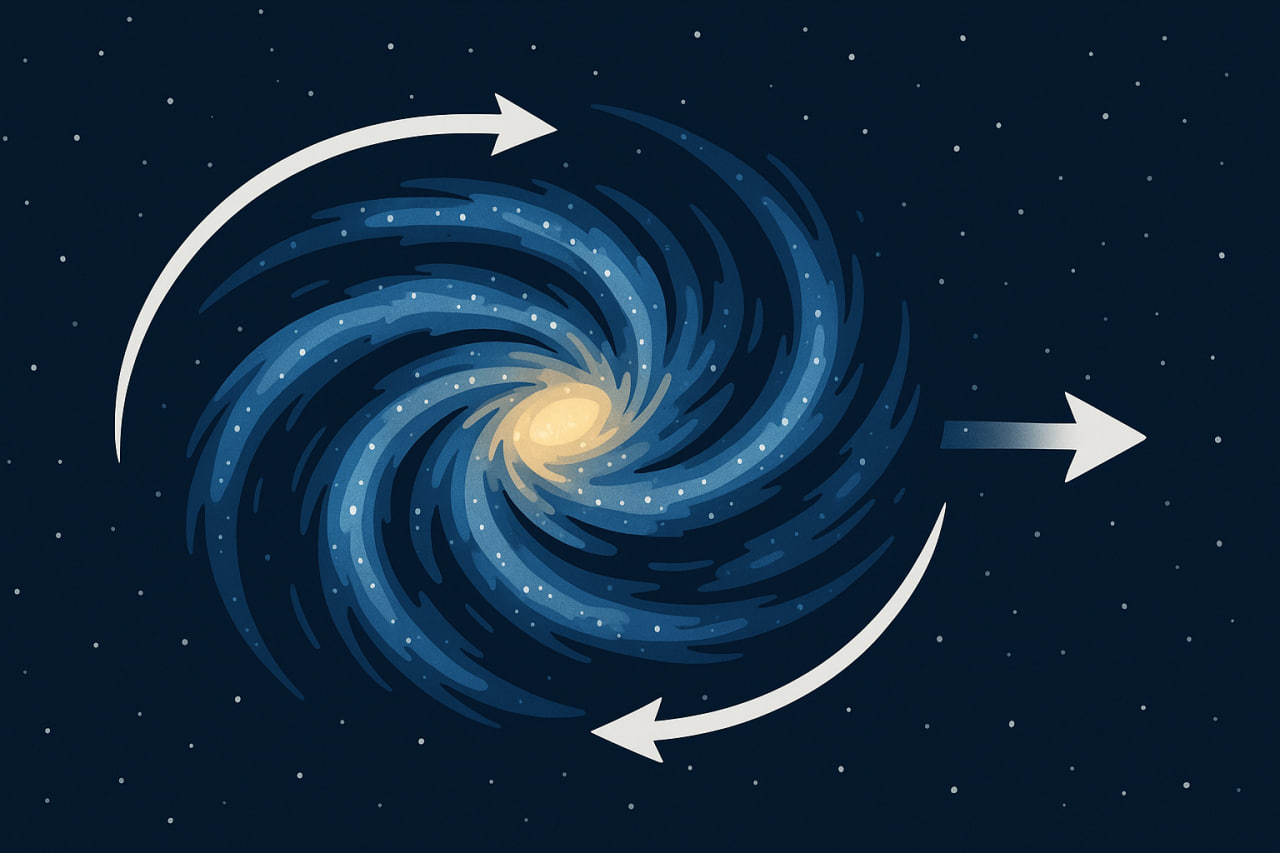
What Shape Is Our Galaxy and How Does It Move Through Space?

The Milky Way Galaxy is our cosmic home, containing billions of stars, planets, nebulae, and black holes. From Earth, we see it as a faint band of light across the night sky, but when viewed from outside, the Milky Way has a distinct structure and motion. Understanding its shape and movement helps astronomers learn about the evolution of galaxies and the universe as a whole.

Waves in Space
Space Stories Universe

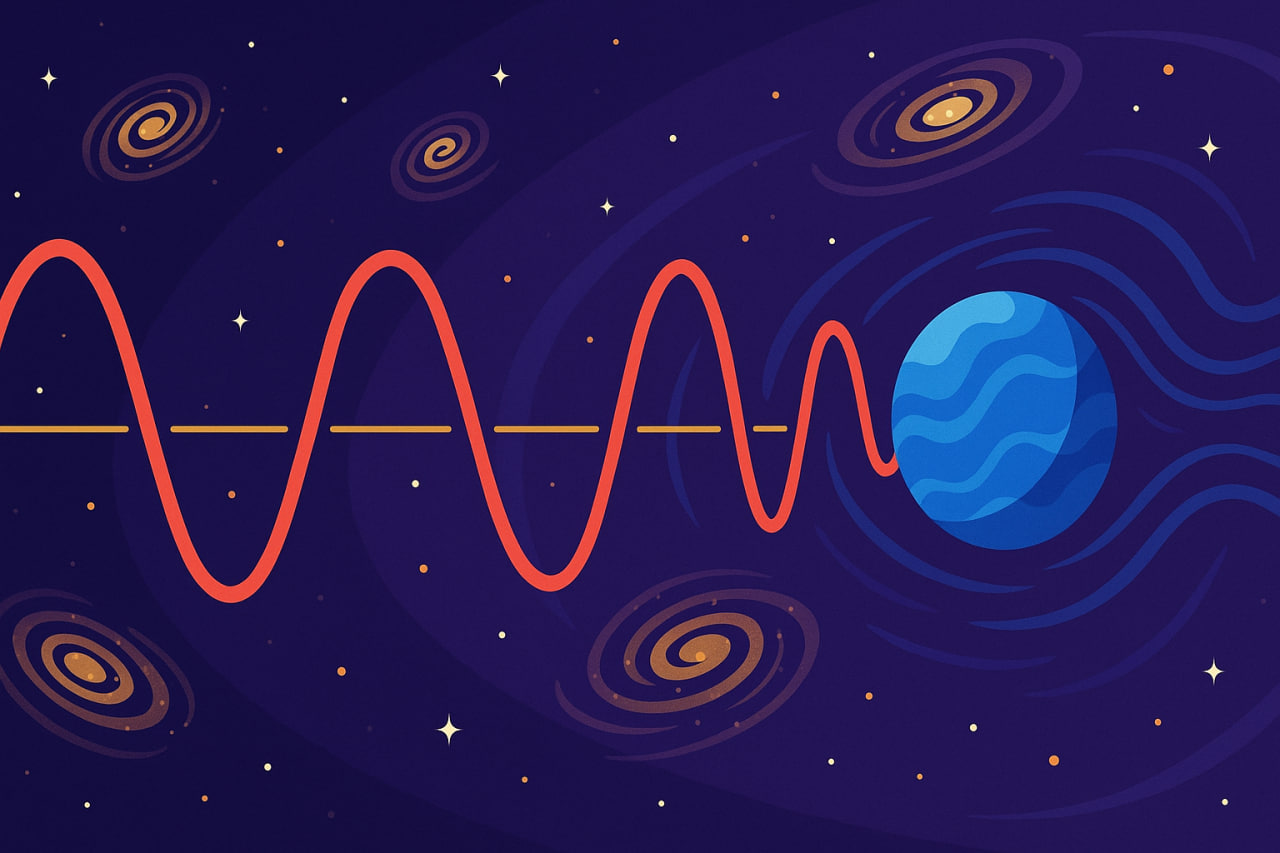
Waves in Space

When most people think of waves, they imagine ripples in water or vibrations in air. However, waves in space also exist, traveling through the vast emptiness between stars and galaxies. These waves carry energy and information across the universe, even in regions where there is no matter. Understanding them helps scientists study everything from distant stars to the origins of the universe itself.