Space Stories

What Would Happen If the Moon Fell to Earth?
Space Stories Be Smart Earth & Moon

What Would Happen If the Moon Fell to Earth?

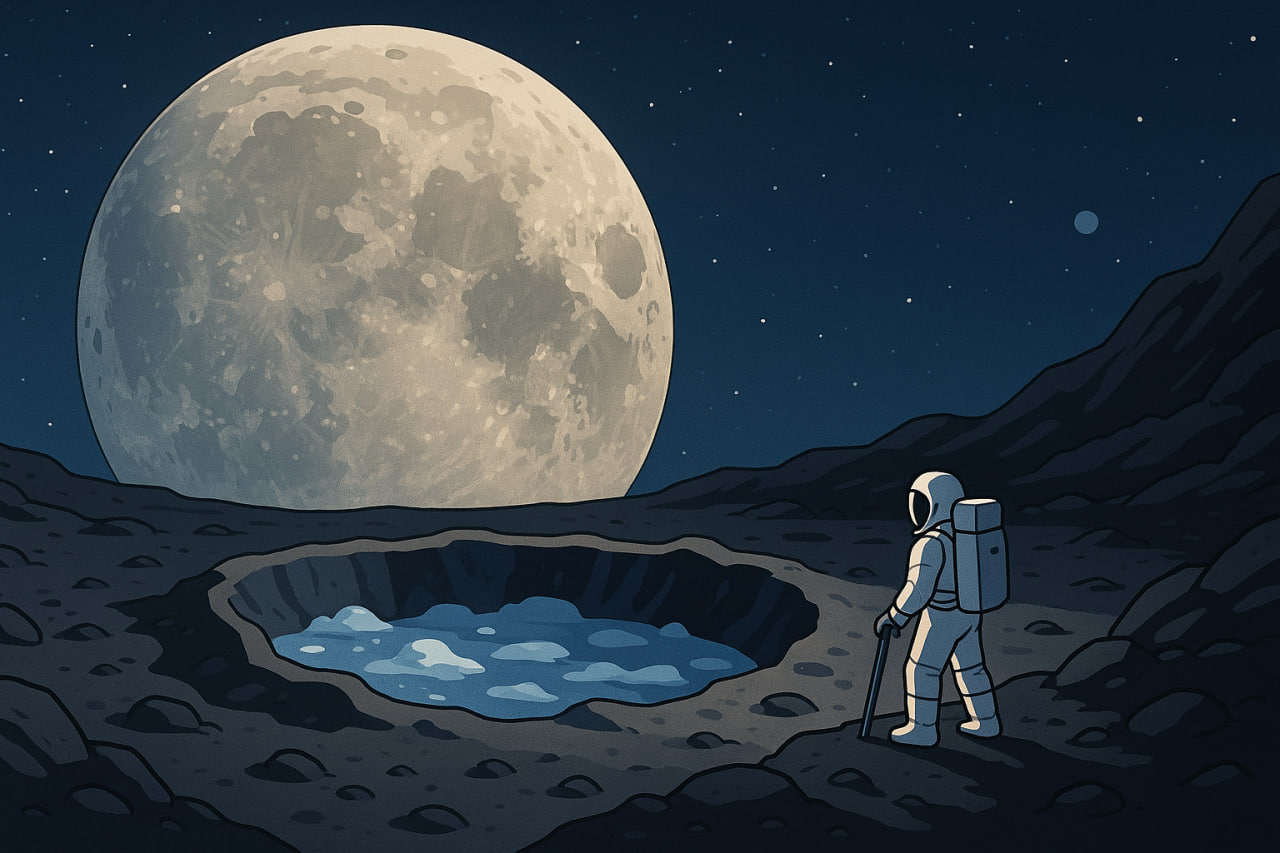
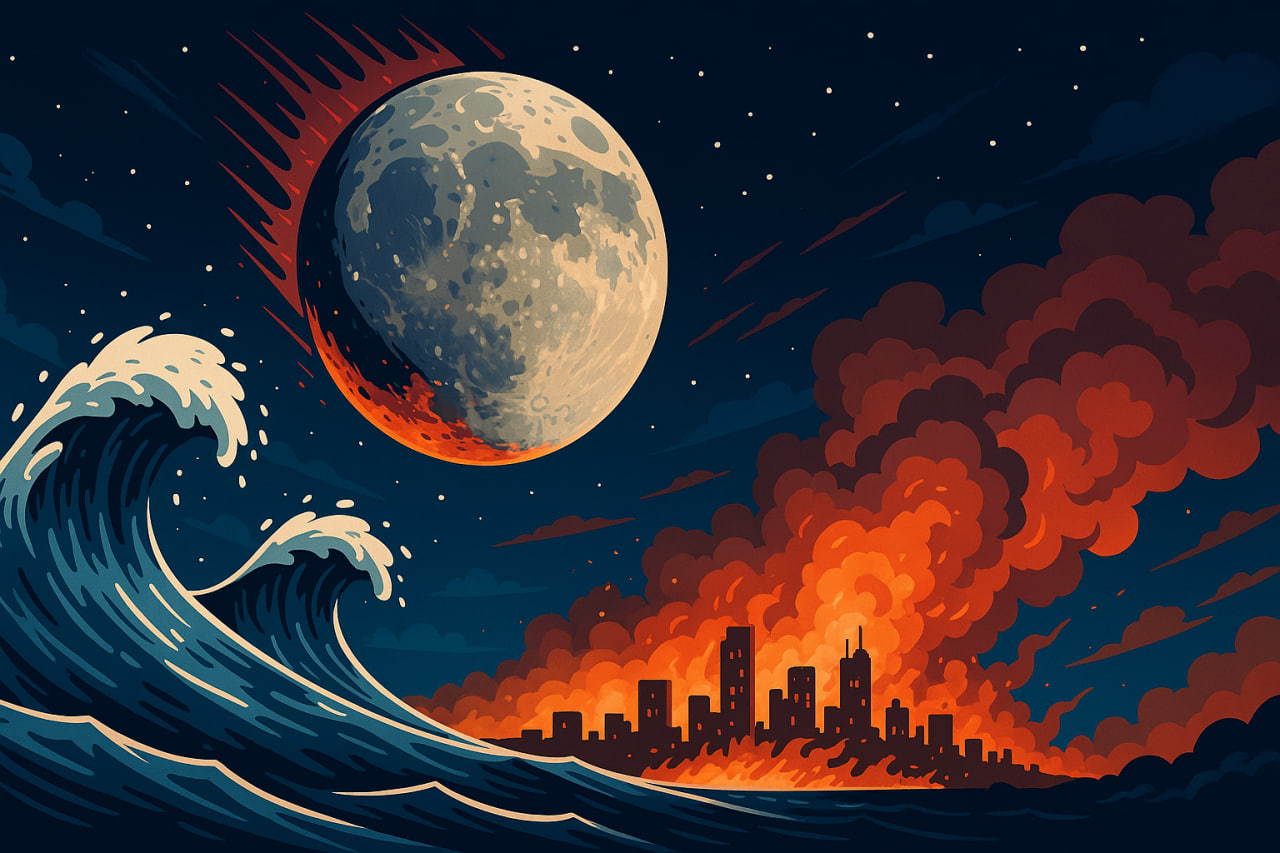
The Moon is Earth’s only natural satellite, orbiting at an average distance of 384,000 kilometers. It influences tides, stabilizes Earth’s axis, and has shaped the planet’s history. But what if, in an extreme hypothetical scenario, the Moon were to fall onto Earth? While this is physically impossible under normal conditions, imagining the event helps us understand the importance of the Moon in our planetary system.
Can a Solar Flare Destroy Life on Earth or Technology?
Space Stories Be Smart Earth & Moon

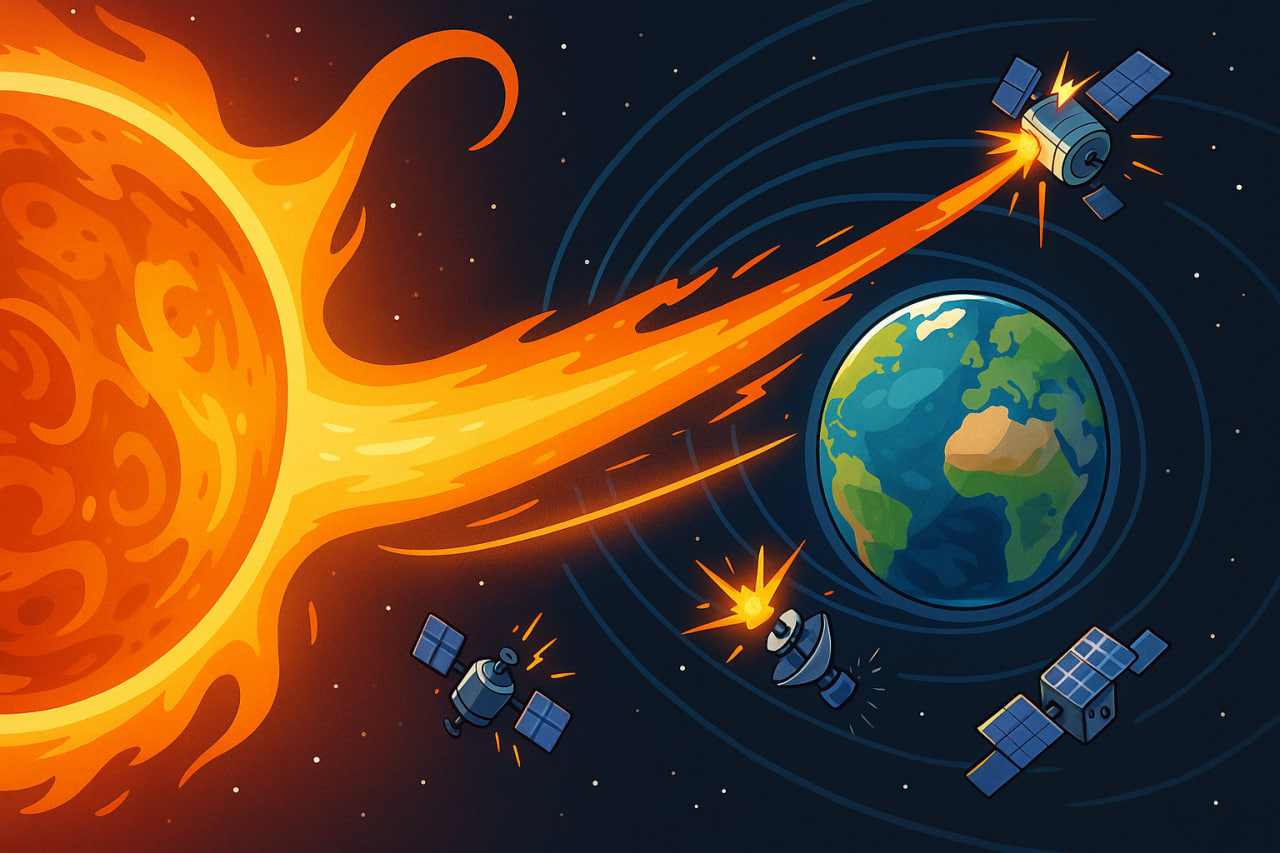
Can a Solar Flare Destroy Life on Earth or Technology?

The Sun, like all stars, is a dynamic and active celestial body. One of its most powerful phenomena is the solar flare—a sudden release of energy and radiation caused by magnetic disturbances on the Sun’s surface. These flares can be accompanied by coronal mass ejections (CMEs), which hurl billions of tons of charged particles into space. While solar flares cannot directly destroy all life on Earth, they can significantly affect the planet’s atmosphere, magnetic field, and modern technology.

How Scientists Study Distant Pulsars
Space Stories Universe Science

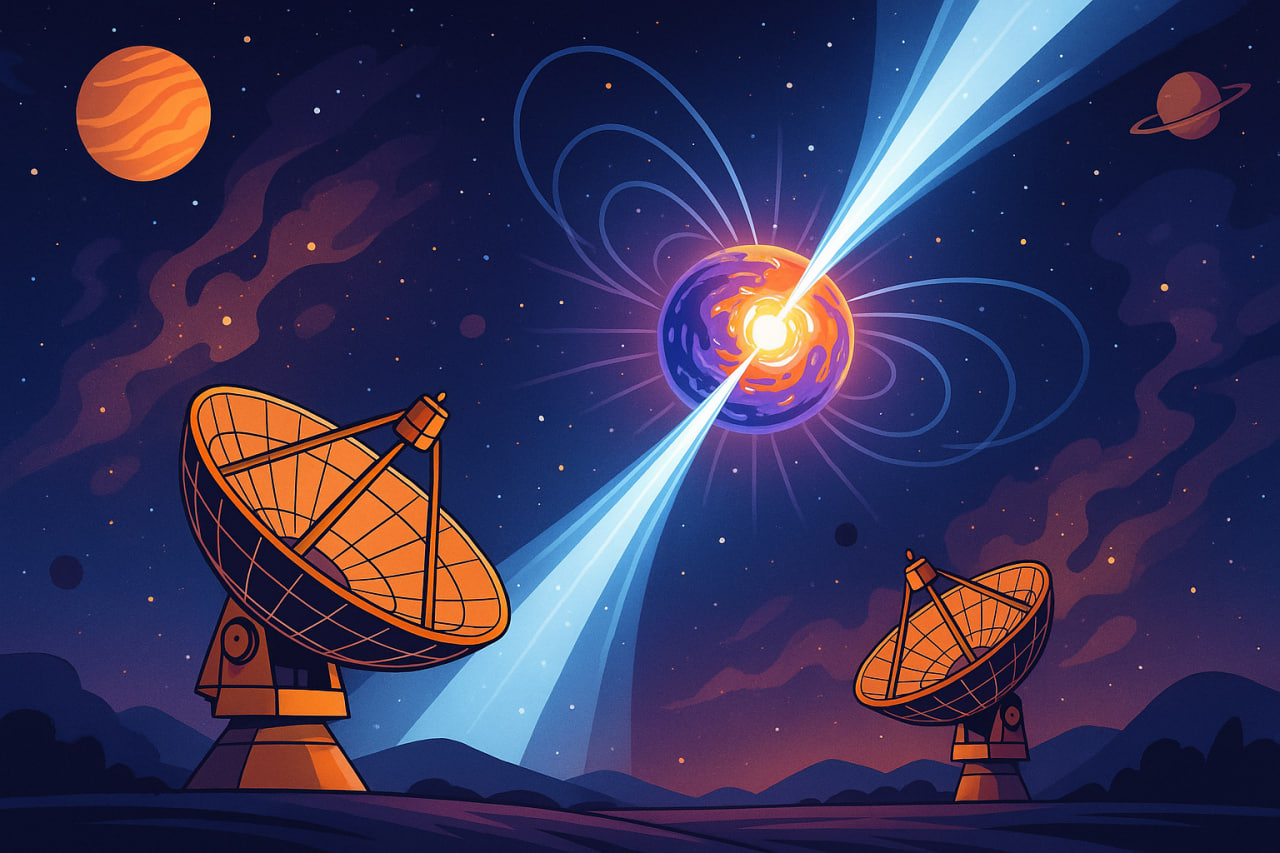
How Scientists Study Distant Pulsars

Pulsars are highly magnetized, rapidly rotating neutron stars that emit beams of electromagnetic radiation from their poles. As they spin, these beams sweep across space like the light of a cosmic lighthouse. When the beams cross Earth, astronomers detect regular pulses of radio waves, X-rays, or gamma rays. Pulsars are among the most precise natural clocks in the universe and provide valuable insights into astrophysics, gravity, and the structure of space-time.

The Heliosphere
Space Stories Universe Solar System

The Heliosphere

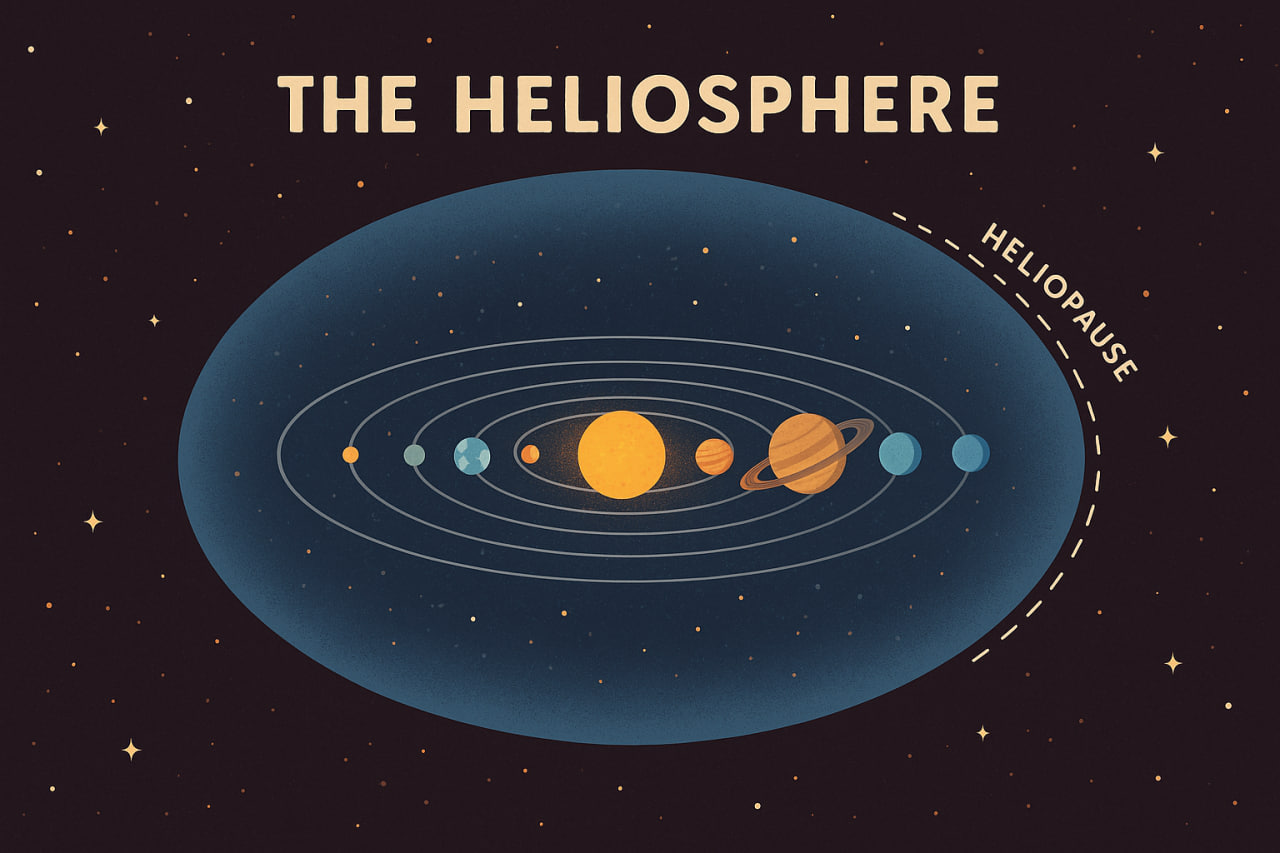
The heliosphere is a vast bubble-like region surrounding our solar system, created by the continuous flow of charged particles from the Sun known as the solar wind. It acts as a protective shield, separating the solar system from the harsh environment of interstellar space. The heliosphere extends far beyond the orbit of Pluto and is one of the largest structures in the solar system, playing a vital role in protecting planets—including Earth—from harmful cosmic radiation.

How Tidal Forces Affect the Earth and Beyond
Space Stories Universe Science

How Tidal Forces Affect the Earth and Beyond

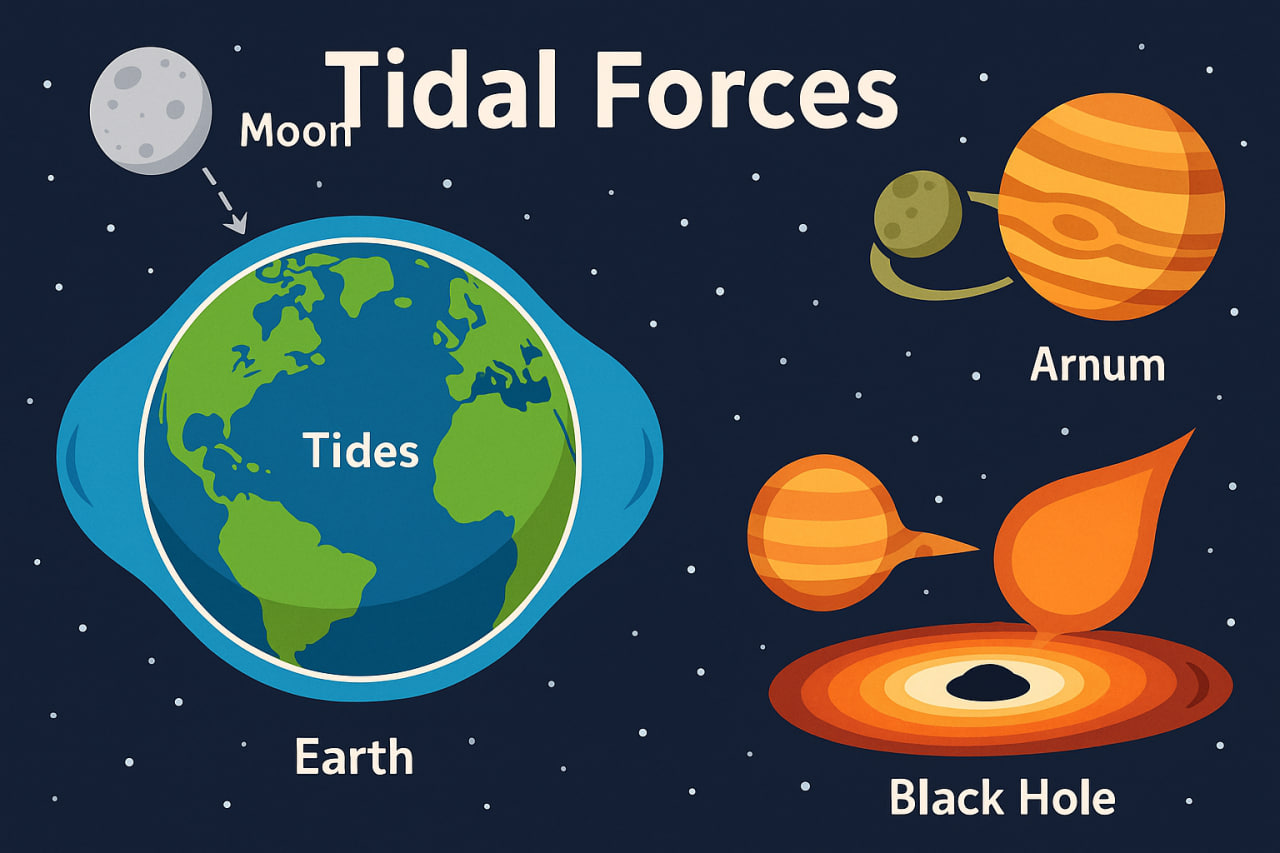
Tidal forces are the result of gravitational interactions between celestial bodies. On Earth, the most familiar example is the effect of the Moon and the Sun on our oceans, causing regular rises and falls in sea level known as tides. However, tidal forces extend far beyond the oceans—they shape planetary systems, influence geology, and even determine the fate of stars and galaxies.

What Is Orbital Synchronization?
Space Stories Universe Science

What Is Orbital Synchronization?

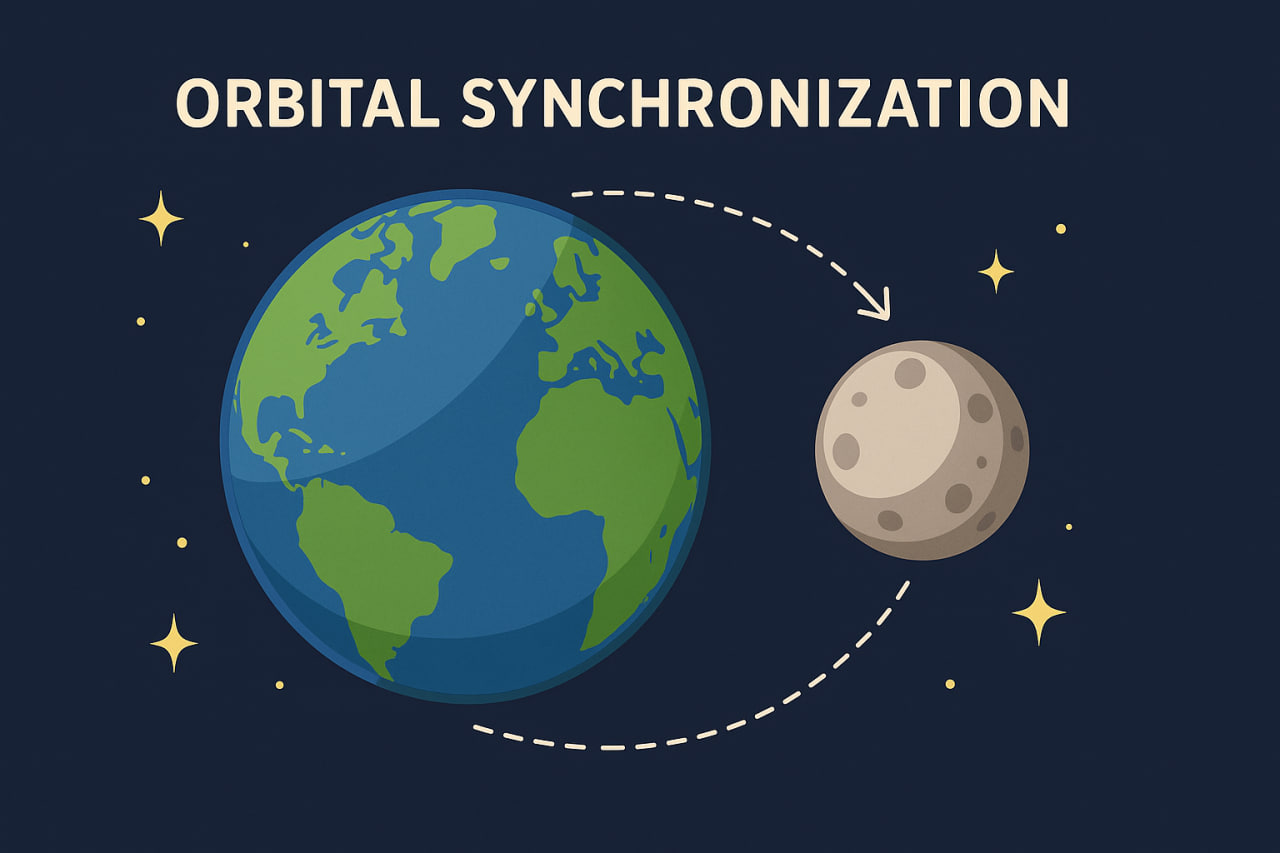
Orbital synchronization is a phenomenon in which one celestial body always shows the same face to another as it orbits. This happens when the rotation period (how long it takes the body to spin on its axis) becomes equal to the orbital period (how long it takes to complete one orbit). The most familiar example is the Moon, which is tidally locked to Earth, meaning we always see the same side of it.

What Would Happen If the Earth Stopped Spinning
Space Stories Earth & Moon

What Would Happen If the Earth Stopped Spinning

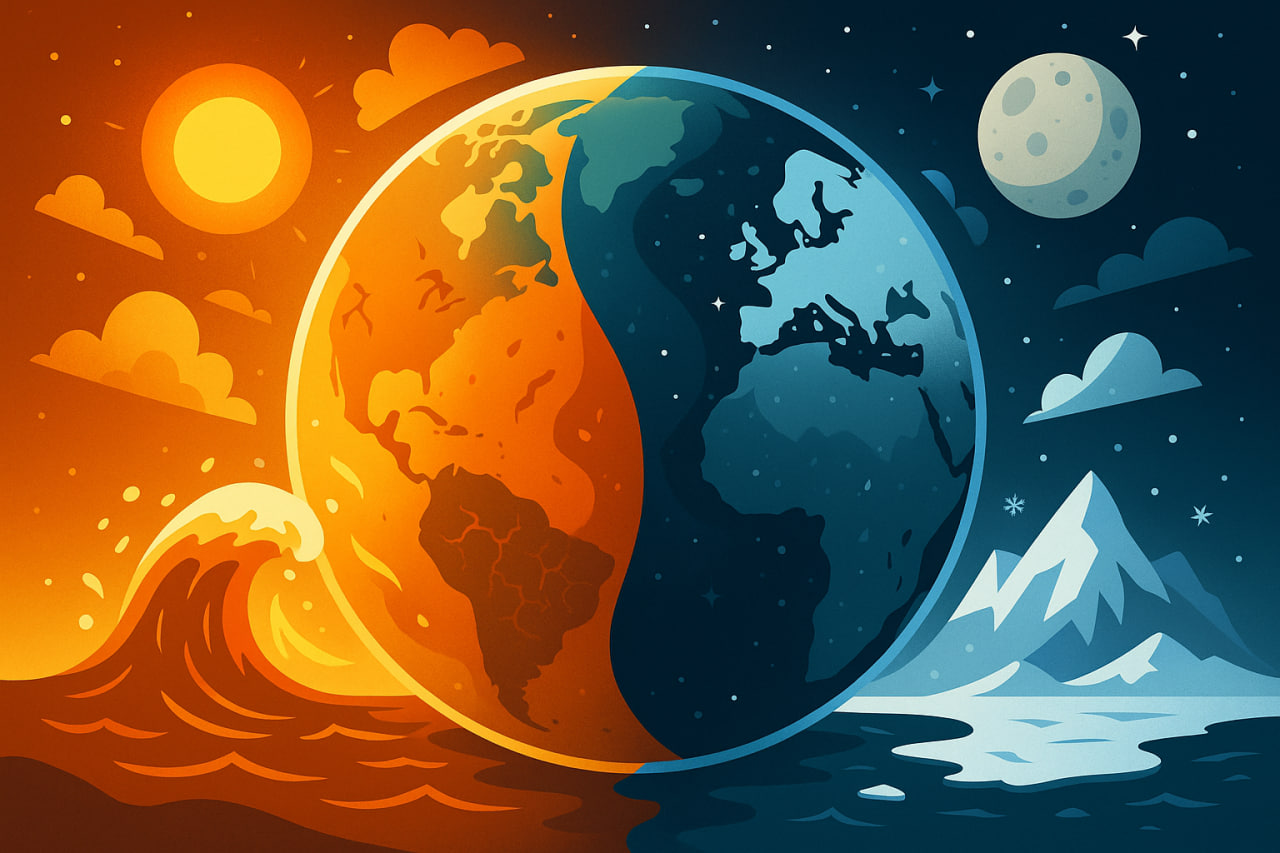
The Earth rotates on its axis once every 24 hours, creating day and night. This rotation also influences weather, ocean currents, and the planet’s overall balance. If the Earth were to suddenly stop spinning, the consequences would be catastrophic. Life as we know it would be drastically altered or even impossible.

What Are Binary Stars and How Do Scientists Discover Them?
Space Stories Universe

What Are Binary Stars and How Do Scientists Discover Them?

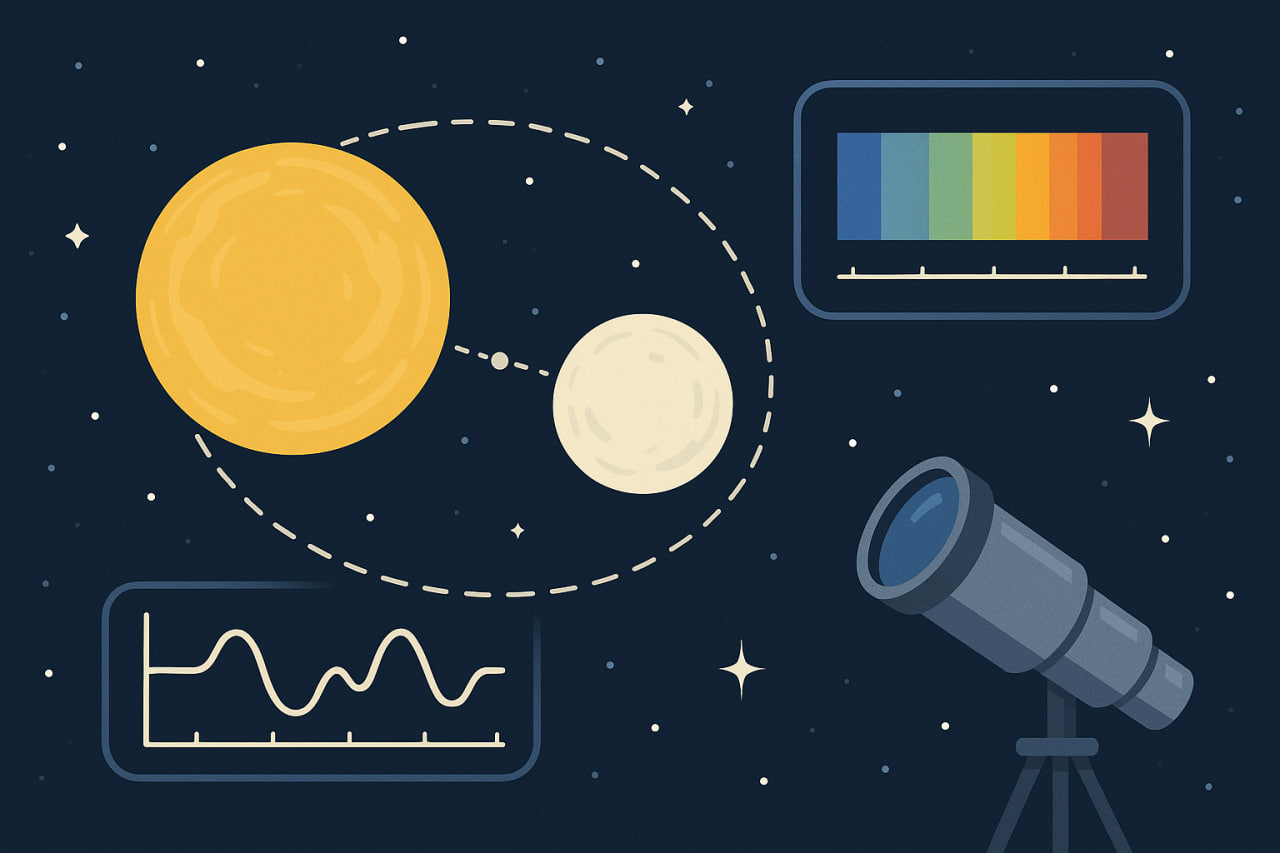
A binary star system is made up of two stars that orbit around a common center of mass due to their mutual gravitational pull. Instead of moving independently, both stars influence each other’s motion, creating fascinating systems that make up a large portion of stars in our galaxy. In fact, astronomers estimate that more than half of all stars in the Milky Way are in binary or multiple star systems. Studying binary stars provides valuable insights into stellar evolution, masses, and the dynamics of galaxies.

How Space Navigation Works
Space Stories Universe Science

How Space Navigation Works

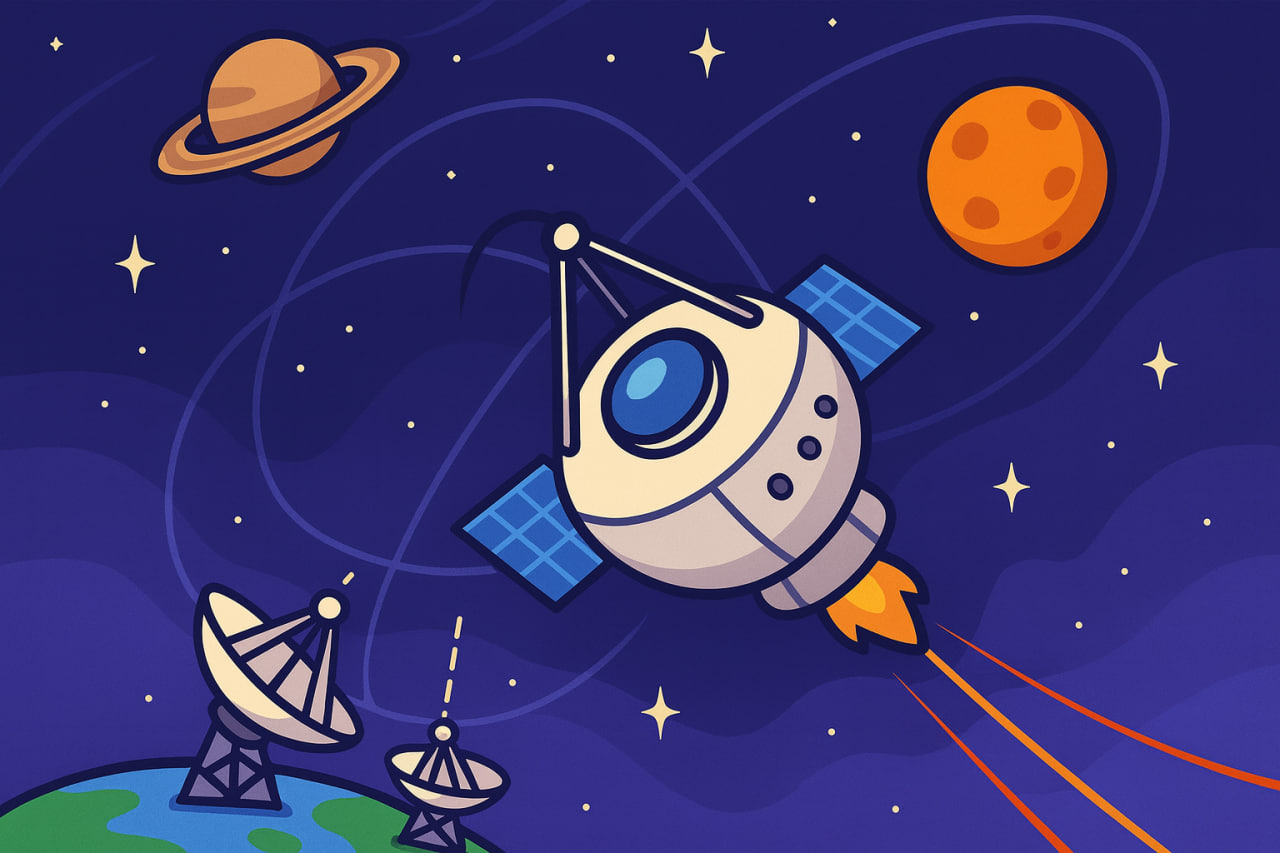
Navigating in space is much more complex than traveling on Earth because there are no roads, signposts, or fixed reference points. Spacecraft must rely on physics, precise calculations, and advanced technology to determine their position, orientation, and trajectory. Space navigation combines astronomy, physics, and engineering to ensure that missions reach their destinations, whether orbiting Earth, landing on the Moon, or traveling to distant planets.