Space Stories

Why Are Planets and Stars Spherical in Shape?
Space Stories Universe

Why Are Planets and Stars Spherical in Shape?

When we look at the night sky or study our Solar System, one striking feature is that planets and stars are spherical. Unlike asteroids or comets, which often have irregular shapes, massive celestial bodies take on a rounded form. This happens because of the fundamental forces of physics that act on matter in space.

What Is the Mathematical Probability That We Are Alone in the Universe?
Space Stories Universe

What Is the Mathematical Probability That We Are Alone in the Universe?

The question of whether humanity is alone in the universe is one of the most profound scientific and philosophical debates. While direct evidence of extraterrestrial life has not yet been found, mathematics and probability offer tools to estimate the likelihood of life beyond Earth. Scientists often use models and equations to address this mystery, the most famous being the Drake Equation.

What Is a Nebula in Space?
Space Stories Universe

What Is a Nebula in Space?

A nebula is a vast cloud of gas and dust in space, often spanning dozens or even hundreds of light-years. Nebulae are among the most beautiful and fascinating structures in the universe, appearing in a variety of shapes and colors. They are not just cosmic decorations: nebulae play a crucial role in the life cycle of stars, serving as stellar nurseries, remnants of stellar deaths, and building blocks of galaxies.

What Is a Gas Giant?
Space Stories Universe

What Is a Gas Giant?

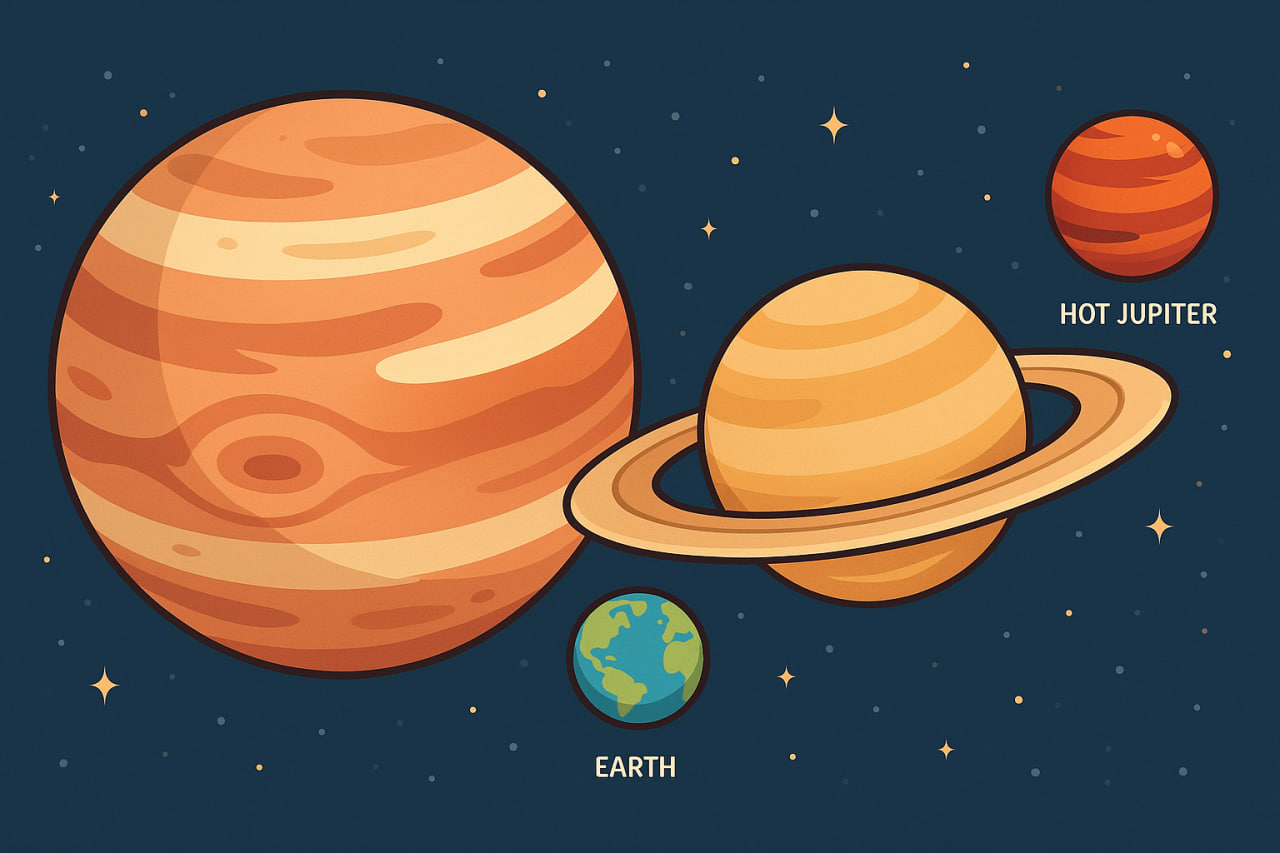
A gas giant is a type of planet that is much larger than Earth and composed mostly of hydrogen and helium, rather than solid rock or metal. These planets do not have a well-defined solid surface like Earth; instead, they have thick atmospheres and deep layers of gas and liquid surrounding a possible small rocky or metallic core. Gas giants are among the most massive and spectacular objects in planetary systems.

Cosmic Radiation: The Invisible Threat from Space
Space Stories Universe New Discoveries

Cosmic Radiation: The Invisible Threat from Space

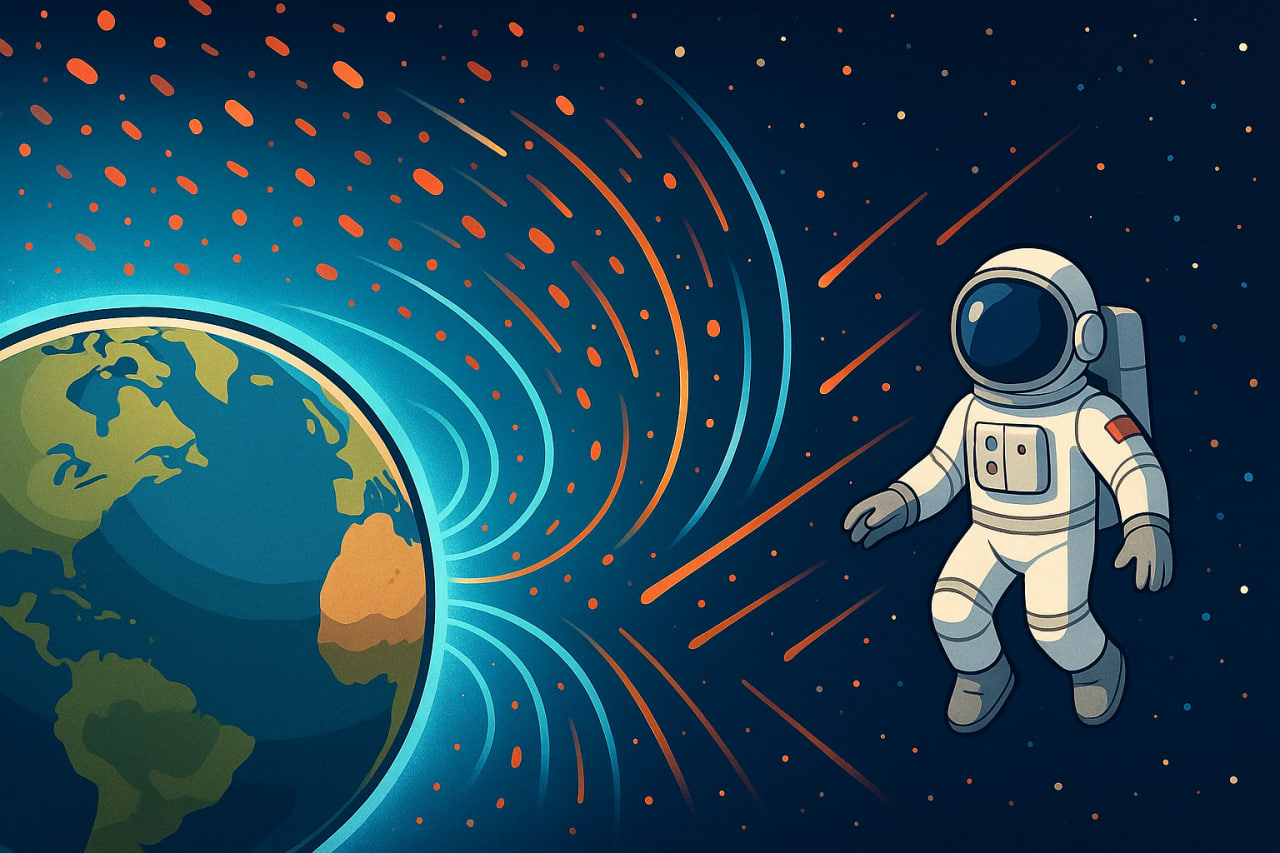
Cosmic radiation is a stream of high-energy particles that constantly bombard Earth from space. It consists mainly of protons, electrons, and atomic nuclei traveling at nearly the speed of light. Some originate from our Sun, while others come from distant galaxies and violent cosmic events such as supernova explosions. Although most radiation is blocked by Earth’s atmosphere and magnetic field, it remains a critical factor for space exploration, satellite technology, and human health.

Interstellar Vacuum: The Empty Space Between Stars
Space Stories Universe Science

Interstellar Vacuum: The Empty Space Between Stars

The interstellar vacuum is the vast region of space that lies between stars within galaxies. At first glance, it may seem completely empty, but in reality, it contains extremely low-density matter, radiation, and magnetic fields. Studying this environment helps astronomers understand the structure and evolution of galaxies, as well as the journey of light and cosmic rays across the universe.

Astrophysics: The Science of the Universe
Space Stories Science Be Smart

Astrophysics: The Science of the Universe

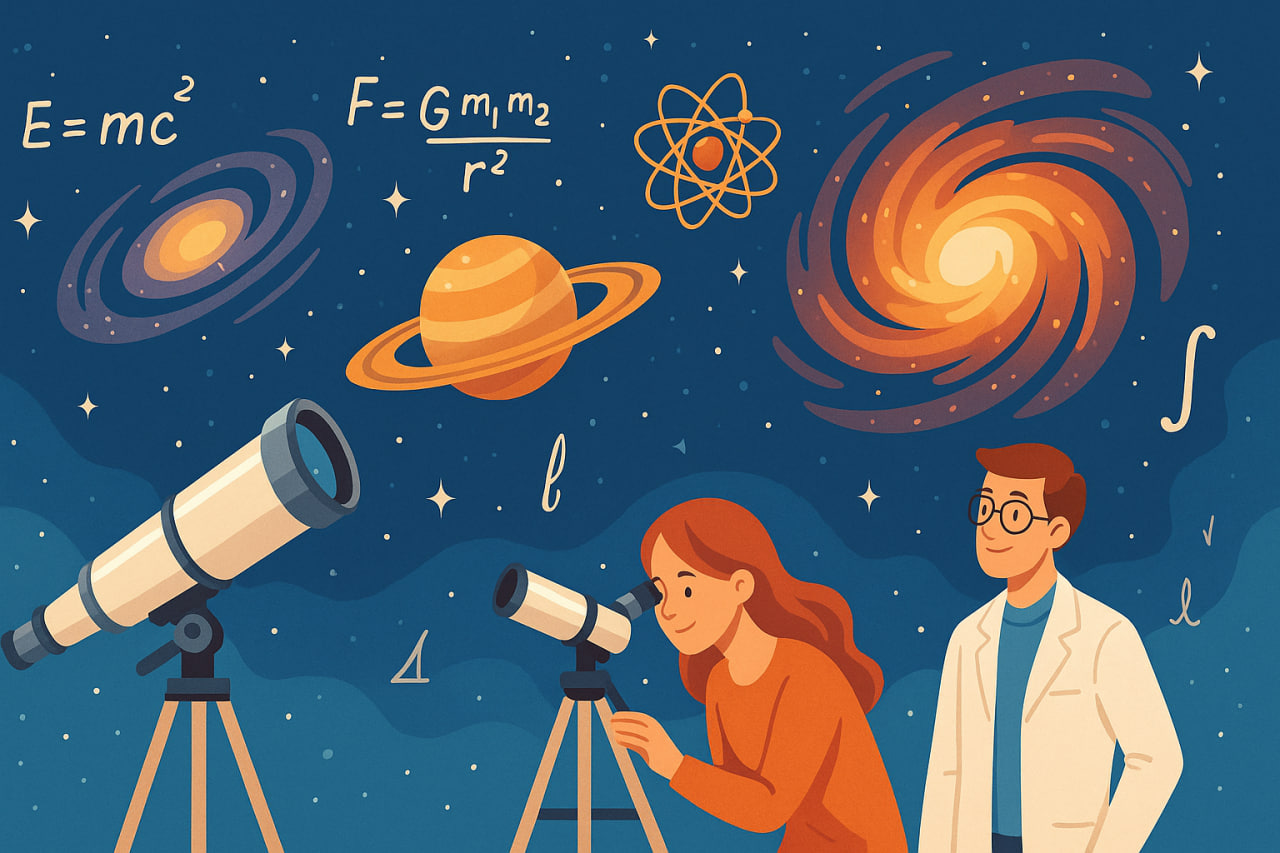
Astrophysics is the branch of astronomy that studies the physical nature of celestial objects and the processes that govern the universe. It combines principles of physics, mathematics, and astronomy to explain how stars shine, how galaxies form, what black holes are, and how the universe itself evolves. By looking deep into space, astrophysics helps us understand not only the cosmos but also the fundamental laws of nature.

Space Probes: Humanity’s Messengers Beyond Earth
Space Stories Hi-Tech Smart Technology

Space Probes: Humanity’s Messengers Beyond Earth

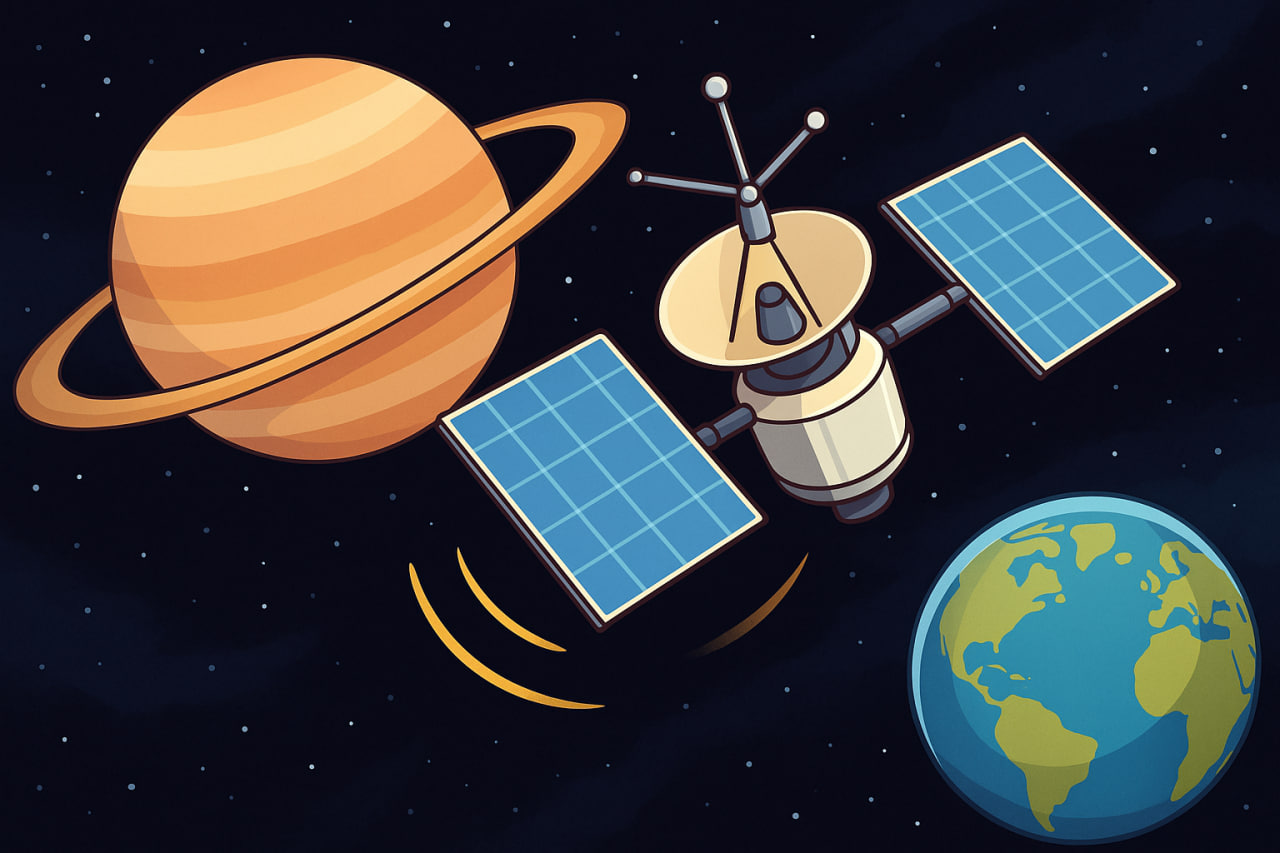
Space probes are unmanned spacecraft designed to explore the Solar System and beyond. Unlike satellites that orbit Earth, space probes travel far into space to study planets, moons, comets, asteroids, and even interstellar space. They are essential tools for advancing our understanding of the universe without risking human lives in dangerous and distant missions.