Space Stories

How Many Earth-Like Planets Exist in the Universe?
Space Stories Universe

How Many Earth-Like Planets Exist in the Universe?

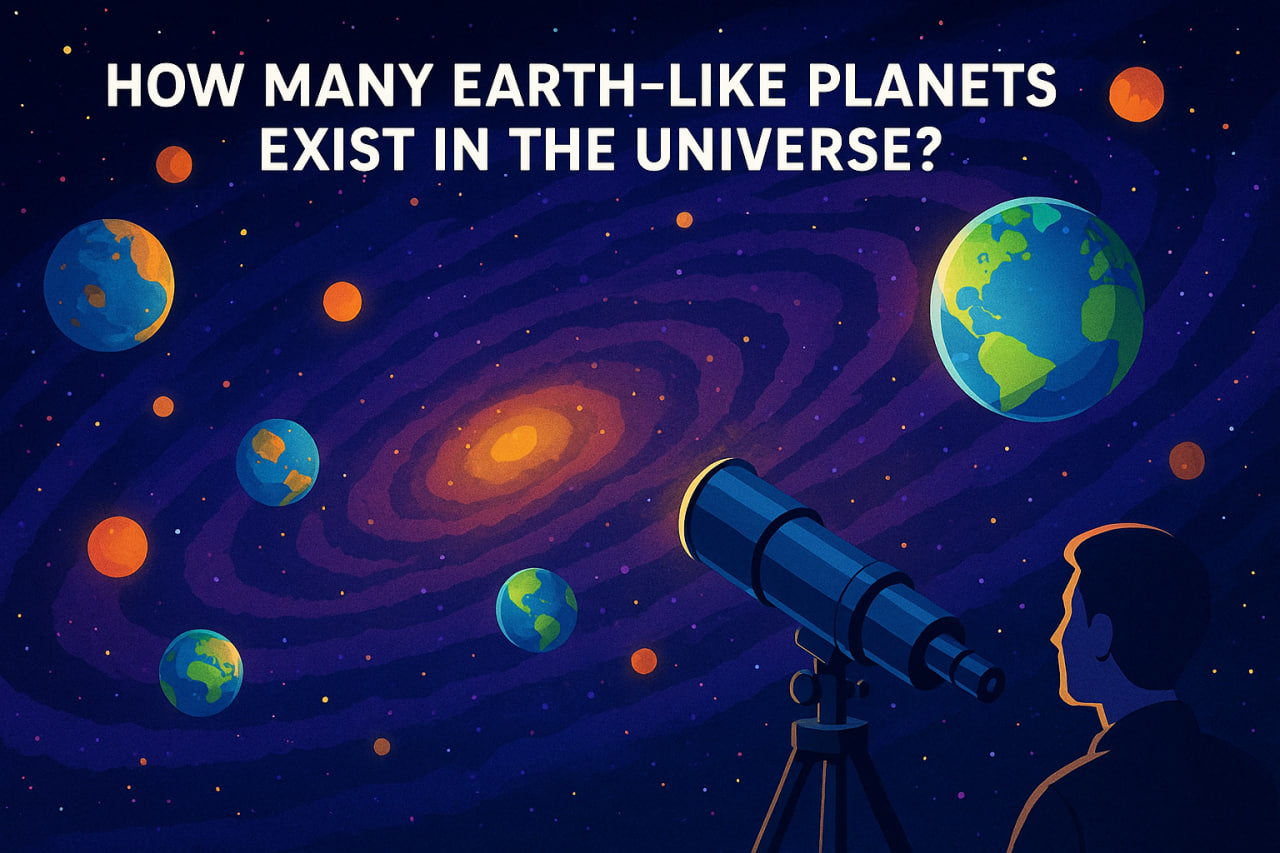
The question of how many planets like Earth exist in the universe is one of the most profound in modern astronomy. For centuries, humanity wondered whether our world was unique. Today, thanks to advanced telescopes and space missions, scientists have confirmed that Earth is not alone—there are billions of potentially habitable planets scattered across the cosmos. Each of them could harbor oceans, atmospheres, and perhaps even life. The discovery of these “second Earths” is transforming our understanding of the universe and our place within it.
The Future of Space Exploration
Space Stories Cosmic Innovations Hi-Tech

The Future of Space Exploration

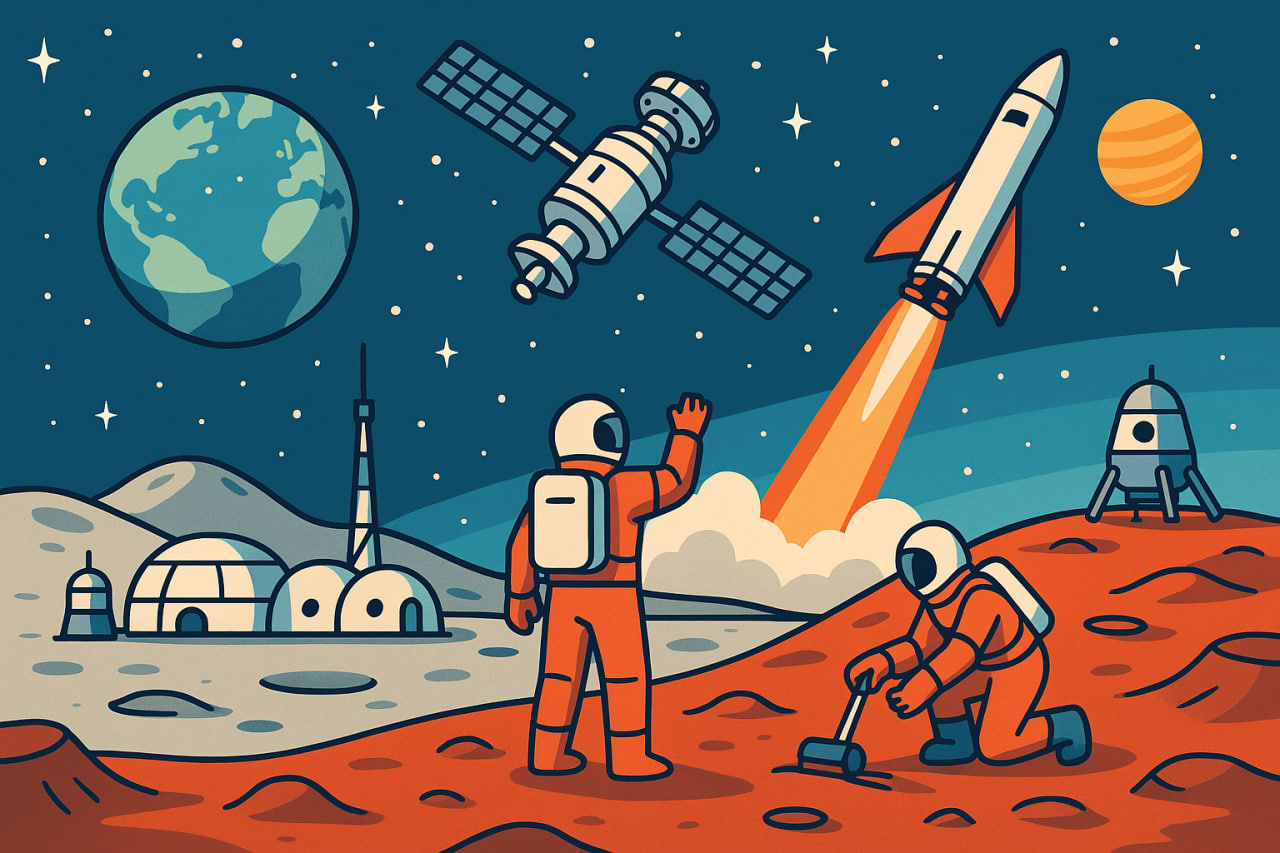
The future of space exploration promises to be one of the most exciting chapters in human history. As technology advances and private companies join national agencies, humanity stands on the brink of a new space age. We are no longer satisfied with merely orbiting Earth; we now aim to build permanent bases on the Moon, colonize Mars, and explore the outer planets. With breakthroughs in propulsion, robotics, and artificial intelligence, the dream of becoming a multi-planetary species is transforming from science fiction into science fact.

The Great Attractor: The Mysterious Force Pulling Our Galaxy
Space Stories Universe

The Great Attractor: The Mysterious Force Pulling Our Galaxy

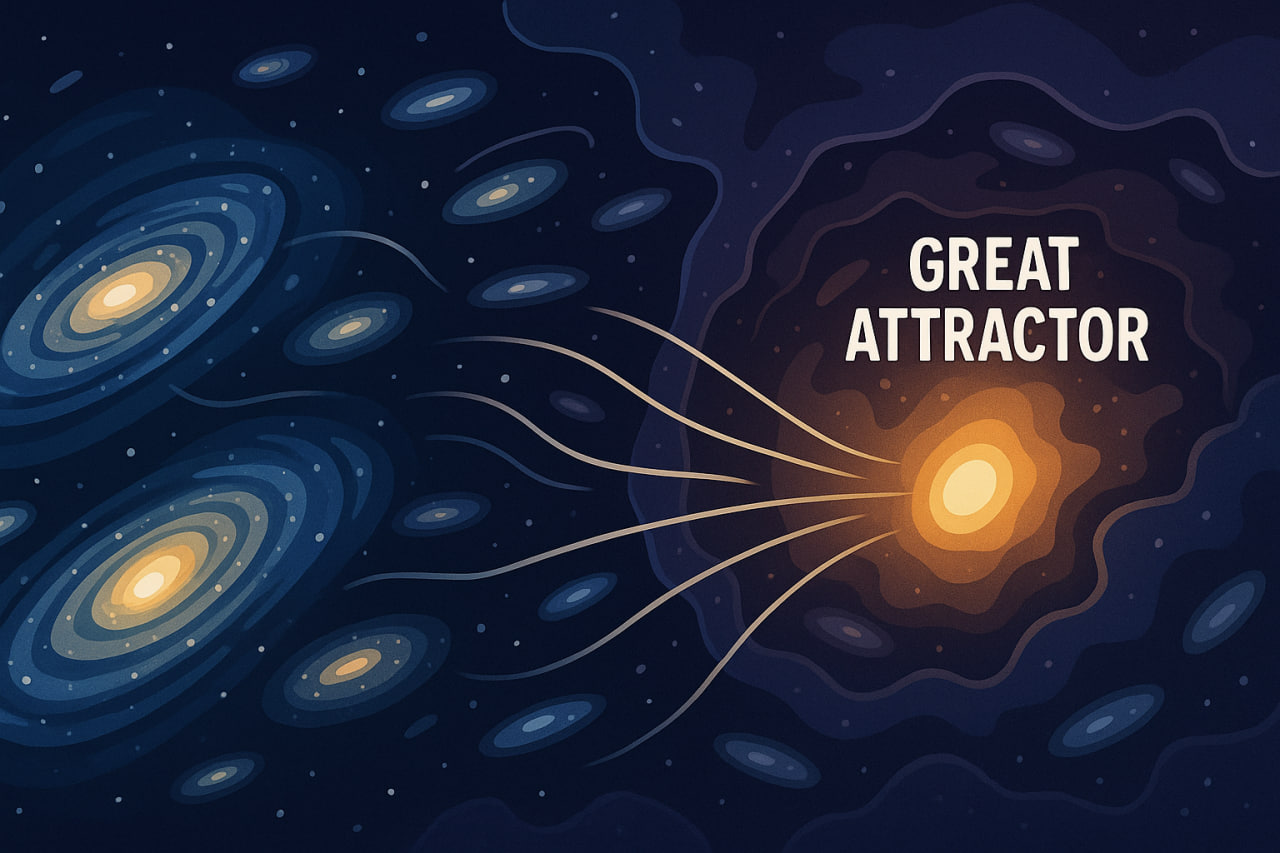
In the vastness of the universe, galaxies are not scattered randomly. They form clusters, filaments, and superclusters — immense cosmic structures shaped by gravity over billions of years. Yet, in one particular region of space, astronomers discovered something truly enigmatic: a gravitational anomaly so massive that it appears to be pulling entire galaxies — including our Milky Way — toward it. This mysterious phenomenon is known as the Great Attractor.

Meteor Showers: The Celestial Rain of Shooting Stars
Space Stories Universe Earth & Moon

Meteor Showers: The Celestial Rain of Shooting Stars

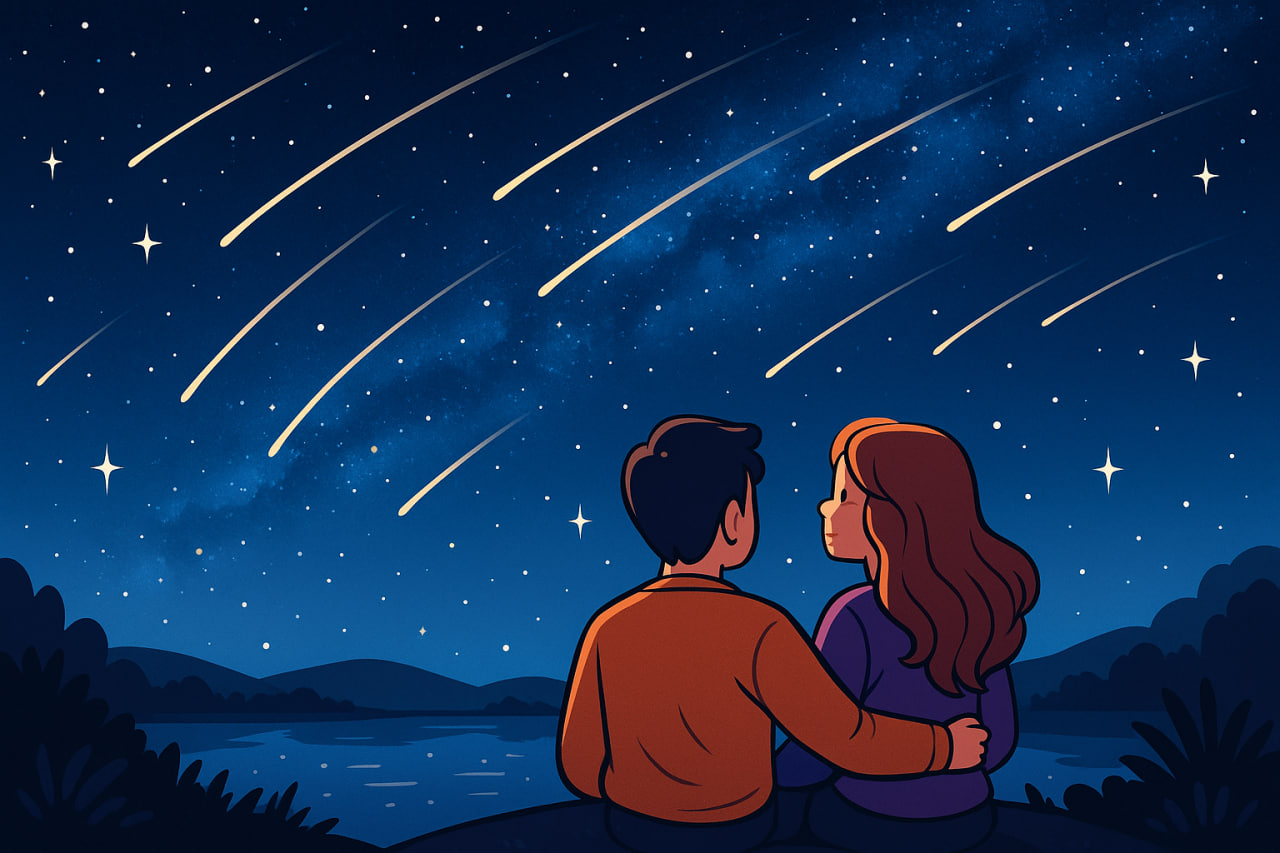
Few natural events captivate the human imagination as much as a meteor shower. When dozens or even hundreds of streaks of light flash across the night sky, it feels as though the heavens themselves are alive. But behind this breathtaking spectacle lies a fascinating story of cosmic debris, planetary motion, and the fragile beauty of Earth’s atmosphere.

Meteorites: Messengers from the Depths of Space
Space Stories Universe

Meteorites: Messengers from the Depths of Space

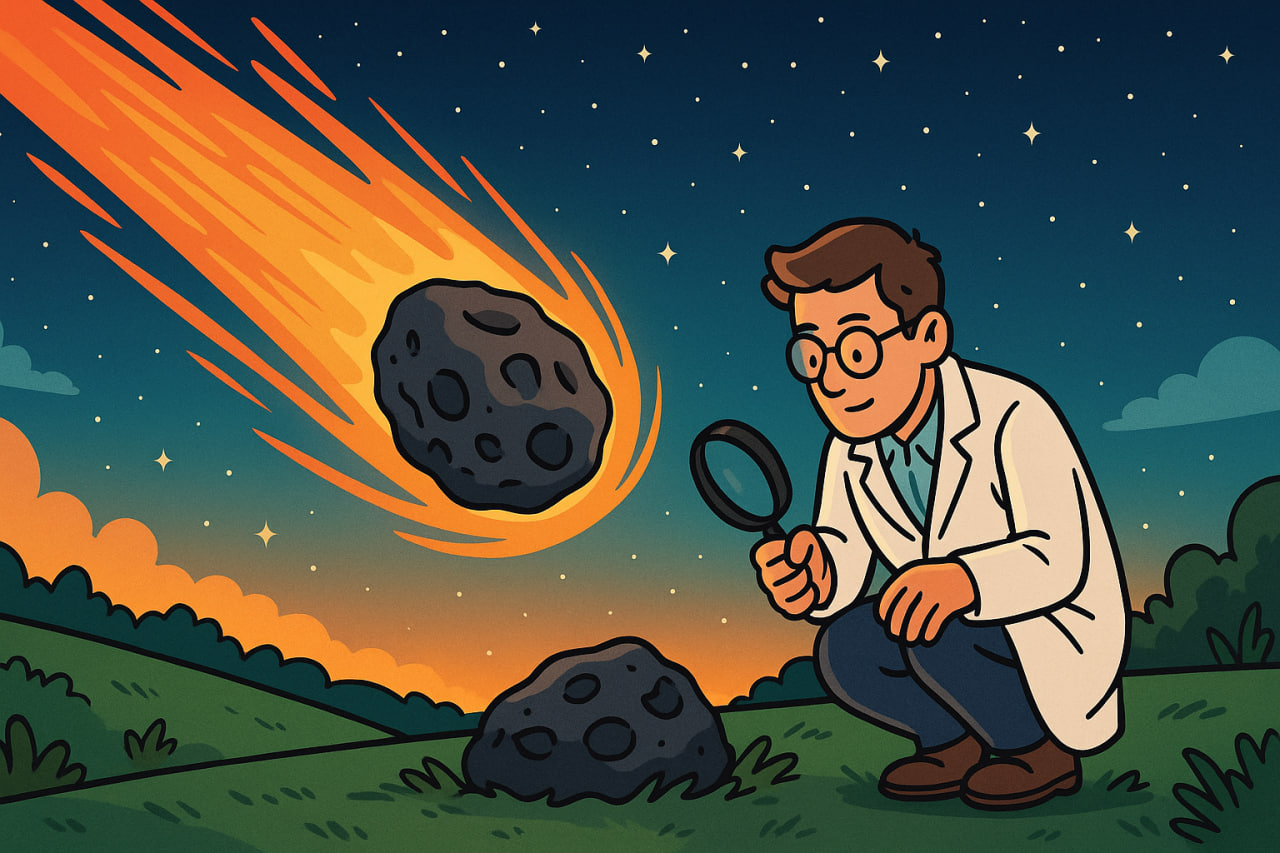
Every meteorite that falls to Earth carries within it a story billions of years old. These rocky or metallic fragments are remnants of the early Solar System — pieces of asteroids, moons, and sometimes even other planets. When they survive their fiery descent through the atmosphere and reach the ground, they become one of the most valuable sources of information about the cosmos.

Ultraviolet Light: The Invisible Force of the Sun
Space Stories Universe Solar System

Ultraviolet Light: The Invisible Force of the Sun

Ultraviolet (UV) light is an invisible type of electromagnetic radiation emitted by the Sun and certain artificial sources. While it plays an essential role in nature — such as helping the human body produce vitamin D — excessive exposure can be dangerous to living organisms. Understanding how UV radiation works, its types, benefits, and risks allows us to protect ourselves and use it safely in science, medicine, and technology.

Terraforming: Turning Alien Worlds Into New Homes
Space Stories Universe

Terraforming: Turning Alien Worlds Into New Homes

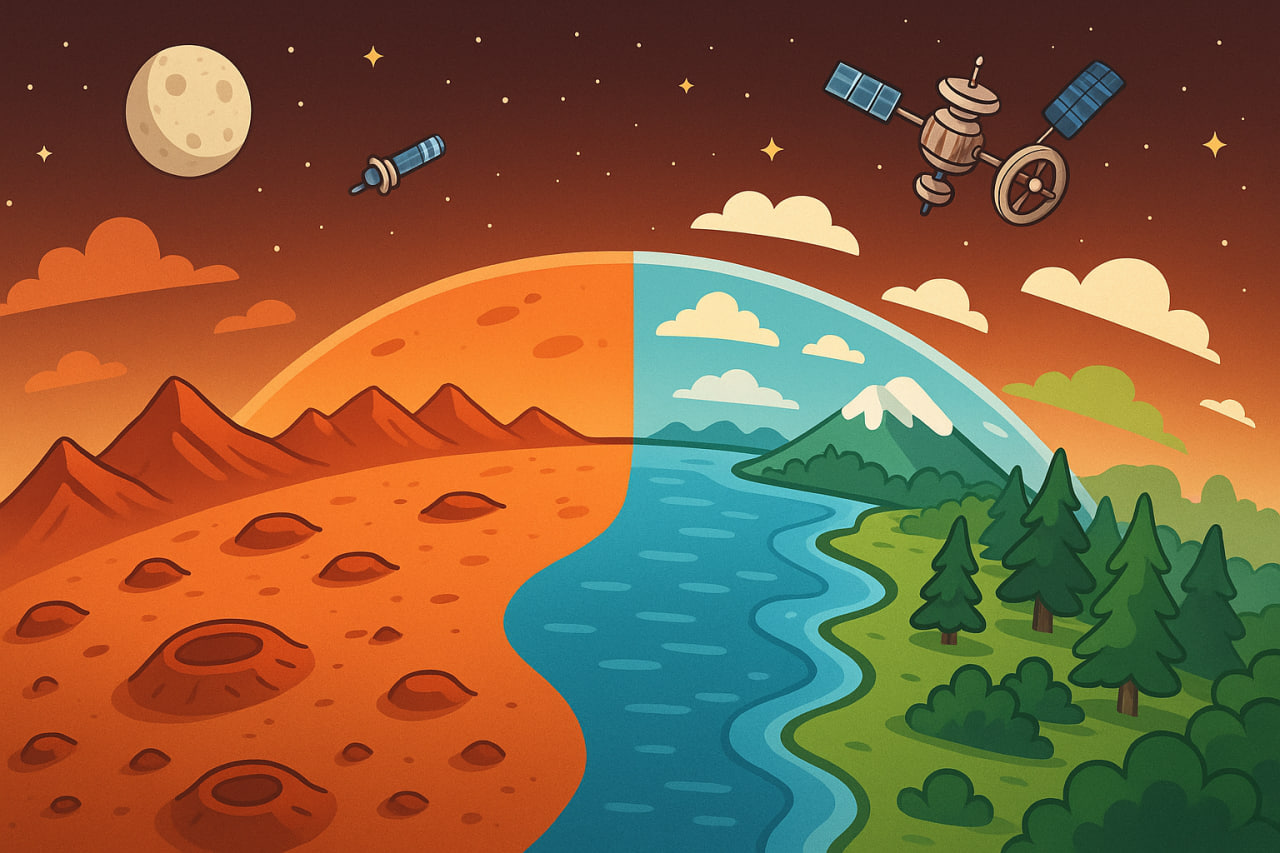
Terraforming — the process of transforming another planet or moon to make it habitable for life — is one of the most ambitious ideas in science and imagination. The term comes from the Latin terra (Earth) and formare (to shape), meaning “to shape into Earth.” It represents humanity’s dream of expanding beyond its home planet and turning barren worlds into vibrant ecosystems.

Could Earth Reverse Its Rotation?
Space Stories Universe Earth & Moon

Could Earth Reverse Its Rotation?

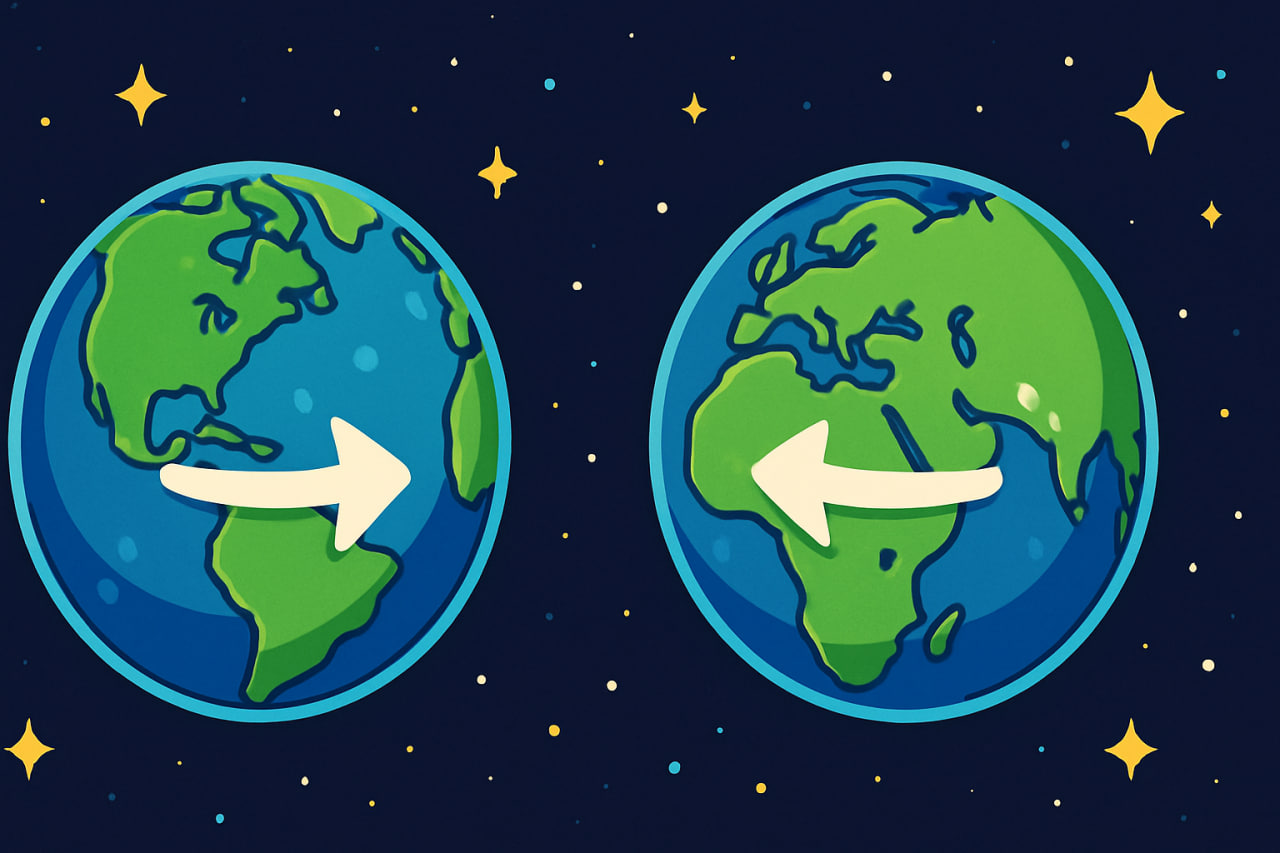
The Earth rotates from west to east, which makes the Sun rise in the east and set in the west. This direction of rotation has remained stable for billions of years. However, the question of whether Earth could ever reverse its spin has intrigued scientists and the public alike. Such a reversal would not be impossible in theory, but it would require extreme circumstances that go far beyond natural processes on our planet today.

Do All Moving Objects in the Universe Follow a Left-Handed or Right-Handed Spiral?
Space Stories Universe Science

Do All Moving Objects in the Universe Follow a Left-Handed or Right-Handed Spiral?

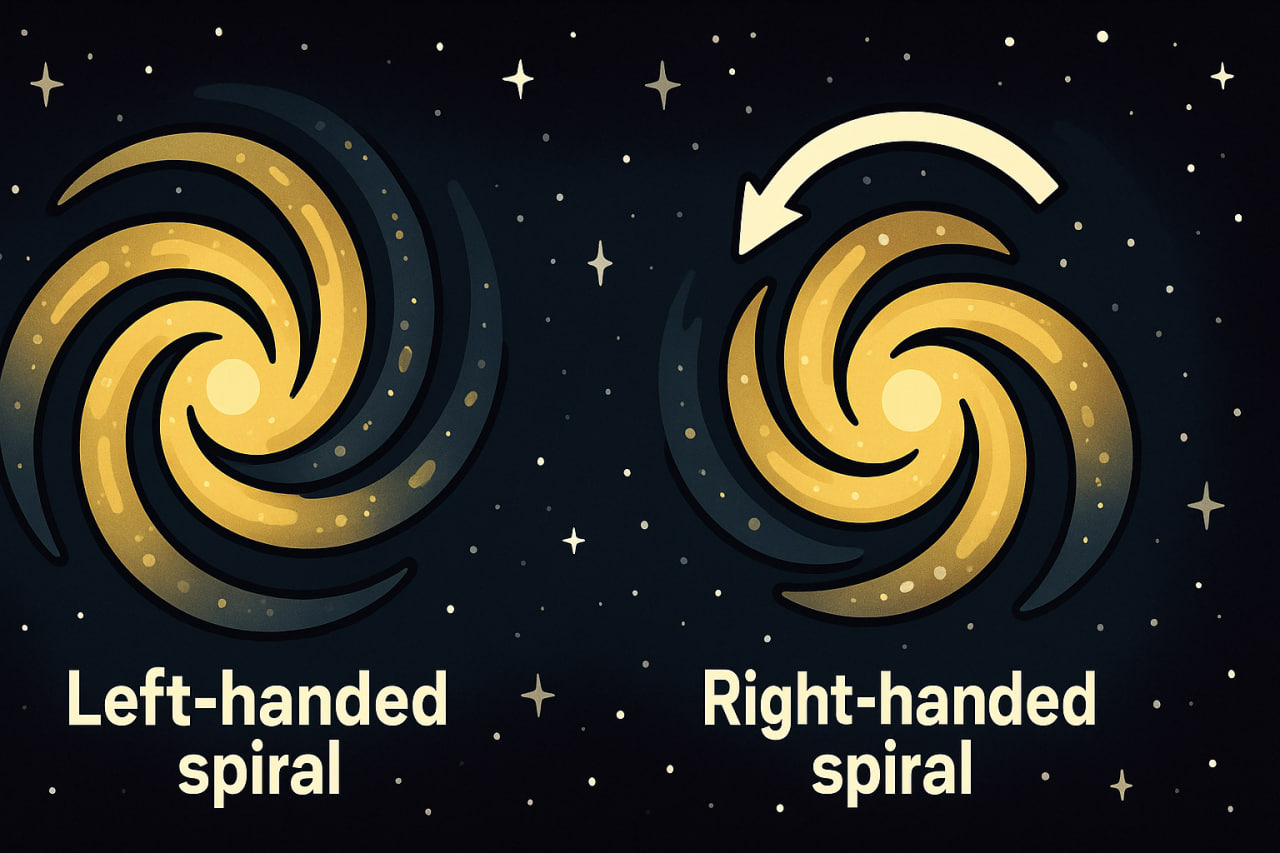
The motion of objects in the universe is a subject that fascinates astronomers and physicists. Many people notice spiral shapes in galaxies, hurricanes, or even water vortices and wonder if there is a universal “handedness” — whether objects move in a left-handed (counterclockwise) or right-handed (clockwise) spiral. While spiral patterns are indeed widespread, the truth is more complex: not all motion follows a single spiral direction, and handedness often depends on perspective and local forces.

How Planets and Galaxies Move in the Universe
Space Stories Universe

How Planets and Galaxies Move in the Universe

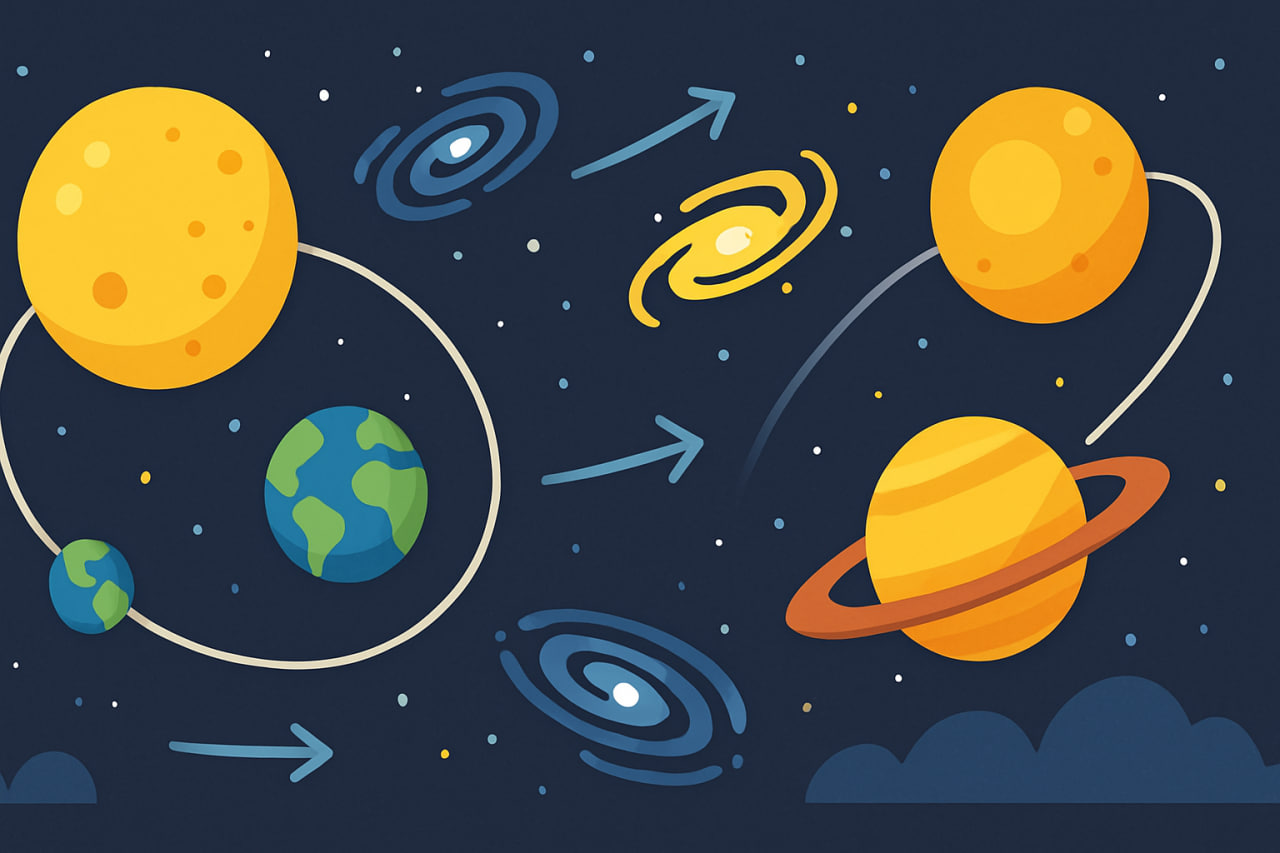
The motion of planets and galaxies is one of the most fascinating aspects of astronomy. While the forces that drive these movements may seem invisible, they are governed by fundamental laws of physics, primarily gravity. Understanding how planets orbit their stars and how galaxies travel through the cosmos provides us with insight into the large-scale dynamics of the universe.