Space Stories

Lunar Eclipse: A Spectacular Alignment of Earth, Moon, and Sun
Space Stories Universe Solar System

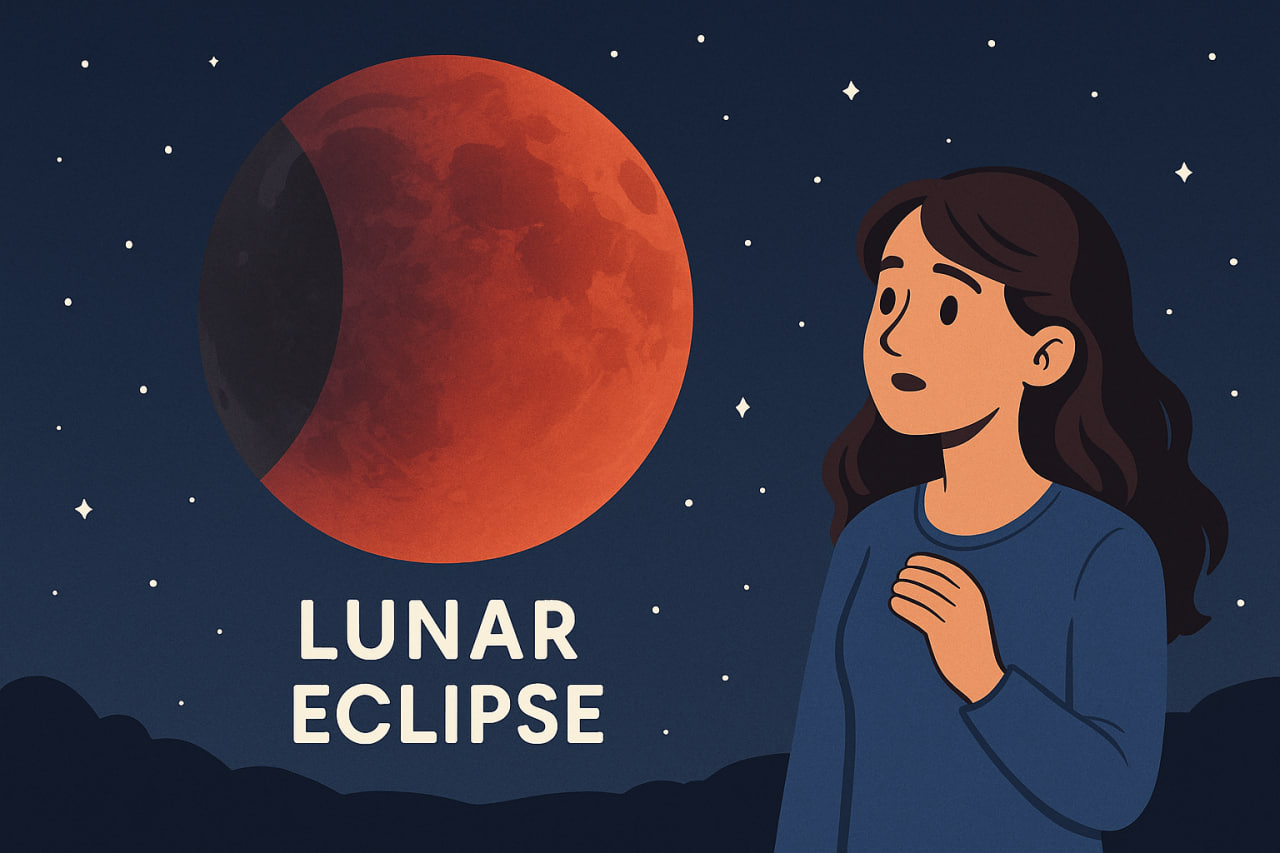
Lunar Eclipse: A Spectacular Alignment of Earth, Moon, and Sun

A lunar eclipse is one of the most captivating celestial events visible from Earth, occurring when the Earth passes directly between the Sun and the Moon, casting its shadow across the lunar surface. Unlike solar eclipses, which require special eye protection and are visible only from narrow paths, lunar eclipses can be observed safely with the naked eye and are visible from entire continents. Throughout history, lunar eclipses have inspired myths, scientific discoveries, and cultural traditions. Today, they offer astronomers a valuable opportunity to study Earth’s atmosphere and the Moon’s surface under unique lighting conditions. Understanding how lunar eclipses form reveals both the elegance of celestial mechanics and the interconnected motions of our planet and its natural satellite.
Solar Wind: The Powerful Stream of Particles Flowing From the Sun
Space Stories Universe Be Smart

Solar Wind: The Powerful Stream of Particles Flowing From the Sun

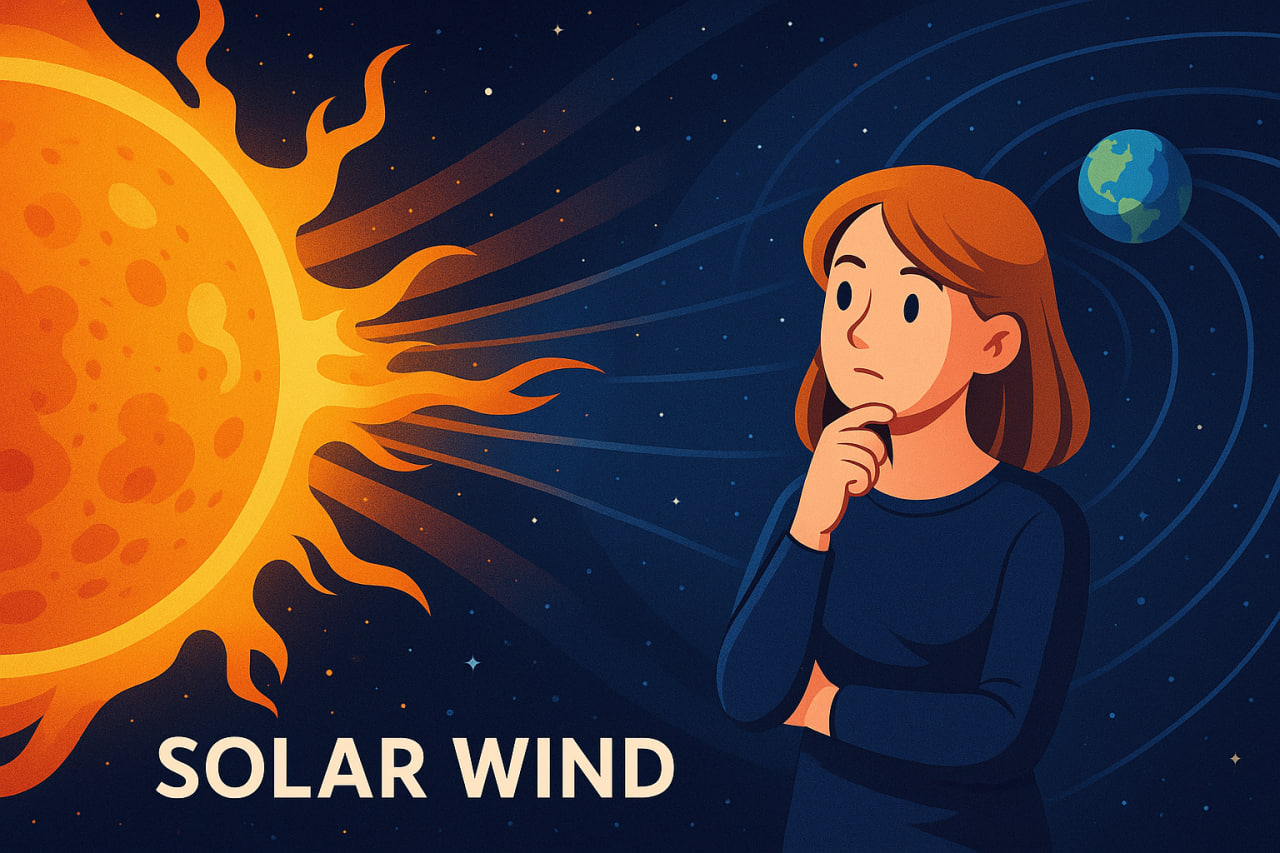
The solar wind is a continuous stream of charged particles — mainly electrons and protons — that flows outward from the Sun at incredible speeds. This invisible but powerful force shapes the space environment throughout the entire Solar System. As it travels across space, the solar wind interacts with planetary atmospheres, magnetic fields, and even technological systems on Earth. Although it cannot be felt directly, the solar wind plays a crucial role in creating auroras, driving space weather, and influencing long-term planetary evolution. Understanding how the solar wind behaves helps scientists protect satellites, forecast geomagnetic storms, and study the dynamic relationship between the Sun and Earth.

What We Know About Black Holes: Mysteries, Physics, and Modern Discoveries
Space Stories Universe New Discoveries

What We Know About Black Holes: Mysteries, Physics, and Modern Discoveries

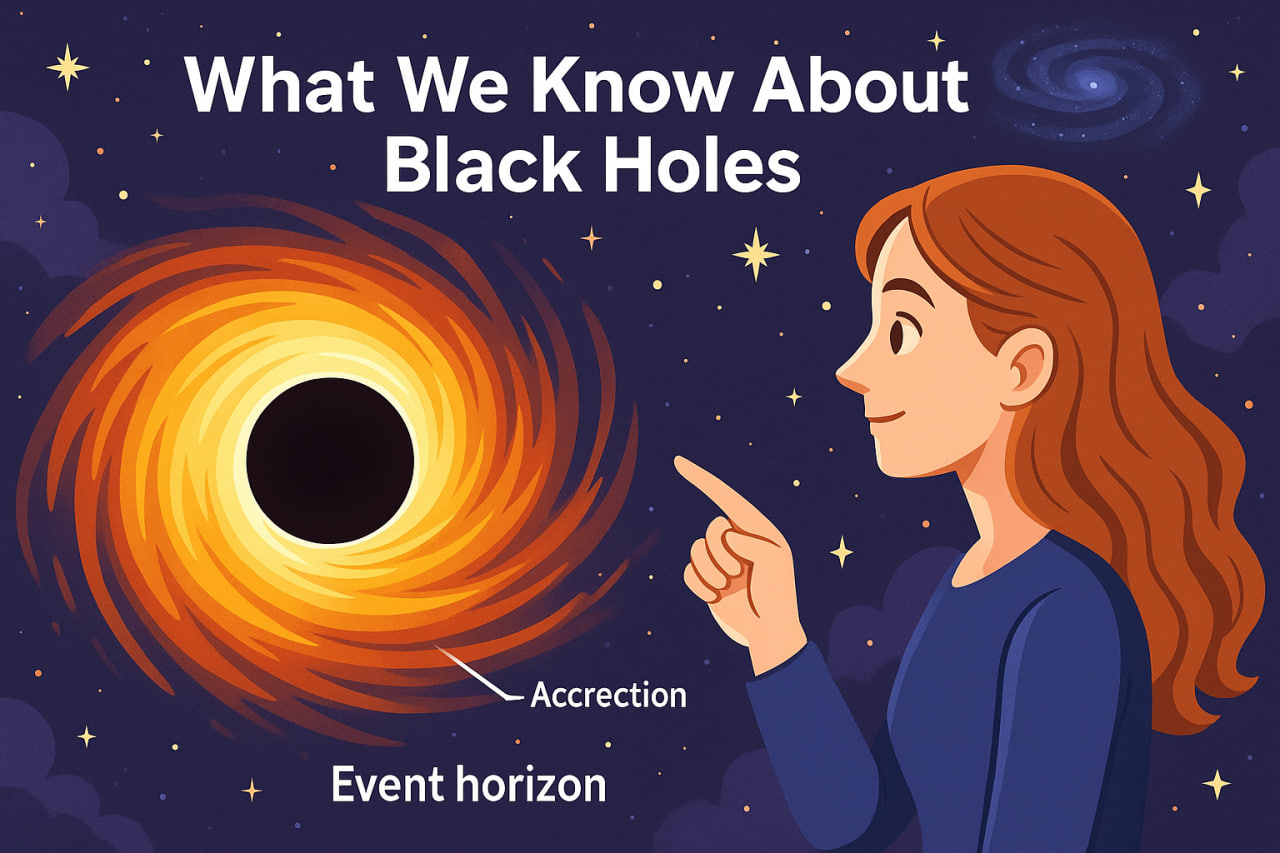
Black holes are among the most mysterious and fascinating objects in the universe. Formed from the collapse of massive stars or through the gradual accumulation of matter, black holes possess gravitational forces so strong that nothing — not even light — can escape once it crosses the event horizon. Although they cannot be observed directly, their presence is detected through the way they interact with surrounding matter, distort spacetime, and emit powerful radiation through accretion processes. Advances in astrophysics, gravitational-wave detection, and high-resolution imaging have transformed black holes from theoretical concepts into observable cosmic realities. Studying black holes helps scientists test fundamental physics, understand galaxy evolution, and explore the limits of space, time, and gravity.

Is Life Possible Without Air and Water? Exploring the Limits of Biological Survival
Space Stories Universe What if?

Is Life Possible Without Air and Water? Exploring the Limits of Biological Survival

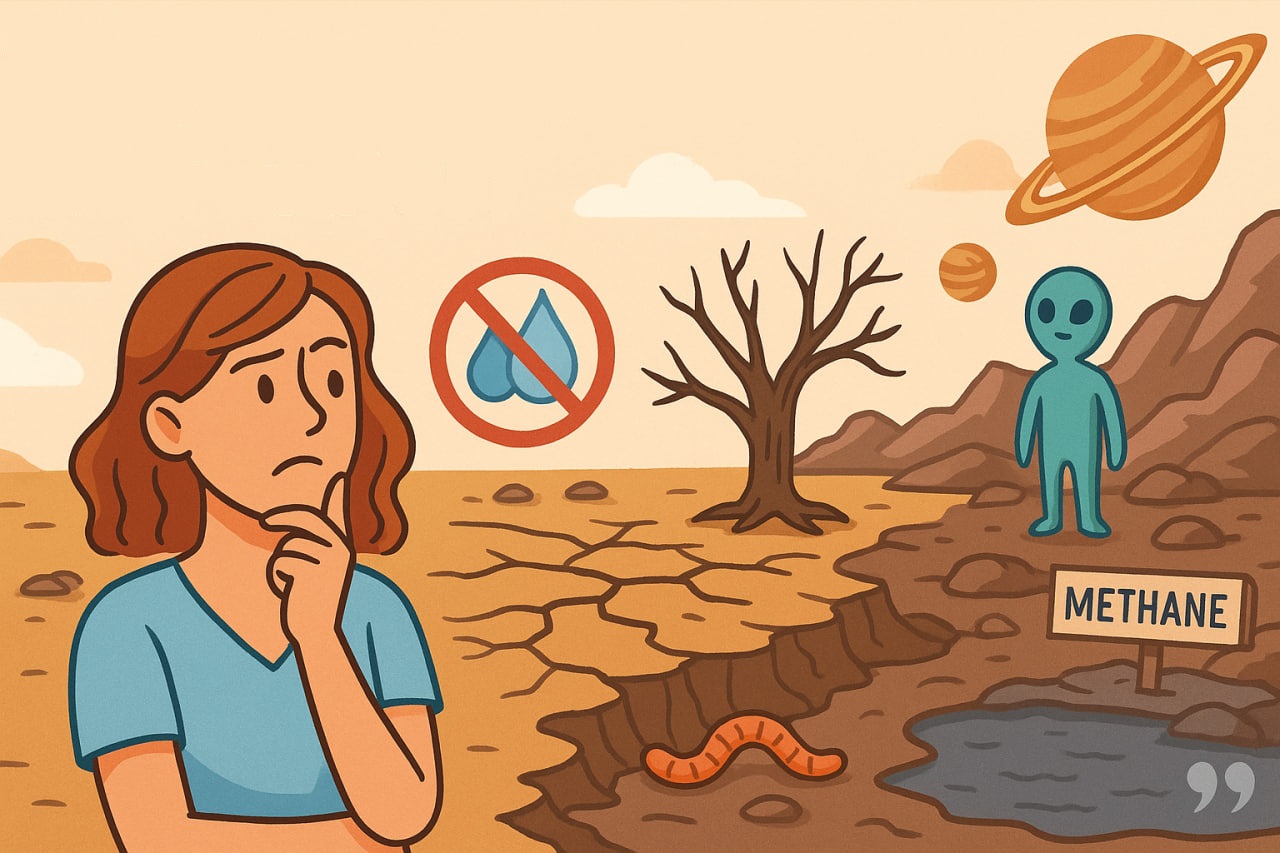
Life on Earth is deeply dependent on air and water, two essential components that sustain nearly all known organisms. Water serves as the foundation for biochemical reactions, nutrient transport, temperature regulation, and cellular structure. Air — particularly oxygen — allows many organisms to extract energy from food and maintain metabolic processes. However, as scientists explore extreme environments on Earth and search for life beyond our planet, the question becomes more complex: Is it possible for life to exist without air and water as we understand them? Research in astrobiology, microbiology, and planetary science suggests that while Earth-like life requires these elements, other life forms might survive under radically different conditions. Studying these possibilities expands our understanding of biology and the potential diversity of life in the universe.

Astrobiology: The Science of Life Beyond Earth
Space Stories Universe Science

Astrobiology: The Science of Life Beyond Earth

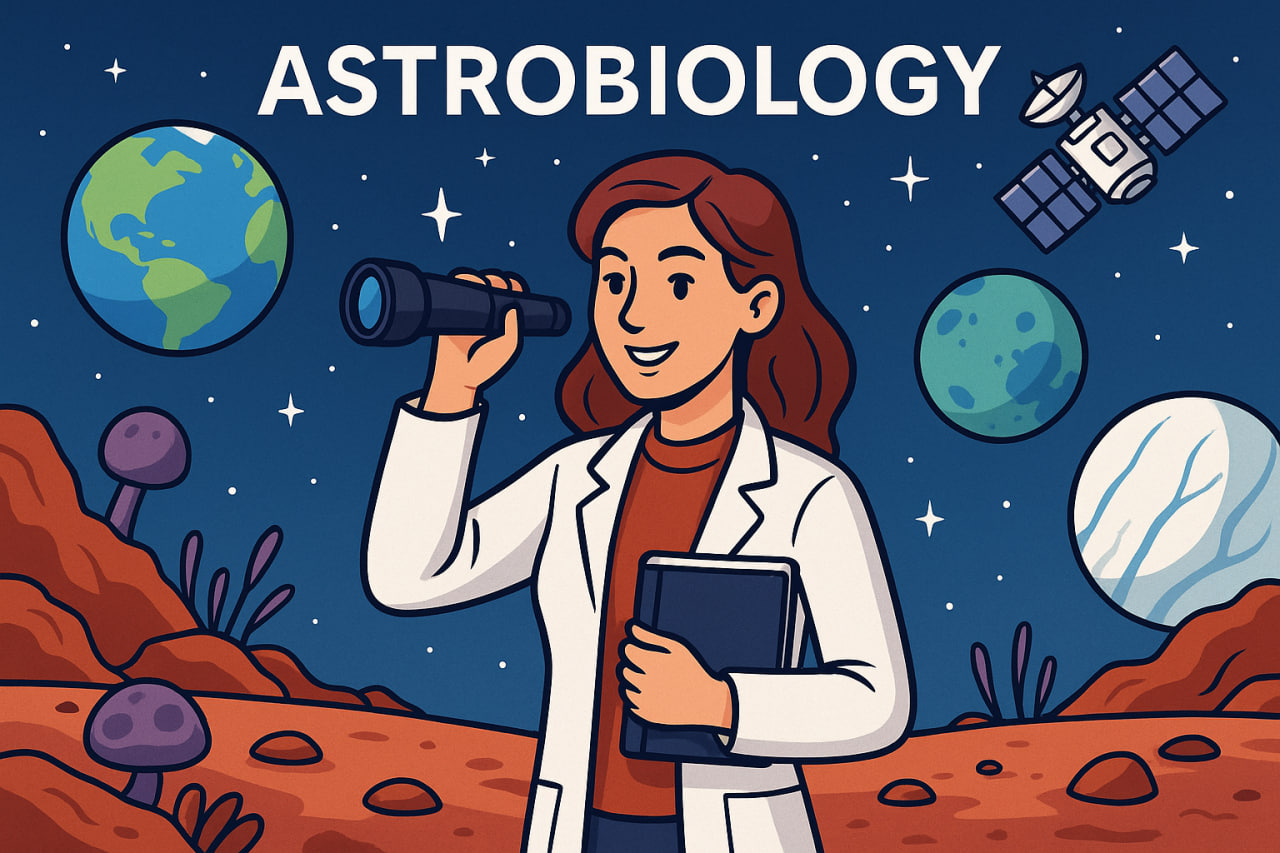
Astrobiology is the scientific discipline that explores one of humanity’s most profound questions: Does life exist elsewhere in the universe? This field combines astronomy, biology, chemistry, geology, and planetary science to investigate how life originates, evolves, survives, and potentially spreads beyond Earth. Astrobiologists study the conditions that allowed life to emerge on our planet and search for similar environments on other worlds. They examine extreme life forms on Earth to understand the boundaries of biological survival, analyze exoplanets for signs of habitability, and explore Mars, icy moons, and deep space for chemical fingerprints of life. Astrobiology does not assume that alien life must resemble life on Earth; instead, it expands the definition of what life could be, from microbial organisms to hypothetical alternative biochemistries. This growing field not only deepens our understanding of the universe but also enriches our knowledge of Earth’s own biosphere.

Solar Sails: Harnessing Sunlight for Space Travel
Space Stories Cosmic Innovations Hi-Tech

Solar Sails: Harnessing Sunlight for Space Travel

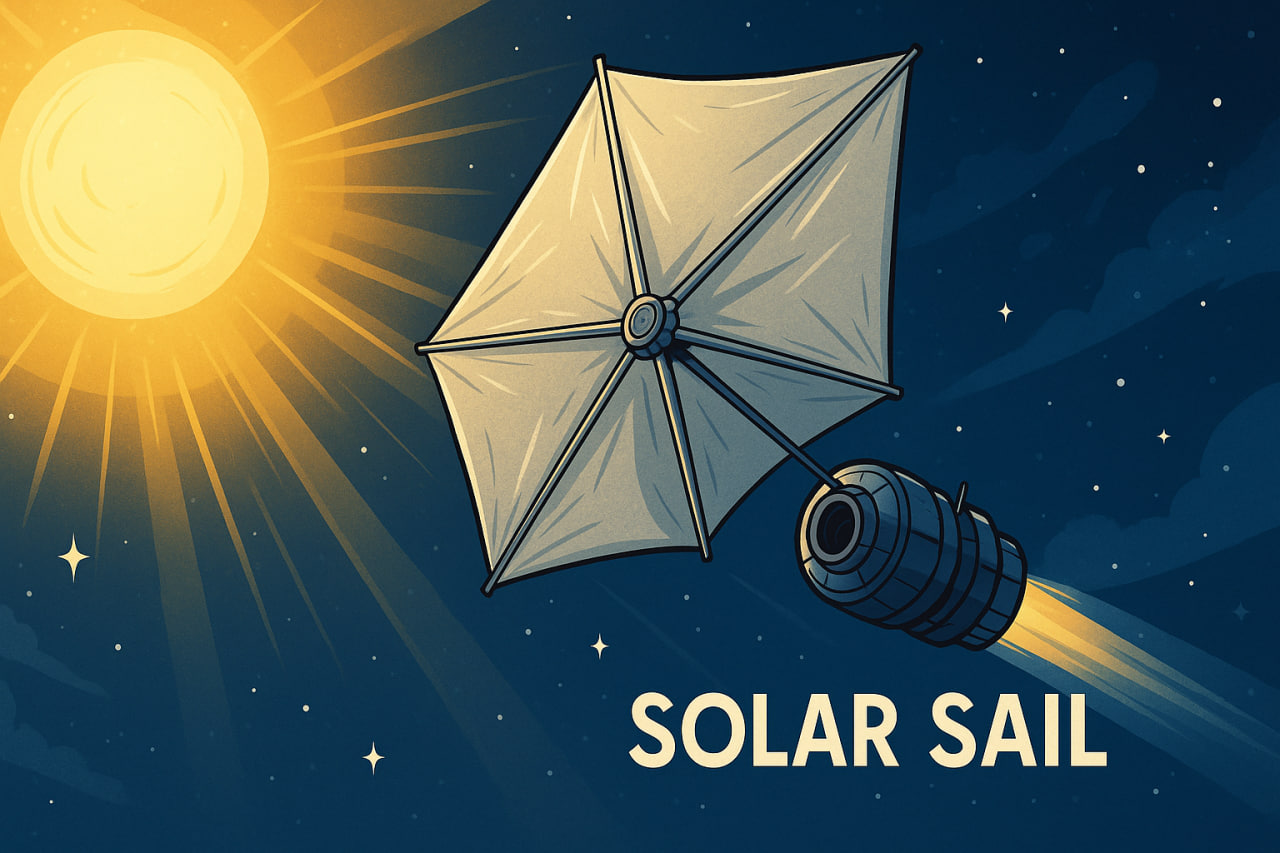
Solar sails are one of the most elegant and futuristic propulsion technologies ever developed, offering a method of space travel that requires no fuel and relies solely on the power of sunlight. Instead of burning propellant, solar sails use photons — tiny particles of light — to generate thrust. When sunlight hits a highly reflective, ultrathin sail, it transfers momentum, gradually pushing the spacecraft forward. Although the acceleration is extremely gentle, it continues indefinitely as long as the sail remains illuminated, allowing solar-sail spacecraft to reach remarkable speeds over time. This makes them ideal for long-duration missions, deep-space exploration, and even travel to other star systems. Solar sails represent a revolutionary shift in how humanity might explore space: not through explosive engines, but through silent, continuous propulsion powered by the universe itself.

VASIMR Engine: A New Era of High-Power Plasma Propulsion
Space Stories Cosmic Innovations Hi-Tech

VASIMR Engine: A New Era of High-Power Plasma Propulsion

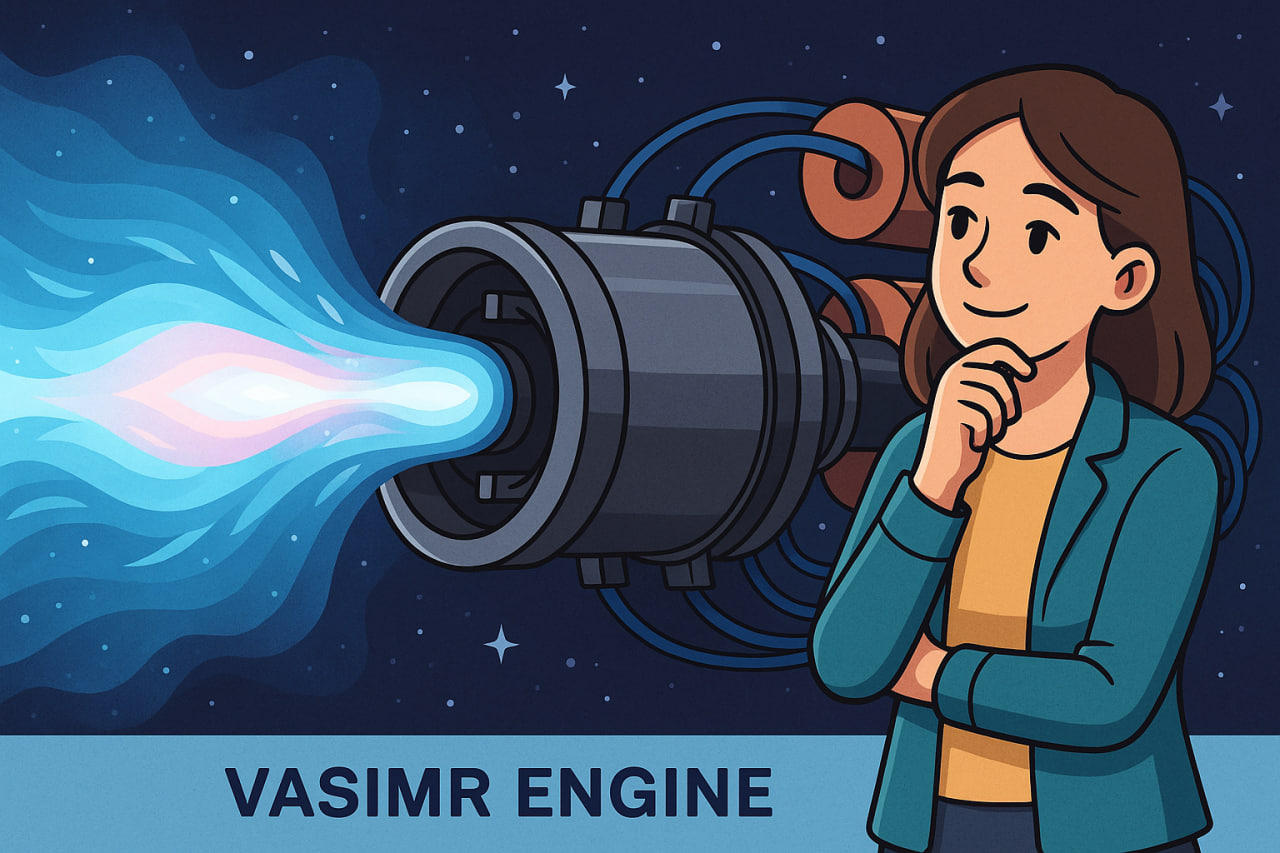
The VASIMR engine, short for Variable Specific Impulse Magnetoplasma Rocket, represents one of the most promising breakthroughs in advanced space propulsion. Unlike traditional chemical rockets, which burn fuel to create high-temperature exhaust, the VASIMR engine uses superheated plasma — an electrically charged gas — controlled by magnetic fields to generate thrust. This technology aims to combine high efficiency with significantly greater power, potentially reducing travel times to distant planets such as Mars. Because it relies on electrical power rather than combustion, the VASIMR engine could operate continuously for weeks or months, gradually accelerating spacecraft to extremely high speeds. As energy generation systems in space improve, this propulsion method may become a foundation for future deep-space missions, orbital transport, and long-duration scientific journeys. Understanding how VASIMR works provides a glimpse into the next generation of spacecraft engineering.

Ion Engines: The Future of Deep Space Propulsion
Space Stories Cosmic Innovations Hi-Tech

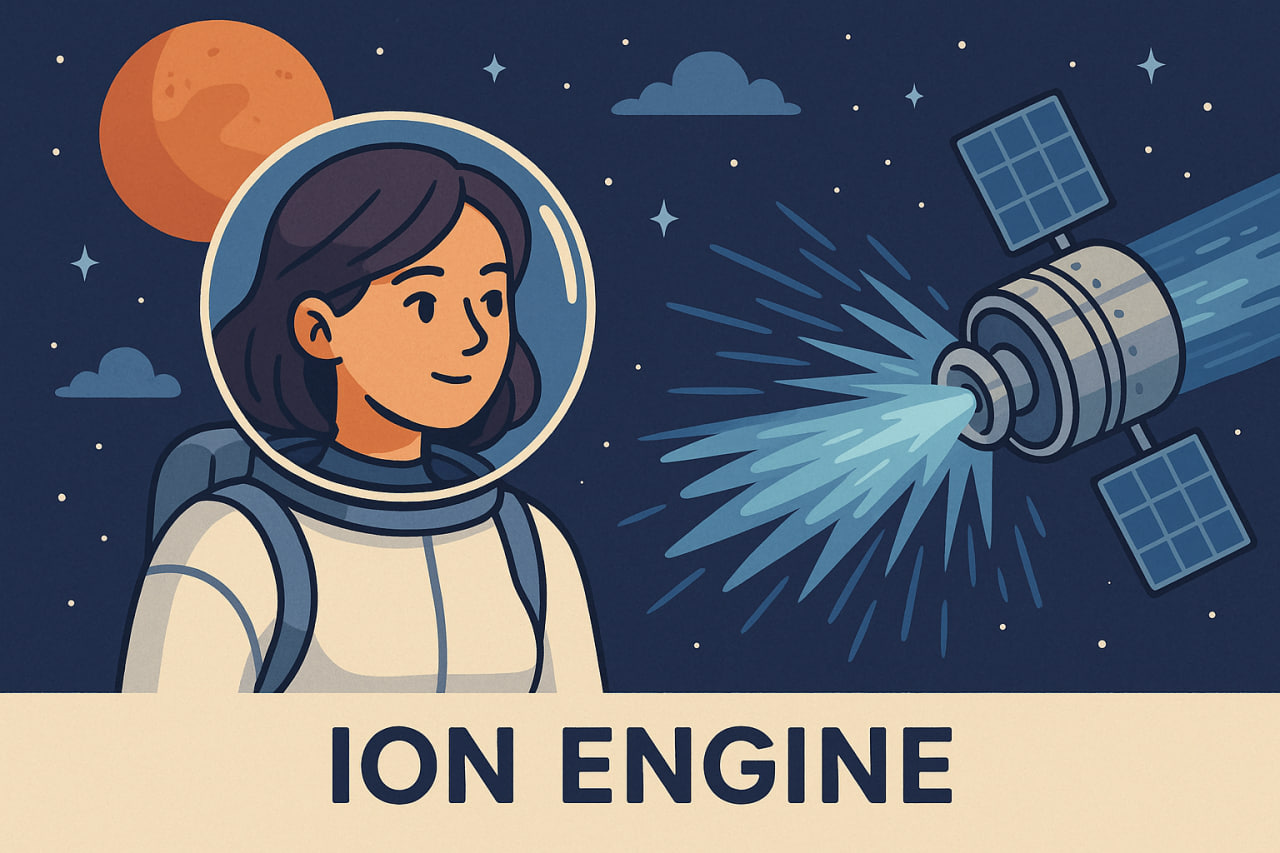
Ion Engines: The Future of Deep Space Propulsion

Ion engines represent one of the most advanced propulsion technologies ever developed, enabling spacecraft to travel vast distances using remarkably little fuel. Unlike traditional chemical rocket engines that produce enormous thrust in a short burst, ion engines create a steady, gentle push by accelerating electrically charged particles — ions — to extremely high speeds. This slow but continuous acceleration allows spacecraft to reach extraordinary velocities over long periods, making ion engines ideal for deep-space missions where efficiency is more important than raw power. Their ability to operate for months or even years without refueling has reshaped modern space exploration and opened new possibilities for scientific discovery across the solar system. Understanding how ion engines work highlights humanity’s growing capability to explore space sustainably and intelligently.

Rocket Engines: The Power Behind Space Exploration
Space Stories Cosmic Innovations Hi-Tech

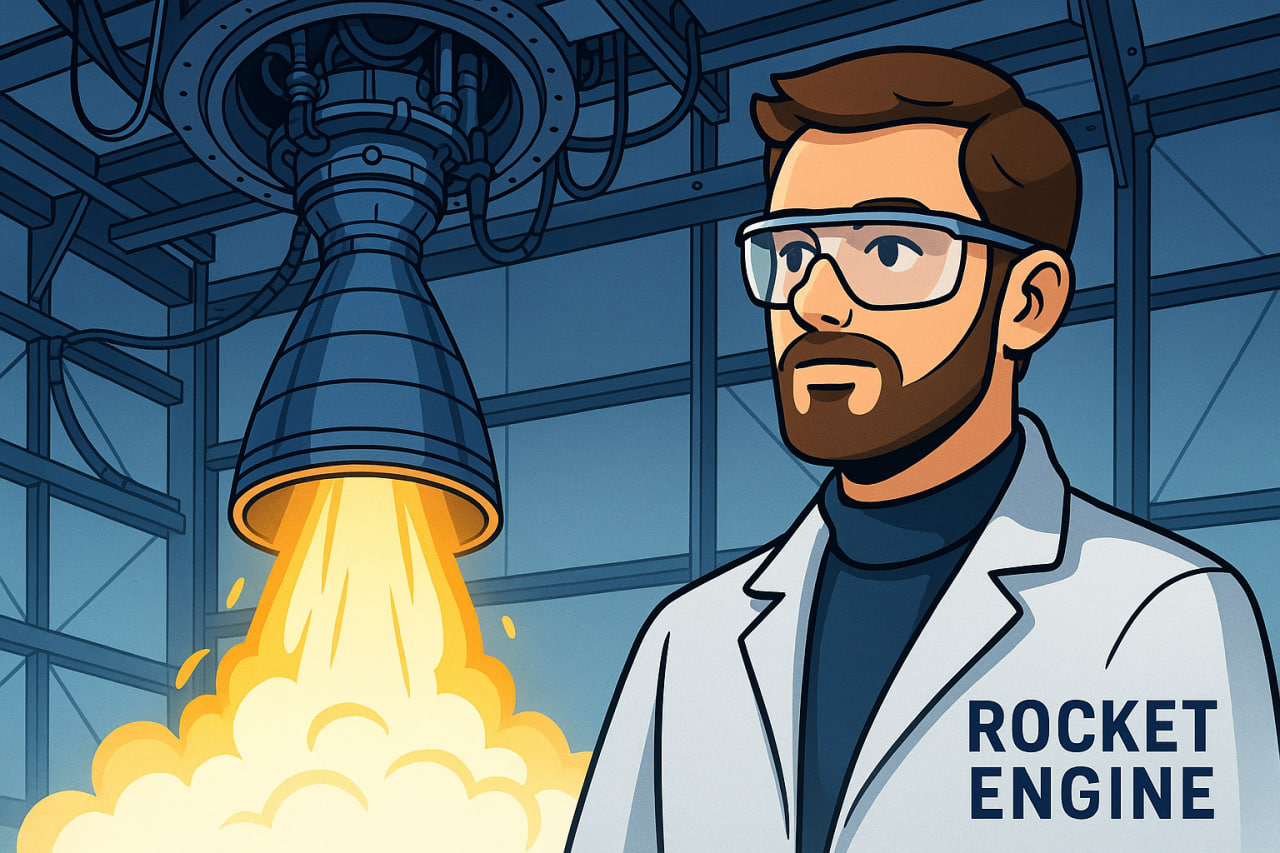
Rocket Engines: The Power Behind Space Exploration

Rocket engines are the fundamental technology that makes space travel possible, enabling spacecraft to break free from Earth’s gravity and operate in the vacuum of space. Unlike aircraft engines that rely on atmospheric oxygen, rocket engines carry both fuel and oxidizer, allowing them to function in environments with no air at all. This makes them uniquely powerful and efficient for reaching orbit, traveling to other planets, and conducting scientific missions deep into the cosmos. Modern rocket engines combine precise engineering, advanced materials, and complex thermodynamics to generate extraordinary amounts of thrust. Despite their incredible power, they remain highly sensitive systems that require exact control and deep scientific understanding. As space agencies and private companies push toward new frontiers, rocket engine technology continues to evolve, shaping the future of exploration and transportation beyond Earth.

STAR WARS: What Happens When One Star Enters the Gravitational Field of Another
Space Stories Universe Star Wars

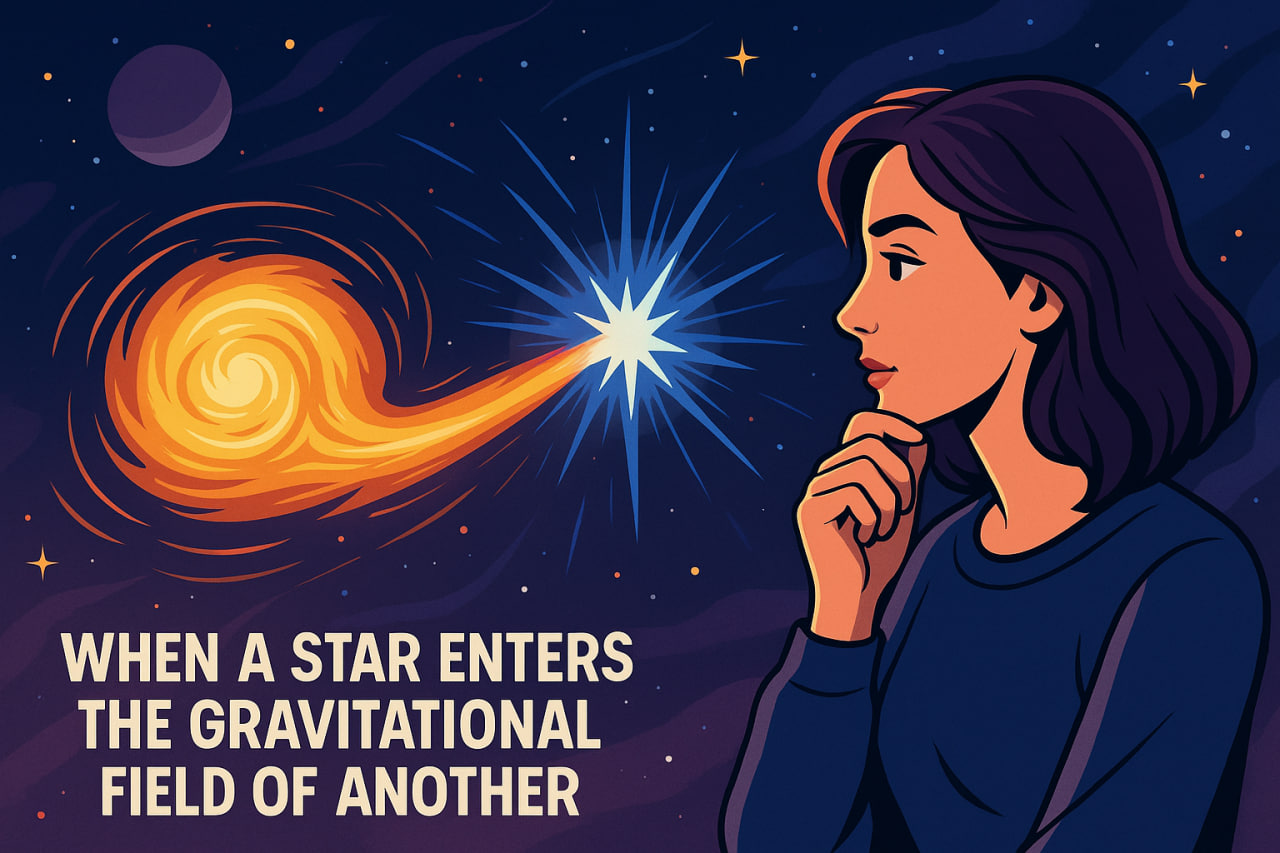
STAR WARS: What Happens When One Star Enters the Gravitational Field of Another

When a star enters the gravitational field of another, a dramatic astrophysical interaction begins that can reshape both stellar systems. Gravity becomes the dominant force, pulling the stars into complex orbital patterns or violent exchanges of energy and matter. These encounters occur across the universe, particularly in densely packed regions such as star clusters and galactic centers. Depending on the mass, distance, and velocity of the stars, the outcome may range from gentle orbital capture to complete tidal destruction. Scientists study these interactions to better understand stellar evolution, black hole formation, and the dynamic behavior of galaxies. Stellar encounters reveal how unstable and unpredictable the universe can be when massive bodies influence one another.