Space Stories

Where Did All the Water on Earth Come From?
Space Stories Solar System Earth & Moon

Where Did All the Water on Earth Come From?

Water covers about 71% of Earth’s surface, making it one of the most defining features of our planet. Yet the question of how Earth acquired so much water remains one of science’s most fascinating mysteries. Researchers believe Earth’s water is the result of both internal geological processes and delivery from space.
Can We Hear Sound in Space?
Space Stories Universe Science

Can We Hear Sound in Space?

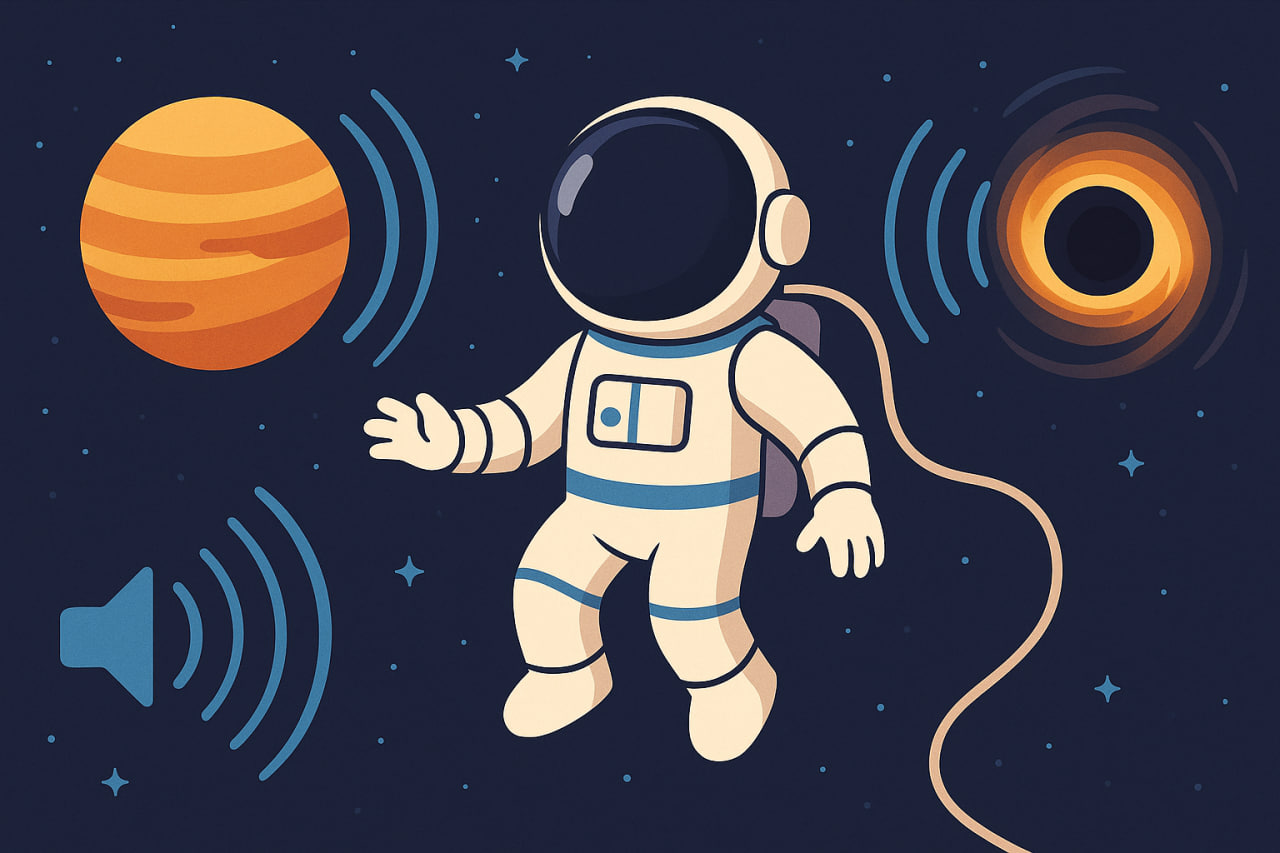
When people imagine space, they often think of rockets roaring or battleships exchanging fire in movies. In reality, however, space is silent — at least in the way humans normally understand sound. The reason lies in the physics of how sound travels and the unique conditions of outer space.

Solar Flares – What They Are and How Dangerous They Can Be
Space Stories Universe

Solar Flares – What They Are and How Dangerous They Can Be

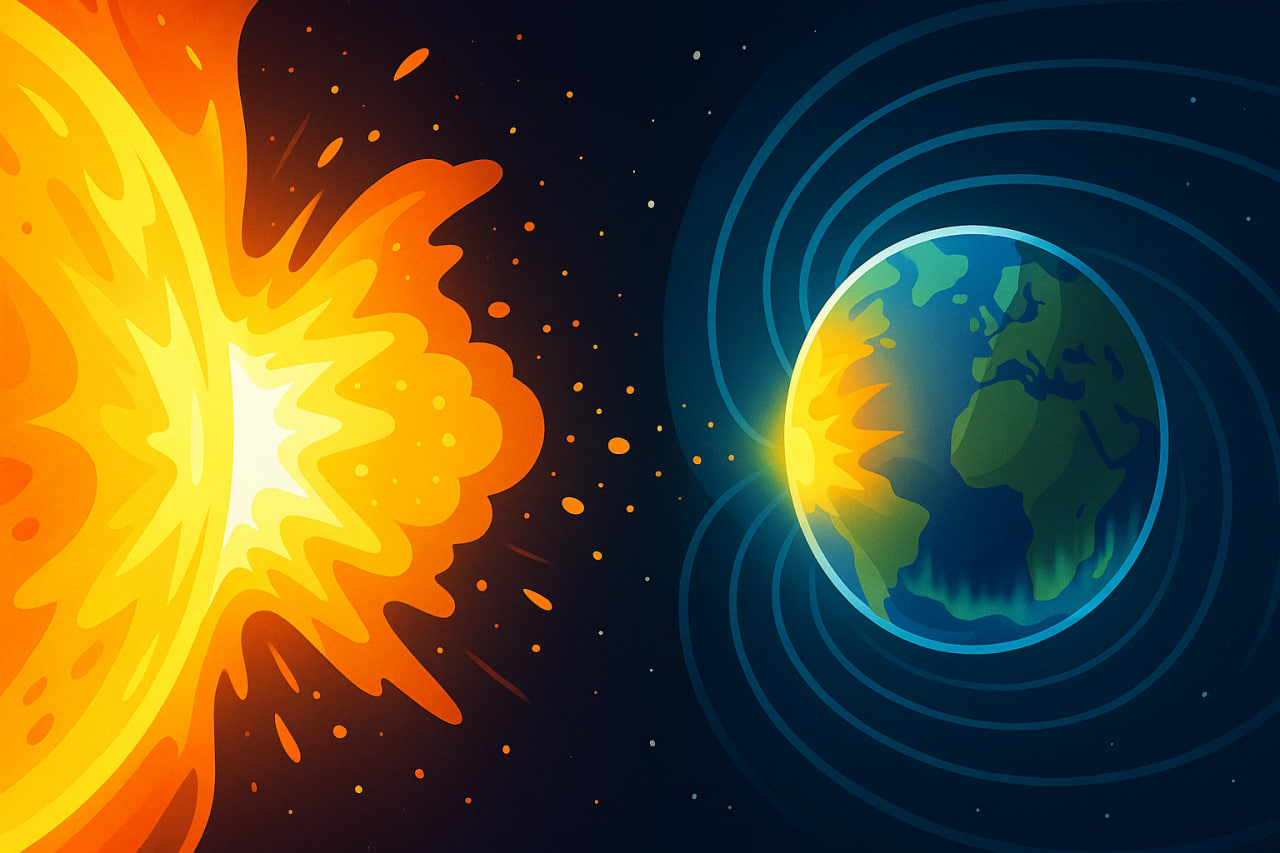
Solar radiation flares are sudden and intense bursts of energy released from the Sun’s surface. They occur when the Sun’s magnetic fields become unstable and release massive amounts of electromagnetic radiation, including X-rays, ultraviolet light, and energetic particles. These flares are the most powerful explosions in our solar system and can affect both space and Earth.

The Solar Corona
Space Stories Universe Solar System

The Solar Corona

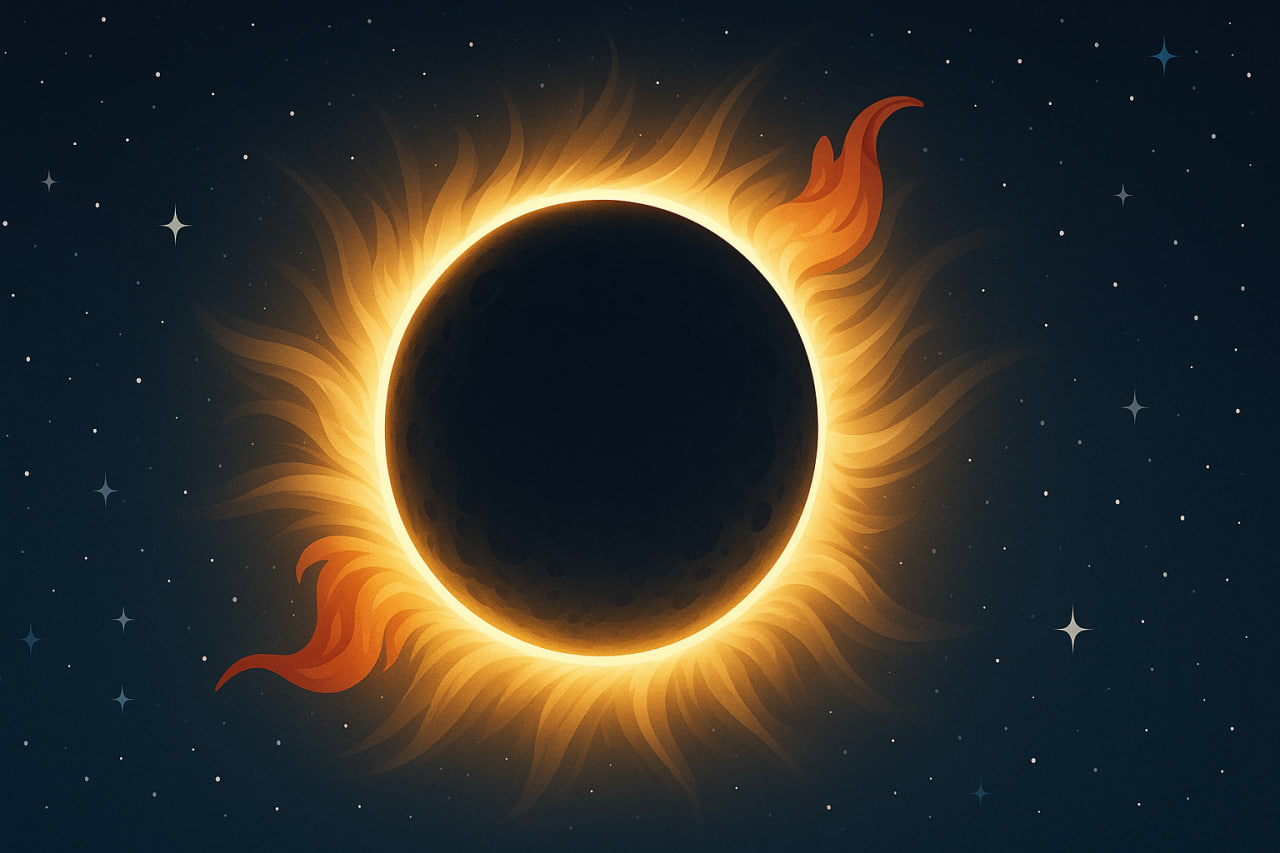
The solar corona is the outermost layer of the Sun’s atmosphere, extending millions of kilometers into space. Although it is extremely thin and faint compared to the bright solar disk, it plays a crucial role in solar activity and space weather. The corona is most visible during a total solar eclipse, when the Moon blocks the Sun’s surface, revealing a glowing halo of light.

What Are Sunspots?
Space Stories Universe

What Are Sunspots?

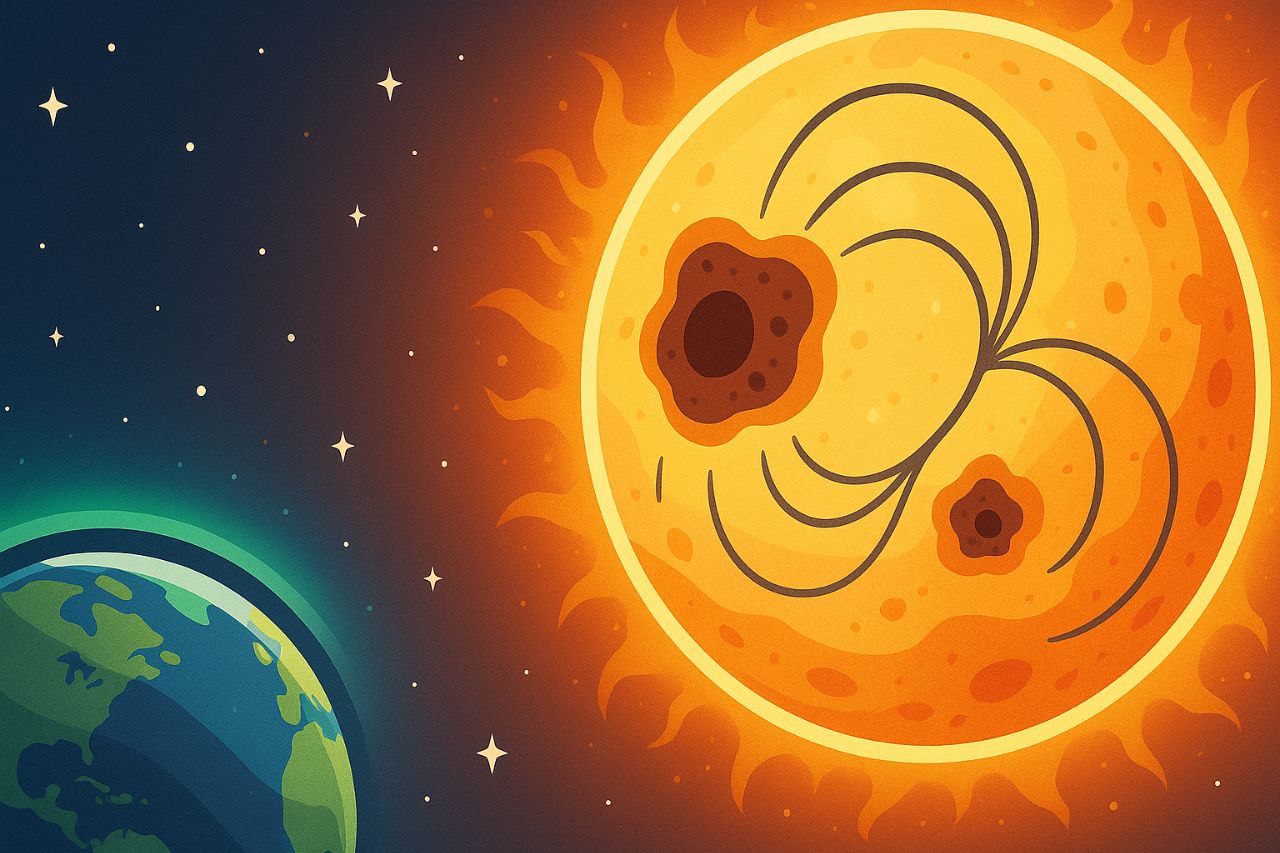
Sunspots are temporary dark areas on the surface of the Sun, appearing darker than their surroundings because they are cooler regions of solar plasma. While the Sun’s surface (the photosphere) usually has a temperature of about 5,500°C, sunspots can be as “cold” as 3,500–4,000°C. This temperature difference makes them stand out as dark spots against the brighter background.

How Landing on Asteroids Happens
Space Stories Smart Technology Universe

How Landing on Asteroids Happens

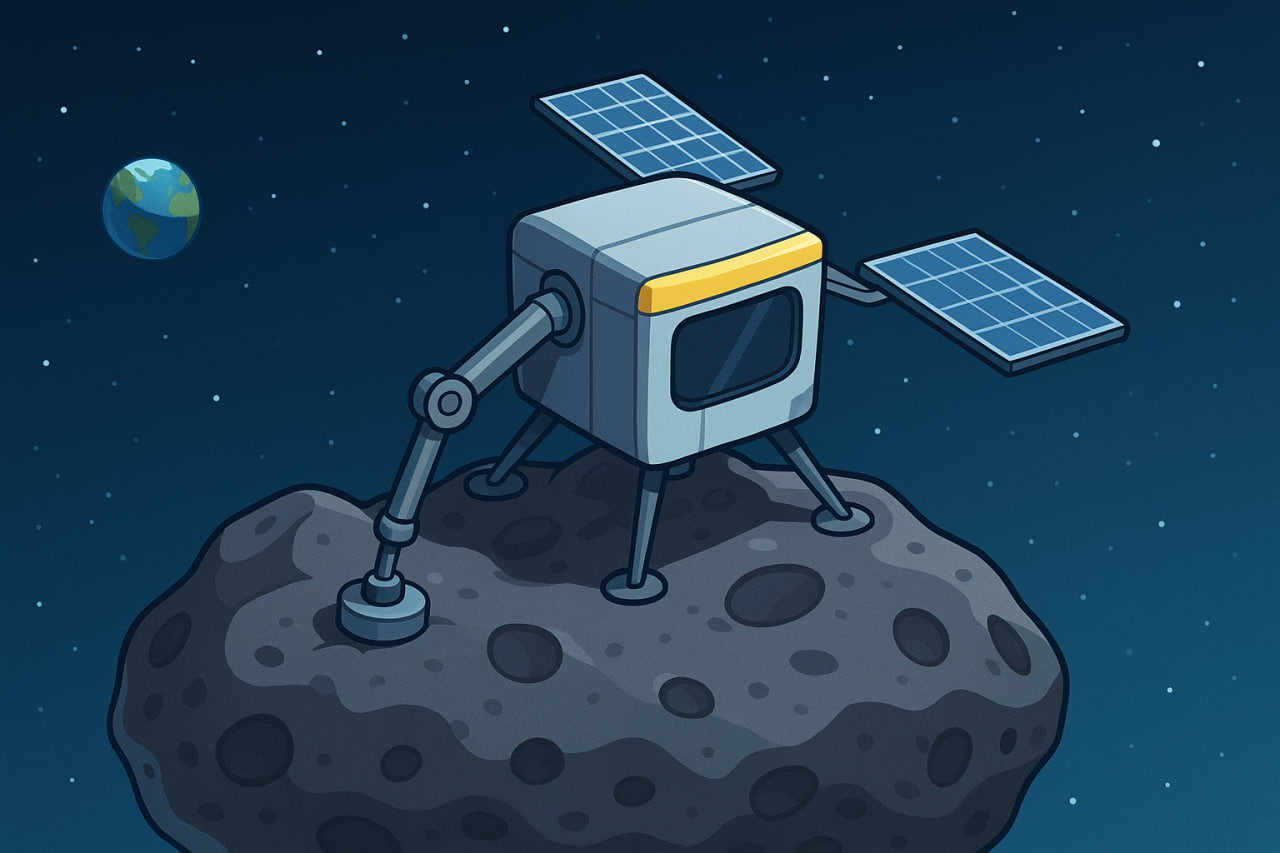
Landing on an asteroid is one of the most challenging tasks in space exploration. Unlike planets or moons, asteroids are small, irregularly shaped, and have extremely weak gravity. This makes the process very different from traditional landings on Earth or the Moon. Space agencies like NASA and JAXA have developed special techniques to study and even collect samples from these rocky bodies.

How Craters Form on Planets and Why They Exist
Space Stories Universe Science

How Craters Form on Planets and Why They Exist

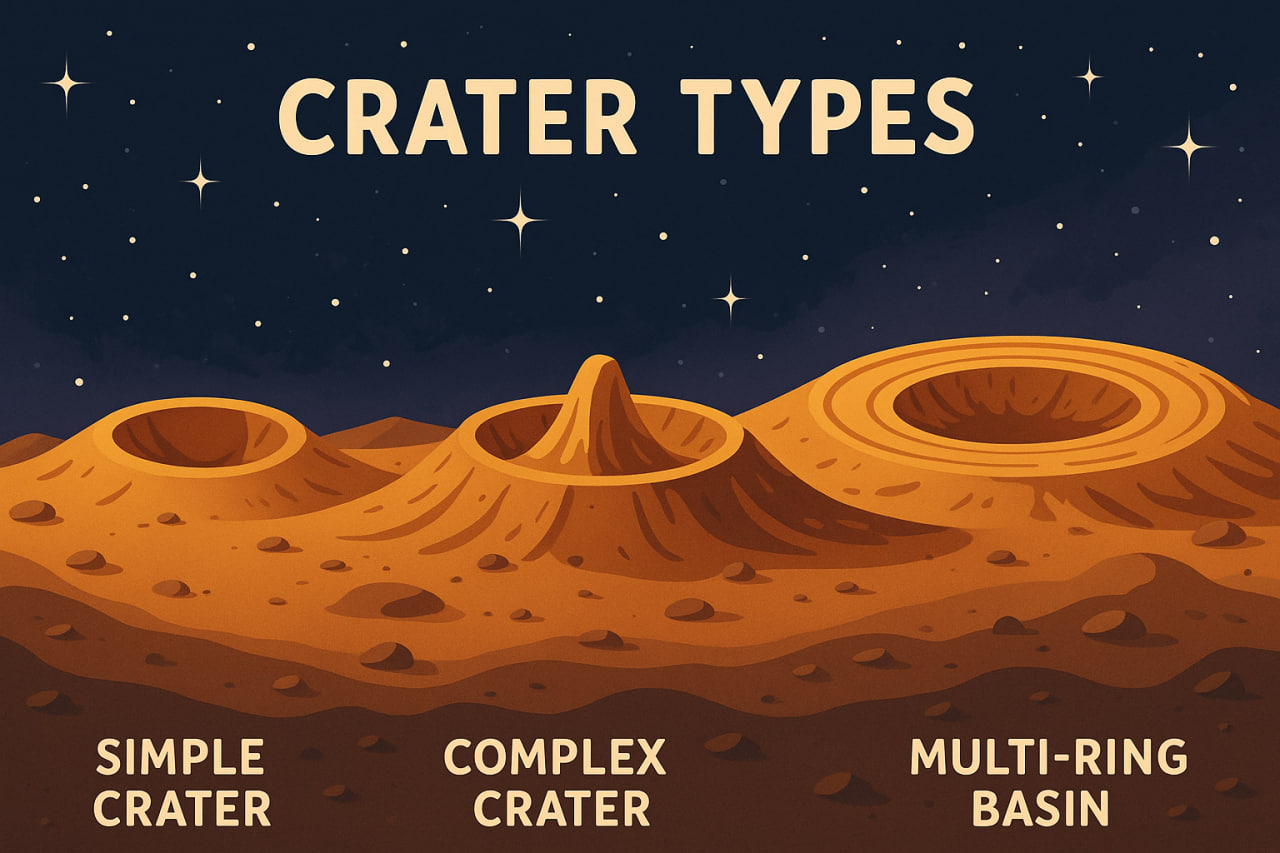
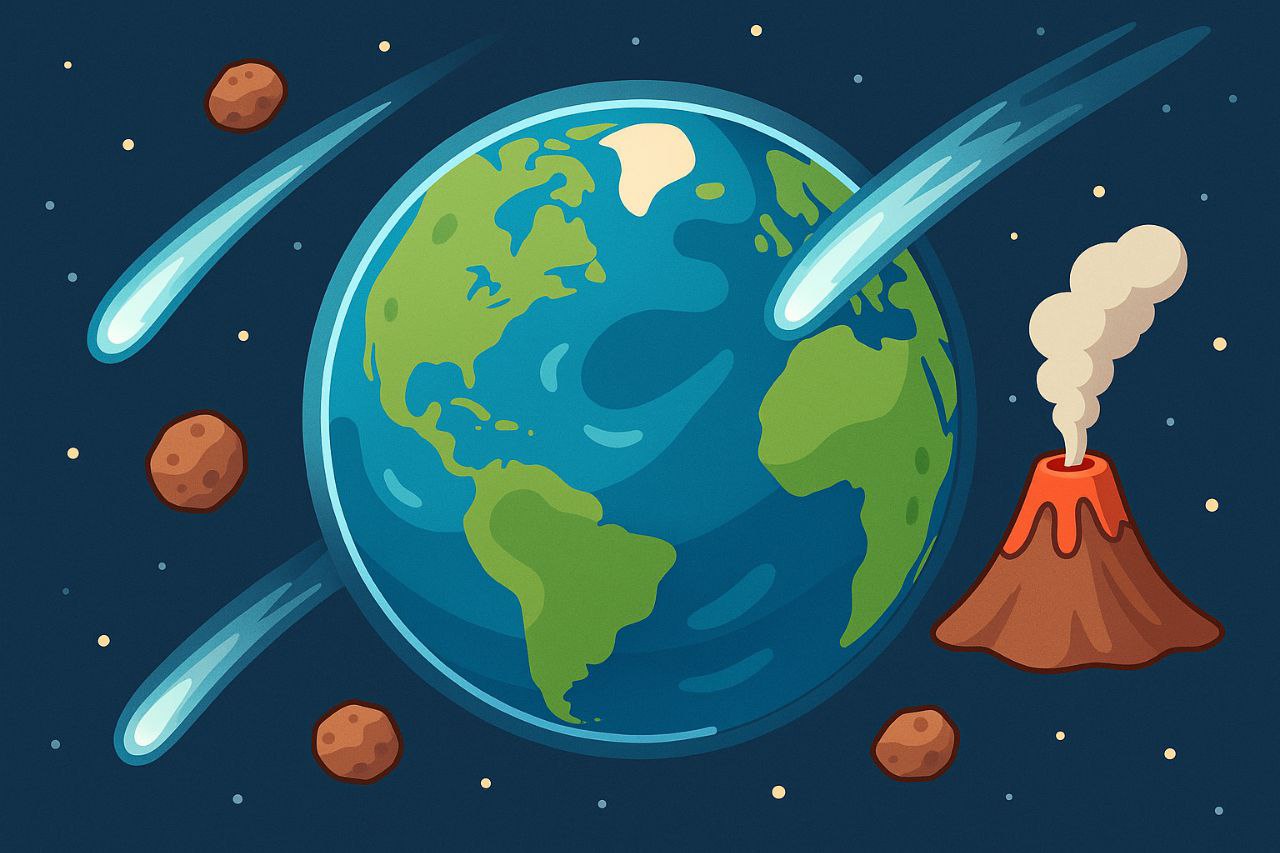
Craters are one of the most common surface features in the Solar System. From the Moon’s pockmarked surface to Mercury, Mars, and even Earth, impact craters tell the story of a planet’s violent past. These round depressions form when asteroids, meteoroids, or comets collide with a planet or moon at high speed, releasing enormous amounts of energy.

Why the Moon Always Shows the Same Side to Earth
Space Stories Earth & Moon

Why the Moon Always Shows the Same Side to Earth

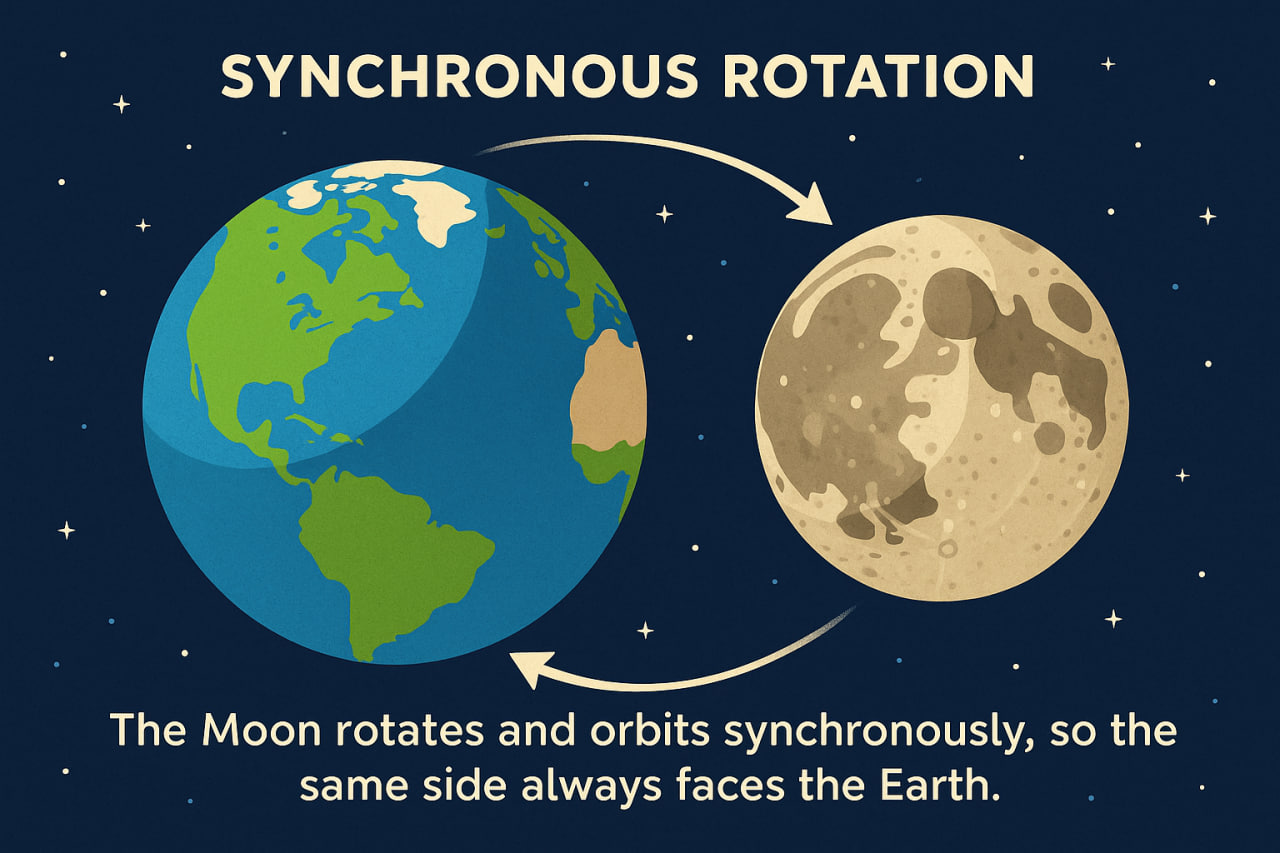
When we look at the Moon from Earth, we always see the same face — the near side, with its familiar dark plains and bright highlands. The far side, sometimes mistakenly called the “dark side,” remained hidden until space probes photographed it in the 20th century. This constant orientation is not a coincidence but the result of a process called tidal locking.

How Planets Hold On to Their Atmosphere
Space Stories Universe Solar System

How Planets Hold On to Their Atmosphere

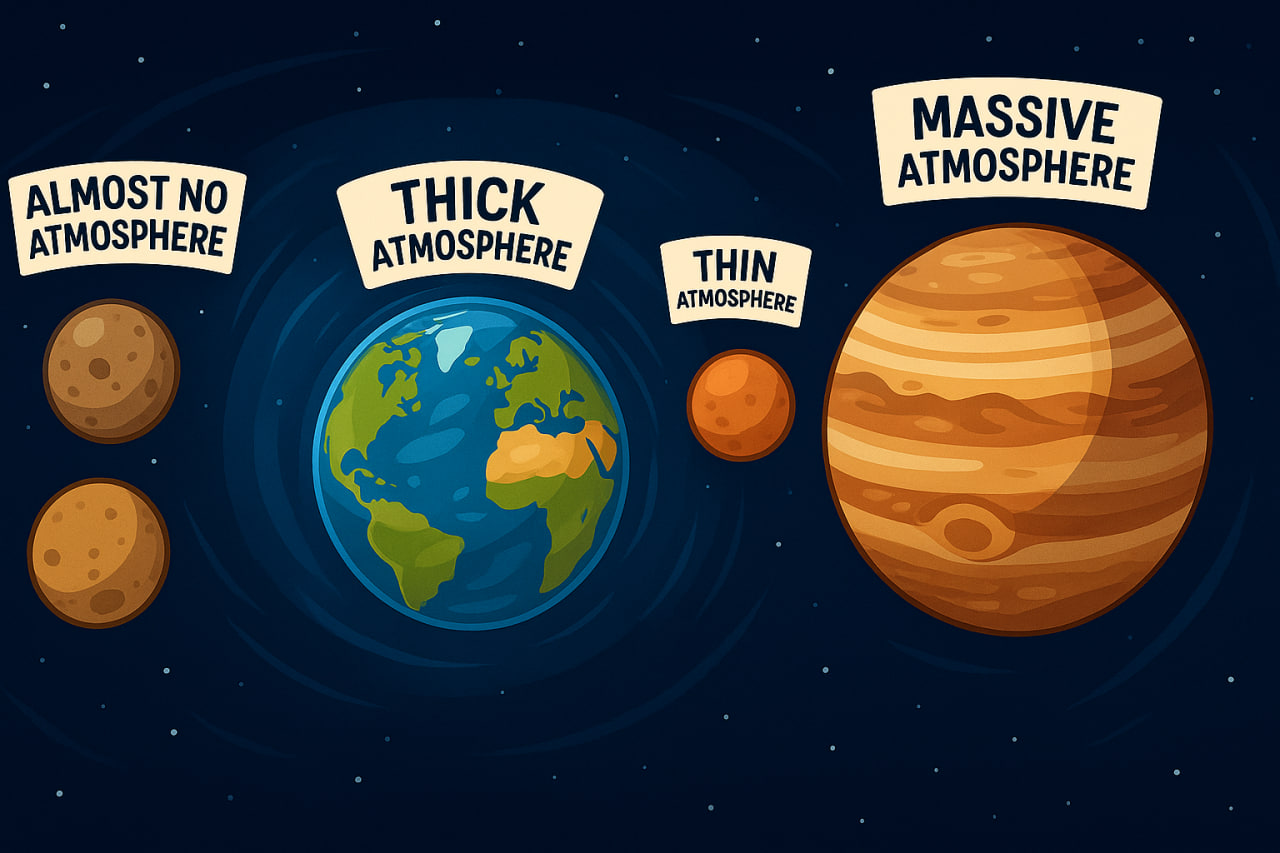
One of the key differences between planets, moons, and other celestial bodies is whether they have an atmosphere—a layer of gases surrounding them. Earth has a rich, life-supporting atmosphere, while Mercury has almost none, and Mars has only a thin one. The ability of a planet to hold an atmosphere depends on several physical and chemical factors, which together determine whether gases escape into space or remain bound to the planet.

The Van Allen Belts
Space Stories Universe Earth & Moon

The Van Allen Belts

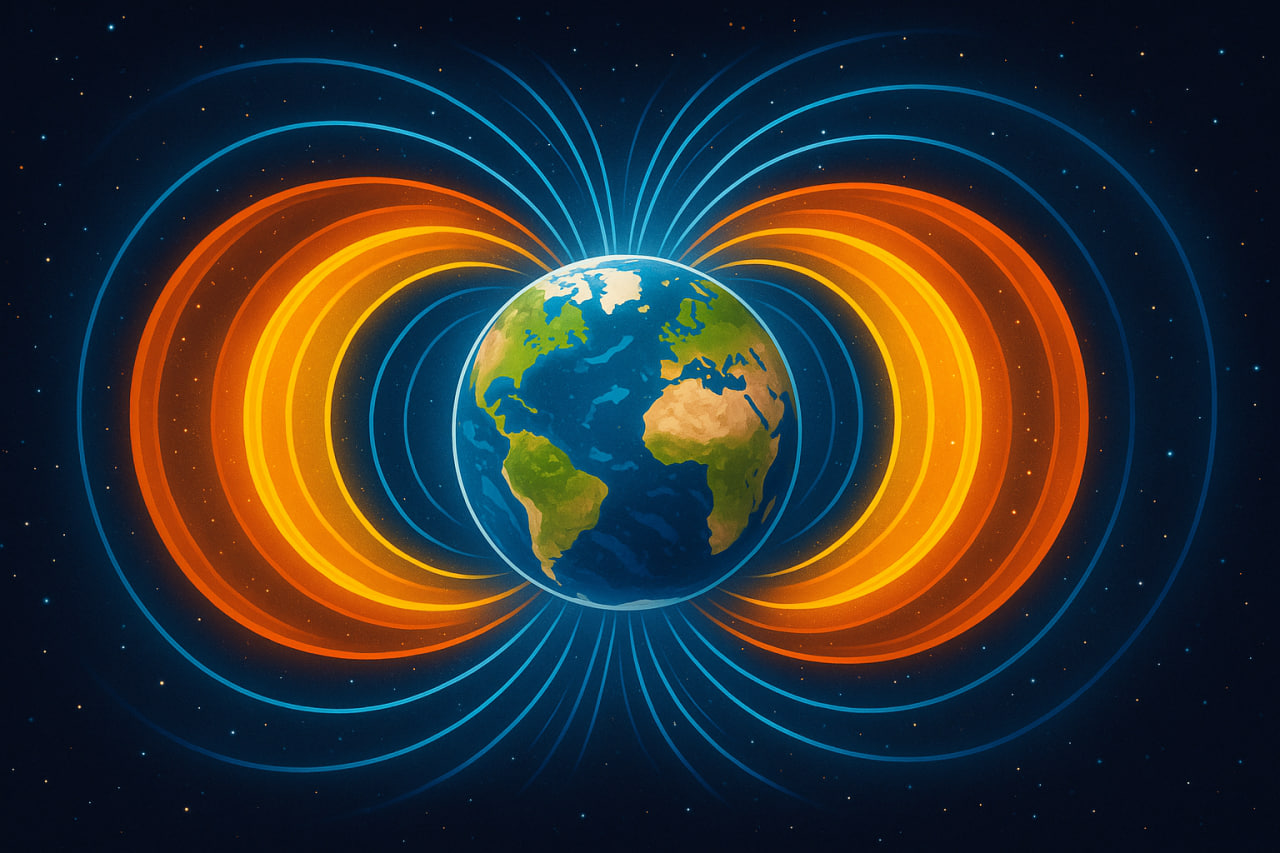
The Van Allen radiation belts are two layers of energetic charged particles trapped by Earth’s magnetic field. They form a protective shield around the planet, blocking much of the dangerous cosmic and solar radiation that would otherwise bombard Earth’s surface. These belts were discovered in 1958 by American physicist James Van Allen using instruments aboard the first U.S. satellite, Explorer 1.