Space Stories

What Happens in the Centers of Galaxies
Space Stories Universe

What Happens in the Centers of Galaxies

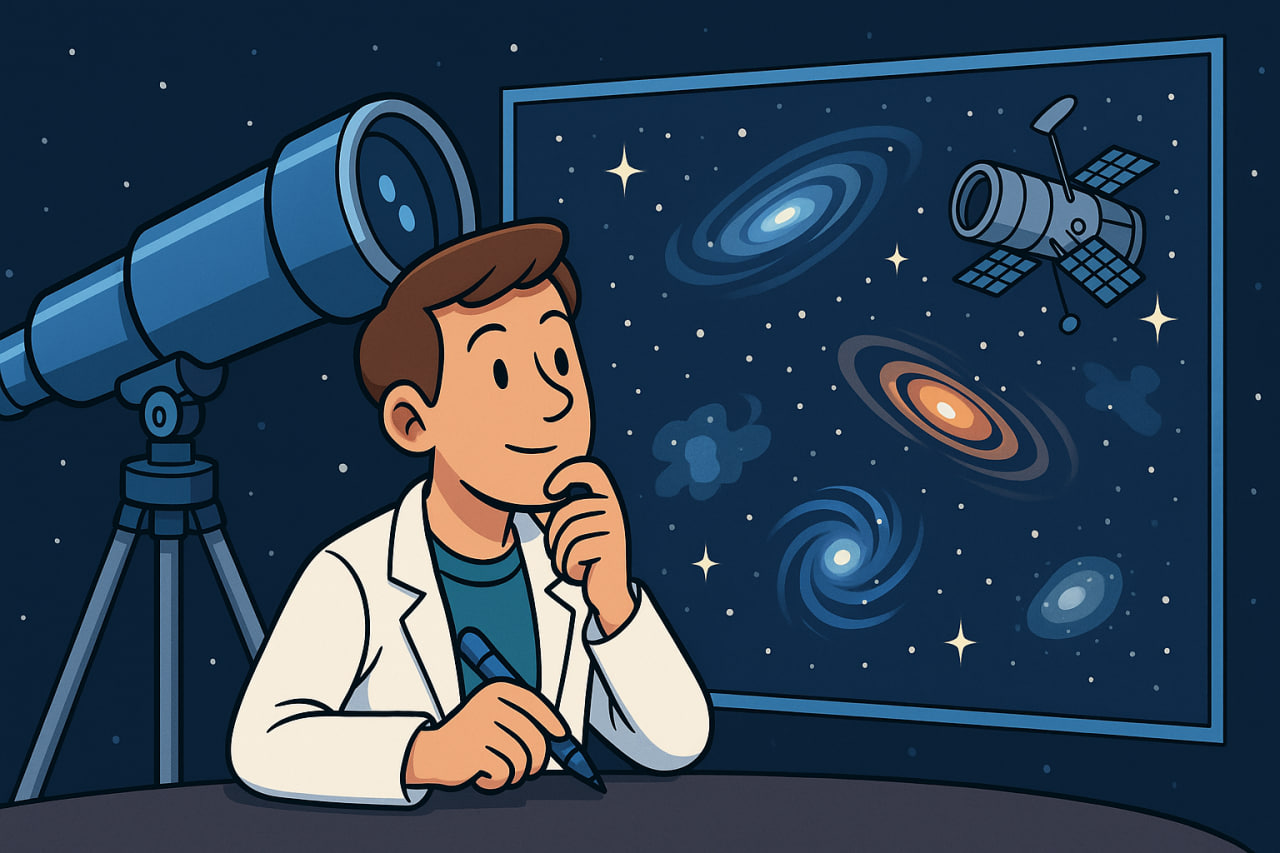
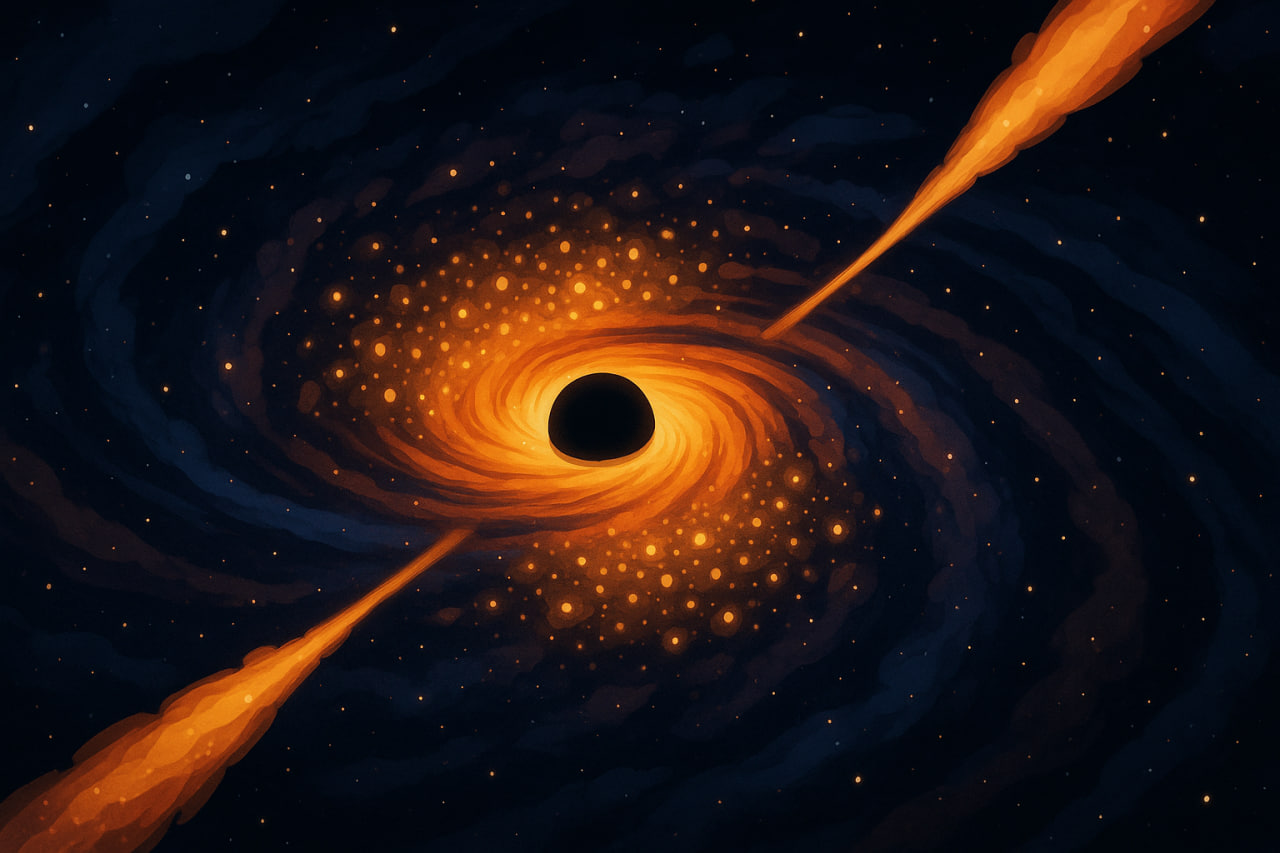
The centers of galaxies are some of the most extreme and fascinating regions in the universe. Unlike the calmer outer spiral arms where stars like our Sun exist, galactic centers are dense, energetic, and often dominated by powerful gravitational forces. At the heart of many galaxies lies a supermassive black hole, surrounded by stars, gas, and dust that create a dynamic environment.
How a Satellite’s Onboard Computer Works
Space Stories Hi-Tech Universe

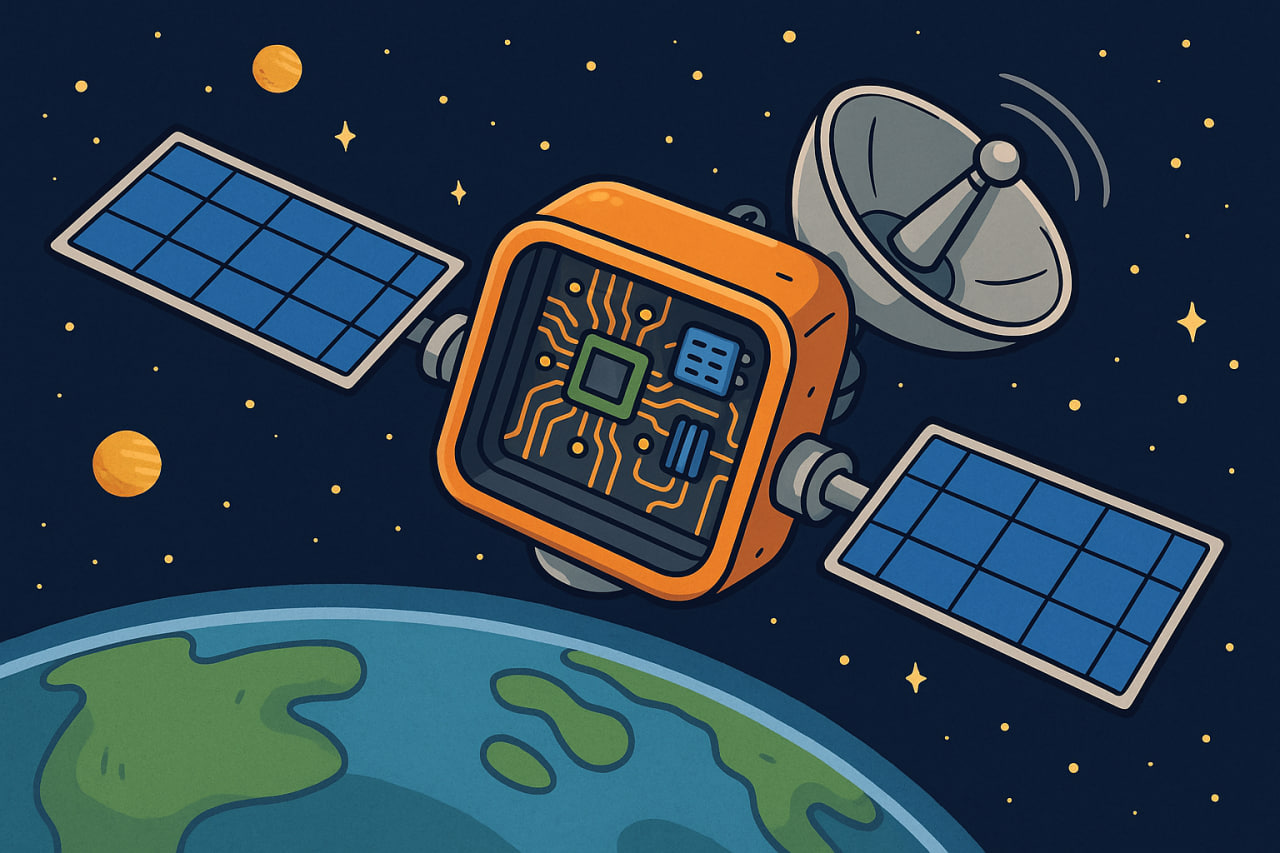
How a Satellite’s Onboard Computer Works

Every modern satellite relies on its onboard computer—also called the OBC (Onboard Computer) or satellite control system—to carry out missions in space. It acts as the “brain” of the satellite, managing communication, navigation, power, and scientific instruments. Without it, satellites could not operate autonomously in the harsh environment of space.

Why Scientific Missions to Asteroids Are Important
Space Stories Universe

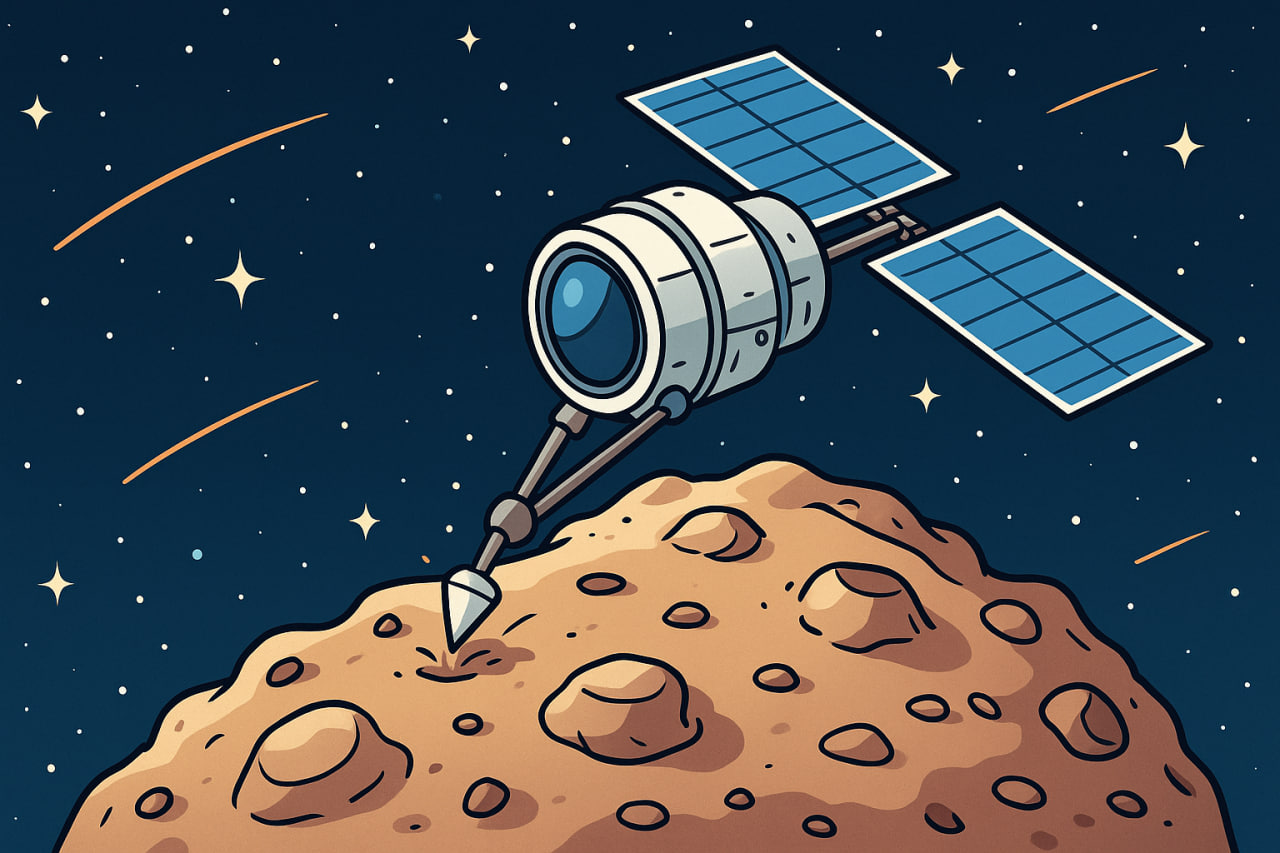
Why Scientific Missions to Asteroids Are Important

Asteroids are remnants of the early solar system, often called cosmic time capsules. Studying them through scientific missions helps us understand the formation of planets, the origins of life, and even provides clues for protecting Earth from future impacts. These missions combine astronomy, geology, and planetary defense, making them crucial for science and safety.

How Space Maps Are Created
Space Stories Hi-Tech Universe

How Space Maps Are Created

Space maps are essential tools that help astronomers and scientists navigate and understand the universe. Unlike traditional maps of Earth, space maps chart stars, galaxies, planets, and other celestial objects across vast distances. They are built using advanced technology and observations from both the ground and space.

What Is an Astronomical Unit?
Space Stories Universe Science

What Is an Astronomical Unit?

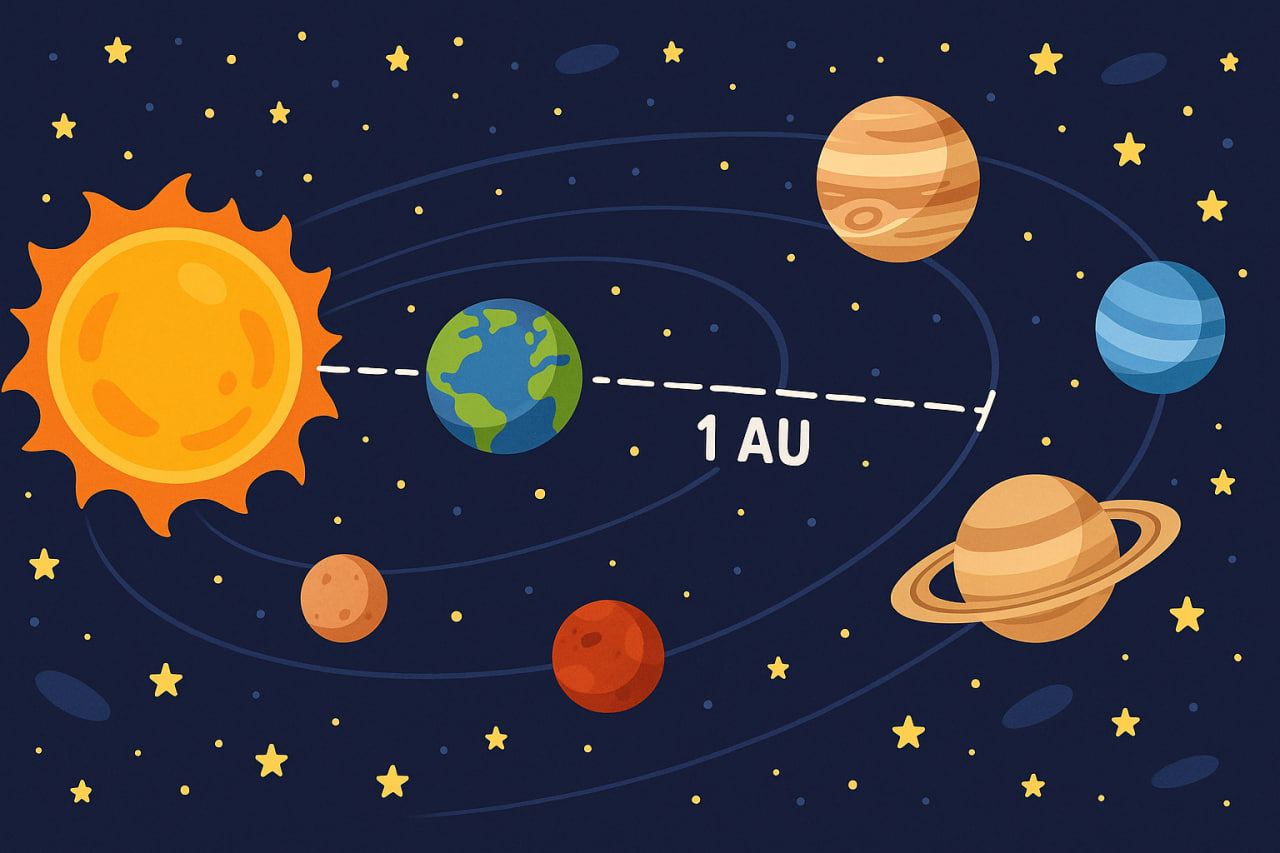
An astronomical unit (AU) is a unit of measurement used in astronomy to describe distances within our solar system. Instead of using kilometers or miles, which would result in extremely large numbers, astronomers use the AU as a more practical scale.

Interesting Facts About Mercury
Space Stories Universe Solar System

Interesting Facts About Mercury

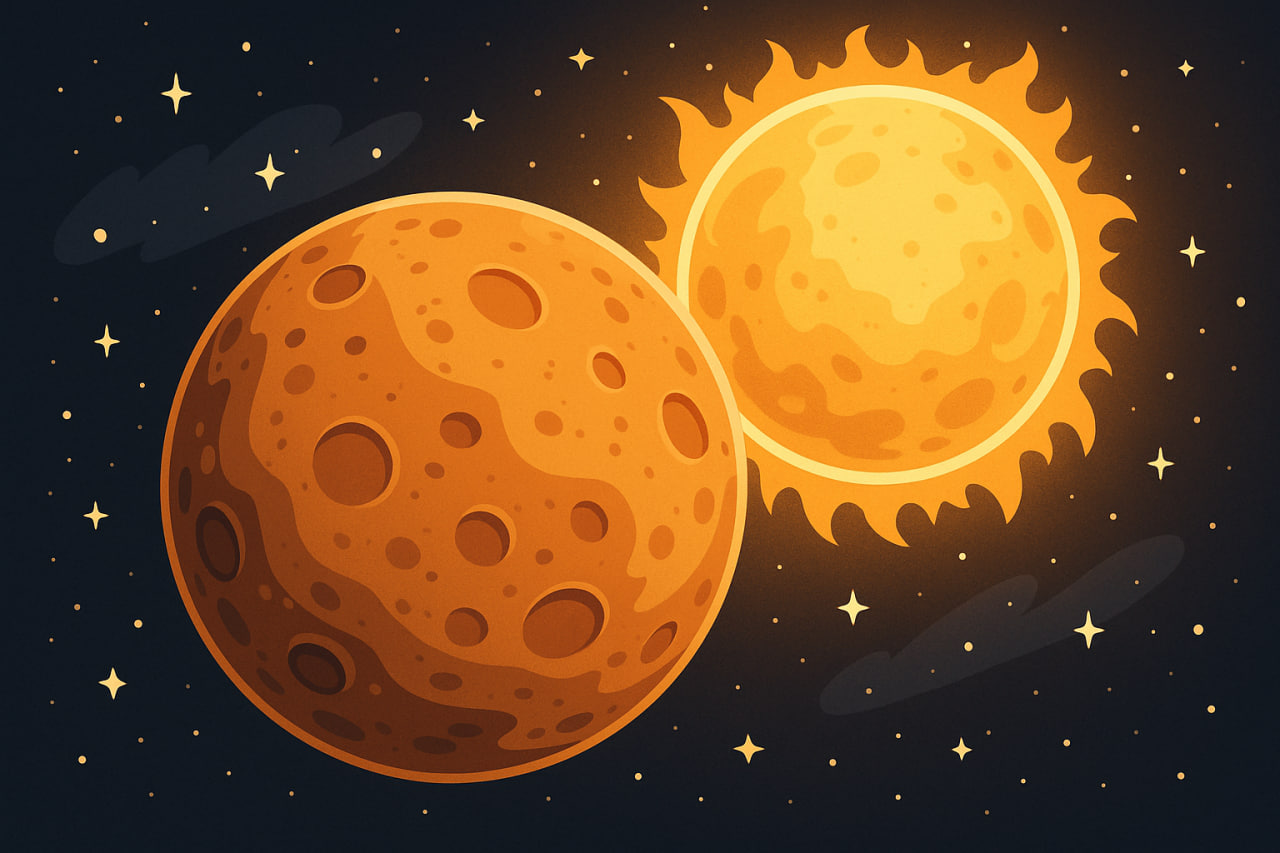
Mercury, the smallest planet in our solar system, is full of fascinating mysteries. Despite being closest to the Sun, it remains one of the least explored planets. Its extreme conditions, unique orbit, and unusual surface make it an exciting subject for astronomers.

Why the Hubble Telescope Is Important
Space Stories Cosmic Innovations Hi-Tech

Why the Hubble Telescope Is Important

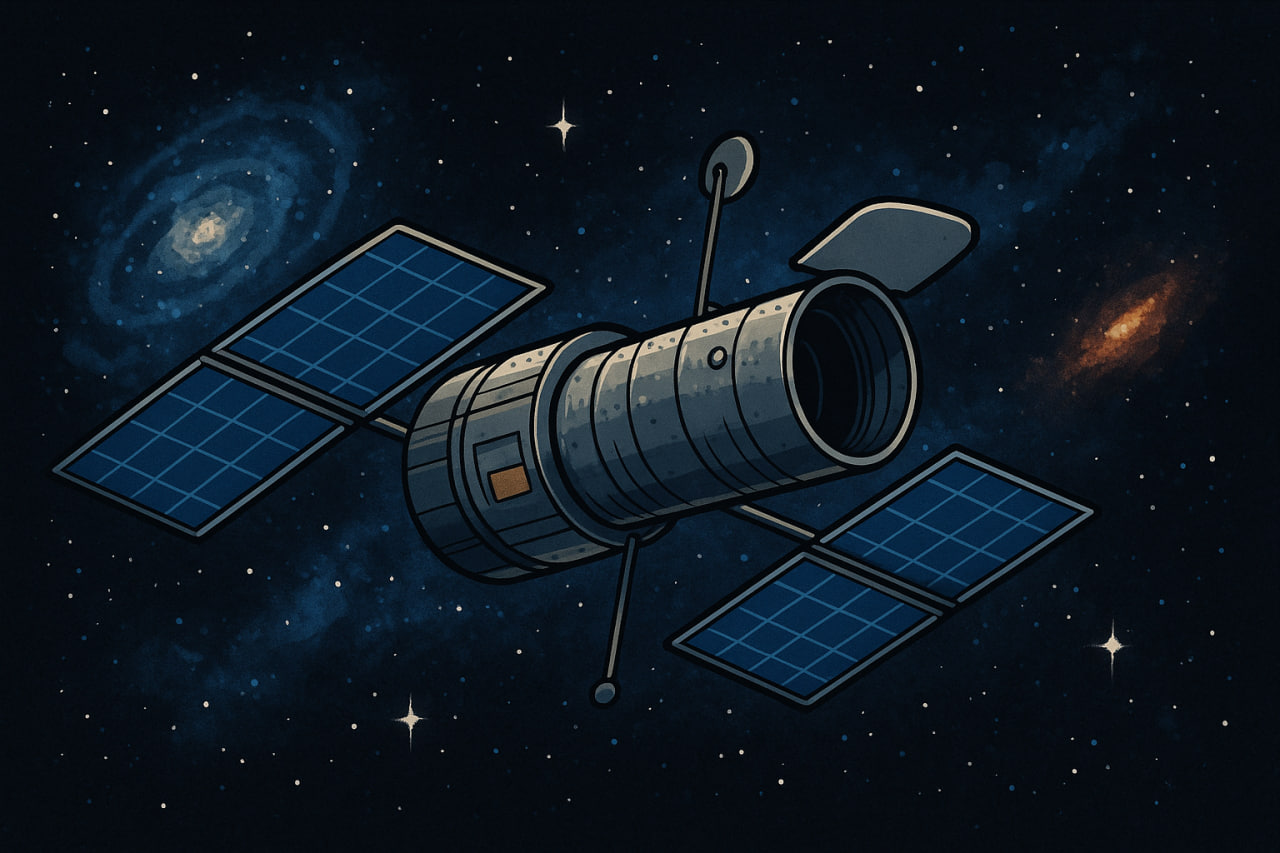
The Hubble Space Telescope is one of the most significant scientific instruments ever built, transforming our understanding of the universe. Launched in 1990 and orbiting outside Earth’s atmosphere, it avoids the distortion caused by air and light pollution. This allows it to capture images of space with unmatched clarity and detail. Hubble has become a key tool for astronomy, providing data that shaped modern cosmology and astrophysics.

Can We Colonize Moons?
Space Stories Cosmic Innovations Solar System

Can We Colonize Moons?

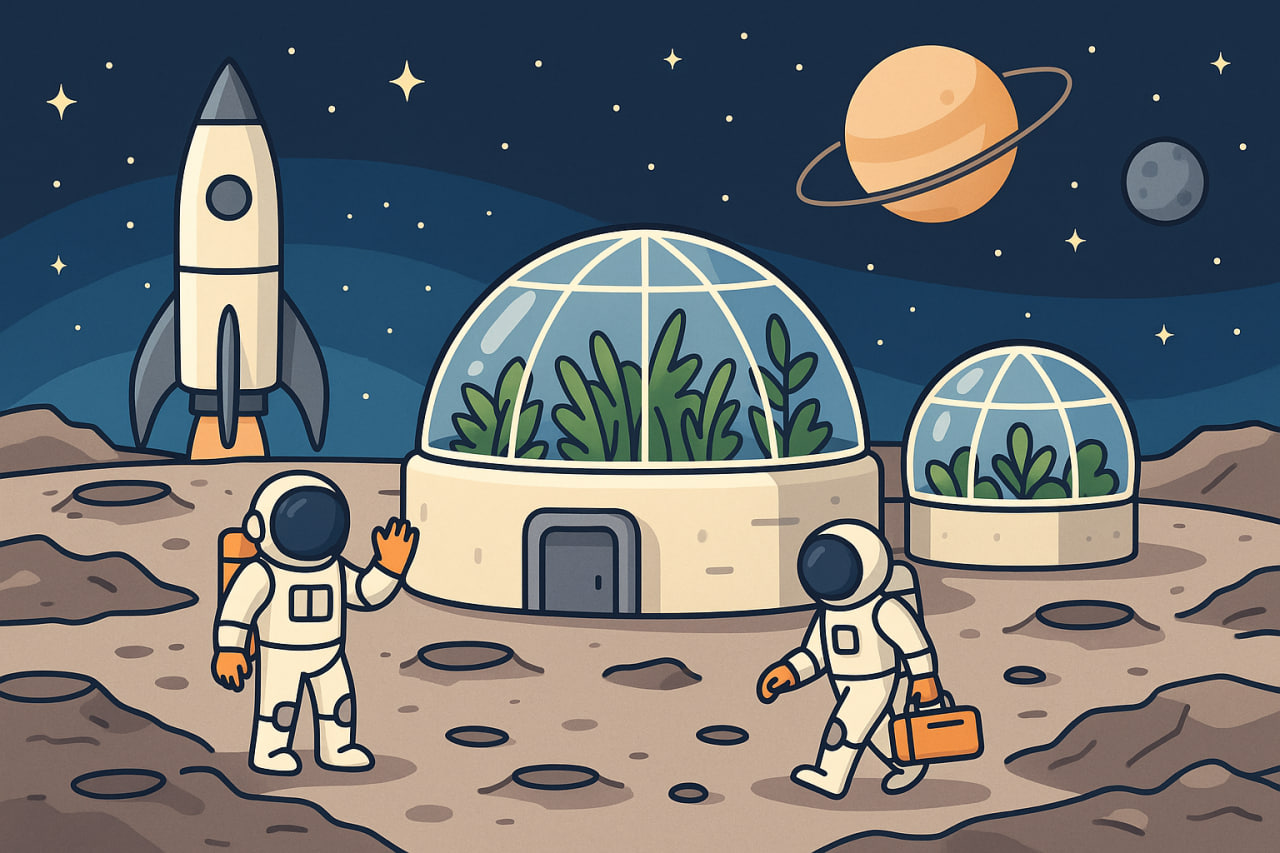
Colonizing moons has long fascinated scientists, engineers, and visionaries. Unlike planets, moons often present unique advantages and challenges for human settlement. Some moons in our solar system—such as Earth’s Moon, Jupiter’s Europa, and Saturn’s Titan—are seen as possible candidates for colonization. However, the idea remains speculative, as enormous technological and biological obstacles must be overcome.

Why Saturn Is the Lightest Gas Giant
Space Stories Universe Solar System

Why Saturn Is the Lightest Gas Giant

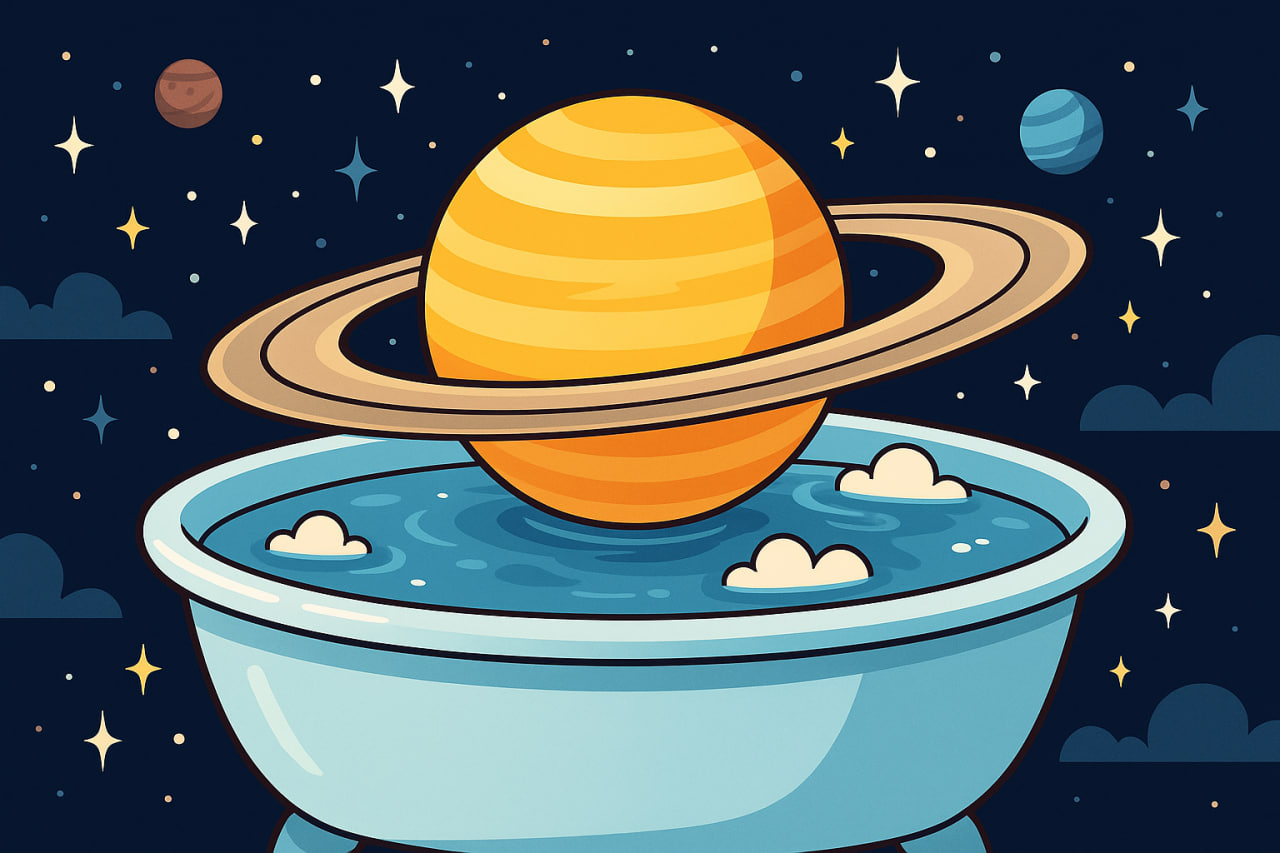
Saturn, the sixth planet from the Sun, is unique among the gas giants because it is the least dense of them all. In fact, Saturn’s average density is so low that if there were a bathtub big enough, the planet could float in water. This extraordinary characteristic makes Saturn the lightest gas giant in our solar system. The reasons for this lie in its composition, size, and structure.

How Planetary Magnetic Fields Work
Space Stories Universe

How Planetary Magnetic Fields Work

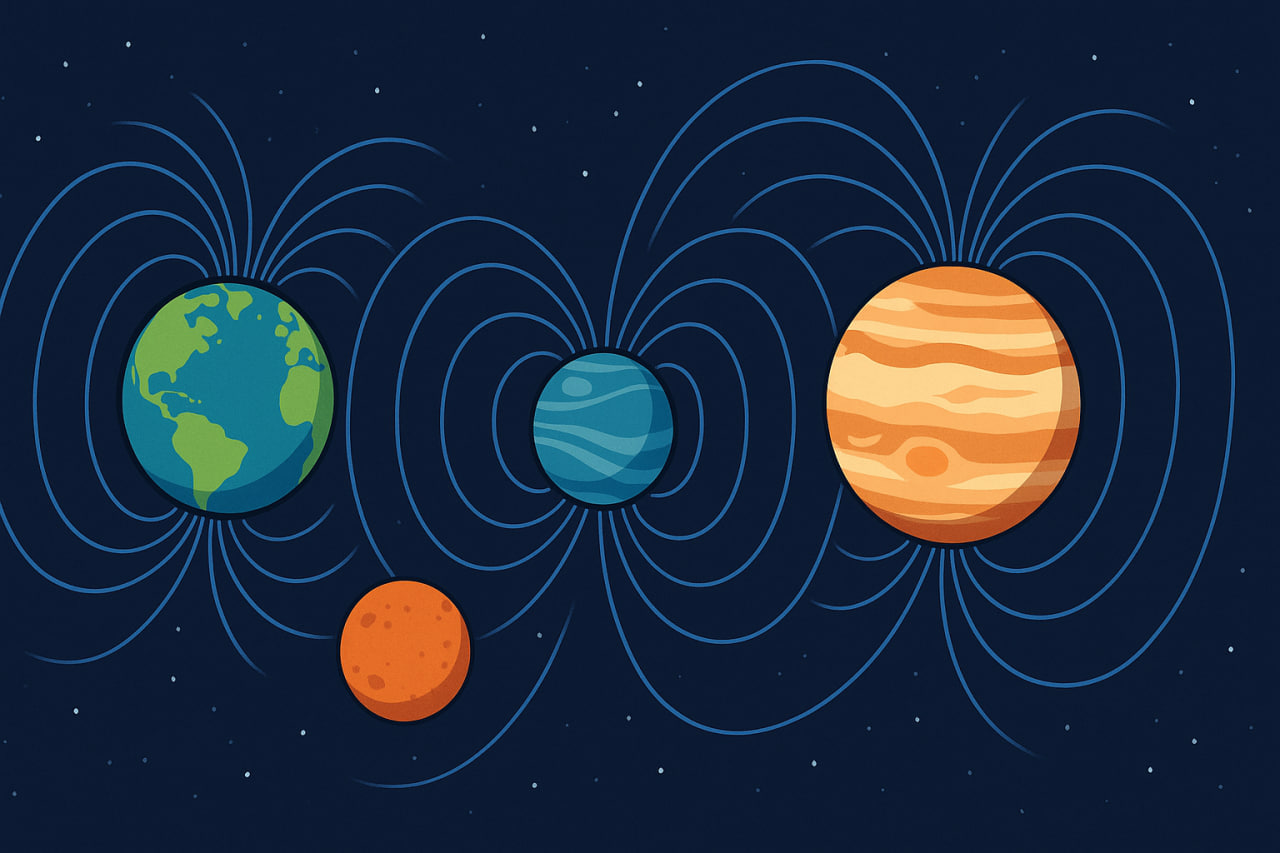
Magnetic fields are invisible shields that surround many planets, protecting them from harmful solar and cosmic radiation. They are created by complex processes inside planets and play a vital role in shaping planetary atmospheres, climate, and even the potential for life. Understanding how planetary magnetic fields are formed and function helps explain why some planets, like Earth, can sustain life while others cannot.