Space Stories

What Are Quasars?
Space Stories Universe New Discoveries

What Are Quasars?

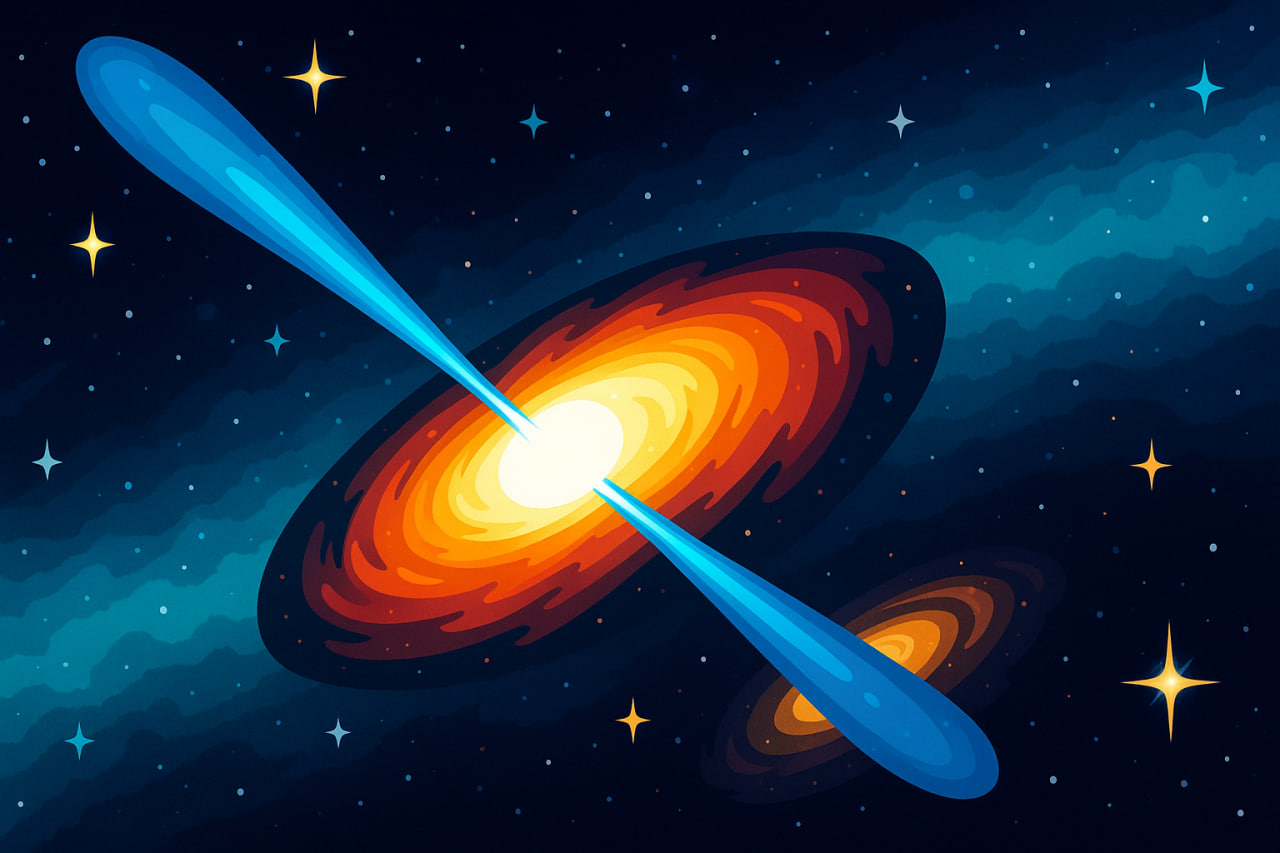
Quasars are among the brightest and most powerful objects in the universe. Their name comes from “quasi-stellar radio sources” because, when first discovered in the 1960s, they looked like faint stars in telescopes but emitted enormous amounts of energy, especially in radio waves. Today, astronomers know that quasars are powered by supermassive black holes at the centers of distant galaxies, where matter falling into the black hole releases extraordinary amounts of light and radiation.
How Meteor Showers Occur
Space Stories Universe

How Meteor Showers Occur

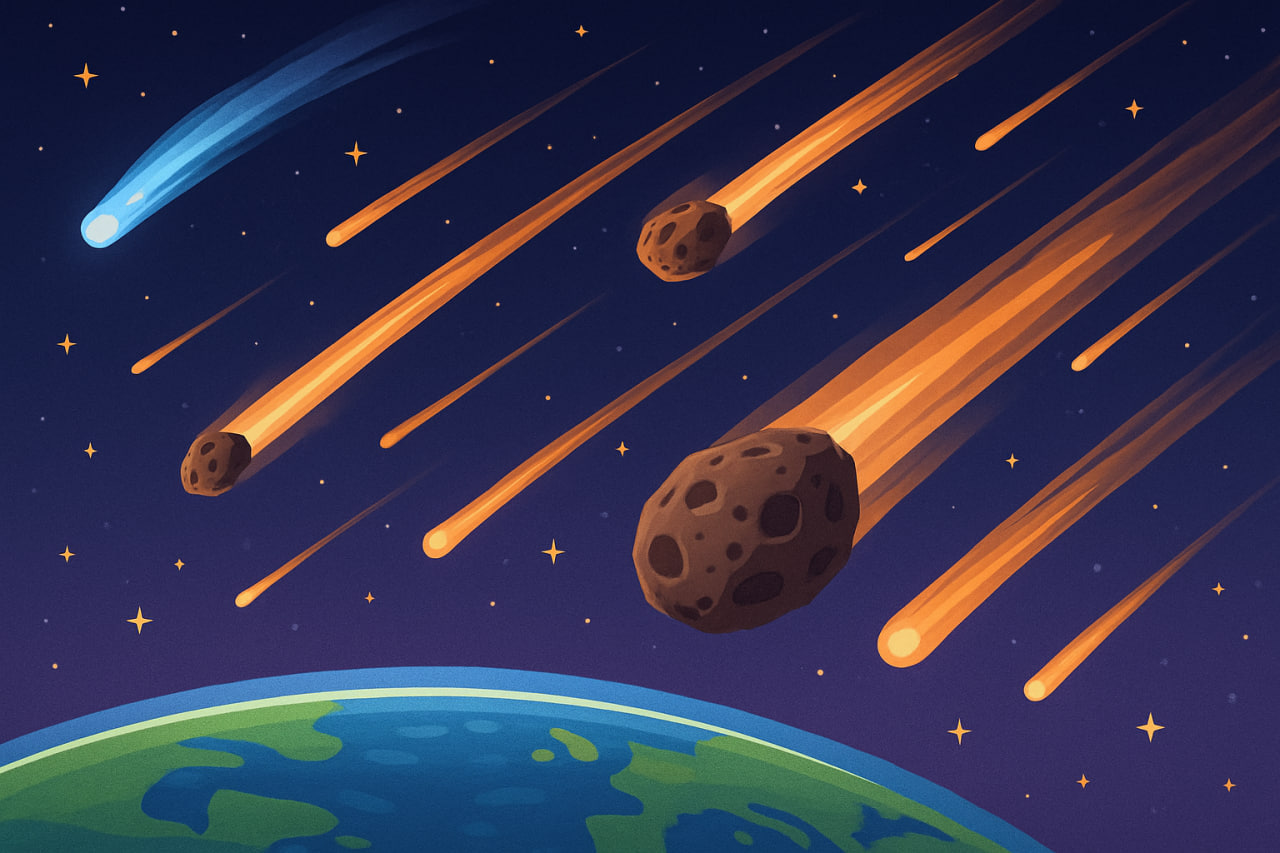
Meteor showers are dazzling natural events where many meteors appear to streak across the night sky, often radiating from a single point. They happen when Earth passes through streams of cosmic debris left behind by comets or, in some cases, asteroids. These particles, called meteoroids, are usually no larger than grains of sand but travel at extremely high speeds. When they collide with Earth’s atmosphere, they burn brightly, creating the phenomenon we call meteors or “shooting stars.”

What Space Debris Is Dangerous?
Space Stories Cosmic Innovations Universe

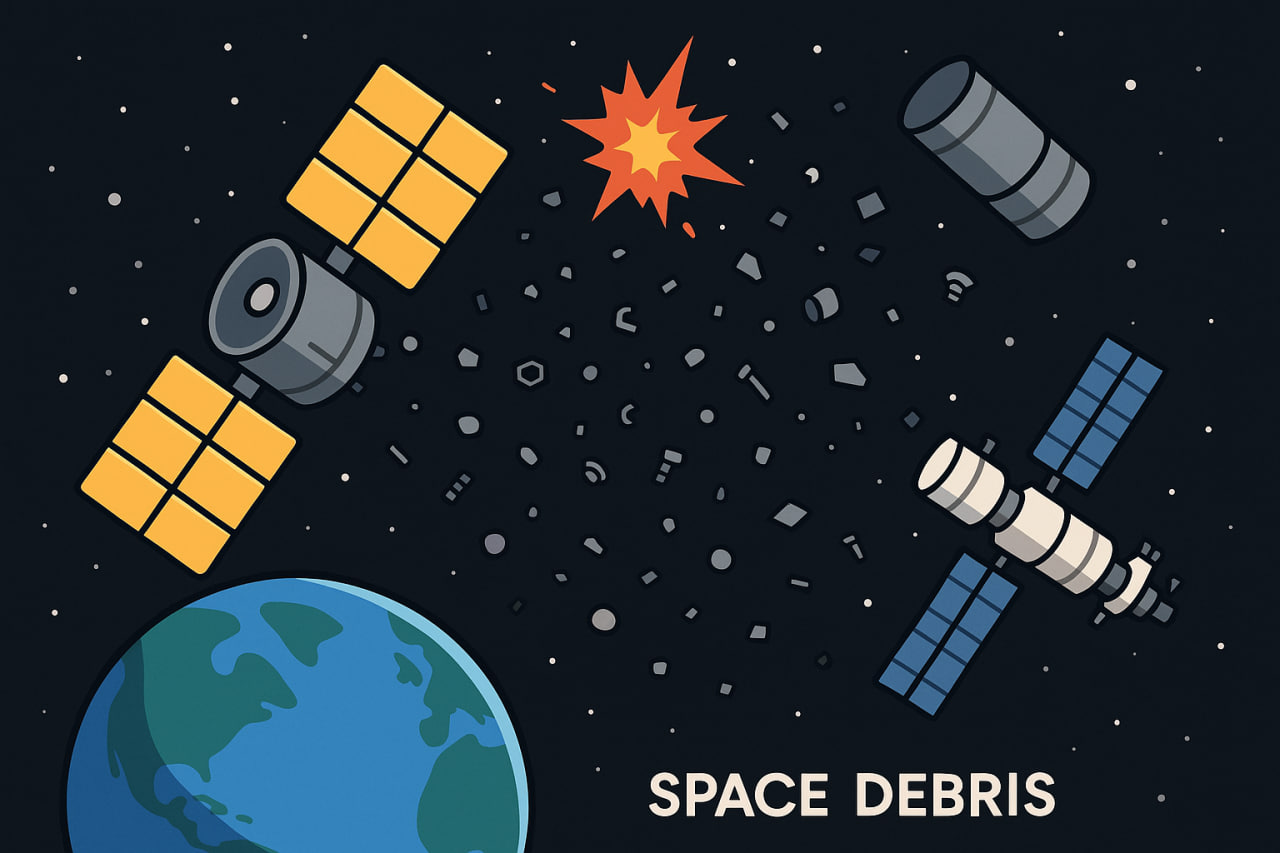
What Space Debris Is Dangerous?

Space debris, also called space junk, refers to non-functional satellites, rocket parts, and fragments left behind from past missions orbiting Earth. As humanity launches more satellites and spacecraft, the number of debris pieces has grown significantly. While some of this material is small, it poses real risks to spacecraft, satellites, and even the International Space Station (ISS). The danger depends on the size, speed, and orbit of the debris.

What Is a Singularity?
Space Stories Universe

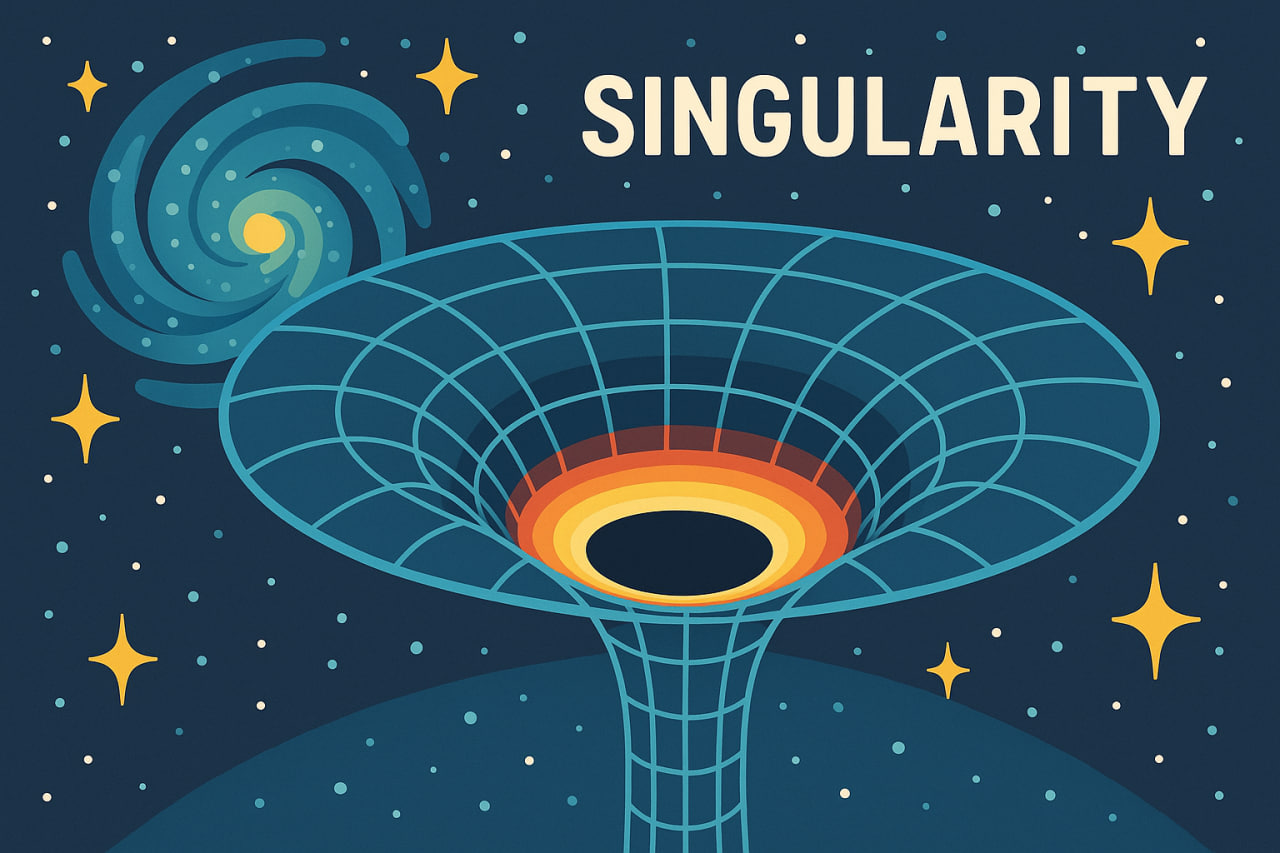
What Is a Singularity?

A singularity is a point in space where the known laws of physics break down. It represents a region where quantities such as density and gravity become infinite, making it impossible for current scientific theories to fully describe what happens there. Singularities often appear in solutions to Einstein’s theory of general relativity, particularly in the study of black holes and the origins of the universe. While they are mathematical predictions, their physical meaning remains one of the biggest mysteries in modern science.

What Is Dark Energy?
Space Stories Universe Science

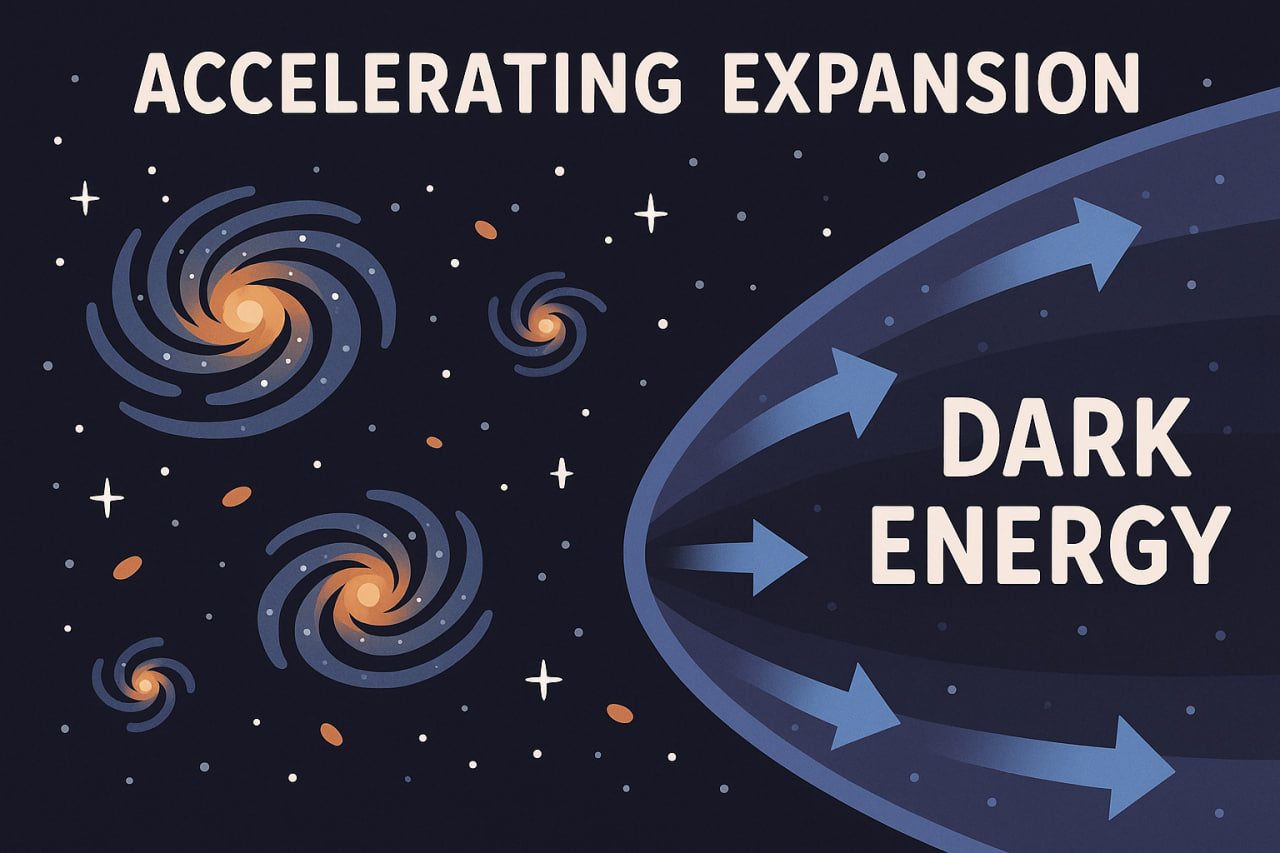
What Is Dark Energy?

Dark energy is one of the most mysterious concepts in modern cosmology. It refers to an unknown form of energy that is thought to make up about 70% of the universe. Unlike matter or radiation, dark energy does not emit, absorb, or interact with light, making it invisible and extremely difficult to detect directly. Scientists first proposed its existence to explain why the universe’s expansion is accelerating instead of slowing down under the pull of gravity. Understanding dark energy is one of the greatest challenges in physics today.

How Galaxies Form
Space Stories Universe

How Galaxies Form

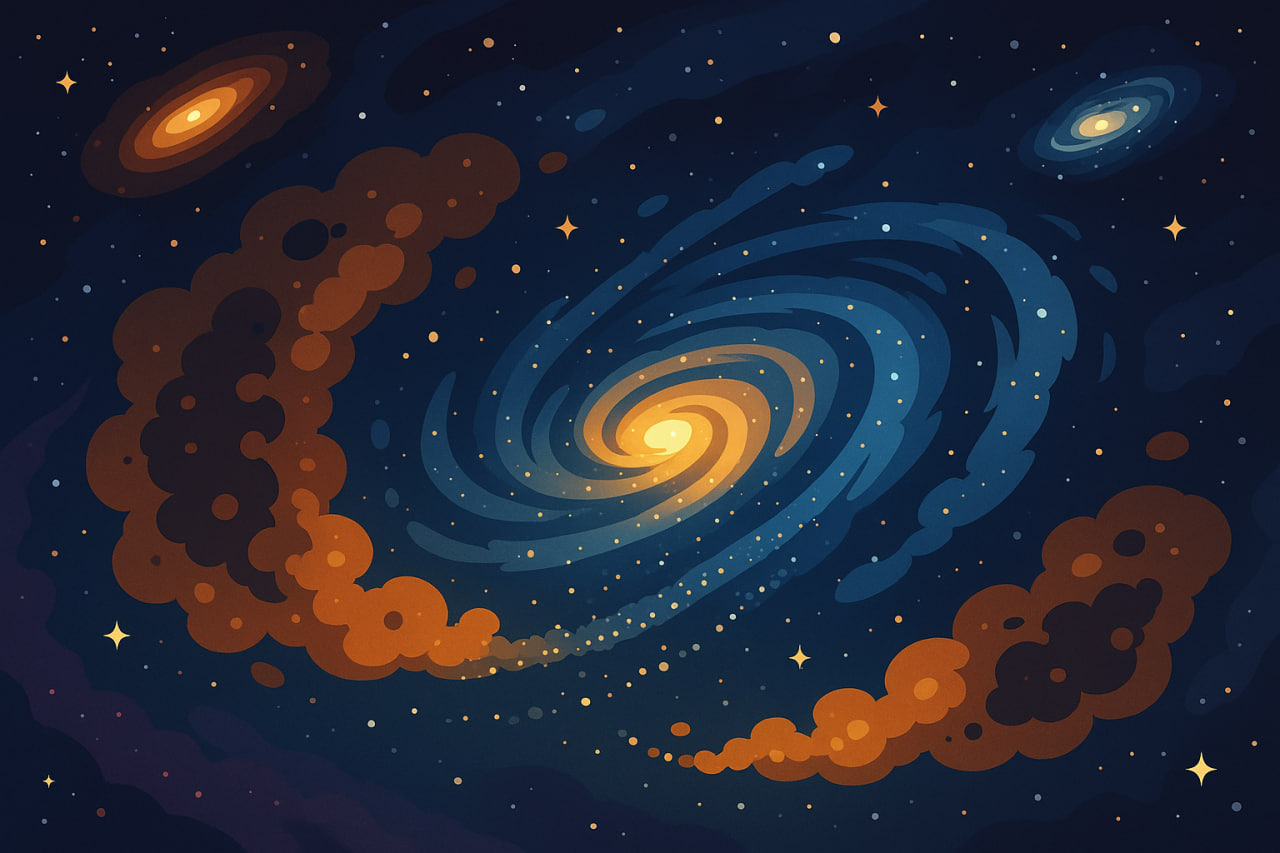
Galaxies are vast collections of stars, gas, dust, and dark matter bound together by gravity. They are among the largest structures in the universe, containing billions or even trillions of stars. The formation of galaxies is a process that began shortly after the Big Bang and continues to evolve today. Understanding how galaxies form allows scientists to trace the history of the cosmos and study how matter organizes on the largest scales.

Chemistry in Space: Synthesis in Microgravity
Space Stories Cosmic Innovations Hi-Tech

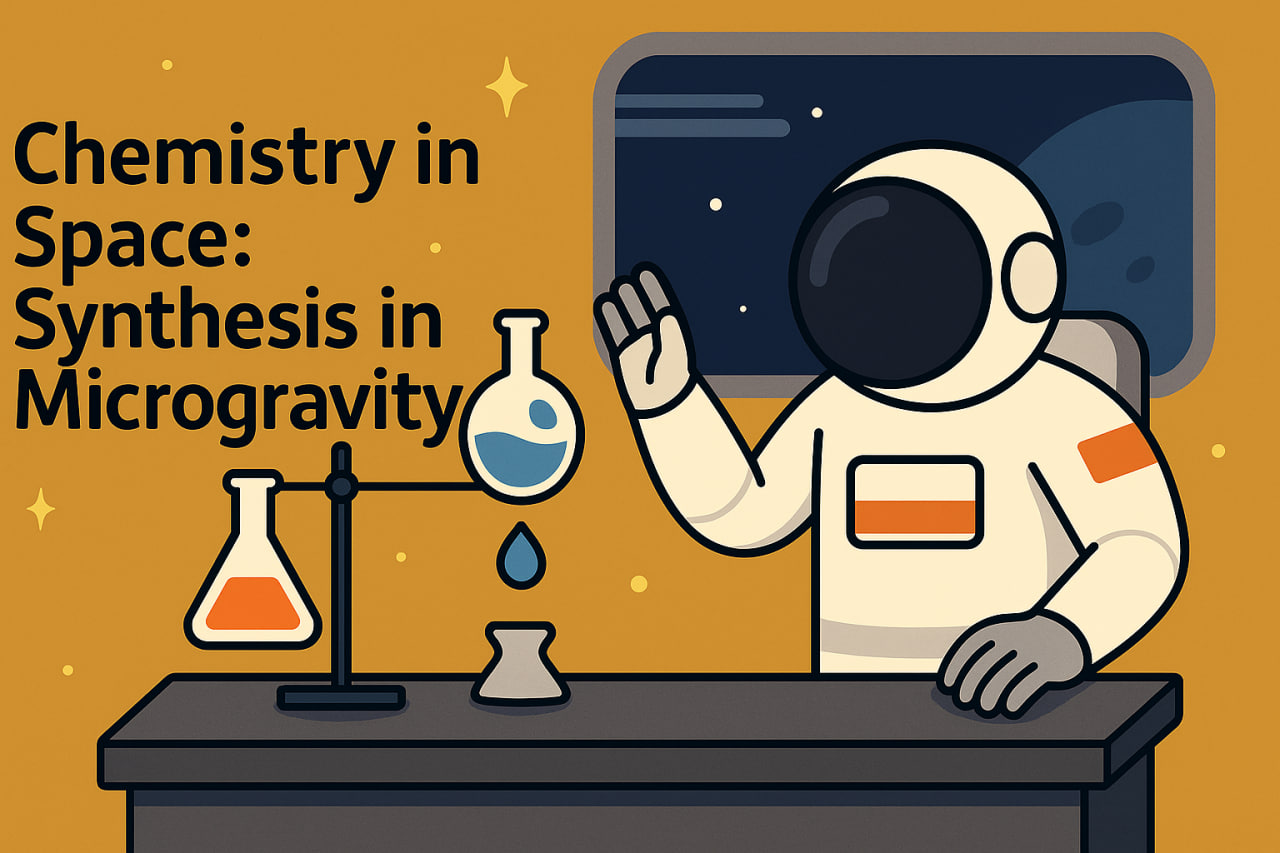
Chemistry in Space: Synthesis in Microgravity

Chemistry in space is a rapidly developing field that explores how chemical reactions behave under microgravity — the near-weightless conditions experienced aboard spacecraft and orbital laboratories. Without the influence of Earth's gravity, many physical and chemical processes change dramatically, leading to new insights, unique materials, and potential breakthroughs in space exploration and industry.

Neutrinos and Ghost Particles: Why Scientists Study Them
Space Stories Science New Discoveries

Neutrinos and Ghost Particles: Why Scientists Study Them

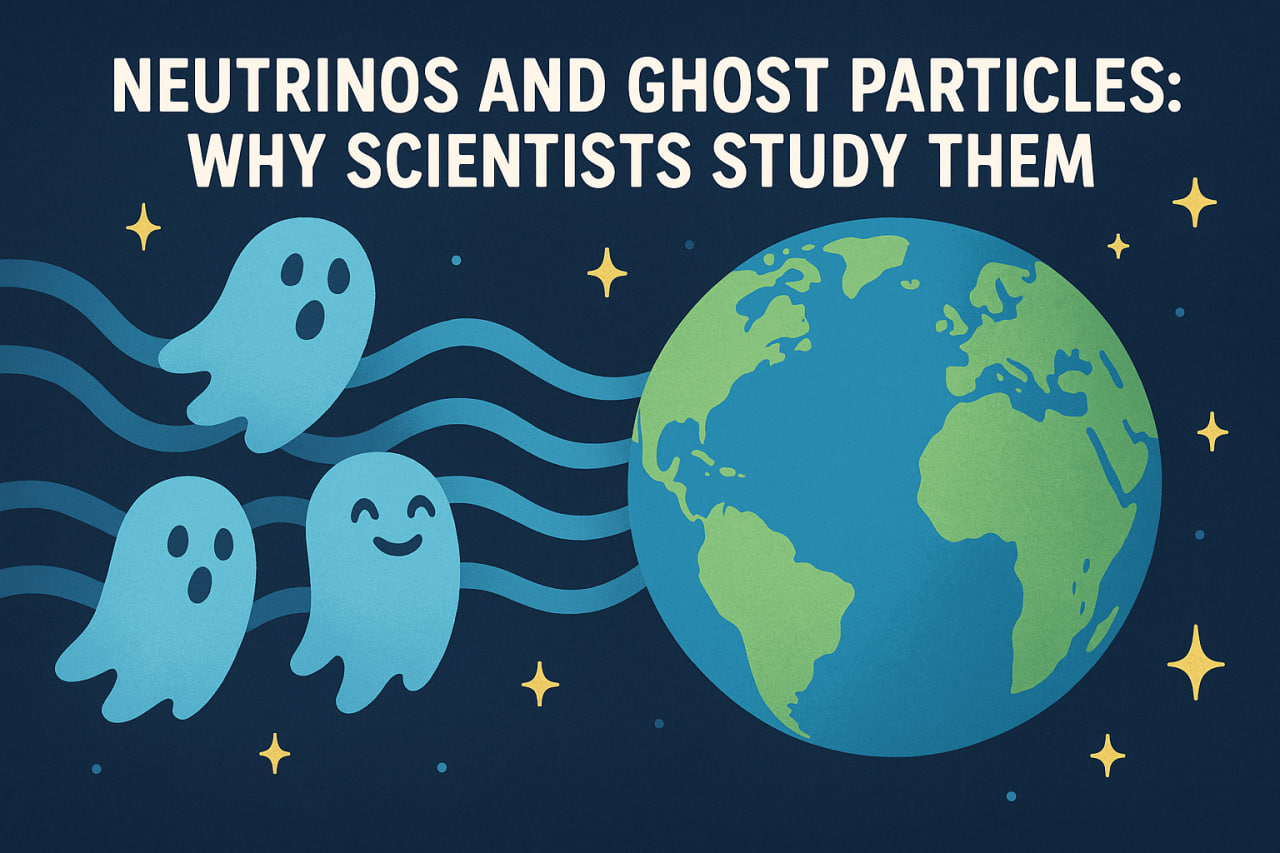
Neutrinos are subatomic particles with no electric charge and an extremely small mass. They interact so weakly with matter that trillions pass through your body every second without leaving a trace. Because of this elusive nature, they are often called "ghost particles". Studying them helps scientists understand the most fundamental processes in the universe.

How the First Satellite Was Launched
Space Stories History Earth & Moon

How the First Satellite Was Launched

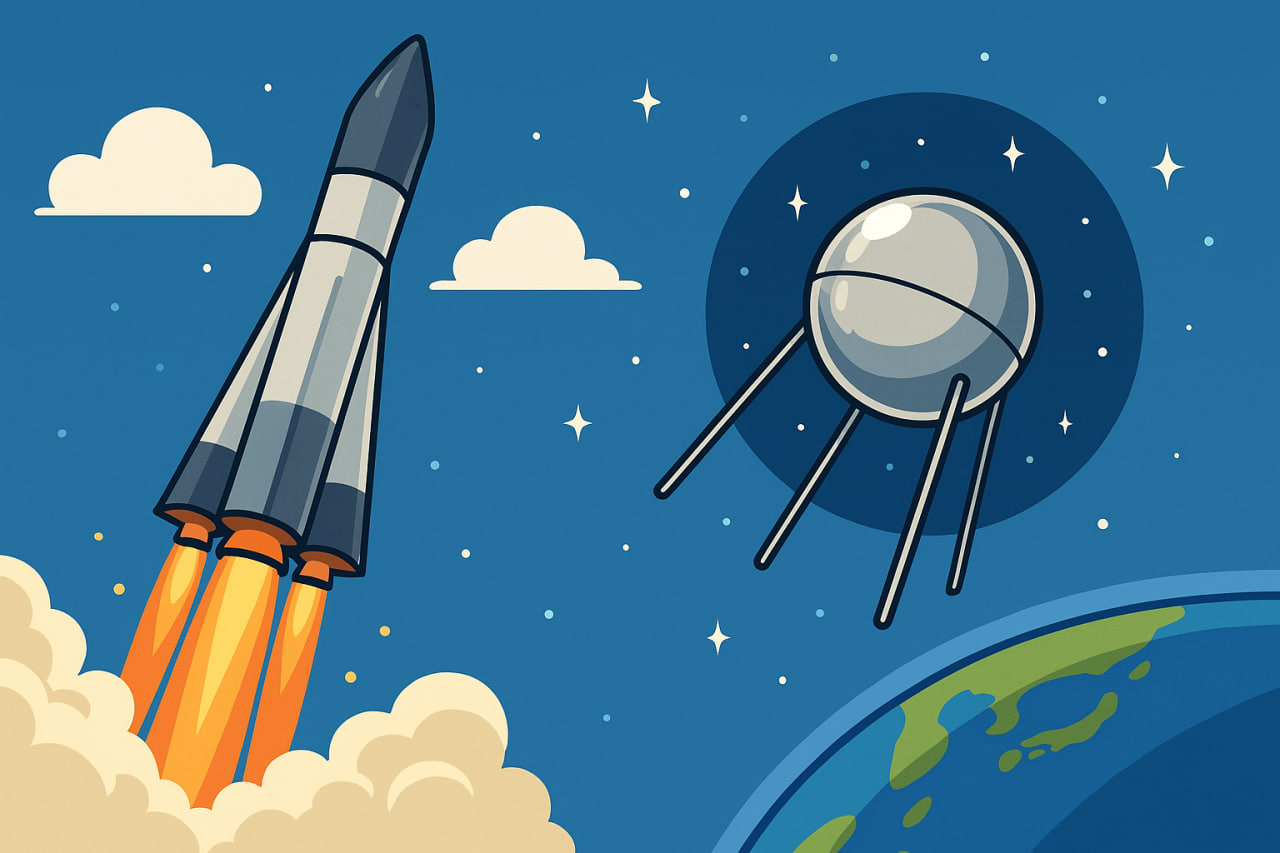
On October 4, 1957, the world changed forever when the Soviet Union launched Sputnik 1, the first artificial satellite to orbit Earth. This moment marked the beginning of the space age and triggered the space race between the USSR and the USA. Sputnik’s launch was not only a technological milestone but also a symbol of geopolitical power during the Cold War era. But how exactly was this tiny satellite launched into space — and why was it such a monumental achievement?

The First Cosmonauts
Space Stories History Earth & Moon

The First Cosmonauts

The early 1960s marked a turning point in history: humans began to leave the planet. The first cosmonauts (a term used in the Soviet space program) were not only explorers but test subjects, risking their lives in unproven spacecraft. Their courage and missions laid the foundation for all future spaceflight. Among them, Yuri Gagarin became the first person to orbit Earth — a moment that changed the course of science, politics, and human ambition.