Space Stories

How Orbital Mechanics Works
Space Stories Universe Science

How Orbital Mechanics Works

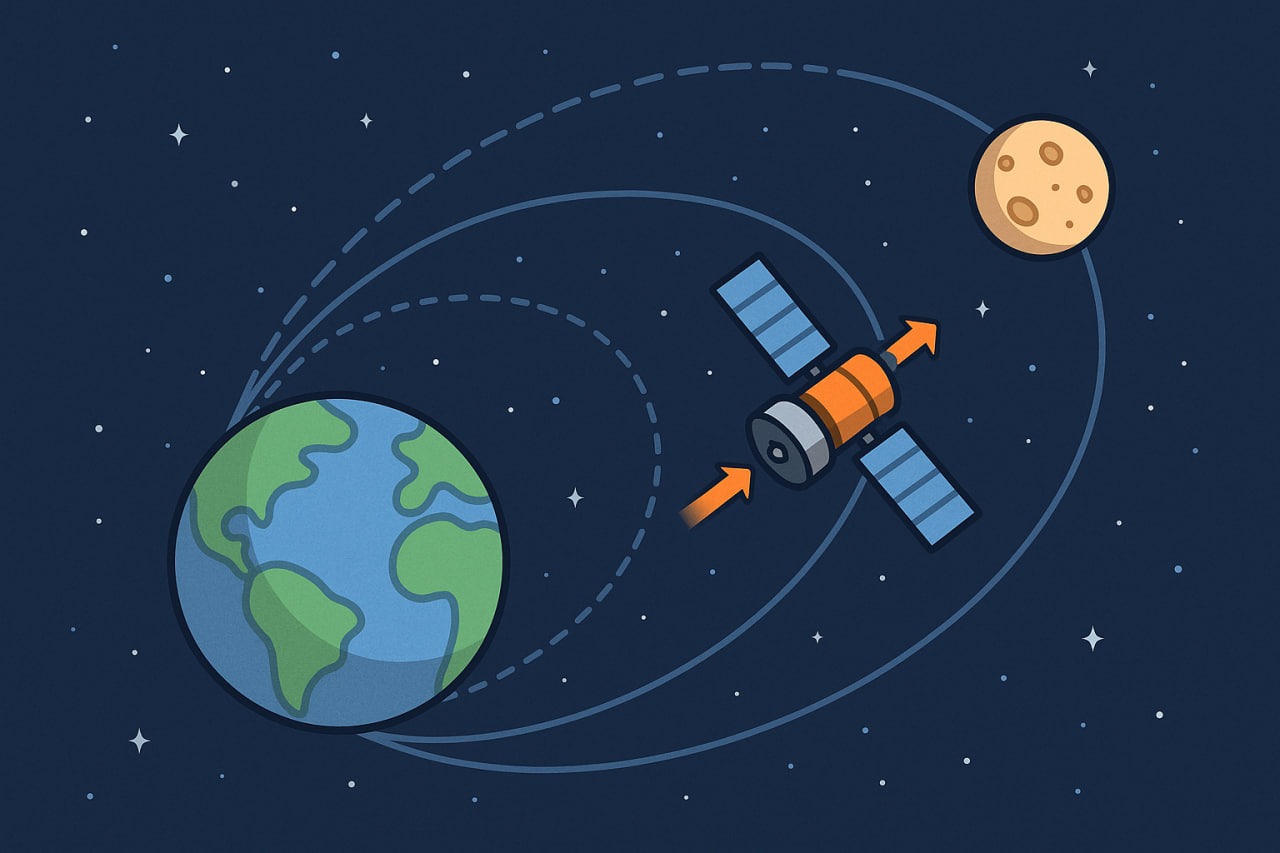
Orbital mechanics, also known as celestial mechanics, is the branch of physics that describes how objects move in space under the influence of gravity. It is essential for planning and operating satellites, space probes, and missions to other planets. The principles of orbital mechanics are based primarily on Newton’s laws of motion and universal gravitation, refined later by Einstein’s theory of general relativity for extremely massive objects or very precise calculations.
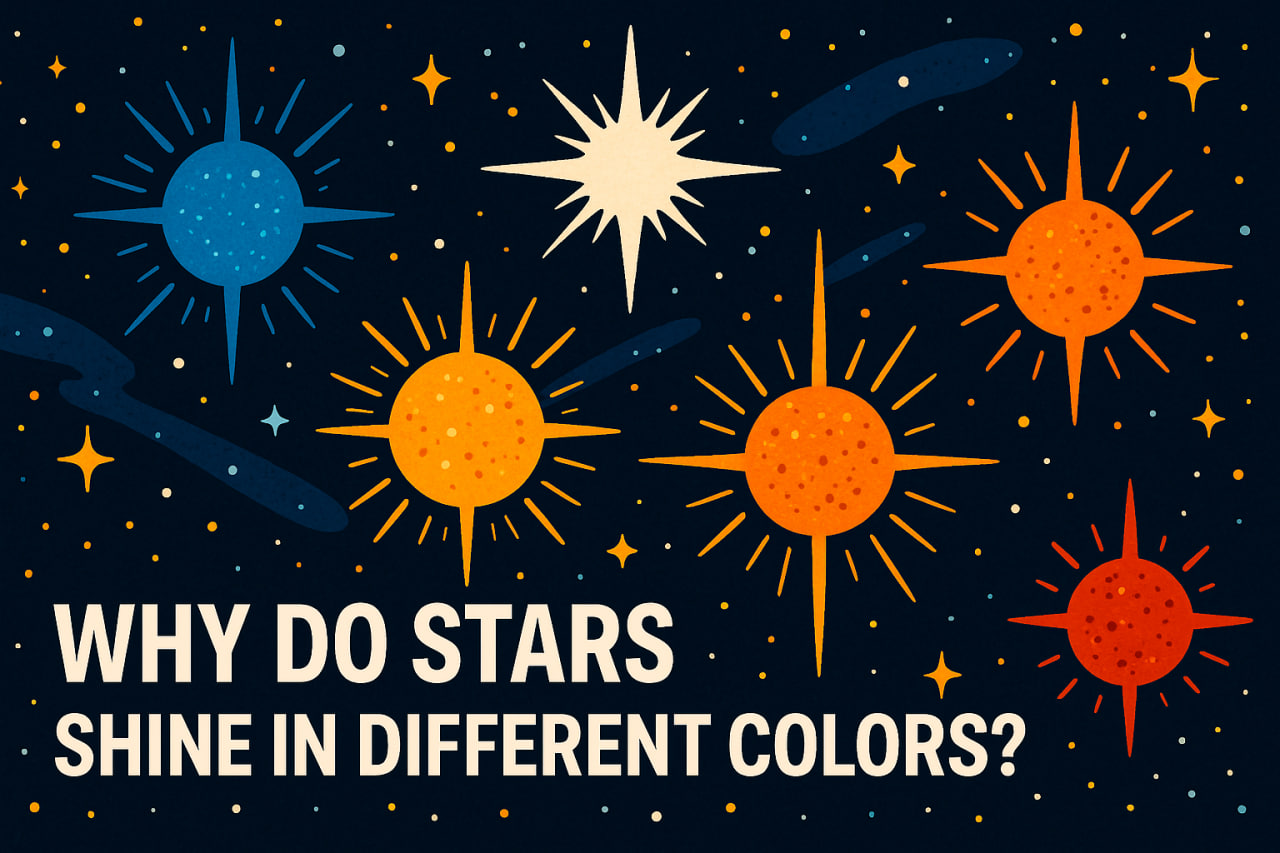
Why Do Stars Shine in Different Colors?
Space Stories Universe Science

Why Do Stars Shine in Different Colors?

When you look at the night sky, you may notice that not all stars appear white. Some shine with a bluish tint, others with a reddish or yellow glow. These colors are not illusions—they reveal important information about a star’s temperature, composition, and life stage. The color of a star is determined primarily by the physics of blackbody radiation, where hotter objects emit shorter wavelengths of light and cooler ones emit longer wavelengths.

How Distant Galaxies Are Studied
Space Stories Universe Science

How Distant Galaxies Are Studied

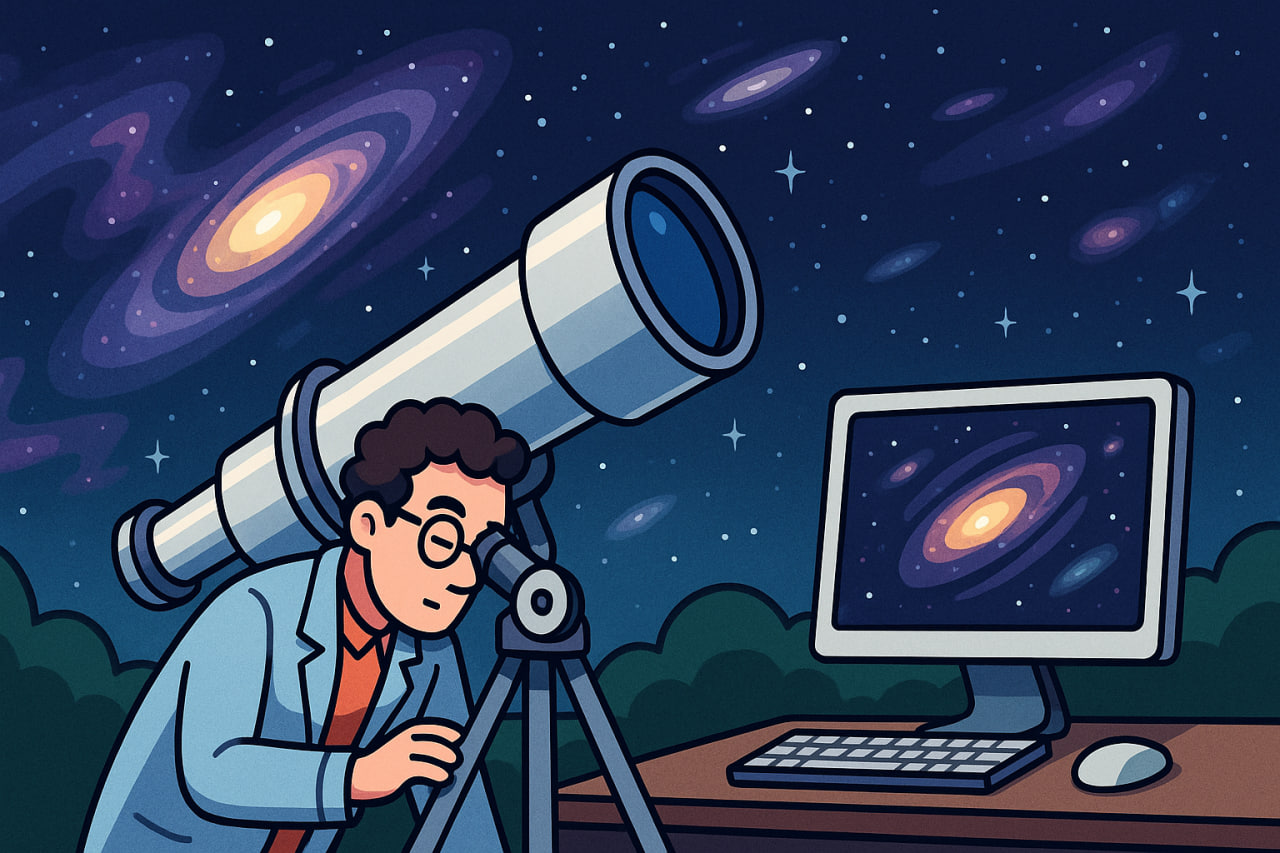
Distant galaxies are among the most mysterious and fascinating objects in the universe. Studying them allows astronomers to understand the history, structure, and evolution of the cosmos. Since these galaxies are located billions of light-years away, scientists must rely on advanced telescopes, spectroscopy, and space missions to gather information about them.

What Is a Black Hole?
Space Stories Universe

What Is a Black Hole?

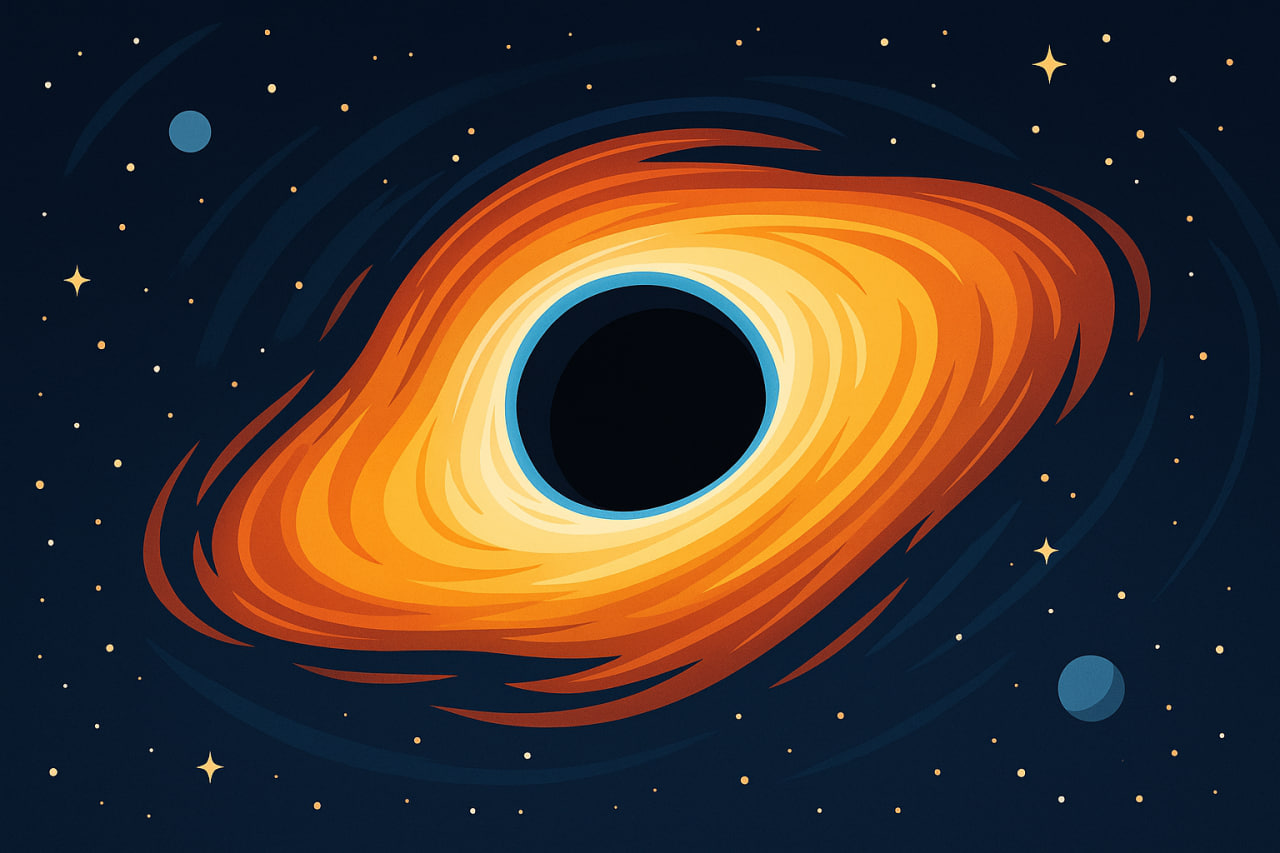
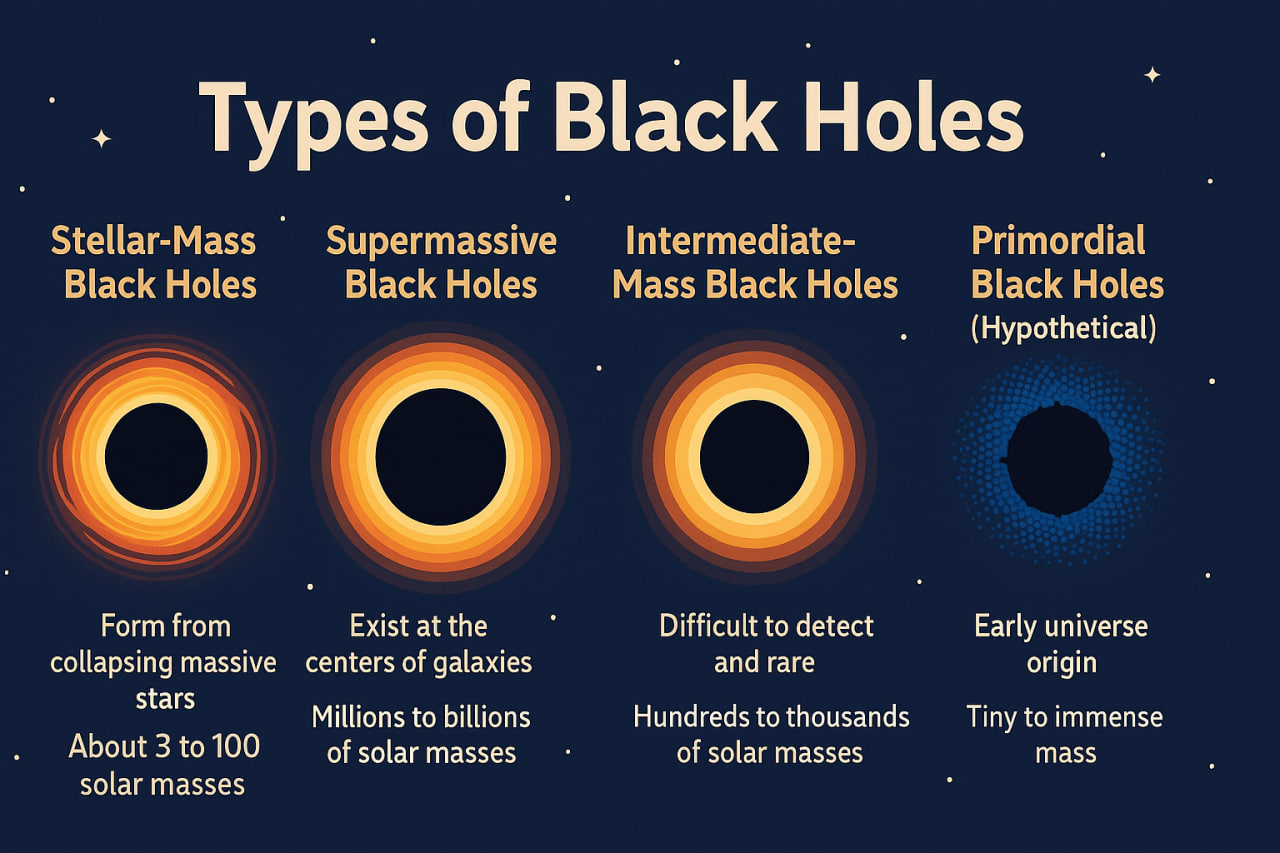
A black hole is one of the most mysterious and extreme objects in the universe. It is a region in space where gravity is so strong that nothing—not even light—can escape its pull. Black holes form when massive stars collapse under their own weight after exhausting their nuclear fuel. They challenge our understanding of physics and continue to fascinate scientists and the public alike.

Supernovae: The Death of a Star
Space Stories Universe

Supernovae: The Death of a Star

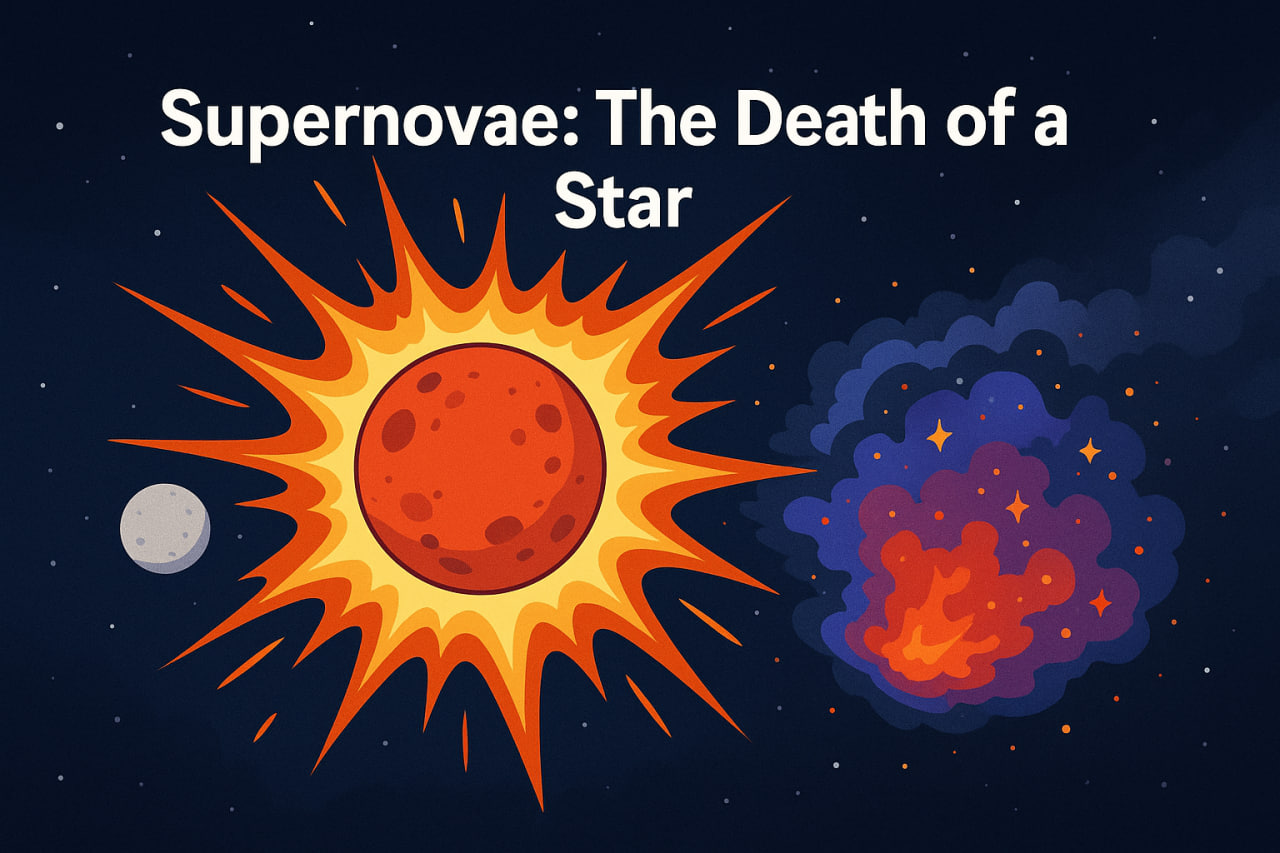
A supernova is one of the most powerful and dramatic events in the universe. It marks the explosive death of a star and releases an enormous amount of energy—sometimes outshining an entire galaxy for a short period. Supernovae are not just destructive; they also create the elements that make planets, life, and even human bodies possible.

Asteroids and Comets: What’s the Difference?
Space Stories Universe

Asteroids and Comets: What’s the Difference?

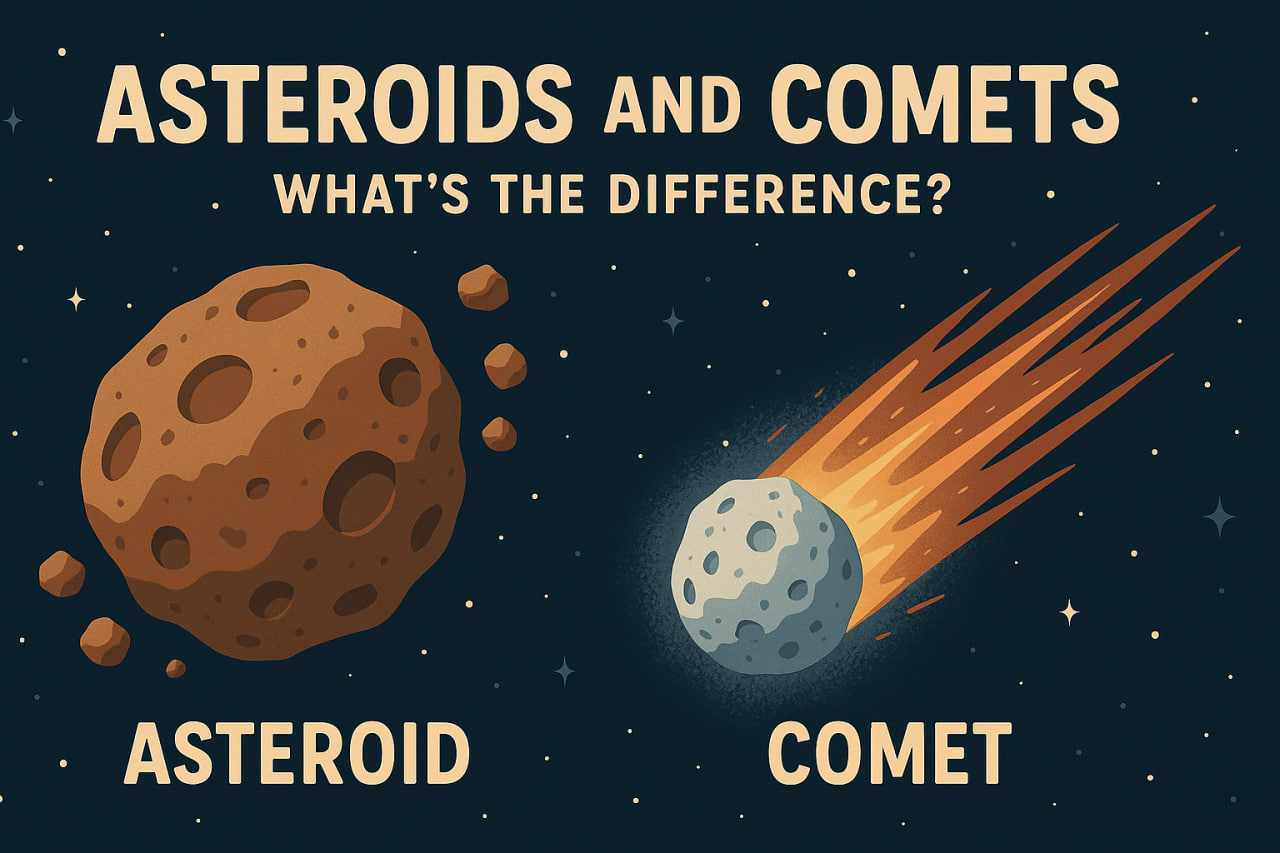
Asteroids and comets are both small celestial bodies that orbit the Sun, and while they may seem similar at first glance, they are very different in composition, origin, and behavior. Understanding the differences between asteroids and comets helps scientists learn more about the formation and evolution of the Solar System.

Lunar Eclipses: How and Why They Happen
Space Stories Universe Be Smart

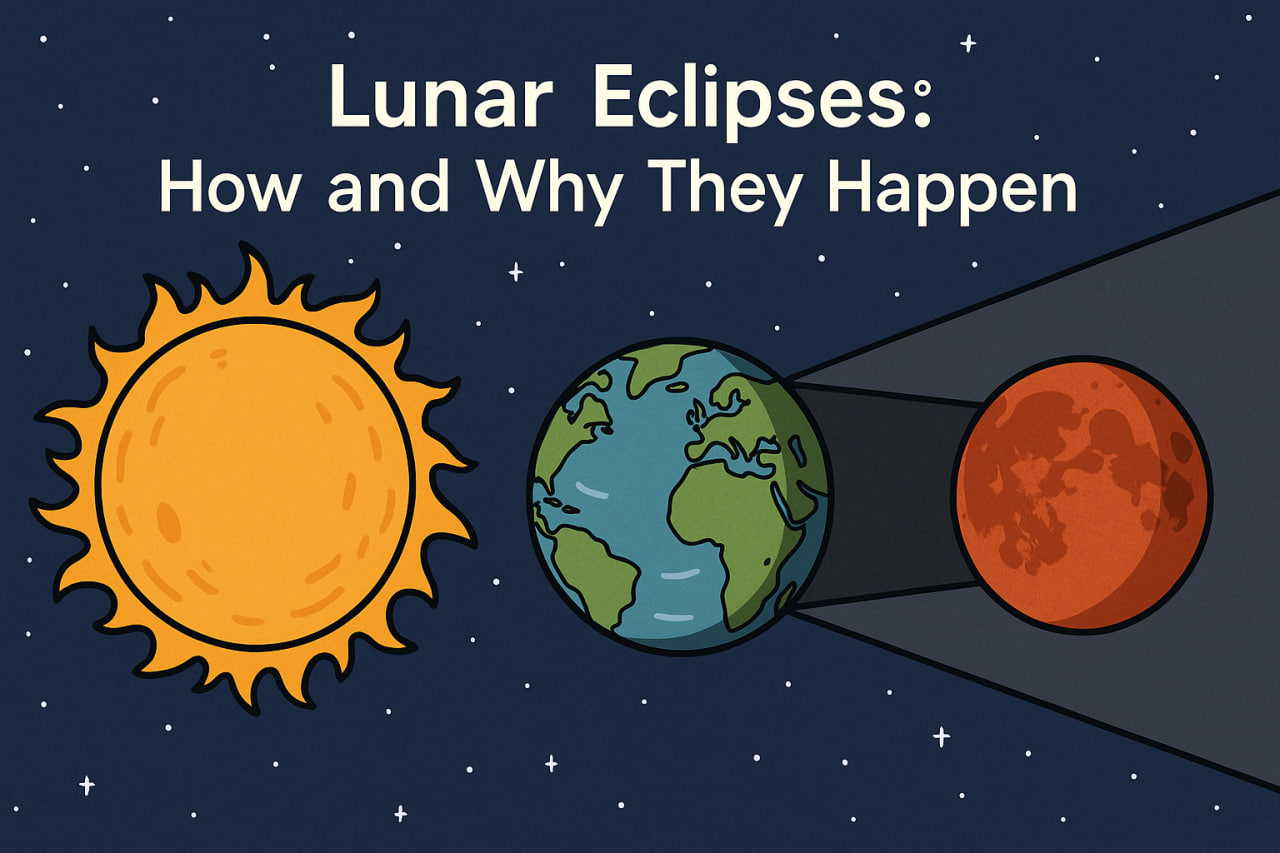
Lunar Eclipses: How and Why They Happen

A lunar eclipse is one of the most awe-inspiring celestial events visible from Earth. Unlike solar eclipses, which can only be seen from limited areas, lunar eclipses can be viewed by anyone on the night side of Earth when they occur. But what exactly causes a lunar eclipse, and why does the Moon sometimes appear red?

Measuring Time in Space: How Astronauts Track Time Beyond Earth
Space Stories Universe

Measuring Time in Space: How Astronauts Track Time Beyond Earth

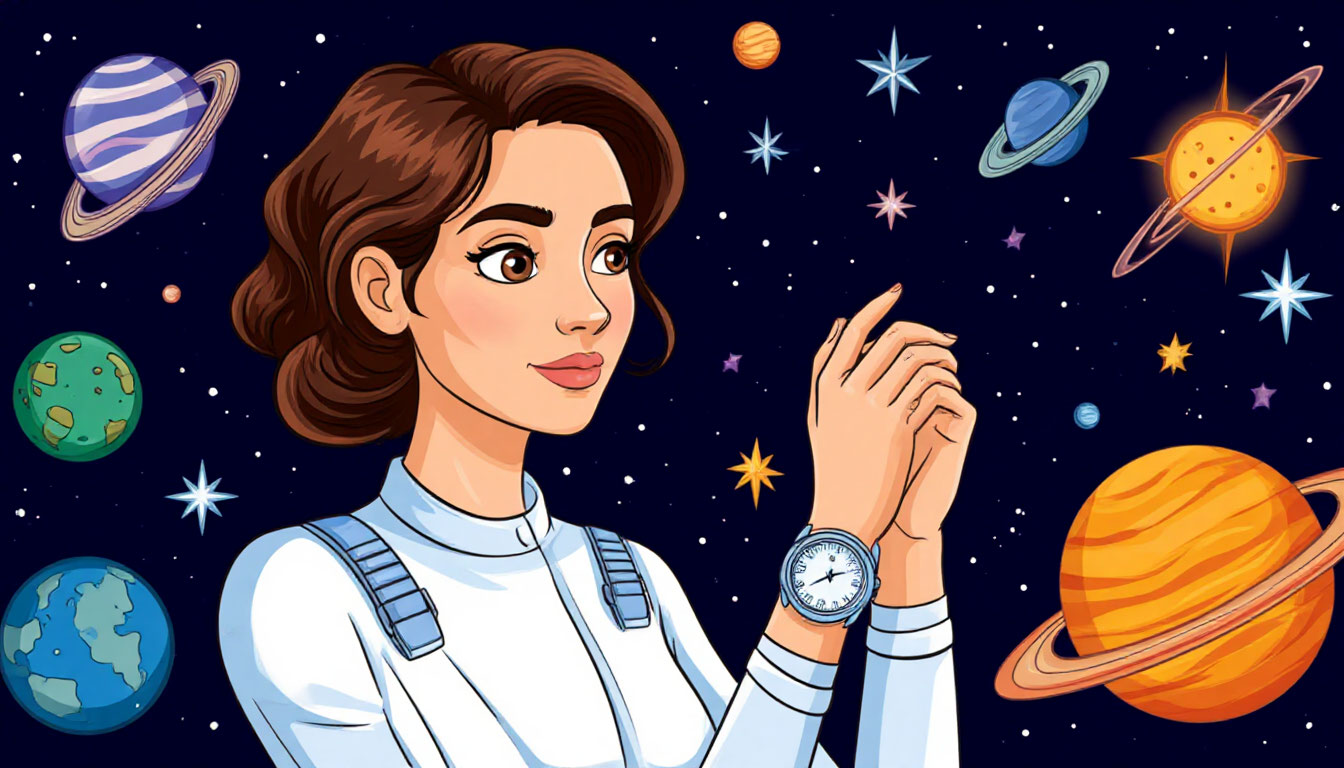
On Earth, time is easy to measure—we use the rotation of the planet to define a day and the orbit around the Sun to define a year. But in the weightless, vast environment of space, keeping time is not so simple. With no sunrises or sunsets in orbit, and no fixed points of reference, astronauts and scientists must rely on technology and precise systems to measure time in space.

Why Is Space Black?
Space Stories Universe

Why Is Space Black?

When we look up at the night sky, away from city lights, we see stars shining in the darkness. But despite the countless stars and galaxies in the universe, space itself appears black. This mystery has fascinated scientists and philosophers for centuries. The answer lies in a mix of physics, astronomy, and how our eyes perceive light.