Universe

The Fermi Paradox: If the Universe Is Full of Life, Where Is Everyone?
Space Stories Universe Science

The Fermi Paradox: If the Universe Is Full of Life, Where Is Everyone?

The Fermi Paradox is one of the most fascinating questions in science and philosophy. It highlights a contradiction between the high probability of extraterrestrial life and the complete lack of evidence for it. In simple terms, if intelligent life should exist elsewhere in the universe, why haven’t we found any signs of it? This paradox forces us to rethink our assumptions about life, intelligence, and the cosmos.
How Stars Are Born and Die: The Life Cycle of Stars
Space Stories Universe Science

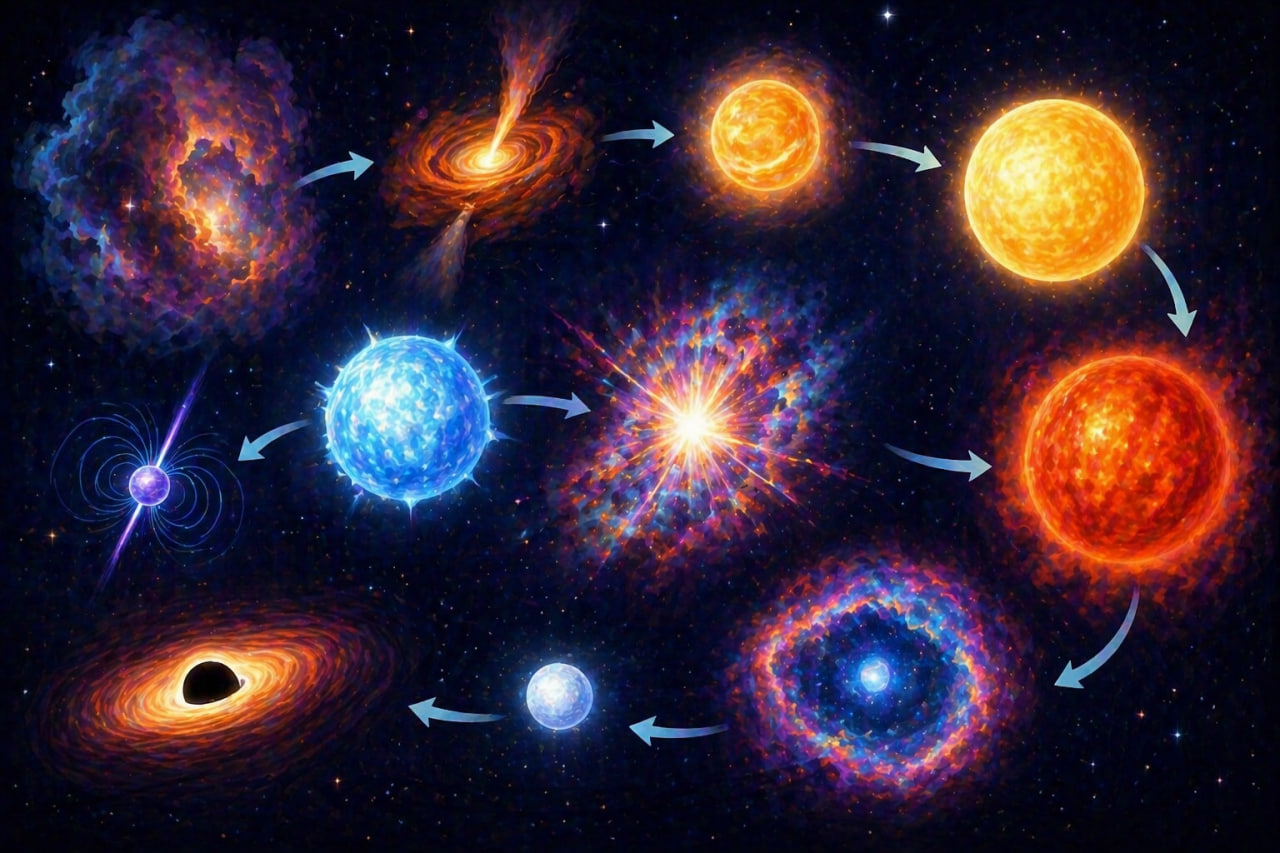
How Stars Are Born and Die: The Life Cycle of Stars

Stars are among the most fundamental objects in the universe. They light up galaxies, create the elements necessary for life, and shape cosmic evolution. Yet, like all things, stars are not eternal. They are born, evolve, and eventually die—sometimes quietly, sometimes in spectacular explosions. Understanding the life cycle of stars reveals how the universe itself changes over time.

Dark Flow: Why Galaxies Seem to Move in One Direction
Space Stories Universe New Discoveries

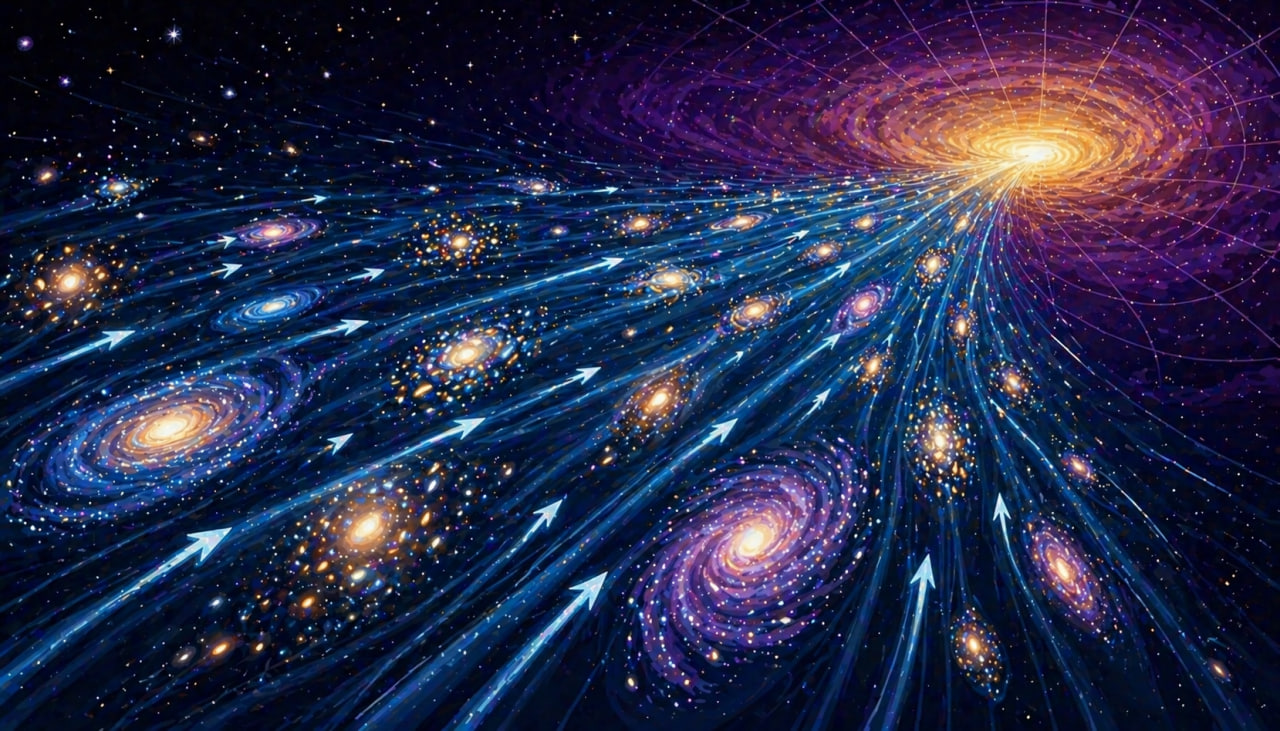
Dark Flow: Why Galaxies Seem to Move in One Direction

The universe is expanding, and galaxies are generally moving away from each other as space itself stretches. However, astronomers have observed something unexpected: large groups of galaxy clusters appear to be drifting in the same direction, as if pulled by an unseen force. This mysterious phenomenon is known as dark flow. The idea challenges our understanding of cosmology and raises a fundamental question: what could be powerful enough to influence motion on such enormous scales?

Does Time Really Exist? The Block Universe Theory Explained
Universe Science Be Smart

Does Time Really Exist? The Block Universe Theory Explained

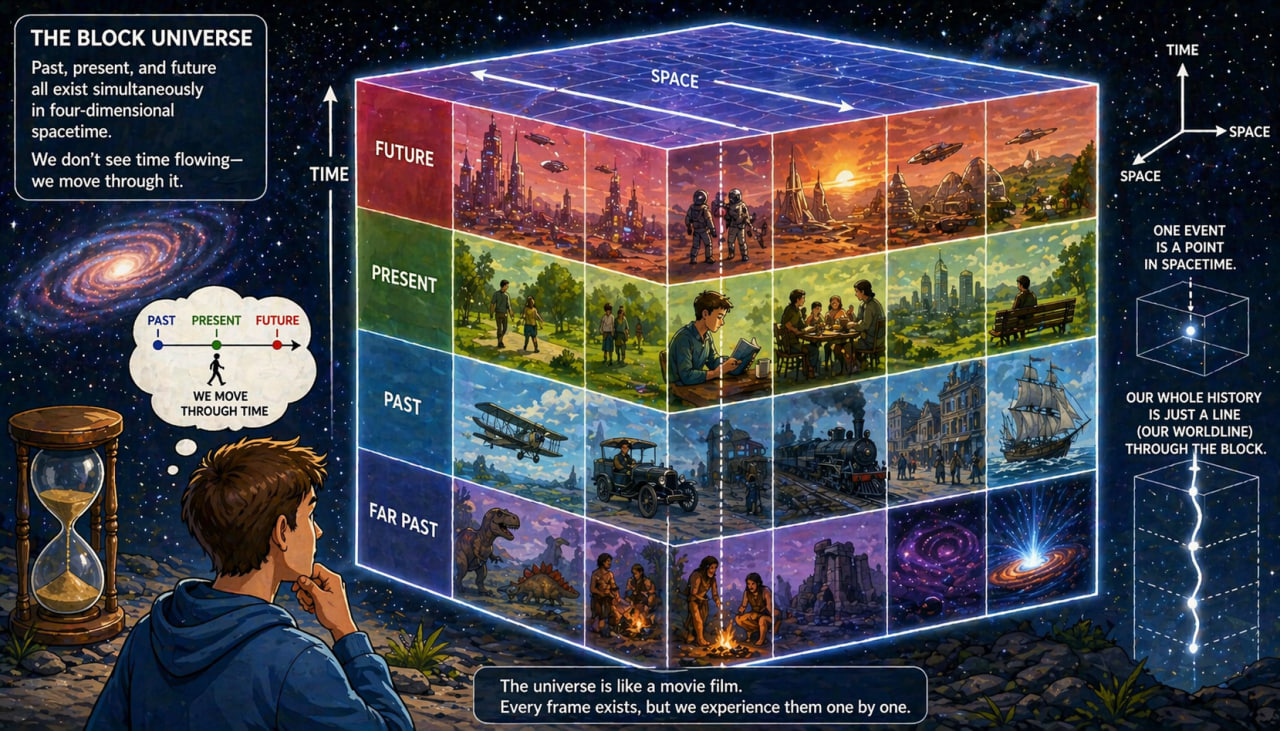
Time feels like one of the most fundamental aspects of reality. We experience it as a constant flow from past to present to future. But what if this perception is an illusion? The block universe theory, one of the most intriguing ideas in modern physics and philosophy, suggests that time does not “flow” at all. Instead, all moments—past, present, and future—exist simultaneously. This concept challenges our everyday understanding of reality and raises profound questions about free will, causality, and the nature of existence.

Space Archaeology: Can We Find Evidence of Lost Civilizations?
Space Stories Universe What if?

Space Archaeology: Can We Find Evidence of Lost Civilizations?

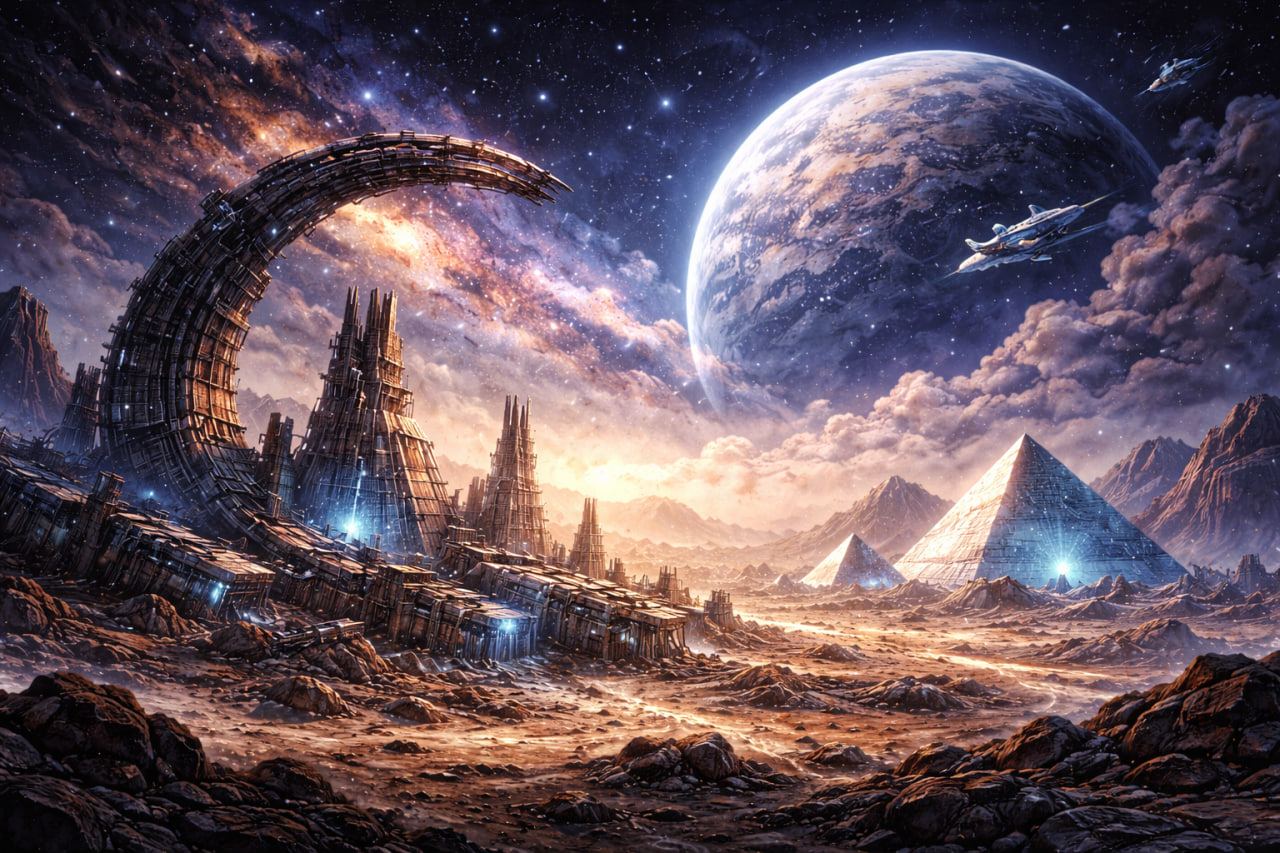
The idea of discovering traces of lost extraterrestrial civilizations has fascinated scientists and the public for decades. While traditional archaeology studies human history through physical remains on Earth, space archaeology explores the possibility of detecting technological or structural evidence beyond our planet. With the rapid development of astronomy and space exploration, scientists are beginning to ask whether it is possible to identify signs of past intelligent life elsewhere in the universe. Although no confirmed discoveries have been made, modern research focuses on indirect clues—such as unusual energy signatures, artificial structures, or unexplained cosmic phenomena. Understanding these possibilities helps expand the search for life beyond simple biology and into the realm of advanced civilizations.

The Sun’s Corona: What It Is and Why It’s So Hot
Space Stories Universe Solar System

The Sun’s Corona: What It Is and Why It’s So Hot

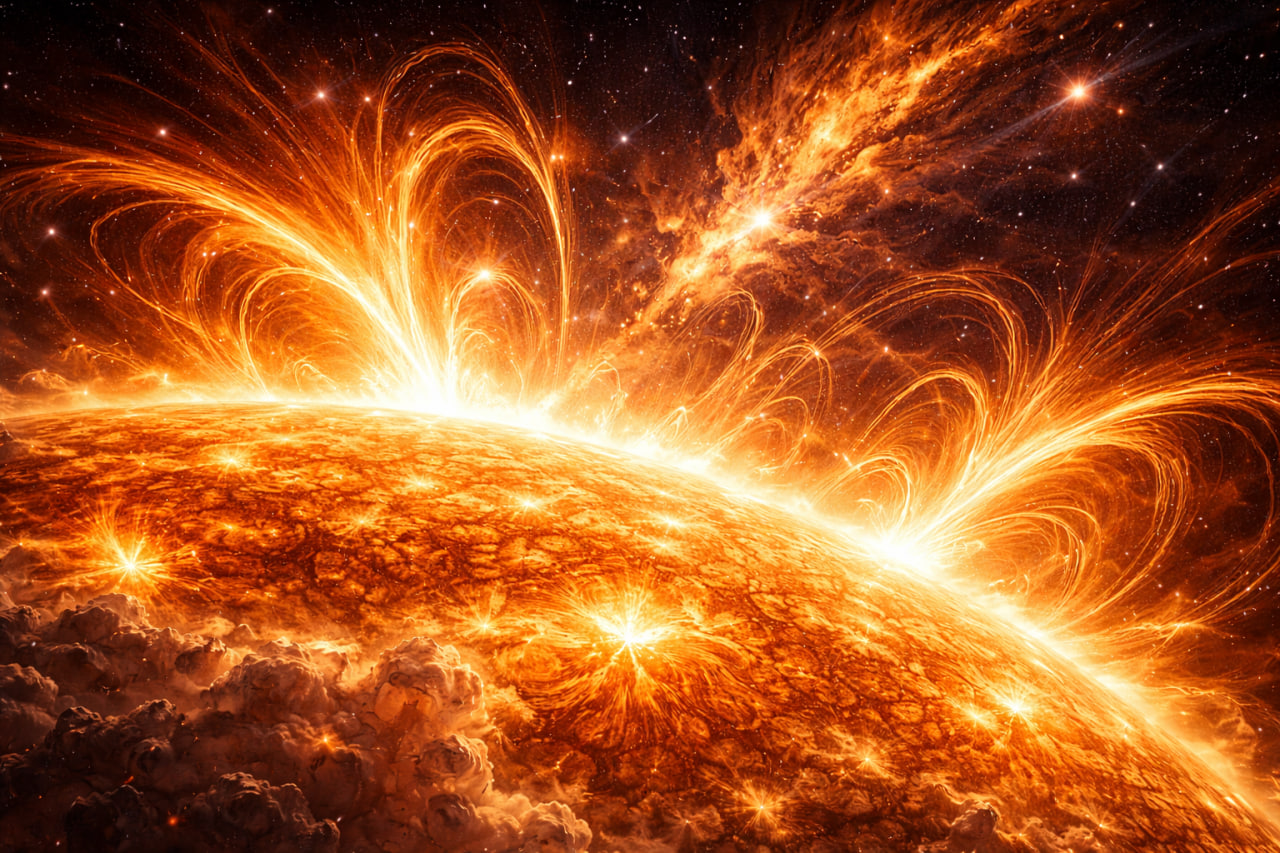
The solar corona is the outermost layer of the Sun’s atmosphere, extending millions of kilometers into space. It is usually invisible to the naked eye and can only be seen during a total solar eclipse, when it appears as a glowing halo surrounding the Sun. Despite being farther from the Sun’s surface, the corona is mysteriously much hotter, reaching temperatures of millions of degrees Celsius, compared to about 5,500°C on the surface. This surprising phenomenon has puzzled scientists for decades and remains one of the biggest mysteries in solar physics. Studying the corona is essential for understanding how the Sun works and how it influences the entire Solar System.

How Venus Became a Hellish Planet
Space Stories Universe Be Smart

How Venus Became a Hellish Planet

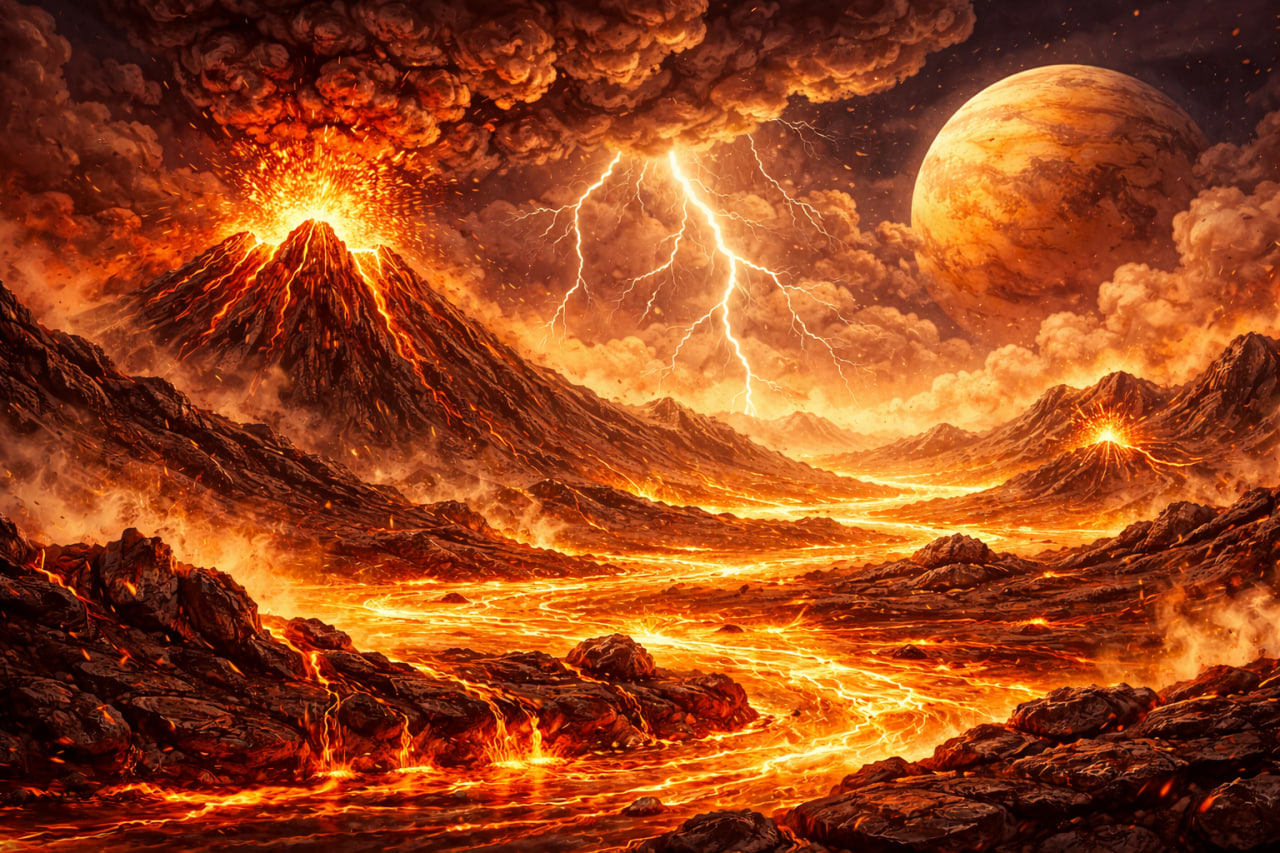
Venus is often called Earth’s “twin” because of its similar size, composition, and location in the inner Solar System. However, despite these similarities, Venus evolved into one of the most extreme and hostile environments known, with surface temperatures hot enough to melt lead and atmospheric pressure crushing enough to destroy most spacecraft. Scientists believe that billions of years ago, Venus may have had conditions more similar to Earth, including the potential for liquid water. Over time, however, a series of runaway processes transformed the planet into a hellish world dominated by extreme heat and a toxic atmosphere. Understanding how Venus changed so dramatically provides valuable insight into planetary evolution and the delicate balance required to sustain life.

Is There Life on Mars?
Space Stories Universe Solar System

Is There Life on Mars?

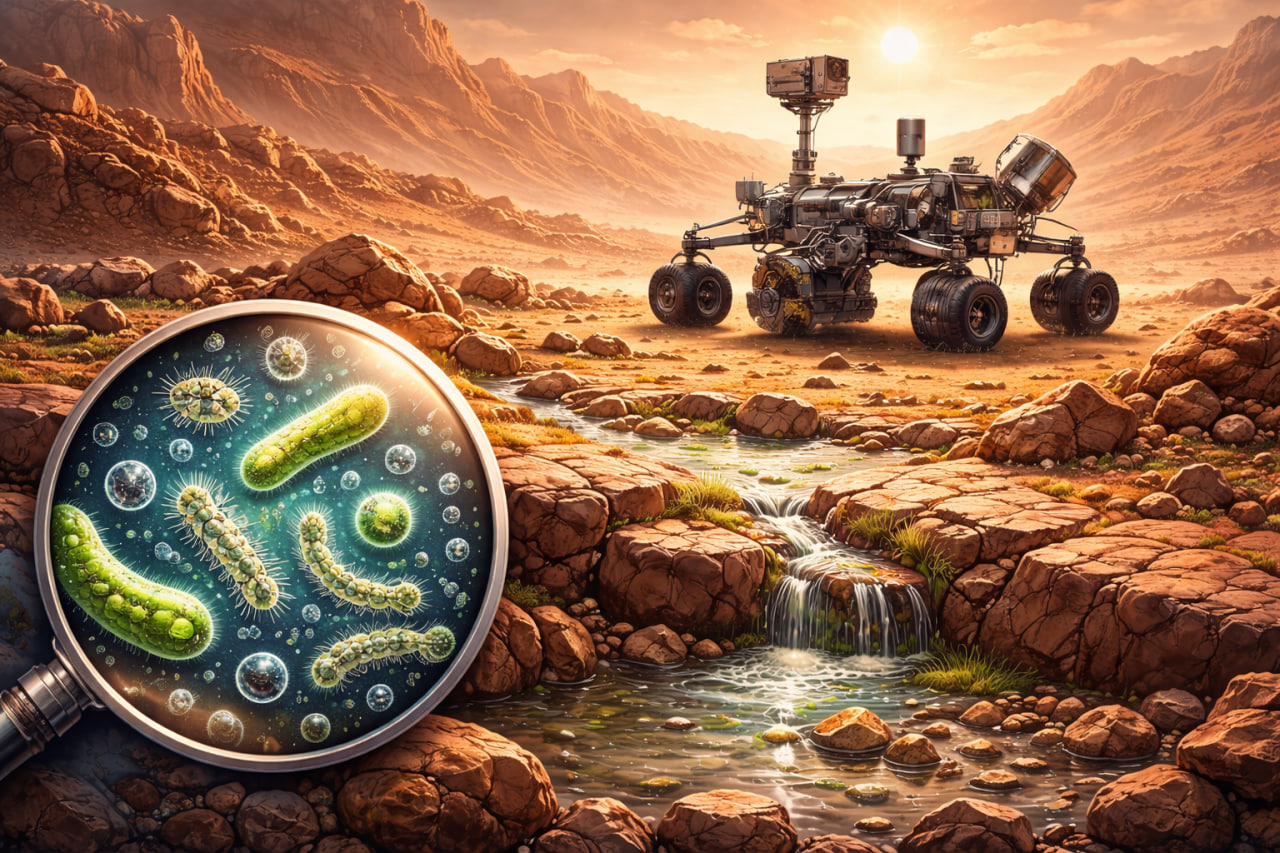
The question of whether life exists on Mars has fascinated scientists and the public for generations. As one of Earth’s closest planetary neighbors, Mars shares several similarities with our planet, including seasons, polar ice caps, and evidence of ancient water. These features make it one of the most promising places in the Solar System to search for signs of past or present life. Over the past decades, robotic missions, orbiters, and rovers have collected vast amounts of data, revealing a complex history that suggests Mars was once much more hospitable than it is today. While no direct evidence of life has been confirmed, the discoveries made so far continue to raise important questions about the potential for microbial organisms beneath the planet’s surface. Understanding Mars helps scientists better understand how life might arise elsewhere in the universe.

Radiation Belts Around Planets: Invisible Shields and Threats
Space Stories Universe New Discoveries

Radiation Belts Around Planets: Invisible Shields and Threats

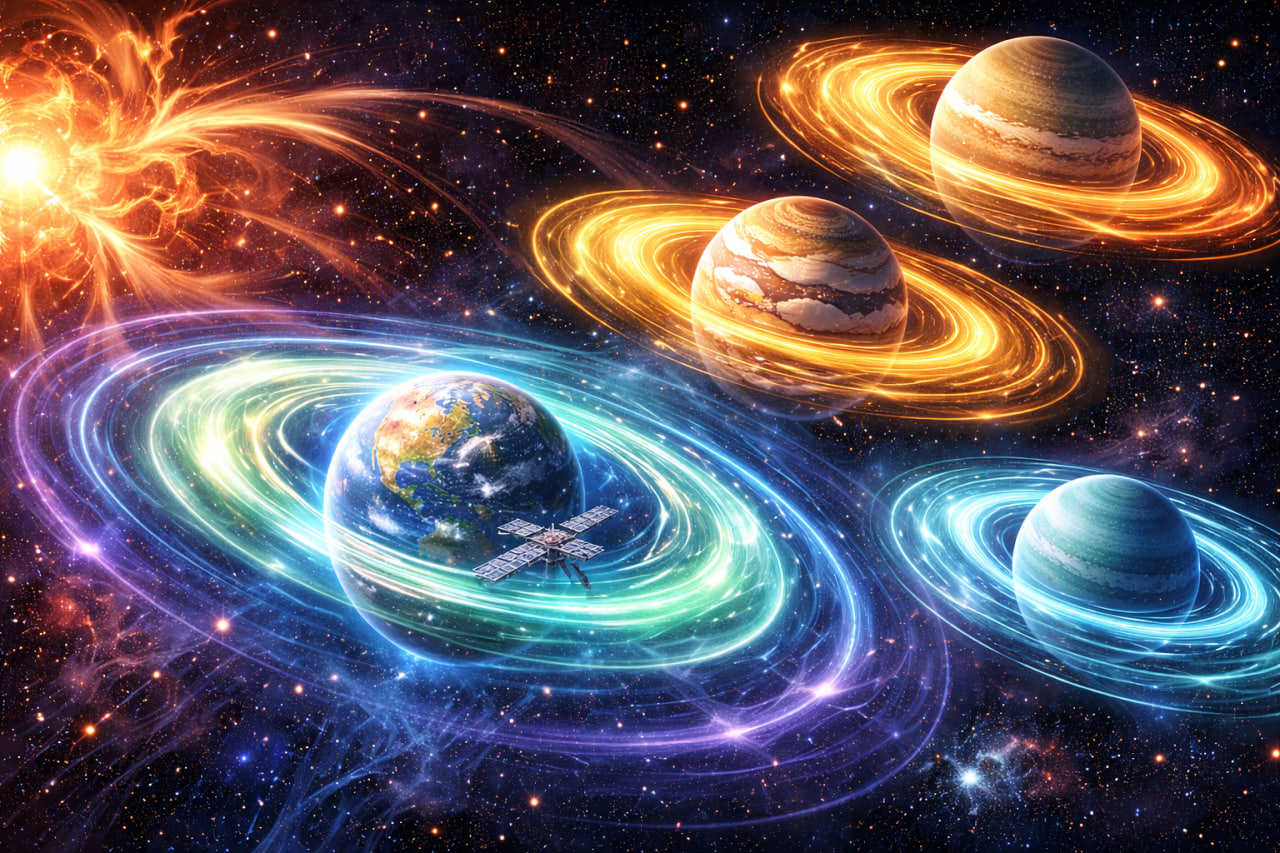
Radiation belts are regions surrounding planets where charged particles are trapped by magnetic fields, forming invisible yet powerful zones of energy. The most well-known example is Earth’s Van Allen radiation belts, but similar structures exist around other planets such as Jupiter and Saturn. These belts are created when particles from the solar wind become captured and accelerated by a planet’s magnetosphere. While they can act as a form of protection by deflecting harmful radiation, they also pose serious risks to spacecraft and astronauts. Understanding radiation belts is essential for space exploration and for studying how planetary magnetic fields interact with their environment.

Cosmic Microwave Background: The Echo of the Big Bang
Space Stories Universe Science

Cosmic Microwave Background: The Echo of the Big Bang

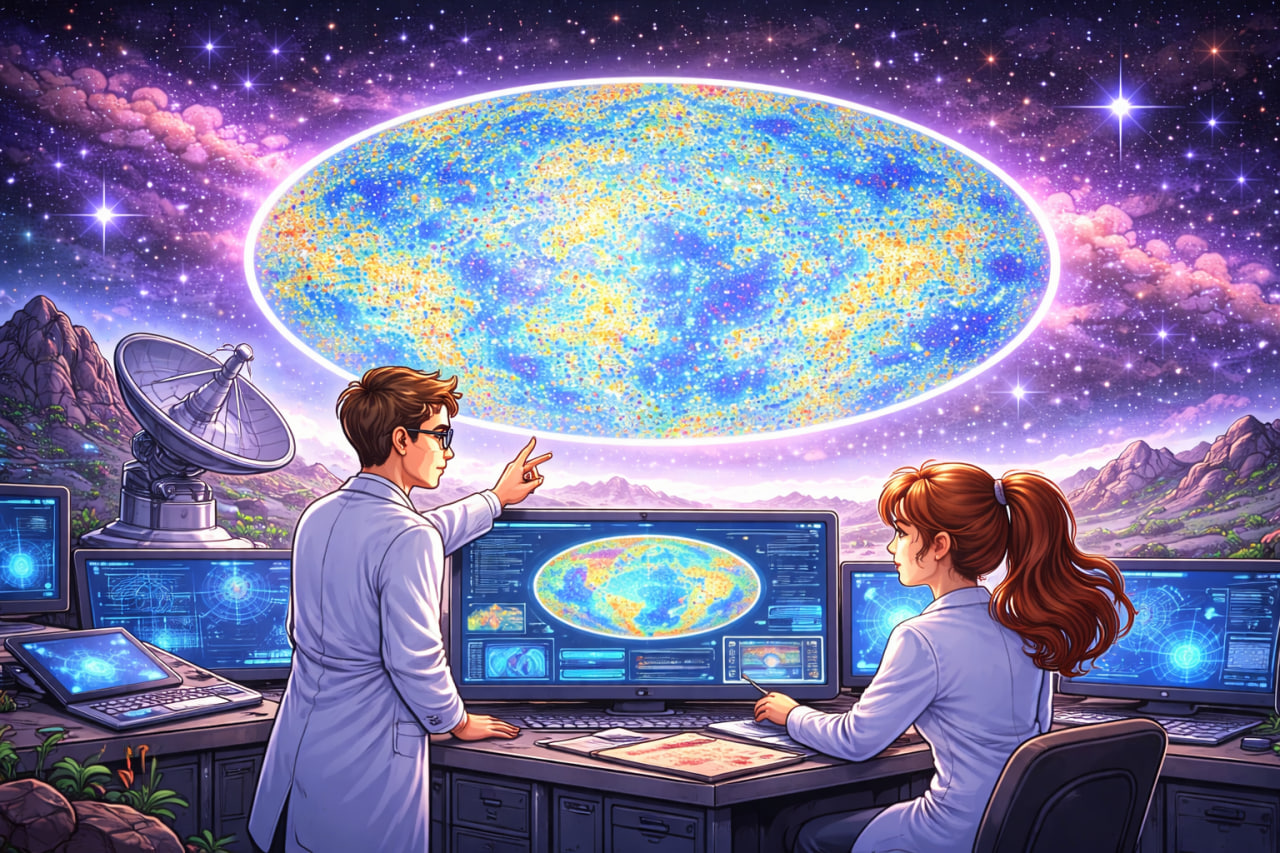
The cosmic microwave background (CMB) is one of the most important discoveries in modern cosmology, often described as the afterglow of the Big Bang. It is a faint radiation that fills the entire universe, detectable in every direction and providing a snapshot of the cosmos when it was only about 380,000 years old. At that early stage, the universe had cooled enough for electrons and protons to combine into neutral atoms, allowing light to travel freely for the first time. This moment, known as recombination, effectively released the radiation we now observe as the CMB. Studying this ancient signal allows scientists to understand the origin, structure, and evolution of the universe. It is not just a background noise—it is a detailed map of the early cosmos encoded in radiation.