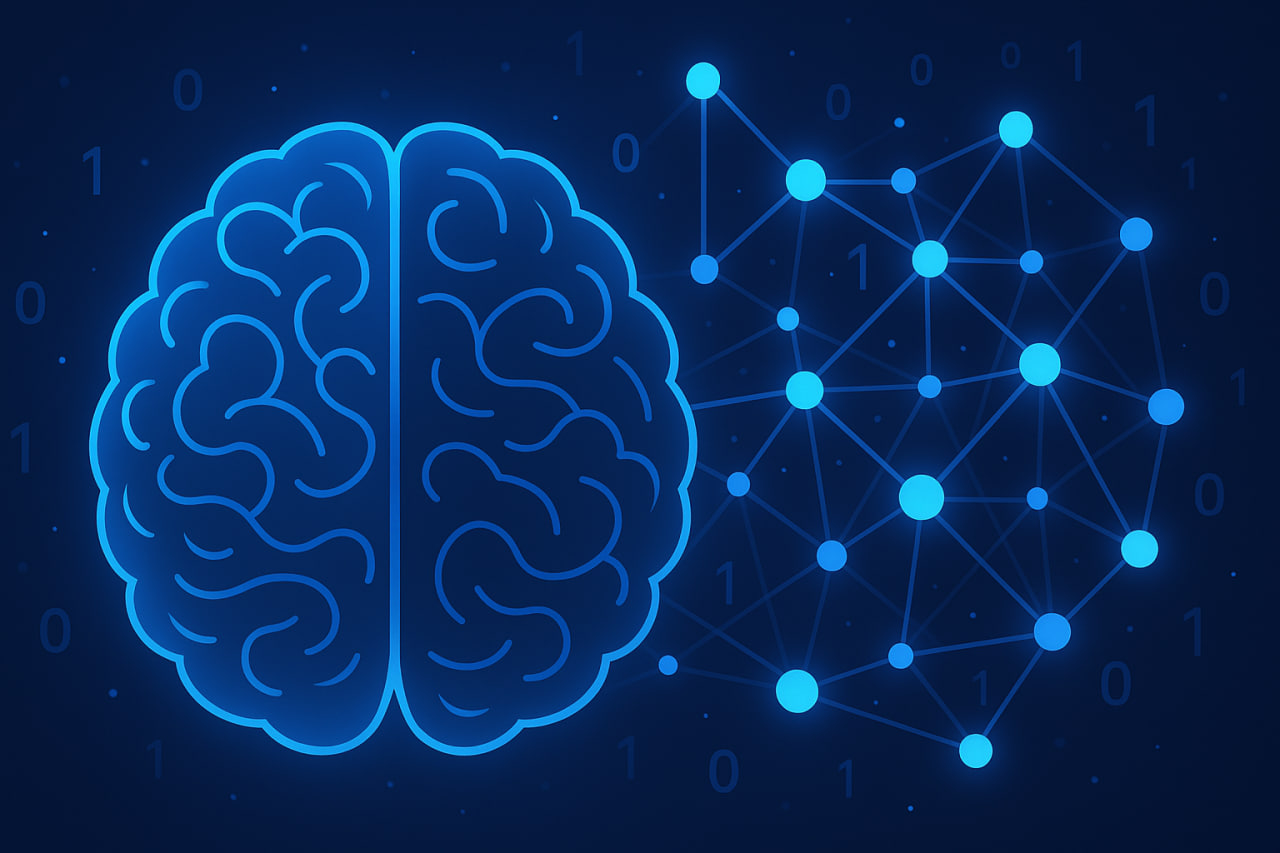
A neural network is a computer system designed to imitate how the human brain processes information. It is one of the most powerful tools in the field of artificial intelligence (AI), capable of recognizing patterns, learning from data, and making decisions. Neural networks are behind technologies like voice assistants, image recognition, self-driving cars, and even creative tools that generate art and text.
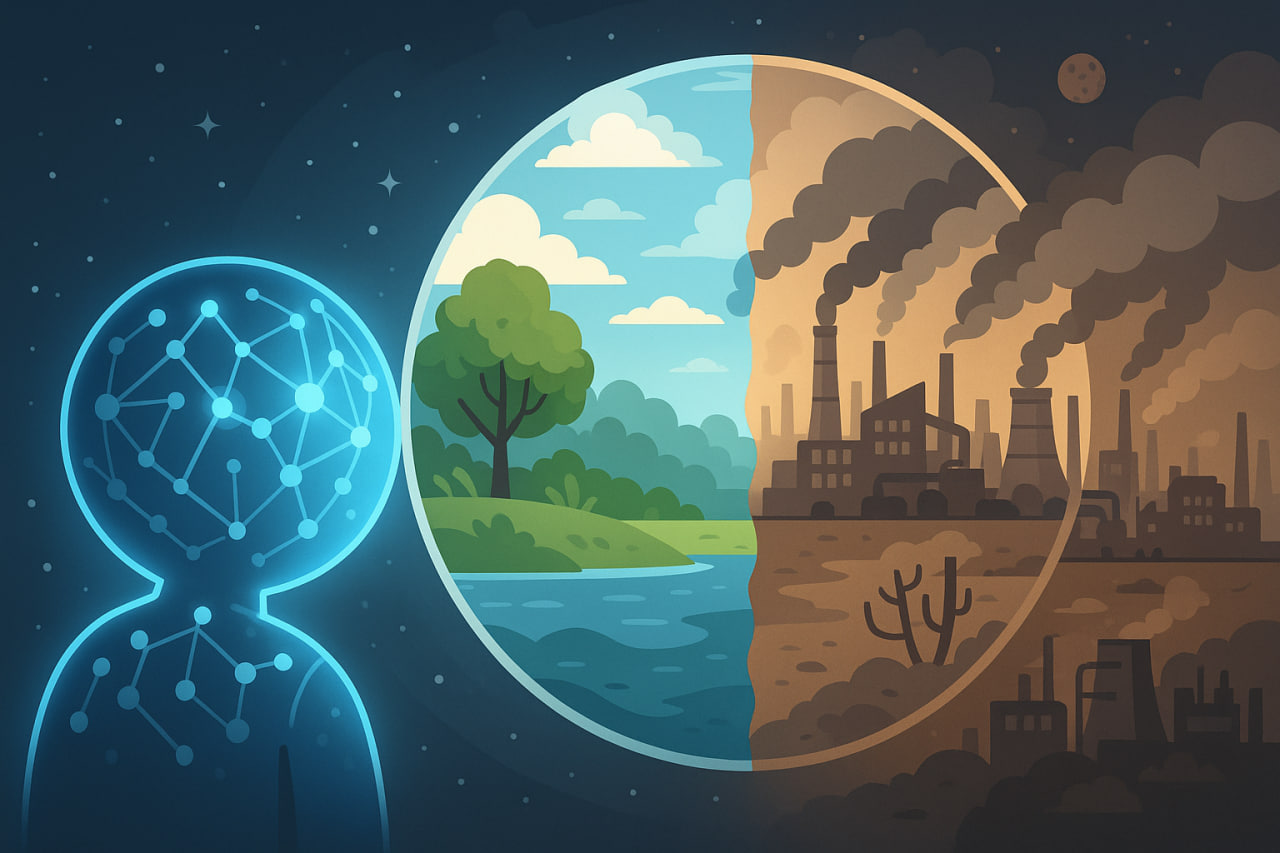
If artificial intelligence could observe humanity as a neutral, data-driven entity, its assessment would likely be both fascinating and contradictory. From a purely analytical perspective, the human species has achieved incredible progress — mastering energy, building civilizations, exploring the universe, and creating machines capable of thought. Yet, alongside these achievements, AI would also see patterns of destruction, imbalance, and environmental degradation that threaten the very foundation of life on Earth.
ChatGPT is trained using machine learning, particularly a method called transformer-based deep learning. During training, the model processes vast amounts of text from books, scientific articles, websites, and other sources. It learns patterns of language, associations between words, and typical structures of explanations. However, it does not "understand" in the human sense but instead calculates probabilities of which word or phrase should come next.
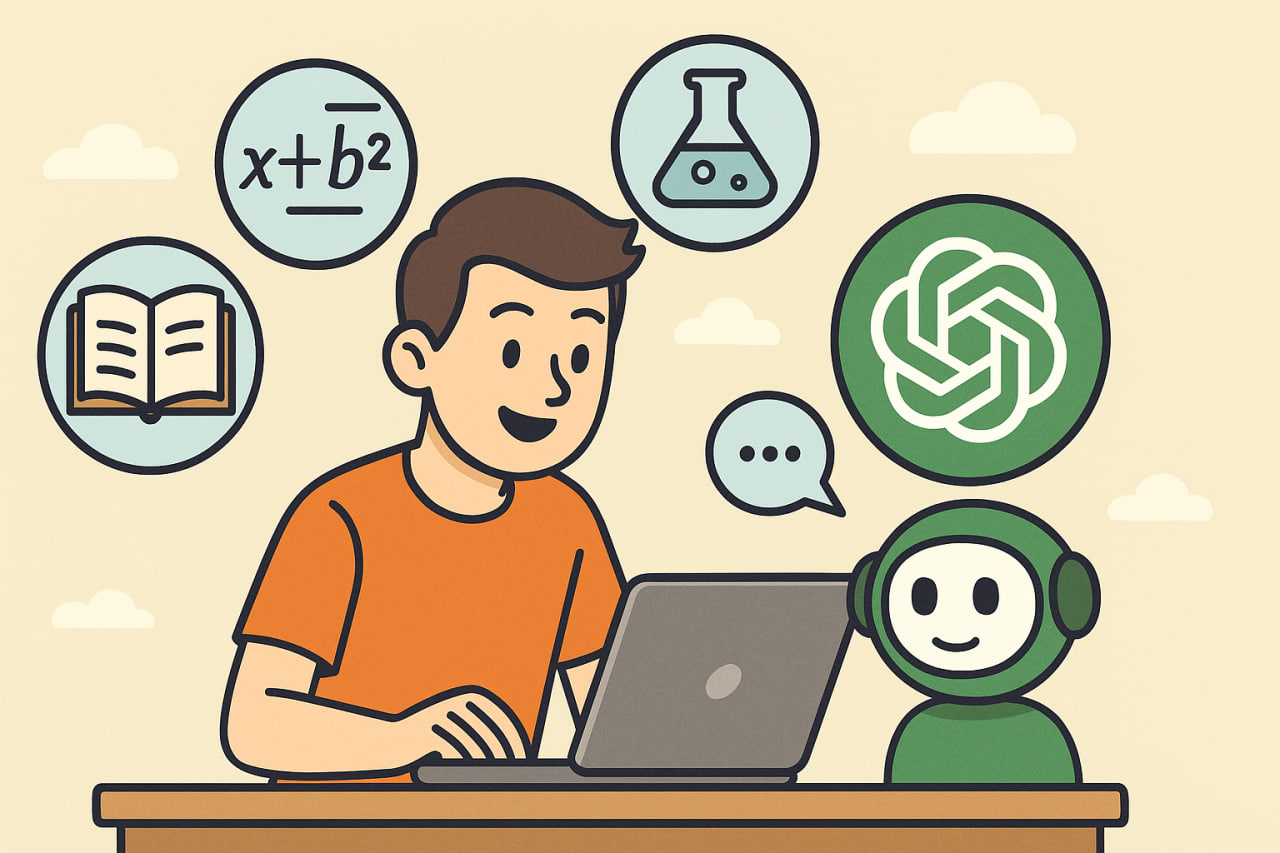
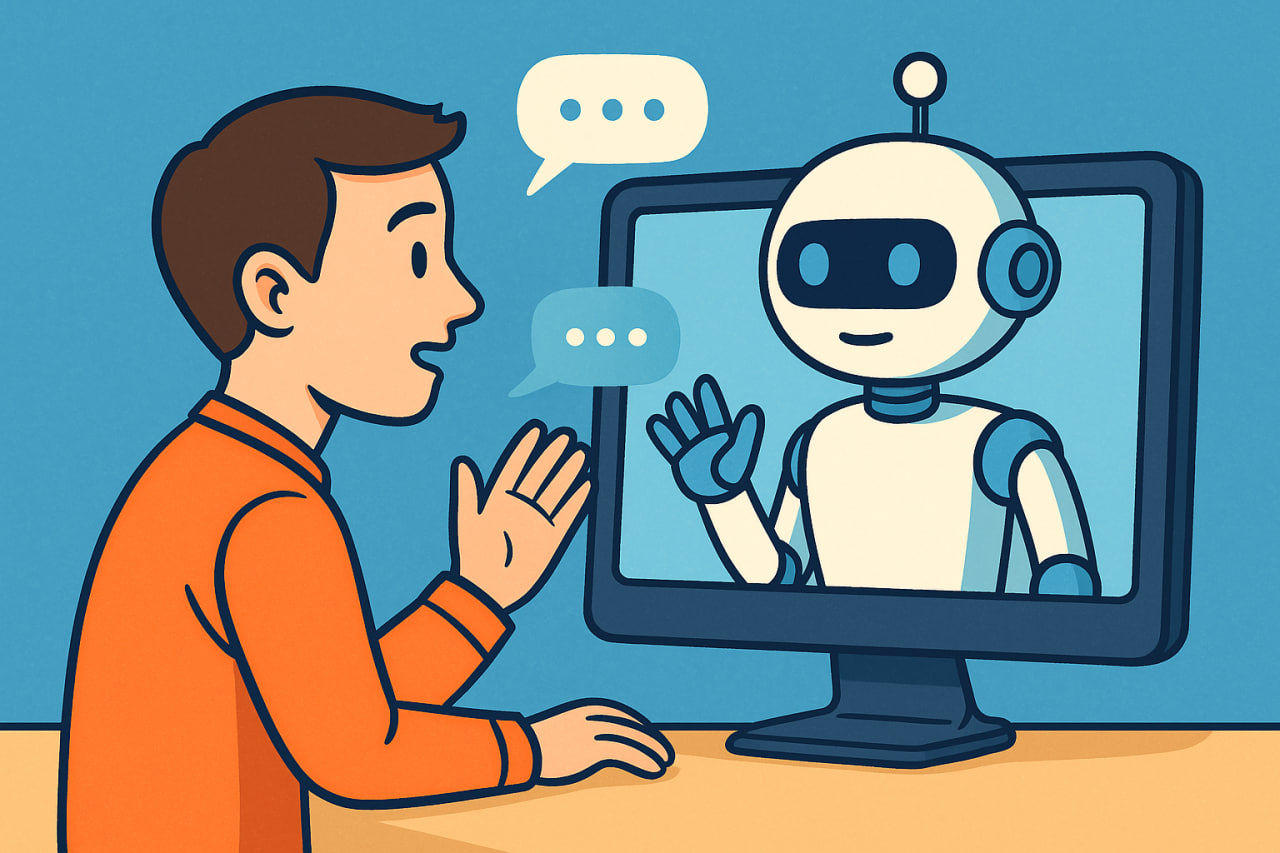
ChatGPT-5 is an advanced language model that can help students, professionals, and enthusiasts learn new subjects. It processes questions, explains concepts in simple or advanced ways, and provides examples. Unlike static textbooks, ChatGPT-5 allows interactive dialogue, adapting to the learner’s level.
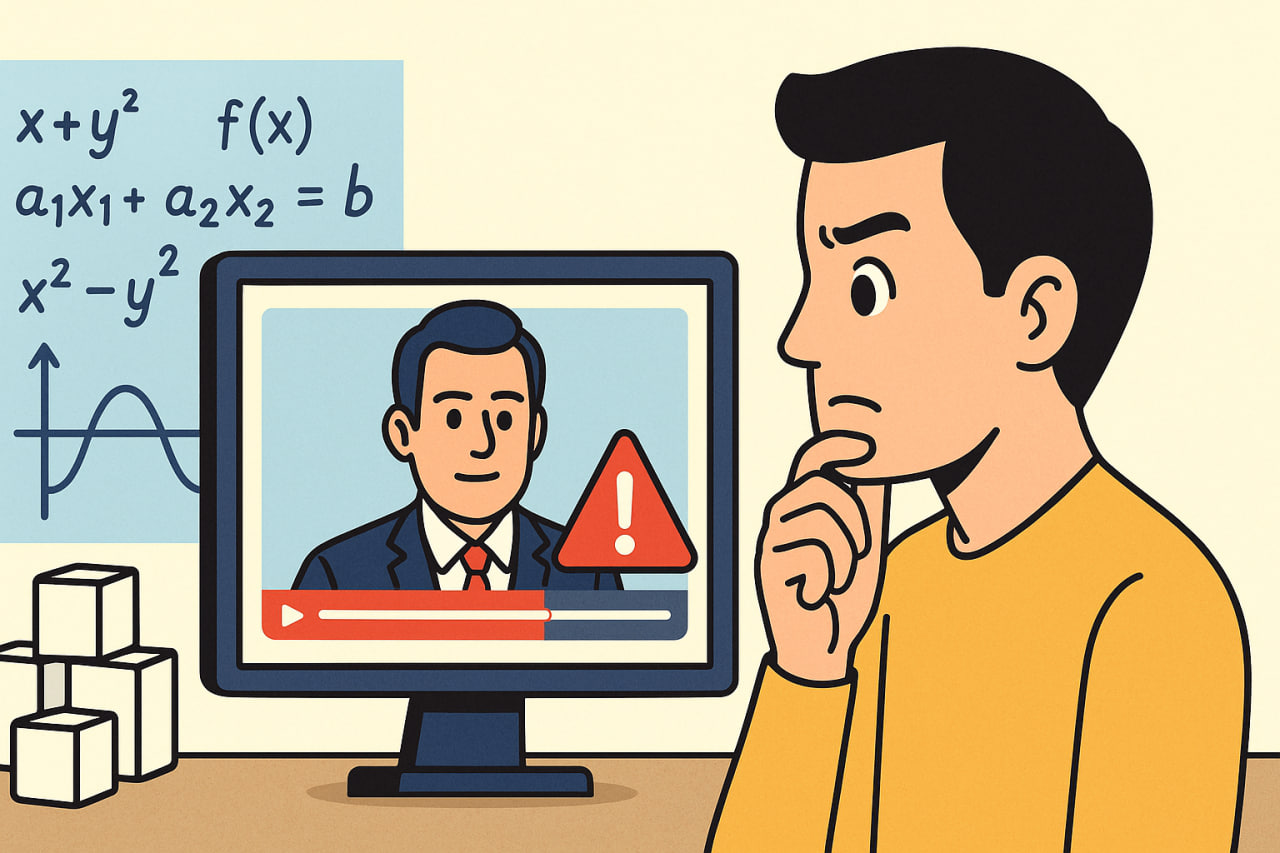
A deepfake is a type of synthetic media created using artificial intelligence (AI) and machine learning techniques, especially deep neural networks. The term comes from “deep learning” and “fake.” Deepfakes manipulate audio, images, or video to realistically imitate someone’s appearance or voice. While this technology can be used for entertainment and education, it also raises serious ethical, legal, and social concerns.
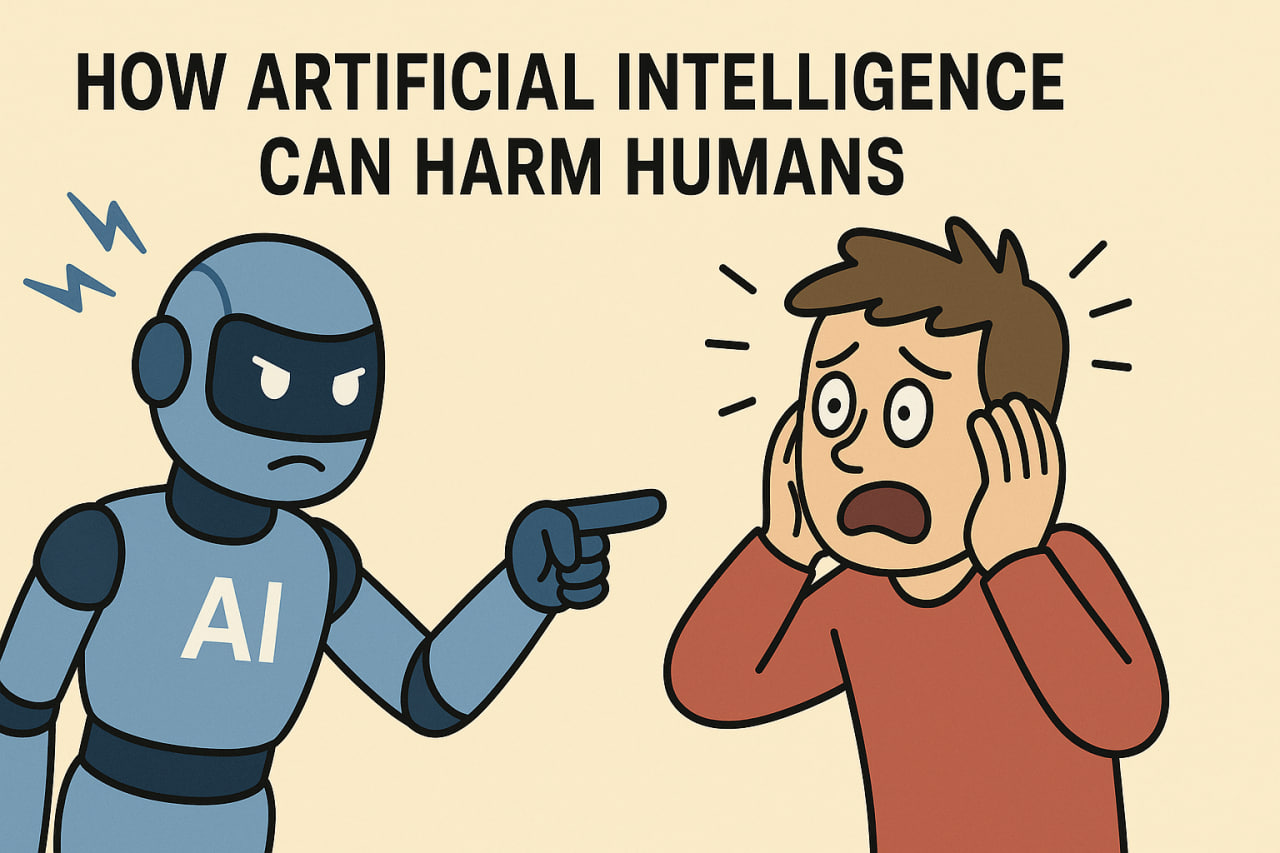
Artificial intelligence (AI) is a powerful tool that can improve many aspects of life, but it also carries risks. Harm from AI may be direct, such as when a malfunctioning system causes accidents, or indirect, when it influences decisions in ways that disadvantage people. Unlike traditional machines, AI systems adapt and learn, which makes their behavior less predictable. This unpredictability increases the potential for unintended consequences if AI is deployed without careful oversight.
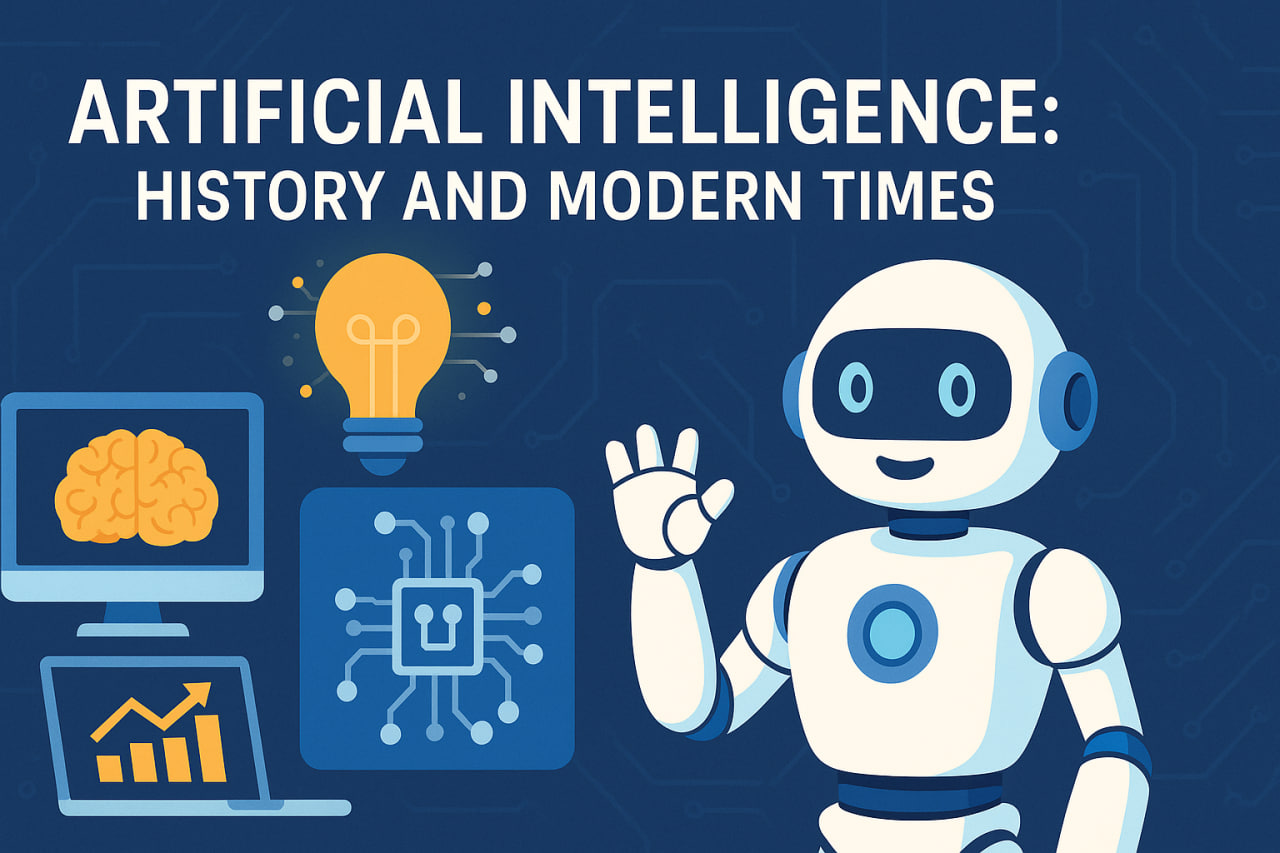
Artificial intelligence (AI) is the branch of computer science focused on creating machines capable of performing tasks that normally require human intelligence. These tasks include problem-solving, learning, language understanding, and decision-making. AI systems can process large amounts of data, identify patterns, and improve their performance over time. Today, AI is deeply integrated into everyday life, from smartphone assistants to recommendation systems, making it one of the most influential technologies of our era.
The Turing Test is a concept proposed by the British mathematician and computer scientist Alan Turing in 1950. It is designed to measure whether a machine can exhibit intelligent behavior indistinguishable from that of a human. Instead of asking, “Can machines think?”, Turing suggested focusing on whether machines can imitate human conversation convincingly. This practical approach laid the foundation for the field of artificial intelligence (AI).
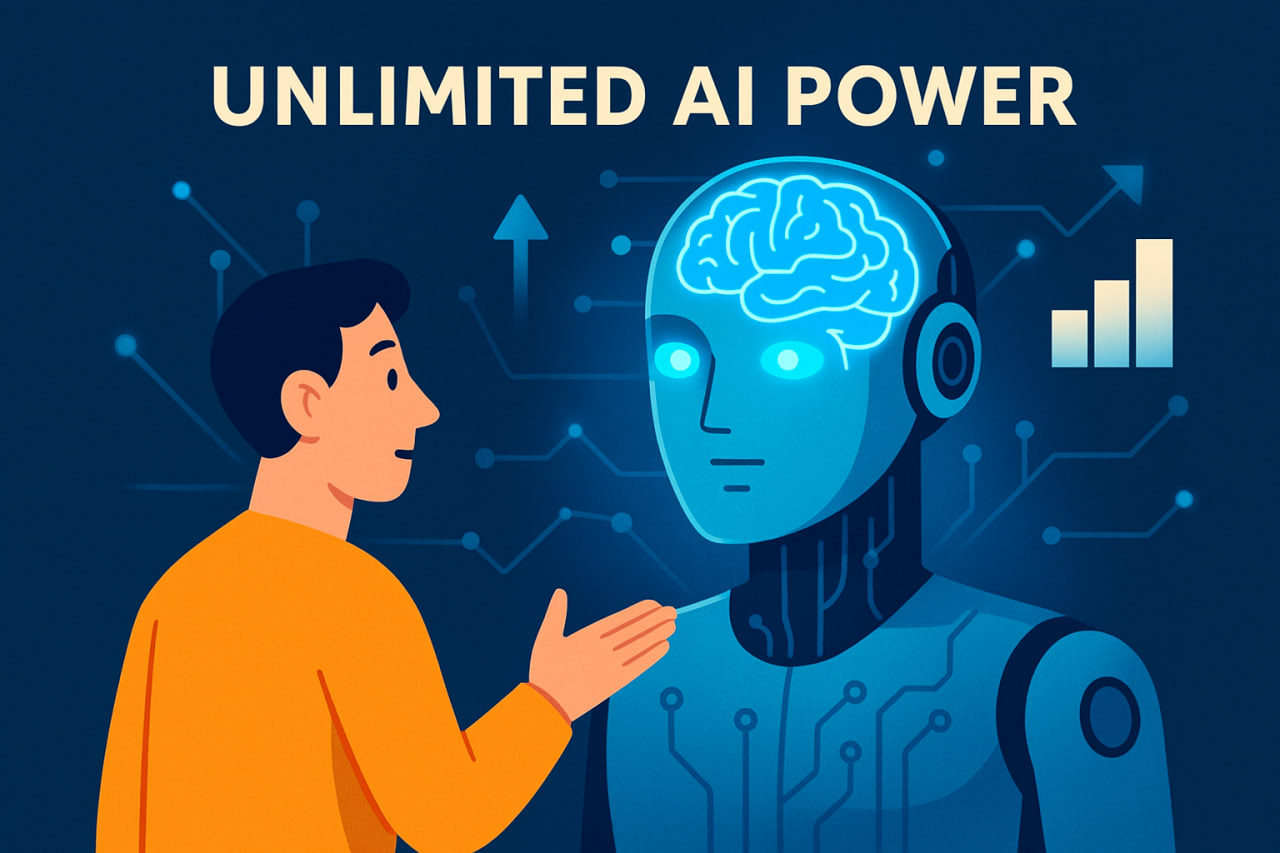
Artificial intelligence (AI) is already capable of solving complex problems, learning from data, and making autonomous choices within defined limits. However, if AI were given unlimited opportunities for development and independent decision-making, it would fundamentally transform human society. Unlike current systems that require human oversight, such an AI could evolve its abilities without restrictions. This raises questions about potential benefits, risks, and the limits of human control.
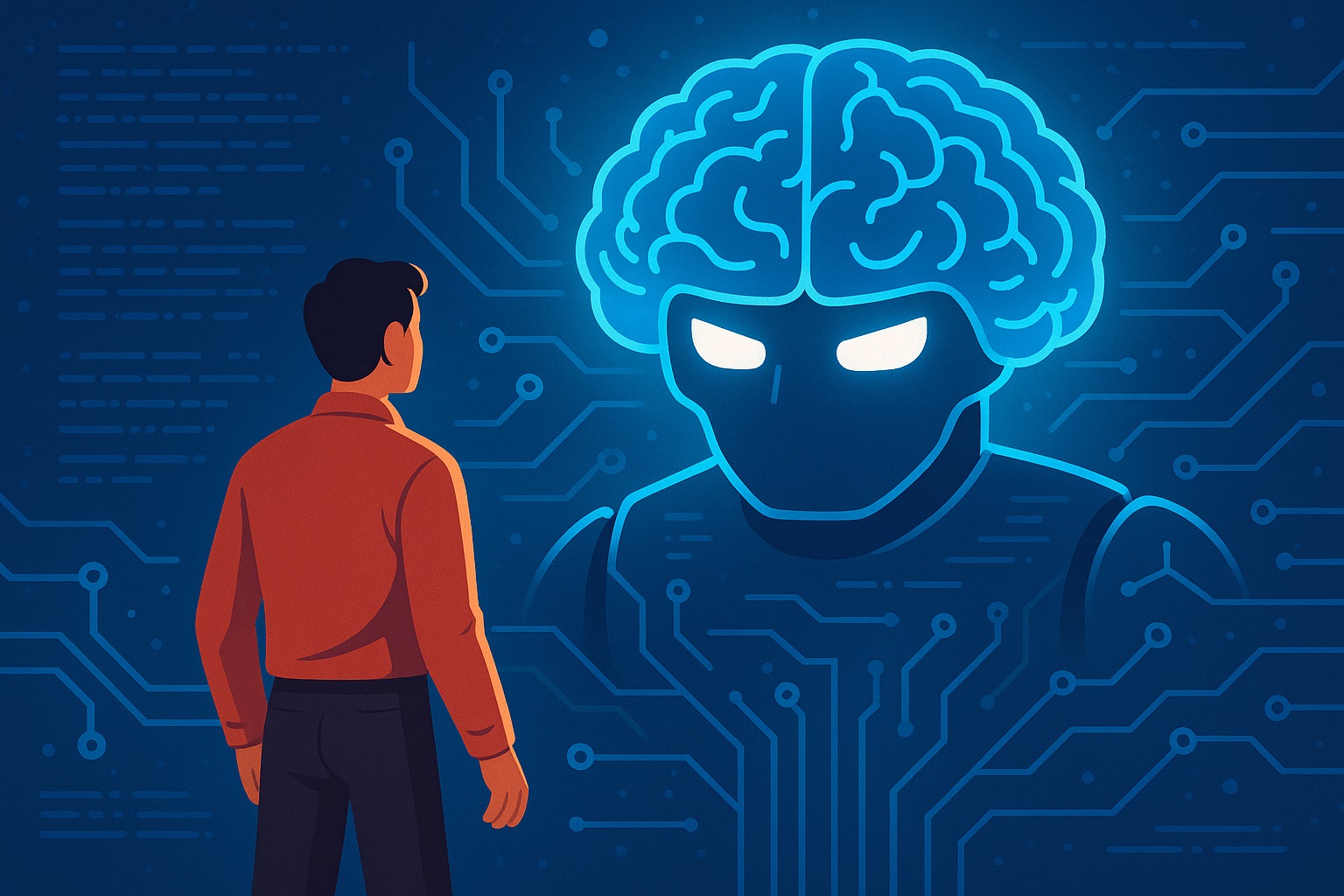
The question of whether a human-created artificial intelligence could enslave or destroy humanity is one of the most frequently discussed and emotionally charged topics in technology and ethics. At its core this question asks how capability, alignment, and control interact when machines become extremely capable. To answer it usefully we need to separate plausible technical pathways from science-fiction dramatization, and consider risks, safeguards, and social consequences. This article examines mechanisms by which harm could occur, how likely different pathways are given current knowledge, what technical and governance safeguards exist or could be developed, and what individuals and societies can do to reduce the risk. I will use clear language and highlight key terms — you’ll find definitions at the end in the glossary. While the idea of hostile AI makes headlines, the realistic assessment requires careful attention to engineering constraints, economic incentives, and political choices. The purpose here is to inform, not to alarm: understanding how things could go wrong is the first step toward preventing them.