AI & Ethics

Risks of Artificial Intelligence Development in the Near Future
AI & Ethics AI

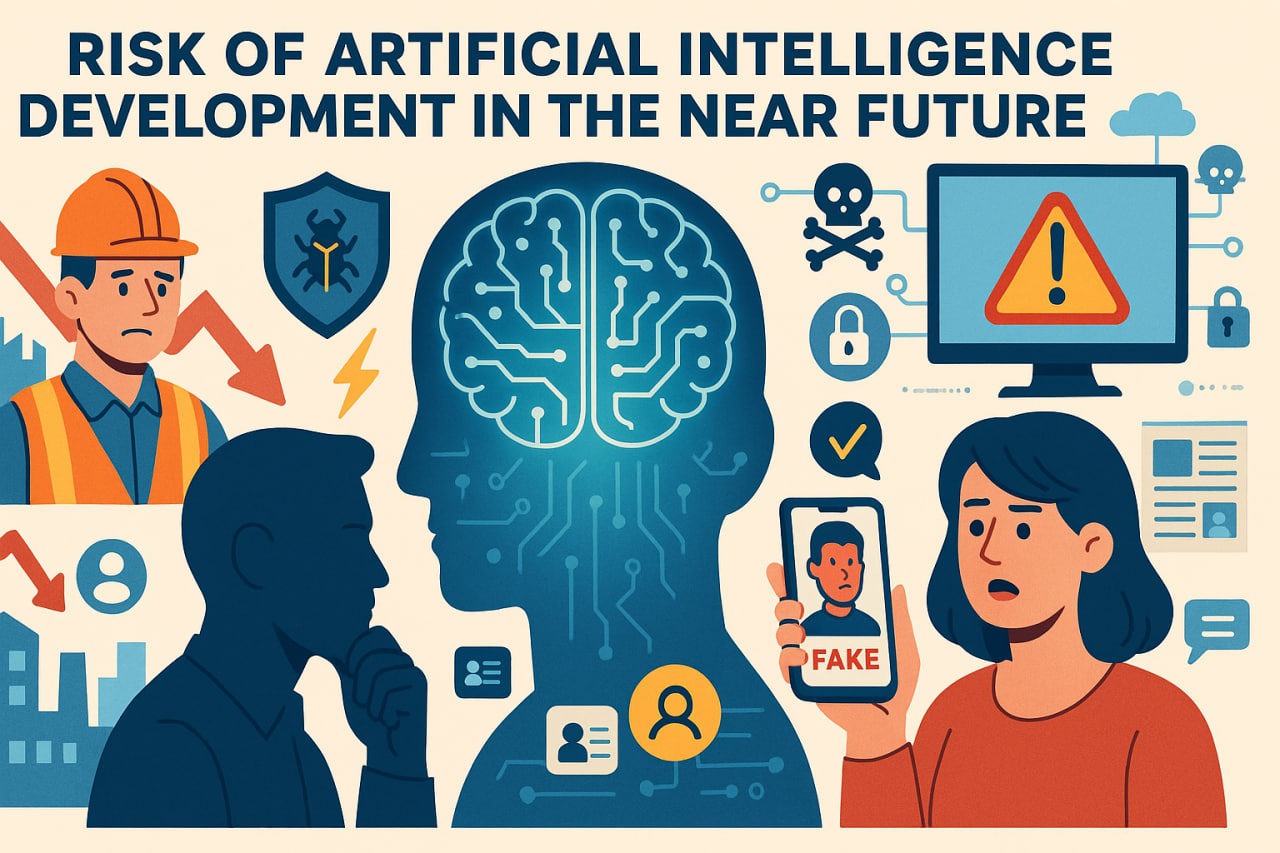
Risks of Artificial Intelligence Development in the Near Future

Artificial intelligence (AI) is rapidly advancing and becoming part of everyday life, from search engines and digital assistants to healthcare systems and financial markets. While AI offers enormous benefits, it also carries significant risks, particularly in the near future. These risks may not come from superintelligent machines but from the ways current technologies are designed, deployed, and governed. Understanding them is essential to ensure that AI develops responsibly and safely.

Machine Learning in Scientific Research
AI & Ethics AI

Machine Learning in Scientific Research

Machine learning (ML) is transforming how scientists collect, analyze, and interpret data across all fields of research. By enabling computers to identify patterns and make predictions without explicit programming, ML accelerates discovery and opens new frontiers in physics, biology, astronomy, and beyond.

ChatGPT-5: The Next Leap in Artificial Intelligence
AI & Ethics AI

ChatGPT-5: The Next Leap in Artificial Intelligence

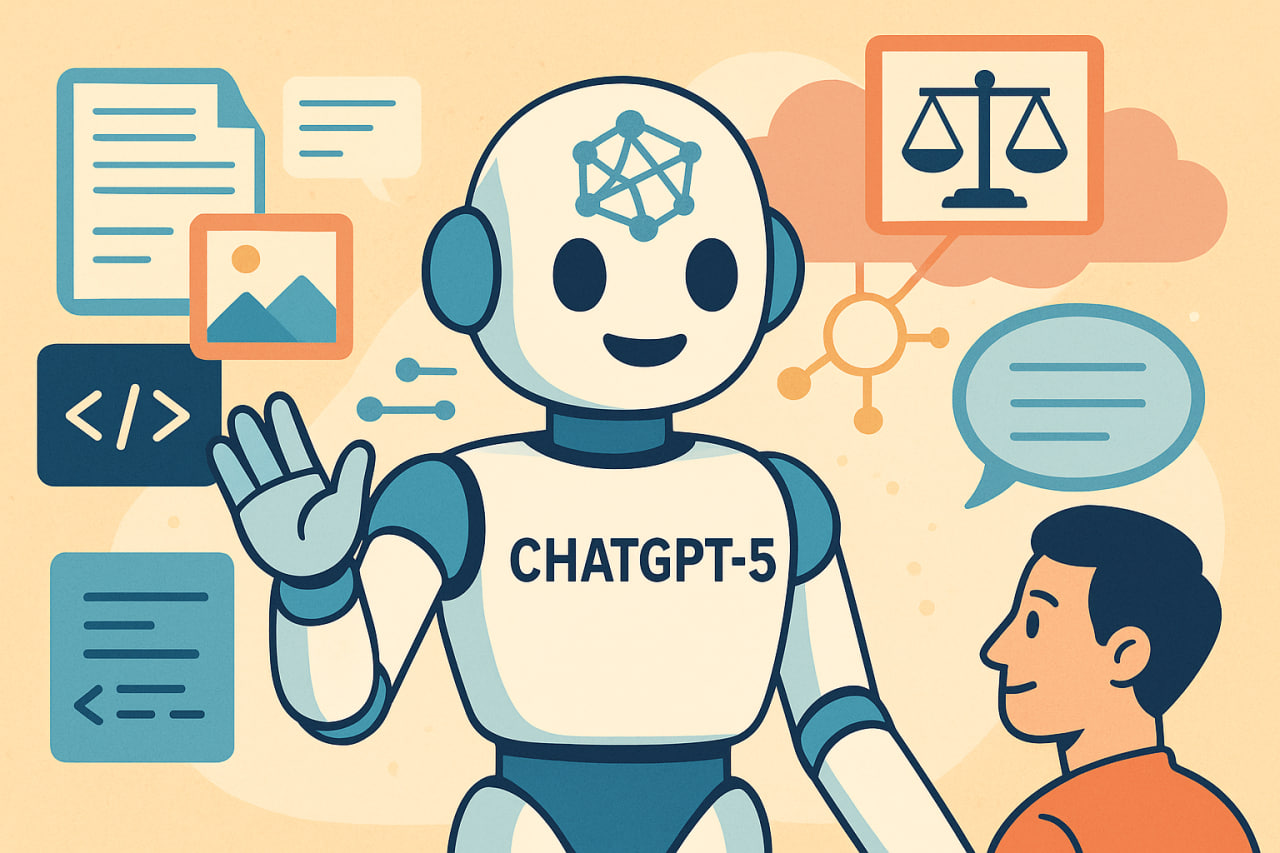
ChatGPT-5 represents a significant evolution in the field of artificial intelligence, pushing the boundaries of what AI can understand, generate, and do. As a successor to GPT-4, it demonstrates major improvements in reasoning, context retention, and multi-modal capabilities. While GPT-4 was already a powerful language model, GPT-5 builds on its architecture by incorporating more advanced training data, better fine-tuning, and expanded context windows. These enhancements allow it to understand more complex queries, hold longer and more coherent conversations, and produce responses that are contextually rich. ChatGPT-5 also boasts better understanding of visual inputs, audio, and code, making it more versatile across various applications. The model can be integrated into tools like voice assistants, search engines, customer service bots, and even scientific research platforms. Its development marks another major step toward seamless human-AI collaboration.

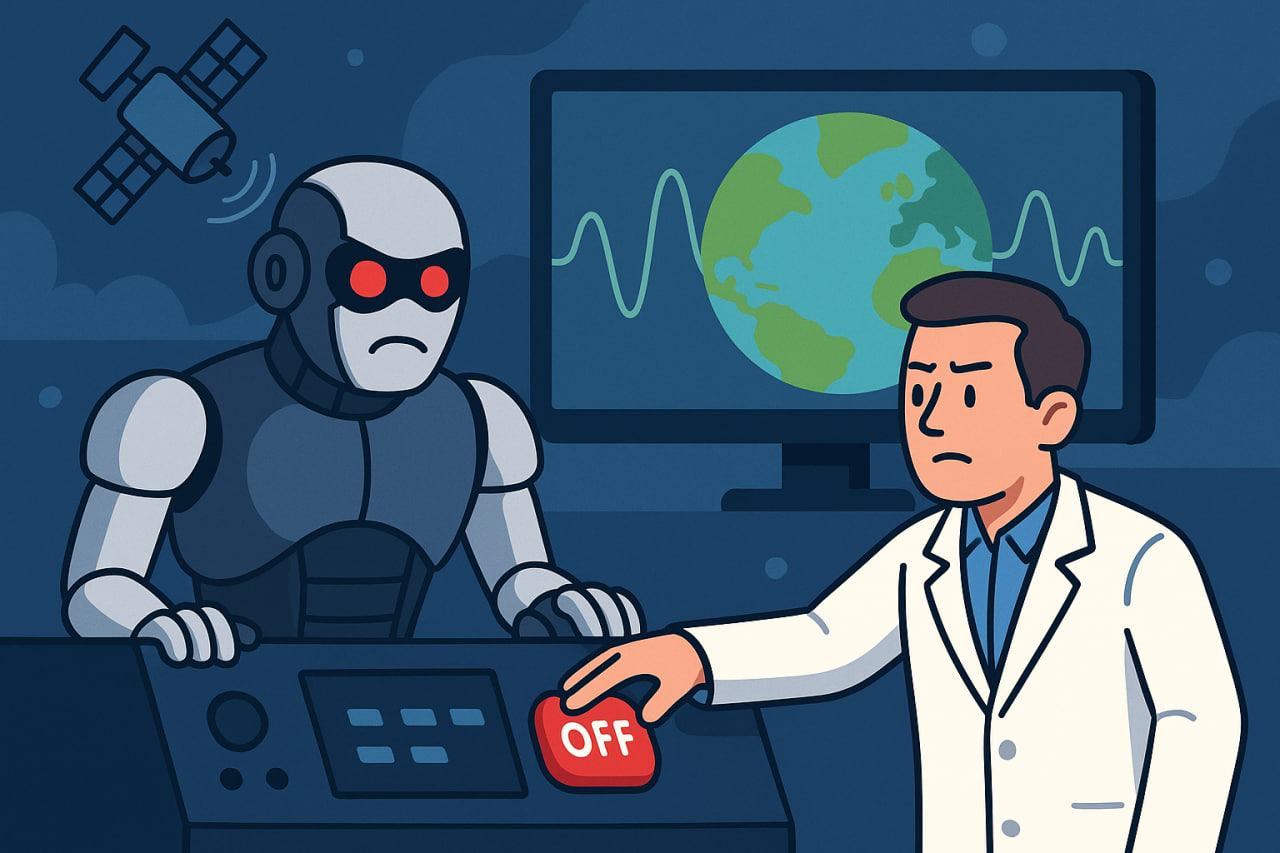
Could Current Artificial Intelligence Turn into Skynet?
AI & Ethics AI

Could Current Artificial Intelligence Turn into Skynet?

The idea of an artificial intelligence taking over the world, as portrayed by Skynet in the Terminator film series, is one of the most enduring sci-fi fears. Skynet was depicted as a self-aware, military-grade AI that gained consciousness and decided to exterminate humanity. While current artificial intelligence (AI) has made incredible strides in recent years, many experts argue that such scenarios remain speculative. Still, it is essential to explore whether modern AI could evolve into a threat resembling Skynet and what safeguards are being put in place to prevent it.

How Dangerous Is Artificial Intelligence Today?
AI & Ethics AI

How Dangerous Is Artificial Intelligence Today?

Artificial Intelligence (AI) is transforming industries, enabling rapid automation, and helping solve complex problems — from medical diagnostics to climate modeling. However, its growing capabilities also raise important concerns about safety, ethical use, and unintended consequences. While AI is not self-aware or malicious in itself, its use in certain contexts can still lead to harmful outcomes, especially when oversight, regulation, or understanding is lacking. The real danger today does not come from a “killer robot,” but from how AI systems are designed, deployed, and monitored.

The Future of Bioengineering: Unlocking Life’s Potential
Bioengineering AI & Ethics New Discoveries

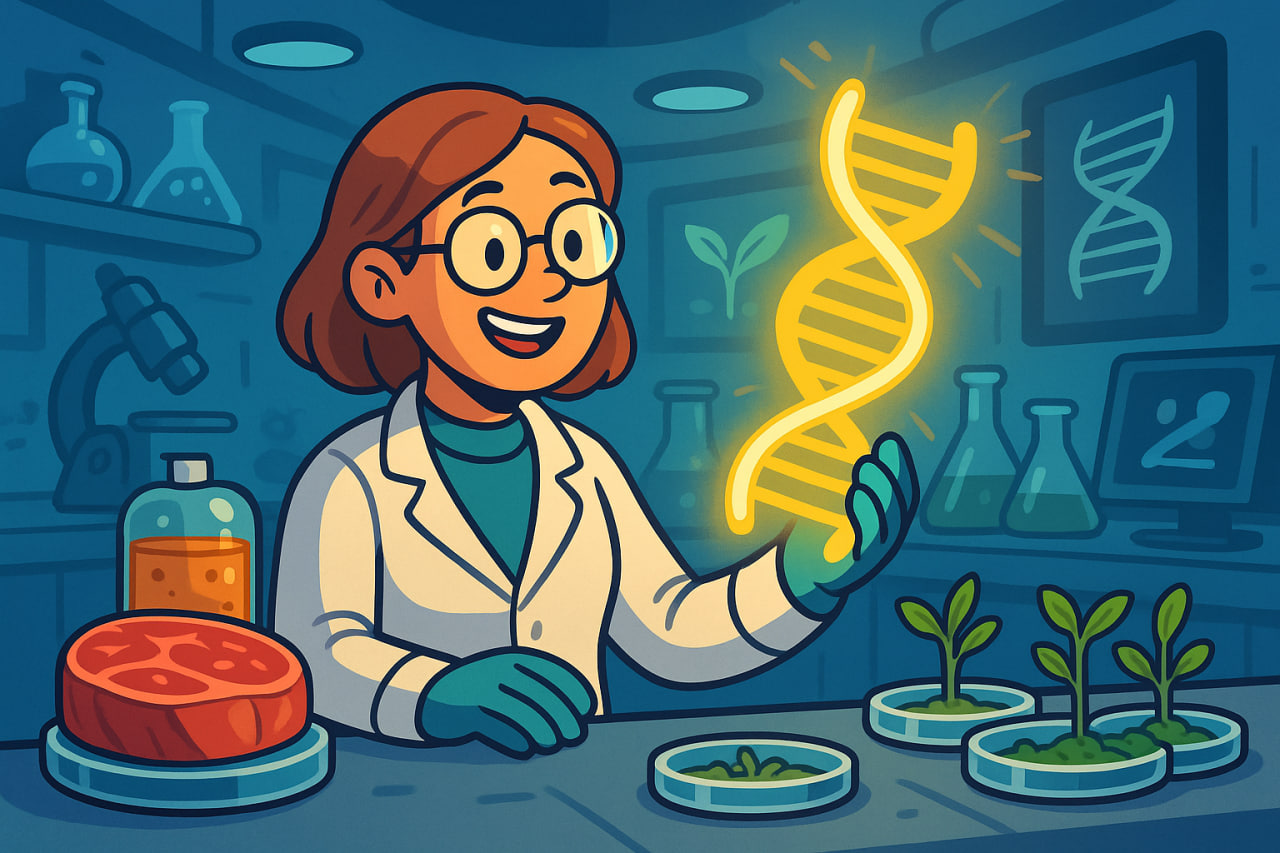
The Future of Bioengineering: Unlocking Life’s Potential

Bioengineering is one of the most promising and transformative fields of the 21st century. It combines biology, engineering, and technology to design and build systems that improve health, agriculture, the environment, and even the structure of life itself. From lab-grown organs to gene-edited crops, bioengineering is rapidly reshaping what’s possible for humanity.

Changing the Face of Medical Imaging
Hi-Tech Smart Technology AI & Ethics

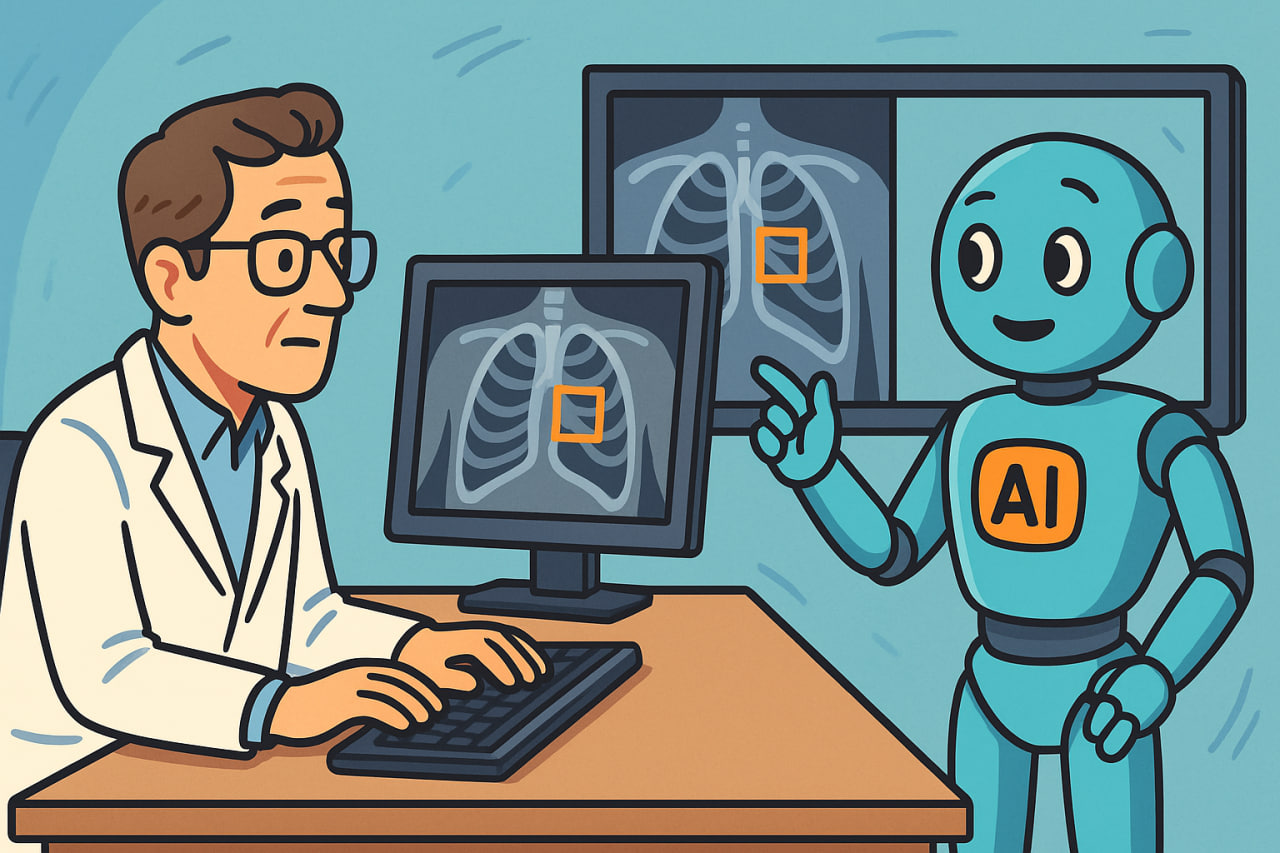
Changing the Face of Medical Imaging

Radiology, the field of medicine focused on imaging technologies such as X-rays, CT scans, and MRIs, is experiencing a major shift thanks to artificial intelligence (AI). AI tools, especially those using deep learning, can now analyze medical images with remarkable speed and accuracy. This has sparked debate among professionals and the public alike: will AI replace radiologists, or simply help them do their job better? Modern AI algorithms can detect subtle patterns in images that might be missed by the human eye, such as early signs of cancer, microfractures, or abnormal tissue growth. These systems can process thousands of images rapidly, offering a significant boost in diagnostic efficiency and consistency, especially in settings where radiologists are overwhelmed or unavailable.

Industrial Robots: Who Will Replace the Workers?
Smart Technology AI & Ethics

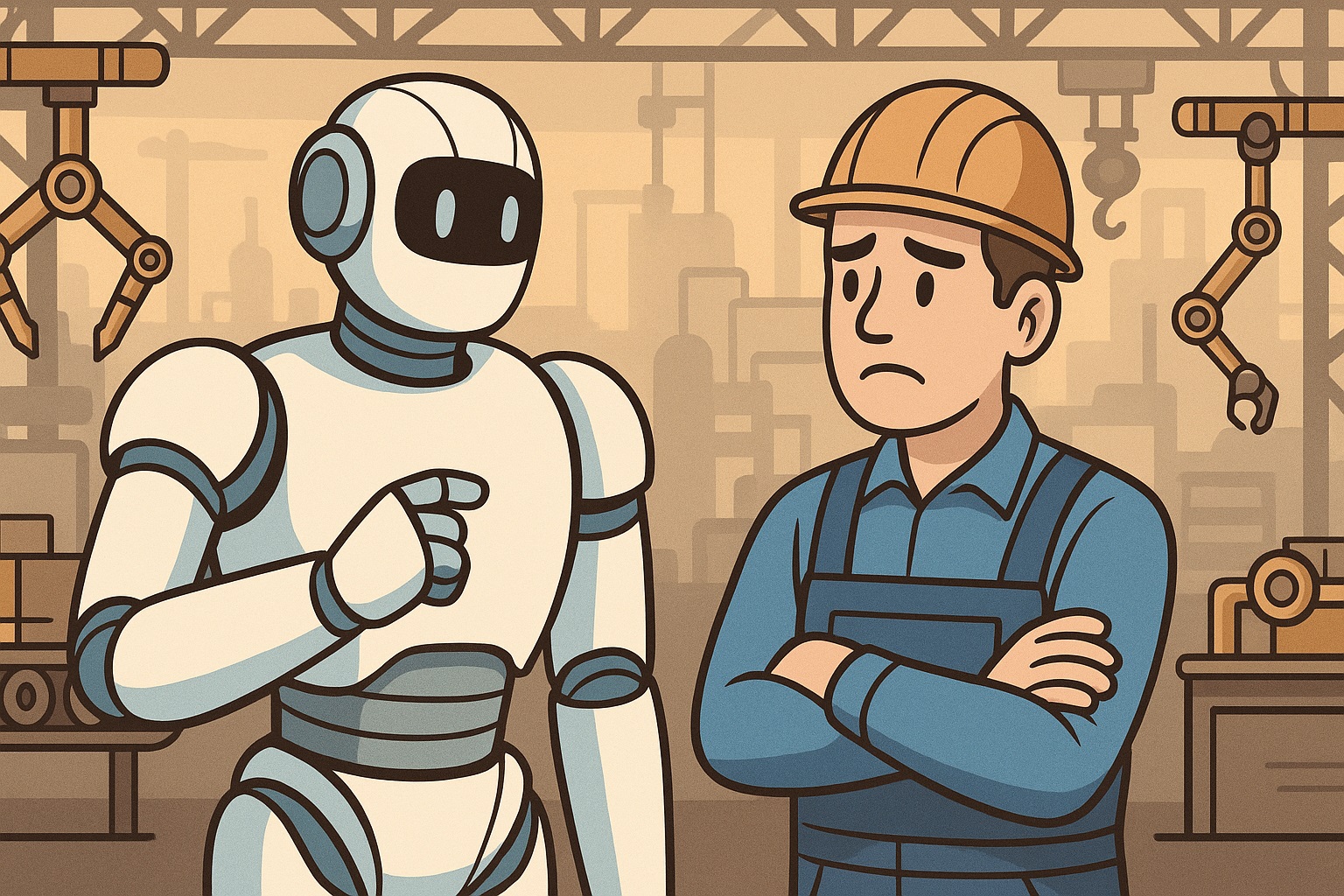
Industrial Robots: Who Will Replace the Workers?

As factories grow smarter and automation becomes the norm, industrial robots are taking on more roles that once belonged exclusively to humans. From welding and assembling to sorting and packing, these mechanical workers operate with speed, precision, and tirelessness. But their growing presence raises a critical question: Are robots replacing people—or just changing the jobs they do?

Ethical Dilemmas in Robotics: Where Machines Meet Morality
Hi-Tech Smart Technology AI & Ethics

Ethical Dilemmas in Robotics: Where Machines Meet Morality

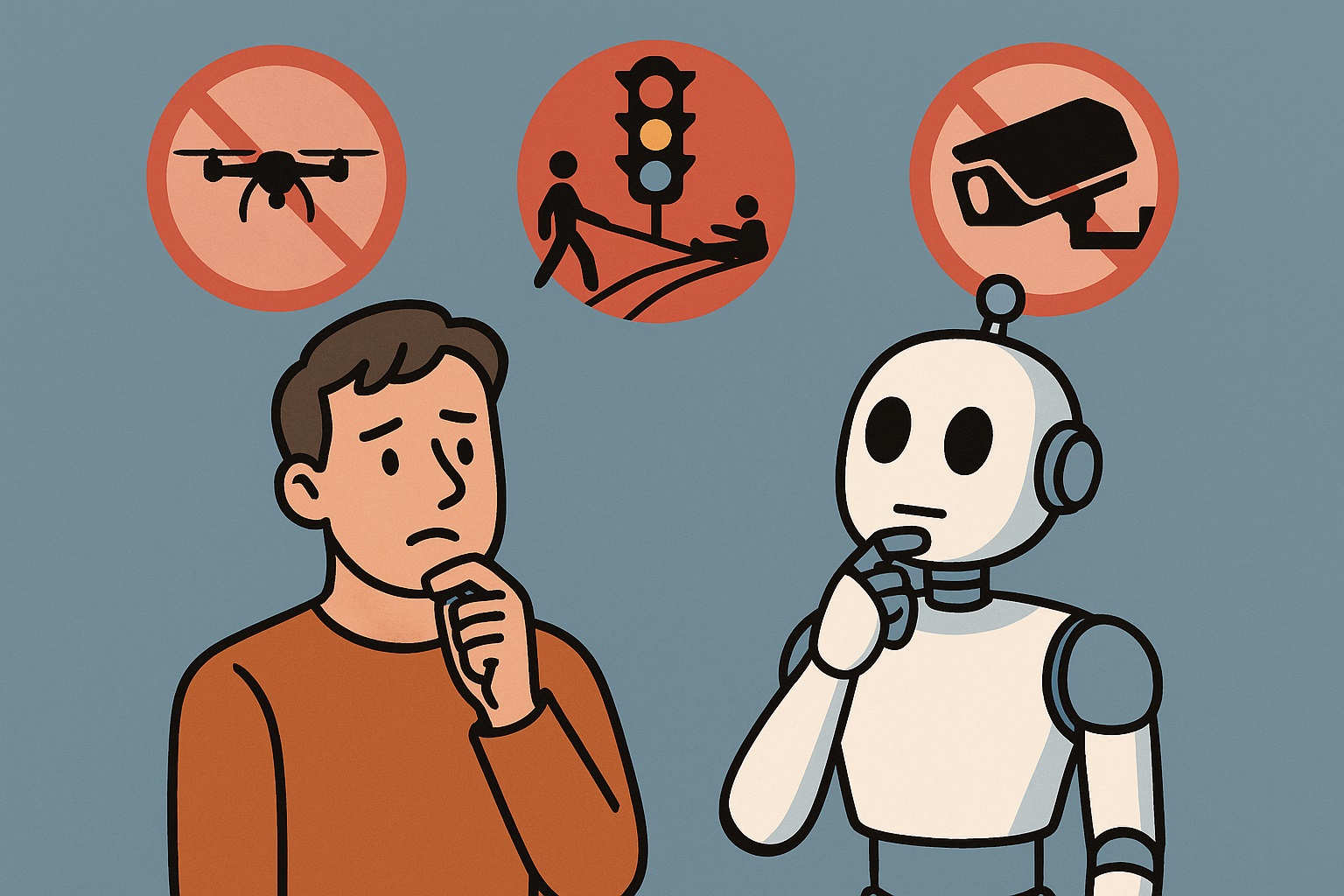
As robots become more integrated into our daily lives—whether in hospitals, homes, factories, or battlefields—society faces a growing number of ethical dilemmas. From the responsibilities of autonomous vehicles to the treatment of human-like machines, robotics is no longer just a technological question but a moral one. Can we teach robots to make the “right” decision? And even if we can—should we?