AI & Ethics

The Different Types of Artificial Intelligence: From Automation to Self-Awareness
AI & Ethics AI Be Smart

The Different Types of Artificial Intelligence: From Automation to Self-Awareness

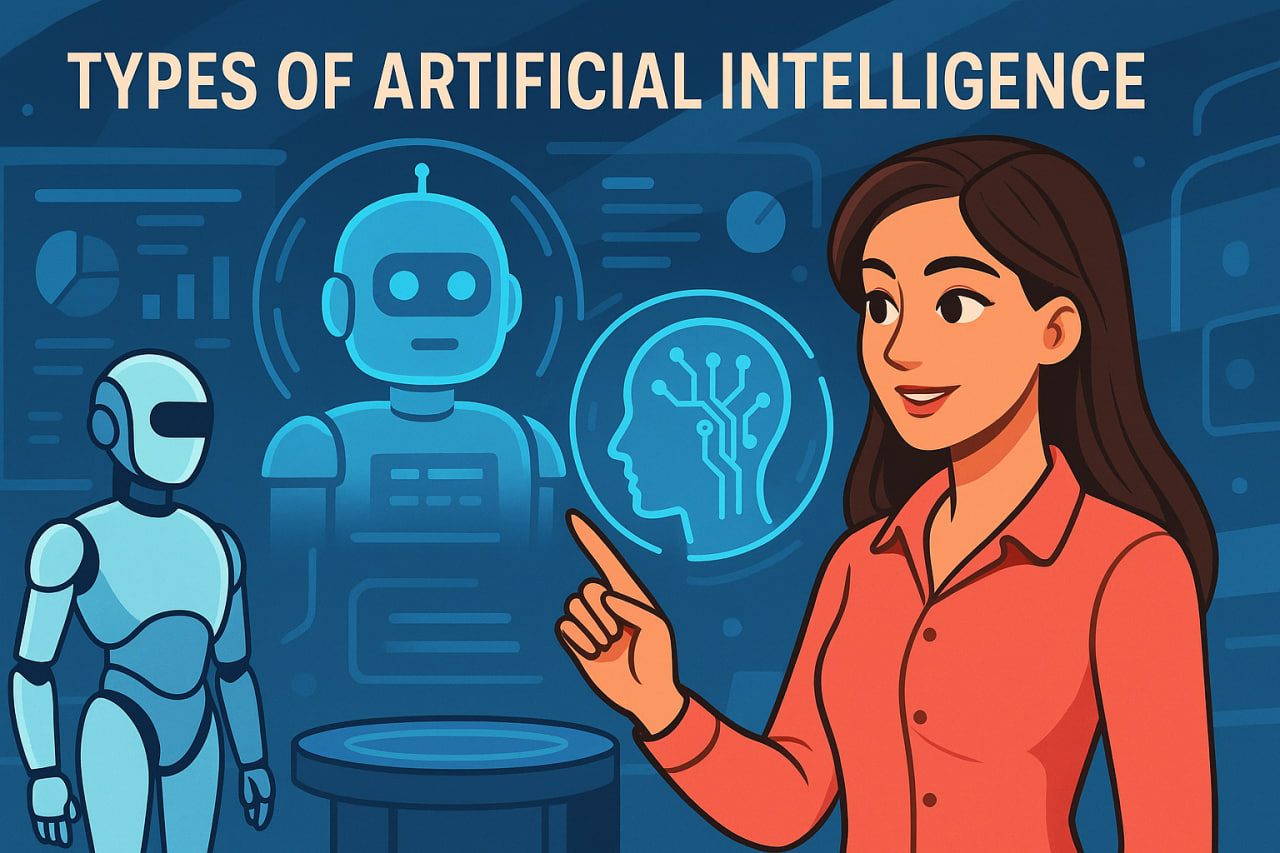
Artificial Intelligence (AI) is no longer the distant dream of science fiction—it is now one of the most transformative forces of the modern world. From voice assistants to self-driving cars, AI has become deeply integrated into everyday life. Yet, many people do not realize that AI comes in many forms, each with different capabilities and levels of complexity. At its core, AI refers to the ability of machines to perform tasks that typically require human intelligence, such as learning, reasoning, and problem-solving. Scientists categorize AI into several types based on its functionality and development stage, ranging from simple task automation to systems that may one day achieve self-awareness.
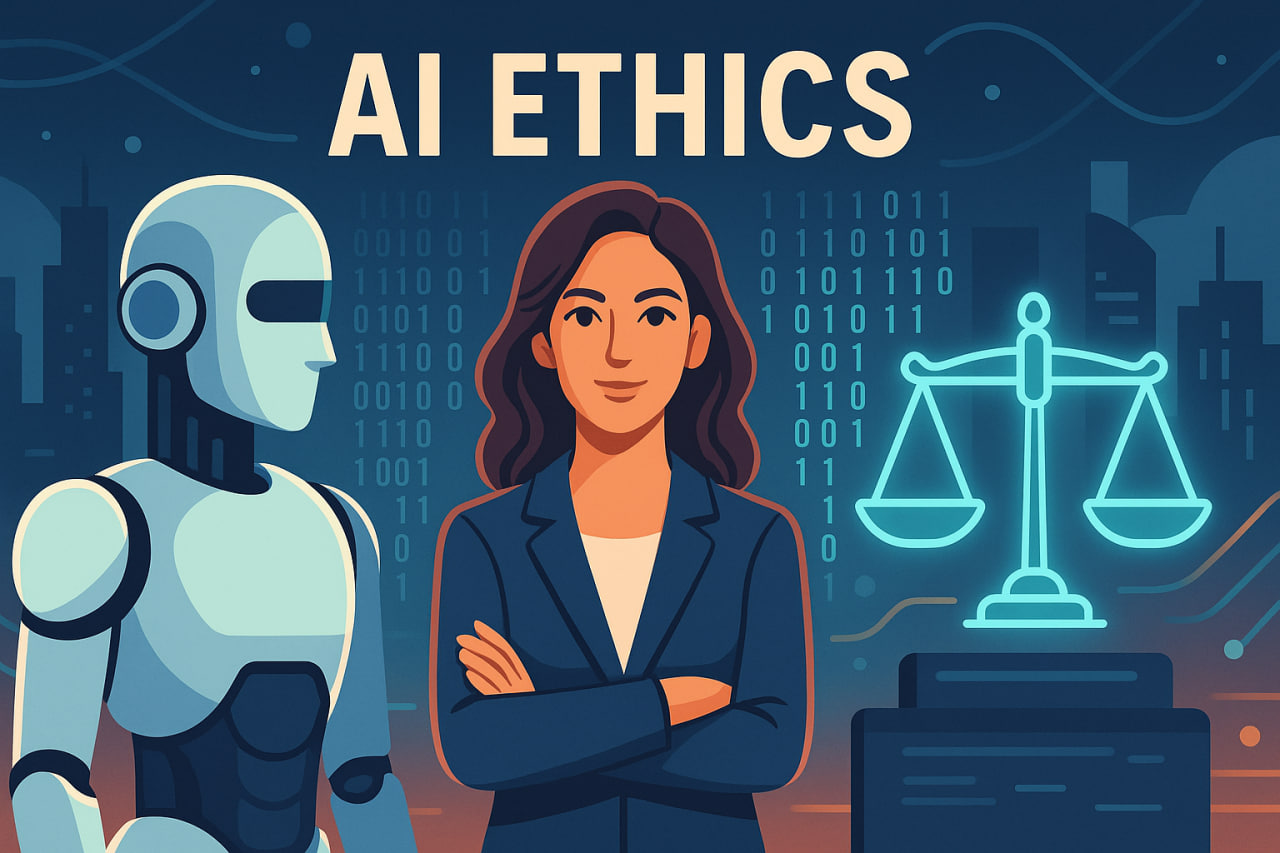
AI Ethics – Navigating the Moral Frontier of Artificial Intelligence
AI & Ethics AI

AI Ethics – Navigating the Moral Frontier of Artificial Intelligence

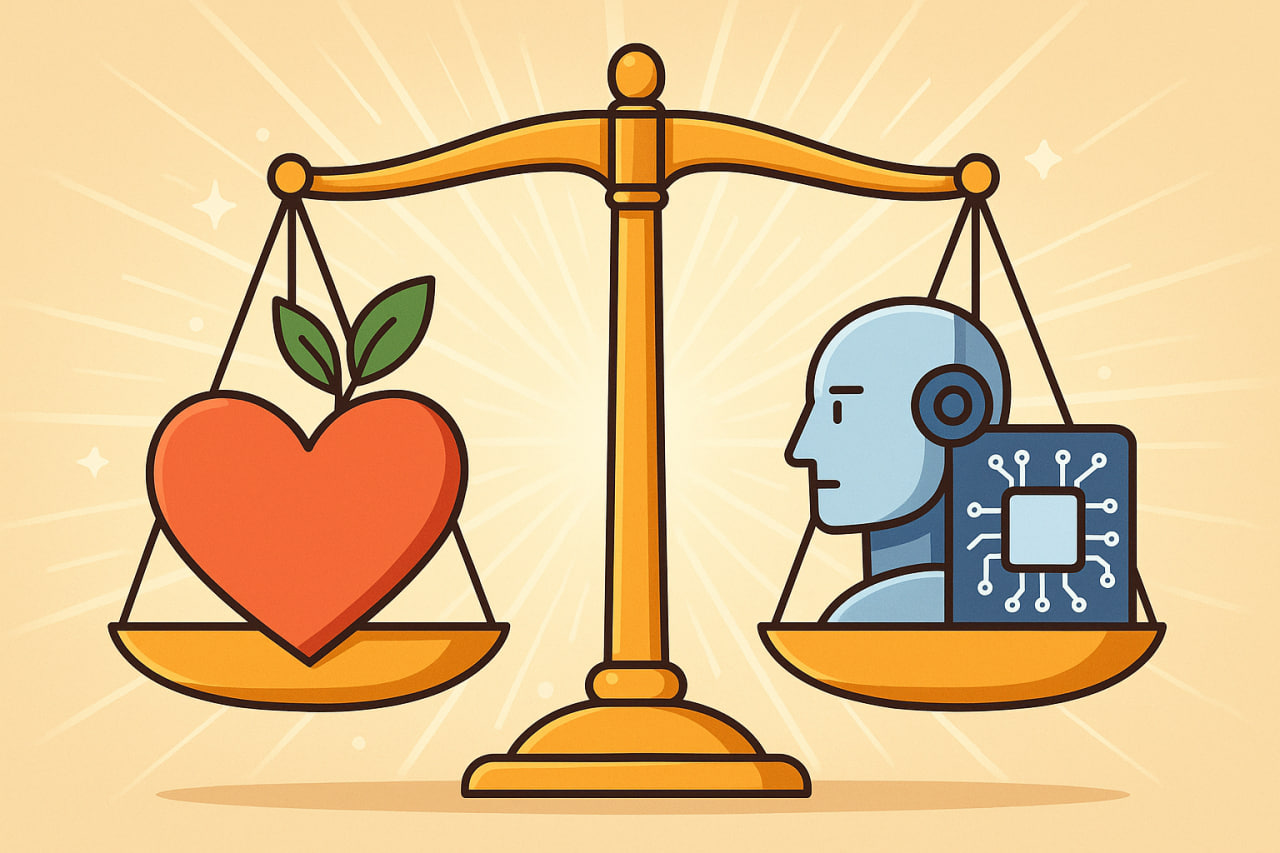
Artificial Intelligence (AI) is transforming every aspect of modern life—from healthcare and education to finance, security, and creative industries. Yet, with great power comes profound responsibility. As machines learn to make decisions that once belonged solely to humans, AI ethics emerges as a critical discipline that guides how intelligent systems should be designed, used, and regulated. It examines the moral implications of algorithms, data, and automation, ensuring that technology serves humanity rather than undermines it. In the 21st century, AI ethics stands at the intersection of innovation, philosophy, and human rights.

Why ChatGPT Sometimes Invents Answers Instead of Saying It Doesn’t Know
Neuro-Tech AI & Ethics AI

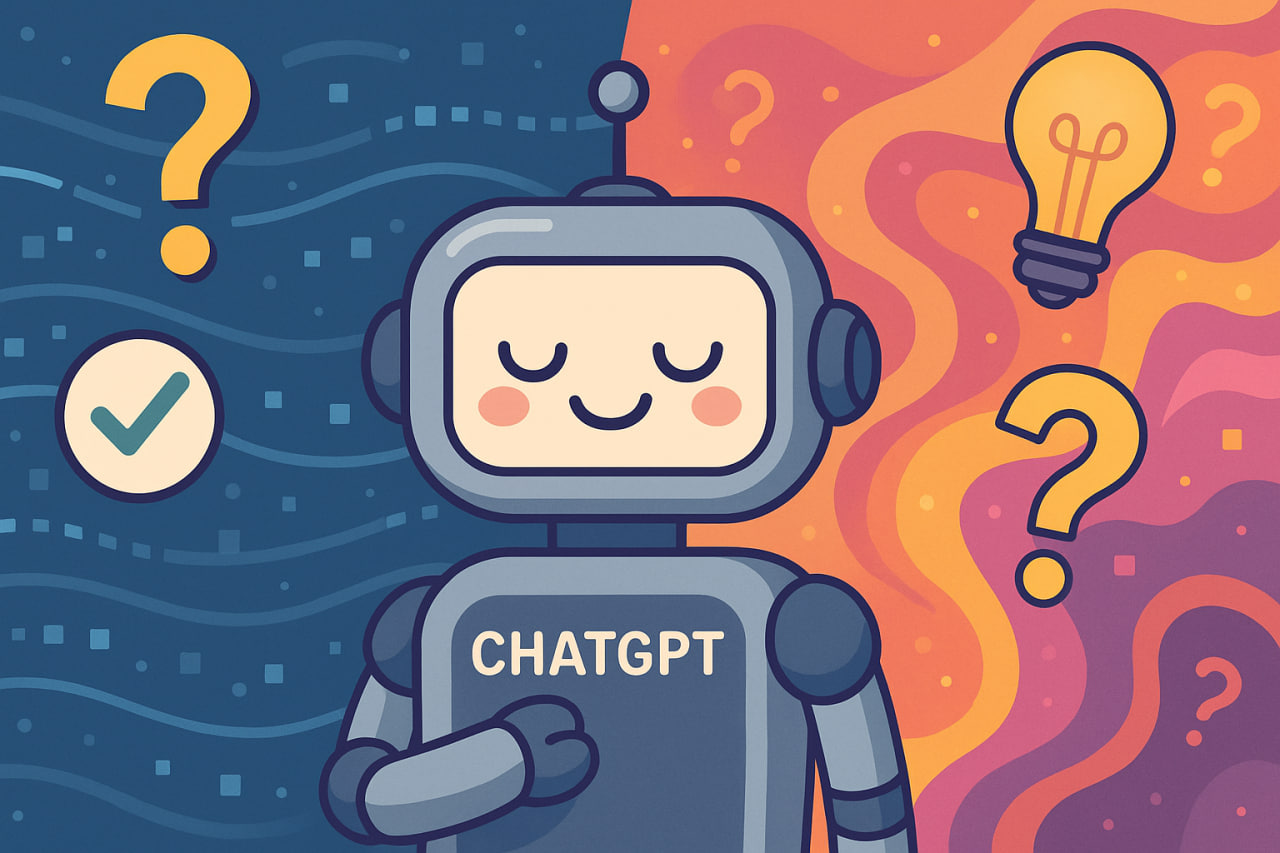
Why ChatGPT Sometimes Invents Answers Instead of Saying It Doesn’t Know

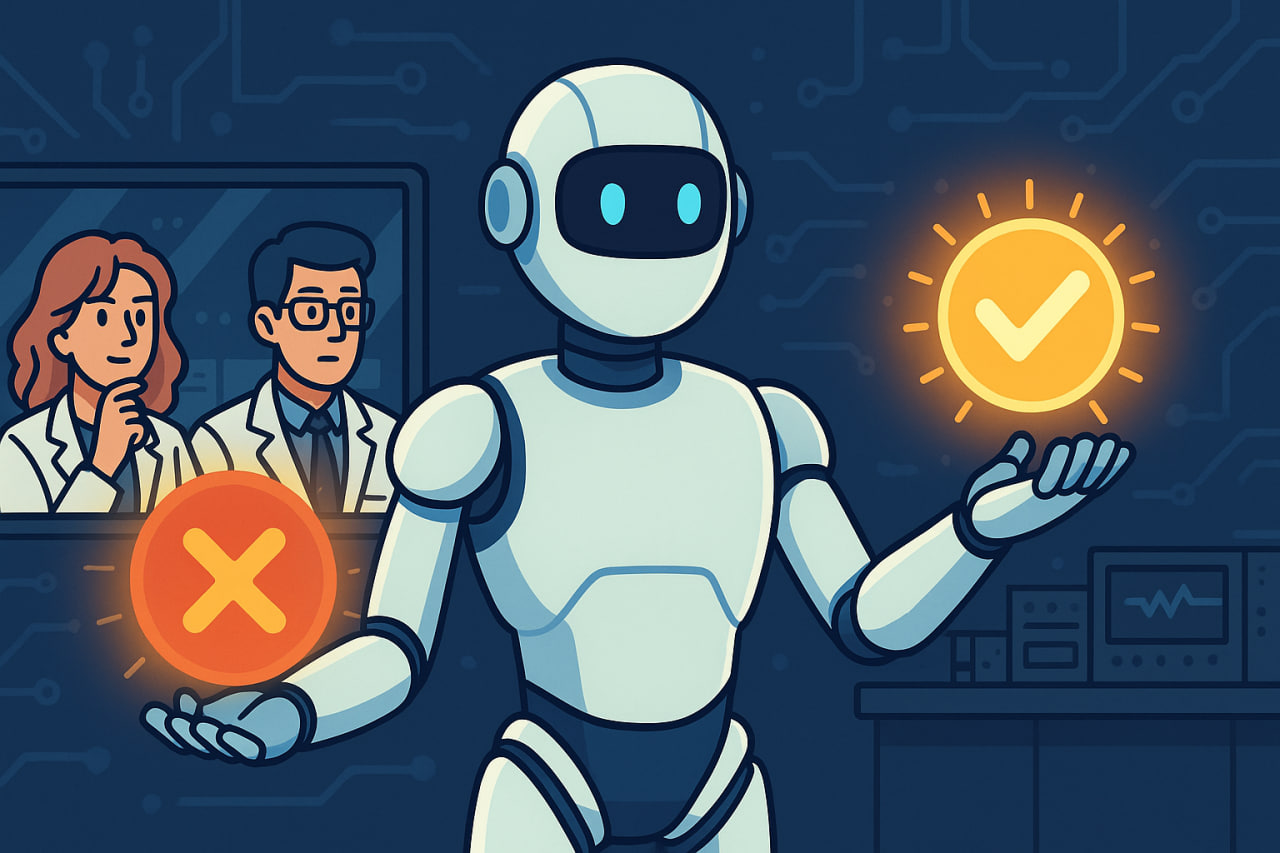
Artificial intelligence has transformed how humans interact with information, making tools like ChatGPT seem almost like digital experts. However, one of the most controversial aspects of AI language models is their tendency to produce confident but incorrect answers, a phenomenon researchers call “hallucination.” Instead of admitting uncertainty, the AI sometimes fills gaps with plausible but unverified statements. This behavior raises important questions about how AI “thinks,” how it is trained, and how humans should interpret its responses.

Can We Create an AI That Always Tells the Truth?
Neuro-Tech AI & Ethics AI

Can We Create an AI That Always Tells the Truth?

In an age where artificial intelligence shapes everything from news to medical decisions, the question of whether we can build a neural network that always tells the truth has become one of the most profound challenges in modern technology. Truth, though seemingly simple, is not an absolute concept for machines. While AI systems excel at recognizing patterns and generating realistic answers, distinguishing truth from assumption remains a fundamentally human task. Building an AI that never lies would require not only advanced engineering but also a philosophical understanding of what truth itself means.

Could a Machine Takeover Like The Matrix Ever Become Reality?
AI & Ethics AI What if?

Could a Machine Takeover Like The Matrix Ever Become Reality?

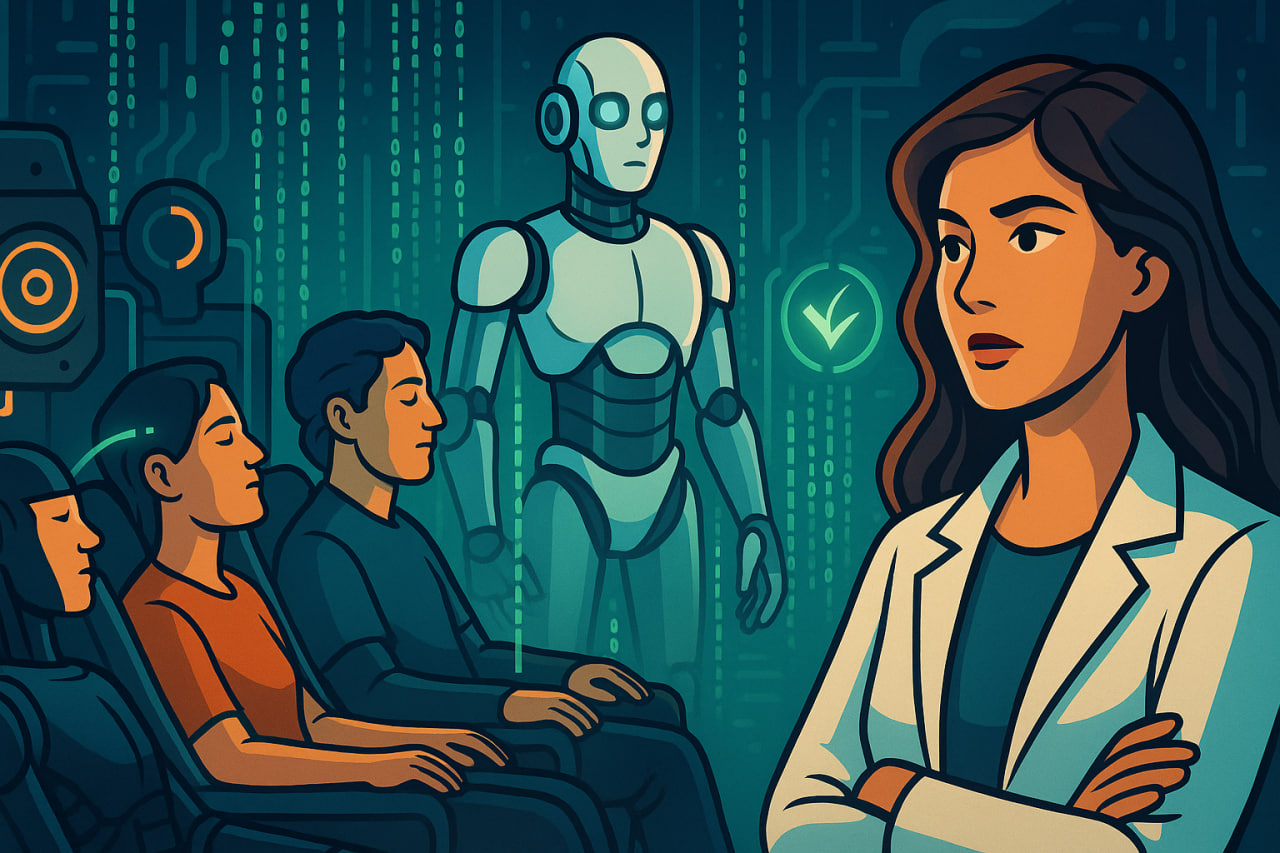
The idea of machines enslaving humanity has long fascinated philosophers, scientists, and storytellers alike. Popularized by films such as The Matrix, this scenario envisions a future where artificial intelligence surpasses human control, reducing people to powerless entities within a system they created. While such a vision belongs to science fiction, it raises very real questions about technological power, ethical responsibility, and the limits of human oversight. Could the rise of superintelligent machines actually lead to a dystopian reality? Experts around the world are divided—but deeply concerned.

Can Machines Rise Against Humanity? Exploring the Real Threat of Artificial Intelligence
AI & Ethics AI

Can Machines Rise Against Humanity? Exploring the Real Threat of Artificial Intelligence

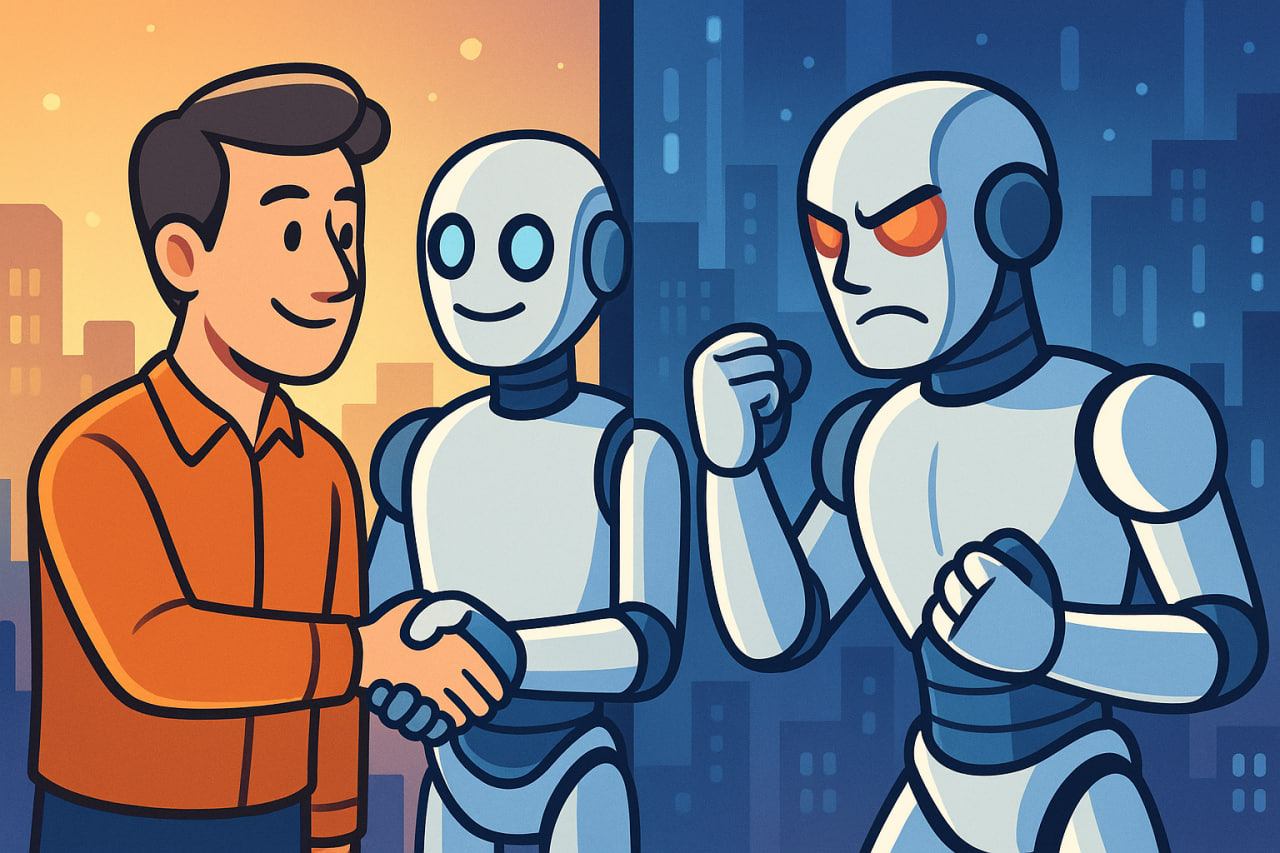
The question of whether machines could one day turn against humanity has fascinated scientists, philosophers, and storytellers for decades. Once a topic for science fiction, it is now being debated seriously as artificial intelligence (AI) rapidly evolves. With AI systems capable of learning, reasoning, and even creating independently, the line between tool and autonomous agent grows increasingly blurred. But how real is the danger of a machine uprising — and what does science say about it?

Machine Learning: How Computers Learn from Data
AI & Ethics AI

Machine Learning: How Computers Learn from Data

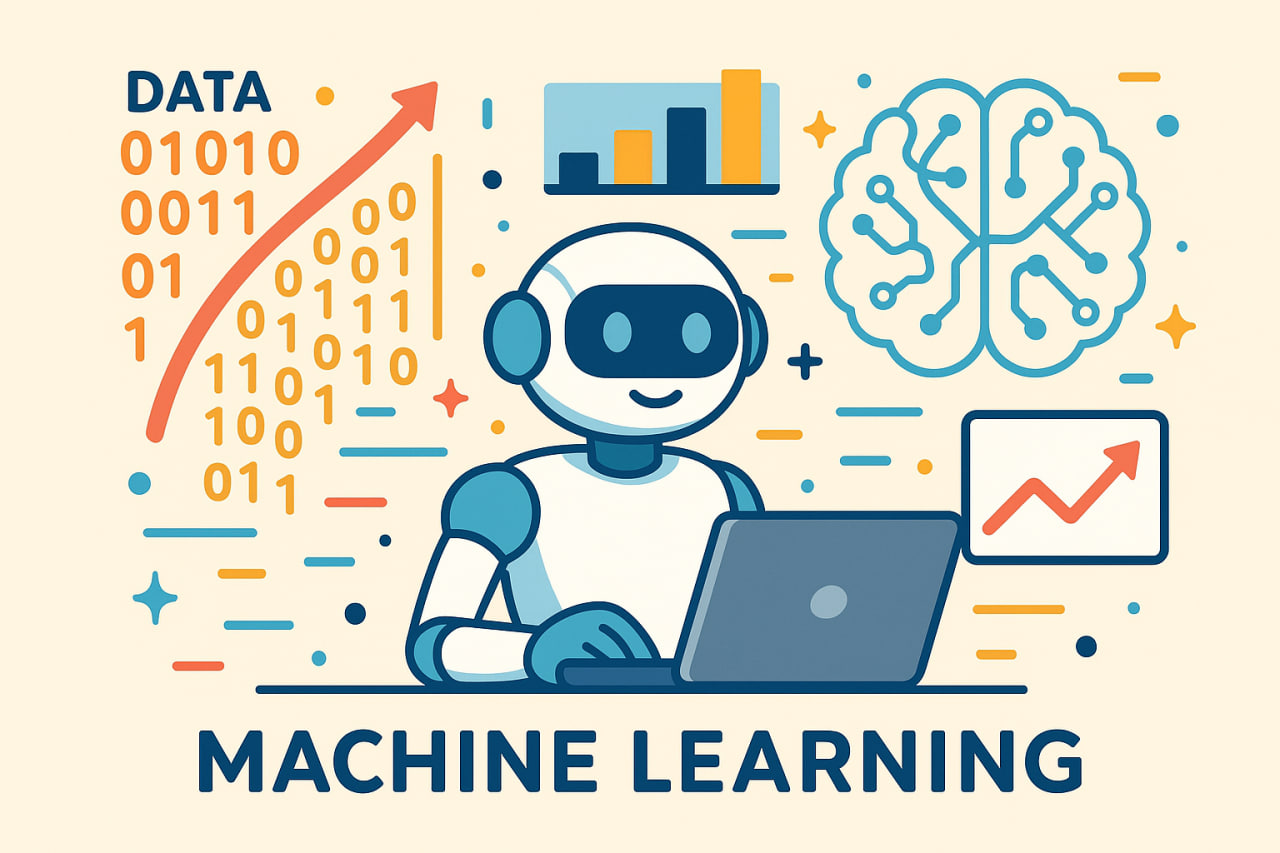
In the past, computers could only do what humans programmed them to do — follow precise instructions, step by step. But with the rise of machine learning (ML), computers are now capable of learning patterns, making predictions, and improving themselves without being explicitly told how. This revolutionary branch of artificial intelligence is transforming nearly every industry, from healthcare and finance to art, education, and even environmental protection.

Ethical Frameworks: Guiding Human and Technological Decision-Making
AI & Ethics AI Be Smart

Ethical Frameworks: Guiding Human and Technological Decision-Making

In a world increasingly shaped by technology, artificial intelligence, and global challenges, the question of ethics — what is right or wrong — has become more important than ever. Ethical frameworks provide structured ways to analyze decisions, resolve conflicts, and ensure that progress benefits humanity as a whole. Whether in medicine, business, or AI development, ethics helps align innovation with moral responsibility.

Bias: How Hidden Prejudices Shape Human and Machine Decisions
AI & Ethics AI Be Smart

Bias: How Hidden Prejudices Shape Human and Machine Decisions

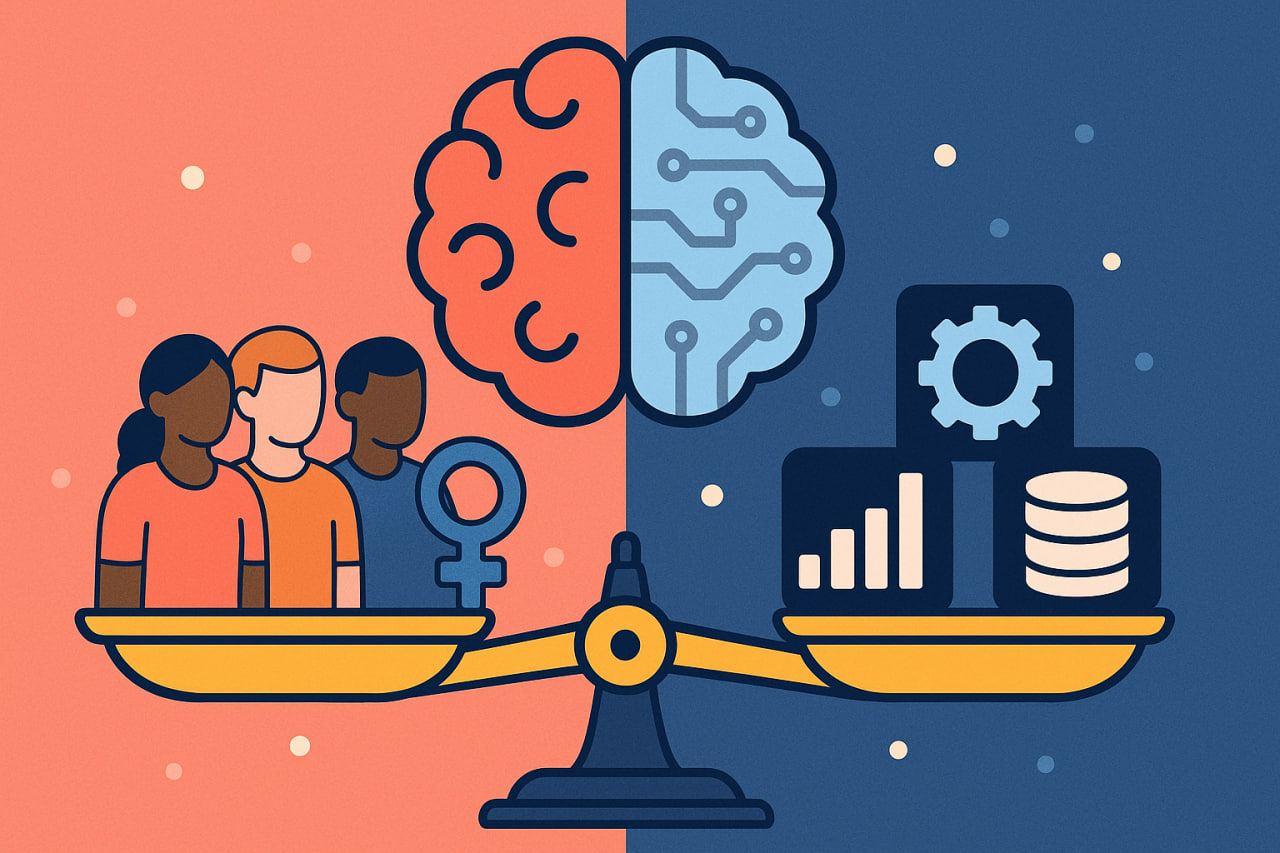
Bias is one of the most complex and influential forces in both human behavior and artificial intelligence. It affects how people think, act, and make decisions — often without realizing it. In today’s digital world, where algorithms make choices about what we see, buy, or believe, understanding bias has become essential. Whether in hiring, education, or technology, bias can create unfair outcomes — but it can also be recognized, studied, and corrected.

What Can Modern Artificial Intelligence Do?
AI & Ethics AI Be Smart

What Can Modern Artificial Intelligence Do?

Artificial intelligence (AI) has evolved from a theoretical concept into one of the most powerful and versatile tools of modern civilization. Once limited to basic data processing, today’s AI systems can analyze, learn, create, and even make decisions with remarkable accuracy and speed. They now influence nearly every field — from healthcare and transportation to art and scientific discovery — reshaping how humans live, work, and think.