AI & Ethics

Quantum Neural Networks: The Future of Intelligent Computing
Neuro-Tech AI & Ethics AI

Quantum Neural Networks: The Future of Intelligent Computing

Quantum neural networks (QNNs) represent a cutting-edge fusion of quantum computing and artificial intelligence. While classical neural networks process information using traditional bits (0s and 1s), quantum systems use qubits, which can exist in multiple states simultaneously thanks to superposition. This fundamental difference opens the possibility for dramatically enhanced computational power in certain tasks. Researchers believe that quantum neural networks could one day solve problems too complex for even the most advanced classical supercomputers. Although still largely experimental, QNNs are attracting significant attention in physics, computer science, and AI research. Understanding how they work requires exploring both quantum mechanics and machine learning principles.
Small Language Models: Compact AI With Practical Power
Smart Technology AI & Ethics AI

Small Language Models: Compact AI With Practical Power

Small language models (SLMs) are artificial intelligence systems designed to process and generate text like large language models, but with significantly fewer parameters and lower computational requirements. While large models dominate headlines due to their scale, smaller models offer important advantages in efficiency, speed, and accessibility. They are particularly valuable in environments where computing resources are limited, such as mobile devices, embedded systems, or private enterprise servers. Instead of competing purely on size, small language models focus on optimization, specialization, and deployment flexibility. As AI adoption expands globally, compact models are becoming increasingly relevant in real-world applications.

Open Source in AI: The Race Between Tech Giants and the Public
AI & Ethics AI Be Smart

Open Source in AI: The Race Between Tech Giants and the Public

Open source in artificial intelligence has become one of the most debated topics in modern technology. On one side stand large technology corporations investing billions into proprietary AI systems; on the other, researchers, startups, and independent developers advocating for open models and transparent development. This dynamic creates a tension between commercial control and public accessibility. Open-source AI promises democratization of innovation, but it also raises concerns about safety, misuse, and competitive advantage. As artificial intelligence reshapes economies and societies, the balance between openness and regulation becomes increasingly significant. Understanding this landscape requires examining both the opportunities and the risks.

How “Branch in New Chat” in ChatGPT Works
AI & Ethics AI Be Smart

How “Branch in New Chat” in ChatGPT Works

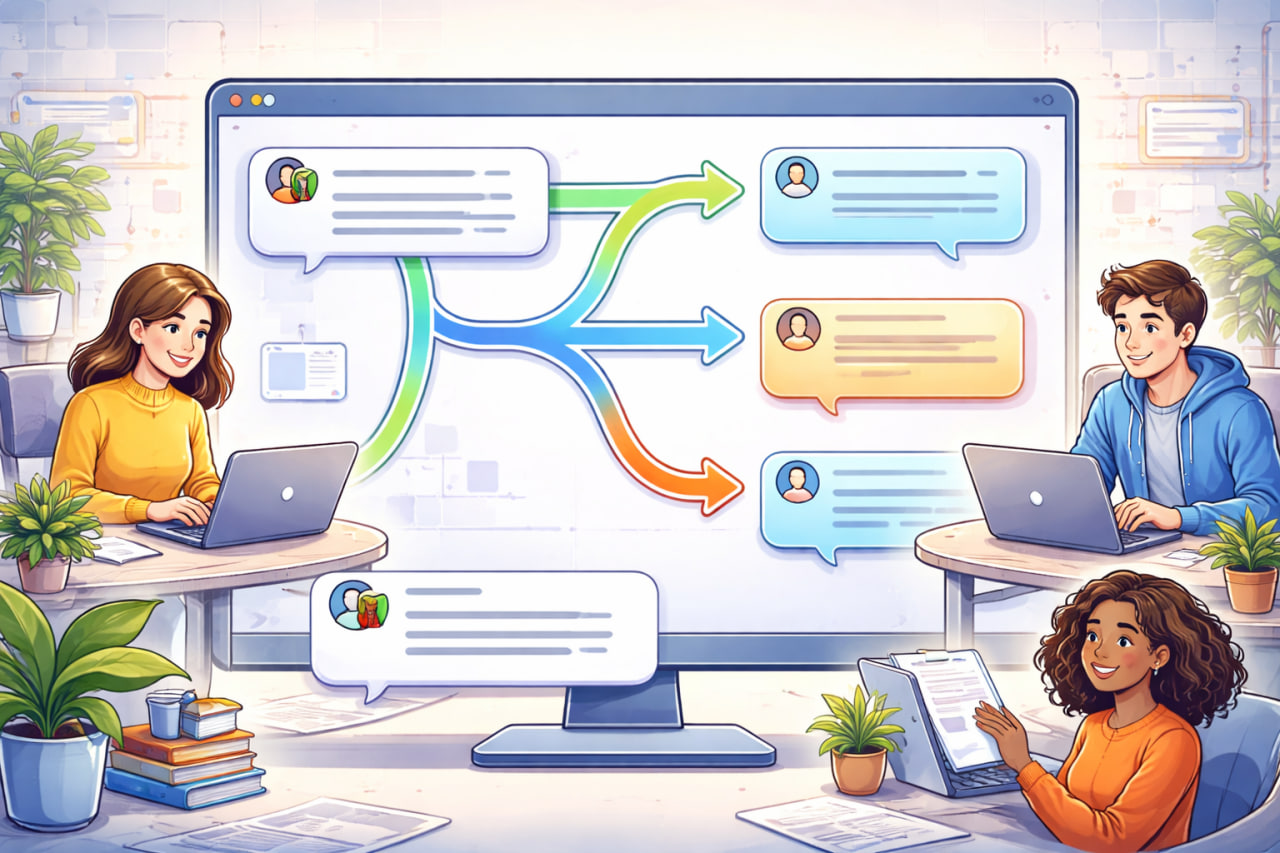
The “Branch in new chat” feature allows users to continue a conversation from a chosen point while keeping the original dialogue unchanged. Instead of restarting from scratch or copying context manually, branching creates a parallel conversation that inherits the discussion up to a specific message. From that moment on, the new chat develops independently. This approach makes it possible to explore alternative ideas, structures, or strategies without disrupting the original thread. In essence, branching turns a single conversation into multiple parallel paths. It is a powerful organizational tool rather than a change in how answers are generated.

Will the Development of Artificial Intelligence Take Jobs Away from People?
AI & Ethics AI Be Smart

Will the Development of Artificial Intelligence Take Jobs Away from People?

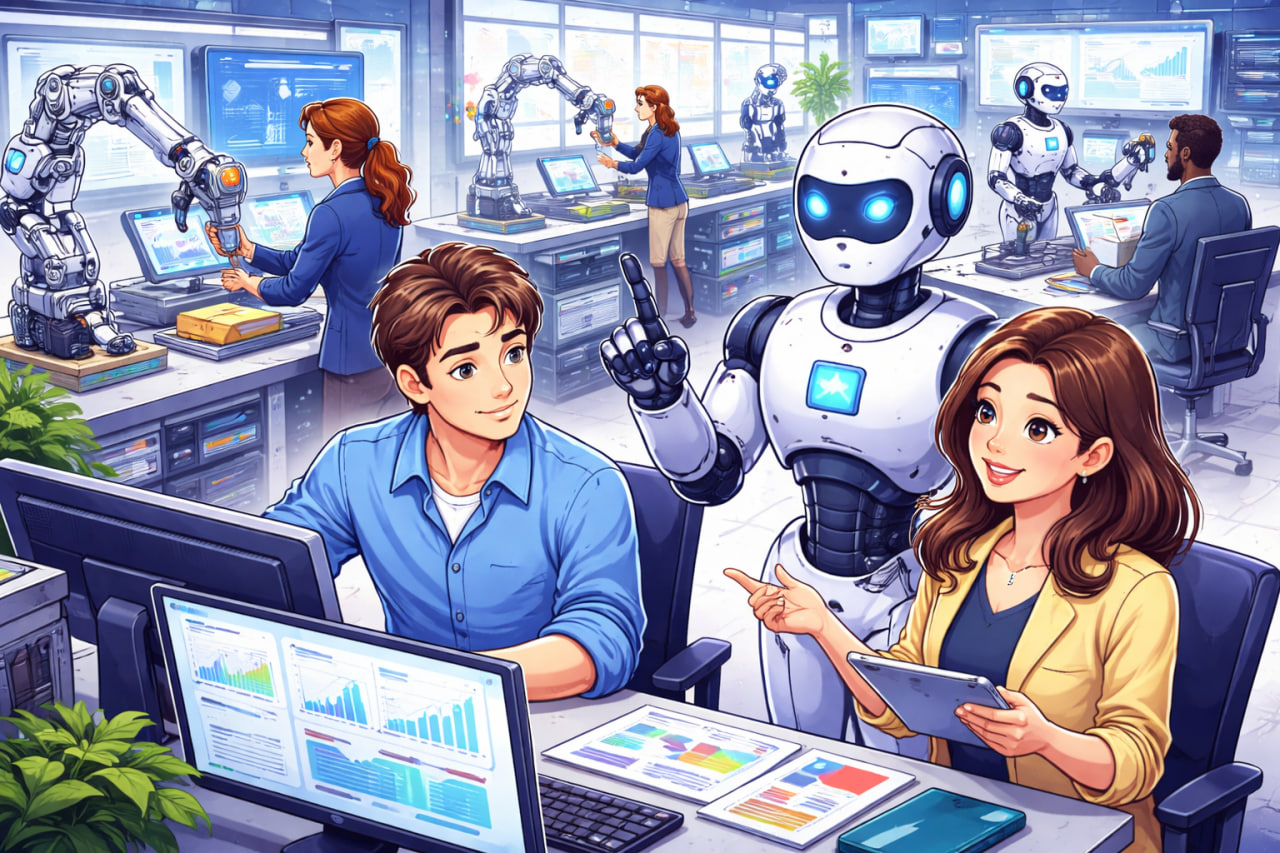
The rapid development of artificial intelligence has sparked widespread debate about the future of human work. As algorithms become capable of performing tasks once reserved for skilled professionals, concerns about mass unemployment grow stronger. From automated customer support to self-driving vehicles, AI systems are already reshaping entire industries. However, history shows that technological progress rarely eliminates work altogether; instead, it transforms the nature of jobs and the skills required to perform them. Understanding whether AI will truly take jobs away requires a deeper look at how technology changes economies, workplaces, and human roles. The real question is not whether jobs will disappear, but which jobs will change and how society will adapt.

How Social Networks Compete for User Attention and What Consequences This Leads To
AI & Ethics AI Be Smart

How Social Networks Compete for User Attention and What Consequences This Leads To

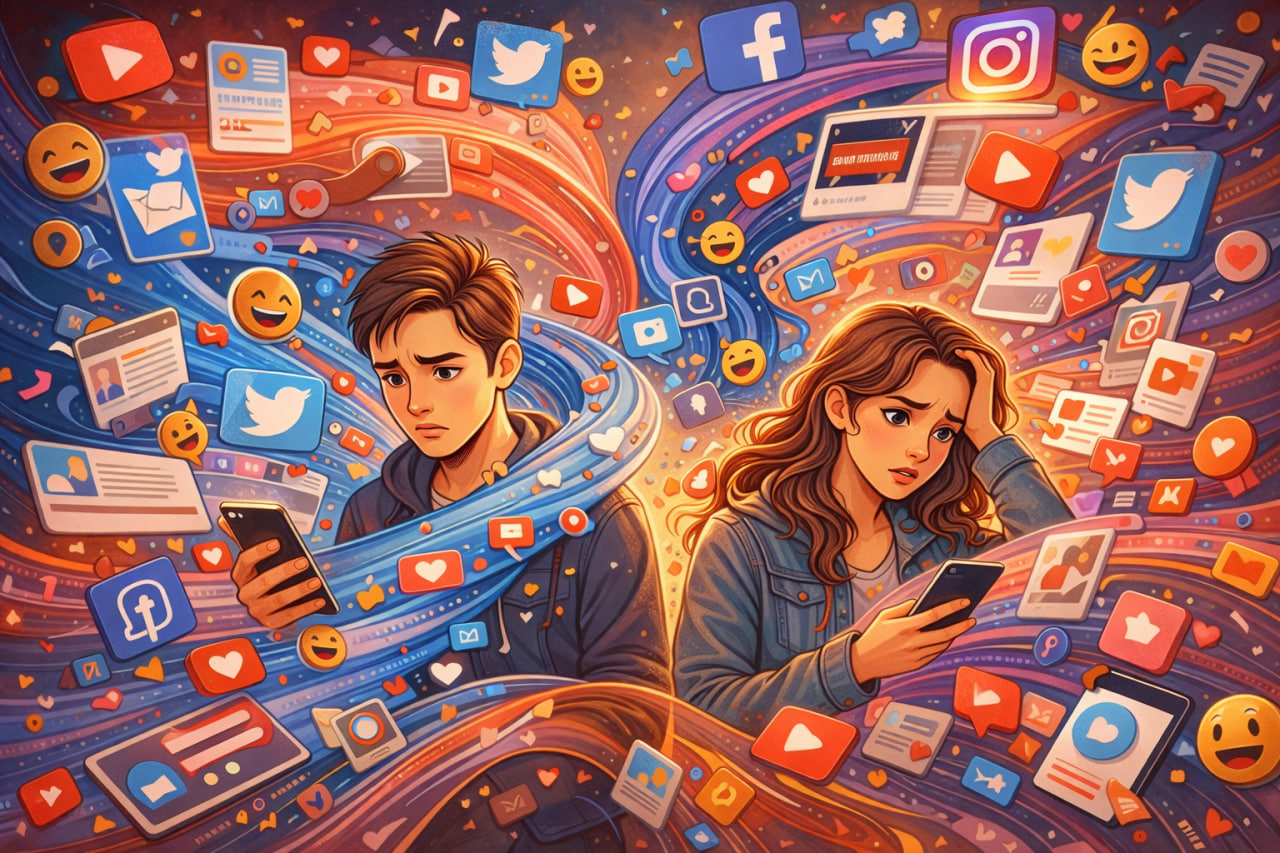
Modern social networks operate within a powerful system known as the attention economy, where human focus has become one of the most valuable resources. Platforms no longer compete primarily on functionality or content quality, but on how effectively they can capture, удержать, and repeatedly reclaim user attention. Every notification, scroll, recommendation, and autoplay feature is designed to reduce friction between stimulus and reaction. This competition is largely invisible to users, yet it strongly influences daily habits, emotions, and decision-making. Over time, the struggle for attention reshapes not only individual behavior but also social norms and cultural dynamics. Understanding this mechanism is essential for recognizing its long-term consequences.

How Image Generation Works in ChatGPT
AI & Ethics AI Be Smart

How Image Generation Works in ChatGPT

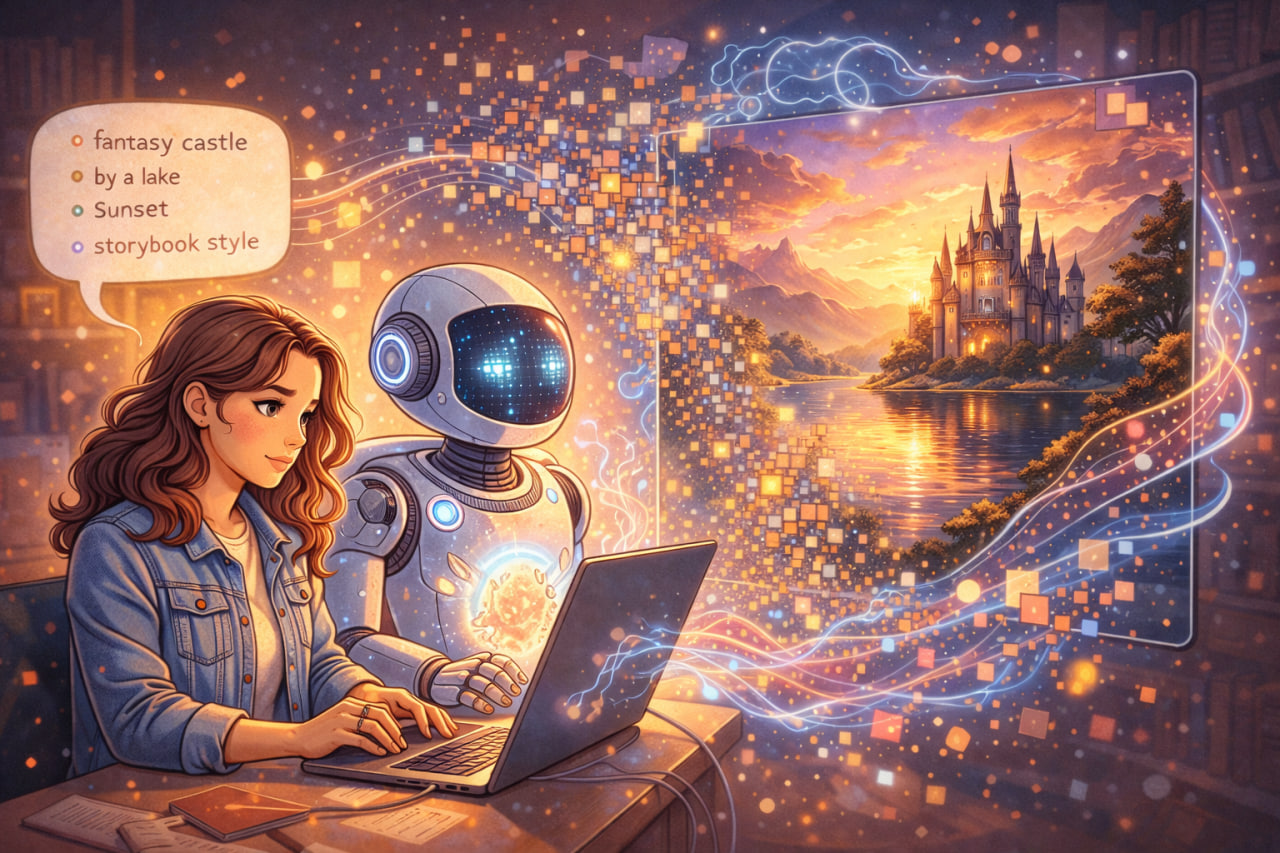
Image generation in ChatGPT is based on advanced artificial intelligence models that translate text descriptions into visual representations. Instead of searching for existing images, the system creates new images from scratch, guided entirely by the user’s prompt. This process relies on large neural networks trained on vast datasets that include relationships between words, concepts, styles, and visual patterns. When a user requests an image, the model interprets not only objects and scenes, but also mood, composition, lighting, and artistic style. The result is a synthetic image that has never existed before. Understanding how this process works helps explain both its strengths and its limitations.

Like and Dislike Buttons Under ChatGPT Answers: Why They Exist and How They Work
AI & Ethics AI Be Smart

Like and Dislike Buttons Under ChatGPT Answers: Why They Exist and How They Work

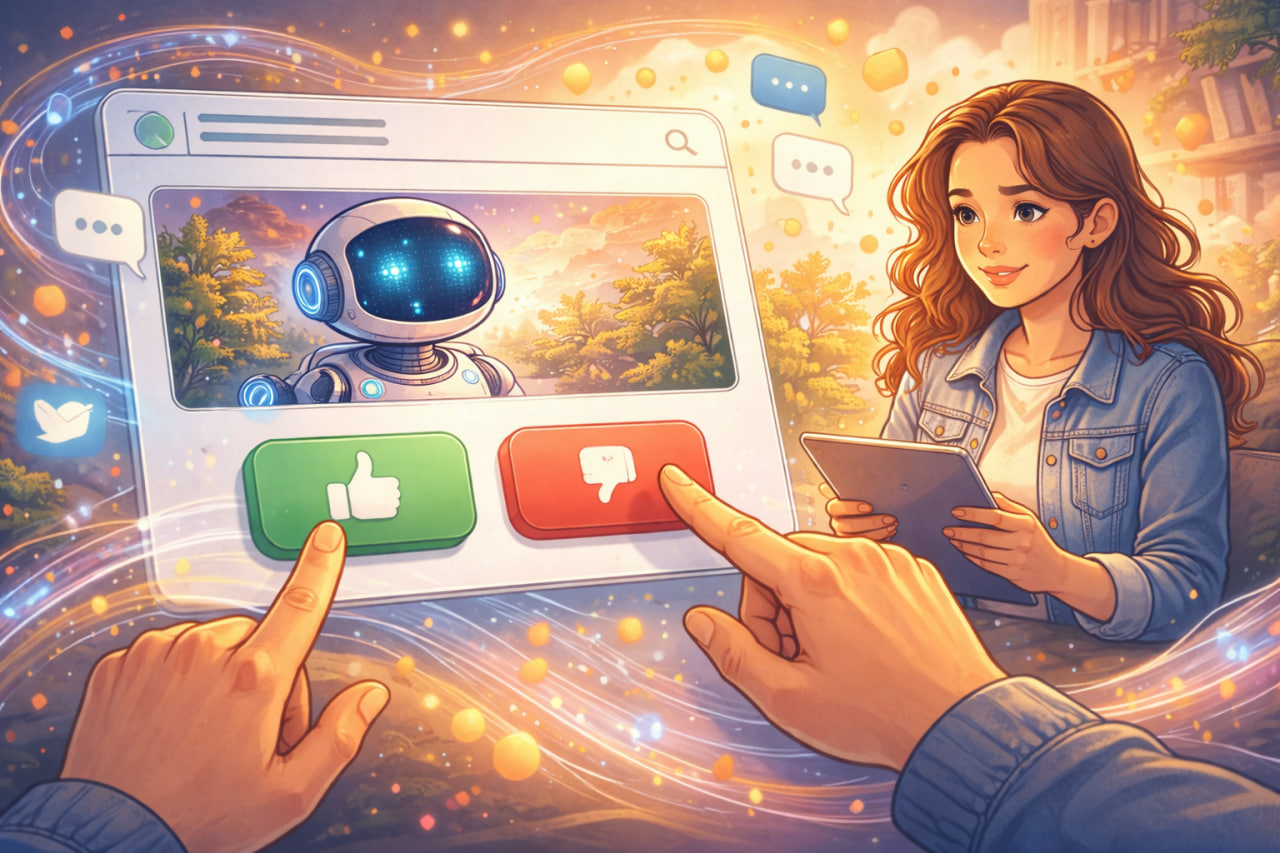
Like and dislike buttons under ChatGPT responses are not decorative elements, but an important part of how artificial intelligence systems improve over time. These simple signals allow users to express satisfaction or dissatisfaction with an answer in a direct and efficient way. Unlike comments or long explanations, a single click provides immediate feedback about response quality. This mechanism bridges the gap between human expectations and machine-generated output. Understanding why these buttons exist helps clarify how AI systems evolve and adapt. They represent a key point of interaction between users and AI development.

Do Social Networks Really Know Everything About You?
AI & Ethics AI Be Smart

Do Social Networks Really Know Everything About You?

Social networks are often described as systems that “know everything” about their users, but this statement is only partly true. Platforms do not understand people in a human sense, yet they collect and analyze enormous amounts of behavioral data. Every click, pause, like, scroll, and interaction contributes to a detailed digital profile. These profiles are not built from personal secrets, but from patterns that reveal preferences, habits, and probable future behavior. The power of social networks lies not in knowing who you are, but in predicting what you are likely to do next. Understanding this distinction is key to separating myth from reality.

The History of Artificial Intelligence: From Early Ideas to Modern Breakthroughs
AI & Ethics AI Be Smart

The History of Artificial Intelligence: From Early Ideas to Modern Breakthroughs

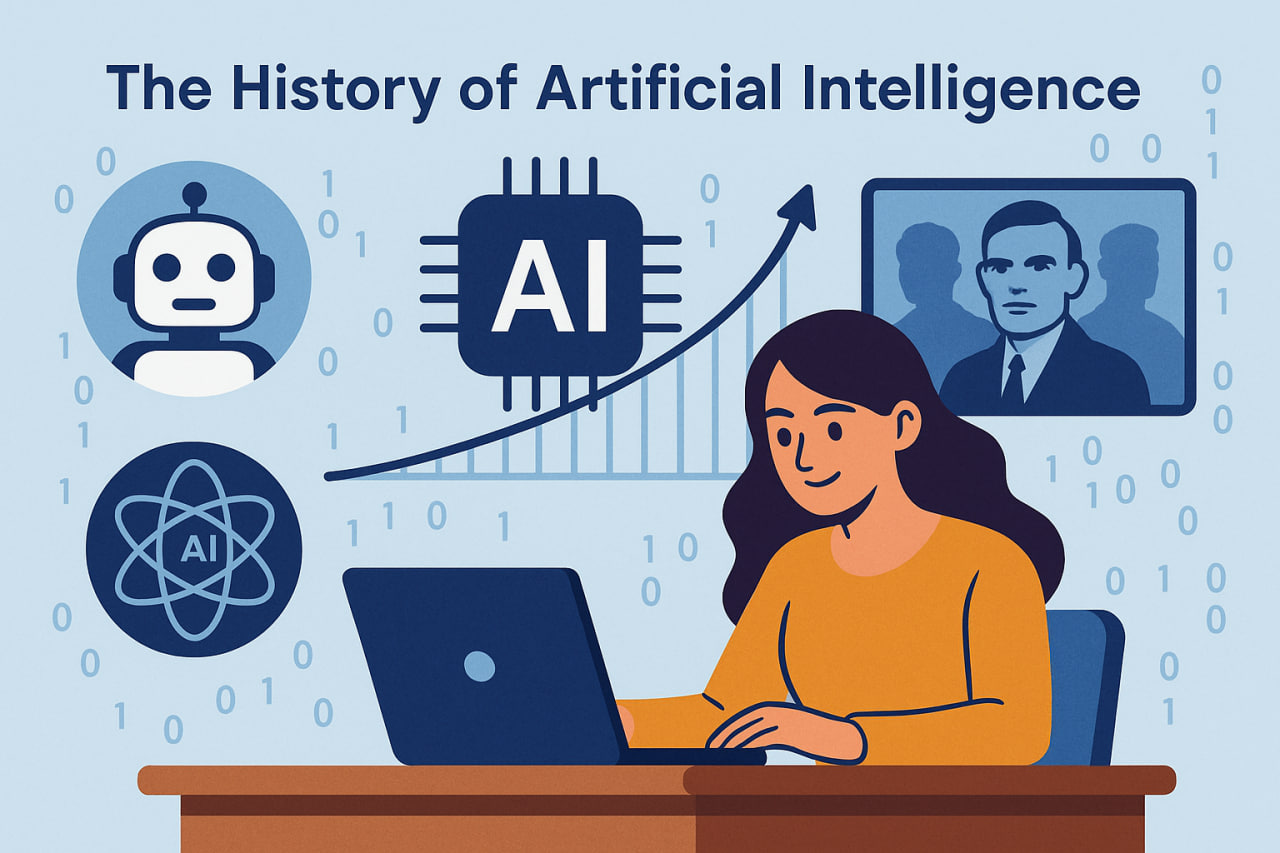
Artificial intelligence (AI) has evolved from a philosophical dream into one of the most transformative technologies of the 21st century. Though AI may feel like a modern invention, its conceptual roots stretch back thousands of years. Ancient myths described mechanical beings with human-like abilities, while mathematicians and philosophers explored the nature of logic, reasoning, and computation long before the first computer existed. Today, AI powers search engines, digital assistants, medical diagnostics, autonomous vehicles, and vast scientific discoveries. Tracing the history of AI reveals how human curiosity, imagination, and engineering have steadily shaped intelligent machines.