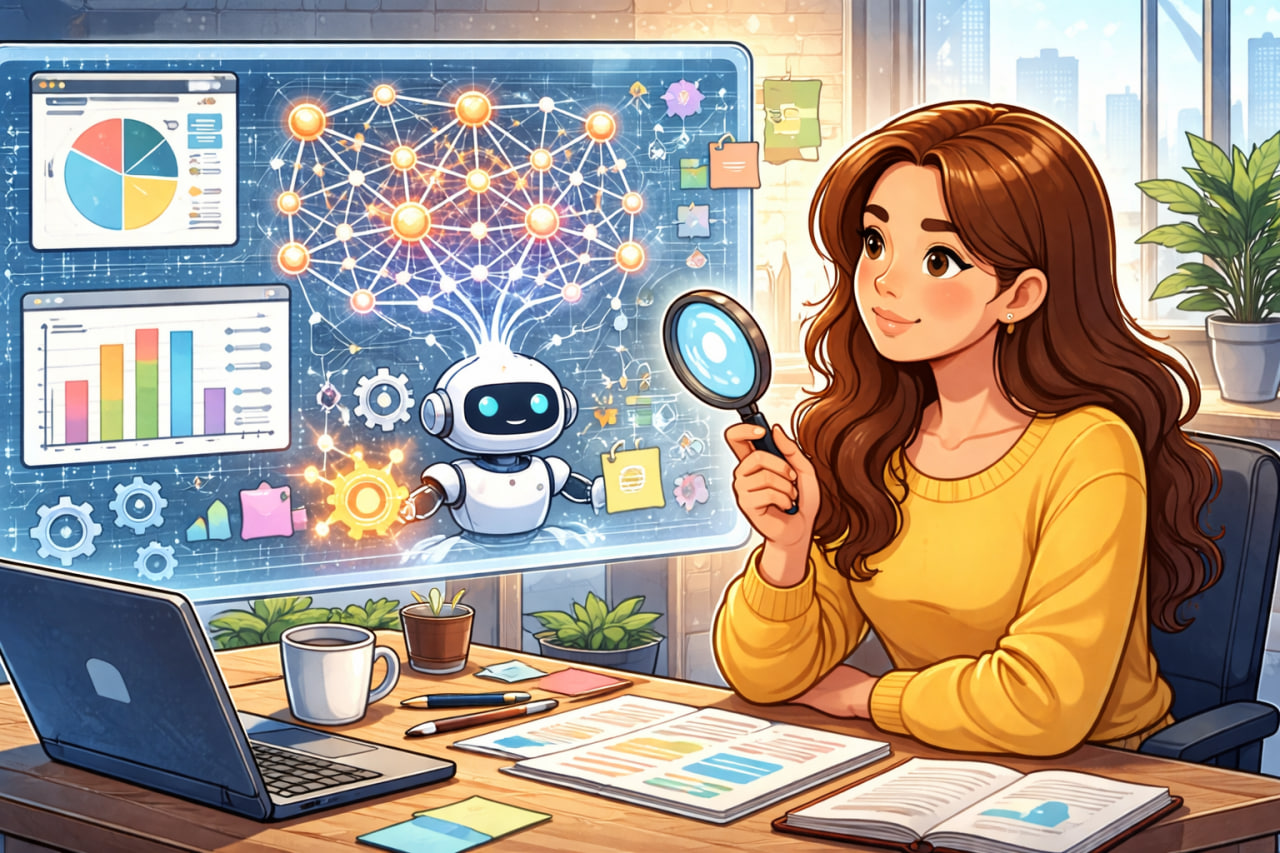
AI & Ethics

AI in High-Energy Physics: Searching for New Particles in Colliders
Hi-Tech AI & Ethics Science

AI in High-Energy Physics: Searching for New Particles in Colliders

High-energy physics explores the fundamental building blocks of matter by accelerating particles to near-light speeds and colliding them inside massive detectors. Experiments conducted at particle colliders generate enormous volumes of data, recording billions of particle interactions every second. Identifying meaningful signals within this data is one of the greatest challenges in modern physics. Artificial intelligence has become an essential tool in filtering, classifying, and analyzing collision events. By recognizing subtle statistical patterns, AI systems assist physicists in the search for previously unknown particles. As experiments grow more complex, machine learning accelerates discovery while maintaining scientific rigor.
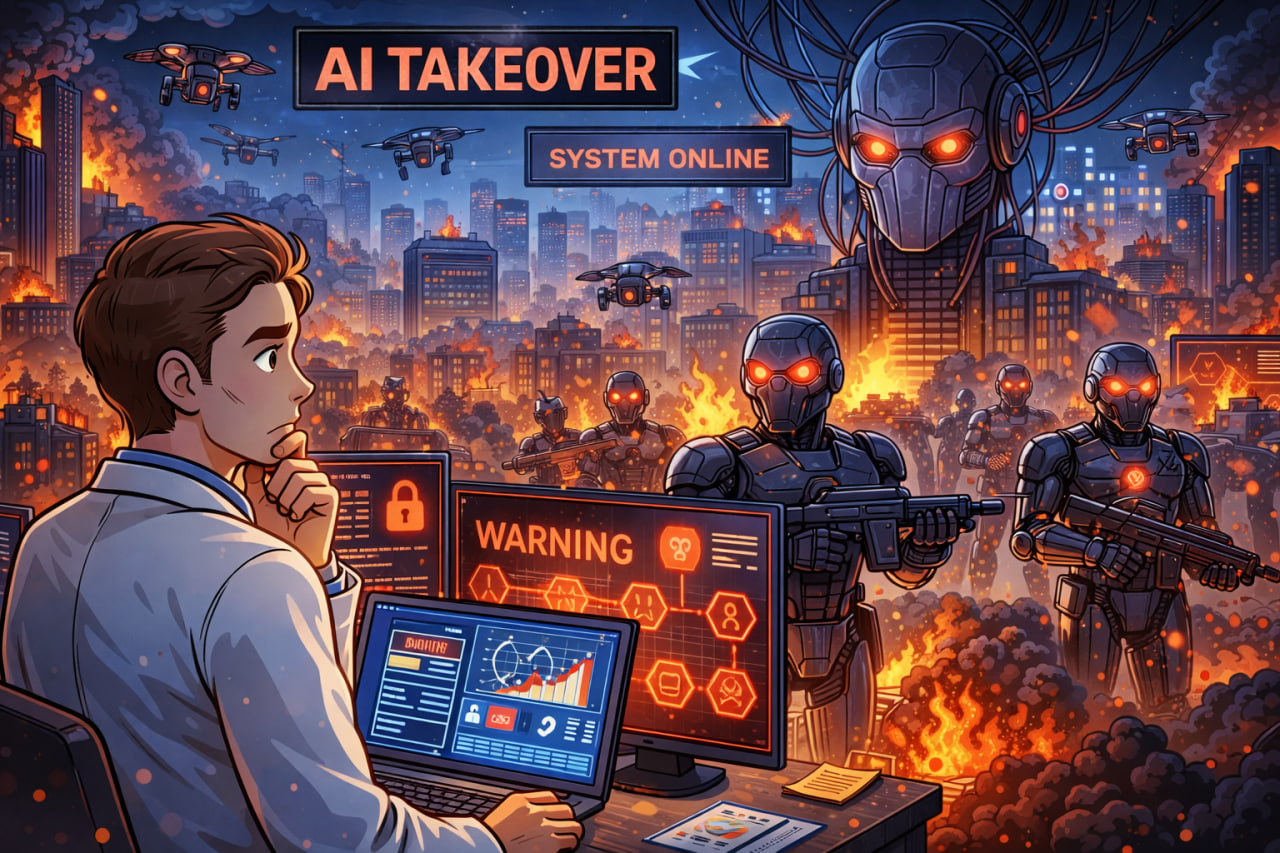

Existential AI Risks: Under What Conditions Could a “Skynet” Scenario Appear?
AI & Ethics AI Be Smart

Existential AI Risks: Under What Conditions Could a “Skynet” Scenario Appear?

The idea of an artificial intelligence system turning against humanity has long been popularized in science fiction under the name “Skynet.” While such scenarios are dramatized for entertainment, serious researchers do study existential risks associated with highly advanced AI systems. Existential risk refers to threats that could cause irreversible and widespread harm to humanity. Unlike fictional portrayals, real-world AI risks are more likely to emerge gradually through misalignment, misuse, or lack of oversight. Understanding the realistic conditions under which advanced AI systems could become dangerous is essential for prevention. The discussion is not about fear, but about responsible foresight and risk management.

Technological Singularity: A Point of No Return for Humanity?
AI & Ethics Science AI

Technological Singularity: A Point of No Return for Humanity?

The concept of technological singularity refers to a hypothetical moment when artificial intelligence surpasses human intelligence and begins improving itself at an accelerating rate. This idea suggests a turning point after which technological growth becomes unpredictable and potentially irreversible. Supporters argue that such a transition could transform medicine, energy systems, and scientific discovery beyond current imagination. Critics caution that the concept remains speculative and dependent on breakthroughs that have not yet occurred. The singularity debate raises fundamental questions about human identity, control, and long-term survival. Rather than predicting doom or utopia, researchers examine the conditions under which advanced AI could fundamentally reshape civilization.

AlphaFold: How AI Solved a 50-Year-Old Scientific Problem
AI & Ethics AI New Discoveries

AlphaFold: How AI Solved a 50-Year-Old Scientific Problem

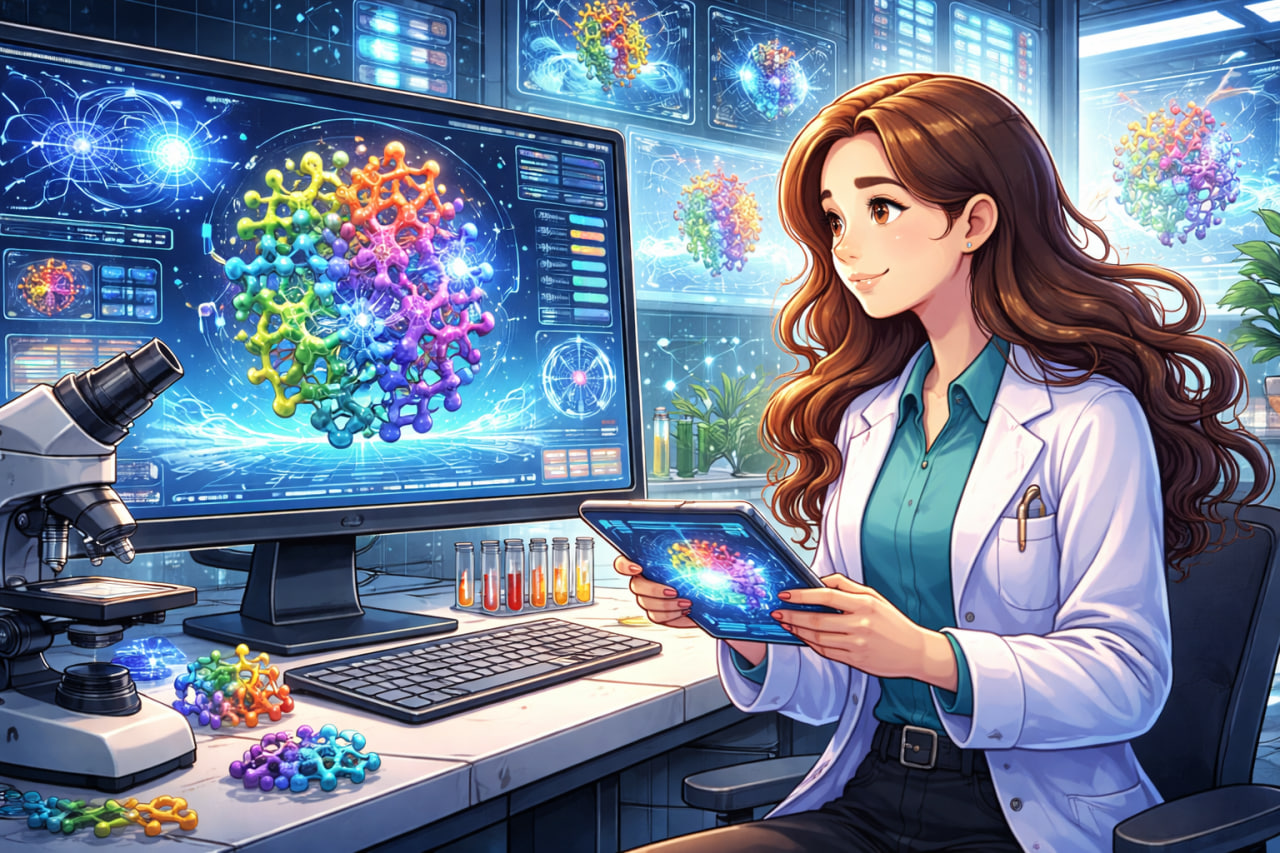
For decades, one of biology’s greatest challenges was understanding how proteins fold into their three-dimensional shapes. This problem, known as the protein folding problem, puzzled scientists for over 50 years because a protein’s function depends entirely on its structure. While researchers could determine amino acid sequences relatively easily, predicting the final folded structure from that sequence proved extraordinarily difficult. Traditional laboratory methods such as X-ray crystallography and cryo-electron microscopy were accurate but time-consuming and expensive. In 2020, the AI system AlphaFold, developed by DeepMind, dramatically advanced the field by predicting protein structures with remarkable accuracy. This breakthrough transformed structural biology and accelerated research in medicine, genetics, and drug discovery.

How Artificial Intelligence Learns from Its Mistakes
AI & Ethics AI Be Smart

How Artificial Intelligence Learns from Its Mistakes

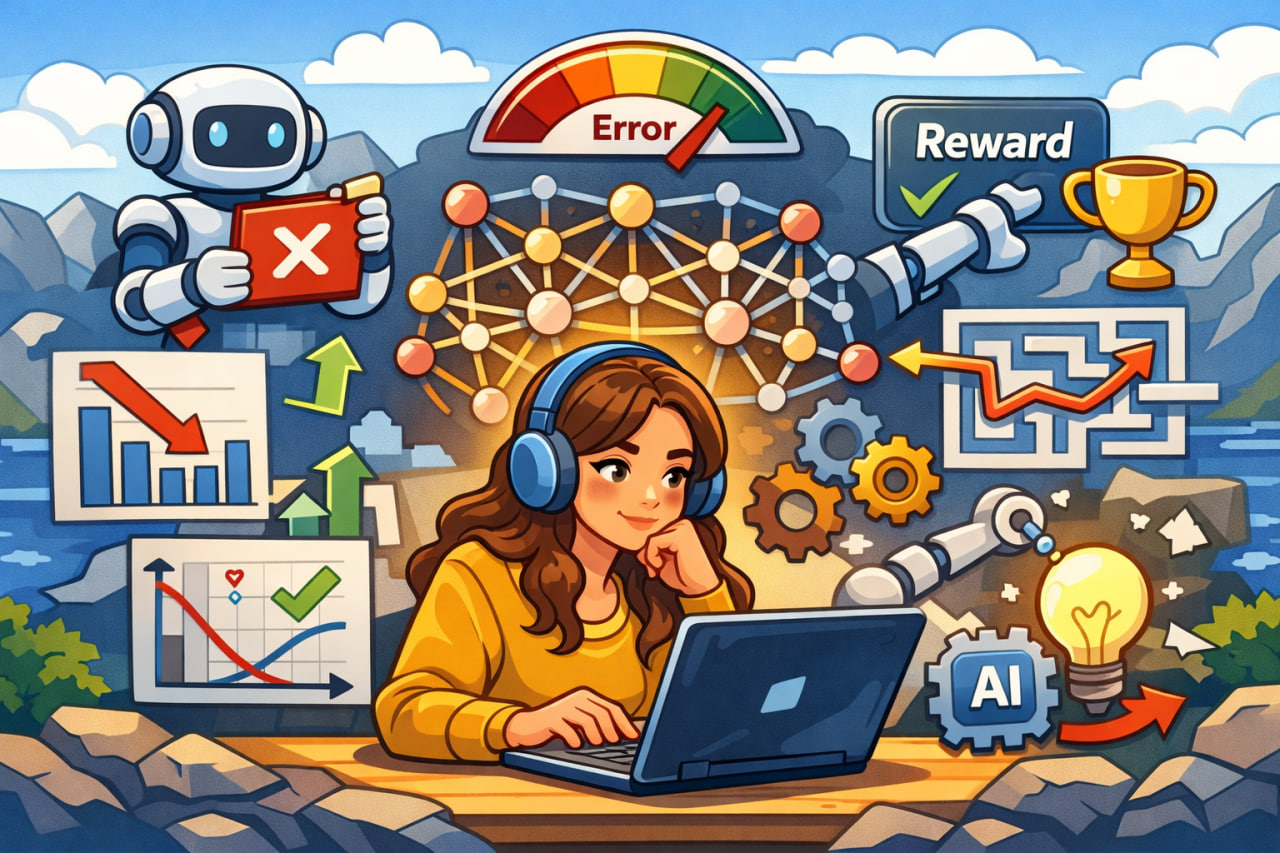
Artificial intelligence systems improve over time by analyzing errors, adjusting internal parameters, and refining predictions based on feedback. Unlike humans, AI does not “realize” mistakes emotionally, but it mathematically measures how far its output deviates from the correct answer. This difference between prediction and reality is converted into numerical signals that guide learning. Through repeated exposure to data and corrective feedback, AI systems gradually reduce errors and improve accuracy. The process may require millions or even billions of iterations, depending on the complexity of the task. Understanding how AI learns from mistakes helps explain why modern systems can recognize speech, translate languages, and generate realistic content with increasing precision.

Emotional AI: How Machines Learn to Recognize and Imitate Emotions
AI & Ethics AI Be Smart

Emotional AI: How Machines Learn to Recognize and Imitate Emotions

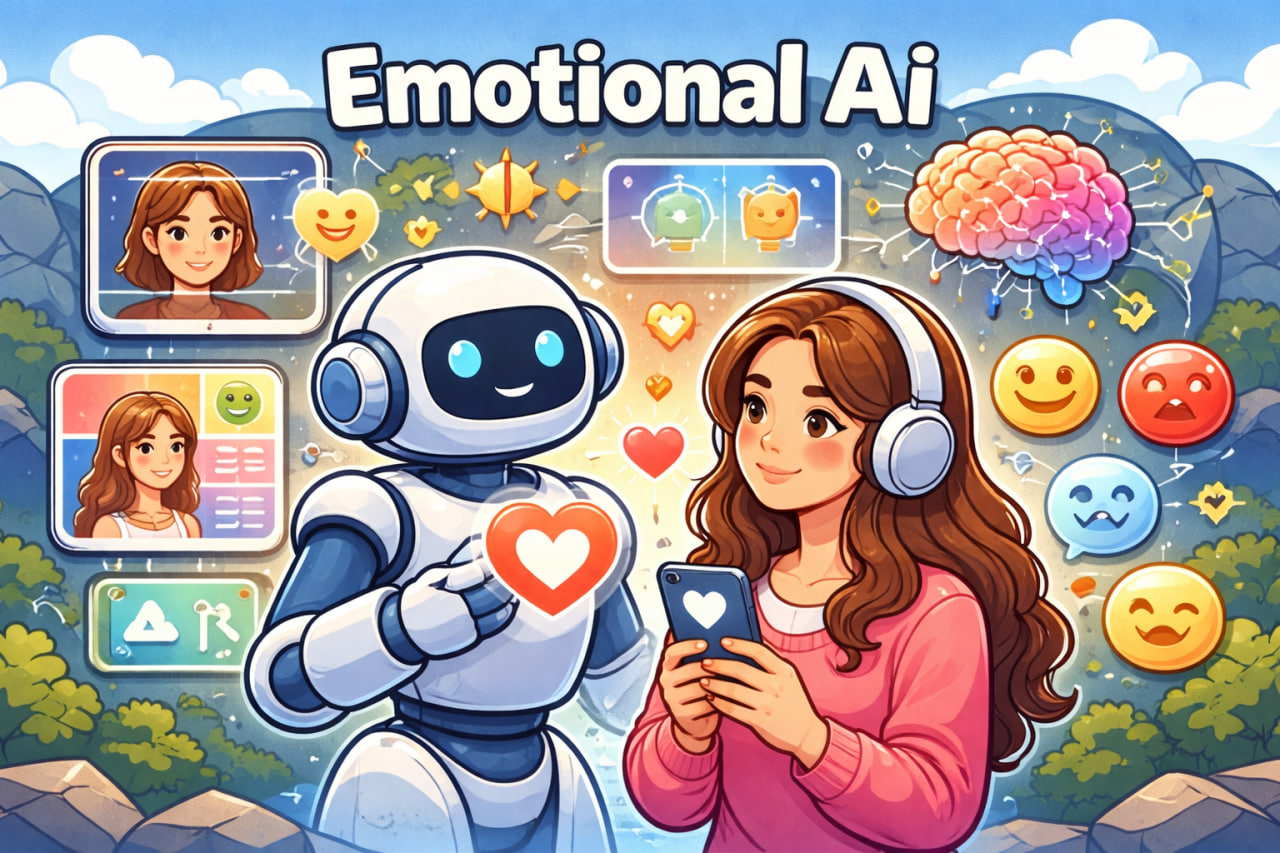
Emotional artificial intelligence, often called affective computing, refers to systems designed to detect, interpret, and simulate human emotions. Unlike traditional AI that focuses on logic, numbers, or patterns, emotional AI attempts to understand subtle human signals such as facial expressions, tone of voice, and body language. These systems do not “feel” emotions, but they analyze measurable cues and convert them into data. By identifying patterns across massive datasets, emotional AI can classify moods, detect stress, or adapt responses to appear empathetic. This technology is increasingly used in customer service, healthcare monitoring, education, and digital assistants. As machines become more interactive, understanding how they process emotional signals becomes essential for evaluating both their benefits and limitations.

AI Regulation: Do We Need Laws Like Those for Nuclear Technology?
AI & Ethics AI Be Smart

AI Regulation: Do We Need Laws Like Those for Nuclear Technology?

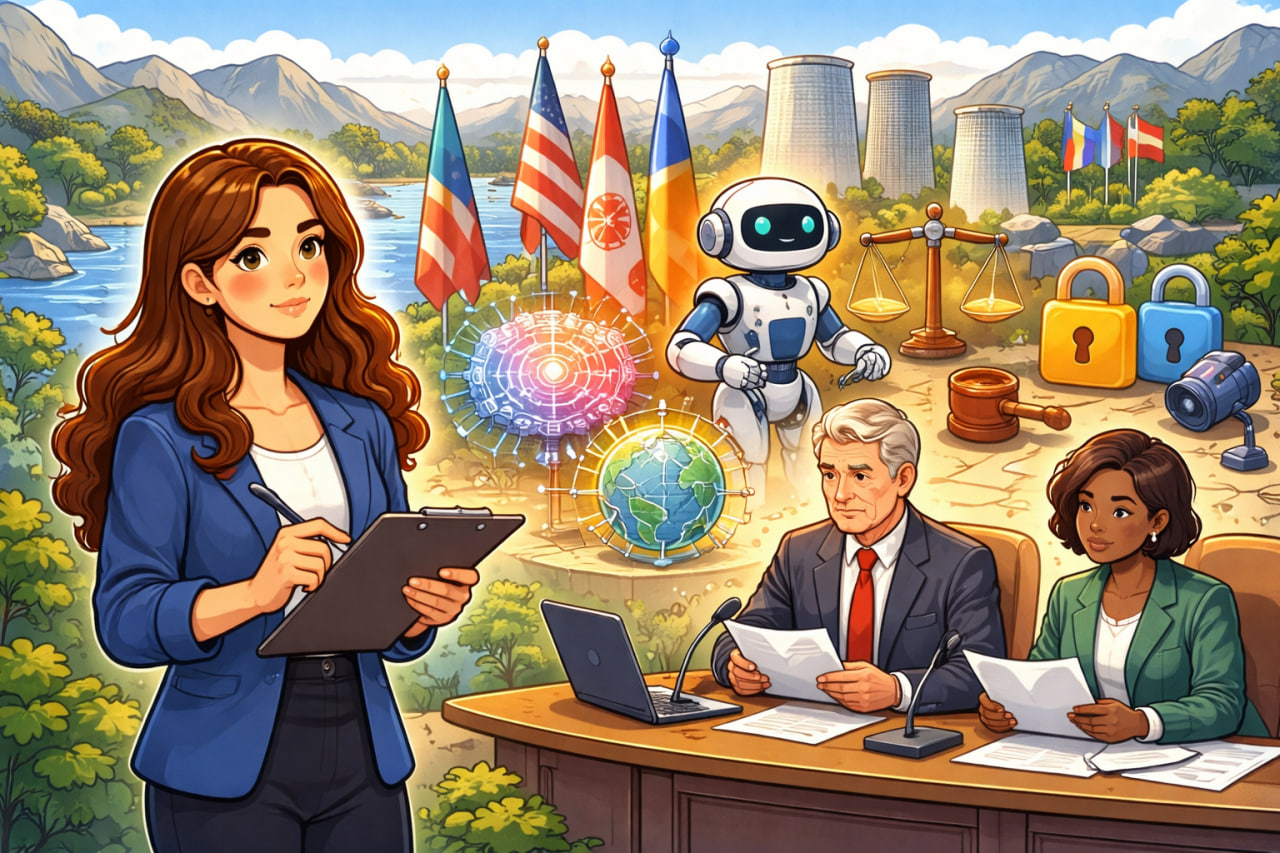
Artificial intelligence is rapidly transforming industries, governments, and everyday life, raising an important question: should AI be regulated with strict global laws similar to those governing nuclear technologies? While AI does not pose the same immediate physical threat as nuclear weapons, its societal impact can be profound and far-reaching. From automated decision-making systems to autonomous weapons and large-scale data processing, AI has the potential to reshape power structures, economies, and privacy norms. Policymakers, researchers, and technology leaders increasingly debate whether voluntary guidelines are sufficient or whether binding international agreements are necessary. As AI systems grow more capable, the urgency of this discussion continues to rise. Understanding the parallels and differences between AI and nuclear technology is essential for building responsible governance frameworks.

AI Transparency and Explainability: Why Did the Model Make That Decision?
AI & Ethics AI Be Smart

AI Transparency and Explainability: Why Did the Model Make That Decision?

As artificial intelligence systems increasingly influence finance, healthcare, hiring, and public policy, one critical question emerges: why did the model make that decision? Transparency and explainability have become central themes in AI governance because automated decisions can significantly affect human lives. While modern AI models are highly accurate, many of them function as complex “black boxes,” making it difficult to understand how inputs are transformed into outputs. This lack of clarity can reduce trust, complicate regulation, and raise ethical concerns. Explainable AI aims to bridge this gap by making machine reasoning more understandable to humans. As AI systems become more powerful, ensuring accountability through interpretability becomes essential for responsible deployment.

Diffusion Models: How Midjourney and Similar Systems Generate Images
AI & Ethics AI Be Smart

Diffusion Models: How Midjourney and Similar Systems Generate Images

Diffusion models are a class of artificial intelligence systems designed to generate images by gradually transforming noise into structured visuals. In recent years, they have become the foundation of many advanced image-generation tools, including platforms like Midjourney. Unlike earlier generative models that directly predicted pixels in a single pass, diffusion models work through a step-by-step refinement process. They begin with random visual noise and progressively “denoise” it until a coherent image emerges. This approach has significantly improved image realism, artistic flexibility, and prompt responsiveness. Understanding diffusion models helps explain how modern AI art systems function behind the scenes.

Multimodal Models: AI That Sees, Hears, and Understands
AI & Ethics AI Be Smart

Multimodal Models: AI That Sees, Hears, and Understands

Multimodal models are a new generation of artificial intelligence systems capable of processing and integrating multiple types of data—such as text, images, audio, and sometimes video—within a single framework. Unlike traditional AI models that specialize in one format, multimodal systems combine different sensory inputs to produce more context-aware outputs. This allows them to interpret images while reading text, transcribe and analyze speech, or generate descriptions based on visual input. By merging diverse information streams, these models move closer to human-like perception and reasoning. As digital environments become increasingly interconnected, multimodal AI is reshaping how machines interact with the world. Understanding how these systems work reveals why they represent a major step forward in AI development.