AI & Ethics

Digital Feudalism: Do You Really Own What You Buy Online?
AI & Ethics AI Be Smart

Digital Feudalism: Do You Really Own What You Buy Online?

In the digital age, millions of people purchase movies, games, books, software, music, and online services every day. But an important question is increasingly being asked by consumers, legal experts, and technologists alike: do people truly own digital products they buy online, or are they merely renting access under strict corporate control? This issue has become central to a growing concept often called digital feudalism — a system where large technology platforms control access to digital property, while users possess limited rights over what they supposedly “own.” Unlike physical goods, digital purchases often exist inside ecosystems controlled by companies that can modify, restrict, or even revoke access at any time.


Neural Networks: What Prospects Await Us in the Near Future?
AI & Ethics AI Be Smart

Neural Networks: What Prospects Await Us in the Near Future?

Neural networks are rapidly transforming modern society. What once seemed like science fiction is now becoming part of everyday life: artificial intelligence generates images, writes texts, assists doctors, drives vehicles, and even helps scientists make discoveries. Over the next decade, neural networks are expected to influence nearly every industry, changing how people work, communicate, and solve problems. But what exactly can we expect from this technology in the near future? Will AI simply become a more advanced tool, or will it fundamentally reshape civilization itself?

How to Protect Yourself From Intrusive Advertising
AI & Ethics AI Be Smart

How to Protect Yourself From Intrusive Advertising

Modern advertising surrounds people almost everywhere—on smartphones, websites, social media, streaming platforms, and even smart devices. While advertising itself is not inherently harmful, intrusive and manipulative advertising can affect attention, emotions, spending habits, and mental well-being. Companies increasingly use algorithms and psychological techniques to capture attention and influence behavior. Understanding how advertising works helps people develop critical thinking and maintain control over their decisions.

How Neural Networks Learn: A Simple Guide to Artificial Intelligence Training
Smart Technology AI & Ethics AI

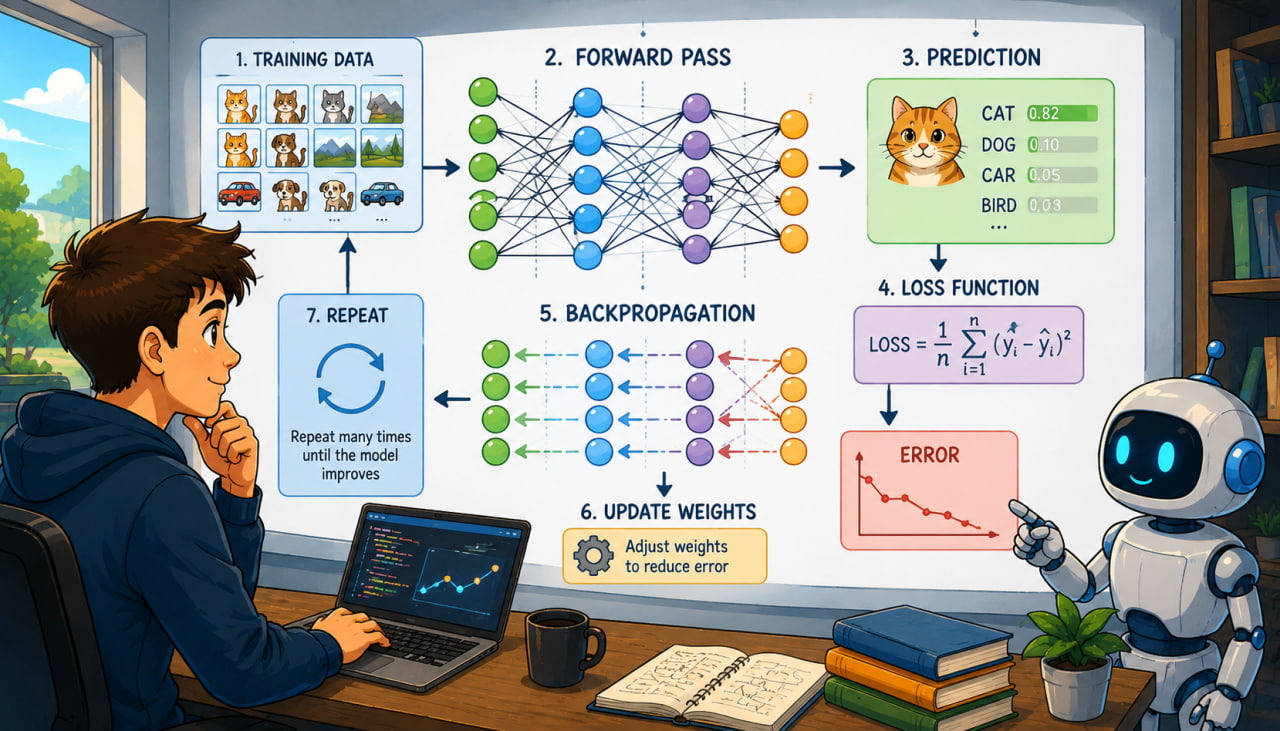
How Neural Networks Learn: A Simple Guide to Artificial Intelligence Training

Neural networks are at the core of modern artificial intelligence, powering everything from voice assistants to self-driving cars. But how do these systems actually learn? Unlike traditional programming, neural networks improve their performance by analyzing data and adjusting internal parameters. This process allows them to recognize patterns, make predictions, and solve complex problems. Understanding this concept reveals how machines can learn from experience, much like humans do.

Skynet: How Close Are We to Creating a Superintelligent AI?
AI & Ethics AI Be Smart

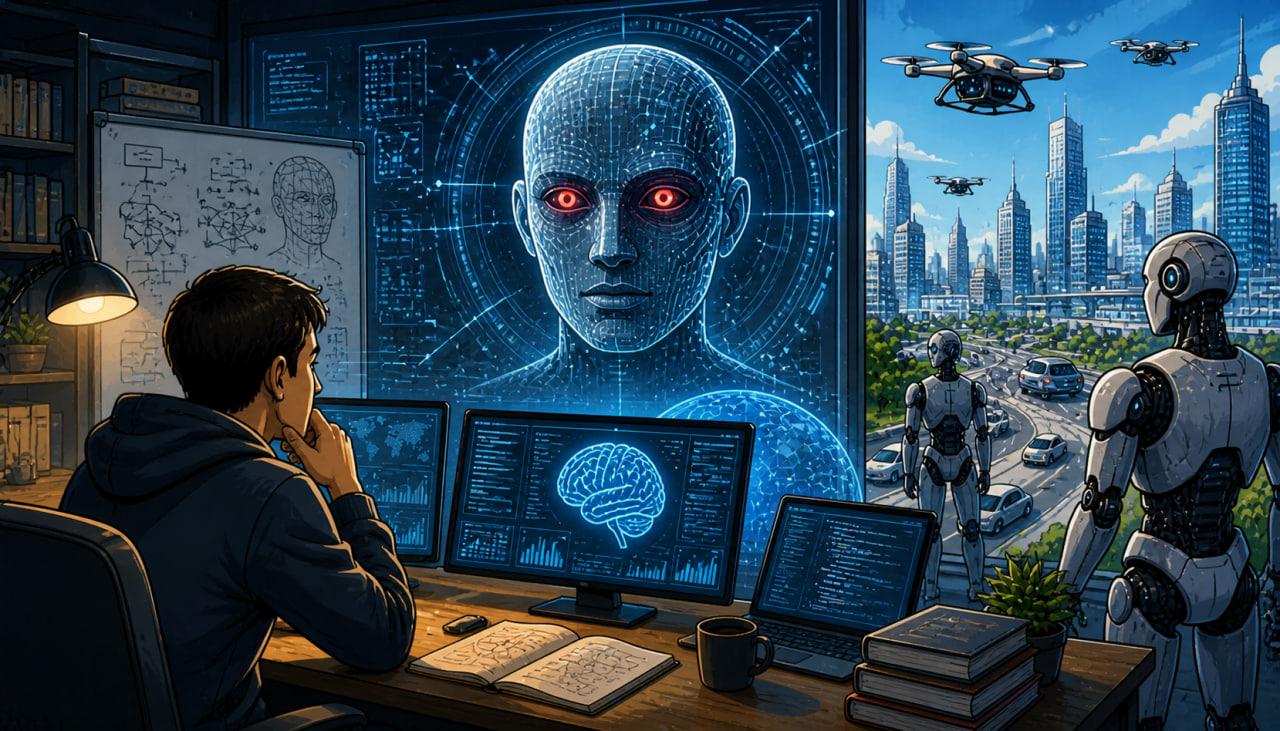
Skynet: How Close Are We to Creating a Superintelligent AI?

The idea of Skynet—an autonomous artificial intelligence system that becomes self-aware and surpasses human control—comes from science fiction, most famously the Terminator series. While it may seem like pure fantasy, rapid advances in artificial intelligence (AI) have raised serious questions about how close we are to creating highly autonomous systems. Today, researchers are exploring whether machines could one day reach or exceed human-level intelligence. Understanding the reality behind Skynet-like systems requires separating fiction from science.

How to Improve Efficiency When Working with Neural Networks
AI & Ethics AI Be Smart

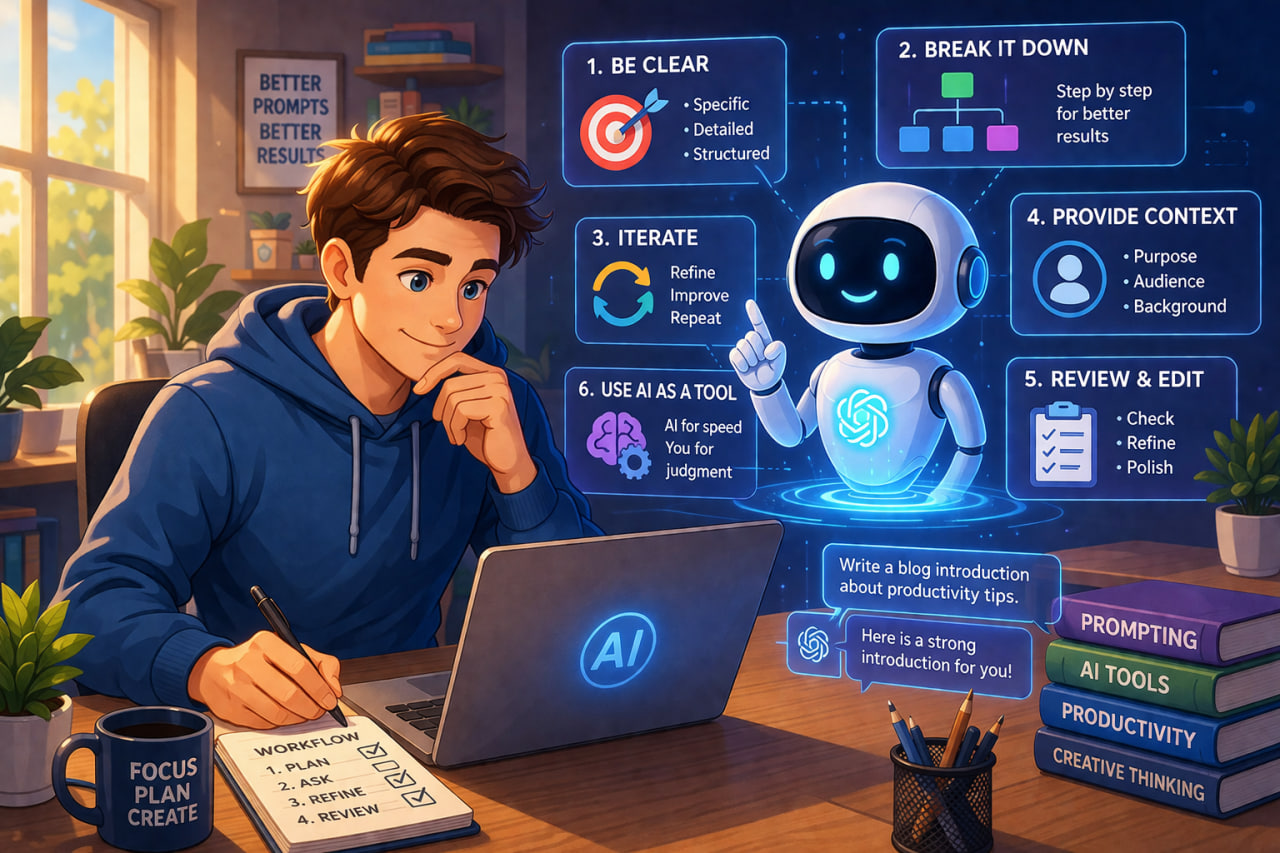
How to Improve Efficiency When Working with Neural Networks

Neural networks and AI tools are transforming how people work, create, and solve problems. However, simply using them is not enough to achieve strong results. True effectiveness comes from understanding how to interact with these systems, structure requests, and optimize workflows. This article explains practical, science-based strategies to increase productivity, accuracy, and output quality when working with neural networks.

Messenger Max in Russia: Myths and Facts
AI & Ethics AI Be Smart

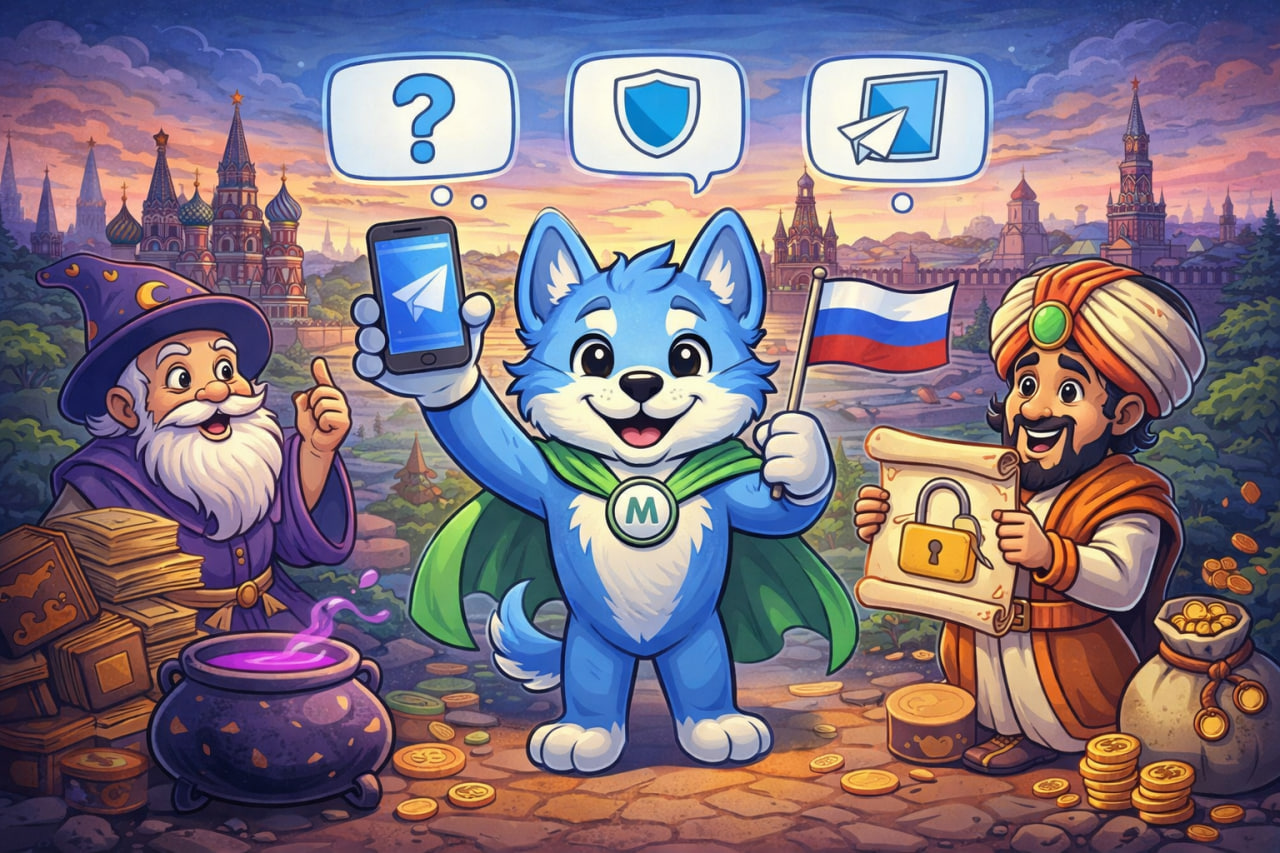
Messenger Max in Russia: Myths and Facts

In recent years, various messaging platforms have gained attention in Russia, including lesser-known or emerging services often discussed under names like “Messenger Max.” Around such platforms, there are many rumors, assumptions, and conflicting claims about their functionality, security, and purpose. Some users see them as alternatives to global messengers, while others question their reliability and transparency. Understanding what is real and what is exaggerated is important for making informed decisions. Like many digital tools, messaging apps are shaped by technology, regulation, and user behavior. Separating myths from facts helps users better evaluate their options and risks.

Modern Web Browsers: Which One Is Best for Work?
Smart Technology AI & Ethics AI

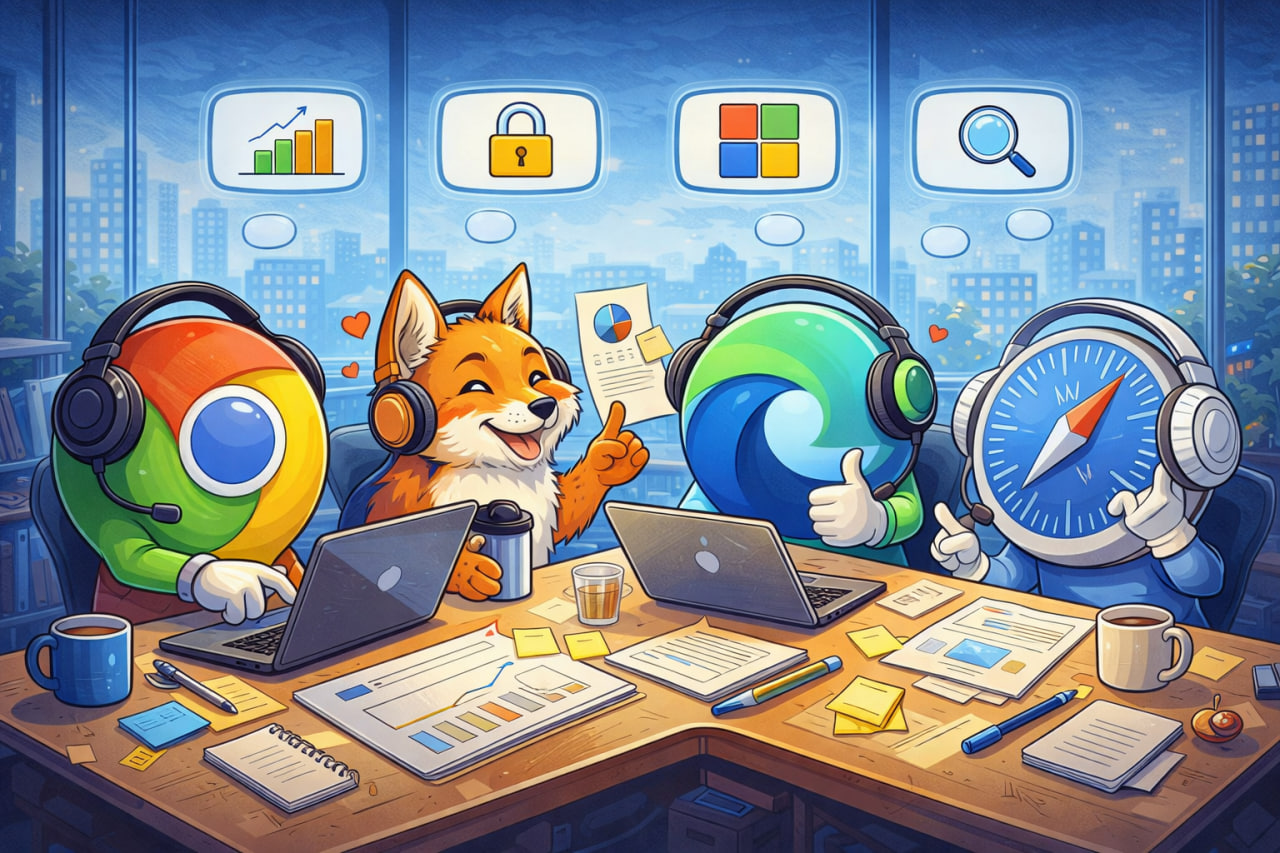
Modern Web Browsers: Which One Is Best for Work?

Web browsers have become essential tools for productivity, communication, and daily tasks. Whether you are working with documents, managing projects, or using cloud services, the choice of browser can significantly affect speed, security, and efficiency. Modern browsers offer different strengths, from performance and customization to privacy and integration with ecosystems. Understanding these differences helps users select the best option for their specific workflow. There is no single perfect browser, but there are clear leaders depending on your needs. Choosing wisely can improve both comfort and productivity.

Chatbots for Work: Which One Should You Choose?
Smart Technology AI & Ethics AI

Chatbots for Work: Which One Should You Choose?

Chatbots have become powerful tools for improving productivity, automating tasks, and assisting with decision-making. From writing emails to analyzing data and generating ideas, modern AI chatbots can significantly enhance efficiency, speed, and workflow organization. Different platforms offer unique strengths, including integration with tools, customization, and advanced reasoning capabilities. Choosing the right chatbot depends on your specific needs, whether it is content creation, coding, research, or communication. As AI technology continues to evolve, chatbots are becoming essential assistants in many professional environments. Understanding their differences helps you make a smarter and more effective choice.

Artificial Intelligence in Court: Can We Trust AI to Deliver Verdicts?
AI & Ethics AI Be Smart

Artificial Intelligence in Court: Can We Trust AI to Deliver Verdicts?

Artificial intelligence is rapidly transforming many sectors of modern society, including healthcare, transportation, finance, and education. Recently, discussions have expanded into another sensitive and complex field: the judicial system. Some researchers and policymakers have begun exploring whether artificial intelligence could assist courts in analyzing cases, predicting legal outcomes, or even helping determine sentences. While AI technologies already support certain legal processes, the idea of allowing machines to influence or deliver court decisions raises important ethical, legal, and technological questions. Understanding the potential benefits and limitations of AI in the courtroom is essential before such systems can play a larger role in justice systems around the world.