Bioengineering

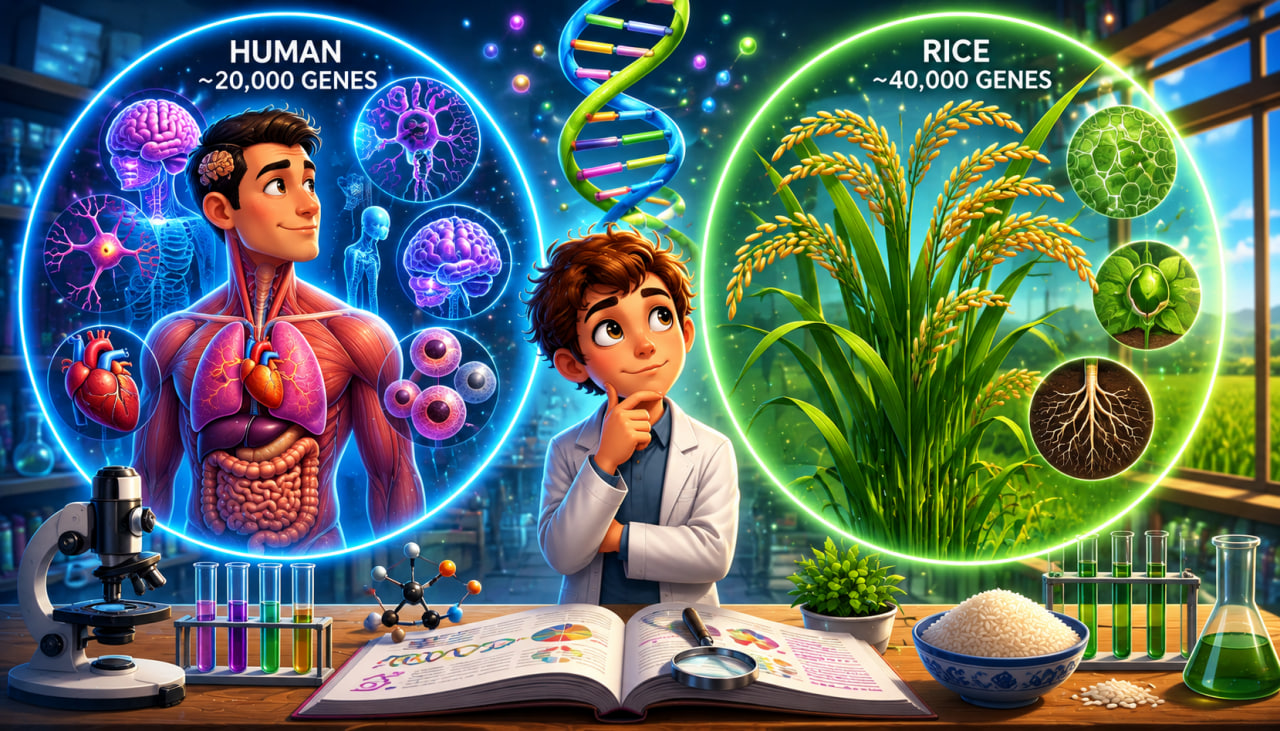
Why Do Humans Have Fewer Genes Than Rice? The Surprising Truth About Genome Complexity
Bioengineering Science What if?

Why Do Humans Have Fewer Genes Than Rice? The Surprising Truth About Genome Complexity

At first glance, it seems logical to assume that more complex organisms should possess more genes. Humans have sophisticated brains, advanced immune systems, and trillions of highly specialized cells, while rice is a flowering plant rooted in one place. Yet modern genetics reveals a surprising fact: the human genome contains fewer protein-coding genes than the genome of rice.

Animal Cloning: How Science Creates Genetic Copies and What It Means for the Future
Bioengineering New Discoveries Challenges

Animal Cloning: How Science Creates Genetic Copies and What It Means for the Future

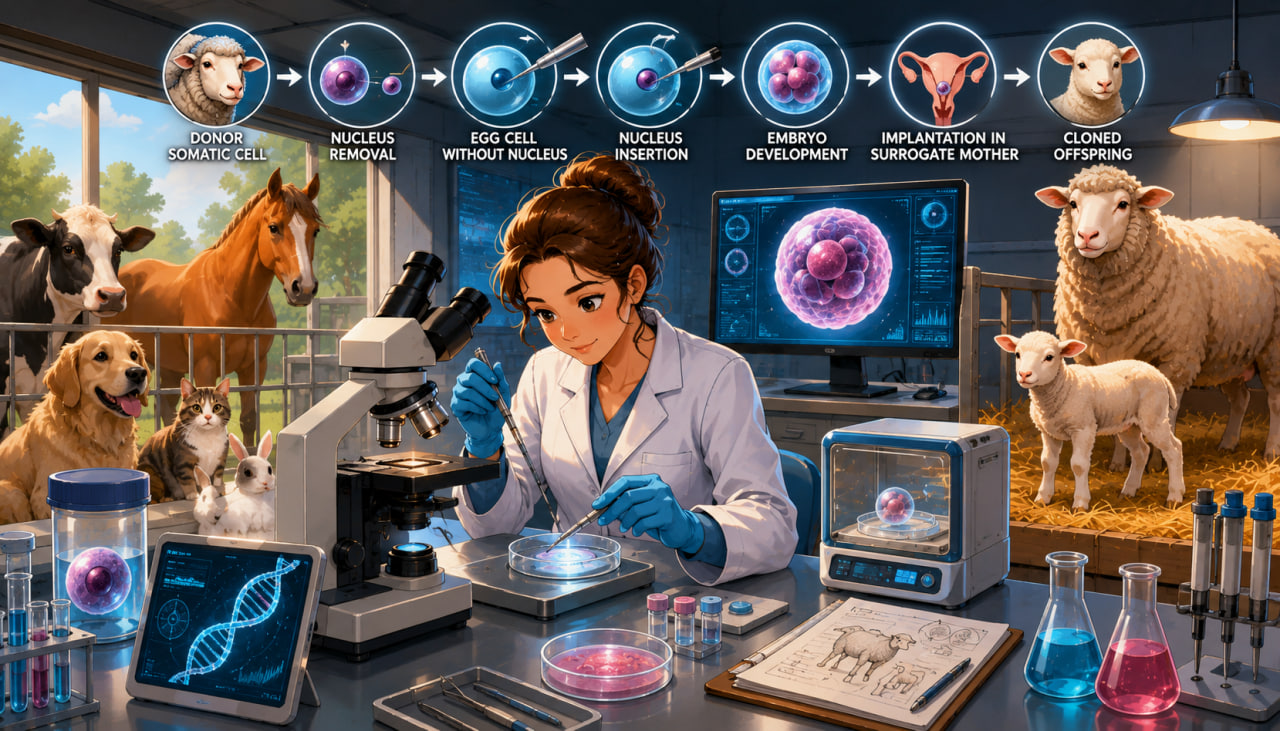
Animal cloning is one of the most fascinating and controversial achievements of modern biotechnology. Once considered the realm of science fiction, cloning became a scientific reality in 1996 with the birth of Dolly the sheep, the world's first mammal cloned from an adult body cell. Since then, scientists have successfully cloned dozens of animal species, including cattle, horses, cats, dogs, rabbits, wolves, and endangered animals. But what exactly is animal cloning? Can it help save endangered species? Does a clone behave exactly like the original animal? And could this technology one day transform conservation, agriculture, and medicine? The answers are more complex than many people realize. Animal cloning is a powerful scientific tool, but it is neither a method for creating identical personalities nor a simple solution to biodiversity loss.

The Microscope: From Ancient Curiosity to Modern Scientific Revolution
Bioengineering Smart Technology Inventions

The Microscope: From Ancient Curiosity to Modern Scientific Revolution

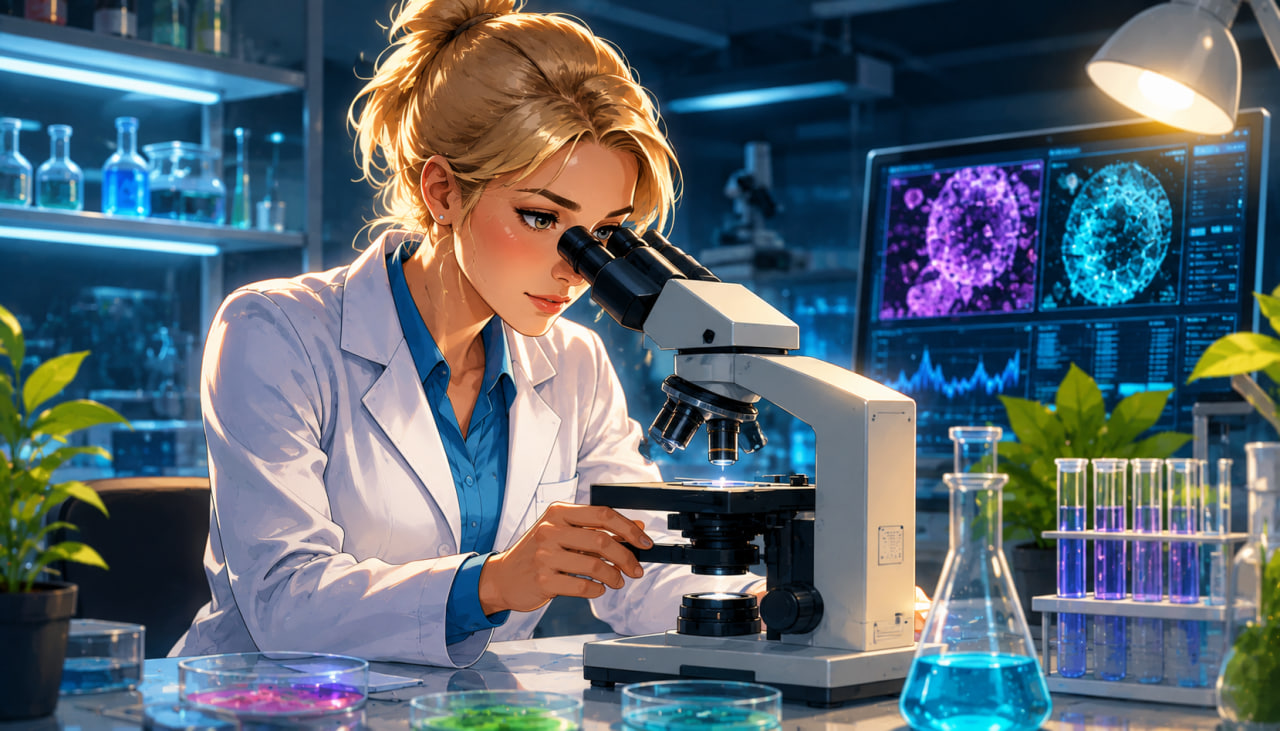
The microscope is one of humanity's greatest scientific inventions. It transformed our understanding of life, disease, materials, and the Universe hidden beyond the limits of human vision. Before microscopes, people had no idea that bacteria, blood cells, or even the intricate structures inside plants and animals existed. Today, microscopes allow scientists to observe individual molecules, viruses, and even the arrangement of atoms. The history of the microscope is a remarkable journey spanning more than two thousand years. From simple magnifying lenses used in ancient civilizations to today's electron and cryo-electron microscopes capable of revealing structures measured in billionths of a meter, each technological breakthrough has opened new frontiers of discovery.

Science News 2026: The Biggest Discoveries and Breakthroughs So Far
Neuro-Tech Hi-Tech Bioengineering

Science News 2026: The Biggest Discoveries and Breakthroughs So Far

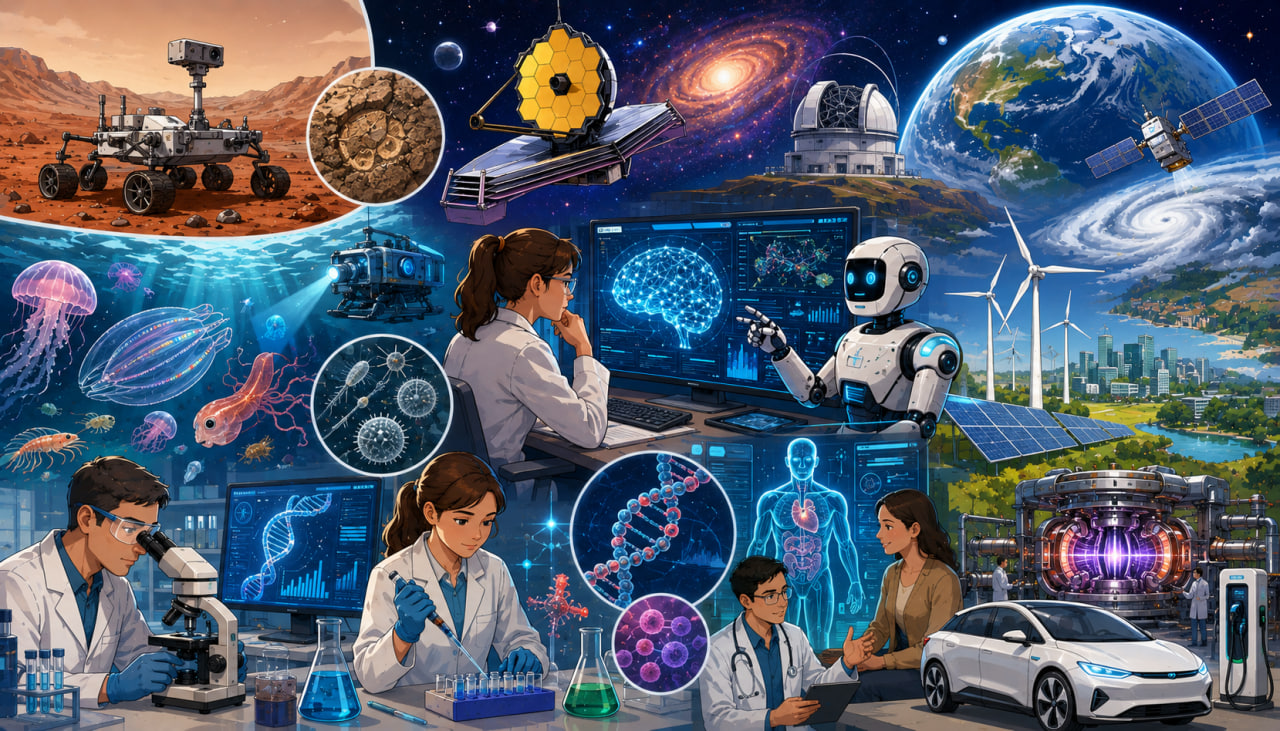
Science in 2026 is moving at an extraordinary pace. From exciting discoveries on Mars and the deep ocean to advances in quantum physics, medicine, artificial intelligence, and astronomy, researchers continue expanding humanity's understanding of the universe. While many breakthroughs are still being verified and refined, several developments have already attracted worldwide attention and may influence science for years to come. This overview highlights some of the most significant scientific news stories of 2026, explaining why they matter and how they could shape the future.

Chemotaxis: How Do Bacteria Find and Consume Food?
Bioengineering Science Be Smart

Chemotaxis: How Do Bacteria Find and Consume Food?

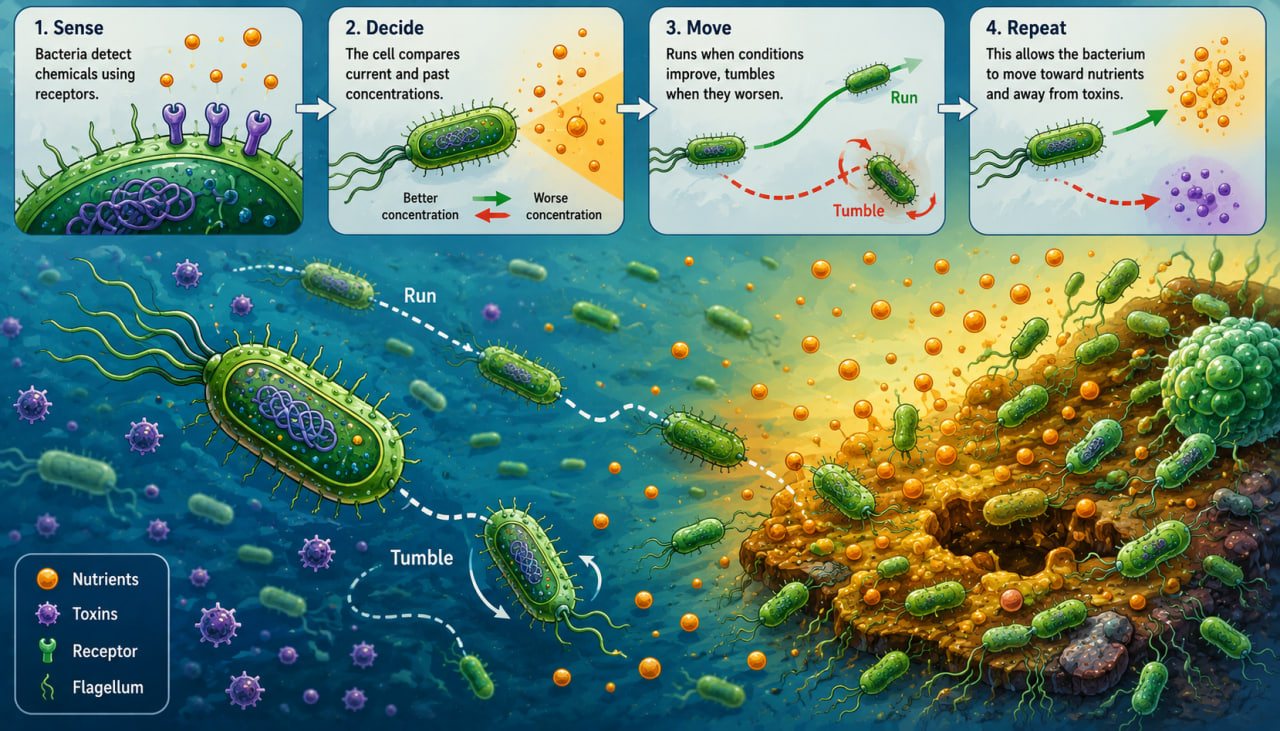
Bacteria are among the smallest and oldest living organisms on Earth. Although a single bacterium is only a tiny fraction of a millimeter in size and lacks a brain or nervous system, many species can perform surprisingly sophisticated behaviors. One of the most remarkable is the ability to locate food sources in their environment. This process is known as chemotaxis—the ability of an organism to move in response to chemical signals. Through chemotaxis, bacteria can detect nutrients, avoid harmful substances, and navigate complex environments with astonishing efficiency. At first glance, it may seem impossible for a microscopic cell to "search" for food. Yet bacteria have evolved molecular systems that allow them to sense chemical gradients and make movement decisions that increase their chances of survival. In many ways, chemotaxis represents one of nature's simplest and most elegant navigation systems.

Immortality: What Does Science Really Say?
Bioengineering Science What if?

Immortality: What Does Science Really Say?

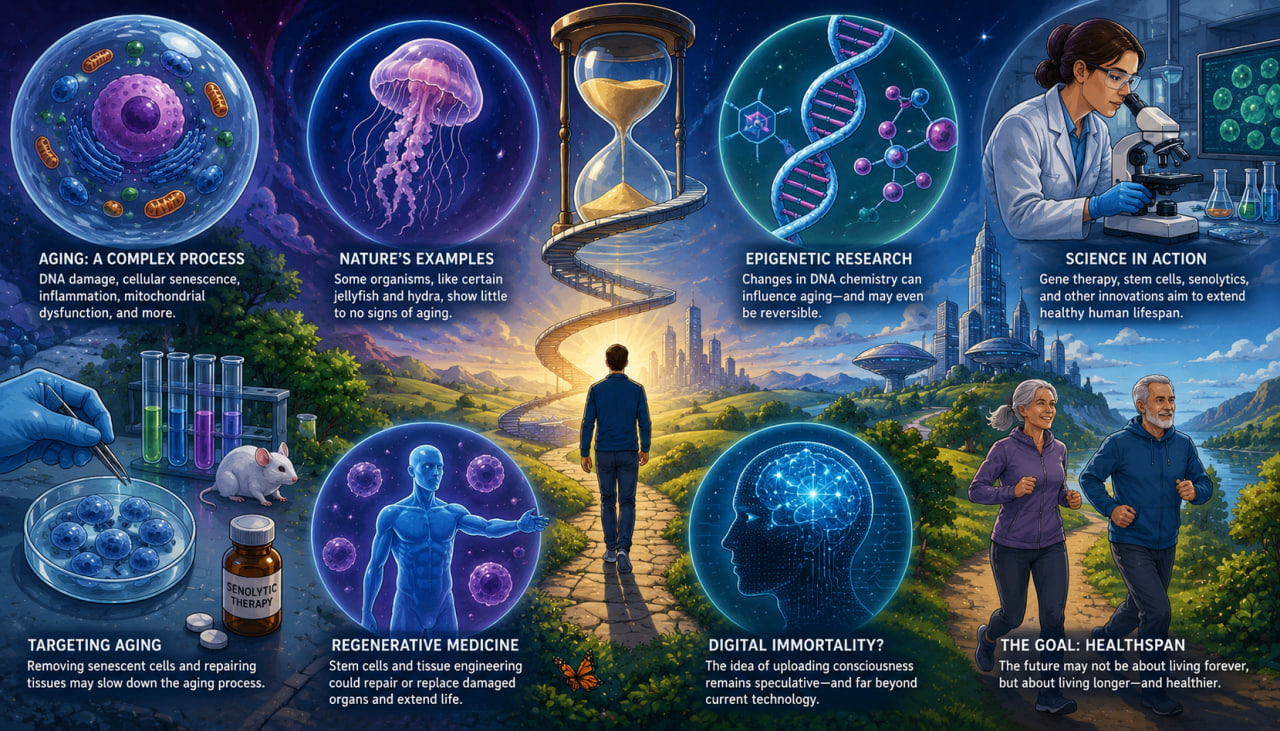
For thousands of years, humanity has dreamed of immortality. Ancient myths spoke of magical elixirs, sacred springs, and divine powers capable of granting eternal life. Today, science has replaced mythology, but the question remains remarkably similar: can humans ever become immortal? Modern biology, genetics, and medicine have dramatically increased life expectancy compared to previous centuries. Diseases that once killed millions can now be prevented or treated. Researchers are actively studying aging, cellular repair, gene therapy, and regenerative medicine. Yet despite these advances, true biological immortality remains one of the greatest scientific challenges. The reality is both more hopeful and more complicated than science fiction often suggests.