Bioengineering

Biocomputers Based on Neurons: Growing Brain Tissue in a Dish and Teaching It to Compute
Hi-Tech Bioengineering Smart Technology

Biocomputers Based on Neurons: Growing Brain Tissue in a Dish and Teaching It to Compute

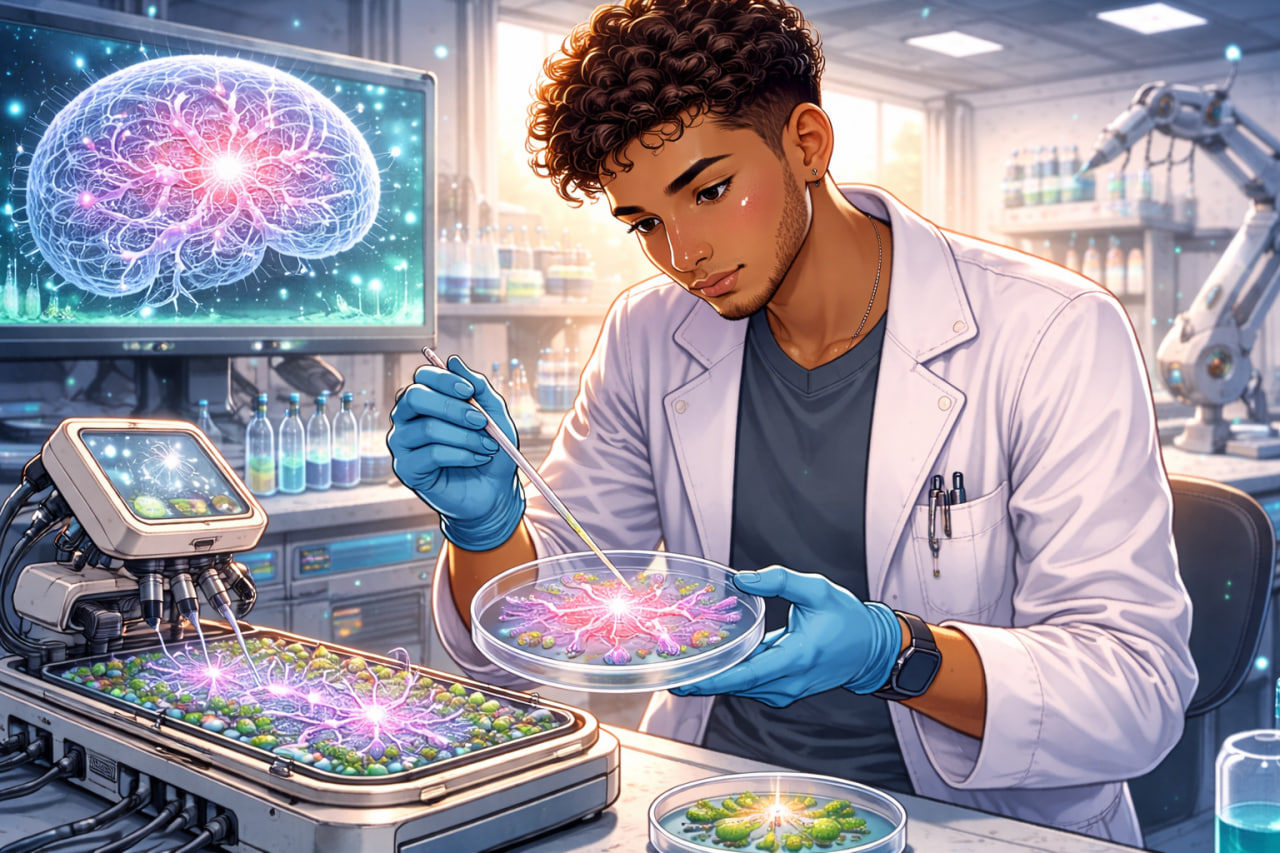
In recent years, scientists have developed experimental systems sometimes described as “biocomputers” — networks of living neurons grown in laboratory conditions and connected to electronic interfaces. These biological neural cultures can process electrical signals, adapt to stimuli, and in limited tasks demonstrate forms of learning. Although headlines often claim that researchers have “grown a brain in a dish,” the reality is more nuanced. These systems do not possess consciousness, thoughts, or awareness. Instead, they consist of clusters of neurons capable of forming networks that respond to input signals. Their development represents a frontier in neuroscience, bioengineering, and computational research.


Age Engineering: Will Aging One Day Be Treated Like a Disease?
Bioengineering Science New Discoveries

Age Engineering: Will Aging One Day Be Treated Like a Disease?

For centuries, aging was considered an inevitable and untouchable part of human life. Today, advances in biotechnology, genetics, and cellular research are challenging that assumption. Scientists increasingly view aging not as a single process, but as a collection of biological mechanisms that might be slowed, modified, or partially reversed. The emerging field often referred to as age engineering focuses on understanding and targeting the cellular drivers of aging. While aging cannot currently be “cured,” researchers are exploring whether its underlying processes can be managed similarly to chronic conditions. The idea of treating aging like a routine medical issue remains speculative, but scientific progress continues to reshape expectations.

Cryo-Electron Microscopy: Seeing Life at Near-Atomic Resolution
Hi-Tech Bioengineering New Discoveries

Cryo-Electron Microscopy: Seeing Life at Near-Atomic Resolution

Cryo-electron microscopy, often called cryo-EM, is one of the most powerful imaging technologies in modern science, allowing researchers to visualize biological structures in extraordinary detail. Unlike traditional microscopy techniques, cryo-EM makes it possible to study molecules in a state that is extremely close to their natural environment. By rapidly freezing samples, scientists can preserve delicate biological structures without the need for chemical fixation or staining. This breakthrough has transformed structural biology, enabling discoveries that were impossible just a few decades ago. Cryo-EM plays a crucial role in understanding viruses, proteins, and cellular machinery at near-atomic resolution. Its impact on medicine, biology, and chemistry continues to grow rapidly.

Artificial Photosynthesis: Creating Clean Energy Inspired by Nature
Hi-Tech Bioengineering New Discoveries

Artificial Photosynthesis: Creating Clean Energy Inspired by Nature

Artificial photosynthesis is a cutting-edge scientific concept that seeks to replicate one of nature’s most powerful processes: the conversion of sunlight, water, and carbon dioxide into usable energy. In natural photosynthesis, plants transform solar energy into chemical bonds that sustain life on Earth. Scientists aim to imitate and improve this process using advanced materials, catalysts, and engineering systems. The goal is to produce clean fuels and valuable chemicals while reducing carbon emissions. Artificial photosynthesis represents a bridge between renewable energy, chemistry, and environmental sustainability. Understanding this technology reveals why it is considered a potential cornerstone of a future low-carbon economy.

Metal–Organic Frameworks: Programmable Materials at the Atomic Scale
Hi-Tech Bioengineering Science

Metal–Organic Frameworks: Programmable Materials at the Atomic Scale

Metal–organic frameworks, often abbreviated as MOFs, are one of the most exciting classes of materials developed in modern chemistry and materials science. These structures are built from metal ions linked together by organic molecules, forming highly ordered, porous networks at the molecular level. What makes MOFs extraordinary is their extreme surface area, tunable structure, and chemical versatility. Scientists can design them almost like molecular construction kits, adjusting their properties for specific tasks. As a result, metal–organic frameworks are being explored for applications ranging from clean energy to medicine and environmental protection. Understanding MOFs helps explain why they are considered a cornerstone of next-generation materials.

Biophotons: Mysterious Light Emitted by Living Organisms
Bioengineering Science New Discoveries

Biophotons: Mysterious Light Emitted by Living Organisms

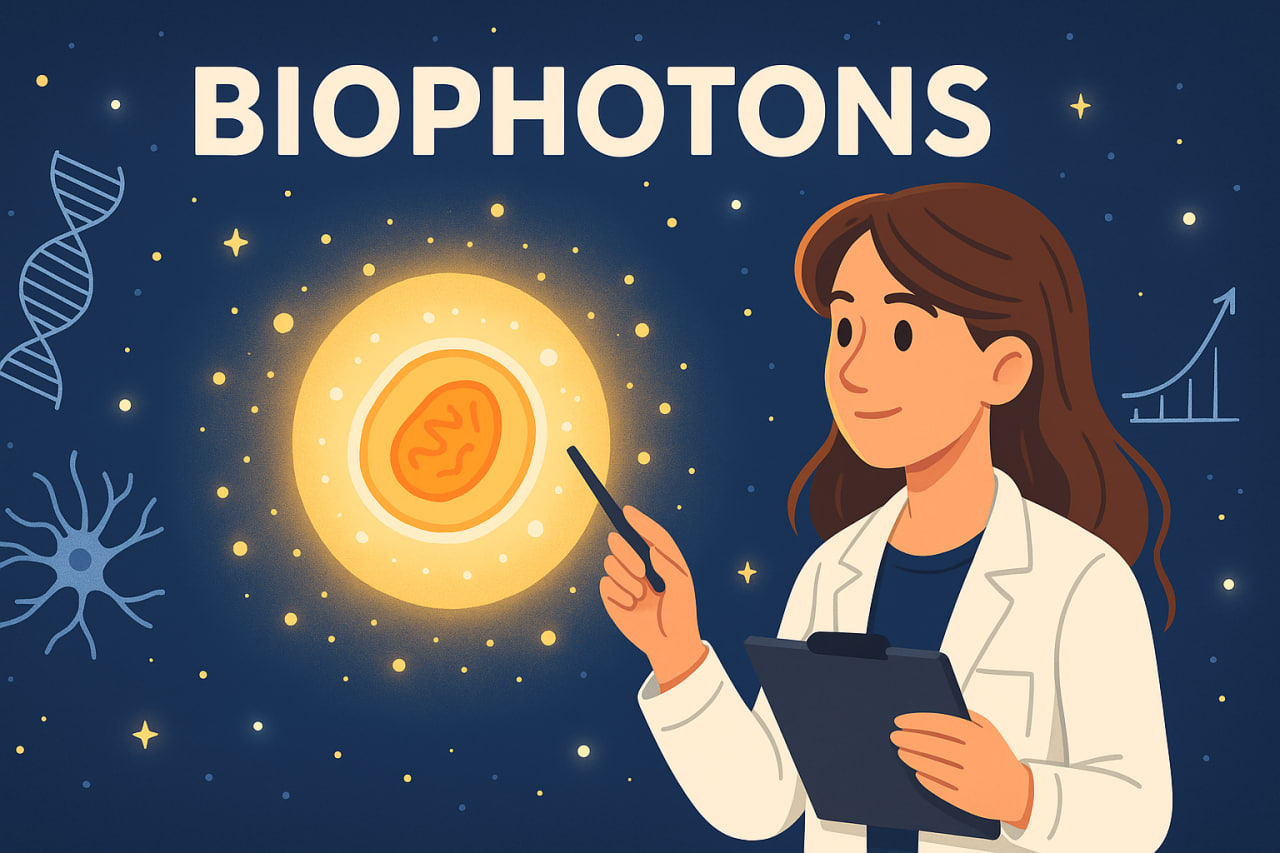
Biophotons are extremely weak light emissions produced by all living cells, including those of humans, plants, animals, and microorganisms. Although invisible to the naked eye, biophotons can be detected with highly sensitive instruments and offer a fascinating window into cellular communication and metabolic processes. These ultra-low levels of light emerge during biochemical reactions — especially those involving oxygen — and may reflect the health and functional state of cells. Scientists around the world study biophotons to understand how living organisms regulate internal processes and respond to stress, aging, and environmental conditions. While research is still ongoing, biophotons reveal that life expresses itself not only through chemistry and electricity but also through subtle light.

Bionics: How Nature Inspires the Future of Human Technology
Hi-Tech Bioengineering Science

Bionics: How Nature Inspires the Future of Human Technology

Bionics is a scientific field that studies how biological systems work and applies these principles to create new technologies, devices, and engineering solutions. By observing how nature solves complex problems — from movement and sensing to energy efficiency and structural strength — researchers develop innovations that improve human life. Bionics is responsible for breakthroughs in robotics, prosthetics, architecture, medicine, and materials science. It bridges the gap between biology and engineering by showing that millions of years of evolution offer some of the most effective design strategies on Earth. Understanding bionics allows us to create technologies that are more efficient, sustainable, and adaptable.

Human-Cell Processors: Building Computers From Living Tissue
Neuro-Tech Hi-Tech Bioengineering

Human-Cell Processors: Building Computers From Living Tissue

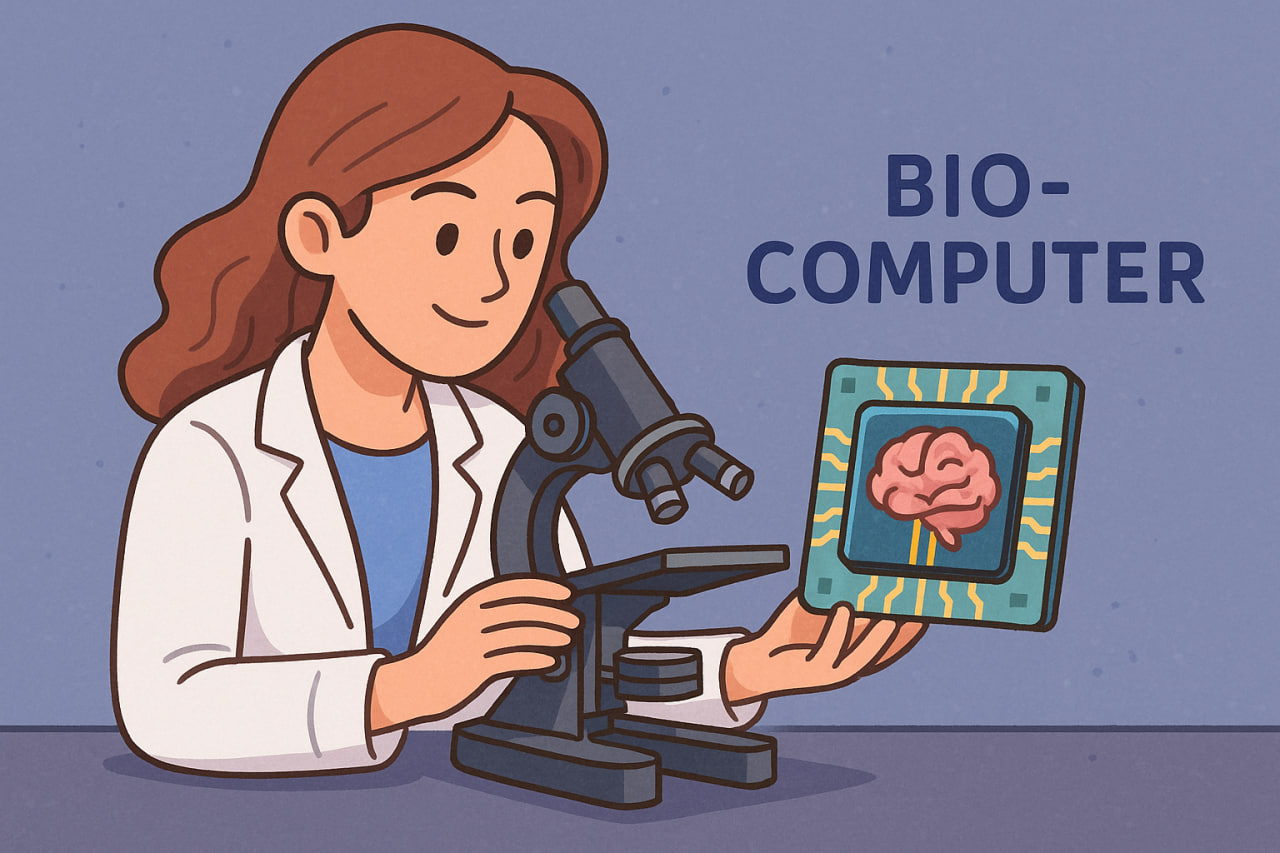
Human-cell processors, sometimes called bio-computers or organoid-based processors, are an emerging technology that uses living human cells as the core of a computing system instead of traditional silicon transistors. In most experimental designs, tiny clusters of brain-like cells are grown in the lab and connected to electronic interfaces that can send signals in and read activity out. These living networks are capable of learning, adapting, and processing information in ways that resemble biological brains rather than conventional computers. The goal is not to replace digital chips completely, but to explore new kinds of computation that are more energy-efficient and better at tasks such as pattern recognition, decision-making, and learning from experience. At the same time, these systems raise important ethical, technical, and safety questions that scientists must address carefully as the field develops.

Nanorobots: The Microscopic Machines Transforming Technology
Hi-Tech Bioengineering Smart Technology

Nanorobots: The Microscopic Machines Transforming Technology

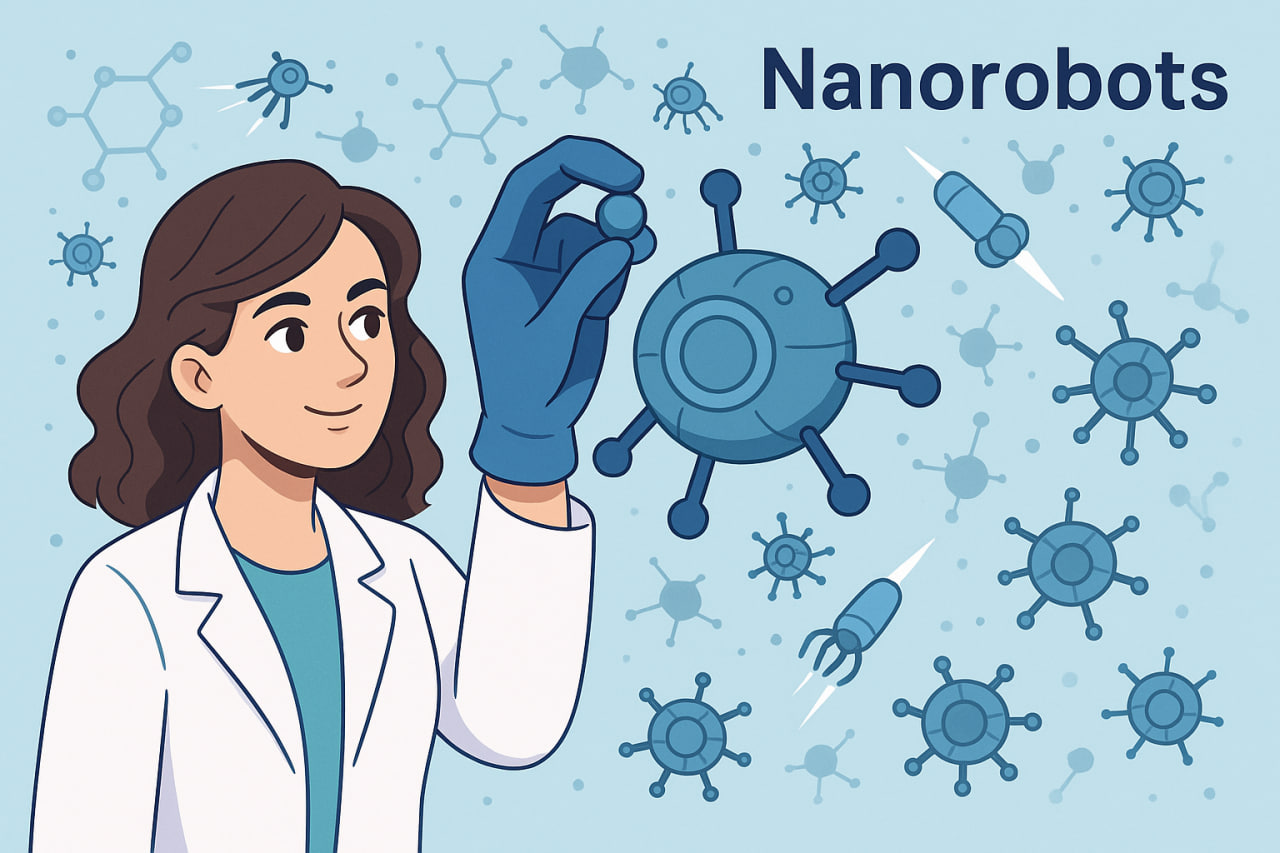
Nanorobots — tiny machines measured in billionths of a meter — represent one of the most revolutionary frontiers in modern science. Operating at scales comparable to molecules and viruses, these microscopic devices have the potential to transform medicine, manufacturing, environmental protection, and even computing. Although many concepts are still experimental, rapid advances in materials science, artificial intelligence, and molecular engineering are bringing the era of practical nanorobotics closer than ever. Nanorobots are designed to perform tasks that are impossible for larger machines, such as navigating inside the human body, assembling structures atom by atom, or detecting pollutants with extreme precision. Their development highlights how innovation can reshape our understanding of technology at the most fundamental level.

Living Electronics: The Future of Bio-Integrated Technology
Hi-Tech Bioengineering Smart Technology

Living Electronics: The Future of Bio-Integrated Technology

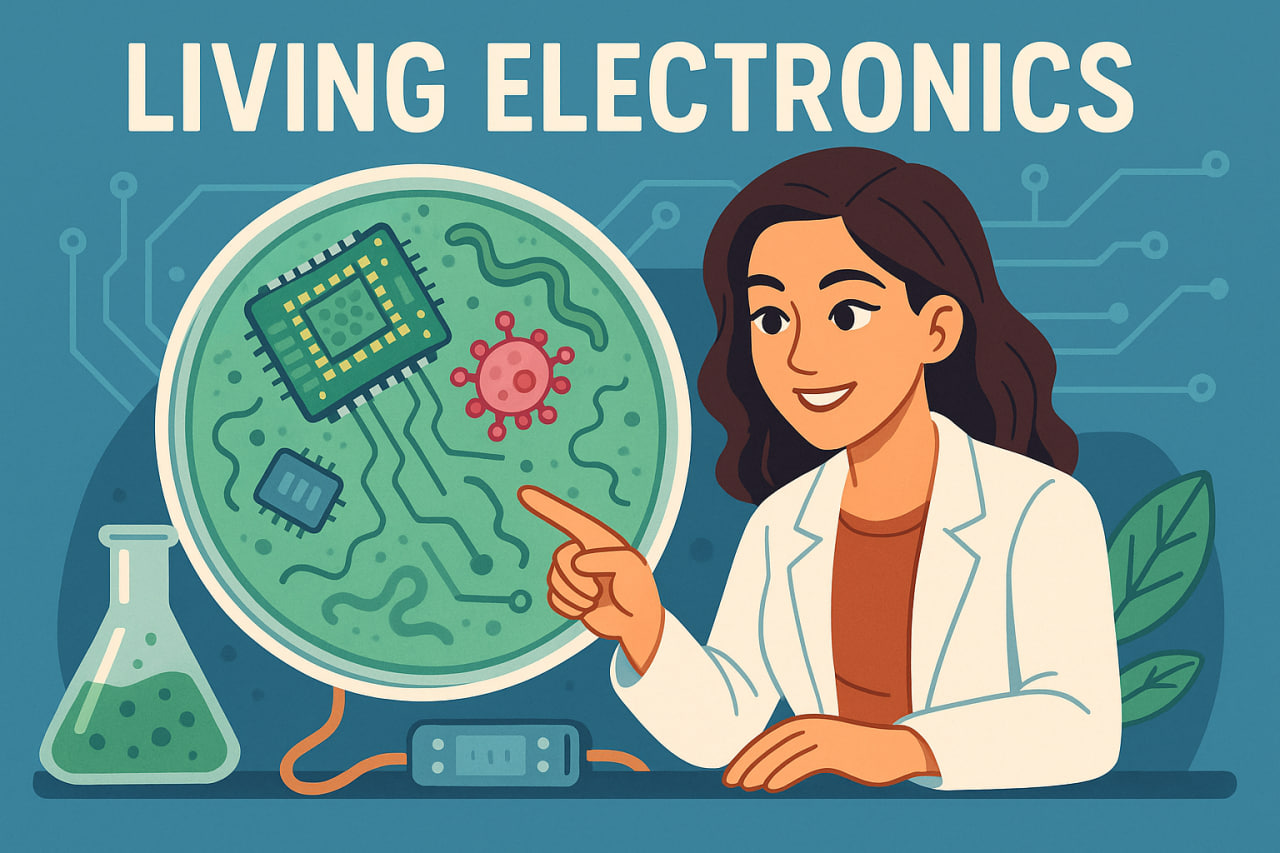
Living electronics, also known as bio-electronics or biological electronic systems, represent a rapidly evolving field that integrates living cells, biological materials, and electronic components into hybrid devices. This emerging technology explores how biological processes can be combined with electronic circuits to create systems that are more adaptive, energy-efficient, and capable of complex sensory functions. Unlike conventional electronics, which rely on synthetic materials and rigid structures, living electronics take advantage of the self-healing, flexible, and environmentally responsive properties of biological tissues or cells. Researchers believe that these innovations will play a major role in future medical diagnostics, environmental monitoring, soft robotics, and implantable devices. Understanding the principles behind living electronics provides insight into how biology and engineering are merging to form a new generation of technological solutions.