Cosmic Innovations

How Astronomers Discover New Planets
Cosmic Innovations Universe Science

How Astronomers Discover New Planets

The discovery of new planets, especially those outside our solar system—called exoplanets—has transformed our understanding of the universe. For centuries, planets were only known within our own solar system. But thanks to advances in astronomical instruments and space telescopes, scientists have now confirmed the existence of thousands of exoplanets orbiting distant stars.

How the James Webb Space Telescope Works
Cosmic Innovations Hi-Tech Smart Technology

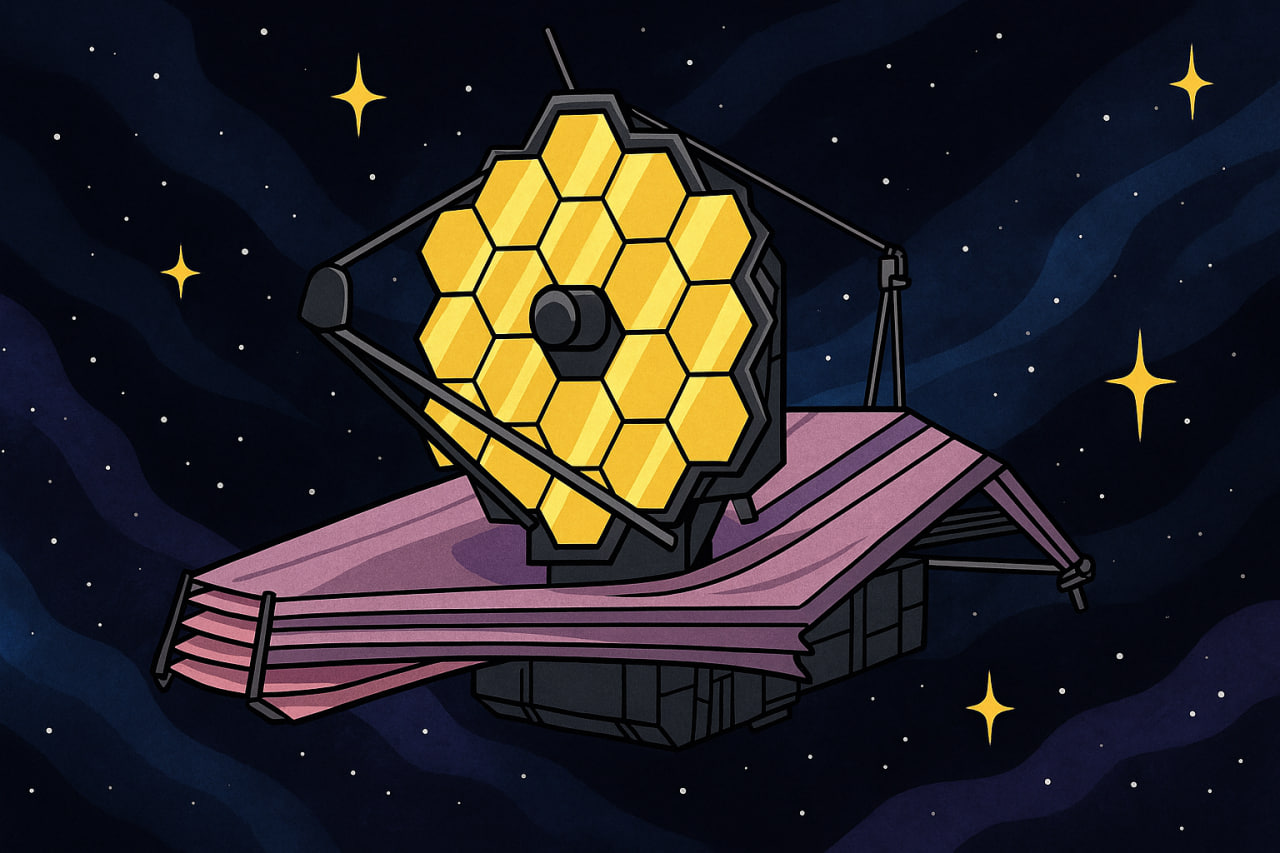
How the James Webb Space Telescope Works

The James Webb Space Telescope (JWST) is the most advanced and powerful space observatory ever launched. Developed by NASA in collaboration with ESA (European Space Agency) and CSA (Canadian Space Agency), it was designed to observe the universe in infrared light, allowing scientists to see deeper into space and further back in time than ever before. Unlike its predecessor, the Hubble Space Telescope, which mainly uses visible and ultraviolet light, JWST operates primarily in the infrared spectrum.

How Rockets Are Launched
Cosmic Innovations Hi-Tech Be Smart

How Rockets Are Launched

A rocket launch is one of the most powerful and complex technological achievements of modern science. Rockets are designed to overcome Earth’s gravity and carry payloads—such as satellites, telescopes, or astronauts—into space. The launch process involves precision engineering, advanced fuel systems, and careful timing.

Possibilities for Asteroid Belt Exploration and Utilization
Cosmic Innovations Universe Solar System

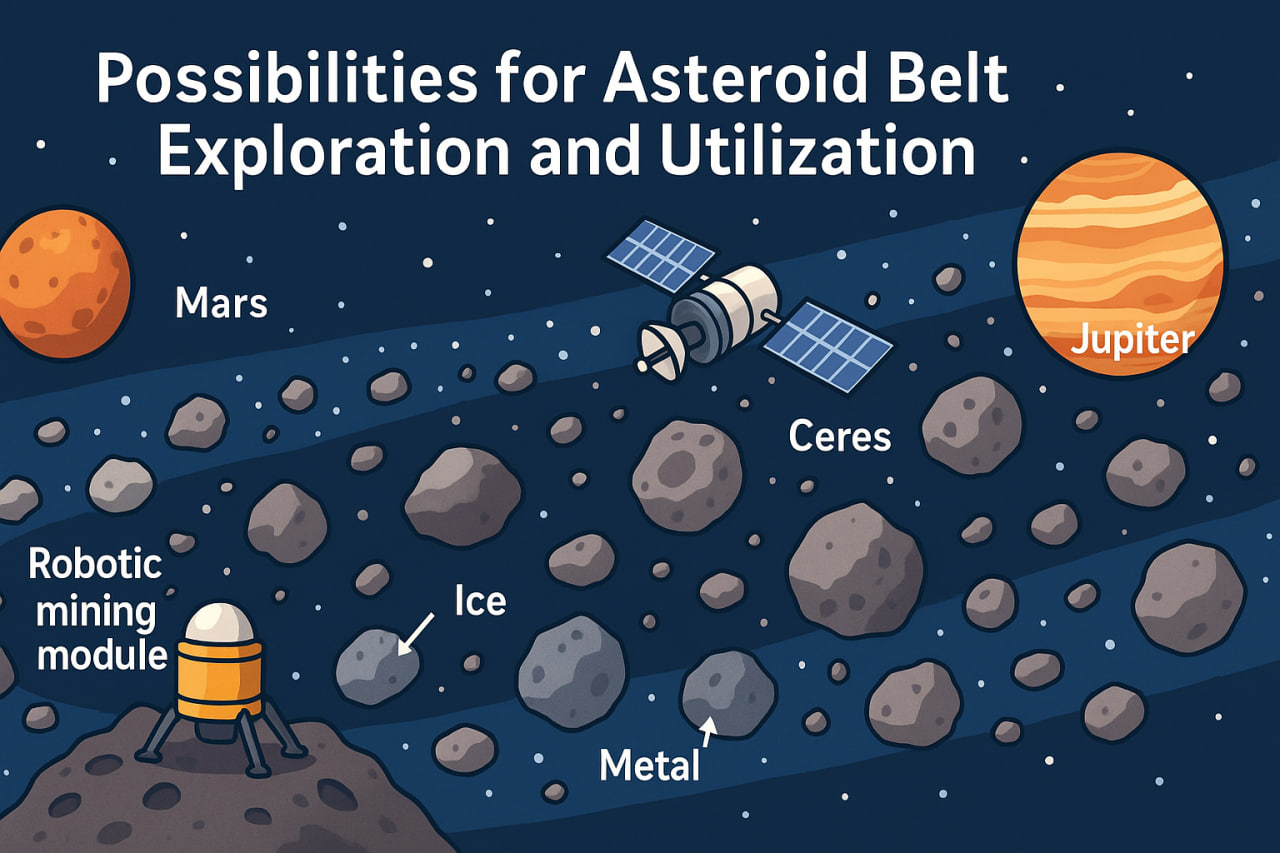
Possibilities for Asteroid Belt Exploration and Utilization

The asteroid belt is a vast region between Mars and Jupiter filled with rocky remnants from the early Solar System. Far from being just a chaotic zone of floating debris, it presents immense potential for scientific exploration, resource extraction, and possibly even future space colonization. As technology advances, so does our ability to access and benefit from this unique region.

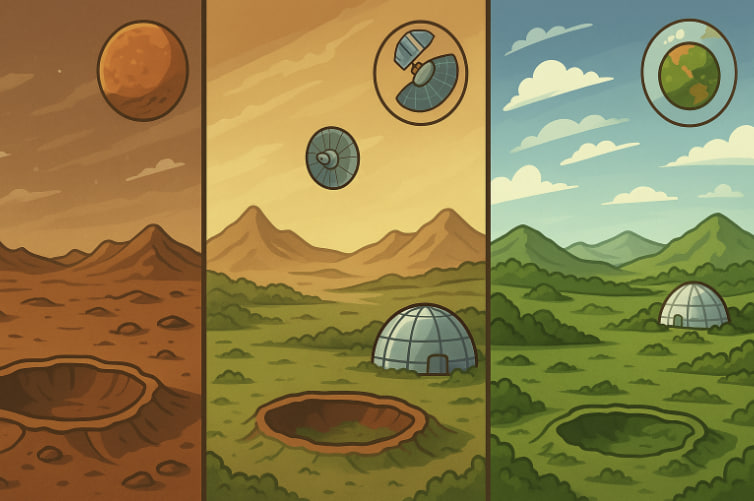
Terraforming Mars: How Realistic Is It?
Space Stories Cosmic Innovations

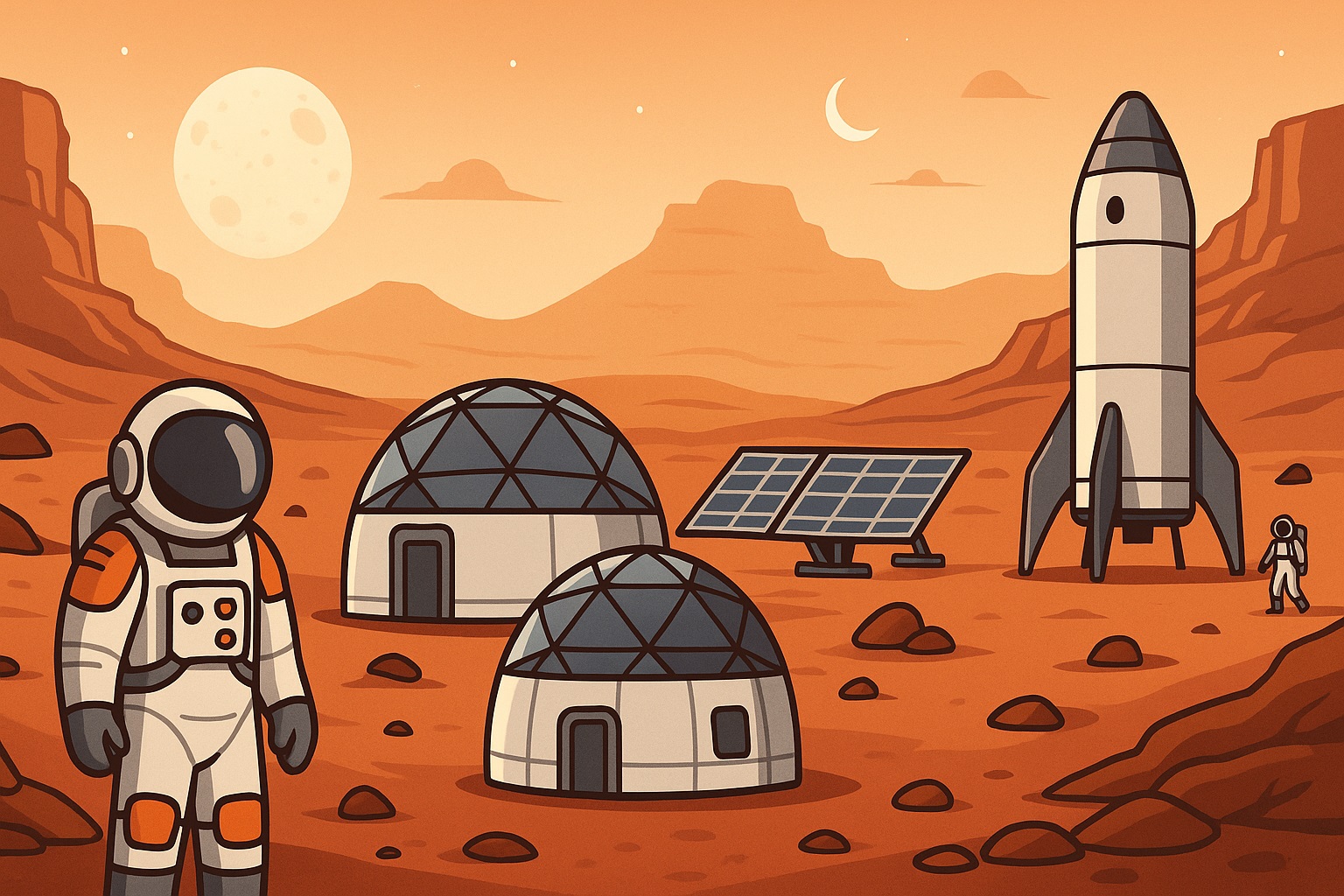
Terraforming Mars: How Realistic Is It?

The idea of terraforming Mars — transforming the Red Planet into a habitable world for humans — has captivated scientists, visionaries, and science fiction writers for decades. With interest in Mars colonization growing thanks to agencies like NASA and companies like SpaceX, the question arises: can we really change an entire planet’s environment to make it Earth-like? This article explores what terraforming Mars would involve, the scientific challenges, and how realistic this vision actually is.

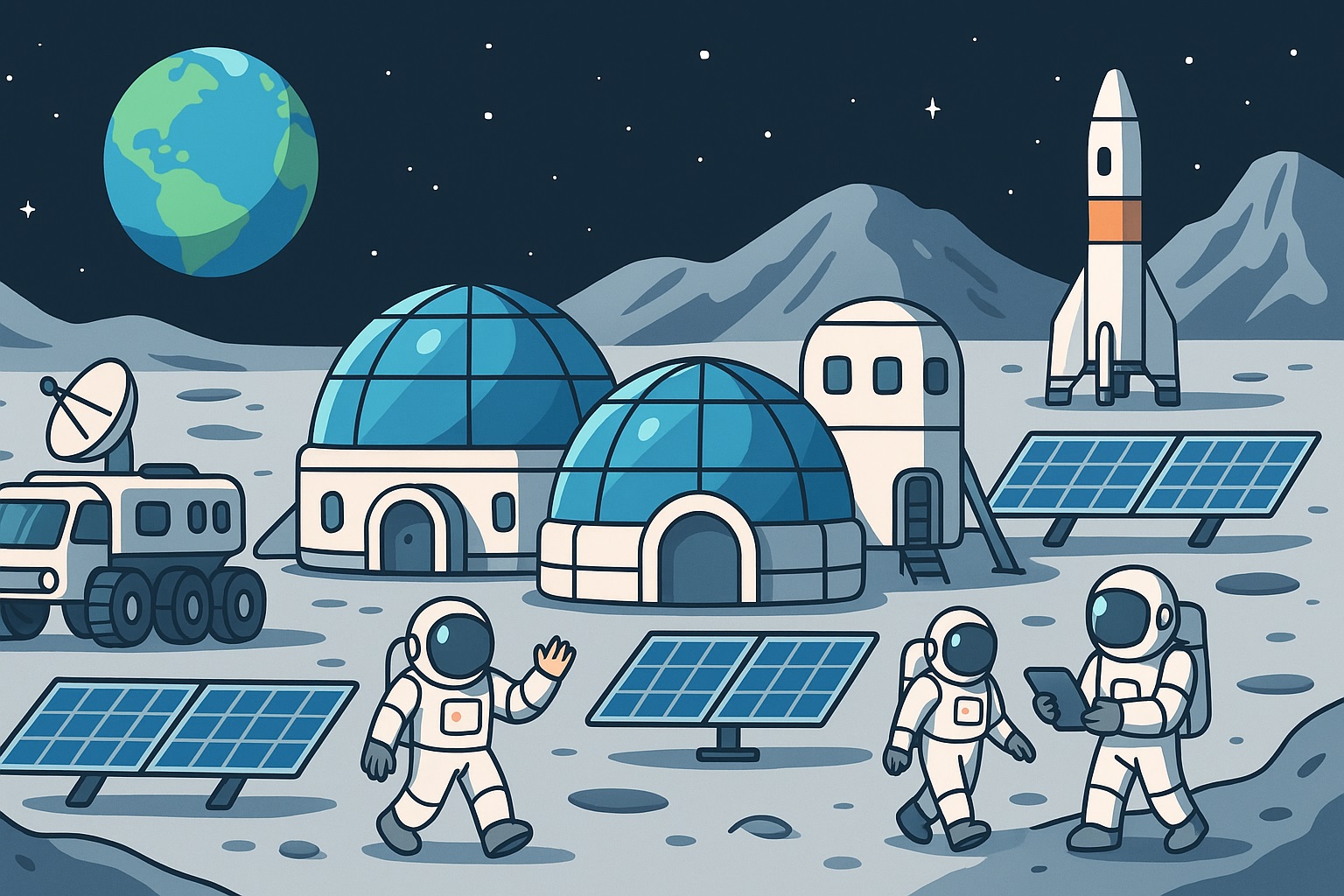
Moon Bases: Future Technologies on the Lunar Surface
Space Stories Cosmic Innovations

Moon Bases: Future Technologies on the Lunar Surface

As Earth’s closest celestial neighbor, the Moon has long fascinated scientists and dreamers alike. But today, the idea of lunar bases is shifting from science fiction to a real scientific and technological objective. With space agencies like NASA, ESA, and private companies such as SpaceX and Blue Origin investing in lunar exploration, building sustainable habitats on the Moon is becoming an achievable goal. These bases could serve as stepping stones for deeper space exploration and even long-term human settlement beyond Earth.