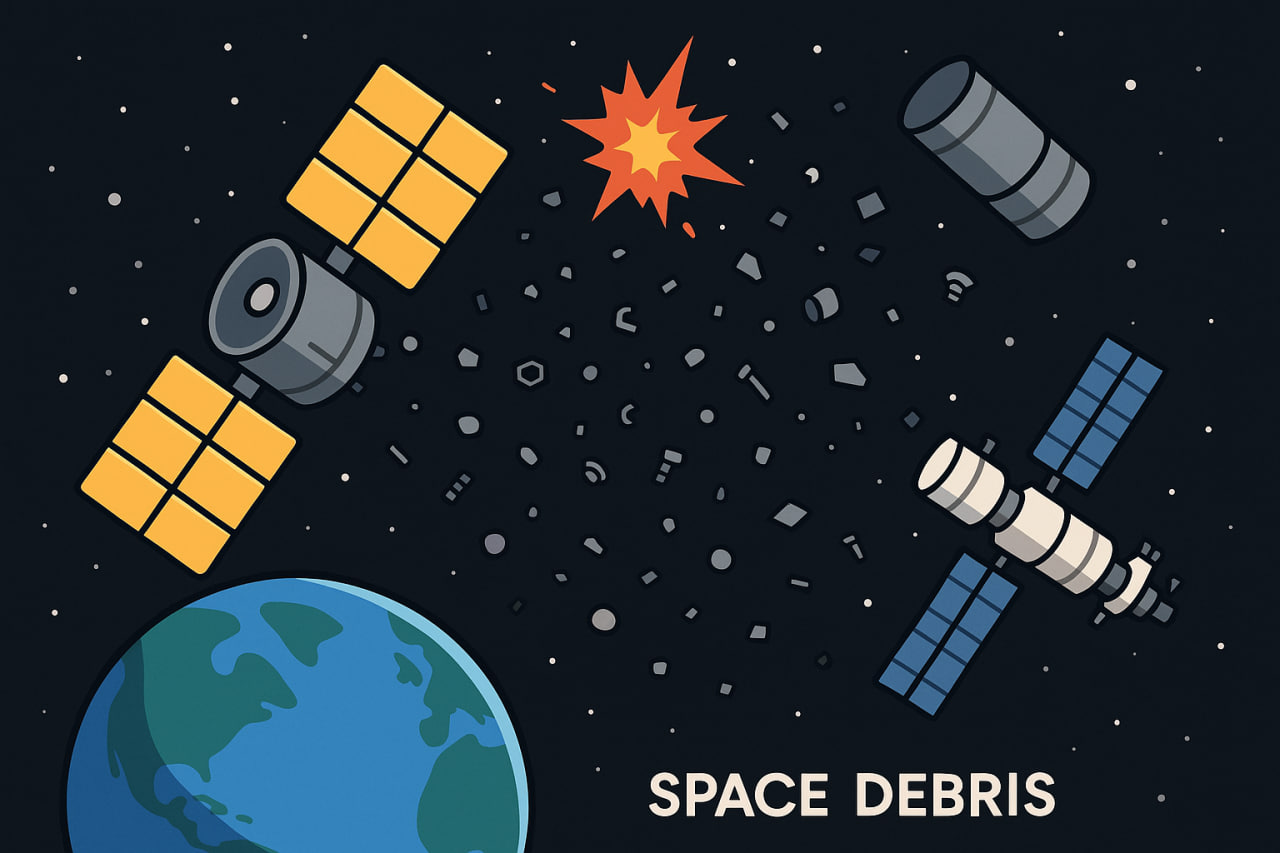
Space debris, also called space junk, refers to non-functional satellites, rocket parts, and fragments left behind from past missions orbiting Earth. As humanity launches more satellites and spacecraft, the number of debris pieces has grown significantly. While some of this material is small, it poses real risks to spacecraft, satellites, and even the International Space Station (ISS). The danger depends on the size, speed, and orbit of the debris.
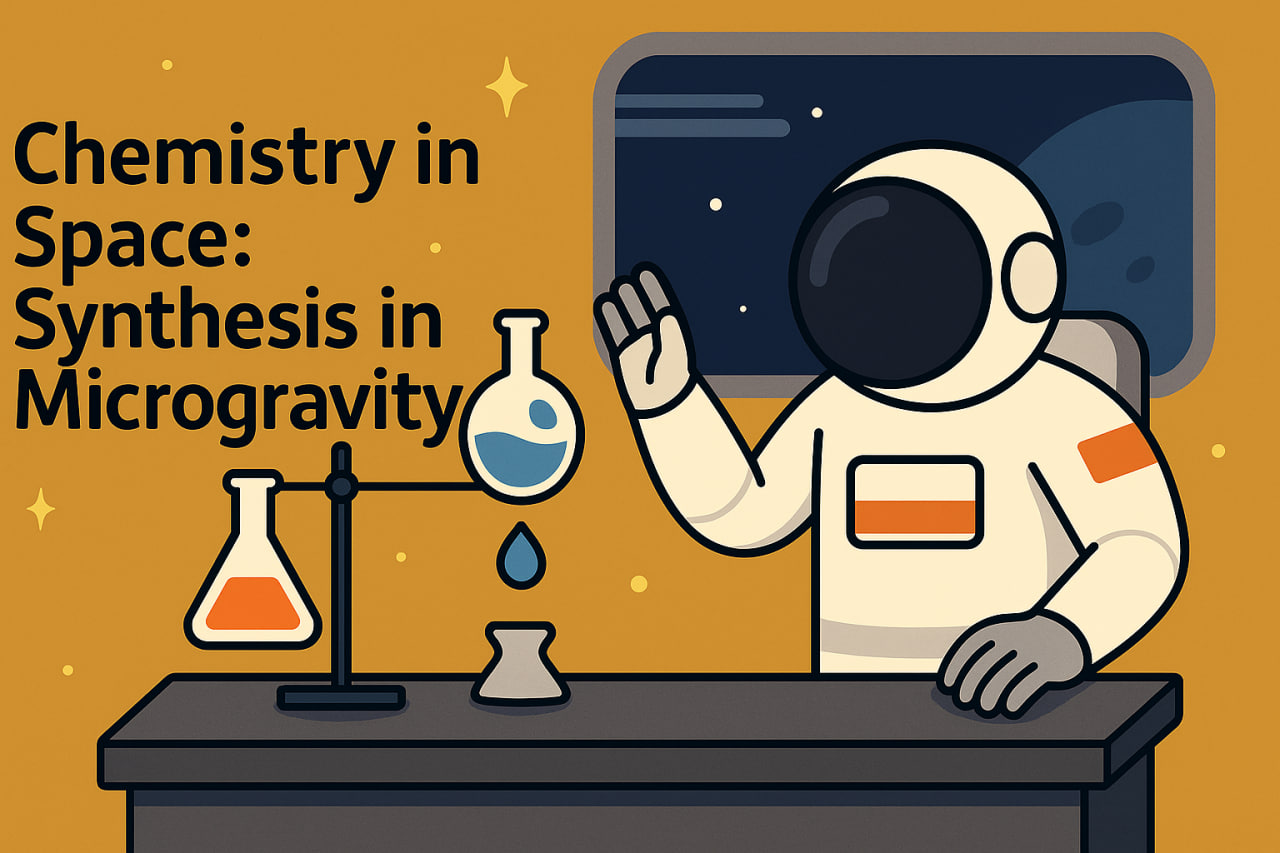
Chemistry in space is a rapidly developing field that explores how chemical reactions behave under microgravity — the near-weightless conditions experienced aboard spacecraft and orbital laboratories. Without the influence of Earth's gravity, many physical and chemical processes change dramatically, leading to new insights, unique materials, and potential breakthroughs in space exploration and industry.
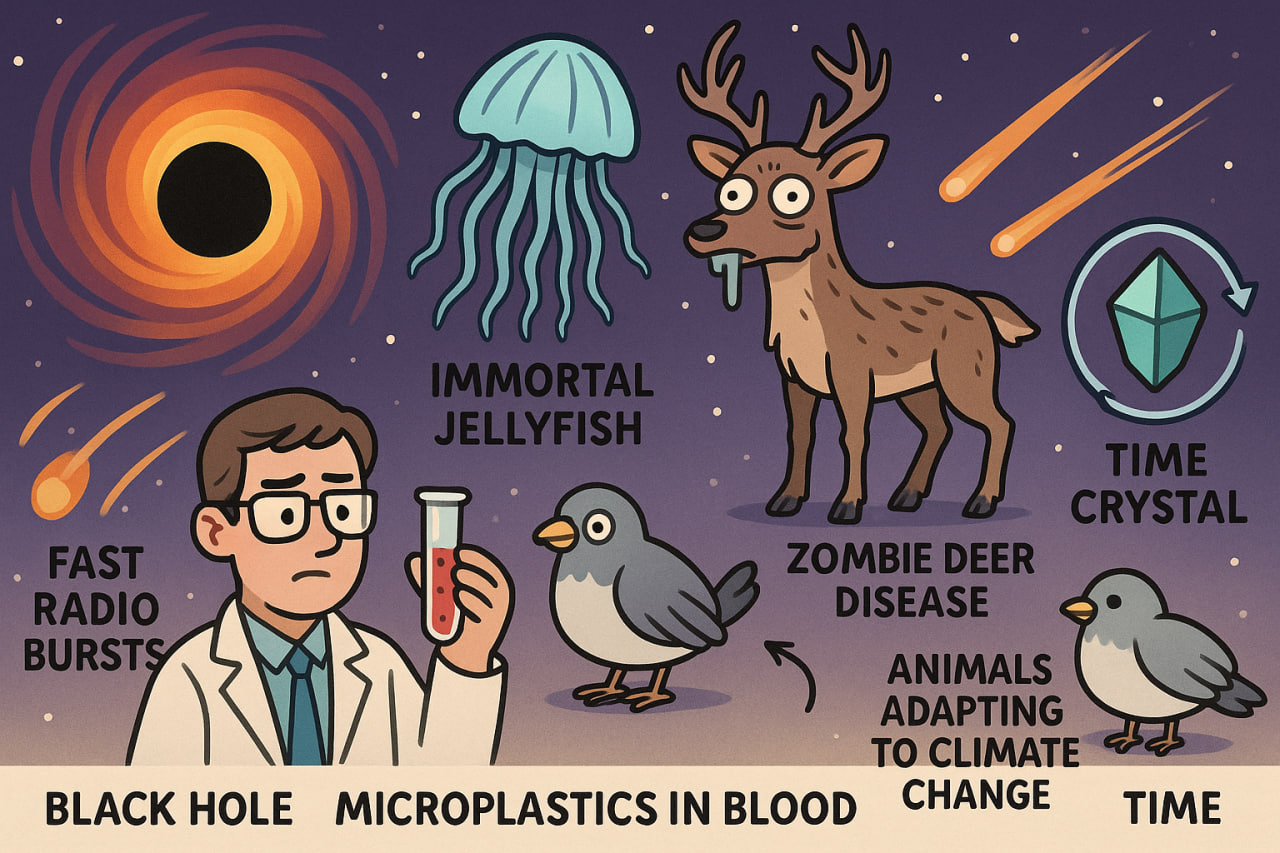
Over the past ten years, science has delivered breakthroughs that are not only groundbreaking but also deeply unusual. These discoveries challenge our understanding of the world and often seem more like science fiction than reality. From mysterious cosmic phenomena to bizarre biological behaviors, here are some of the strangest findings of recent years.
A space suit — or extravehicular mobility unit (EMU) — is more than just clothing. It’s a self-contained life support system, acting as a miniature spacecraft that protects astronauts from the harsh conditions of space. A properly designed suit maintains pressure, supplies oxygen, removes CO₂, shields from radiation and micrometeoroids, and allows mobility in zero gravity. Creating a space suit involves advanced materials science, engineering, biology, and astronaut feedback, and is one of the most complex aspects of human spaceflight.
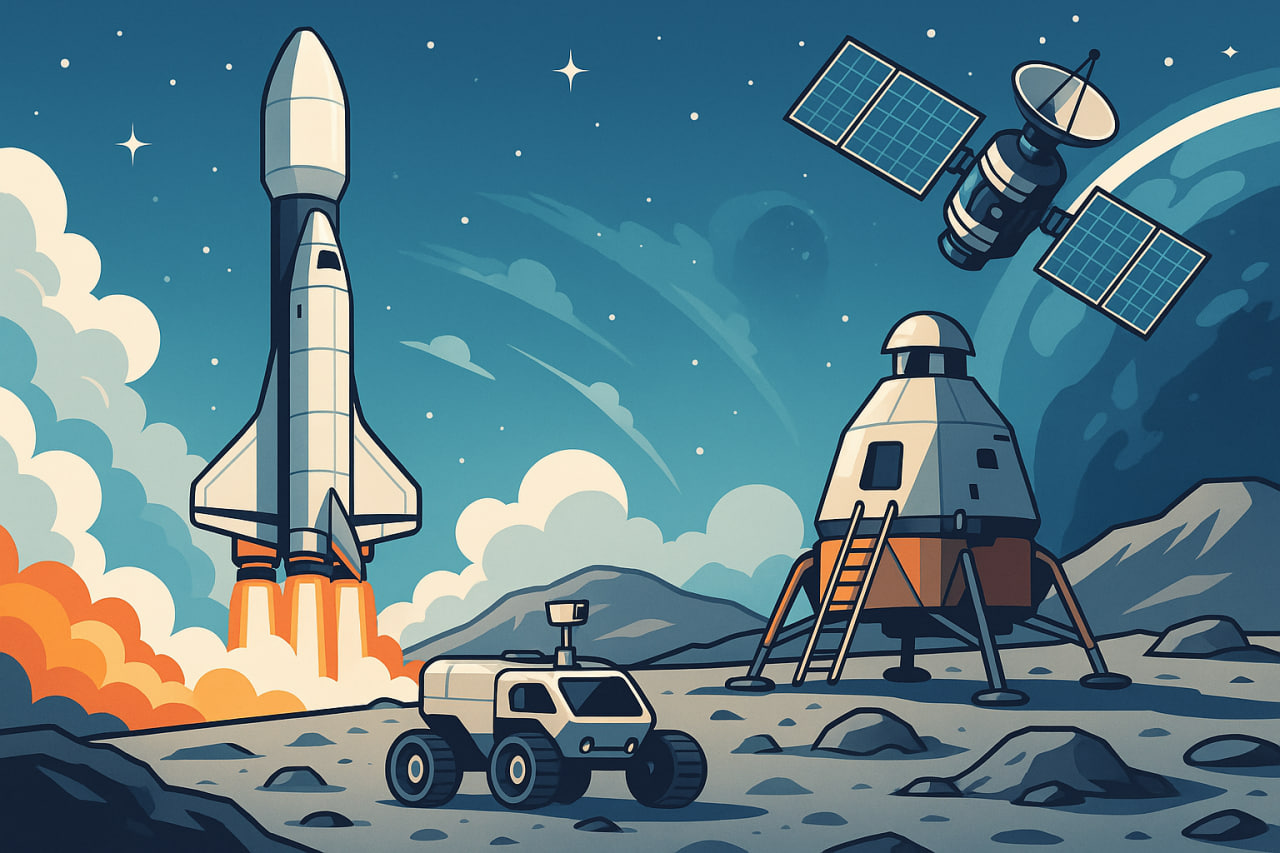
We are living in a revolutionary era of space technology. Once dominated by government agencies and Cold War politics, modern space activity now includes private companies, global collaboration, robotics, and AI. From reusable rockets to lunar habitats, cutting-edge innovations are redefining what is possible in space exploration. These new technologies aim not only to return us to the Moon and reach Mars but to build a sustainable human presence beyond Earth.
A rocket is a vehicle or device that moves by expelling gas out of a nozzle at high speed, based on Newton’s Third Law of Motion: “For every action, there is an equal and opposite reaction.” Rockets are the only machines that can operate in the vacuum of space, making them essential for launching satellites, space probes, crew missions, and even interplanetary travel.
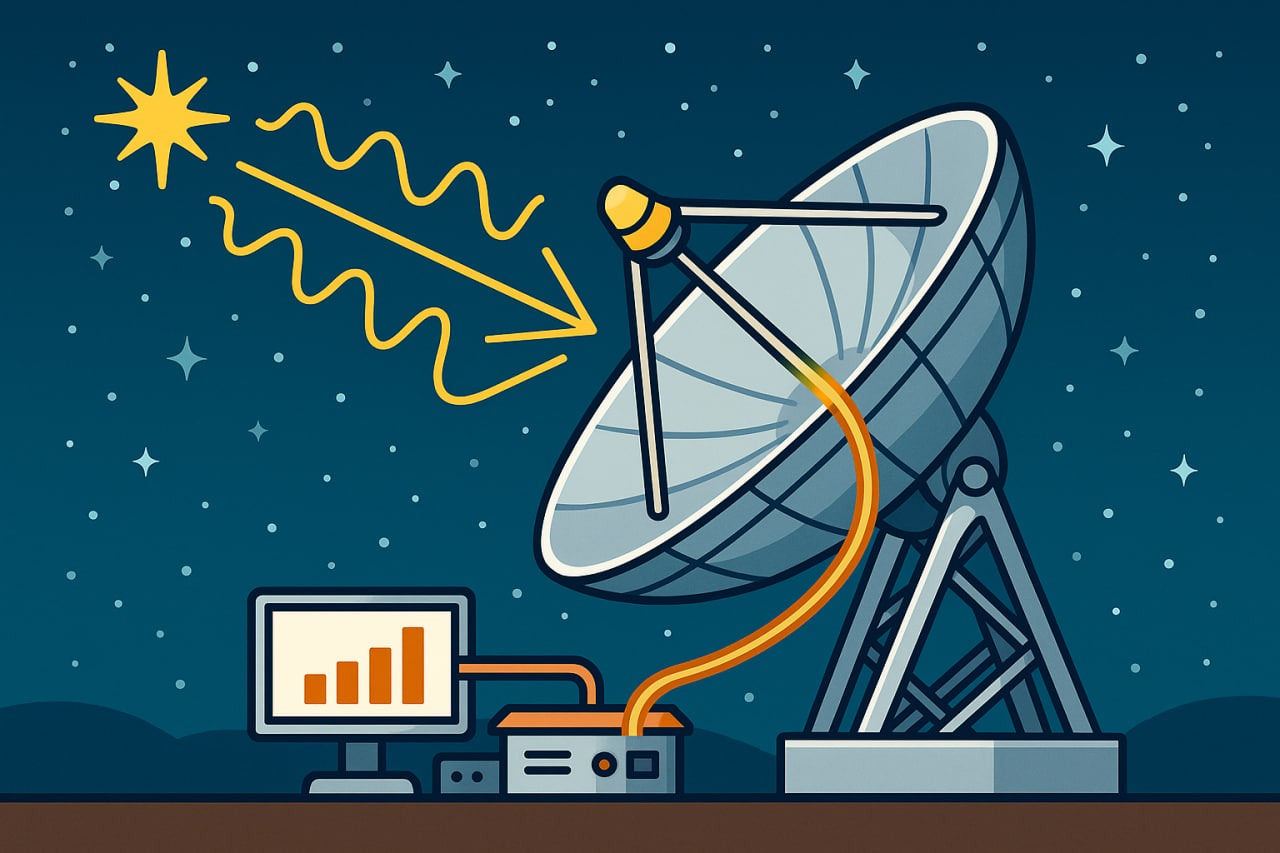
Unlike traditional optical telescopes that capture visible light, a radio telescope detects radio waves emitted by celestial objects. These waves are part of the electromagnetic spectrum, but they have much longer wavelengths than visible light — sometimes stretching for meters. Because radio waves can travel through clouds, dust, and even the Earth's atmosphere, radio telescopes open a unique window into the cosmos. They allow astronomers to study phenomena that are invisible to optical telescopes, such as pulsars, quasars, cosmic background radiation, and interstellar gas clouds.
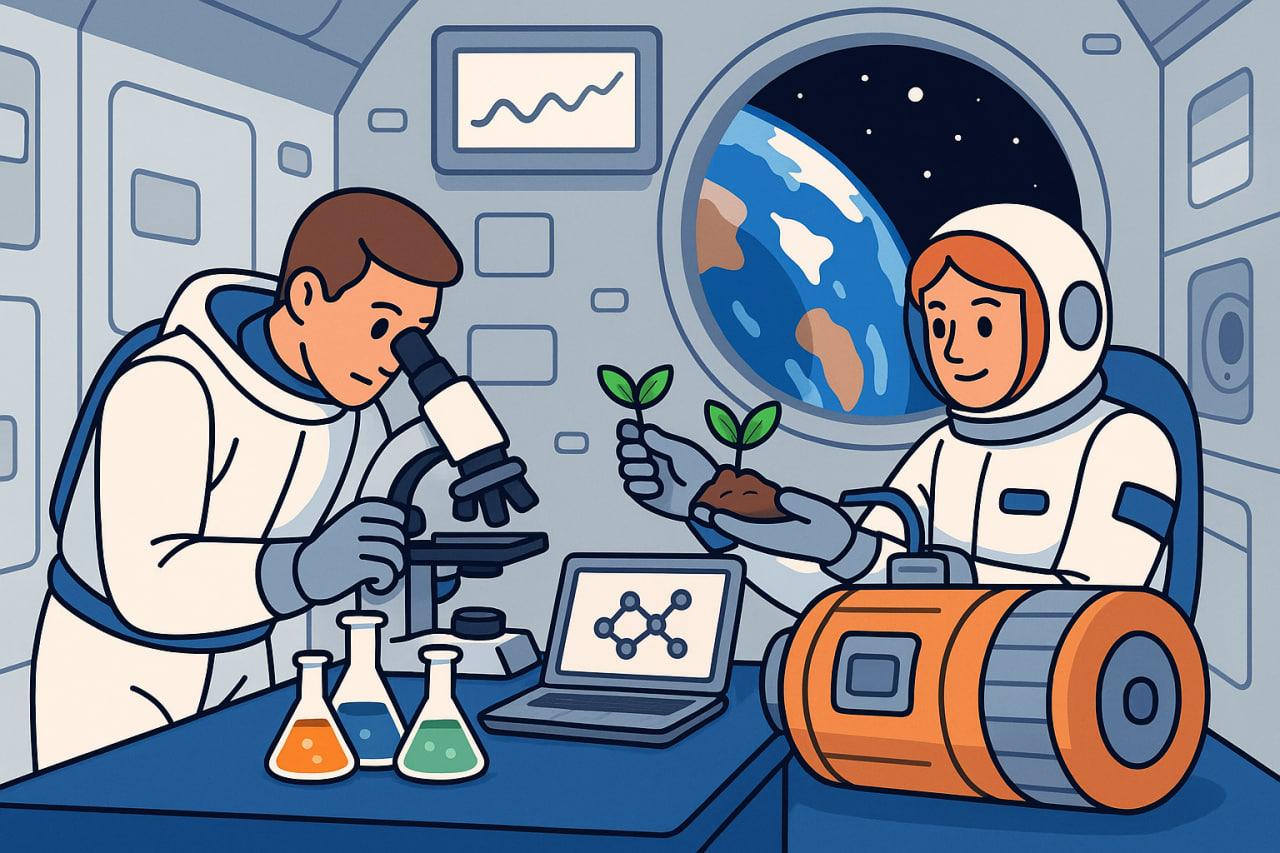
The International Space Station (ISS) is not just a symbol of global cooperation, but a fully operational scientific laboratory in orbit. Orbiting Earth at about 400 kilometers in altitude, the ISS travels at a speed of approximately 28,000 km/h, completing one orbit every 90 minutes. Inside this massive structure, astronauts from multiple nations conduct daily scientific experiments in a unique environment that cannot be replicated on Earth. The ISS provides long-term access to microgravity, enabling researchers to study biological, chemical, and physical processes without the interference of gravity. These conditions reveal new insights into cell behavior, fluid dynamics, material science, and more. The station's modular structure includes dedicated lab modules such as Destiny (USA), Columbus (Europe), and Kibo (Japan), each outfitted with specialized equipment. These modules make the ISS an extraordinary research hub floating above Earth.
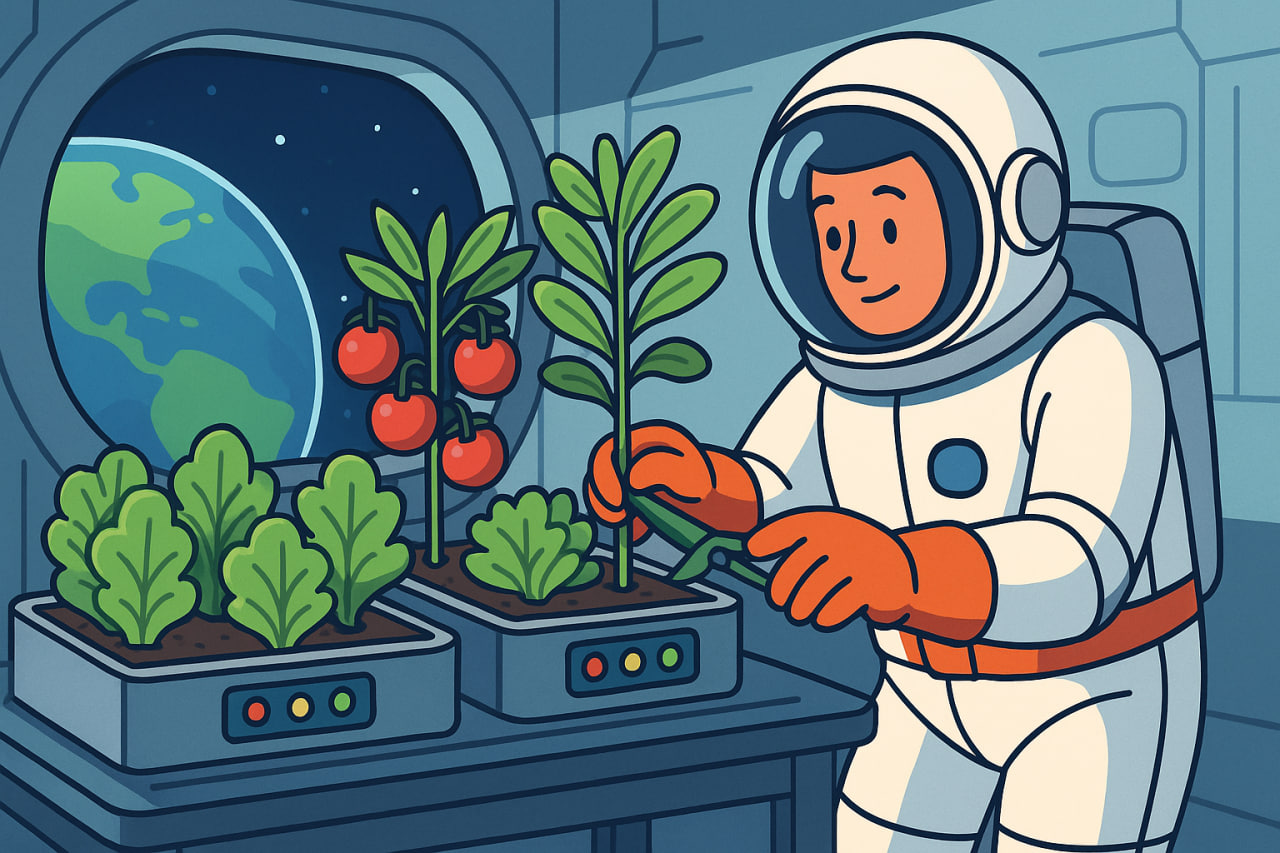
Growing plants in space has become a crucial component of long-term space exploration. As humanity prepares for extended missions to the Moon, Mars, and beyond, sustainable food production in microgravity is no longer a theoretical challenge — it is a pressing engineering and biological frontier. The ability to grow crops in orbit supports crew nutrition, psychological well-being, oxygen regeneration, and closed-loop life support systems.
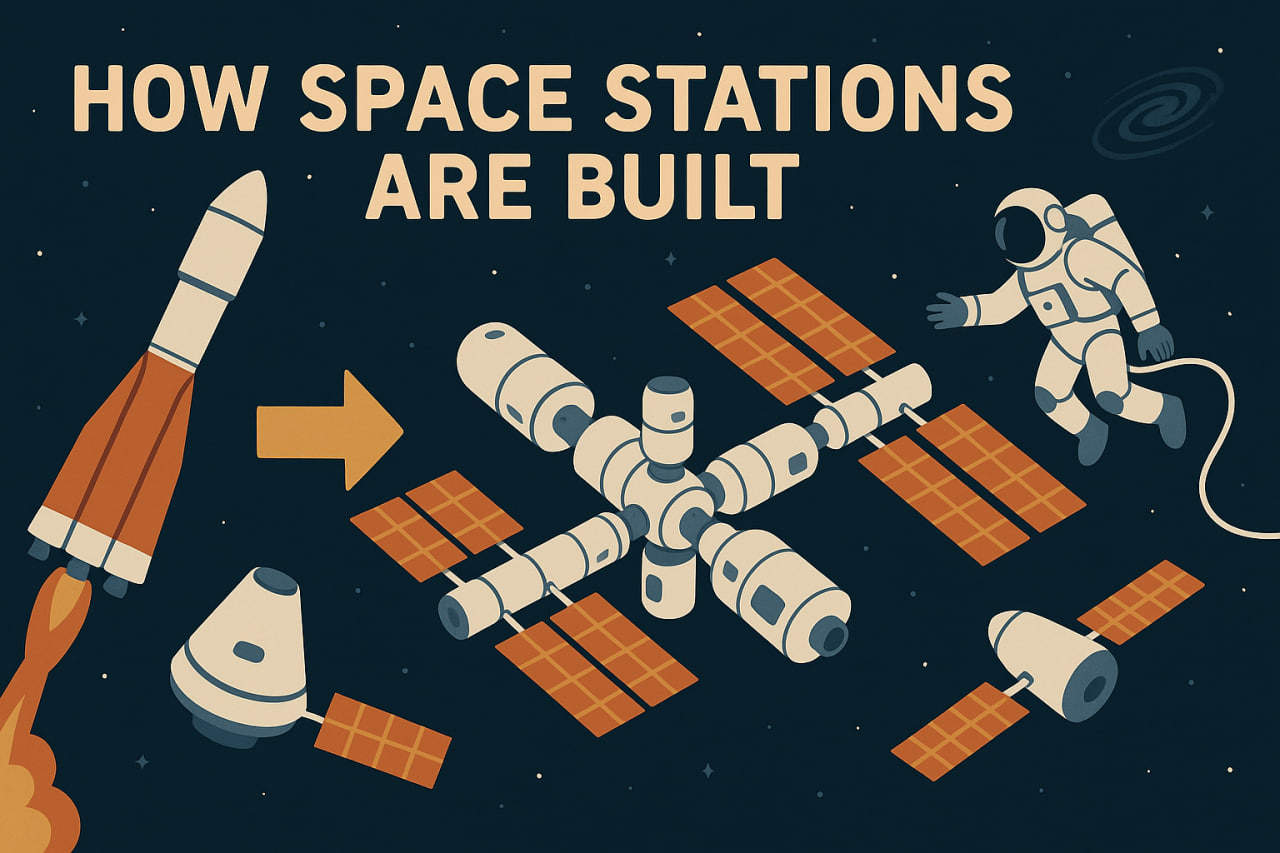
A space station is a large, habitable artificial satellite that orbits Earth, serving as a platform for scientific research, space exploration, and international cooperation. Building a space station is one of the most complex engineering tasks ever undertaken by humanity. Unlike ground-based structures, space stations must be assembled in orbit, piece by piece, using specially designed modules, spacecraft, and astronaut labor.