Cosmic Innovations

The Future of Space Exploration
Space Stories Cosmic Innovations Hi-Tech

The Future of Space Exploration

The future of space exploration promises to be one of the most exciting chapters in human history. As technology advances and private companies join national agencies, humanity stands on the brink of a new space age. We are no longer satisfied with merely orbiting Earth; we now aim to build permanent bases on the Moon, colonize Mars, and explore the outer planets. With breakthroughs in propulsion, robotics, and artificial intelligence, the dream of becoming a multi-planetary species is transforming from science fiction into science fact.
How Temperature Is Measured in Space
Cosmic Innovations Hi-Tech Universe

How Temperature Is Measured in Space

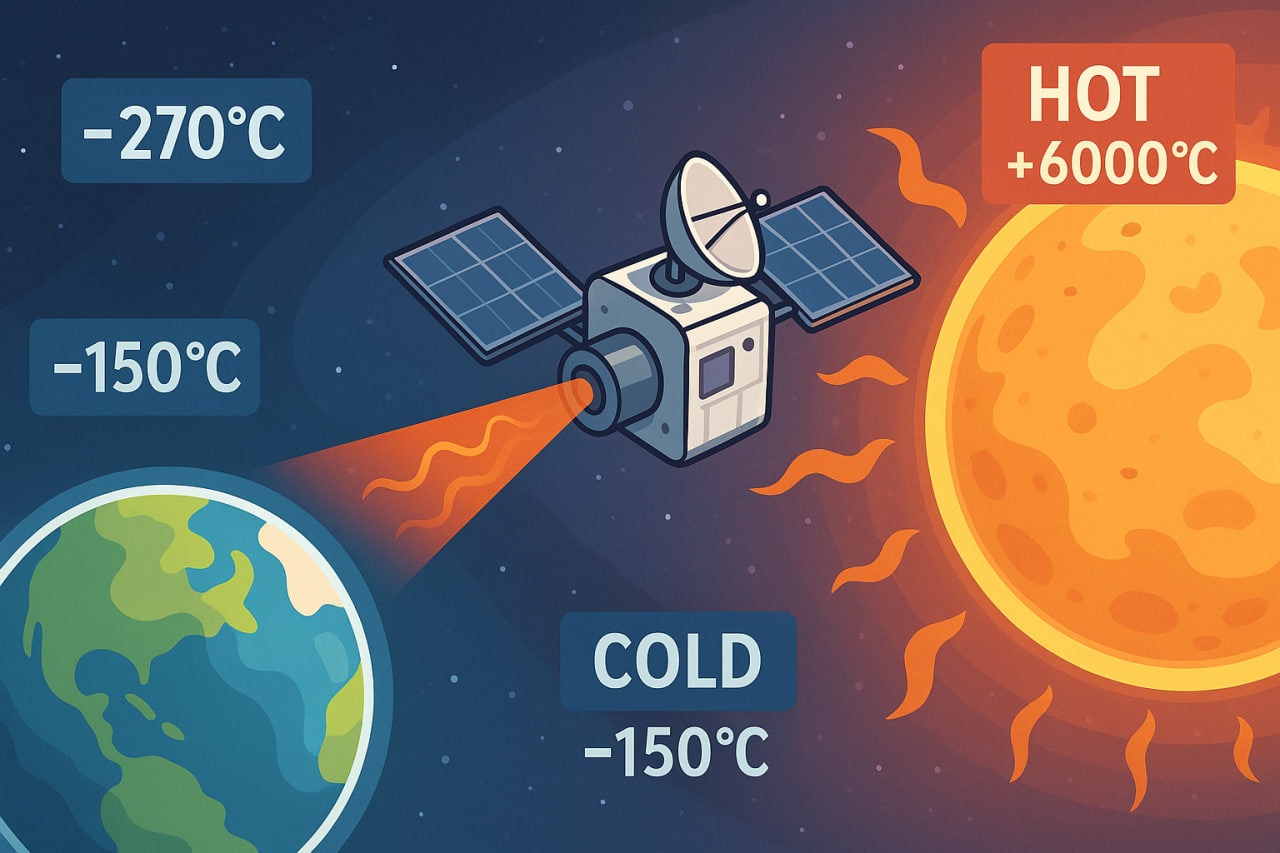
Measuring temperature in space is far more complex than taking a thermometer reading on Earth. In the vacuum of space, there is no air to conduct heat, and objects are heated or cooled only by radiation. Spacecraft, satellites, and astronomical instruments must use advanced methods to determine the temperatures of planets, stars, and even the cold void of space itself.

How a Space Probe Works
Cosmic Innovations Hi-Tech Smart Technology

How a Space Probe Works

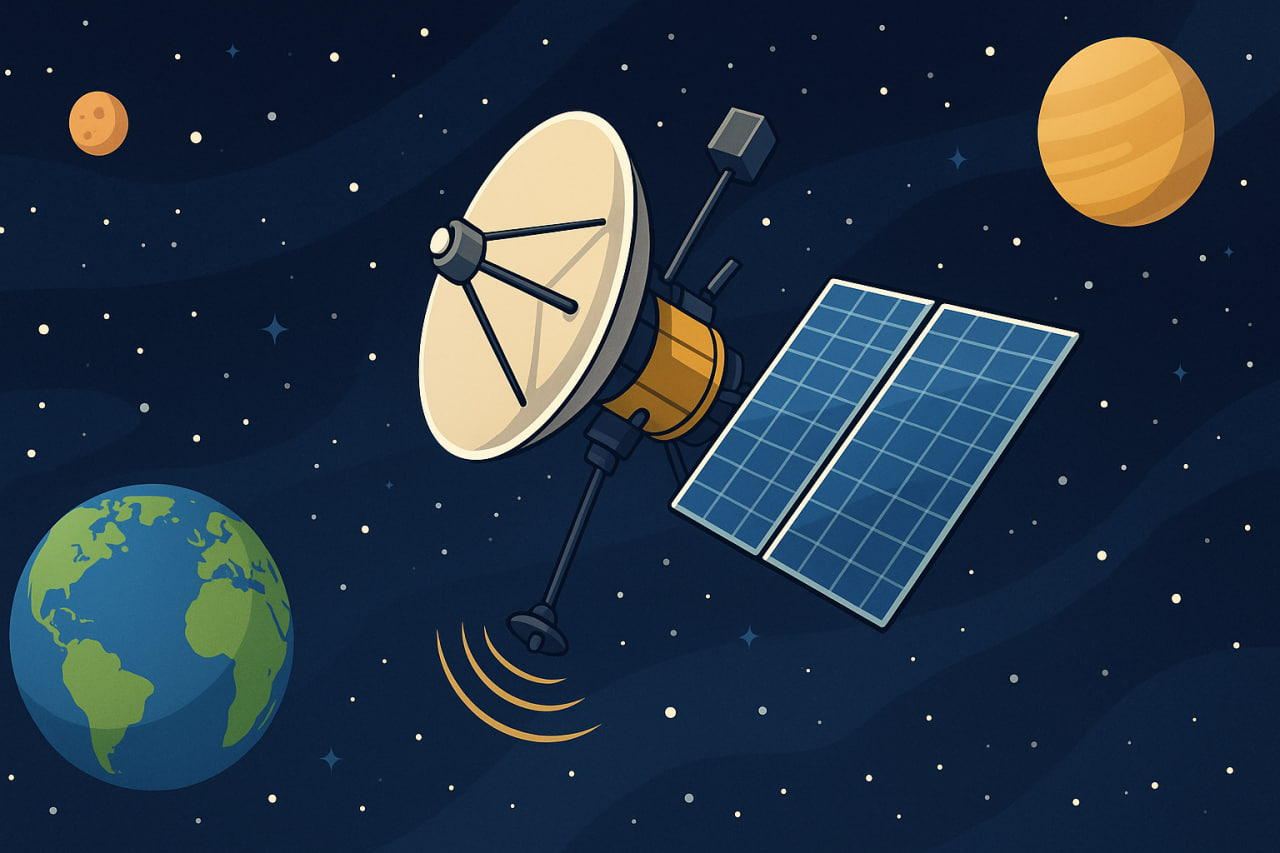
A space probe is an unmanned spacecraft designed to explore outer space and send information back to Earth. Unlike satellites that orbit Earth, probes travel far beyond our planet, studying the Moon, planets, asteroids, comets, and even interstellar space. They are one of the most important tools in space science, allowing us to gather data from regions too distant or dangerous for humans to reach.

Why the Hubble Telescope Is Important
Space Stories Cosmic Innovations Hi-Tech

Why the Hubble Telescope Is Important

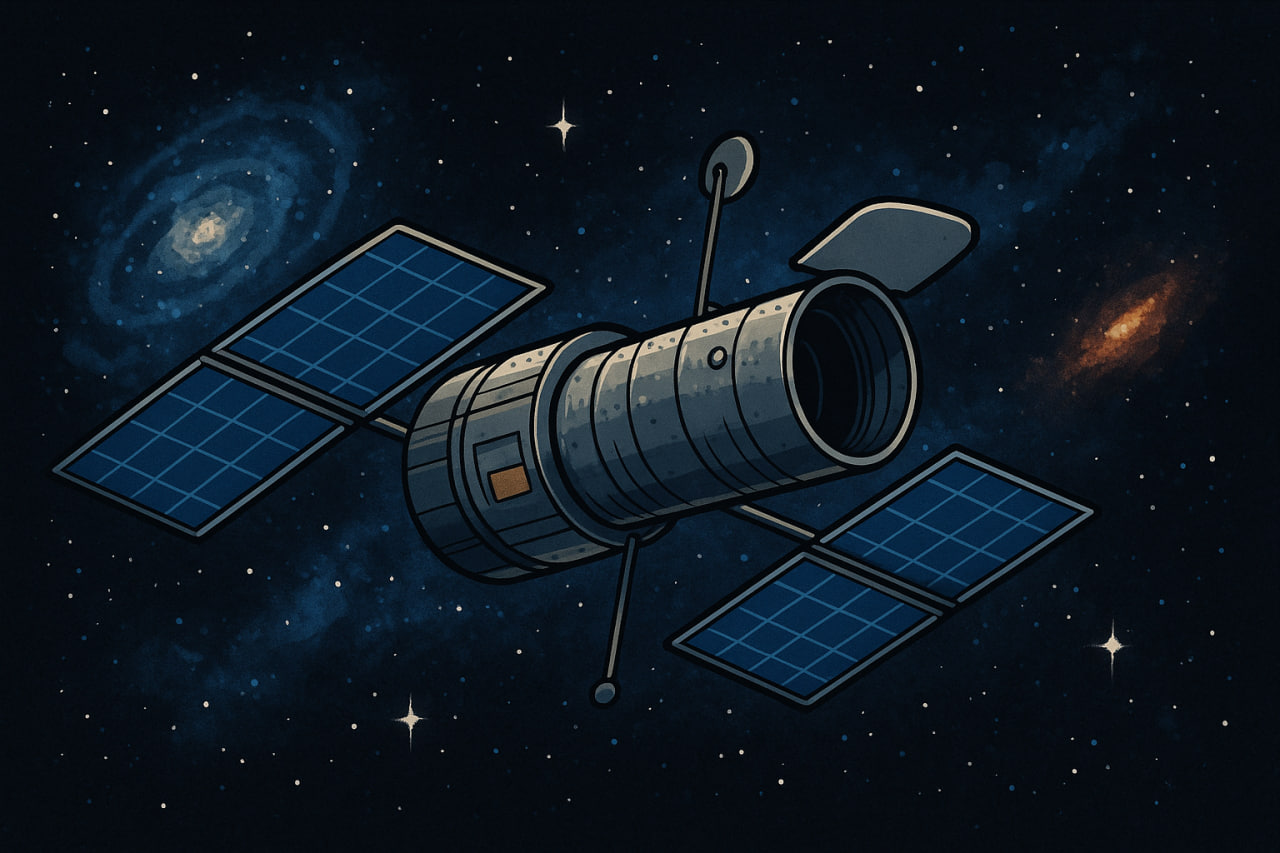
The Hubble Space Telescope is one of the most significant scientific instruments ever built, transforming our understanding of the universe. Launched in 1990 and orbiting outside Earth’s atmosphere, it avoids the distortion caused by air and light pollution. This allows it to capture images of space with unmatched clarity and detail. Hubble has become a key tool for astronomy, providing data that shaped modern cosmology and astrophysics.

Can We Colonize Moons?
Space Stories Cosmic Innovations Solar System

Can We Colonize Moons?

Colonizing moons has long fascinated scientists, engineers, and visionaries. Unlike planets, moons often present unique advantages and challenges for human settlement. Some moons in our solar system—such as Earth’s Moon, Jupiter’s Europa, and Saturn’s Titan—are seen as possible candidates for colonization. However, the idea remains speculative, as enormous technological and biological obstacles must be overcome.

What Is Spectroscopy?
Cosmic Innovations Science

What Is Spectroscopy?

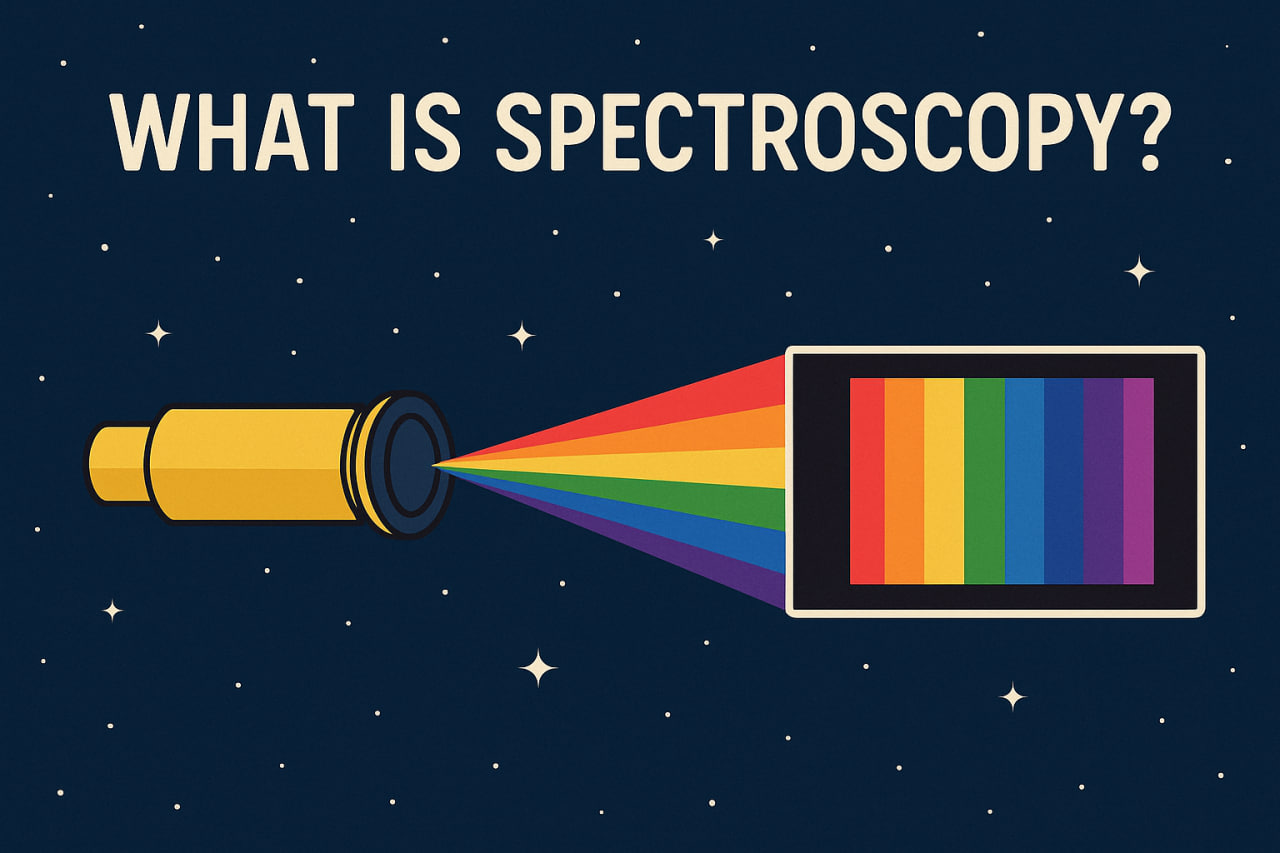
Spectroscopy is a scientific method used to study how matter interacts with light. By observing how light is absorbed, emitted, or scattered by a substance, scientists can determine its composition, structure, and properties. This technique is widely used in physics, chemistry, astronomy, and even medicine, making it one of the most powerful tools in modern science.

How Solar Panels Work in Space
Cosmic Innovations Hi-Tech Science

How Solar Panels Work in Space

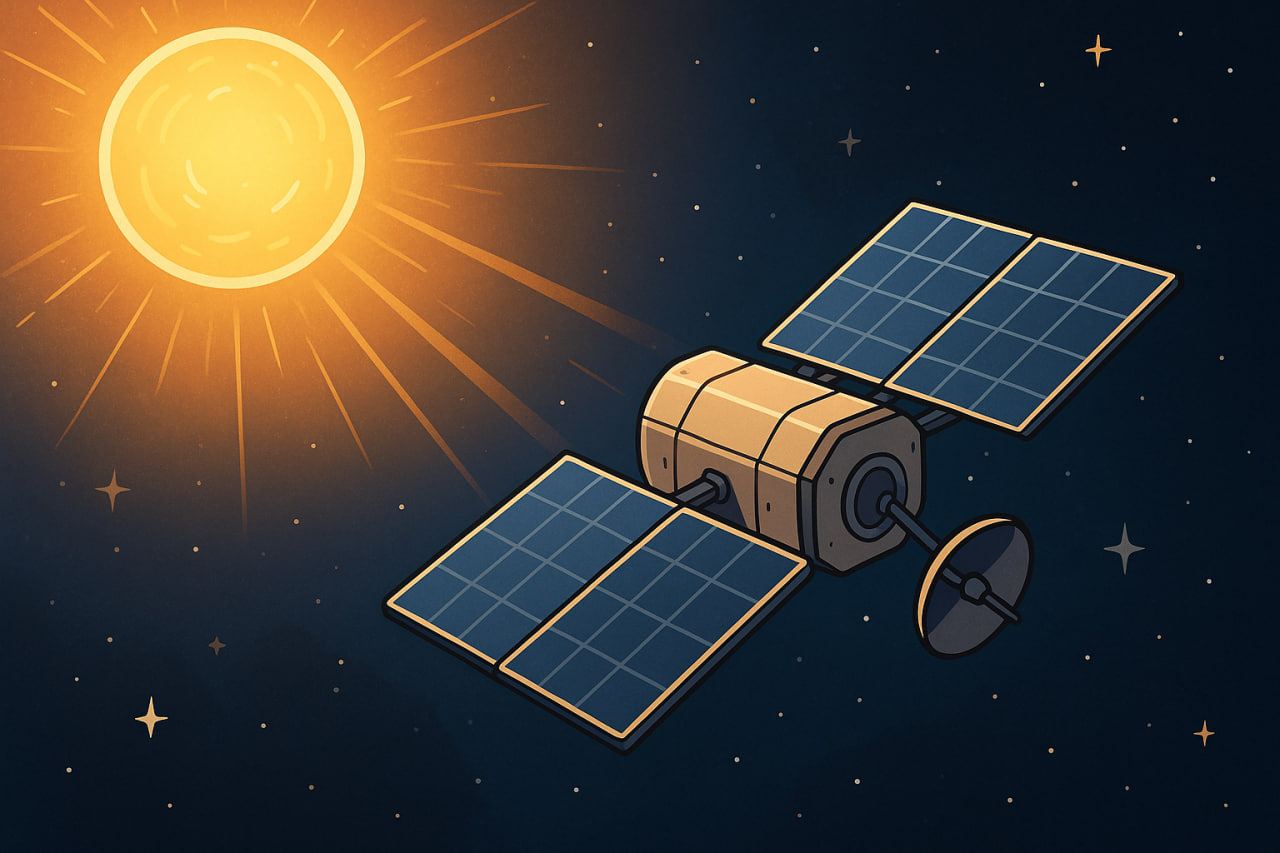
Solar panels are the primary source of energy for most spacecraft, satellites, and space stations. They capture sunlight and convert it into electricity, powering everything from onboard computers to communication systems. In the vacuum of space, where fuel is limited and sunlight is abundant, solar panels are an efficient and sustainable energy solution.

How Infrared Telescopes Work
Cosmic Innovations Hi-Tech New Discoveries

How Infrared Telescopes Work

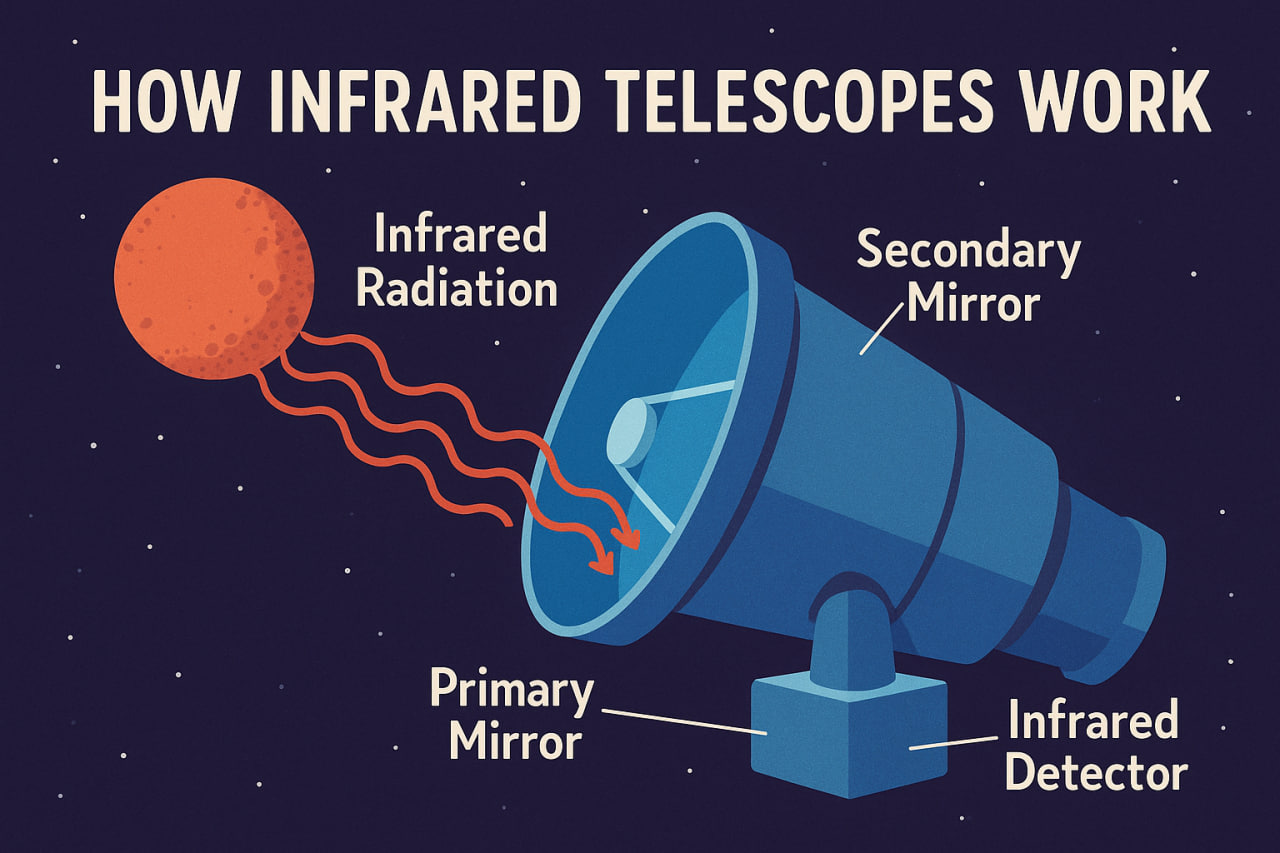
Infrared telescopes are powerful instruments that allow scientists to see parts of the universe invisible to the human eye. Unlike regular optical telescopes, which capture visible light, infrared telescopes detect infrared radiation—a form of light with longer wavelengths than what we can see. This ability makes them essential for studying objects hidden behind dust, exploring cold regions of space, and observing the early universe.

What Would Happen if an Asteroid or Comet Were Found on a Collision Course with Earth?
Space Stories Cosmic Innovations Be Smart

What Would Happen if an Asteroid or Comet Were Found on a Collision Course with Earth?

The possibility of an asteroid or comet colliding with Earth has long been a subject of both scientific research and public concern. While such events are rare, history shows that they can have devastating consequences. Scientists and space agencies monitor the skies to detect these objects early, but what if one were discovered heading directly toward Earth with no way to avoid impact?