Hi-Tech

The Future of Bicycles
Hi-Tech Smart Technology Inventions

The Future of Bicycles

Bicycles of the future are being shaped by technology, sustainability, and changing urban lifestyles. As cities continue to expand and transportation becomes more focused on reducing pollution and improving health, bicycles are evolving into smarter and more adaptable machines. Future bicycles will not only serve as a means of movement but also as tools for fitness, personal expression, and everyday convenience. By blending engineering advancements with eco-friendly materials and digital features, the next generation of bicycles is expected to transform how people travel, exercise, and interact with their environment.

Camera: Capturing Moments and Preserving Memory
History Hi-Tech Inventions

Camera: Capturing Moments and Preserving Memory

A camera is a device designed to record images, allowing people to capture moments, document experiences, and express creativity. Cameras have evolved significantly from early mechanical designs to modern digital systems, but their purpose remains the same: to freeze time. Photography allows individuals to share stories, emotions, and perspectives that may otherwise be forgotten. Whether used for personal memories, scientific research, or artistic expression, the camera continues to shape how we see the world and how we remember it.

Magnetic Levitation: The Science of Floating Without Touch
Hi-Tech Science New Discoveries

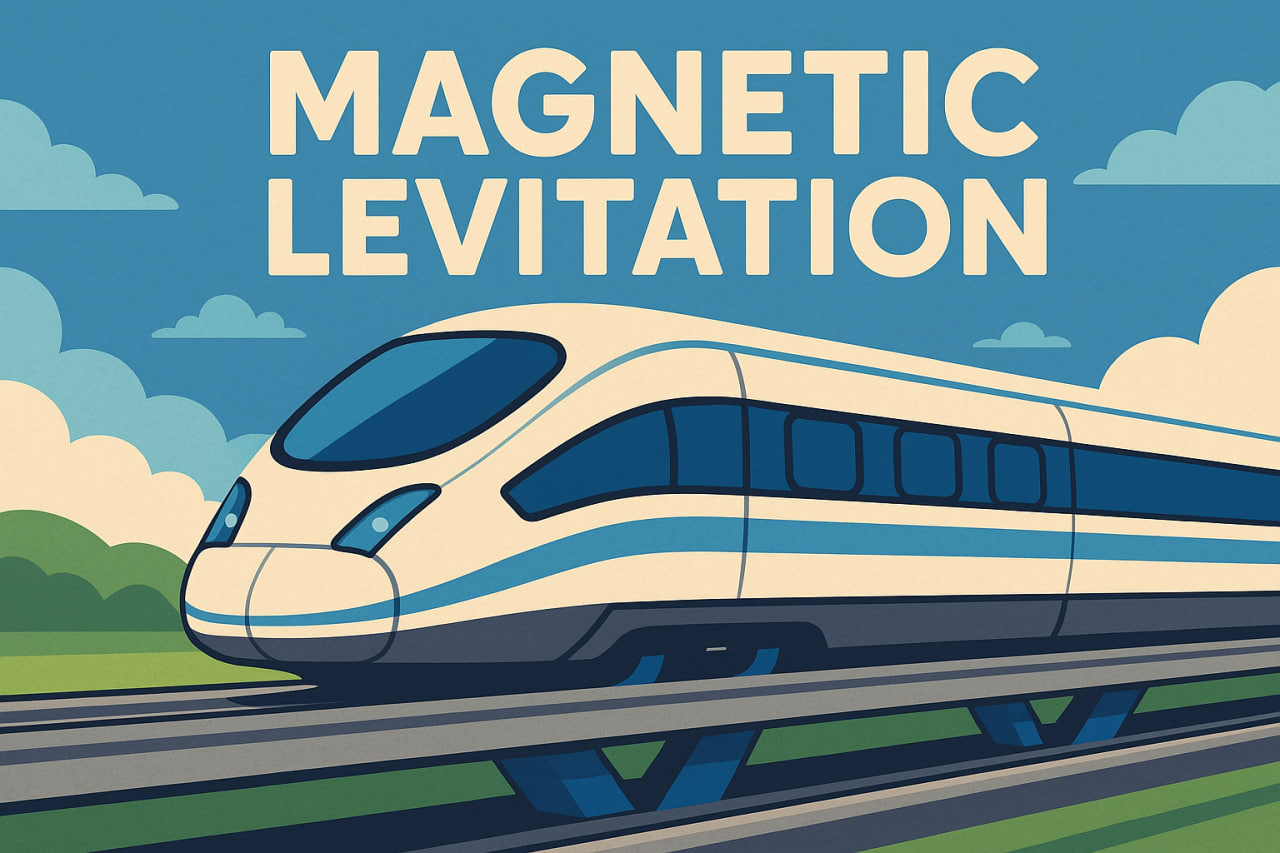
Magnetic Levitation: The Science of Floating Without Touch

Magnetic levitation, often shortened to maglev, is a remarkable scientific principle that allows objects to float in the air without any physical support. This is made possible through the power of magnetism—specifically, the repulsion or attraction between magnetic fields. Instead of relying on wheels, ropes, or surfaces, magnetic levitation uses invisible forces to overcome gravity. This technology is already used in high-speed trains, science experiments, and precision engineering, and it has the potential to revolutionize transportation, industry, and everyday life. Understanding how magnetic levitation works helps us appreciate one of the most elegant and futuristic applications of physics.

Laser: The Light of Precision and Innovation
Hi-Tech Smart Technology Science

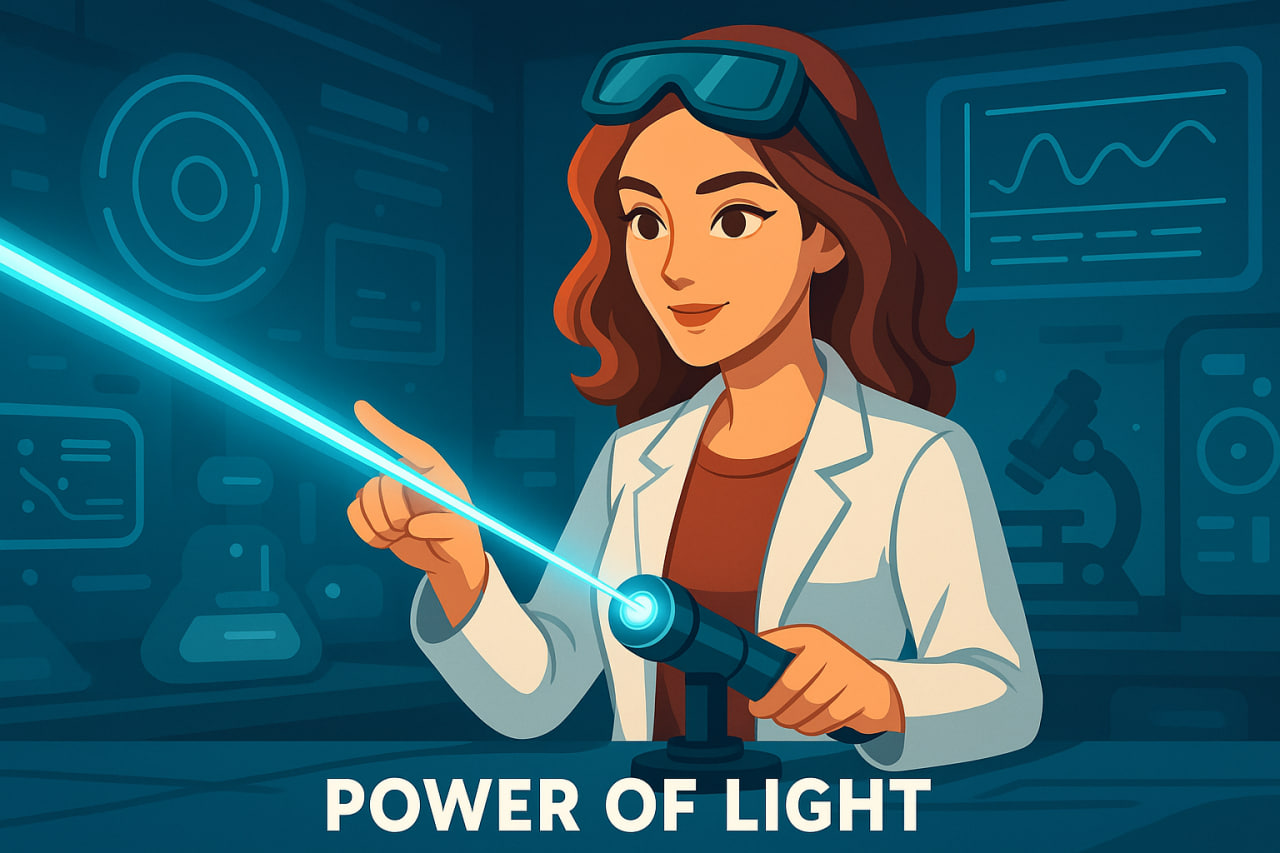
Laser: The Light of Precision and Innovation

The laser, an invention that revolutionized modern technology, is one of the most remarkable tools ever created by humankind. The term “laser” stands for Light Amplification by Stimulated Emission of Radiation, and it refers to a process that produces a concentrated beam of light with extraordinary precision. Since its invention in 1960 by physicist Theodore Maiman, the laser has become indispensable across fields ranging from medicine and communication to manufacturing and entertainment. Its unique ability to focus light into a single wavelength allows it to cut, heal, measure, and even transmit data at incredible speeds. Understanding how lasers work reveals not only the beauty of physics but also the endless possibilities of controlled light.

Automation: Shaping the Future of Work and Innovation
Hi-Tech Science Be Smart

Automation: Shaping the Future of Work and Innovation

Automation has become one of the defining forces of the 21st century, transforming industries, economies, and the way people work. At its core, automation refers to the use of technology and systems to perform tasks with minimal human intervention. From manufacturing robots to artificial intelligence algorithms, automation enhances efficiency, accuracy, and productivity across all sectors. While some see it as a potential threat to traditional jobs, others recognize it as a catalyst for innovation and growth. Understanding how automation works—and how to adapt to it—has become crucial for individuals and organizations navigating the modern digital era.

Quantum Nanodiamonds – The Future of Ultra-Precise Technology
Hi-Tech Science New Discoveries

Quantum Nanodiamonds – The Future of Ultra-Precise Technology

In the intersection of quantum physics and nanotechnology lies one of the most fascinating materials of the modern age — quantum nanodiamonds. These tiny crystalline structures, often just billionths of a meter in size, are revolutionizing fields from medicine to computing. What makes them so remarkable is their ability to manipulate and sense quantum information at room temperature — something few materials can achieve. Quantum nanodiamonds are not just a scientific curiosity; they are a gateway to the next generation of quantum sensors, biomedical imaging tools, and ultra-secure communication systems.

Magnetic Carbon Materials – The Unexpected Frontier of Modern Science
Hi-Tech Science New Discoveries

Magnetic Carbon Materials – The Unexpected Frontier of Modern Science

Carbon, one of the most versatile elements in the universe, has long been known for its non-magnetic nature. Found in materials like graphite, graphene, and diamond, it has shaped countless innovations in electronics, energy storage, and nanotechnology. Yet, in recent years, scientists have discovered a surprising phenomenon — magnetic carbon materials. These carbon-based substances, engineered at the atomic level, can exhibit ferromagnetism similar to that found in iron or cobalt. This breakthrough challenges conventional chemistry and opens doors to new technologies in quantum computing, spintronics, and medical diagnostics.

The Future of Nuclear Energy – Powering Tomorrow Responsibly
Hi-Tech Science New Discoveries

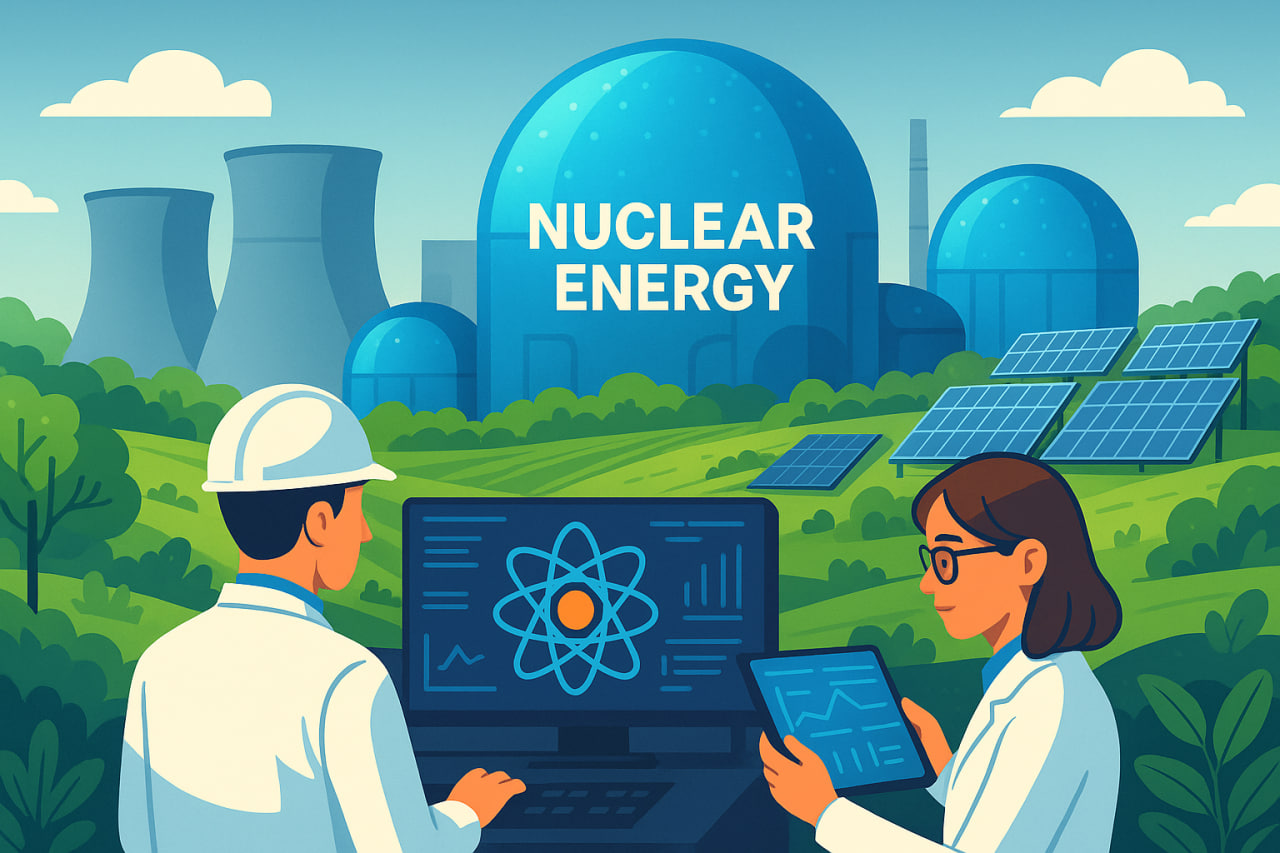
The Future of Nuclear Energy – Powering Tomorrow Responsibly

Nuclear energy stands at a crossroads between innovation and caution. Once seen as the energy source of the future, it later became a symbol of fear after disasters like Chernobyl and Fukushima. Yet, as the world faces the urgent challenge of climate change, nuclear power is reemerging as a key part of the global conversation. It offers immense potential for clean, stable energy—if humanity can harness it safely and sustainably. The future of nuclear energy may well define the balance between technological progress and environmental responsibility.

The Digital Revolution – How Technology Transformed Humanity
Neuro-Tech Hi-Tech Smart Technology

The Digital Revolution – How Technology Transformed Humanity

The digital revolution marks one of the most profound transformations in human history, reshaping how people communicate, work, learn, and even think. Emerging in the latter half of the 20th century, it began with the invention of computers and the internet but has since evolved into a complex web of technologies connecting nearly every aspect of life. From artificial intelligence and blockchain to smartphones and social media, the digital age has created both unprecedented opportunities and new ethical dilemmas. Humanity now stands at the threshold of a future where the boundary between the physical and digital worlds continues to blur.

The Metaverse – A New Reality Beyond the Screen
Neuro-Tech Hi-Tech Smart Technology

The Metaverse – A New Reality Beyond the Screen

The term metaverse once belonged to science fiction, but today it represents one of the most ambitious frontiers in digital innovation. The metaverse is envisioned as a vast, interconnected virtual universe where people can work, play, learn, and socialize through digital avatars. It merges virtual reality (VR), augmented reality (AR), and the internet into a continuous, immersive experience—blurring the boundaries between physical and digital life. As technology advances, this new dimension of existence promises to redefine how humans interact with technology, each other, and even their own sense of identity.