Hi-Tech

LiDAR: How Light Reveals the Hidden Shape of the World
Hi-Tech Smart Technology Science

LiDAR: How Light Reveals the Hidden Shape of the World

From mapping distant planets to guiding self-driving cars, LiDAR technology has revolutionized how humans see and understand their surroundings. Using beams of light instead of traditional photography, LiDAR (Light Detection and Ranging) allows scientists, engineers, and explorers to capture the world in breathtaking three-dimensional detail.

Humanoid Robots: The Future of Human-Like Machines
Hi-Tech Smart Technology AI & Ethics

Humanoid Robots: The Future of Human-Like Machines

From science fiction dreams to real-world innovation, humanoid robots have evolved into some of the most advanced technologies of the modern era. Designed to look and move like humans, these robots are not only reshaping industries but also redefining how we think about work, companionship, and the boundaries between humans and machines.

Scientific Innovations: The Breakthroughs of Recent Years
Hi-Tech Smart Technology Science

Scientific Innovations: The Breakthroughs of Recent Years

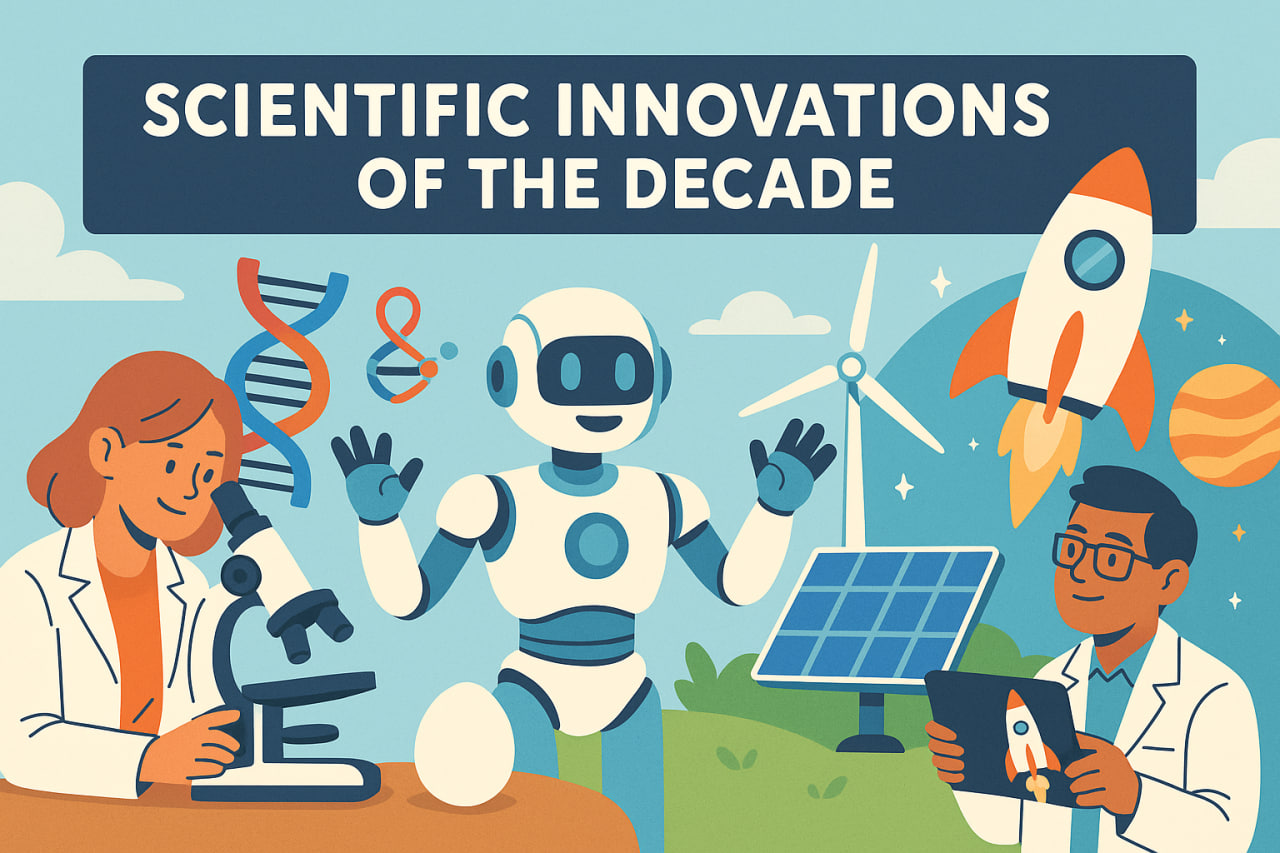
Science never stands still. Over the past decade, humanity has witnessed a wave of discoveries and technologies that are transforming medicine, energy, communication, and our understanding of the universe. These innovations are not just reshaping industries — they’re redefining what’s possible for human progress.

The James Webb Space Telescope: Humanity’s Window to the Beginning of Time
Space Stories Cosmic Innovations Hi-Tech

The James Webb Space Telescope: Humanity’s Window to the Beginning of Time

The James Webb Space Telescope (JWST) is one of the most ambitious scientific instruments ever built. Launched on December 25, 2021, it has revolutionized astronomy by allowing humanity to peer deeper into space — and further back in time — than ever before. Often called the “successor to Hubble,” Webb is not just a telescope; it’s a time machine revealing the universe’s earliest galaxies and the secrets of cosmic evolution.

History of Aircraft Development
History Hi-Tech Inventions

History of Aircraft Development

The history of aircraft development is a story of human curiosity, engineering creativity, and the desire to conquer the skies. From early myths of flight to modern jetliners and spacecraft, aviation has transformed the way people travel, communicate, and understand the world. The journey began with theoretical studies, continued through trial-and-error experiments, and grew into one of the most advanced fields of technology. Each stage of development built upon previous discoveries, creating a chain of innovation that continues today. Understanding the history of aircraft not only highlights scientific progress but also shows how deeply flight has influenced culture, global connection, and human imagination.

The Future of Aircraft Engineering
Hi-Tech Smart Technology Be Smart

The Future of Aircraft Engineering

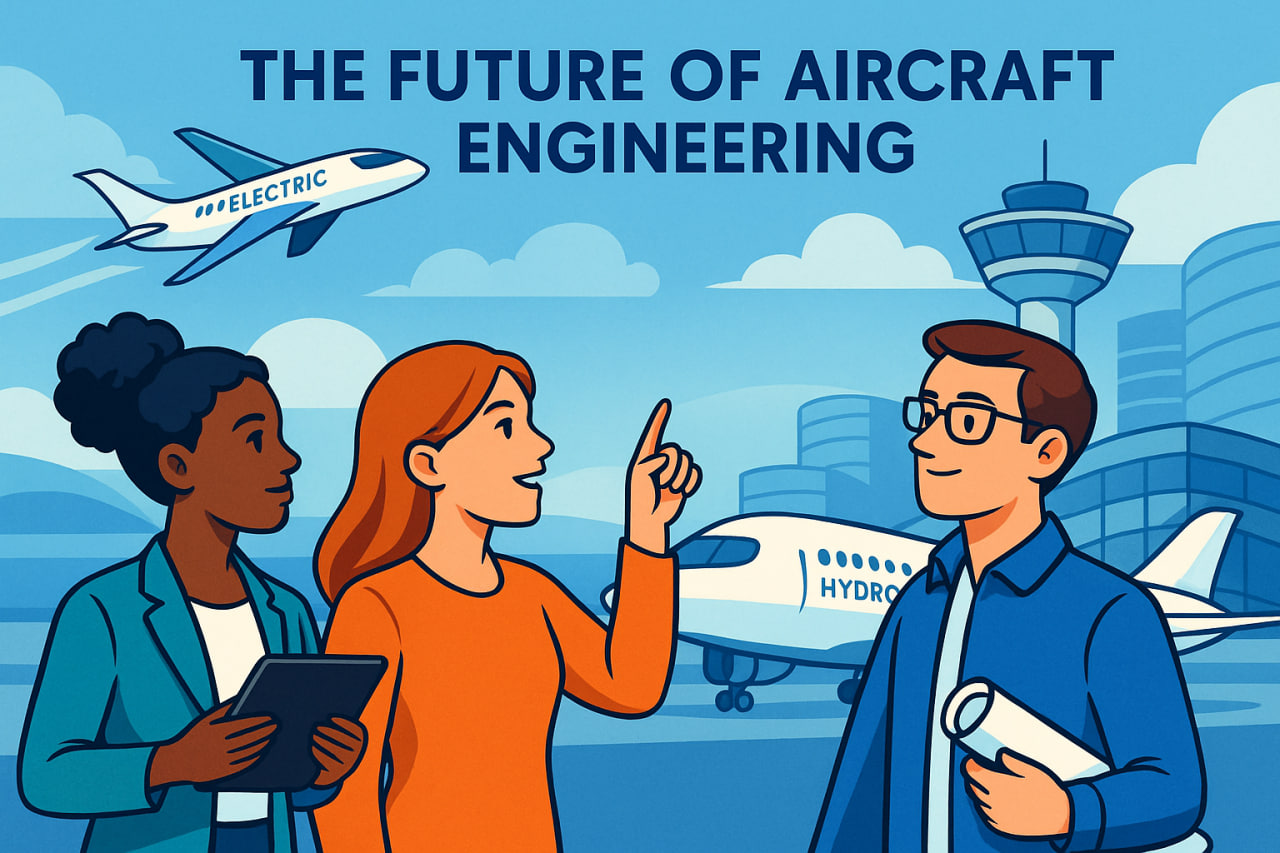
The future of aircraft engineering is shaped by the demand for faster, cleaner, and more efficient air travel. As global connectivity increases, the aviation industry faces new challenges, including environmental sustainability, noise reduction, and improved passenger safety. Researchers and engineers are working to develop new materials, propulsion systems, and aircraft designs that will transform how humans travel. These innovations aim not only to improve flight performance but also to reduce the ecological impact of aviation. The future of aircraft engineering will likely combine advanced technology with responsible design to create an era of smarter and more sustainable air transportation.

History of Helicopter Development
History Hi-Tech Inventions

History of Helicopter Development

The history of helicopter development is a journey of innovation driven by the desire to achieve vertical flight. Unlike airplanes, which require runways, helicopters can take off and land vertically, hover in place, and move in any direction. This capability opened possibilities in rescue operations, military missions, medicine, and transportation. The dream of vertical flight appeared long before technology made it possible; early inventors studied birds, wind, and rotational forces. Over time, improvements in engine power, rotor design, and control systems allowed helicopters to evolve from experimental prototypes into highly versatile aircraft. Today, helicopters are used worldwide in environments where no other aircraft can operate effectively.

The Future of Helicopter Engineering
Hi-Tech Smart Technology Science

The Future of Helicopter Engineering

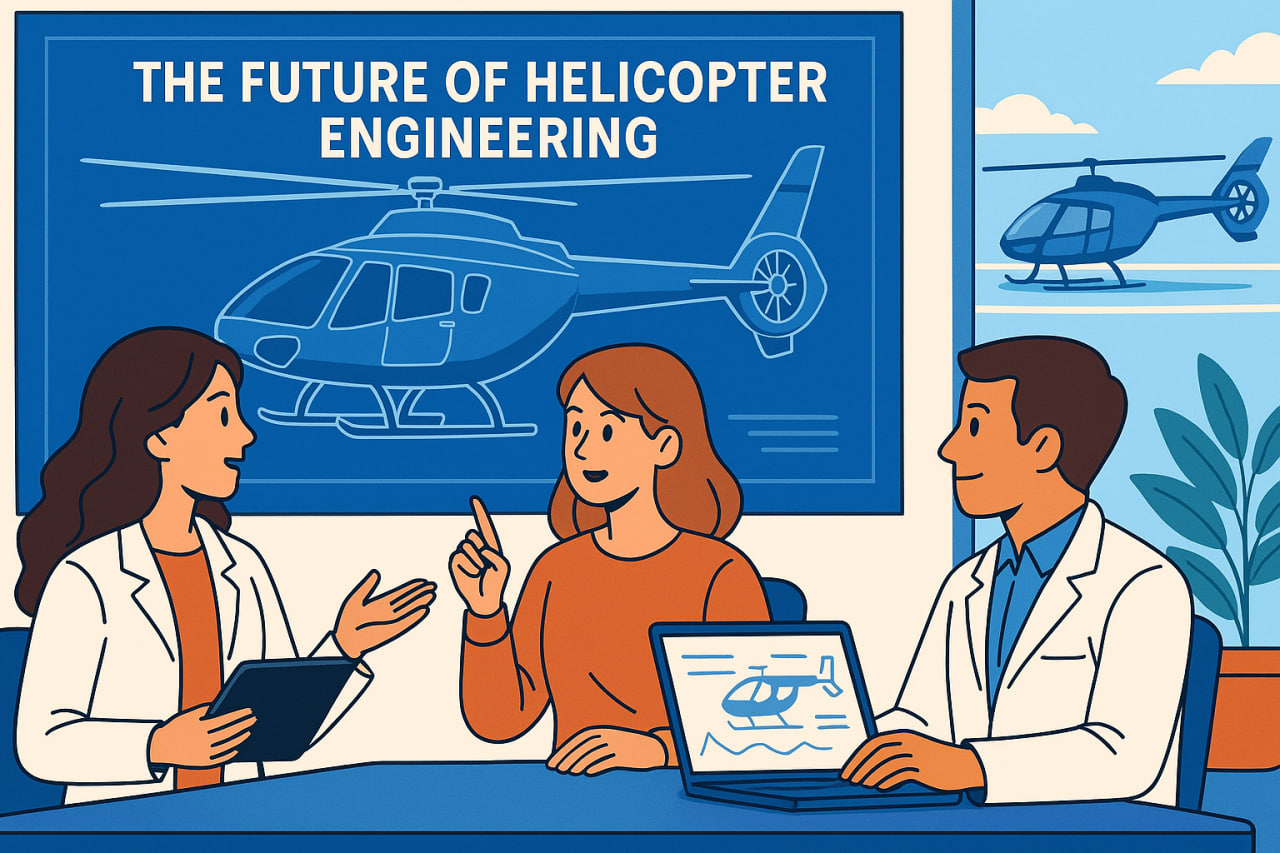
The future of helicopter engineering is shaped by new demands for efficiency, safety, and environmental responsibility. Traditional helicopters are known for their unique ability to take off and land vertically, hover, and navigate difficult terrain—capabilities unmatched by most other aircraft. However, the next generation of rotorcraft aims to enhance these strengths while reducing fuel consumption, noise levels, and maintenance complexity. Engineers and researchers are exploring new materials, propulsion systems, and aerodynamic designs that promise lighter, faster, and more sustainable helicopters. These improvements will expand the roles helicopters play in emergency services, transportation, and industrial operations.

Watches: Measuring Time and Reflecting Human Culture
Hi-Tech Smart Technology Be Smart

Watches: Measuring Time and Reflecting Human Culture

Watches are far more than simple devices for tracking time—they are cultural symbols, expressions of personal identity, engineering marvels, and everyday companions. From ancient sundials to precise digital smartwatches, the development of timekeeping reflects humanity’s desire to organize life, improve efficiency, and understand the world. A watch on the wrist is both practical and meaningful: it offers convenience while also expressing style, craftsmanship, and tradition. Whether mechanical or electronic, every watch carries a story of science and culture.

The Future of Motorcycles
Hi-Tech Smart Technology Inventions

The Future of Motorcycles

The future of motorcycles is shaped by innovation, sustainability, and a new way of thinking about personal mobility. As cities become more crowded and environmental concerns grow, motorcycles are evolving to be cleaner, smarter, and more connected. Riders continue to value the sense of freedom and direct engagement with the road, but the technology behind motorcycles is changing rapidly. From electric engines to autonomous safety features, the next generation of motorcycles reflects the balance between tradition and progress. Understanding these trends helps us appreciate how motorcycles may continue to be a significant part of transportation culture in the years to come.