
How Do Noise-Canceling Headphones Work? The Science Behind Active Noise Cancellation
Imagine sitting inside a noisy airplane. You put on your headphones, activate noise cancellation, and suddenly the constant roar of engines becomes much quieter.

Imagine sitting inside a noisy airplane. You put on your headphones, activate noise cancellation, and suddenly the constant roar of engines becomes much quieter.

For decades, launching a rocket into space meant sacrificing an extraordinary piece of engineering. Powerful engines, enormous fuel tanks, and sophisticated equipment were used for just a few minutes before falling into the ocean or burning up in the atmosphere.

For more than a century, aviation has relied primarily on two different approaches to flying: airplanes that generate lift through their wings and helicopters that use rotating blades to rise vertically.
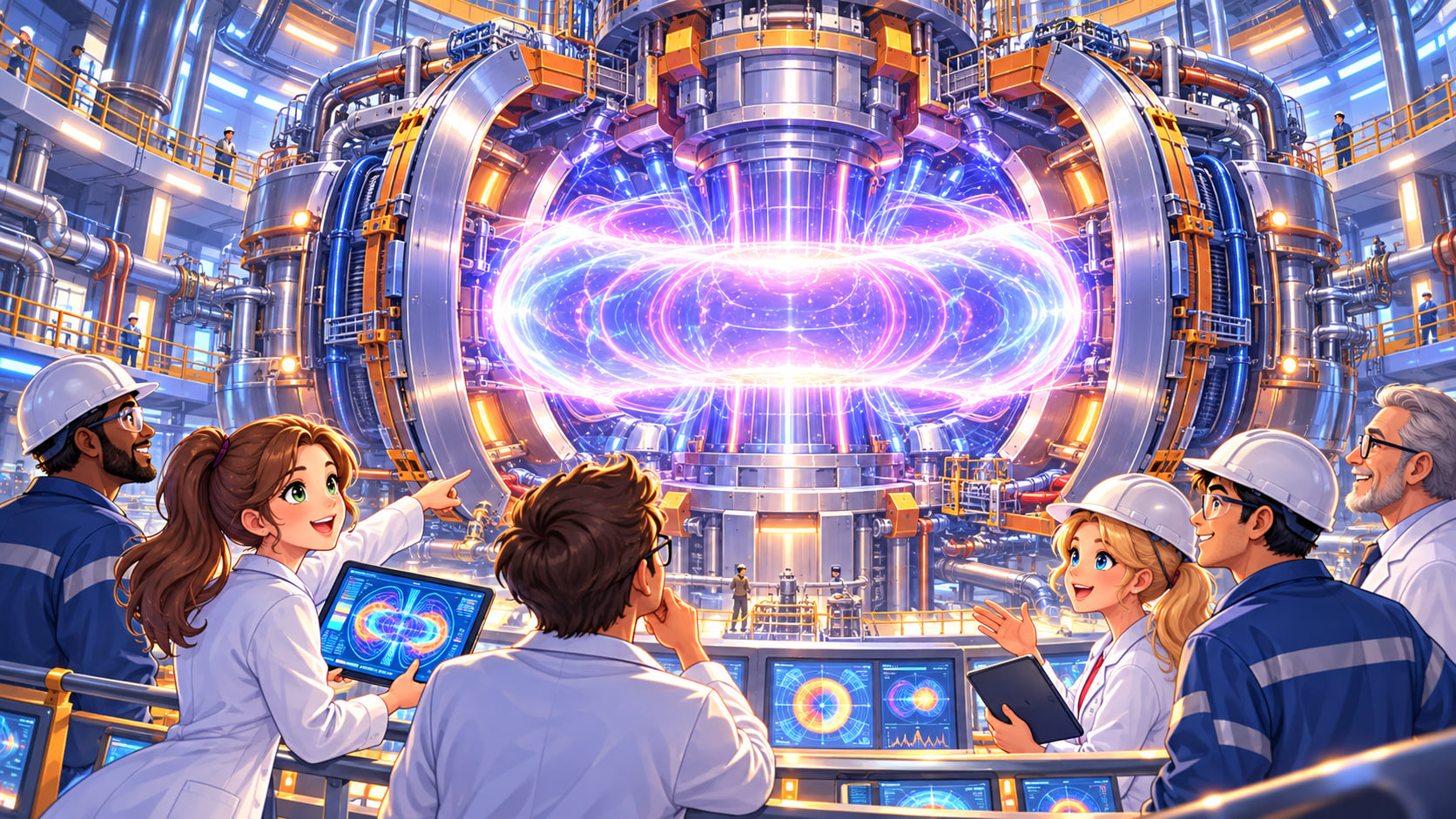
ITER is one of the most ambitious scientific and engineering projects ever attempted. Under construction in southern France, the enormous experimental facility is designed to demonstrate that controlled nuclear fusion can produce far more thermal power than the external heating needed to sustain the plasma.

Russia is building one of the world's most powerful and technologically advanced nuclear research reactors, designed to explore the next generation of atomic energy.
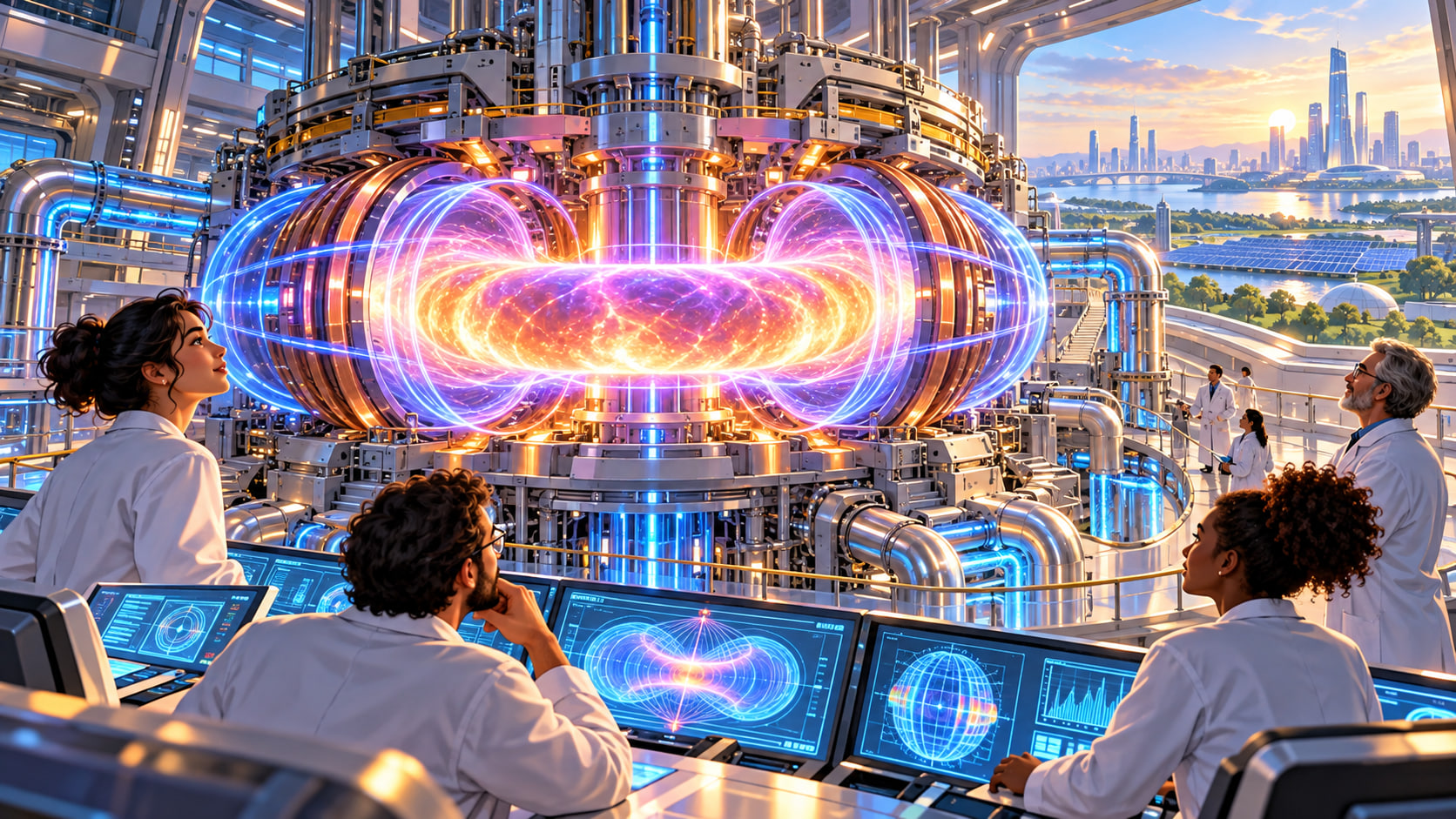
Imagine producing enormous amounts of electricity using the same nuclear reactions that power the Sun and stars.

Traditional processors rely on transistors and the controlled movement of electrical charges. Photonic processors use the properties of light to transmit information and perform certain mathematical operations.

Both promise exceptional performance, sophisticated photography, and cutting-edge technology. Both also belong to a price category that makes buying a smartphone a serious financial decision.

NVIDIA DLSS 5 represents a major change in what the DLSS name means. Previous generations focused mainly on reconstructing higher-resolution images and generating additional frames. DLSS 5 goes further by using generative AI to modify the appearance of an already rendered game frame in real time.

Computer chips power almost everything in modern life. Smartphones, cars, laptops, satellites, medical equipment, game consoles, data centers, and even household appliances depend on tiny pieces of silicon packed with extraordinary complexity.