
Why Solar Panels Lose Power at +50°C and Above
Solar panels seem like they should perform best in extreme heat. After all, they are designed to capture sunlight, and the hottest days are often the sunniest.
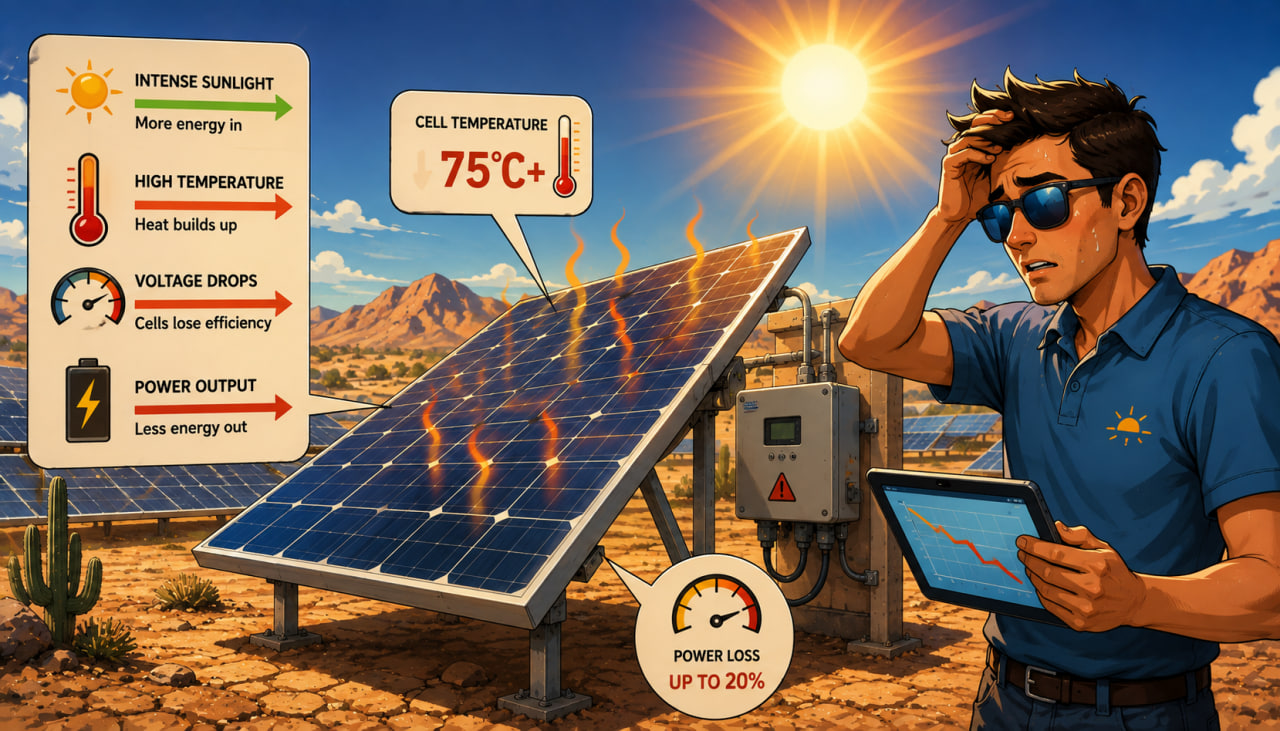
Solar panels seem like they should perform best in extreme heat. After all, they are designed to capture sunlight, and the hottest days are often the sunniest.
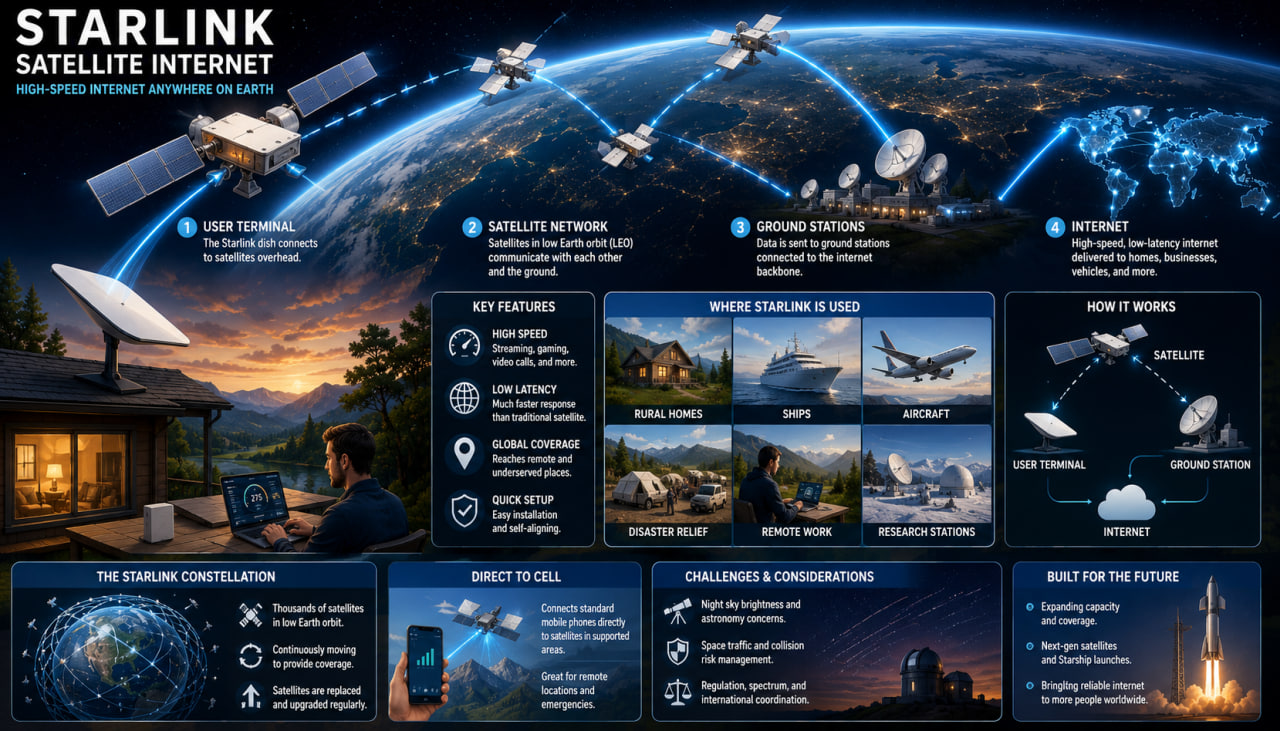
Starlink is SpaceX’s satellite internet network designed to deliver broadband connectivity through thousands of satellites in low Earth orbit. Instead of relying only on ground cables, towers, or traditional geostationary satellites, Starlink sends internet signals between user terminals, satellites, ground stations, and sometimes satellite-to-satellite laser links. The idea is simple but ambitious: bring high-speed, low-latency internet to places where fiber, cable, and mobile networks are unavailable, unreliable, or too expensive to build. Starlink has become especially important for rural homes, ships, aircraft, emergency responders, remote businesses, and regions affected by disasters or conflict. At the same time, it has raised serious questions about astronomy, space traffic, regulation, military use, and the future of the orbital environment.

Artificial intelligence has rapidly become one of the world's most transformative technologies. From large language models and autonomous vehicles to medical research and financial analytics, AI systems rely on enormous computational power. Behind every AI breakthrough lies a sophisticated network of specialized facilities known as AI data centers. Unlike traditional data centers that primarily host websites, business applications, and cloud storage, AI data centers are designed to train and run massive machine learning models. They combine thousands of high-performance processors, advanced networking, and innovative cooling technologies to deliver unprecedented computing capabilities. As AI adoption accelerates, governments and technology companies are investing hundreds of billions of dollars in expanding AI infrastructure. These facilities are becoming as strategically important as power plants, transportation networks, and telecommunications systems.

Choosing the best AI tool for images and video is no longer about finding “the most powerful model.” In 2026, the smarter question is: which neural network fits your creative workflow, budget, commercial risk, and publishing format?
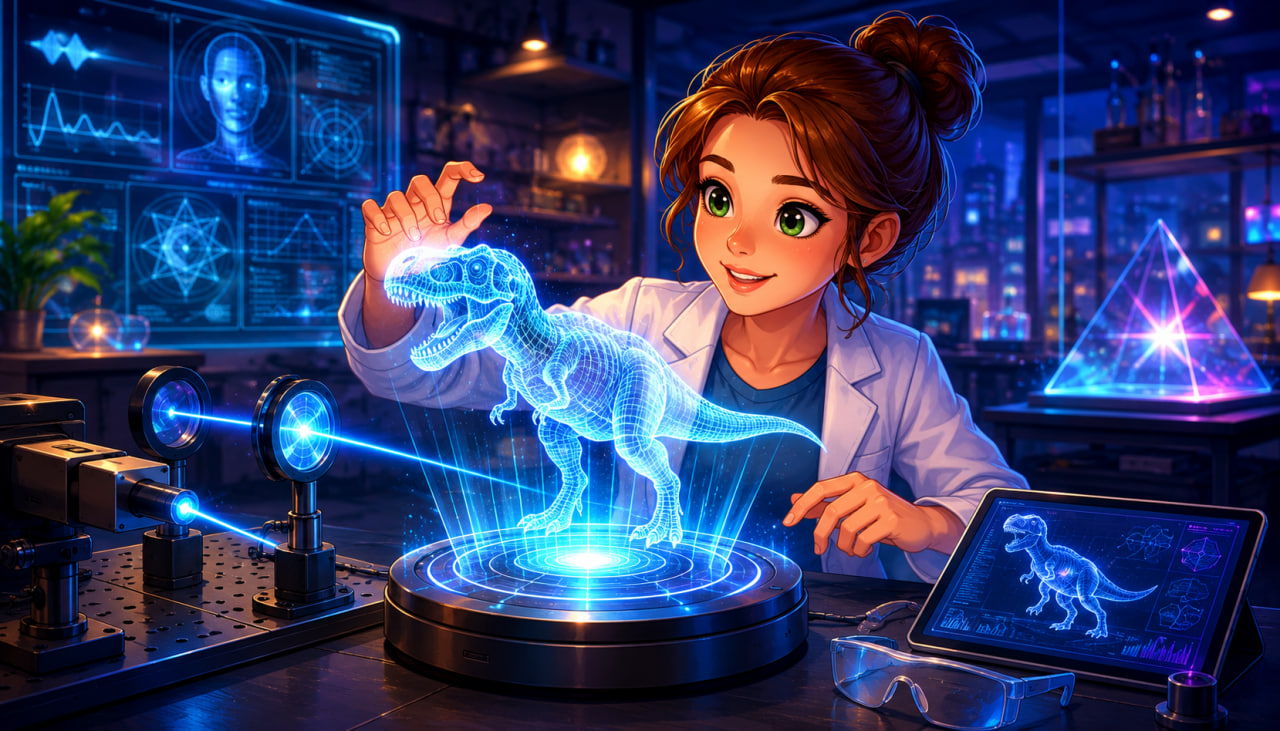
Holograms have fascinated people for decades. From futuristic movies to advanced scientific laboratories, holographic technology has become one of the most exciting areas of modern optics. While many people associate holograms with floating three-dimensional images seen in science fiction, real holograms are based on well-established principles of physics and continue to evolve through advances in lasers, digital imaging, and computing.
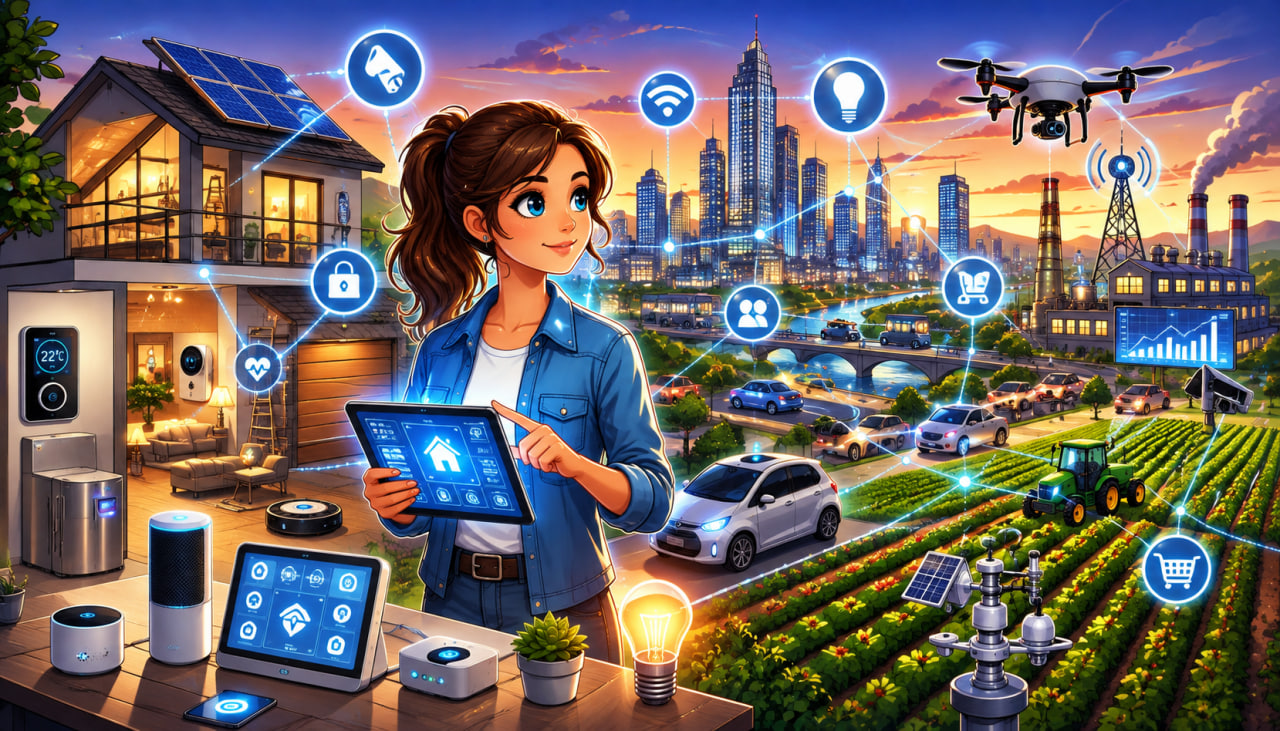
The Internet of Things, commonly known as IoT, is one of the most important technologies shaping modern life. It connects everyday physical objects to the internet so they can collect data, communicate, and sometimes make automatic decisions.
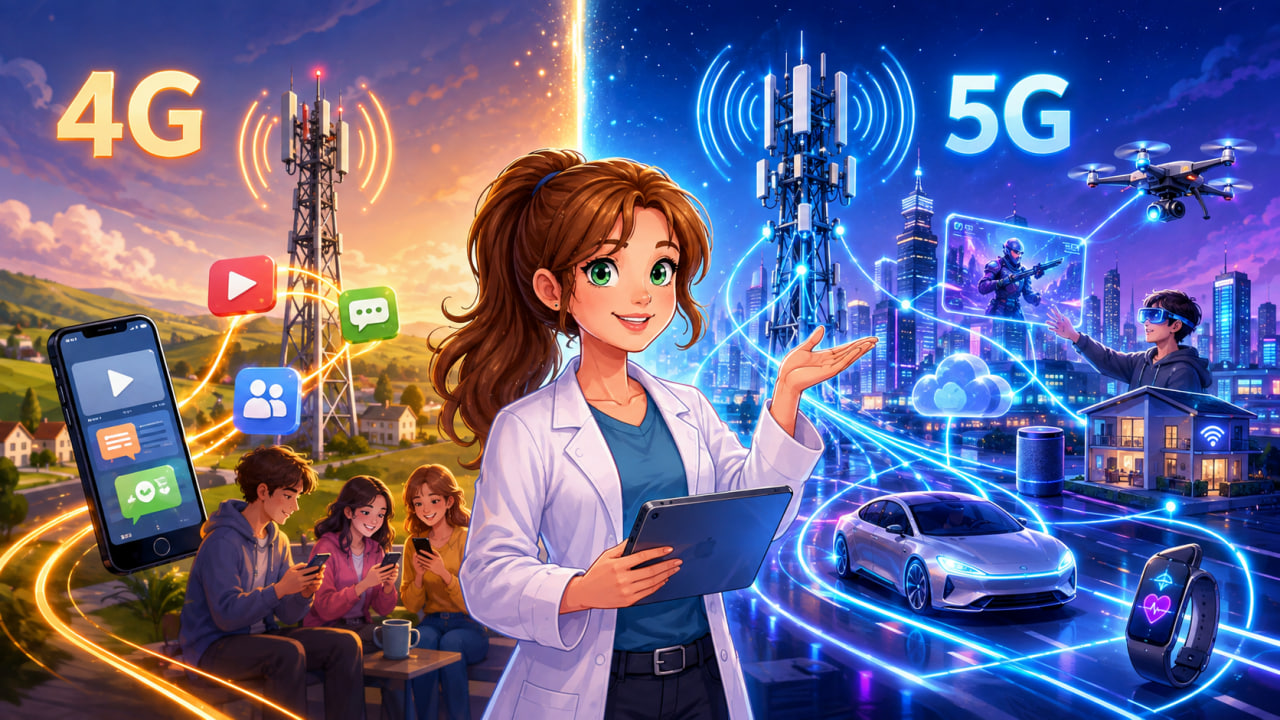
Mobile networks have evolved dramatically over the past two decades. From the early days of basic internet access on smartphones to today's ultra-fast wireless connections, each new generation has transformed how people communicate, work, and enjoy digital content. The transition from 4G to 5G is one of the biggest upgrades in wireless technology. While both allow users to browse the internet, stream videos, and make video calls, 5G introduces significant improvements in speed, latency, capacity, and reliability. But does everyone actually need 5G? And how different is it from the well-established 4G network? Let's explore the technology behind both generations and understand what truly sets them apart.
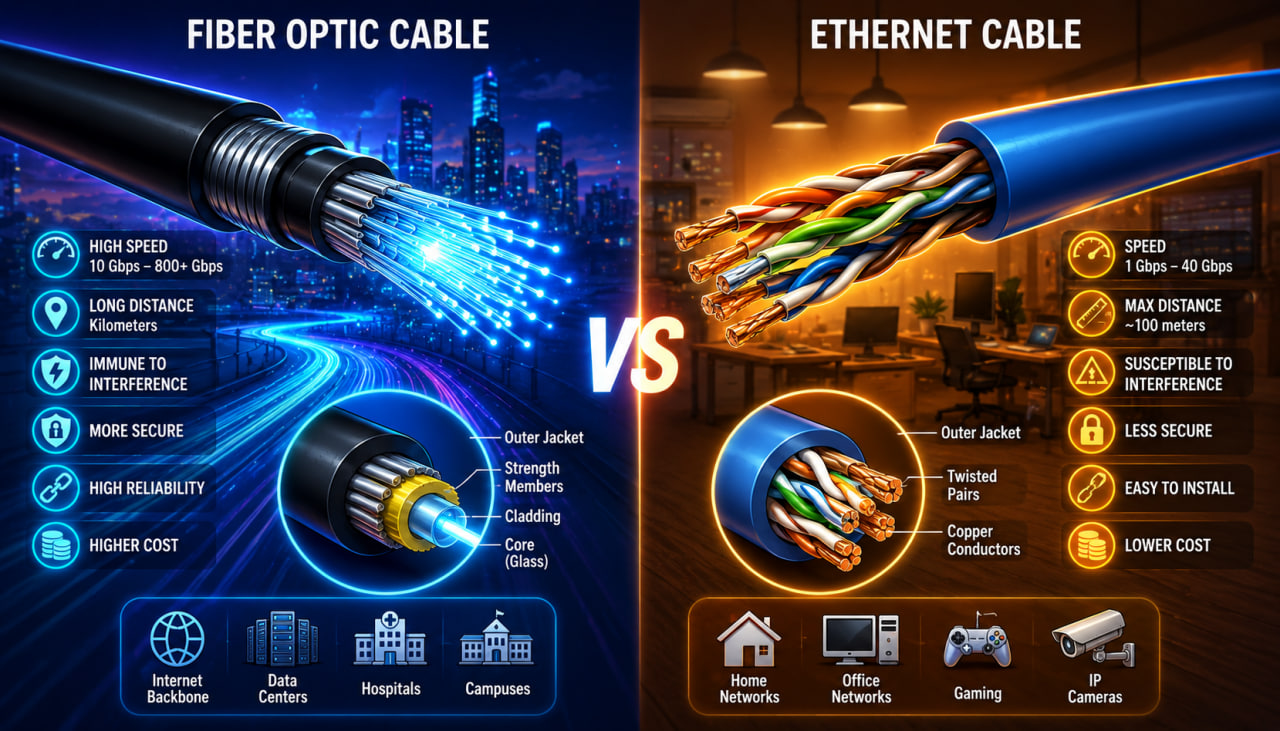
Modern internet and computer networks depend on reliable data transmission. Whether you're streaming videos, playing online games, managing a data center, or connecting devices in an office, your network ultimately relies on cables to move information from one point to another.
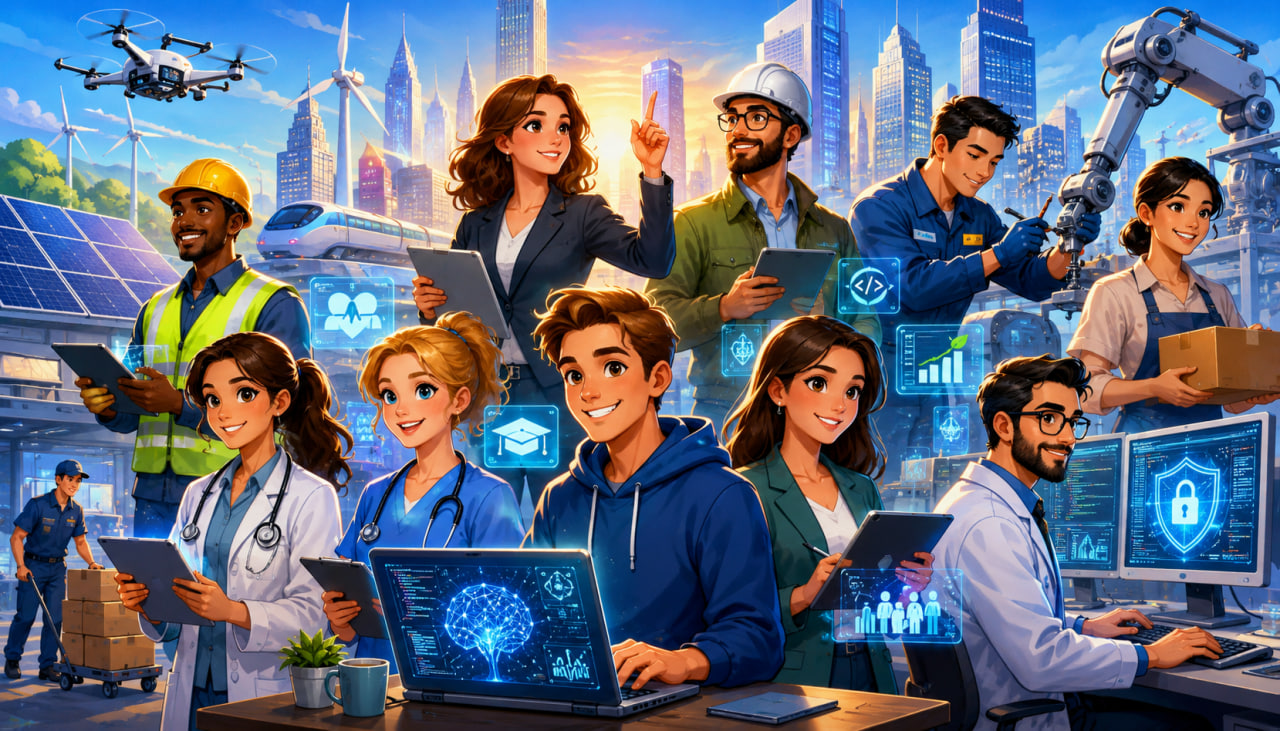
The World Economic Forum estimates that structural changes could create 170 million jobs worldwide by 2030 while displacing around 92 million, producing a net increase of approximately 78 million positions. However, these opportunities will not be distributed evenly across industries or countries.
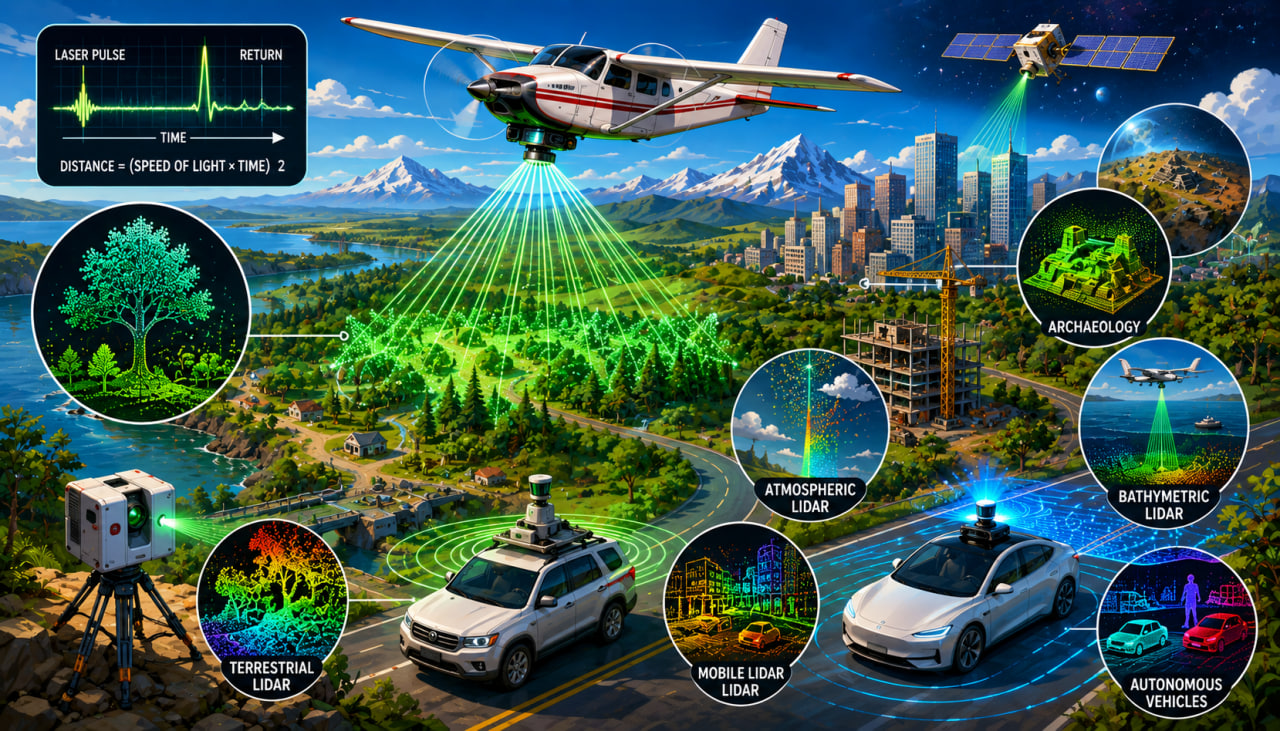
The name stands for Light Detection and Ranging. Although LiDAR is often described as “laser radar,” it does not use radio waves. Instead, it sends laser pulses toward objects and measures how long the reflected light takes to return.