
Artificial Intelligence Saving Lives: How AI Helps Emergency Services, Predicts Disasters, and Protects People
Artificial intelligence is increasingly becoming part of emergency response, disaster forecasting, public safety, and rescue operations.
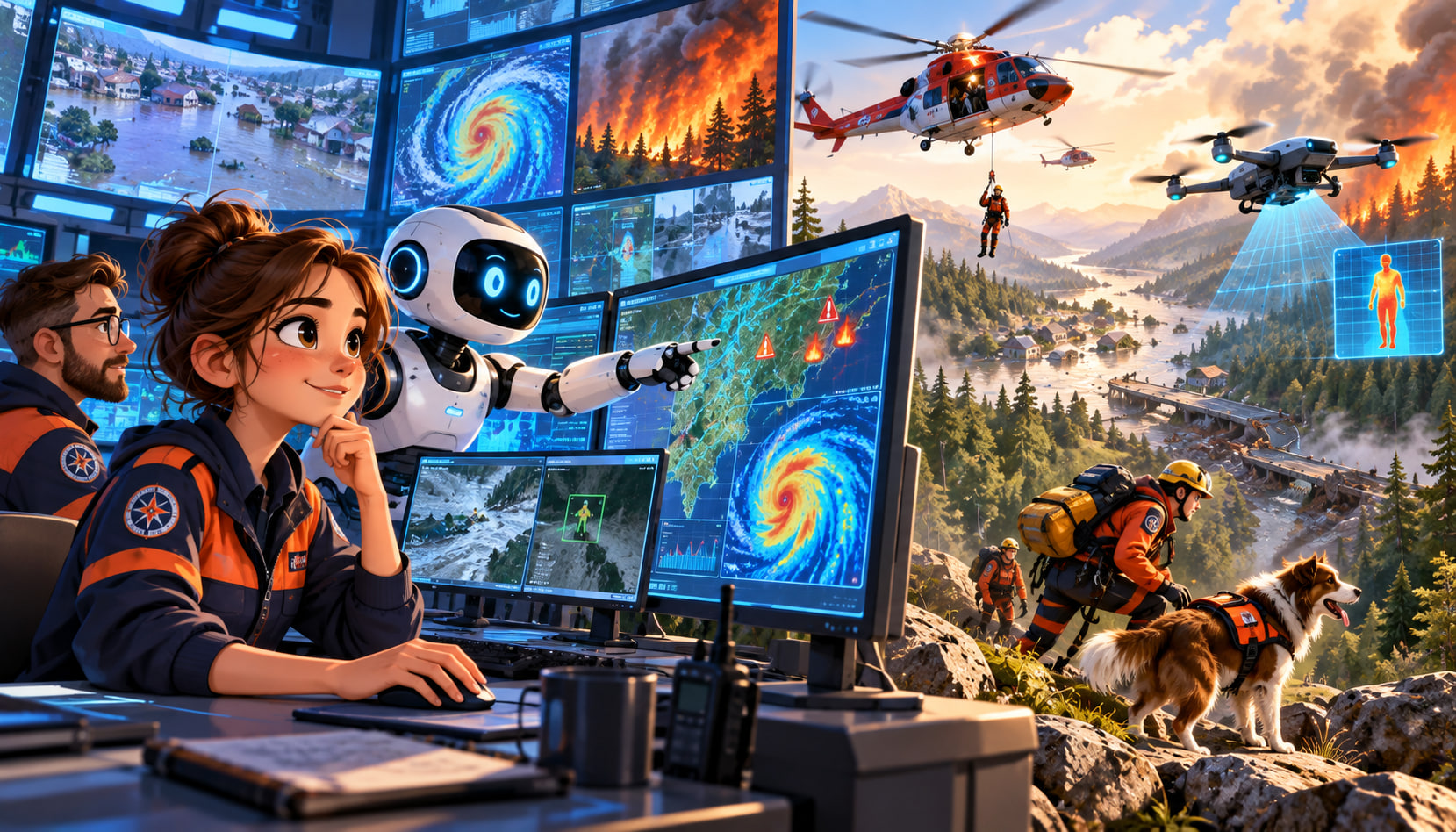
Artificial intelligence is increasingly becoming part of emergency response, disaster forecasting, public safety, and rescue operations.
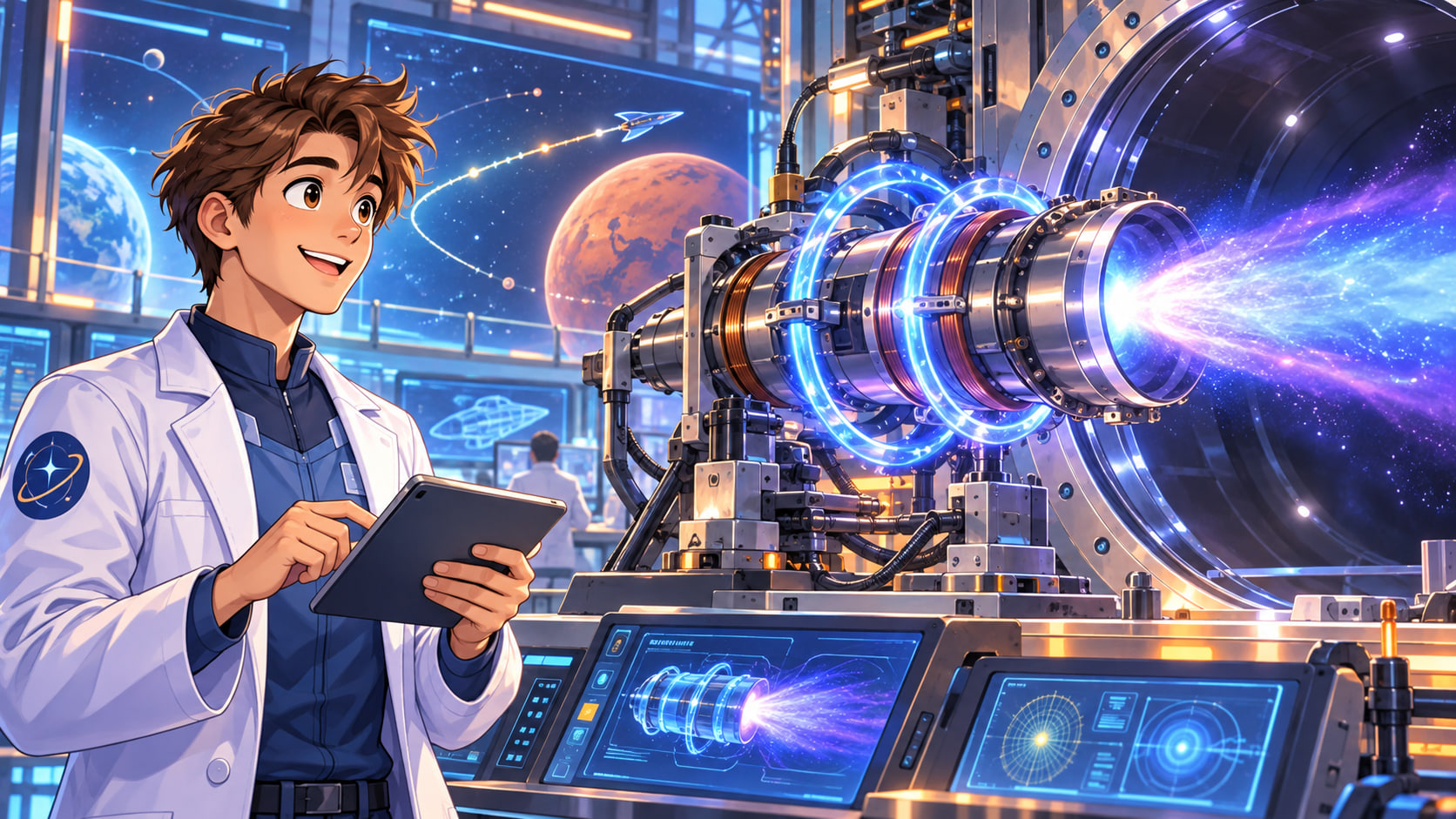
The technology is being developed by scientists at the Troitsk Institute for Innovation and Fusion Research, part of Rosatom. In 2025, the team announced a laboratory prototype of a plasma electric rocket engine based on a magnetic plasma accelerator. Reported parameters include at least 6 newtons of thrust, an exhaust-related specific-impulse figure of at least 100 kilometers per second, and average power reaching about 300 kilowatts in pulsed operation.
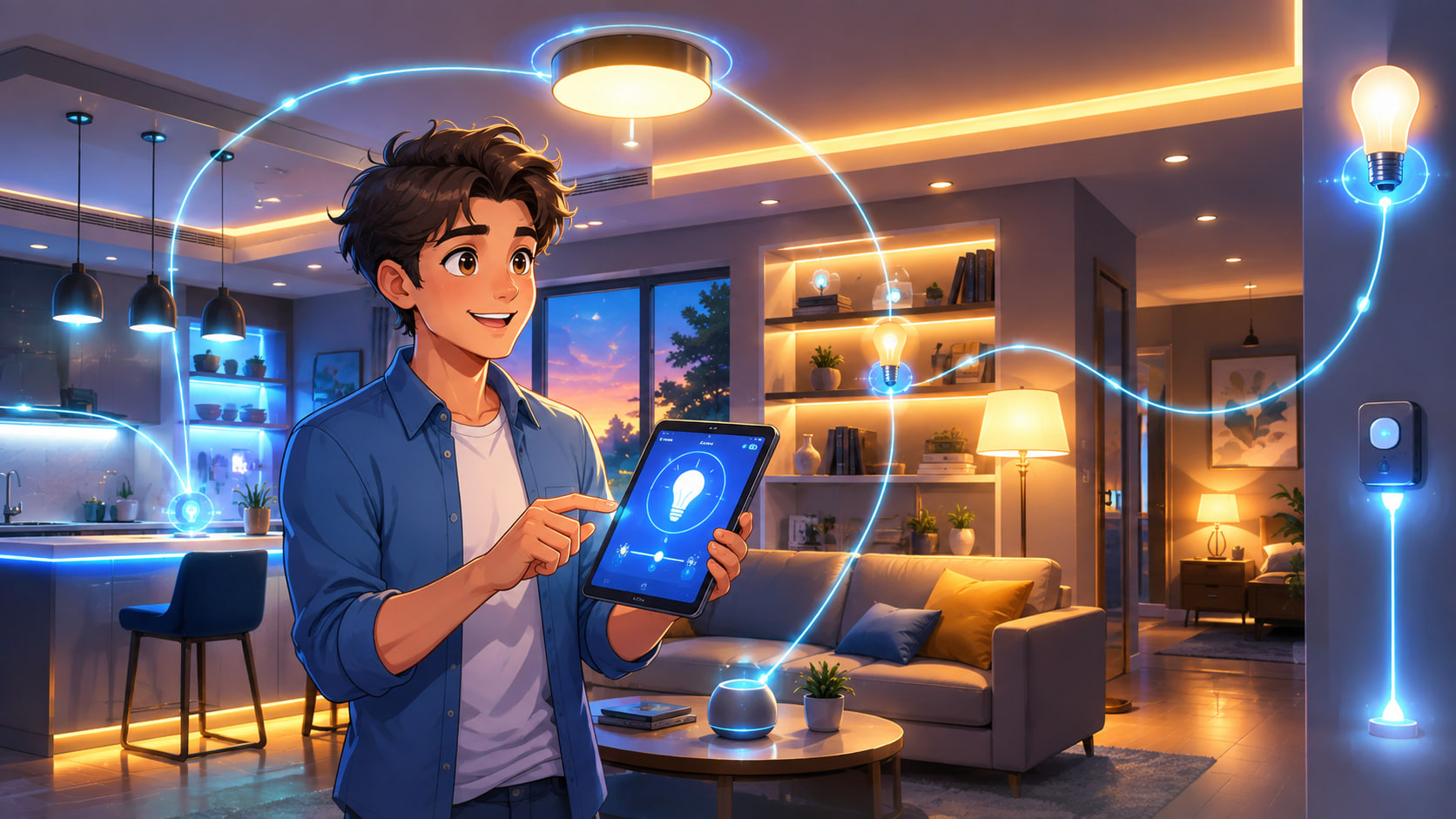
Modern systems can automatically adjust brightness, color temperature, schedules, and individual rooms based on time, movement, daylight, and personal preferences. They can also work together with security systems, voice assistants, sensors, blinds, thermostats, and other connected devices.

They power laptops, smartphones, game consoles, cars, data centers, industrial machines, and artificial intelligence systems. Yet today’s chips are the result of decades of technological progress.

They are compact, inexpensive, portable, and work with a huge range of computers, televisions, game consoles, car systems, cameras, and other devices. A small flash drive can hold thousands of documents, photos, songs, or even large video files.
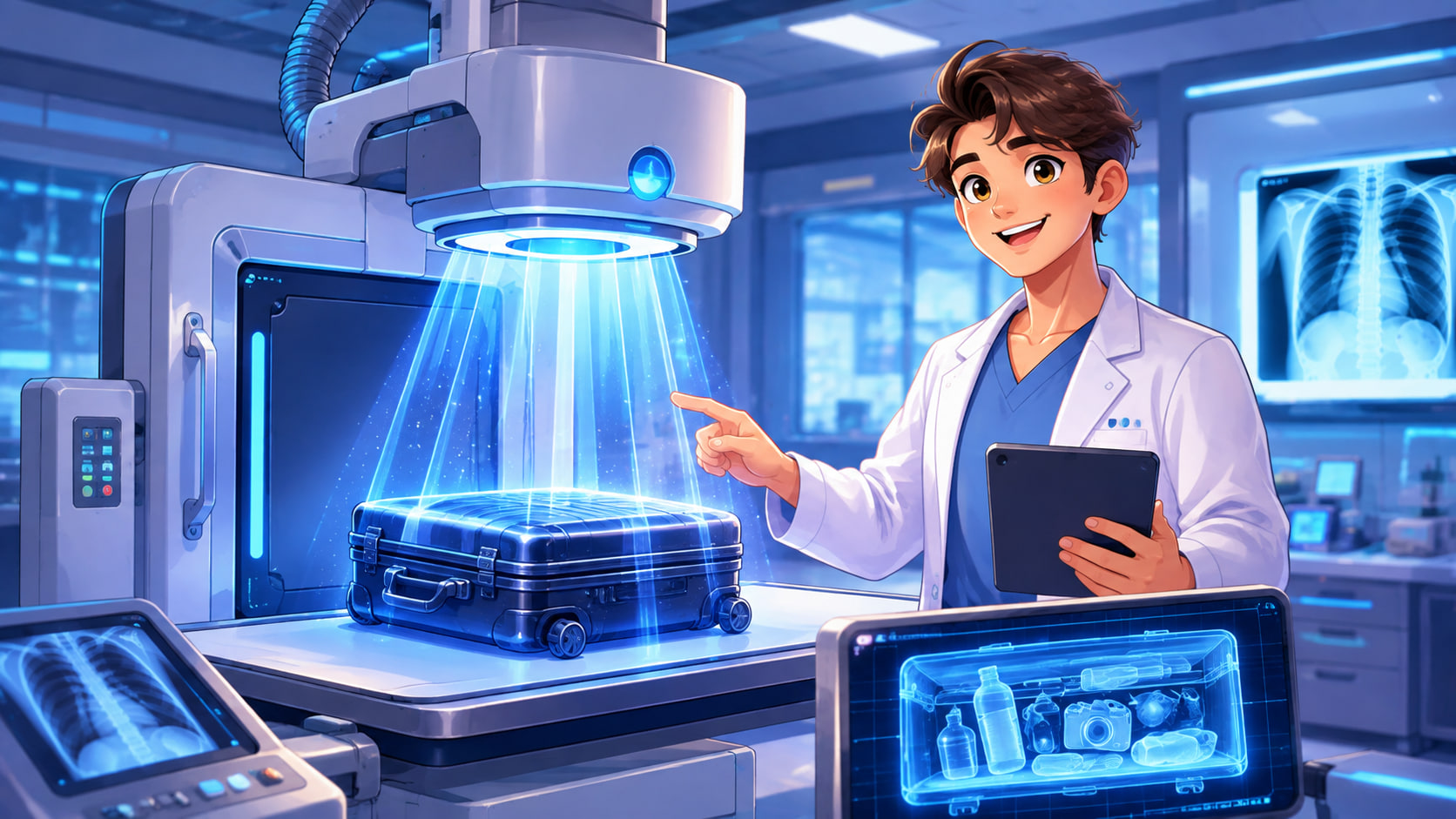
X-ray scanners are among the most important technologies in modern medicine, security, industry, and science. They allow us to look inside objects and even the human body without cutting them open.

The SKIF complex in Russia is one of the country’s most ambitious modern science projects. Its full name is the Siberian Circular Photon Source, and it is being built in the science town of Koltsovo near Novosibirsk.
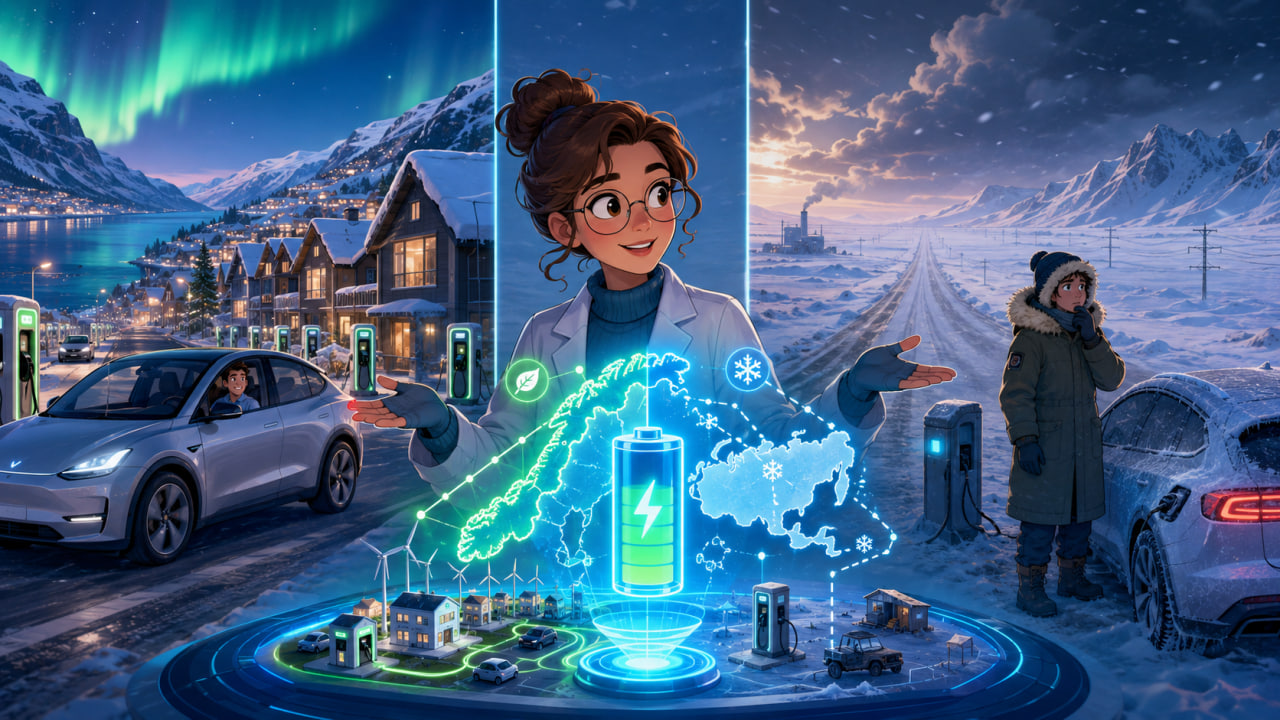
Electric cars are often criticized for winter range loss, slow charging in freezing weather, and battery performance problems. Yet Norway, one of the coldest countries in Europe, has become the world’s leading electric vehicle market.
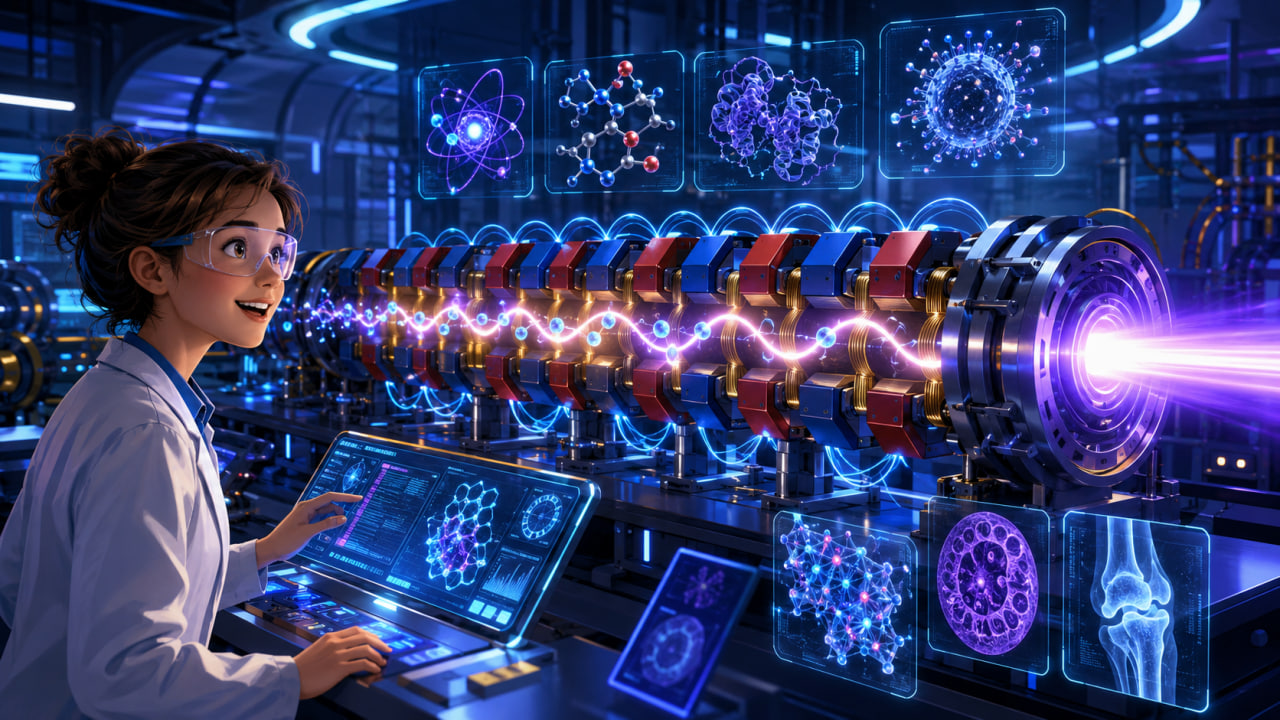
Free-electron lasers are among the most powerful and flexible light sources ever built. They can produce intense beams of radiation ranging from microwaves to X-rays, allowing scientists to observe atoms, molecules, proteins, materials, chemical reactions, and ultrafast physical processes with extraordinary precision.
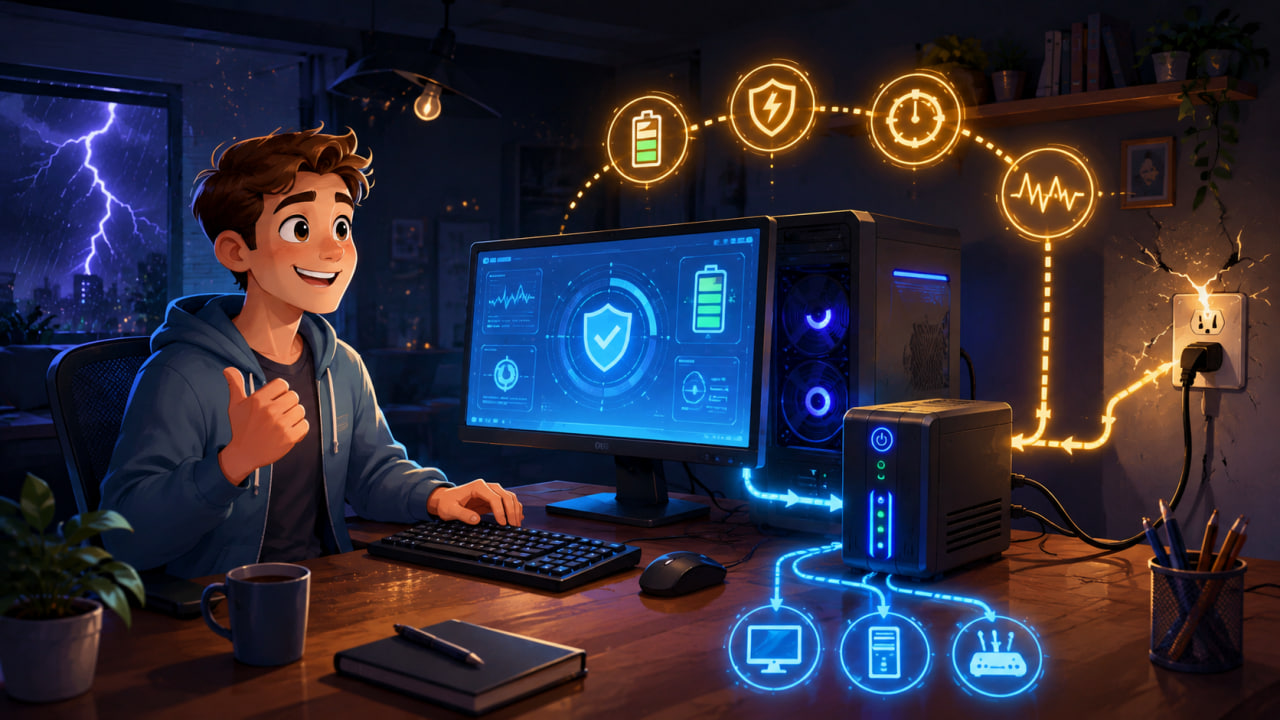
A sudden power cut rarely arrives politely. It happens while you are editing a document, exporting a video, gaming online, updating Windows, working with client files, or writing code.