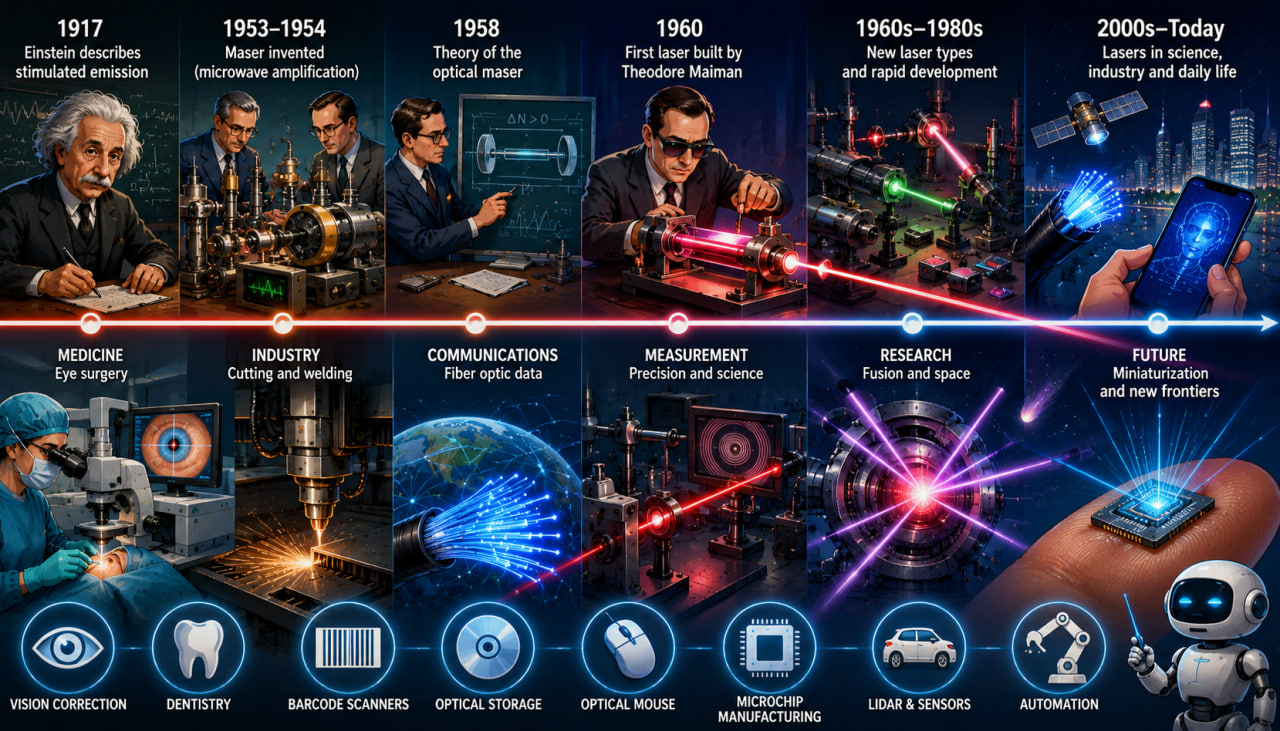
The laser is one of the most influential inventions of the modern era. It can cut steel, correct vision, transmit internet data, measure microscopic distances, scan barcodes, manufacture computer chips, analyse distant planets, and support experiments in nuclear fusion.
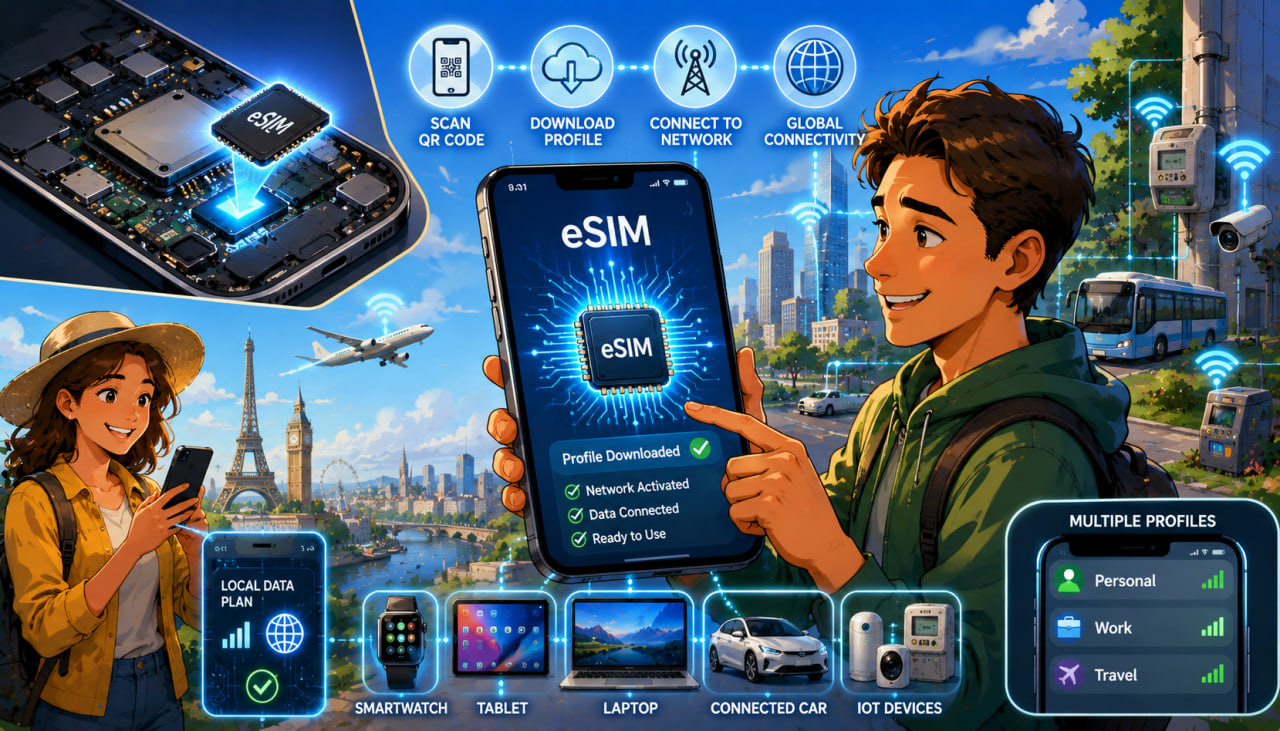
For decades, every mobile phone relied on a small plastic SIM card that identified the user on a cellular network. Whether it was a standard SIM, micro-SIM, or nano-SIM, the principle remained the same: insert a physical card, activate the service, and connect to your mobile operator.
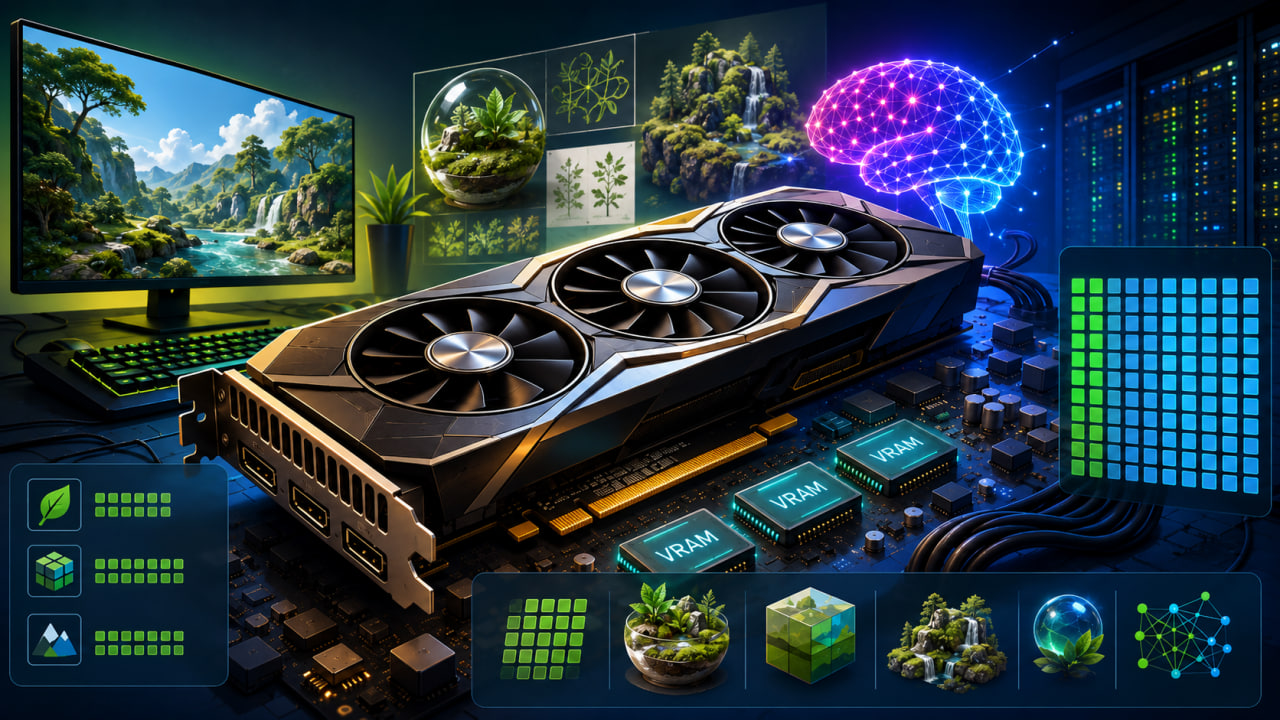
Graphics processing units, better known as GPUs, started as chips designed to draw images on a screen. Their original job was simple in concept but extremely demanding in practice: calculate millions of pixels, textures, lights, shadows, and movements fast enough to make games, animations, and visual interfaces feel smooth.
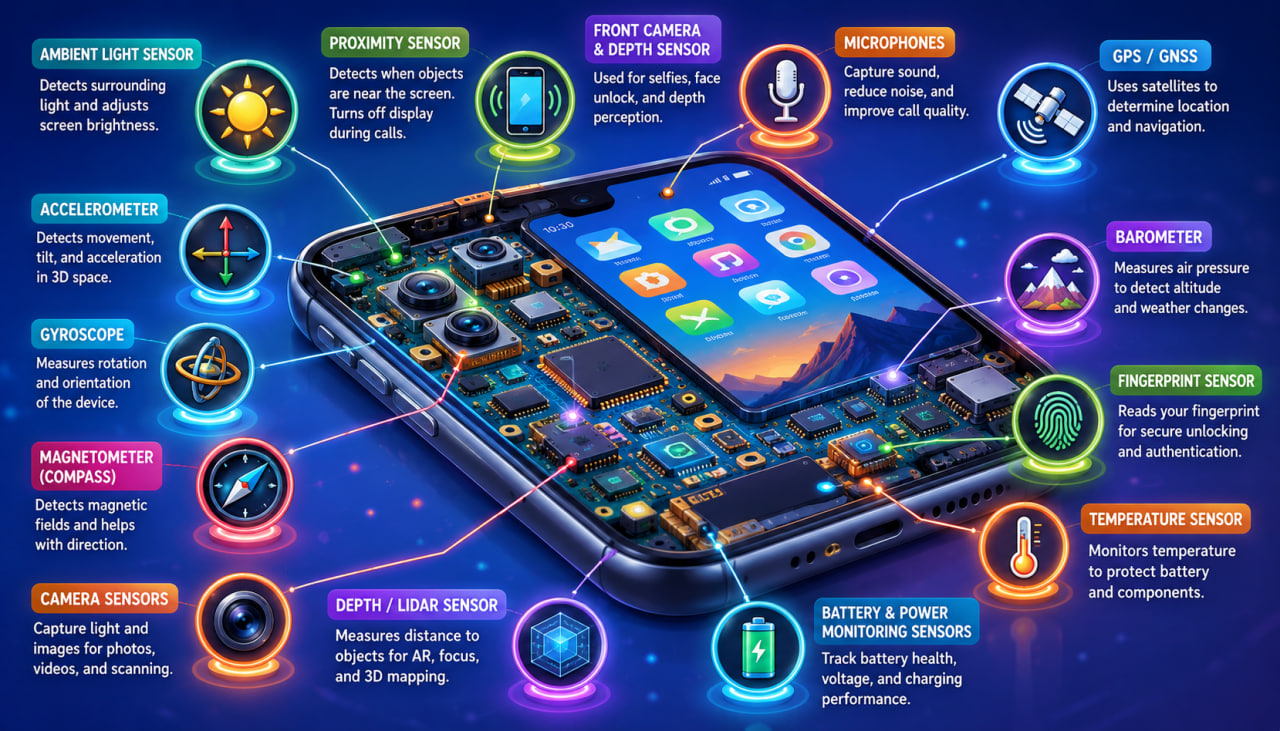
A smartphone is much more than a screen, camera, battery, and processor. Inside its thin body is a collection of tiny sensors that constantly measure movement, light, sound, pressure, location, distance, orientation, and even biometric information. These sensors are the reason your phone can rotate the screen, count steps, unlock with your face, adjust brightness, stabilize videos, navigate streets, and detect when it is near your ear during a call.
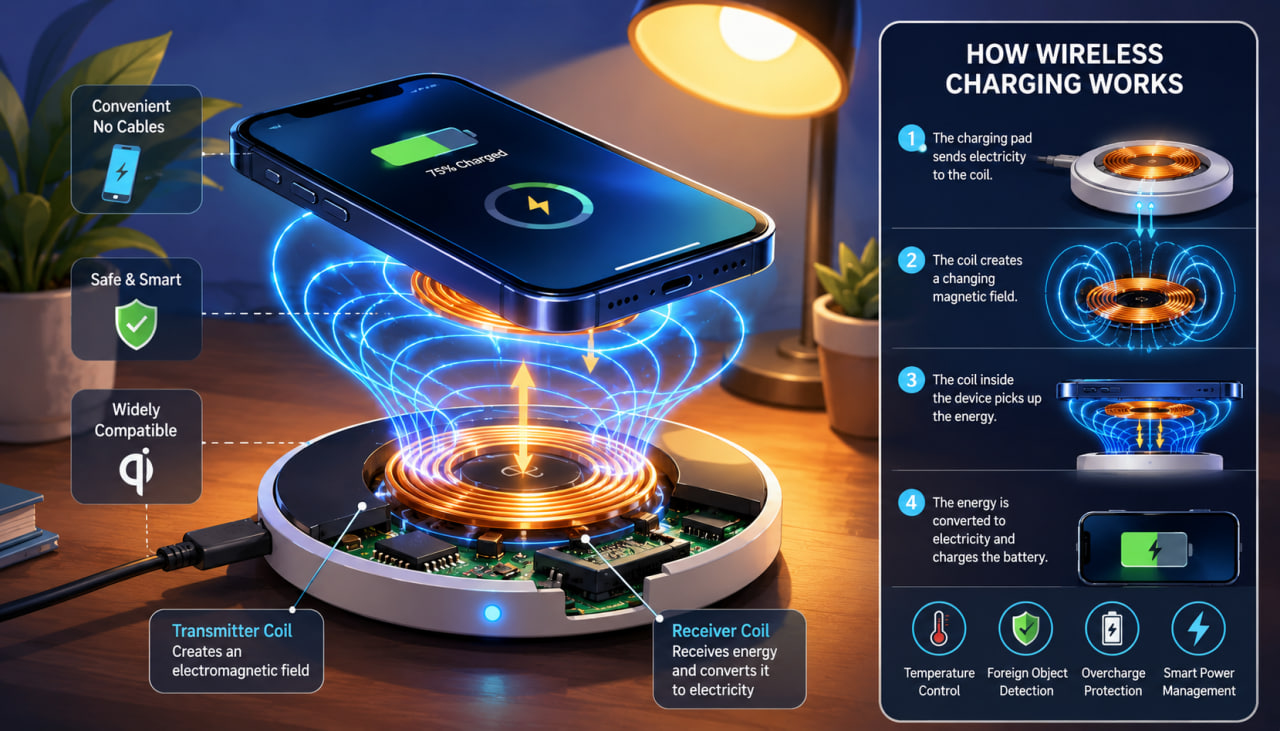
Wireless charging feels like a small everyday miracle. You place your phone, earbuds, or smartwatch on a pad, and the battery starts filling without plugging in a cable. No exposed connector, no worn charging port, no searching for the right wire in the dark. Just contact, alignment, and invisible energy transfer.
Roaming is one of those mobile technologies people usually notice only when something goes wrong: the internet becomes slow, a call costs more than expected, or a phone suddenly connects to a foreign network after crossing a border. Yet roaming is an essential part of modern communication. It allows your phone to keep working when you leave your mobile operator’s normal coverage area.
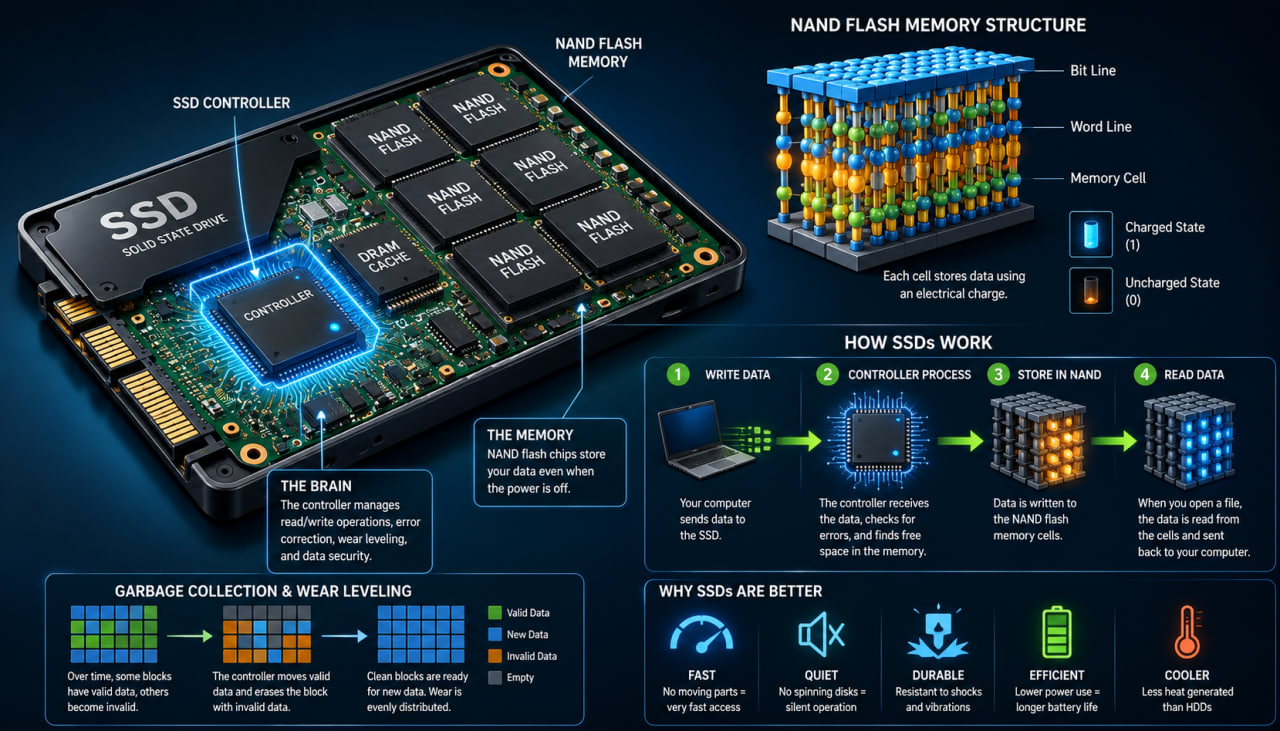
Solid-state drives, better known as SSDs, have changed the way computers feel. A laptop with an SSD boots faster, opens apps faster, copies files faster, and feels more responsive than the same machine using an old hard disk drive. For many users, replacing an HDD with an SSD is one of the most noticeable upgrades possible.
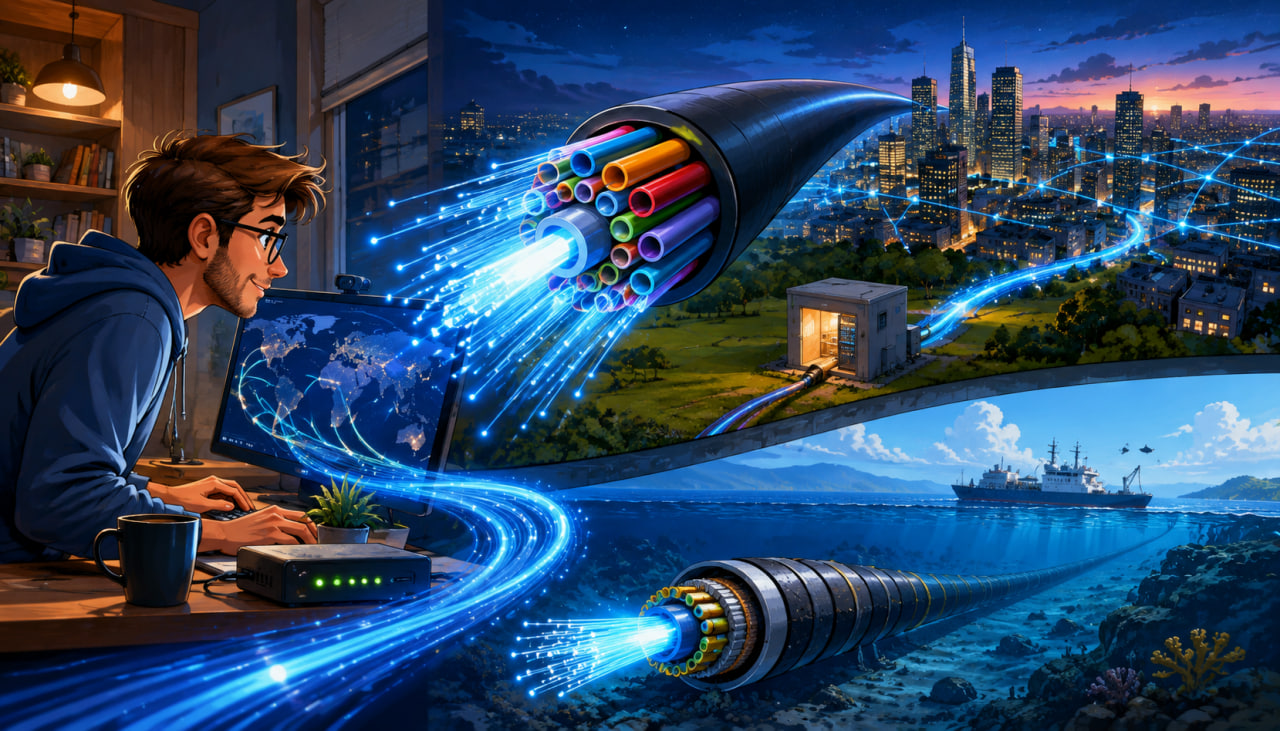
Fiber optics is one of the quiet technologies that makes modern life possible. Every video call, cloud backup, online payment, streaming movie, search request, and international message depends on huge networks moving data at incredible speed. Much of that traffic travels not through copper wires or radio waves, but through thin strands of glass carrying pulses of light. At first, the idea sounds almost magical: information becomes light, travels through a glass fiber thinner than a human hair, and then turns back into digital data. But behind this magic is precise physics, advanced engineering, and decades of innovation. Fiber optic communication is the backbone of the modern internet because it can move enormous amounts of information quickly, reliably, and over long distances.
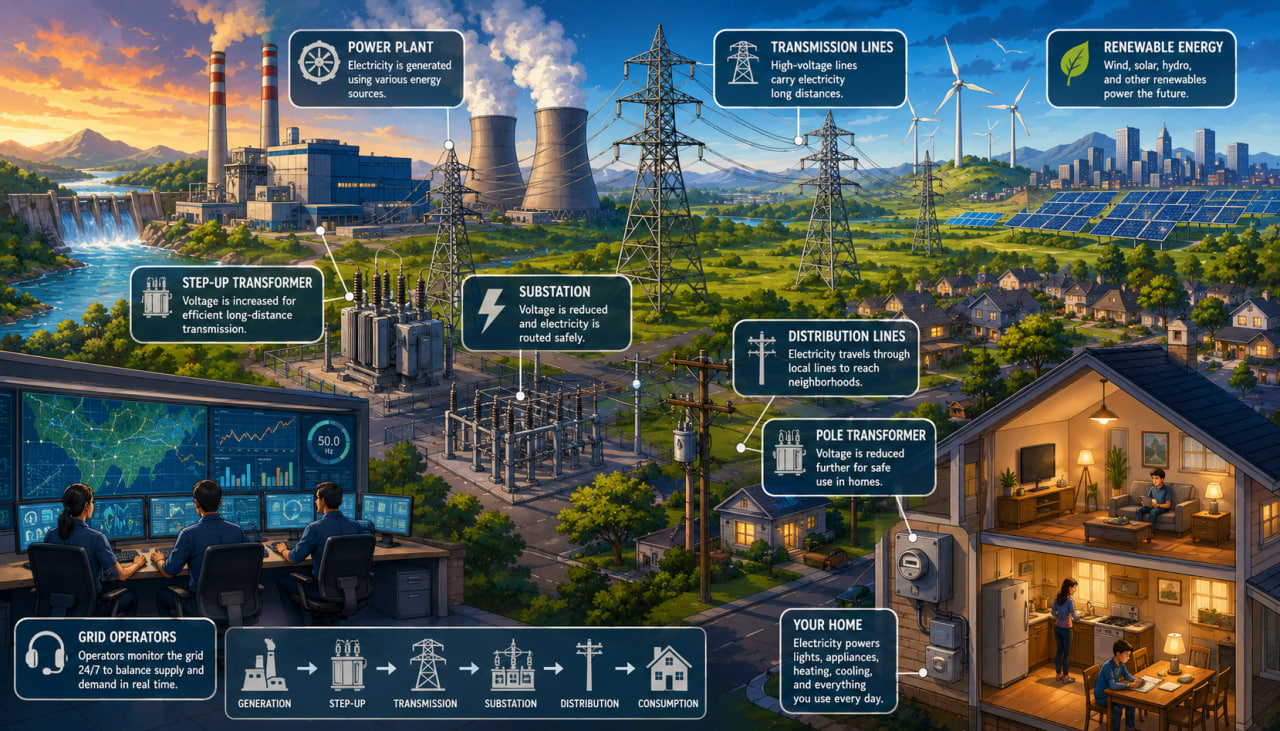
Electricity powers nearly every aspect of modern life. We rely on it for lighting, heating, cooling, communication, transportation, healthcare, manufacturing, and countless digital technologies. Yet most people rarely think about the complex system that delivers electricity to their homes every second of the day. Modern power systems are among the largest and most sophisticated engineering achievements ever created. Millions of power lines, thousands of substations, and hundreds of generating facilities work together to maintain a delicate balance between electricity production and consumption. Unlike many other resources, electricity must usually be generated at the exact moment it is needed, making the electrical grid a remarkable example of real-time coordination. This article explains how modern electricity supply works, where electricity comes from, how it travels across long distances, and how engineers keep the grid stable and reliable around the clock.
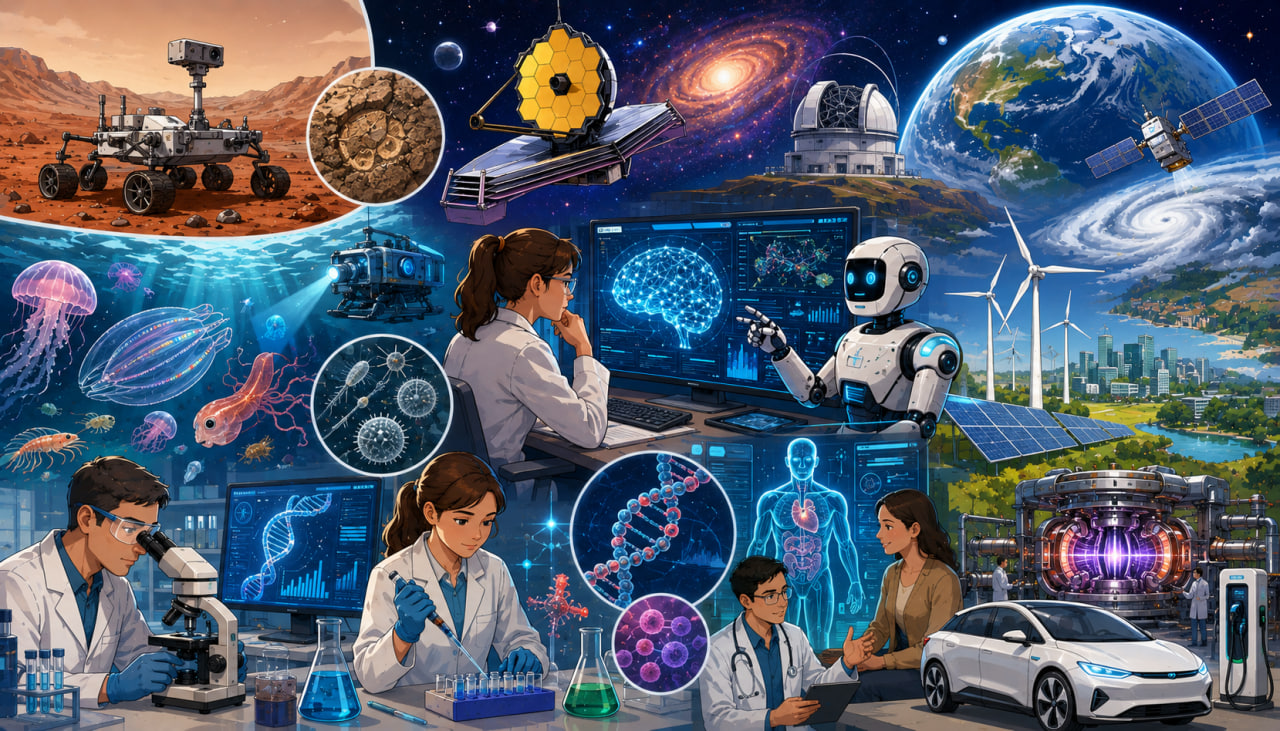
Science in 2026 is moving at an extraordinary pace. From exciting discoveries on Mars and the deep ocean to advances in quantum physics, medicine, artificial intelligence, and astronomy, researchers continue expanding humanity's understanding of the universe. While many breakthroughs are still being verified and refined, several developments have already attracted worldwide attention and may influence science for years to come. This overview highlights some of the most significant scientific news stories of 2026, explaining why they matter and how they could shape the future.