Hi-Tech

Fullerenes and Nanotubes: The Sporting Shapes of Pure Carbon
Hi-Tech Science New Discoveries

Fullerenes and Nanotubes: The Sporting Shapes of Pure Carbon

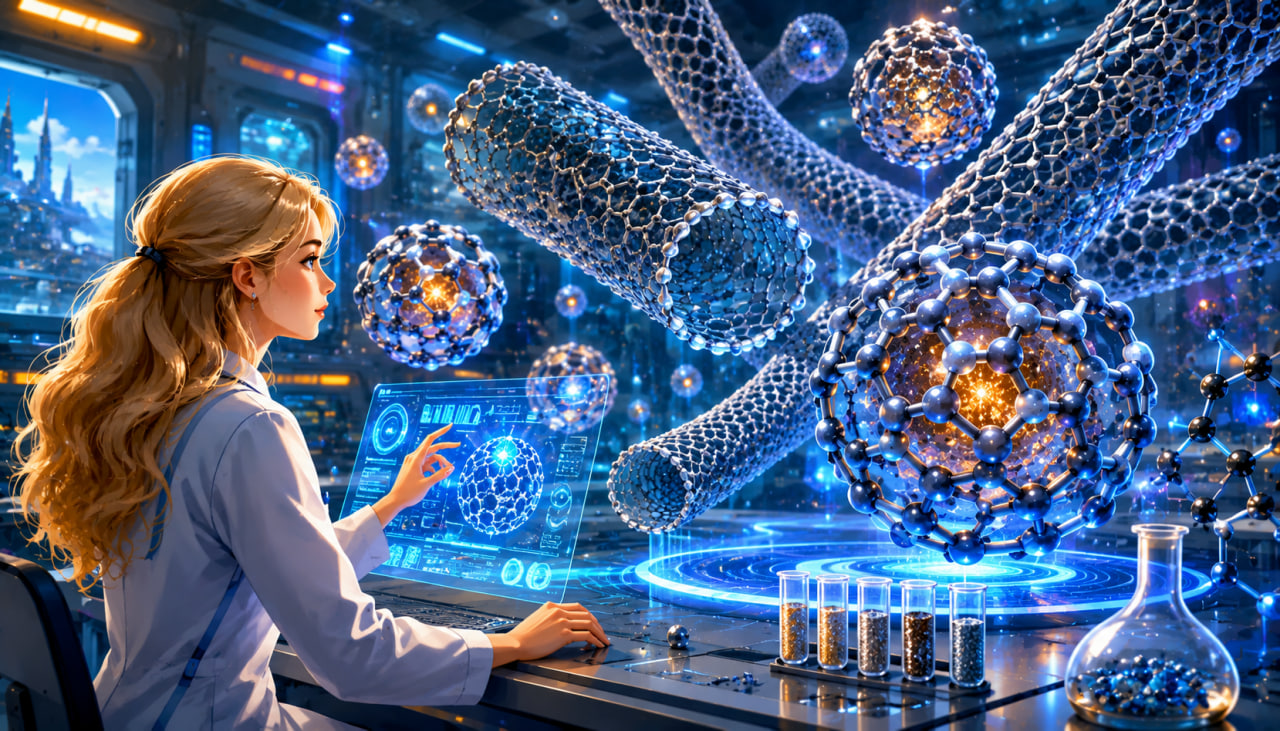
Carbon is one of the most remarkable elements in the universe. It forms the basis of all known life and exists in a surprising variety of structures. Most people are familiar with carbon as graphite in pencils or as diamond in jewelry. However, during the late twentieth century, scientists discovered entirely new forms of carbon that revolutionized materials science and nanotechnology. Among the most fascinating are fullerenes and carbon nanotubes. These structures consist entirely of carbon atoms, yet their shapes resemble soccer balls, tubes, and futuristic engineering components. Their discovery revealed that carbon is capable of forming geometries far more complex than previously imagined. Today, fullerenes and nanotubes are at the center of research into advanced electronics, medicine, energy storage, and next-generation materials.
Hydrophilic and Hydrophobic Elements: How Chemistry Creates Cell Membranes
Hi-Tech Bioengineering Science

Hydrophilic and Hydrophobic Elements: How Chemistry Creates Cell Membranes

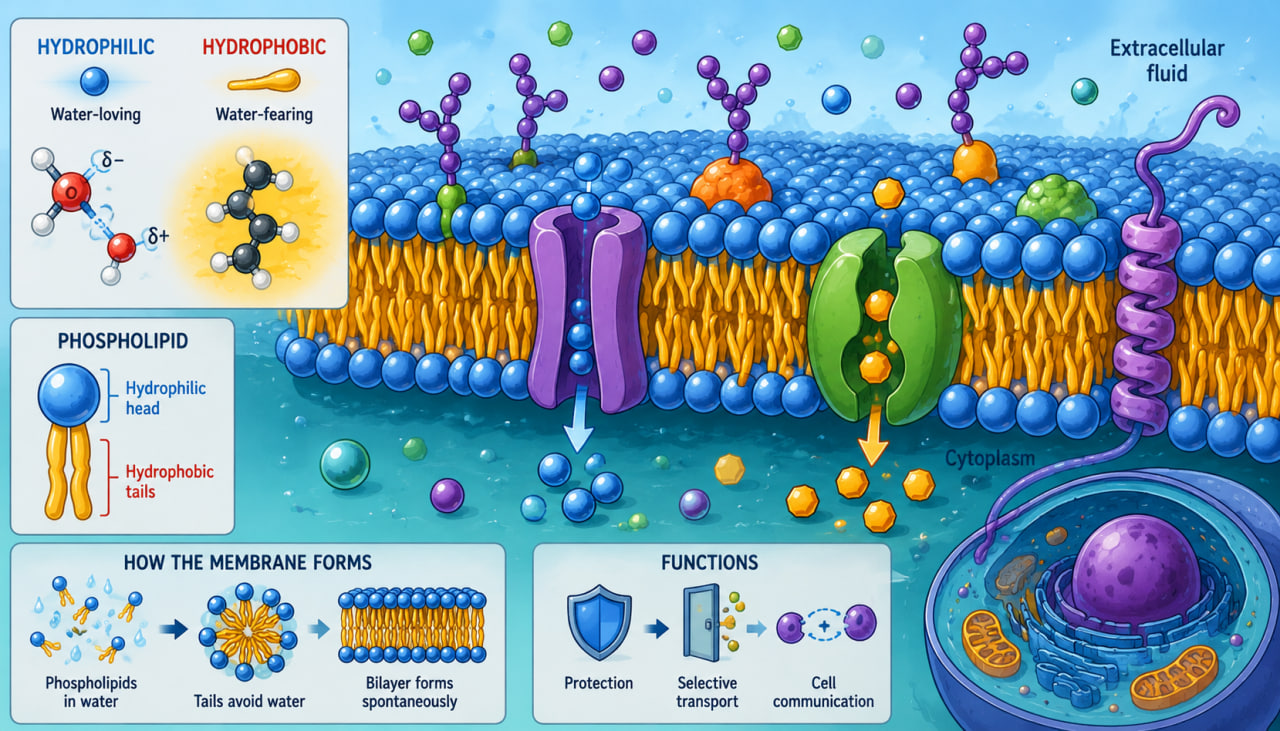
Every living organism, from the smallest bacterium to the largest whale, depends on cell membranes. These incredibly thin structures separate the inside of a cell from its surroundings, regulate the movement of substances, and help maintain the conditions necessary for life. What makes cell membranes especially fascinating is that they assemble themselves almost automatically. This remarkable phenomenon is possible because of two fundamental chemical properties: hydrophilicity and hydrophobicity. The interaction between water-loving and water-repelling molecules creates one of biology's most important structures—the cell membrane. Understanding how hydrophilic and hydrophobic elements work provides insight into the chemistry behind life itself.

Artificial Intelligence in Industrial Manufacturing
Hi-Tech Smart Technology AI & Ethics

Artificial Intelligence in Industrial Manufacturing

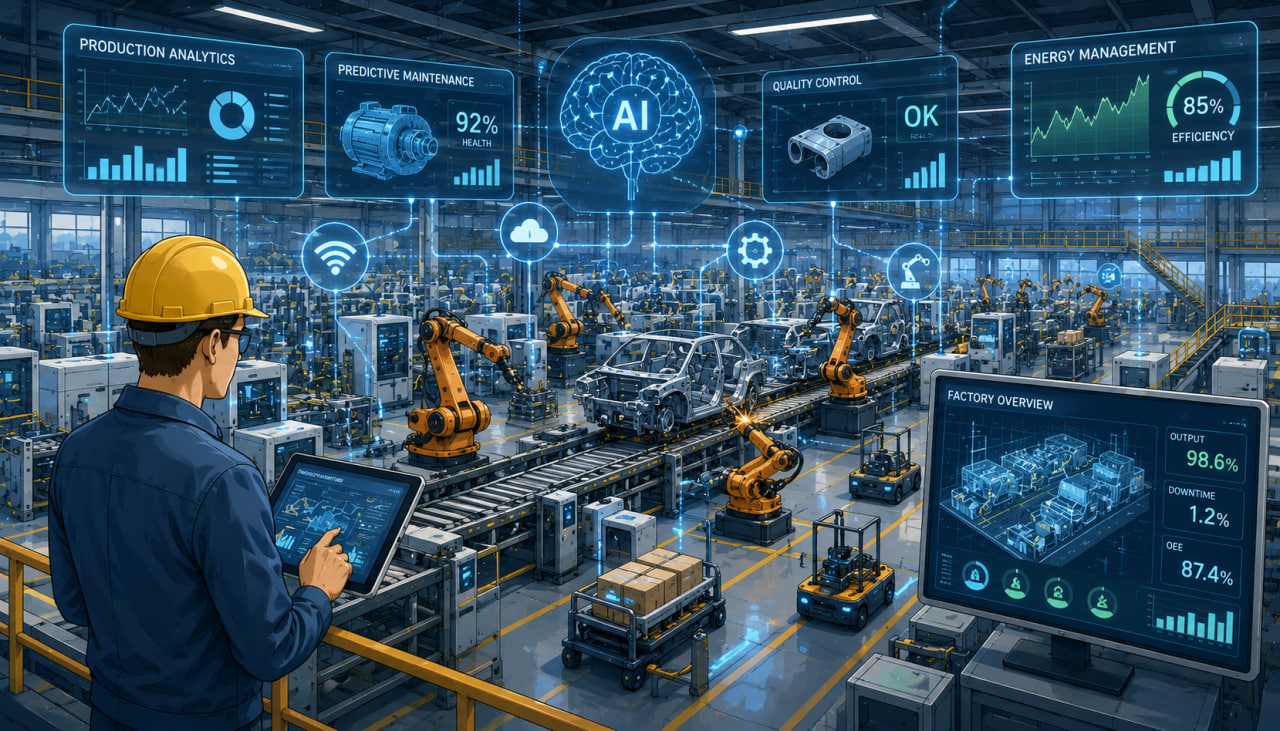
Artificial intelligence is rapidly transforming industrial manufacturing across the world. What once required large numbers of workers, manual monitoring, and repetitive mechanical processes is increasingly becoming automated through smart systems capable of: Data analysis Machine learning Predictive maintenance Robotic control Quality inspection Autonomous optimization Modern factories are evolving into highly interconnected digital environments where machines communicate with each other and make decisions in real time. This technological transformation is often called: Industry 4.0 AI-driven manufacturing is changing how products are: Designed Produced Transported Monitored Maintained Supporters believe artificial intelligence may dramatically improve: Efficiency Precision Safety Sustainability Critics, however, warn about: Job displacement Cybersecurity risks Dependence on automation Ethical concerns As industrial AI systems continue advancing, manufacturing itself may become one of the most transformed sectors of the global economy.

Cryptocurrency Mining: How Digital Money Is Created and Why It Consumes So Much Energy
Hi-Tech Smart Technology AI & Ethics

Cryptocurrency Mining: How Digital Money Is Created and Why It Consumes So Much Energy

Cryptocurrency mining became one of the most discussed technological phenomena of the 21st century. What began as a small experimental digital system developed by computer enthusiasts eventually evolved into a global industry involving: Massive data centers Specialized processors Industrial cooling systems Billions of dollars in infrastructure Today, cryptocurrency mining affects: Global energy consumption Financial markets Technology development Environmental debates Digital security systems Supporters view crypto mining as a revolutionary decentralized financial technology, while critics argue it consumes enormous amounts of electricity and contributes to environmental problems. Understanding how cryptocurrency mining works helps explain why digital currencies became both highly valuable and highly controversial.

Transhumanism: When Will Humans Officially Become Cyborgs?
Hi-Tech Bioengineering Smart Technology

Transhumanism: When Will Humans Officially Become Cyborgs?

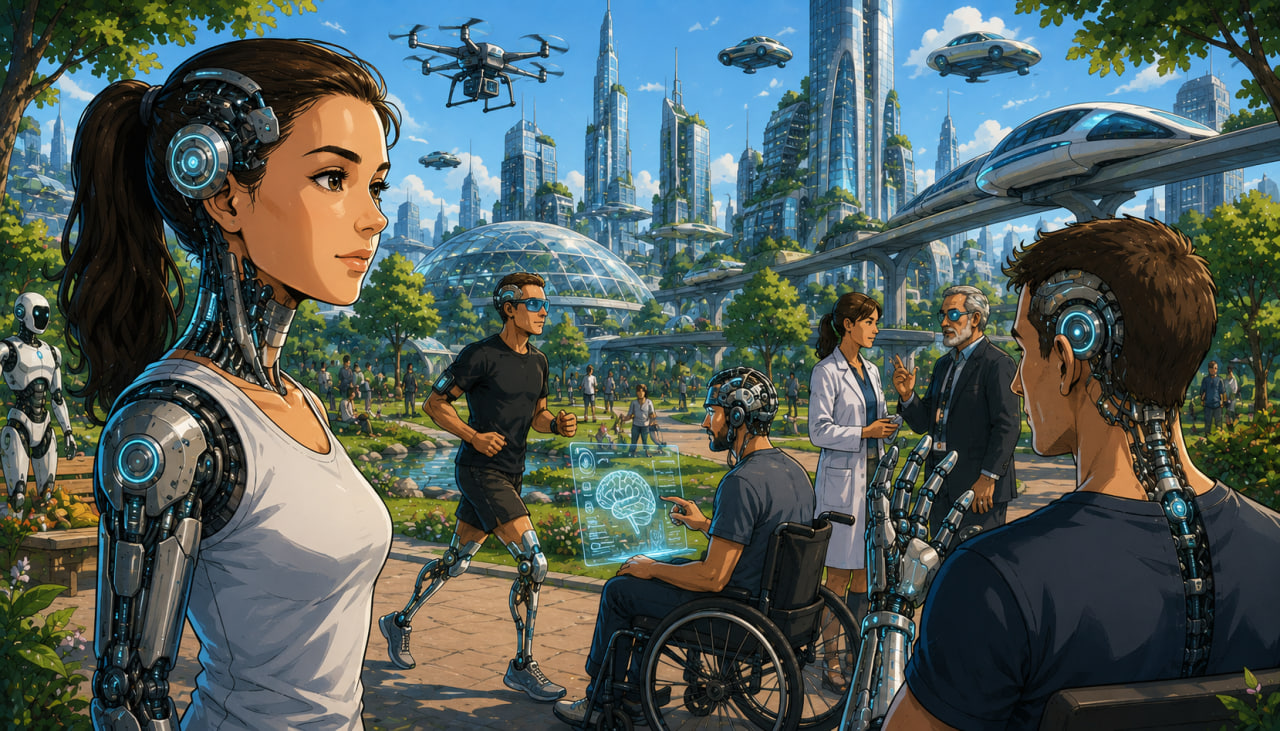
For centuries, humans dreamed about enhancing the body beyond its natural biological limits. Ancient myths described artificial limbs, immortality, and superhuman abilities long before modern science existed. Today, technologies once considered pure science fiction are becoming increasingly real. Artificial organs, robotic prosthetics, brain-computer interfaces, implanted medical devices, and neural technologies are already blurring the line between biology and machines. This raises one of the most fascinating questions of the modern era: When does a human officially become a cyborg? The idea is closely connected to transhumanism — a philosophical and technological movement supporting the use of science and technology to improve human physical and cognitive abilities. Supporters believe technological enhancement may eventually help humanity overcome: Disease Aging Physical limitations Cognitive decline Critics, however, warn about ethical, social, and philosophical risks. As biotechnology and artificial intelligence advance rapidly, the debate around transhumanism is becoming increasingly important.

The Internet: How It Appeared and What Awaits Us in the Near Future
History Hi-Tech Smart Technology

The Internet: How It Appeared and What Awaits Us in the Near Future

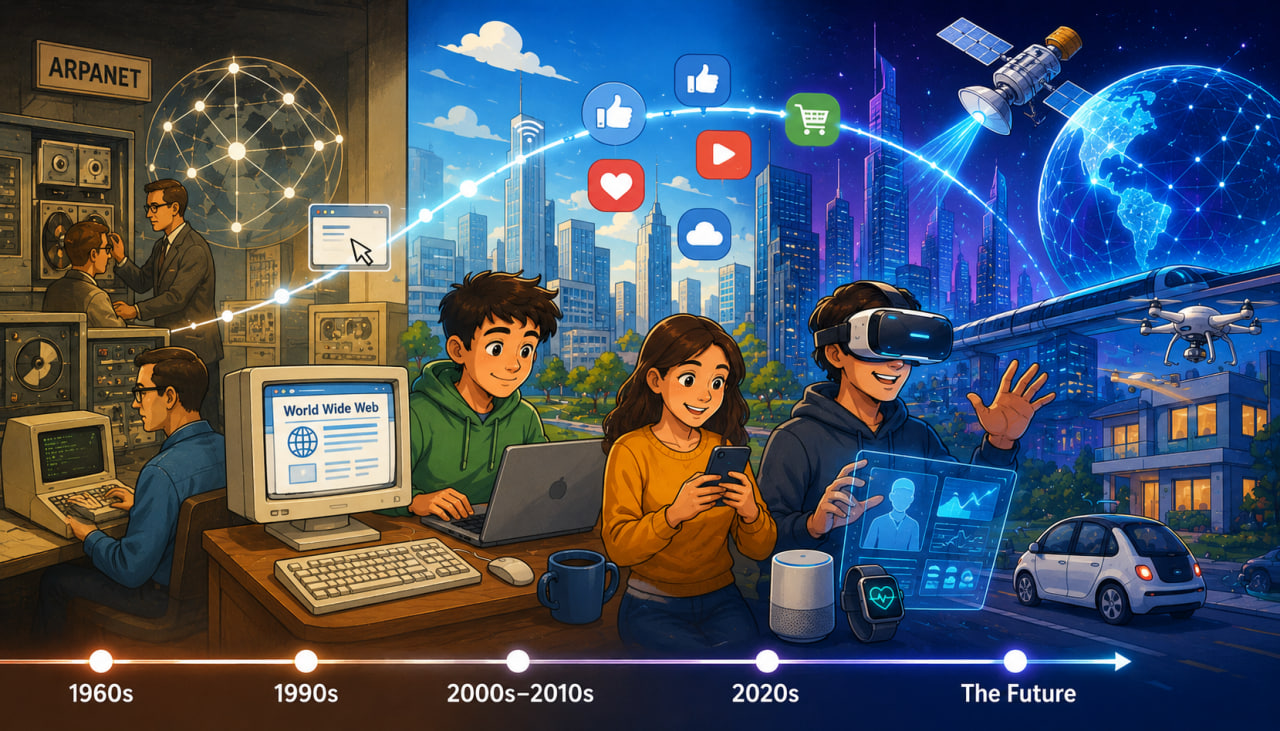
The internet is one of the most important inventions in human history. In just a few decades, it transformed communication, business, science, entertainment, education, and everyday life. Billions of people now rely on the internet daily for work, social interaction, shopping, banking, and access to information. Yet the internet did not begin as a global social network or entertainment platform. It started as a scientific and military research project designed to solve communication problems during the Cold War era. Over time, it evolved into a massive interconnected digital system linking nearly every part of modern civilization. Today, the internet continues changing rapidly due to: Artificial intelligence Cloud computing Smart devices Virtual reality Satellite networks Quantum technologies Many experts believe the next decades may transform the internet even more dramatically than its first years did.

What Is a VPN and Why Do People Use It?
Hi-Tech Smart Technology Be Smart

What Is a VPN and Why Do People Use It?

The modern internet connects billions of people every day, but most users rarely think about how their data travels across networks. Every website visit, online purchase, message, or search request moves through multiple systems before reaching its destination. During this process, internet traffic may potentially be monitored, analyzed, or intercepted by various parties. This is where VPN technology becomes important. A VPN (Virtual Private Network) is a technology designed to create a more private and secure connection between a user and the internet. VPNs are now widely used by: Businesses Remote workers Travelers Gamers Journalists Ordinary internet users VPN services became increasingly popular as concerns about: Privacy Cybersecurity Tracking Public Wi-Fi safety Data collection continue growing worldwide. Although VPNs do not make users completely anonymous or invulnerable, they play an important role in modern internet security and digital privacy.

Scientific Innovations of 2026: Technologies That Are Changing Humanity
Hi-Tech Science New Discoveries

Scientific Innovations of 2026: Technologies That Are Changing Humanity

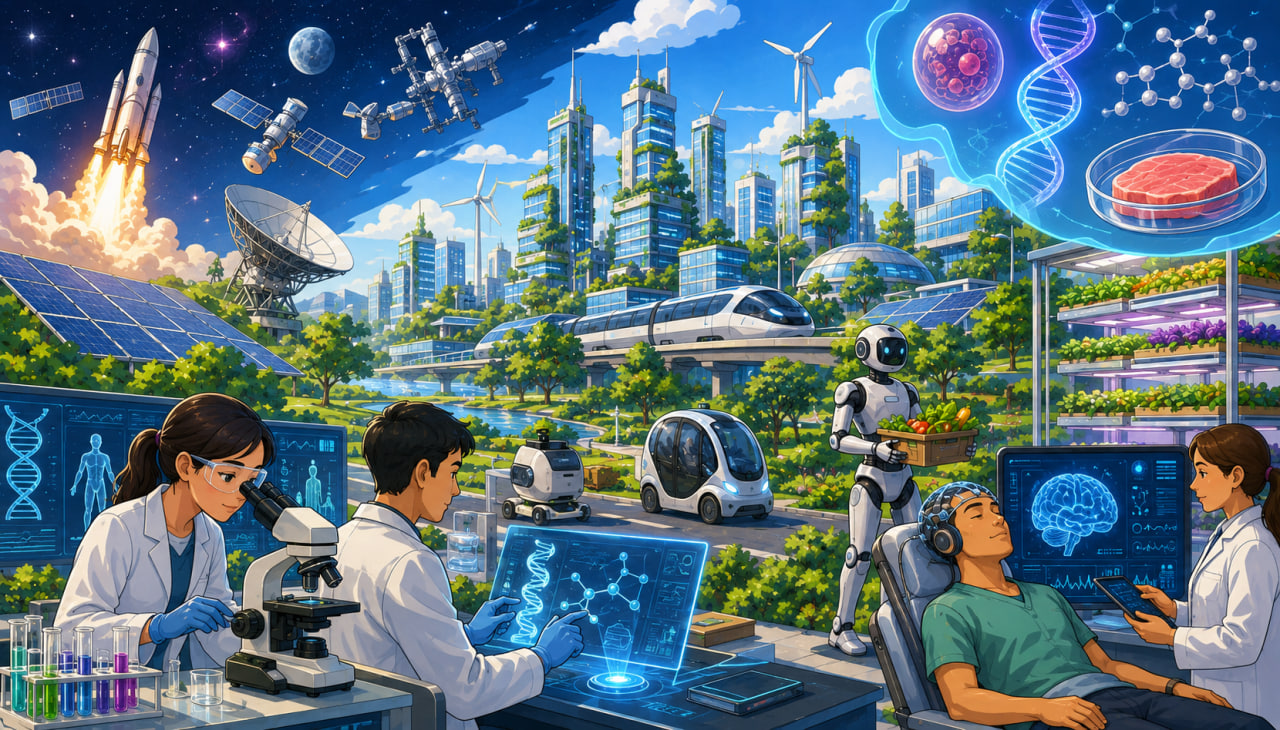
The year 2026 is becoming a remarkable period for science and technology. Advances once considered futuristic are rapidly entering real-world use. Artificial intelligence systems are transforming medicine and research, renewable energy technologies are becoming more efficient, robotics is entering daily life, and biotechnology is moving toward personalized healthcare on an unprecedented scale. Scientists today work in an era where discoveries spread globally almost instantly, accelerating innovation across nearly every field. Governments, universities, and private companies are investing billions into technologies that may reshape civilization during the next decades. The scientific innovations emerging in 2026 are not limited to laboratories anymore. Many are already influencing: Healthcare Transportation Energy systems Space exploration Agriculture Artificial intelligence Climate technologies Some experts believe humanity is entering one of the fastest periods of scientific transformation in history.

Air Conditioners: How They Work, Their Benefits, and What Experts Recommend
Hi-Tech Science Be Smart

Air Conditioners: How They Work, Their Benefits, and What Experts Recommend

Air conditioners have become one of the most important technologies for modern comfort and public health. In many regions of the world, especially during increasingly intense summer heatwaves, air conditioning is no longer considered a luxury but a necessity. From homes and offices to hospitals, schools, and transportation systems, air conditioners help people stay safe and productive during hot weather. However, despite their widespread use, many people still do not fully understand how air conditioning works, how it affects health, or how to use it correctly. Modern experts emphasize that air conditioners can greatly improve quality of life when used responsibly and maintained properly.

Modern Computer Mice: How to Choose the Right One for Work, Gaming, and Comfort
Hi-Tech Smart Home Be Smart

Modern Computer Mice: How to Choose the Right One for Work, Gaming, and Comfort

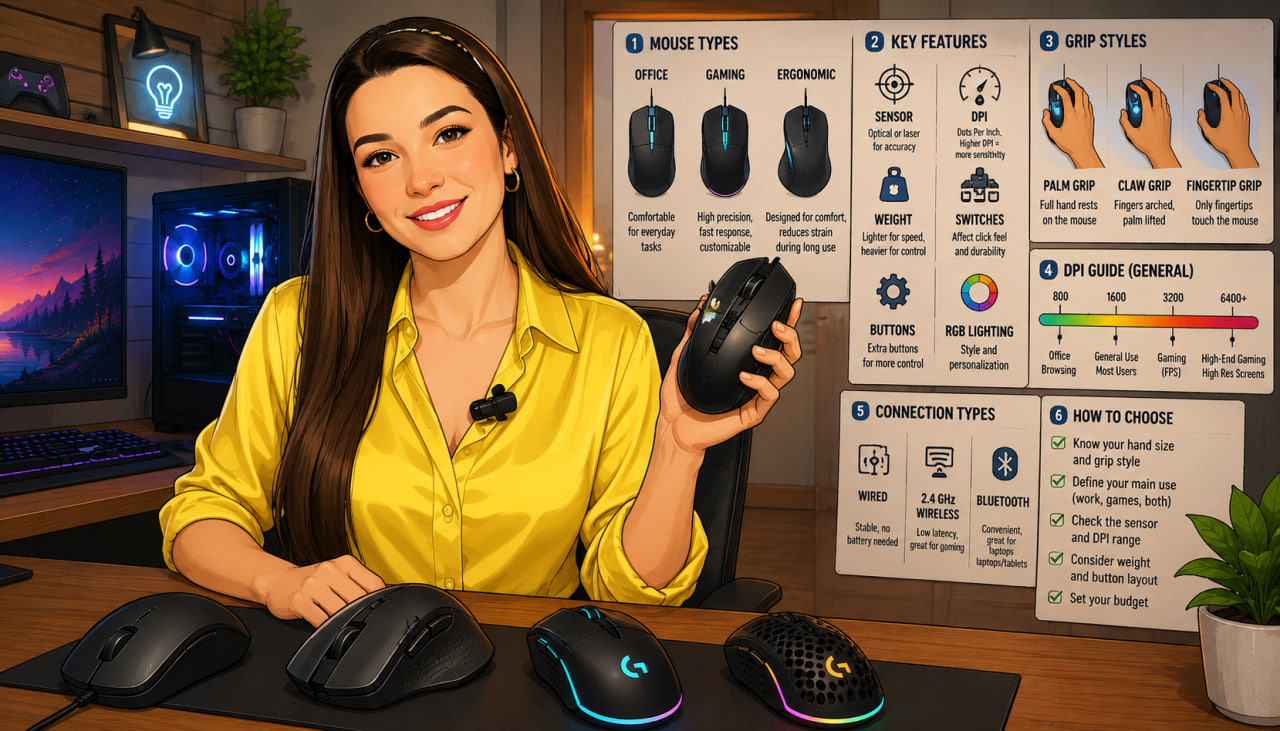
A computer mouse may seem like a simple accessory, but it has a major impact on productivity, comfort, precision, and even long-term hand health. Whether you are gaming, editing videos, working in an office, programming, or simply browsing the internet, the right mouse can significantly improve your experience. Modern computer mice have evolved far beyond basic optical devices. Today’s models include advanced sensors, ergonomic designs, programmable buttons, wireless technologies, and highly specialized gaming features. But with so many options available, how do you choose the best mouse for your needs?