Hi-Tech

Acoustic Lasers: How Sound Can Behave Like Light
Hi-Tech New Discoveries Inventions

Acoustic Lasers: How Sound Can Behave Like Light

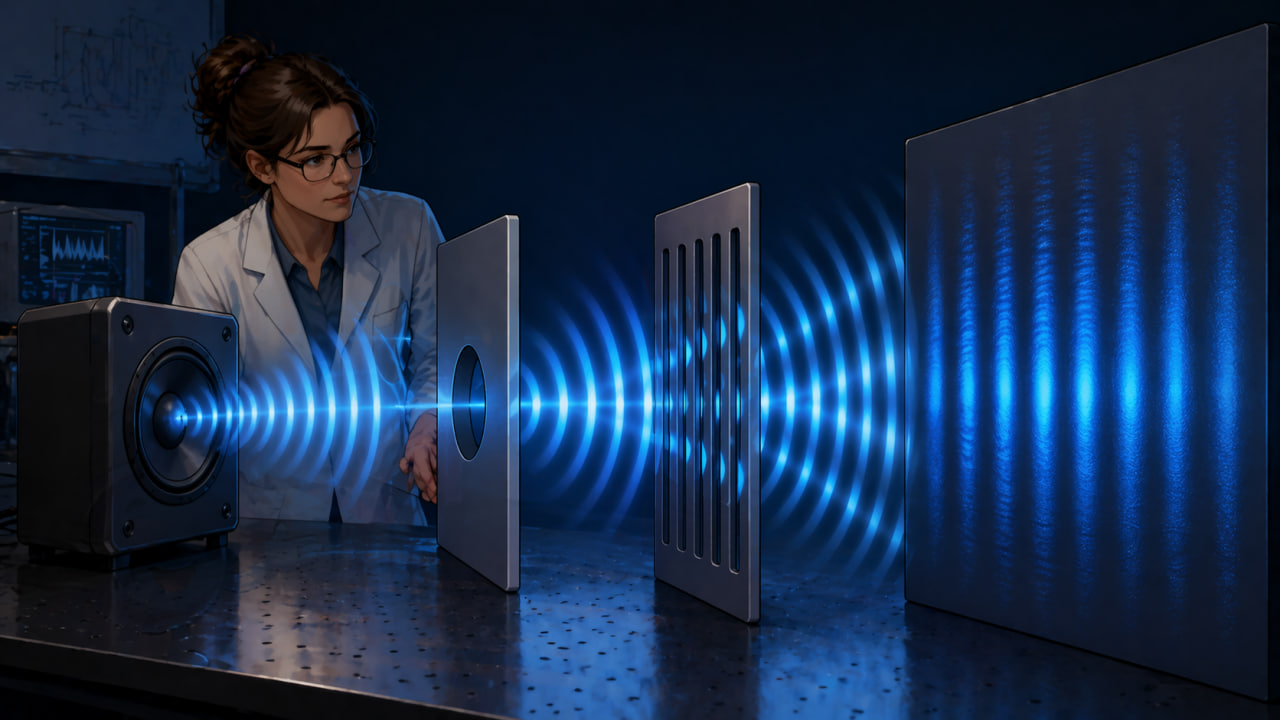
The term “laser” usually brings to mind beams of light used in medicine, communication, and technology. But scientists have discovered a fascinating counterpart: acoustic lasers, devices that amplify and control sound waves in ways similar to how traditional lasers manipulate light. These systems open new possibilities in physics, engineering, and medicine, challenging our understanding of waves and energy.

Can We Create a Mini Black Hole on Earth?
Hi-Tech Science New Discoveries

Can We Create a Mini Black Hole on Earth?

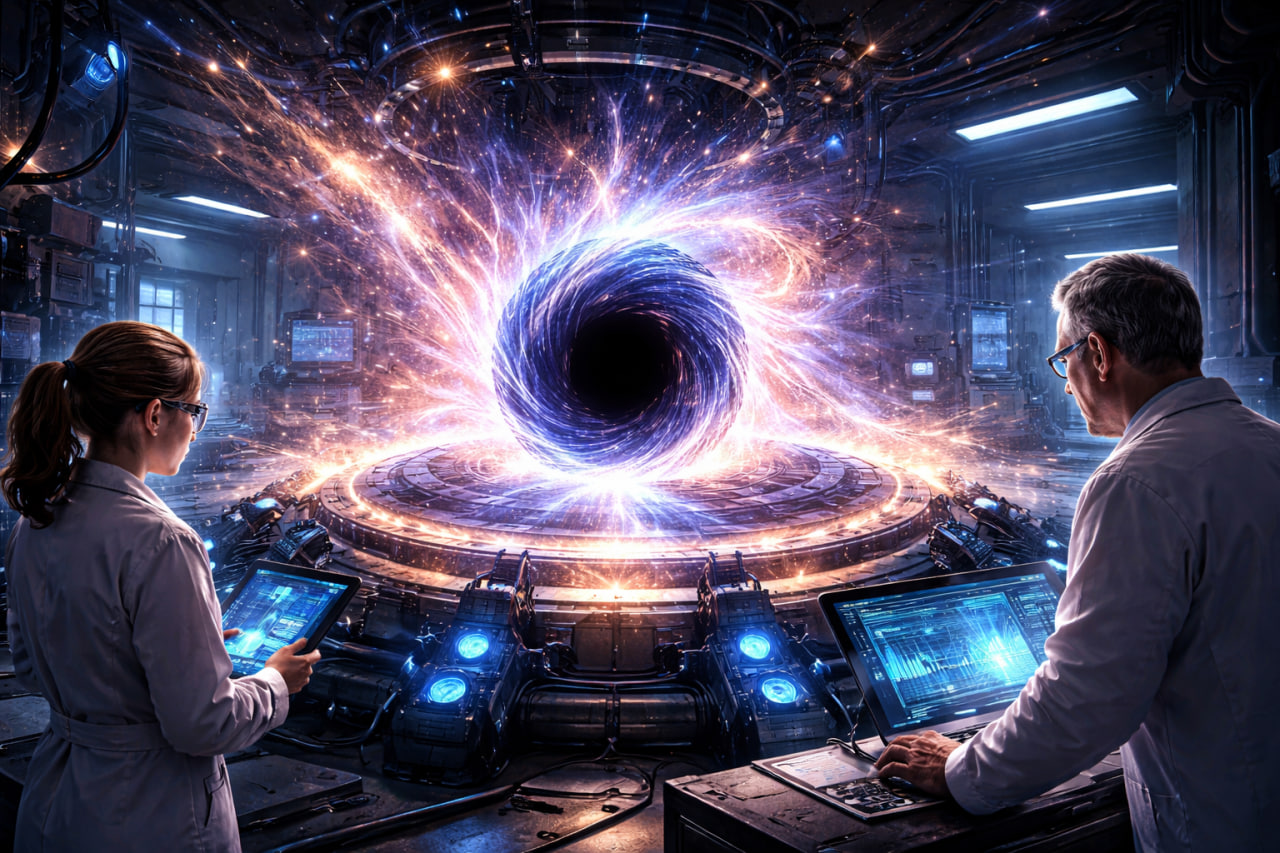
The idea of creating a mini black hole on Earth sounds like something from science fiction, but it is actually a topic that scientists have seriously explored in theoretical physics. Black holes are regions of space where gravity is so strong that nothing—not even light—can escape. They usually form when massive stars collapse under their own gravity. However, some theories suggest that extremely small black holes, known as micro black holes, could exist or even be created under the right conditions. The question is whether current human technology is capable of producing such an object, and if so, whether it would pose any danger.

Telescopes of the Future: Extremely Large Telescopes and Lunar Observatories
Cosmic Innovations Hi-Tech Smart Technology

Telescopes of the Future: Extremely Large Telescopes and Lunar Observatories

Humanity has always sought to explore the universe, and telescopes have been the primary tools enabling us to look deeper into space. Today, a new generation of instruments is being developed that promises to revolutionize our understanding of the cosmos. Among them are Extremely Large Telescopes (ELTs) on Earth and the concept of observatories on the Moon, both designed to overcome the limitations of current technology. These advanced systems aim to capture more light, produce sharper images, and observe distant objects that were previously beyond reach. As astronomy enters a new era, these innovations may help answer some of the biggest questions about the origin of the universe, dark matter, and the possibility of life beyond Earth. Understanding how these technologies work reveals why they are considered the future of astronomical discovery.

Nuclear Rocket Engines: Could We Reach Mars in Just One Month?
Cosmic Innovations Hi-Tech Science

Nuclear Rocket Engines: Could We Reach Mars in Just One Month?

The idea of reaching Mars in just a few weeks sounds like science fiction—but with nuclear rocket engines, it may become a real possibility. Traditional chemical rockets, while powerful, are limited in efficiency and speed. Nuclear propulsion offers a fundamentally different approach, potentially allowing spacecraft to travel faster, farther, and more efficiently than ever before. Scientists and engineers are actively exploring these technologies as a key step toward human missions to Mars and deep space exploration.

Space Mining: Extracting Resources Beyond Earth
Space Stories Cosmic Innovations Hi-Tech

Space Mining: Extracting Resources Beyond Earth

Space mining is the concept of extracting valuable resources from celestial bodies such as asteroids, the Moon, and other planets. Once considered science fiction, it is now becoming a serious field of research as humanity looks for new sources of materials beyond Earth. With increasing demand for metals and energy, space offers vast untapped potential that could reshape the future of industry and exploration.

Space-Based Solar Power: Science Fiction or the Near Future of Energy
Cosmic Innovations Hi-Tech New Discoveries

Space-Based Solar Power: Science Fiction or the Near Future of Energy

The idea of generating energy in space and transmitting it to Earth has long been associated with science fiction. However, in recent years, this concept—known as space-based solar power (SBSP)—has begun to move closer to reality. With rapid advances in satellite technology, wireless energy transmission, and materials science, scientists and engineers are seriously exploring whether energy from space could become a reliable and scalable source of clean power for the future.

Microwave Oven: Invention and How It Works Today
Hi-Tech Be Smart Inventions

Microwave Oven: Invention and How It Works Today

The microwave oven is one of the most common household appliances, yet many people rarely think about how it actually works. What seems like simple and fast food heating is the result of advanced electromagnetic technology and an accidental discovery. From its origins in radar research to modern smart kitchens, the microwave oven has become an essential part of everyday life.

Why and How to Properly Clean Dust From Your Computer
Hi-Tech Smart Technology Be Smart

Why and How to Properly Clean Dust From Your Computer

Over time, every computer accumulates dust inside its case. This may seem harmless at first, but dust buildup can significantly affect performance and longevity. Regular cleaning helps maintain proper airflow, keeps components cool, and reduces the risk of overheating. Understanding why and how to safely clean your computer is essential for keeping it running efficiently.

Modern Computer Cooling Systems: How Technology Keeps Performance Under Control
Hi-Tech Smart Technology Inventions

Modern Computer Cooling Systems: How Technology Keeps Performance Under Control

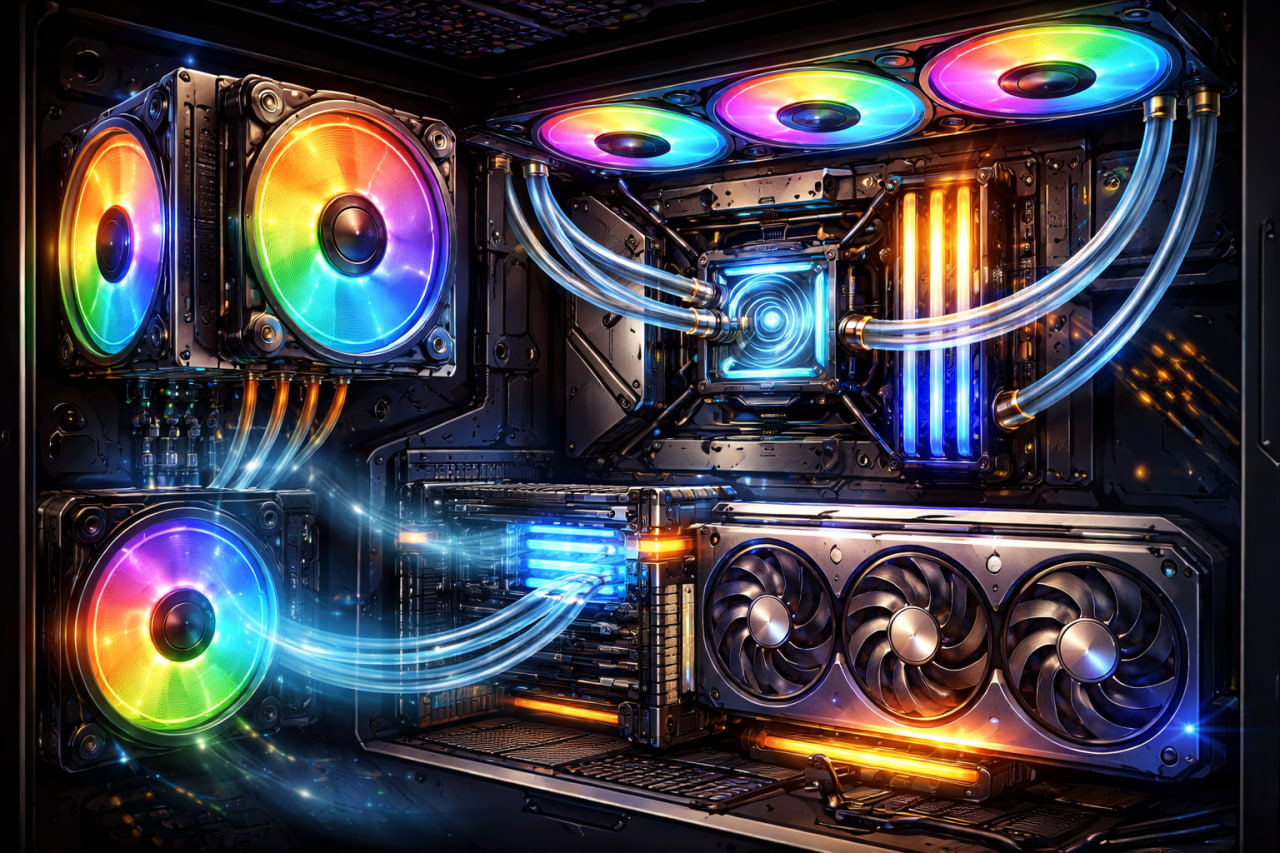
As computer performance continues to grow, so does the need for effective cooling. Modern processors and graphics cards generate significant heat, and without proper temperature management, systems can lose performance or even become unstable. Today, cooling technologies have evolved far beyond simple fans, offering a range of solutions designed to maintain optimal temperatures and system stability.

What Is Bluetooth and How Does It Work?
Hi-Tech New Discoveries Be Smart

What Is Bluetooth and How Does It Work?

Bluetooth is a wireless communication technology that allows electronic devices to exchange data over short distances without using cables. It is widely used in everyday devices such as smartphones, headphones, laptops, smartwatches, and wireless speakers. Bluetooth operates using radio waves in a specific frequency band, enabling devices to connect quickly and transfer information efficiently. Since its introduction in the late 1990s, Bluetooth has become one of the most common technologies for connecting personal electronic devices. Its simplicity, low energy consumption, and compatibility with many types of hardware have made it an essential part of modern digital communication.