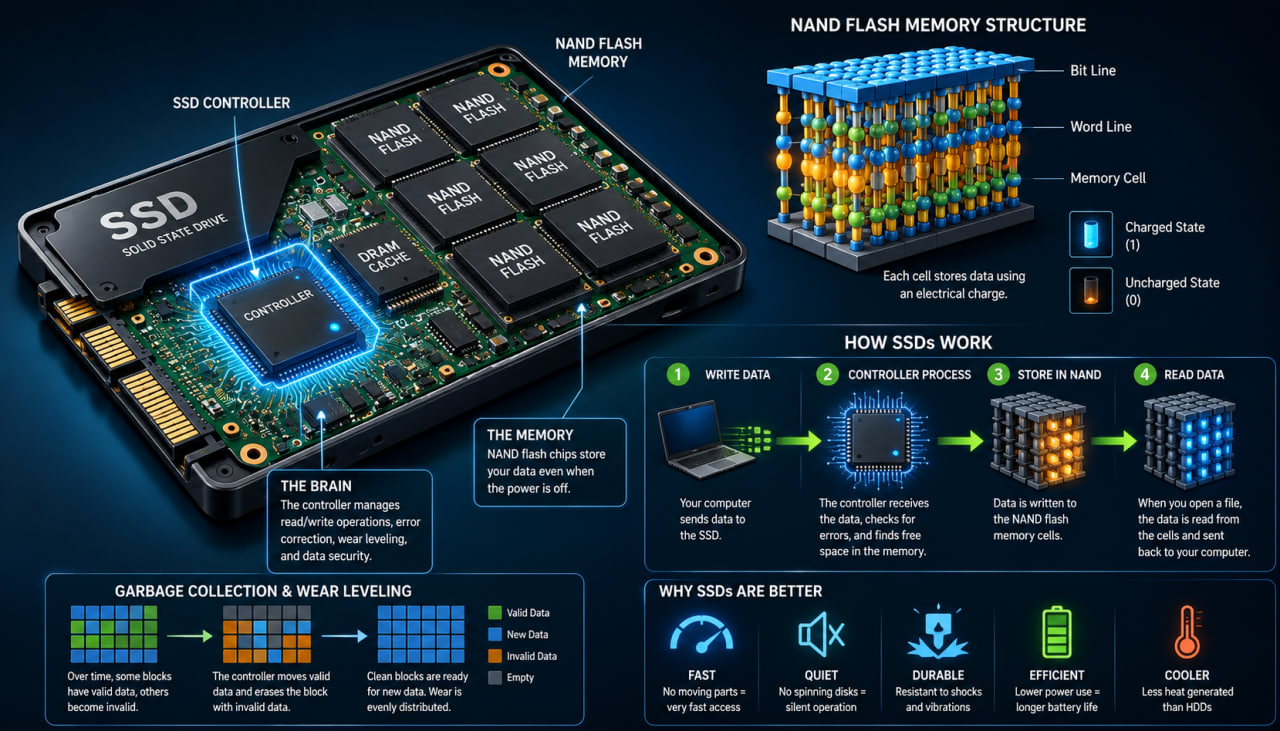
Solid-state drives, better known as SSDs, have changed the way computers feel. A laptop with an SSD boots faster, opens apps faster, copies files faster, and feels more responsive than the same machine using an old hard disk drive. For many users, replacing an HDD with an SSD is one of the most noticeable upgrades possible.
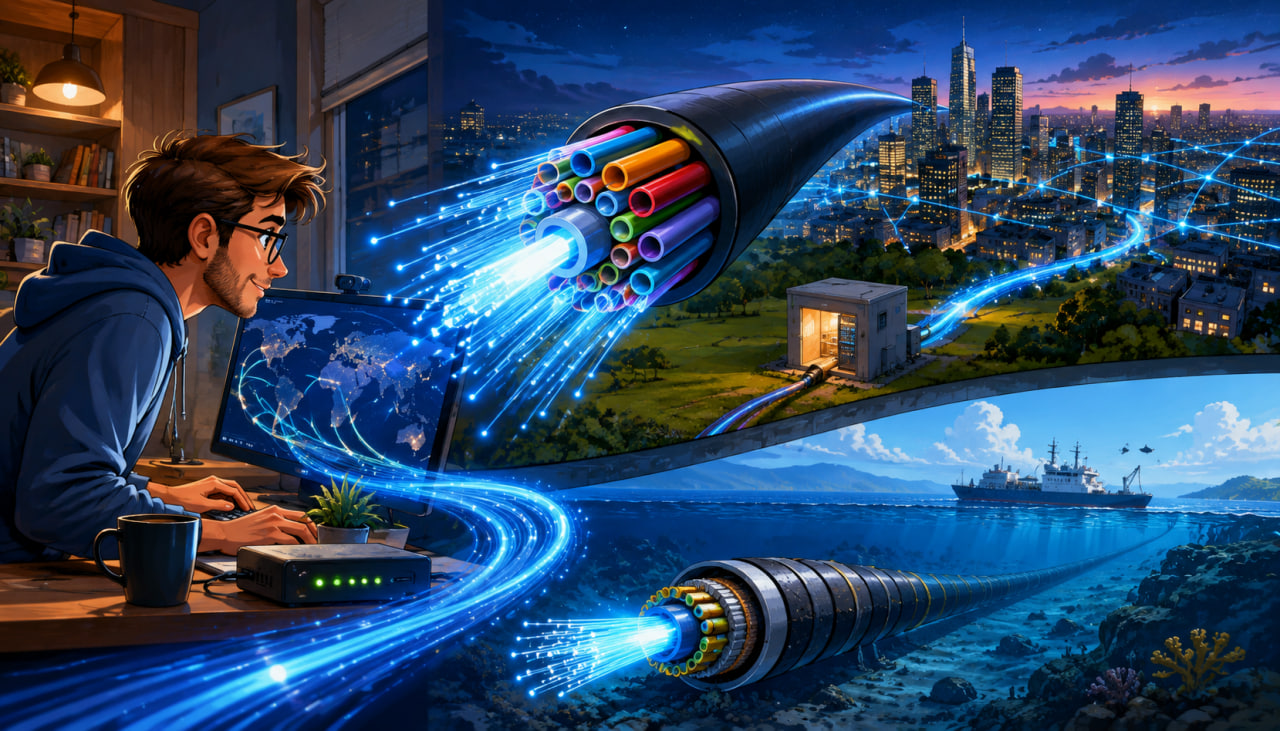
Fiber optics is one of the quiet technologies that makes modern life possible. Every video call, cloud backup, online payment, streaming movie, search request, and international message depends on huge networks moving data at incredible speed. Much of that traffic travels not through copper wires or radio waves, but through thin strands of glass carrying pulses of light. At first, the idea sounds almost magical: information becomes light, travels through a glass fiber thinner than a human hair, and then turns back into digital data. But behind this magic is precise physics, advanced engineering, and decades of innovation. Fiber optic communication is the backbone of the modern internet because it can move enormous amounts of information quickly, reliably, and over long distances.
The microscope is one of humanity's greatest scientific inventions. It transformed our understanding of life, disease, materials, and the Universe hidden beyond the limits of human vision. Before microscopes, people had no idea that bacteria, blood cells, or even the intricate structures inside plants and animals existed. Today, microscopes allow scientists to observe individual molecules, viruses, and even the arrangement of atoms. The history of the microscope is a remarkable journey spanning more than two thousand years. From simple magnifying lenses used in ancient civilizations to today's electron and cryo-electron microscopes capable of revealing structures measured in billionths of a meter, each technological breakthrough has opened new frontiers of discovery.
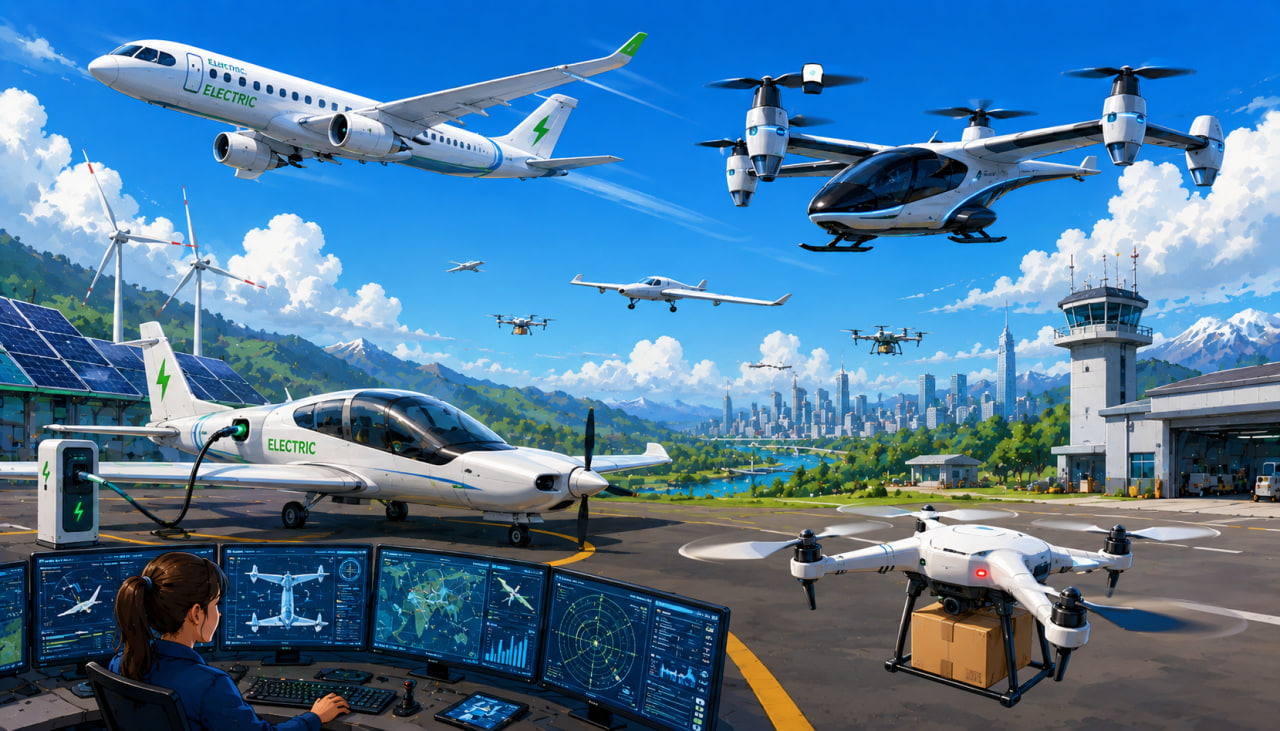
The aviation industry is undergoing one of the most significant transformations since the invention of the jet engine. Electric aircraft, autonomous flight technologies, and advanced unmanned aerial systems are rapidly reshaping the future of air transportation. While commercial airliners still rely almost entirely on conventional jet engines, breakthroughs in battery technology, artificial intelligence, lightweight materials, and autonomous navigation are opening new possibilities for cleaner, safer, and more efficient aviation. From cargo drones delivering medical supplies to experimental electric passenger aircraft, the next generation of aviation is moving toward a future where sustainable propulsion and intelligent flight systems work together. Although major technological challenges remain, experts believe these innovations will dramatically change regional transportation, logistics, emergency services, and urban mobility over the coming decades.
Radar and sonar are two of the most remarkable sensing technologies ever developed. Although they are often mentioned together, they operate in very different environments. Radar uses radio waves to detect objects in the air, on land, and even in space, while sonar relies on sound waves to locate and study objects underwater. Today, these technologies play essential roles in aviation, maritime navigation, military defense, scientific research, weather forecasting, and environmental monitoring. Without radar and sonar, modern transportation and ocean exploration would be far more difficult—and in many cases, far less safe. Understanding how radar and sonar work reveals how humans have learned to "see" where ordinary vision cannot reach.
Paper is one of the most important inventions in human history. Long before computers, smartphones, and the internet, paper enabled the storage and transmission of knowledge on an unprecedented scale. Books, newspapers, maps, scientific discoveries, legal systems, and educational institutions all relied heavily on this simple yet revolutionary material. Although digital technologies have reduced paper consumption in some areas, paper remains essential in modern society. Packaging, hygiene products, office supplies, currency, and countless other applications continue to depend on it. Understanding how paper is made, its environmental impact, and its role in modern life reveals why this humble material remains so important even in the digital age.
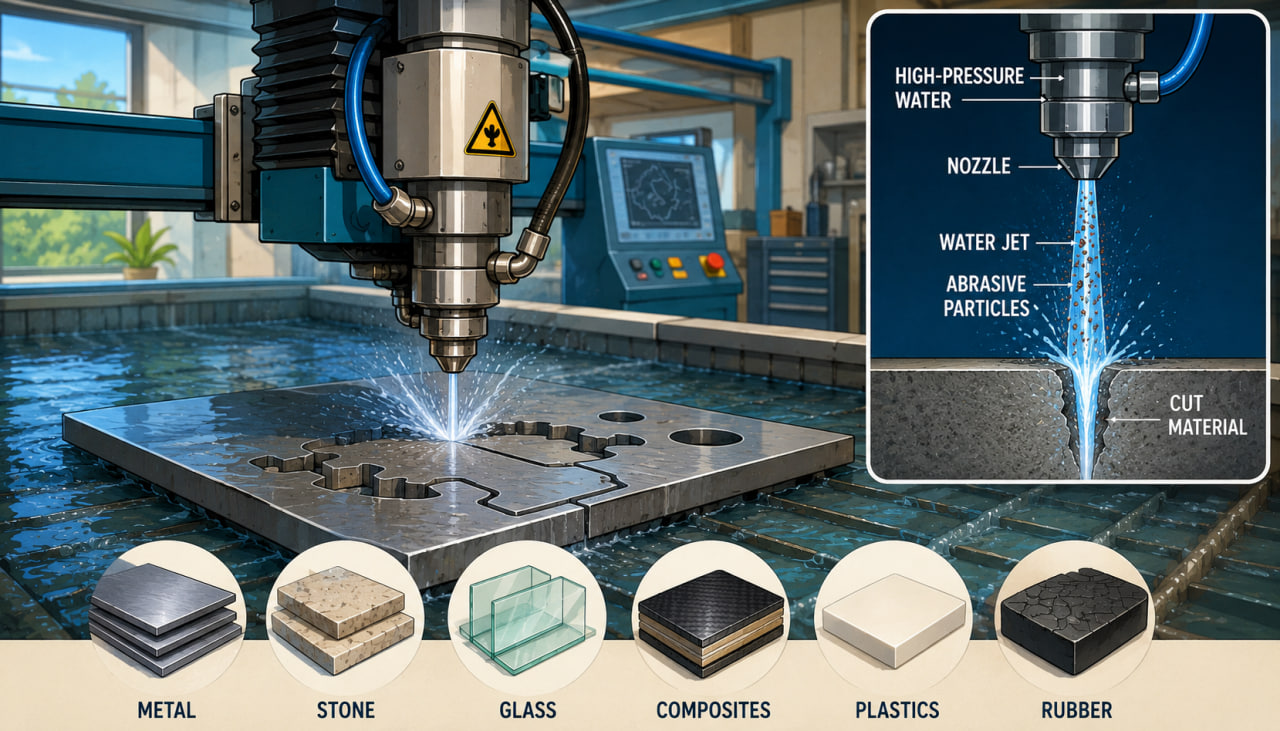
Waterjet cutting is one of the most fascinating manufacturing technologies used today. At first glance, the idea seems almost impossible: how can water, one of the softest and most common substances on Earth, cut through thick steel, stone, glass, or titanium? Yet modern waterjet systems routinely perform these tasks with remarkable precision.
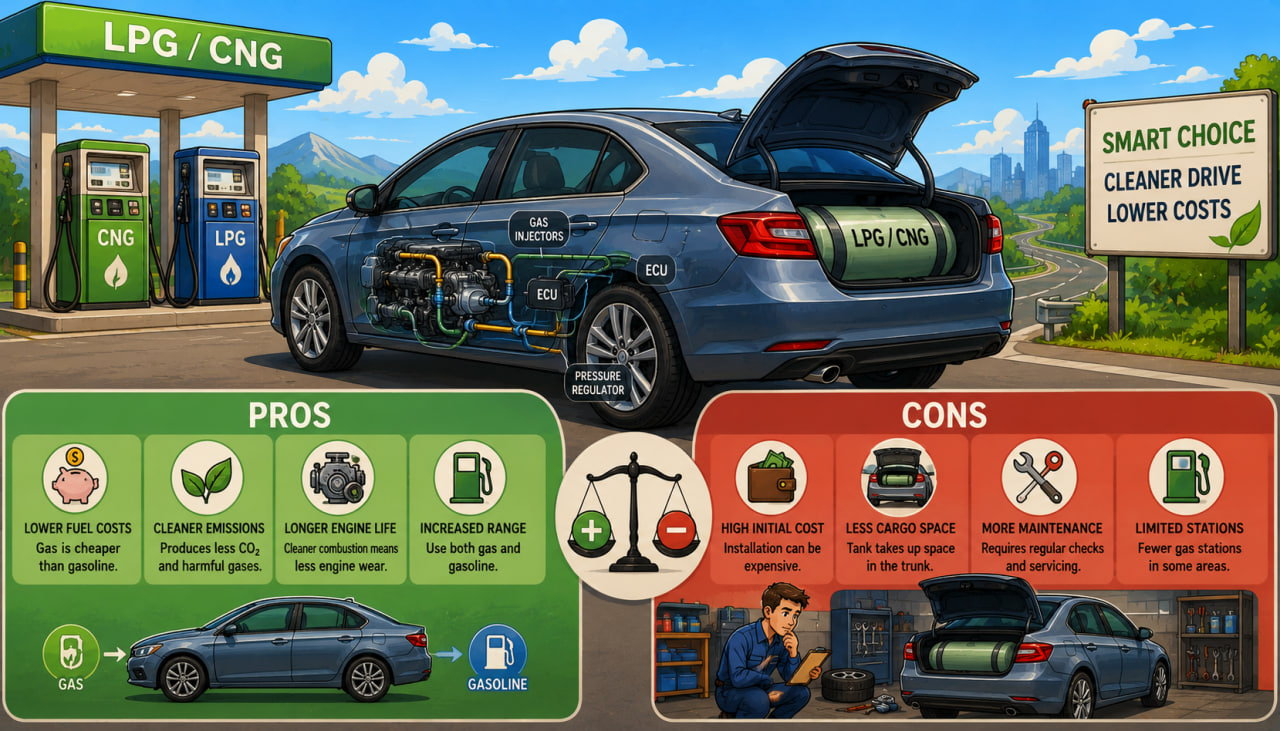
With rising fuel prices and growing concerns about environmental impact, many drivers are looking for alternatives to traditional gasoline and diesel vehicles. One of the most popular options is a gas-powered car that runs on liquefied petroleum gas (LPG) or compressed natural gas (CNG). Gas-powered vehicles have been used around the world for decades and remain particularly popular in countries where fuel costs are high. Supporters praise them for lower operating expenses and cleaner emissions, while critics point to installation costs, reduced cargo space, and limitations in fueling infrastructure. Understanding the advantages and disadvantages of gas-powered vehicles can help drivers determine whether this alternative fuel system is right for them.
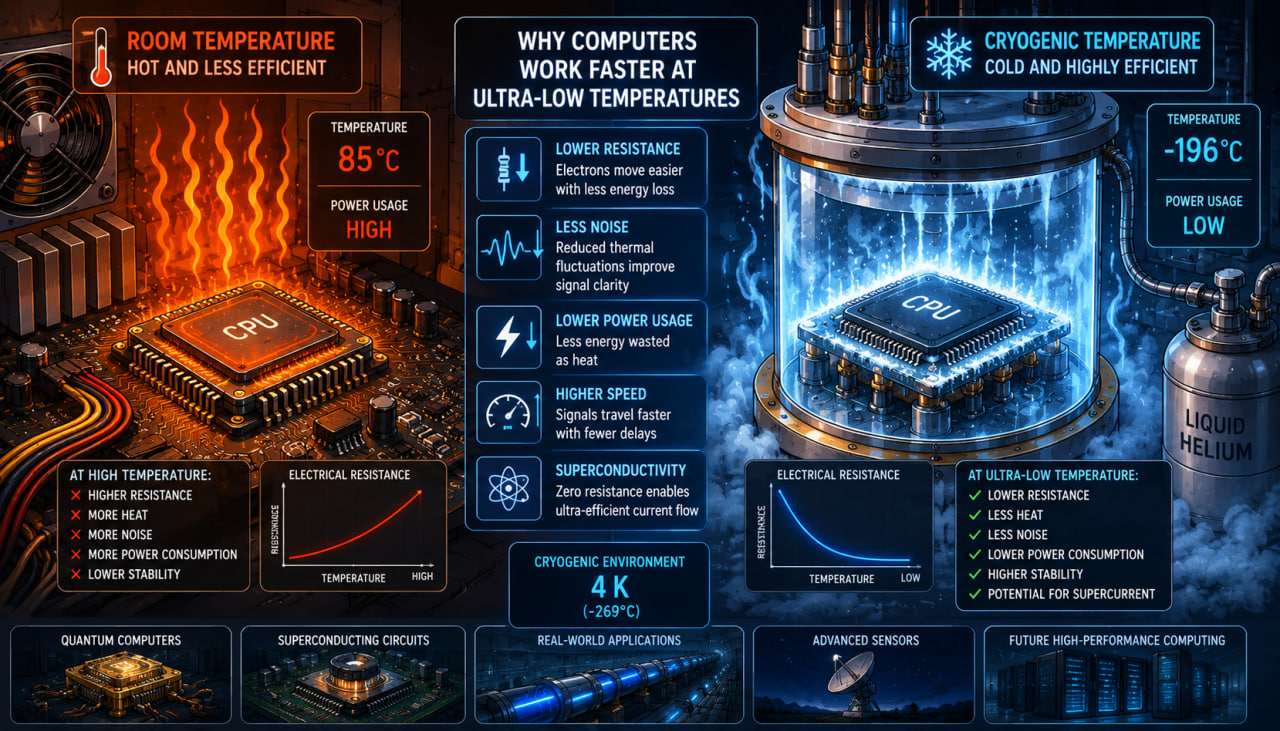
Modern computers have become astonishingly powerful, yet they face a fundamental challenge: heat. Every calculation performed by a processor generates energy losses that appear as heat, and as chips become faster and more densely packed, managing that heat becomes increasingly difficult. For decades, scientists and engineers have explored an intriguing solution—operating electronic systems at extremely low temperatures. This field, known as cryoelectronics, studies how electronic devices behave when cooled to temperatures far below freezing. Under these conditions, some components can operate faster, consume less power, and even exhibit entirely new physical properties. Cryoelectronics is already playing an important role in advanced scientific instruments, quantum computers, and experimental high-performance systems. But why exactly do computers often perform better in the cold?
Coffee is one of the most popular beverages on Earth. Every day, billions of cups are consumed worldwide, fueling morning routines, social gatherings, and workdays. For many coffee lovers, a coffee machine seems like the logical next step toward enjoying café-quality drinks at home. Yet coffee machines range from simple drip brewers to advanced fully automatic espresso systems costing hundreds or even thousands of dollars. This raises an important question: Does buying a coffee machine actually make sense? The answer depends on drinking habits, budget, convenience preferences, and expectations regarding coffee quality. For some households, a coffee machine becomes one of the most frequently used appliances in the kitchen. For others, it may end up collecting dust on a countertop. Understanding the advantages and disadvantages can help determine whether investing in a coffee machine is worthwhile.