Inventions

Induction Cooktops: How Magnetic Cooking Changed Modern Kitchens
Be Smart Inventions News

Induction Cooktops: How Magnetic Cooking Changed Modern Kitchens

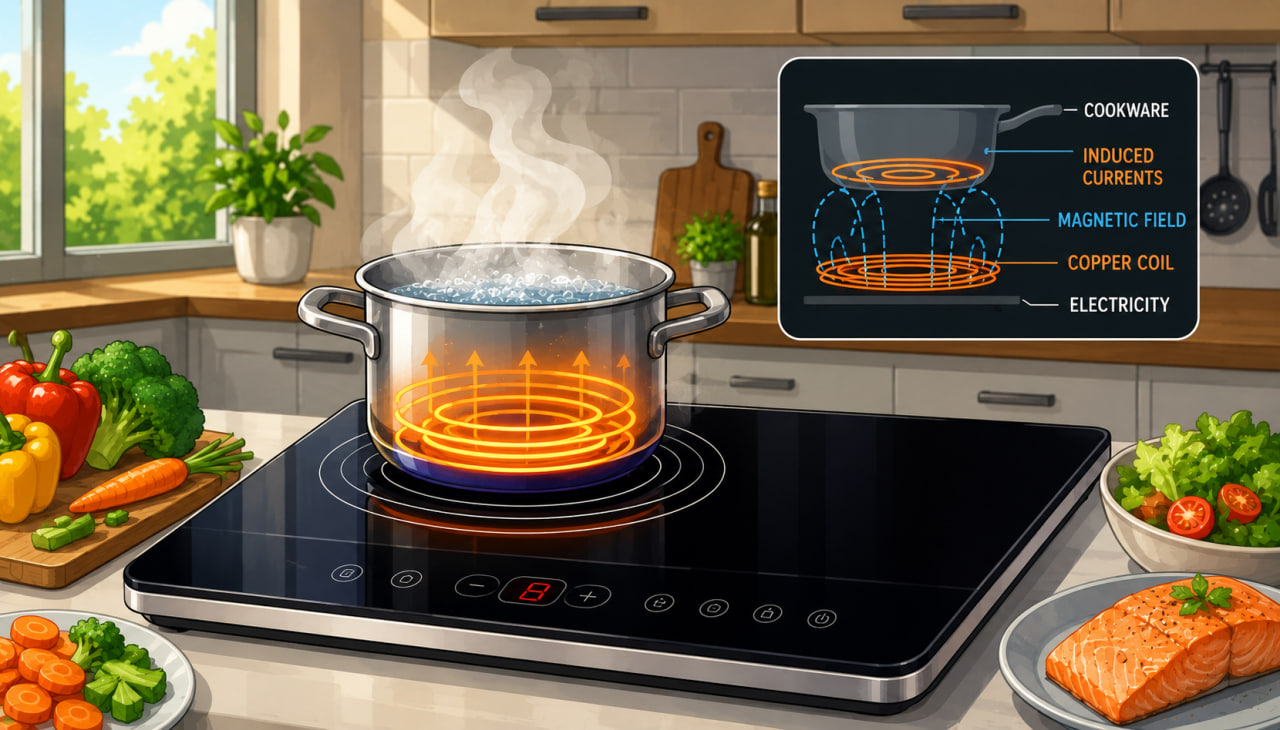
Cooking technology evolved enormously over the last century. Traditional: Wood stoves Gas burners Electric heating coils gradually gave way to more advanced kitchen systems. One of the most innovative cooking technologies today is: The induction cooktop Unlike ordinary electric or gas stoves, induction cooking uses: Electromagnetic fields to heat cookware directly. This allows induction cooktops to become: Faster More energy-efficient Safer Easier to clean compared to many traditional cooking methods. Induction technology is increasingly popular in: Homes Restaurants Professional kitchens because it combines: Precise temperature control Rapid heating Modern design At the same time, many people still misunderstand how induction cooking actually works. Understanding induction cooktops reveals fascinating connections between: Physics Magnetism Electricity Modern engineering while also showing how science transforms everyday household technology.

The Most Revolutionary Scientific Discoveries of the Last Century
History Science Tesla&Co

The Most Revolutionary Scientific Discoveries of the Last Century

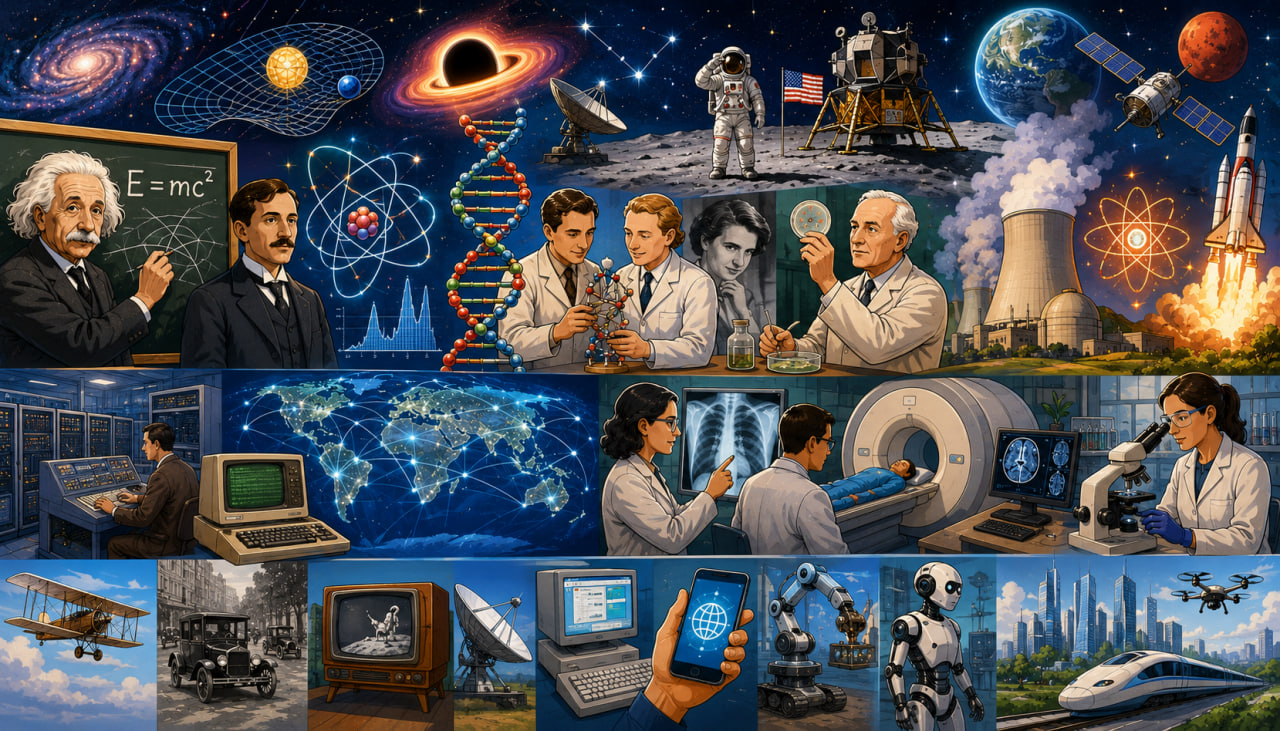
The 20th century completely transformed humanity’s understanding of: The universe Matter Life Space Technology The human body In just one hundred years, science advanced faster than during many previous centuries combined. Humanity moved from: Early airplanes to: Space travel Quantum physics Nuclear energy Computers Genetic engineering Artificial intelligence foundations Many discoveries from the last century changed not only: Science itself but also: Civilization Medicine Industry Communication Everyday life Some breakthroughs revealed astonishing truths about: Reality Time Space Human biology while others created technologies that permanently changed modern society. Understanding the greatest scientific discoveries of the previous century helps explain why modern civilization looks radically different from the world of the 1800s.

Vending Machines: How Automated Retail Changed Modern Society
Smart Technology New Discoveries Be Smart

Vending Machines: How Automated Retail Changed Modern Society

Vending machines became one of the most recognizable symbols of modern automated commerce. Found in: Airports Shopping centers Offices Train stations Schools Hospitals these machines allow people to purchase products quickly without interacting directly with a cashier. What began as a simple mechanical invention evolved into a highly advanced technological industry involving: Robotics Artificial intelligence Cashless payments Inventory tracking Smart retail systems Today vending machines sell far more than snacks and drinks. Around the world, automated machines now offer: Electronics Fresh meals Medicine Books Flowers Cosmetics Pizza Even luxury products The rise of vending technology reflects broader changes in: Consumer behavior Urban lifestyles Automation Digital commerce As cities become faster and more technologically connected, vending systems continue evolving into increasingly intelligent retail platforms.

How Glass and Glass Products Are Made and Recycled
Science Be Smart Inventions

How Glass and Glass Products Are Made and Recycled

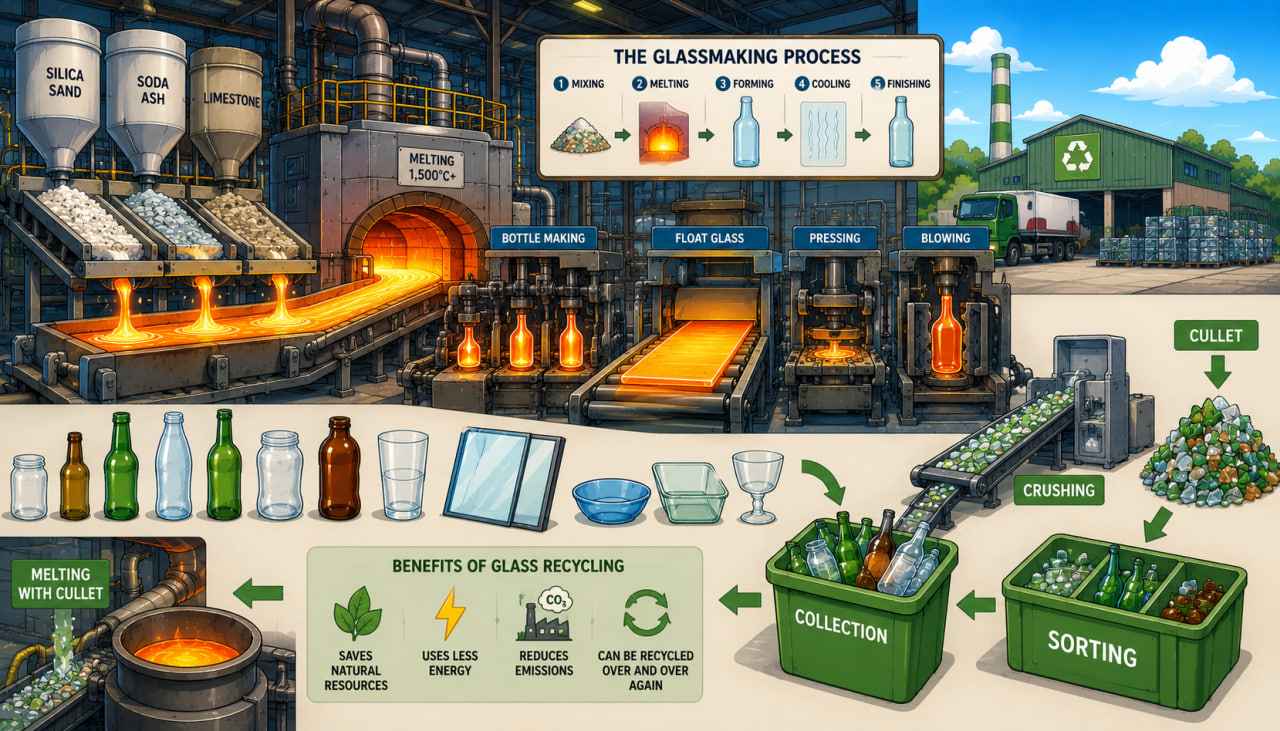
Glass is one of the most important materials in modern civilization. It is used in: Windows Bottles Smartphones Laboratory equipment Solar panels Vehicles Electronics Although glass appears simple and fragile, it is actually a highly engineered material with unique physical and chemical properties. One of the most remarkable aspects of glass is that it can often be recycled repeatedly without major loss of quality. Modern glass production combines: High-temperature industrial processes Precision engineering Chemistry Environmental technologies At the same time, glass recycling plays an increasingly important role in reducing: Industrial waste Energy consumption Raw material extraction Environmental pollution Understanding how glass is produced and recycled helps explain why this ancient material remains essential in the modern technological world.

Air Conditioners: How They Work, Their Benefits, and What Experts Recommend
Hi-Tech Science Be Smart

Air Conditioners: How They Work, Their Benefits, and What Experts Recommend

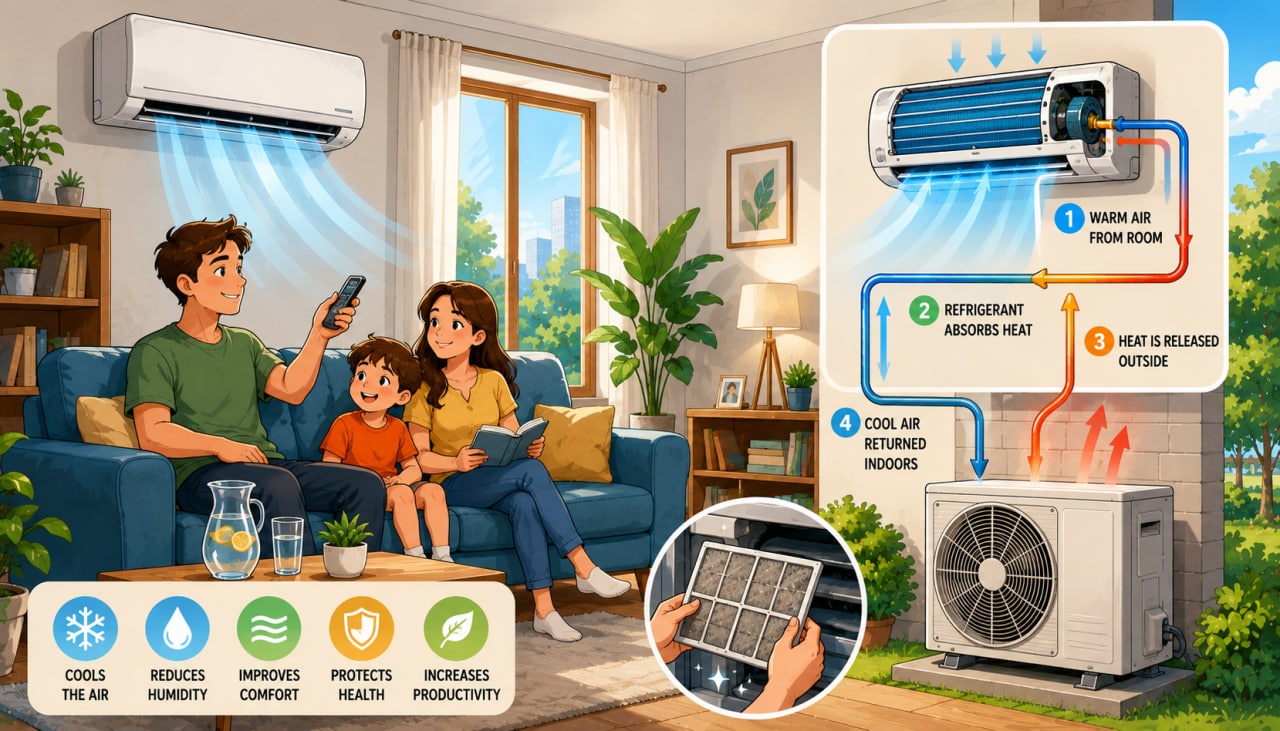
Air conditioners have become one of the most important technologies for modern comfort and public health. In many regions of the world, especially during increasingly intense summer heatwaves, air conditioning is no longer considered a luxury but a necessity. From homes and offices to hospitals, schools, and transportation systems, air conditioners help people stay safe and productive during hot weather. However, despite their widespread use, many people still do not fully understand how air conditioning works, how it affects health, or how to use it correctly. Modern experts emphasize that air conditioners can greatly improve quality of life when used responsibly and maintained properly.

Smart Dust: Could Tiny Flying Robots Fill the Air in the Future?
Hi-Tech Smart Technology Inventions

Smart Dust: Could Tiny Flying Robots Fill the Air in the Future?

Imagine billions of microscopic machines floating invisibly through the air, collecting information, monitoring the environment, communicating with each other, and possibly interacting with the world around them. This futuristic concept is known as smart dust — a network of extremely small sensors or micro-robots capable of sensing, processing, and transmitting data. Once considered science fiction, smart dust is now an active area of scientific research involving nanotechnology, robotics, wireless communication, and artificial intelligence. Researchers believe these microscopic systems could transform medicine, industry, environmental science, and even military technology. But could such tiny machines really one day fly through the air around us?

Bathyscaphes: How Humans Explore the Deepest Parts of the Ocean
Hi-Tech Smart Technology New Discoveries

Bathyscaphes: How Humans Explore the Deepest Parts of the Ocean

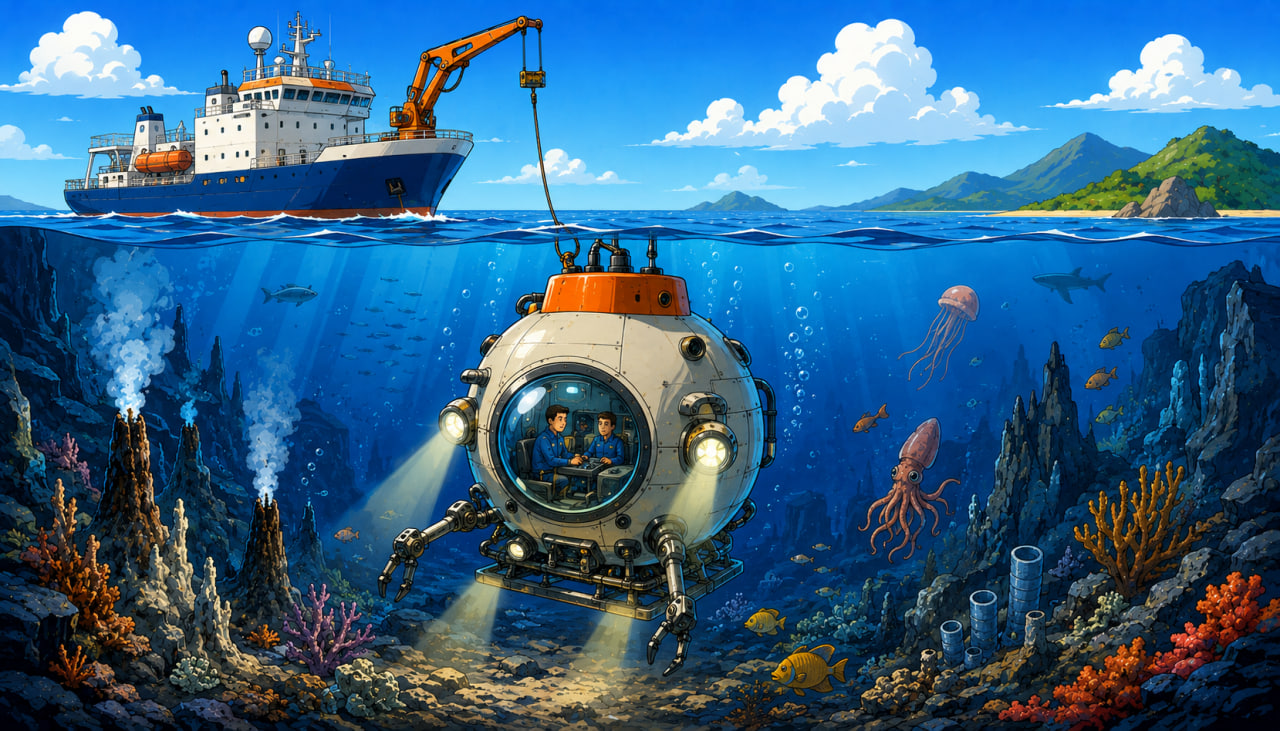
The deep ocean is one of the most mysterious and extreme environments on Earth. Sunlight disappears within a few hundred meters below the surface, while pressure increases to crushing levels. To explore these dangerous depths, scientists and engineers developed special underwater vehicles called bathyscaphes. These remarkable machines allow humans to descend thousands of meters into the ocean and study places that were once completely inaccessible. Bathyscaphes demonstrate how advanced engineering can help humanity explore one of the least understood regions of our planet.

How a Submarine Works: The Technology Behind Underwater Giants
Hi-Tech Smart Technology Inventions

How a Submarine Works: The Technology Behind Underwater Giants

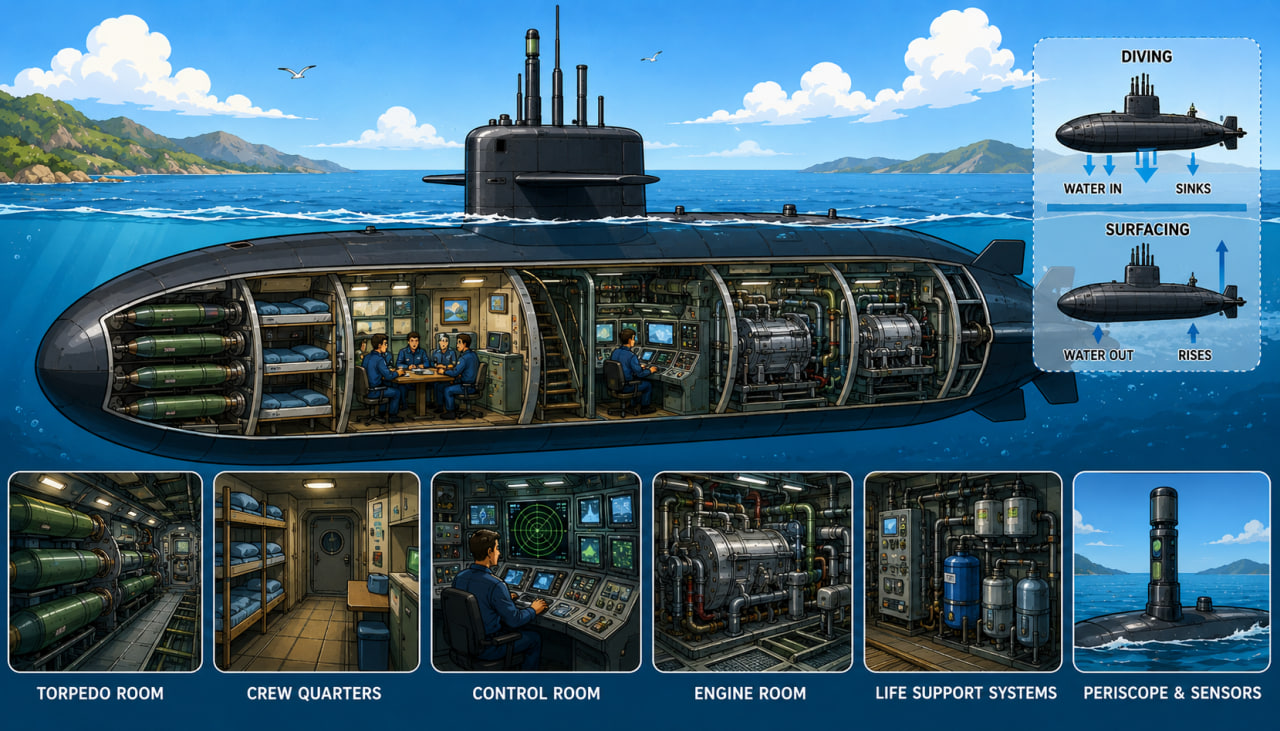
Submarines are among the most advanced engineering machines ever created. Designed to operate deep underwater for long periods, submarines combine physics, navigation systems, life-support technology, and powerful propulsion systems into a highly specialized vessel. From military defense to scientific exploration, submarines play an important role in the modern world. Understanding how they work reveals how humans mastered one of the most hostile environments on Earth — the deep ocean.

Water Desalination: How Humans Turn Seawater Into Drinking Water
Hi-Tech Smart Technology Inventions

Water Desalination: How Humans Turn Seawater Into Drinking Water

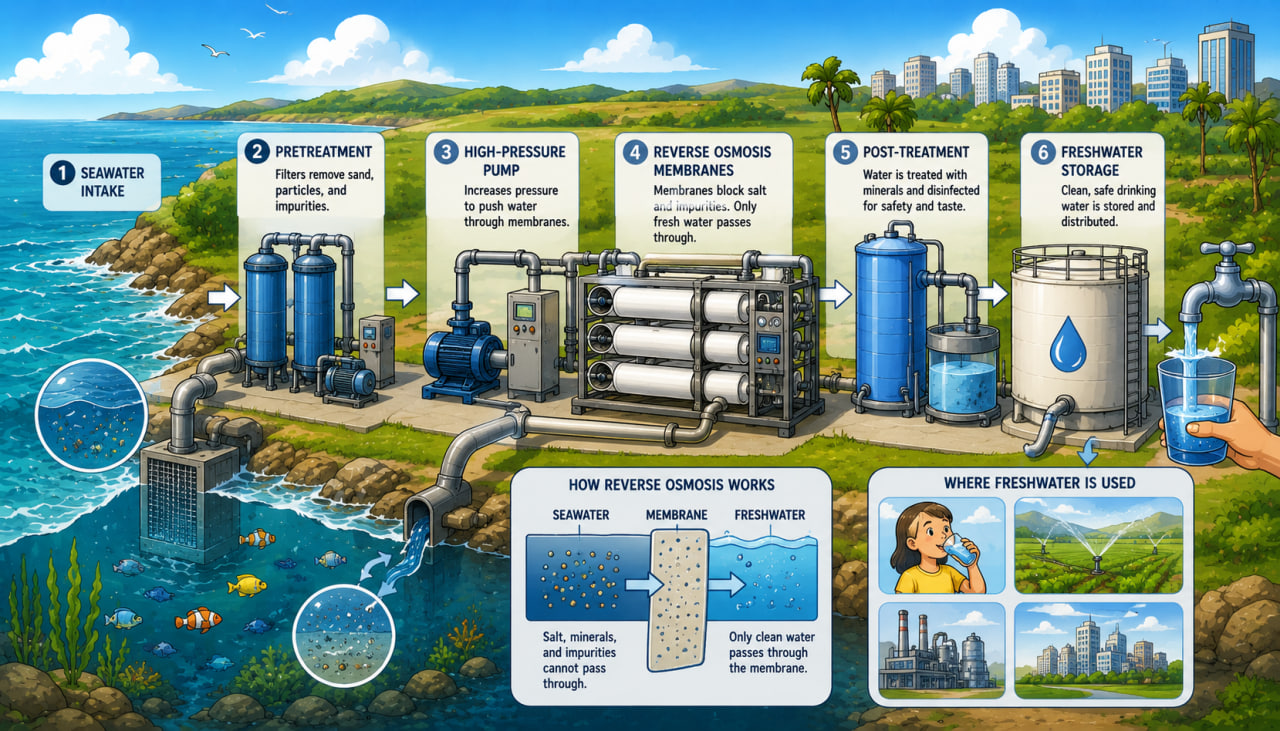
Freshwater shortages are becoming one of the biggest global challenges of the modern era. As populations grow and climate change affects natural water supplies, many countries are turning to desalination technology to produce clean drinking water from the ocean. Desalination plants already provide water for millions of people worldwide. Understanding how desalination works reveals how science and engineering can help solve critical environmental problems.

Eiffel Tower: Engineering Marvel and Symbol of Paris
History Be Smart Inventions

Eiffel Tower: Engineering Marvel and Symbol of Paris

The Eiffel Tower is one of the most recognizable landmarks in the world and a symbol of both Paris and modern engineering. Built in the late 19th century, it demonstrated that iron structures could reach unprecedented heights. Today, it remains a masterpiece of design, attracting millions of visitors every year. Understanding how the Eiffel Tower was built reveals the innovation, precision, and bold vision that defined a new era of architecture.