Inventions

Modern Computer Cooling Systems: How Technology Keeps Performance Under Control
Hi-Tech Smart Technology Inventions

Modern Computer Cooling Systems: How Technology Keeps Performance Under Control

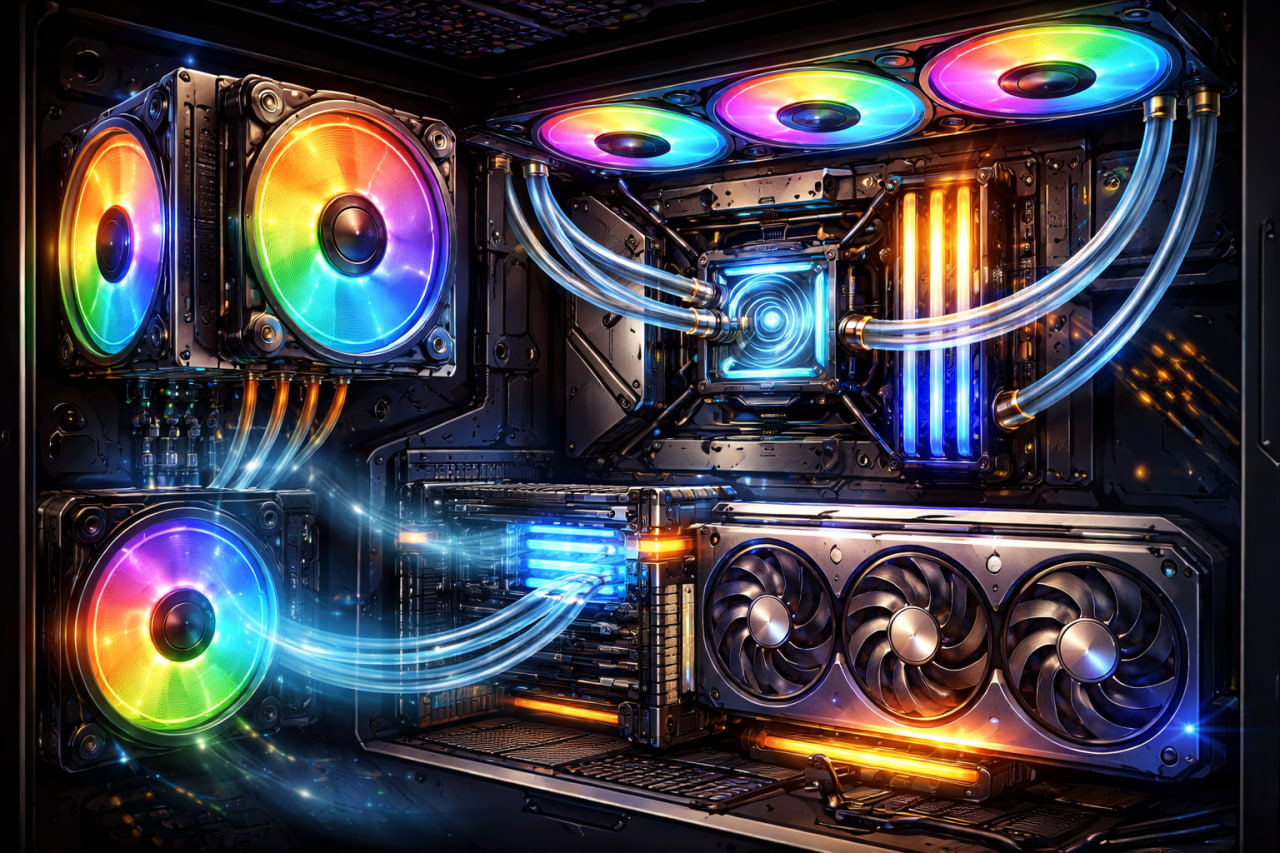
As computer performance continues to grow, so does the need for effective cooling. Modern processors and graphics cards generate significant heat, and without proper temperature management, systems can lose performance or even become unstable. Today, cooling technologies have evolved far beyond simple fans, offering a range of solutions designed to maintain optimal temperatures and system stability.


What Is Bluetooth and How Does It Work?
Hi-Tech New Discoveries Be Smart

What Is Bluetooth and How Does It Work?

Bluetooth is a wireless communication technology that allows electronic devices to exchange data over short distances without using cables. It is widely used in everyday devices such as smartphones, headphones, laptops, smartwatches, and wireless speakers. Bluetooth operates using radio waves in a specific frequency band, enabling devices to connect quickly and transfer information efficiently. Since its introduction in the late 1990s, Bluetooth has become one of the most common technologies for connecting personal electronic devices. Its simplicity, low energy consumption, and compatibility with many types of hardware have made it an essential part of modern digital communication.

The Energy Storage Challenge: Breakthroughs in Battery Technologies
Hi-Tech Science Inventions

The Energy Storage Challenge: Breakthroughs in Battery Technologies

As renewable energy becomes a larger part of the global power system, one critical challenge continues to shape the future of energy infrastructure: energy storage. Solar panels and wind turbines generate electricity only when the sun shines or the wind blows, which means energy production does not always match demand. To solve this imbalance, scientists and engineers are developing advanced battery technologies capable of storing electricity for later use. Efficient energy storage systems allow renewable power to be saved during periods of high production and released when demand increases. These innovations are essential for building reliable and flexible energy systems that can support modern societies without relying heavily on fossil fuels. As a result, breakthroughs in battery technology are becoming one of the most important areas of research in the global transition to clean energy.

Electrolysis: Splitting Water to Power the Future
Science New Discoveries Inventions

Electrolysis: Splitting Water to Power the Future

Electrolysis is a fundamental scientific process that is gaining renewed attention in the global search for clean energy technologies. At its core, electrolysis uses electricity to split water into its basic elements—hydrogen and oxygen. Although the concept has been known for more than two centuries, modern engineering and renewable energy systems are giving this technology new importance. When powered by renewable electricity such as wind or solar energy, electrolysis can produce green hydrogen, a fuel that releases no carbon emissions when used. Because hydrogen can store and transport energy, electrolysis is increasingly seen as a bridge between renewable electricity and sectors that require dense, transportable fuels. Scientists, engineers, and energy planners are now studying how large-scale electrolysis systems could reshape global energy infrastructure in the coming decades.

Light Sail Technology: How Spacecraft Can Travel Using Light
Cosmic Innovations Science New Discoveries

Light Sail Technology: How Spacecraft Can Travel Using Light

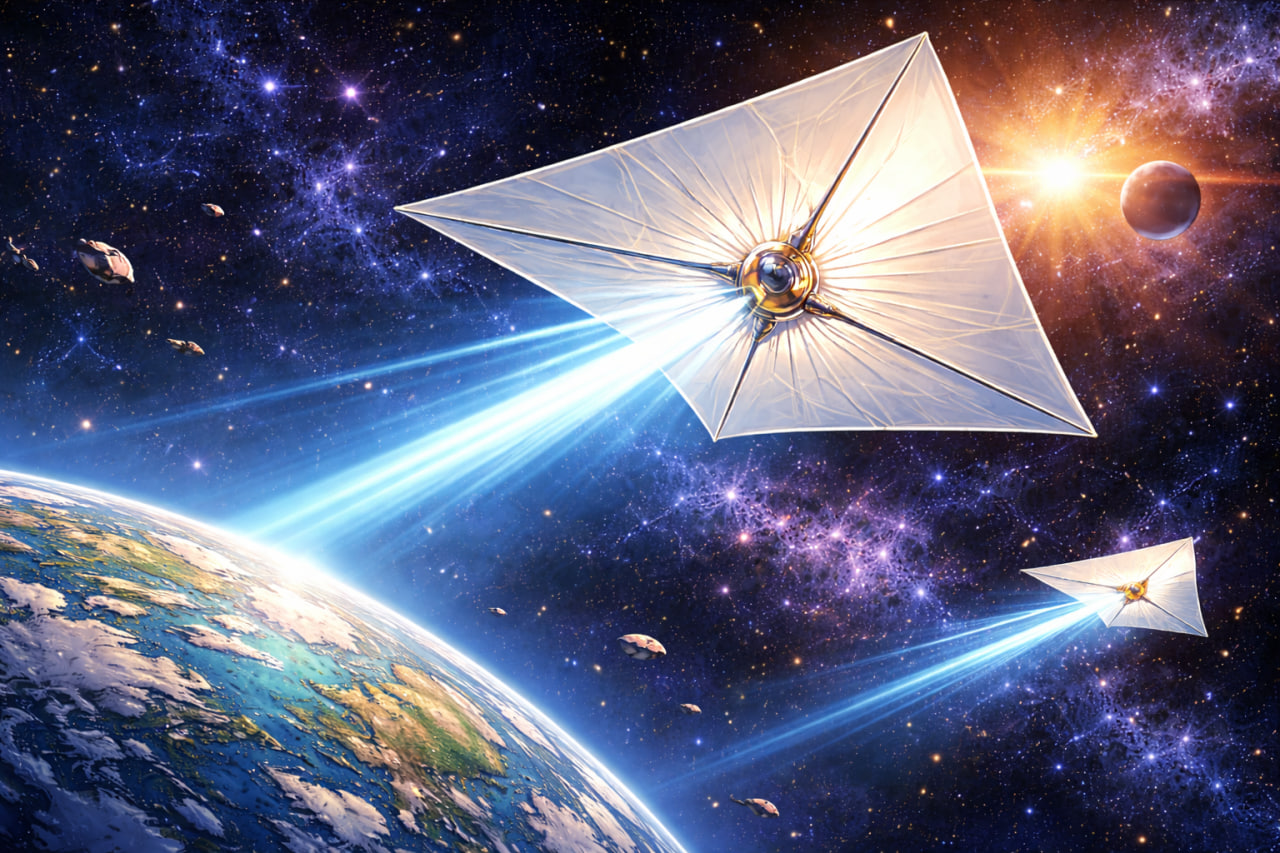
Light sail technology is one of the most innovative propulsion concepts in modern space exploration. Unlike traditional rockets that rely on fuel combustion, light sails use radiation pressure from photons—particles of light—to generate thrust. Although photons have no mass, they carry momentum, and when they strike a reflective surface, they exert a tiny but continuous force. Over time, this gentle push can accelerate a spacecraft to extremely high speeds without carrying heavy fuel. This concept dramatically reduces mass and opens new possibilities for deep-space missions. Light sail propulsion represents a shift from chemical energy to physics-based propulsion, relying on the fundamental properties of light itself.

Neuromorphic Chips: Computers That Work Like the Brain
Neuro-Tech Hi-Tech Smart Technology

Neuromorphic Chips: Computers That Work Like the Brain

Neuromorphic chips are a new generation of processors designed to mimic the structure and function of the human brain. Unlike traditional computers that process information sequentially using rigid architectures, neuromorphic systems are inspired by biological neural networks. They attempt to replicate how neurons and synapses communicate, allowing machines to process information in parallel and adapt over time. This approach promises dramatic improvements in energy efficiency, pattern recognition, and real-time decision-making. As artificial intelligence becomes more integrated into daily life, neuromorphic computing may represent the next major shift in hardware design. Understanding how these chips work reveals why they are considered a potential revolution in computing.

What a Car Catalytic Converter Is, Why It Is Needed, and How It Works
New Discoveries Be Smart Inventions

What a Car Catalytic Converter Is, Why It Is Needed, and How It Works

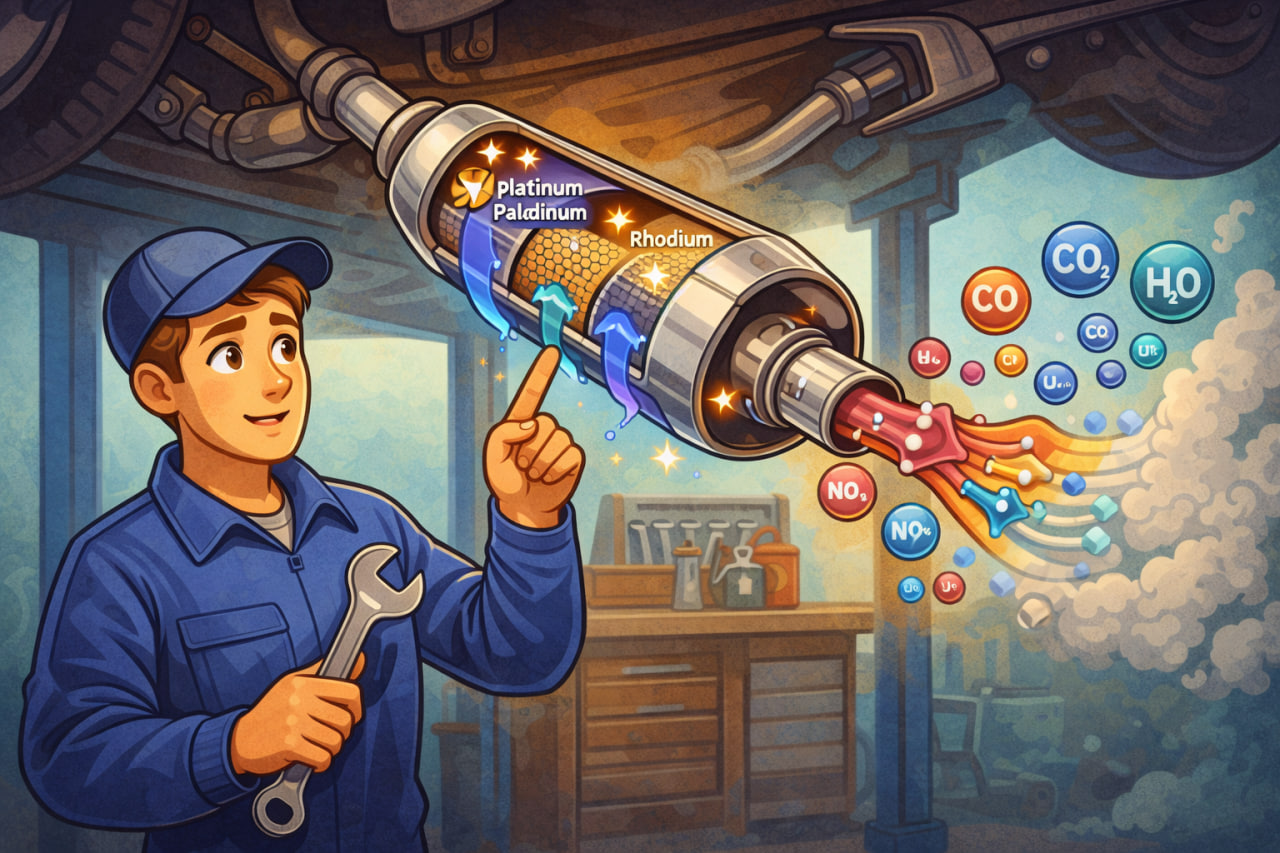
A catalytic converter is a critical component of a modern car’s exhaust system, designed to reduce harmful emissions before they are released into the atmosphere. Although it works silently and is often unnoticed by drivers, this device plays a major role in protecting air quality and human health. As engines burn fuel, they produce toxic gases that would be extremely dangerous if released untreated. The catalytic converter transforms these substances into less harmful compounds through chemical reactions. Understanding how it works helps explain why it is essential for environmental protection and why its failure can lead to serious mechanical and legal problems.

Leonardo da Vinci’s Mechanical Knight
History Science Be Smart

Leonardo da Vinci’s Mechanical Knight

Leonardo da Vinci’s Mechanical Knight is considered one of the earliest known concepts of a humanoid robot in human history. Designed around the year 1495, this remarkable invention demonstrates how far ahead of his time Leonardo was in combining anatomy, mechanics, and imagination. Although the knight was never built during Leonardo’s lifetime, detailed sketches discovered centuries later reveal a surprisingly sophisticated mechanical system. The Mechanical Knight was not merely a fantasy; it was a functional engineering concept based on precise observation of the human body. Today, it stands as a powerful symbol of the origins of robotics and human–machine design.

How the Large Hadron Collider Was Created
History Hi-Tech Smart Technology

How the Large Hadron Collider Was Created

The Large Hadron Collider (LHC) is the most powerful particle accelerator ever built and one of the most complex scientific instruments in human history. Its creation was not a single engineering project, but a multi-decade international effort combining physics, engineering, computing, and diplomacy. Designed to explore the fundamental structure of matter, the LHC ensures collisions at energies never before achieved in a laboratory. The path from early ideas to a functioning collider involved theoretical debates, technological breakthroughs, and unprecedented global collaboration. Understanding how the LHC was created reveals how modern “big science” operates at the limits of human capability. It is a story of patience, precision, and collective ambition.

How Wireless Phone Charging Works
Hi-Tech Smart Technology Science

How Wireless Phone Charging Works

Wireless phone charging may look like a simple and almost magical process, but behind it lies well-understood physics and carefully engineered technology. Instead of transferring electricity through a cable, wireless charging relies on electromagnetic fields to deliver energy from a charging pad to a phone’s battery. This method reduces mechanical wear on connectors and allows for more convenient daily use. Although wireless charging is generally slower than wired charging, its ease and durability have made it increasingly popular. Understanding how it works helps explain both its advantages and its limitations.