Inventions

The Hindu Calendar: A Sophisticated Lunisolar System Shaped by Astronomy and Tradition
History Be Smart Inventions

The Hindu Calendar: A Sophisticated Lunisolar System Shaped by Astronomy and Tradition

The Hindu calendar is one of the world’s oldest and most complex timekeeping systems. Unlike the purely solar Gregorian calendar, the Hindu calendar is lunisolar, meaning it harmonizes both lunar phases and the solar year. This unique structure allows it to accurately track seasons, religious festivals, agricultural cycles, and astronomical events. It has evolved for thousands of years, reflecting deep scientific observation, mathematical precision, and cultural meaning. Even today, it guides millions of people in India and across the world in determining auspicious dates, ritual timings, and traditional celebrations.


The Space Elevator: A Bold Vision for Reaching Orbit Without Rockets
Cosmic Innovations Hi-Tech Be Smart

The Space Elevator: A Bold Vision for Reaching Orbit Without Rockets

A space elevator is one of the most ambitious engineering concepts ever proposed — a structure extending from Earth’s surface all the way to space, allowing payloads and potentially humans to ascend into orbit without rockets. The idea challenges imagination, physics, and materials science, yet it remains one of the most intensely studied futuristic technologies. If a space elevator becomes possible, it could revolutionize space travel by making access to orbit dramatically cheaper, safer, and more energy-efficient, opening new opportunities for exploration, manufacturing, and off-world development.

Paint: What It Is, How It Works, and Why It Matters in Art, Industry, and Everyday Life
History Be Smart Inventions

Paint: What It Is, How It Works, and Why It Matters in Art, Industry, and Everyday Life

Paint is one of humanity’s oldest and most versatile creations — a material used for protection, decoration, communication, and artistic expression. From prehistoric cave walls to modern skyscrapers, paint has shaped visual culture and practical technology across thousands of years. At its core, paint is a mixture of pigments, binders, solvents, and additives, each serving a specific role in color, durability, texture, or application. Whether used in fine art, engineering, or interior design, paint transforms surfaces, protects materials, and allows humans to express ideas visually.

The Newest Developments in Fuel-Free Energy Technologies: What Science Is Actually Exploring
Hi-Tech Smart Technology Science

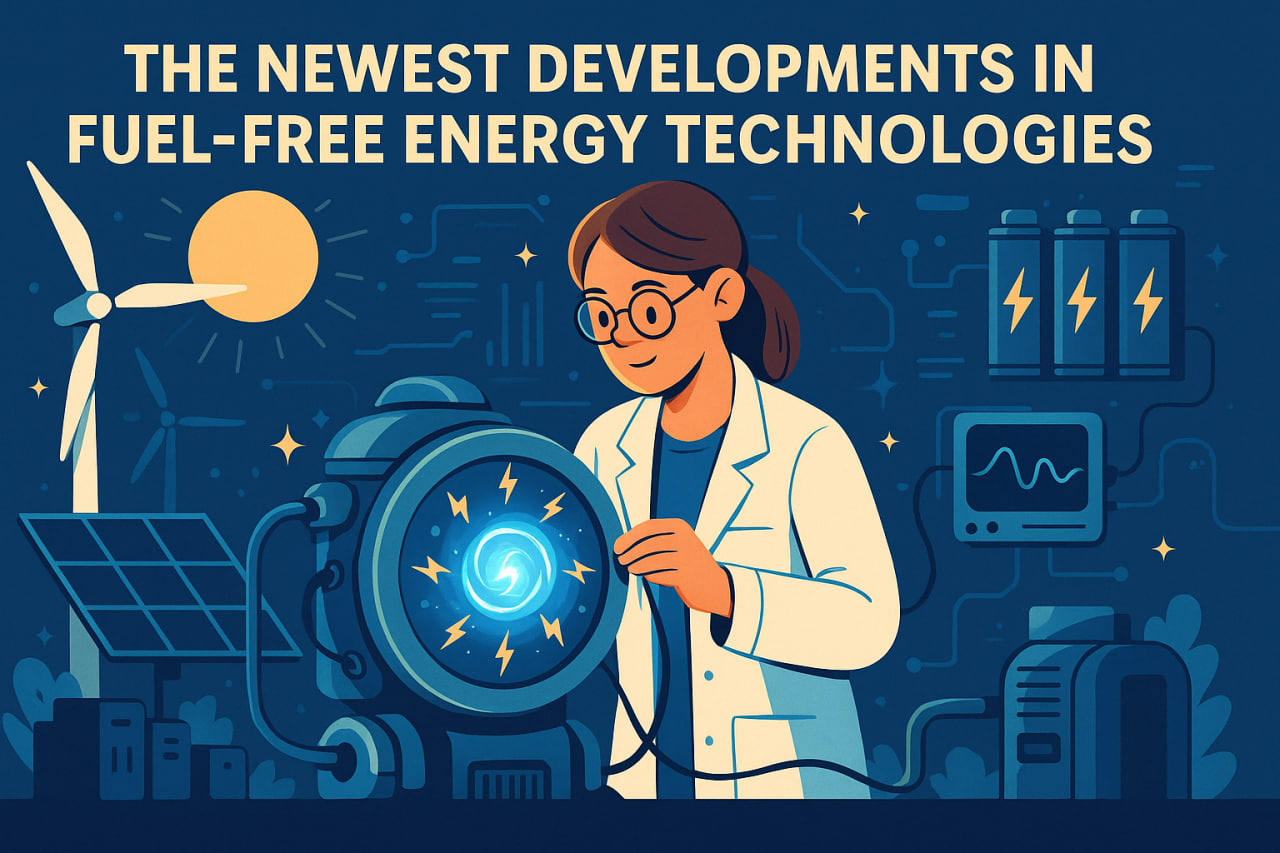
The Newest Developments in Fuel-Free Energy Technologies: What Science Is Actually Exploring

Fuel-free energy, in a strict scientific sense, does not mean creating energy from nothing. According to the laws of physics — especially the conservation of energy — no device can operate without an energy source. However, scientists and engineers are actively working on systems that do not rely on traditional fuels, such as coal, oil, or gas. Instead, these technologies draw power from natural physical processes: sunlight, heat differences, electromagnetic fields, mechanical motion, or ambient environmental energy. These innovations are often referred to as renewable, self-powered, or ultra-low-energy systems, rather than “fuel-free” generators.

Electric Cars: How They Work, Why They Matter, and the Future of Sustainable Transportation
Hi-Tech Smart Technology New Discoveries

Electric Cars: How They Work, Why They Matter, and the Future of Sustainable Transportation

Electric cars have rapidly transformed from a niche technology into one of the most important developments in modern transportation. Powered entirely or partly by electricity instead of gasoline, these vehicles offer cleaner mobility, lower emissions, and a quieter driving experience. As climate concerns and technological innovations accelerate, electric cars are becoming central to global strategies aimed at reducing pollution, improving energy efficiency, and creating sustainable cities. Understanding how electric cars work, their benefits, and their limitations helps drivers make informed choices in a world shifting toward renewable energy.

Self-Healing Tires: The Future of Safer and Smarter Transportation
Hi-Tech Smart Technology New Discoveries

Self-Healing Tires: The Future of Safer and Smarter Transportation

Self-healing tires are one of the most exciting technological innovations in modern transportation. Designed to automatically repair punctures and maintain their structural integrity, these advanced tires offer a safer, more reliable, and longer-lasting alternative to traditional rubber designs. Their development combines material science, polymer chemistry, nanotechnology, and smart engineering. As cities move toward sustainable mobility and autonomous vehicles, self-healing tires could dramatically reduce maintenance costs, improve road safety, and help decrease waste created by tire replacement. Understanding how these tires work, what materials they use, and how close we are to widespread adoption offers a fascinating look into the future of mobility.

Batteries: Their History and the Modern Technologies Shaping the Future of Energy Storage
History Hi-Tech Inventions

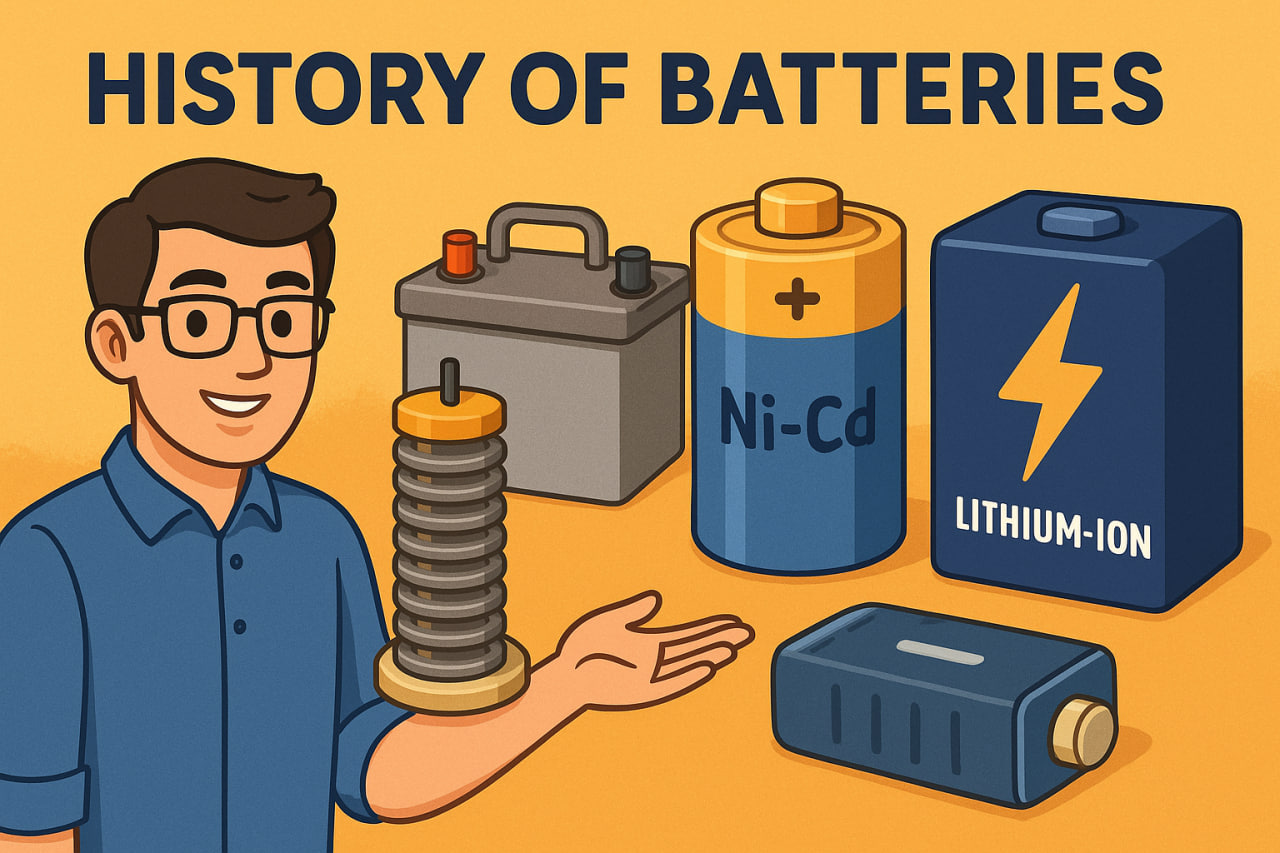
Batteries: Their History and the Modern Technologies Shaping the Future of Energy Storage

Batteries have transformed the world by providing portable, reliable electrical energy for everything from telecommunication devices to renewable power systems. The evolution of battery technology spans more than two centuries, beginning with simple chemical cells and expanding into sophisticated, high-density systems that power electric vehicles, satellites, and entire electrical grids. Understanding the history of batteries reveals how scientific discovery, industrial innovation, and global energy demands have shaped modern storage solutions. As the world transitions toward sustainable energy, cutting-edge battery technologies are becoming more important than ever, enabling cleaner transportation, stabilizing renewable electricity, and supporting the development of advanced electronics. The story of batteries is a story of continuous improvement — and it continues to accelerate.

VASIMR Engine: A New Era of High-Power Plasma Propulsion
Space Stories Cosmic Innovations Hi-Tech

VASIMR Engine: A New Era of High-Power Plasma Propulsion

The VASIMR engine, short for Variable Specific Impulse Magnetoplasma Rocket, represents one of the most promising breakthroughs in advanced space propulsion. Unlike traditional chemical rockets, which burn fuel to create high-temperature exhaust, the VASIMR engine uses superheated plasma — an electrically charged gas — controlled by magnetic fields to generate thrust. This technology aims to combine high efficiency with significantly greater power, potentially reducing travel times to distant planets such as Mars. Because it relies on electrical power rather than combustion, the VASIMR engine could operate continuously for weeks or months, gradually accelerating spacecraft to extremely high speeds. As energy generation systems in space improve, this propulsion method may become a foundation for future deep-space missions, orbital transport, and long-duration scientific journeys. Understanding how VASIMR works provides a glimpse into the next generation of spacecraft engineering.

Ion Engines: The Future of Deep Space Propulsion
Space Stories Cosmic Innovations Hi-Tech

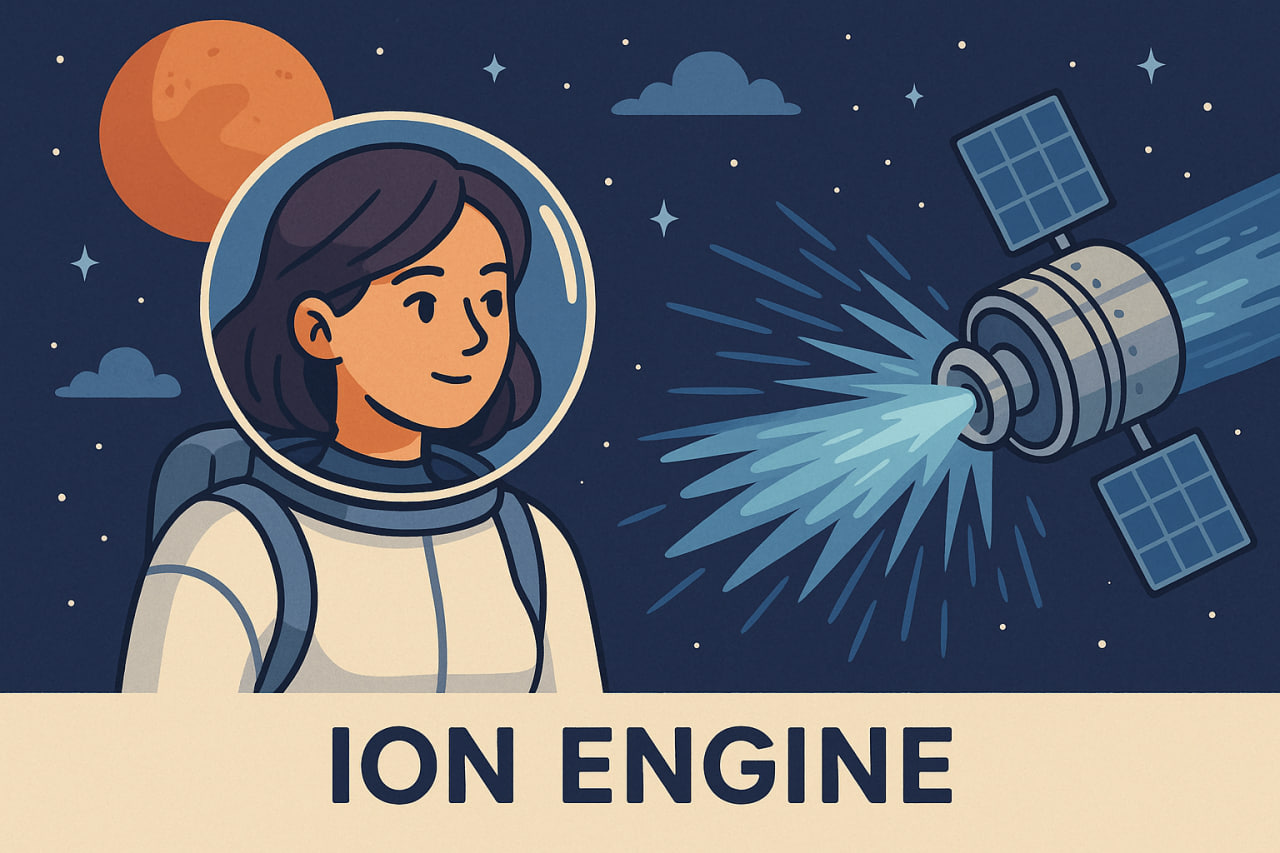
Ion Engines: The Future of Deep Space Propulsion

Ion engines represent one of the most advanced propulsion technologies ever developed, enabling spacecraft to travel vast distances using remarkably little fuel. Unlike traditional chemical rocket engines that produce enormous thrust in a short burst, ion engines create a steady, gentle push by accelerating electrically charged particles — ions — to extremely high speeds. This slow but continuous acceleration allows spacecraft to reach extraordinary velocities over long periods, making ion engines ideal for deep-space missions where efficiency is more important than raw power. Their ability to operate for months or even years without refueling has reshaped modern space exploration and opened new possibilities for scientific discovery across the solar system. Understanding how ion engines work highlights humanity’s growing capability to explore space sustainably and intelligently.

Rocket Engines: The Power Behind Space Exploration
Space Stories Cosmic Innovations Hi-Tech

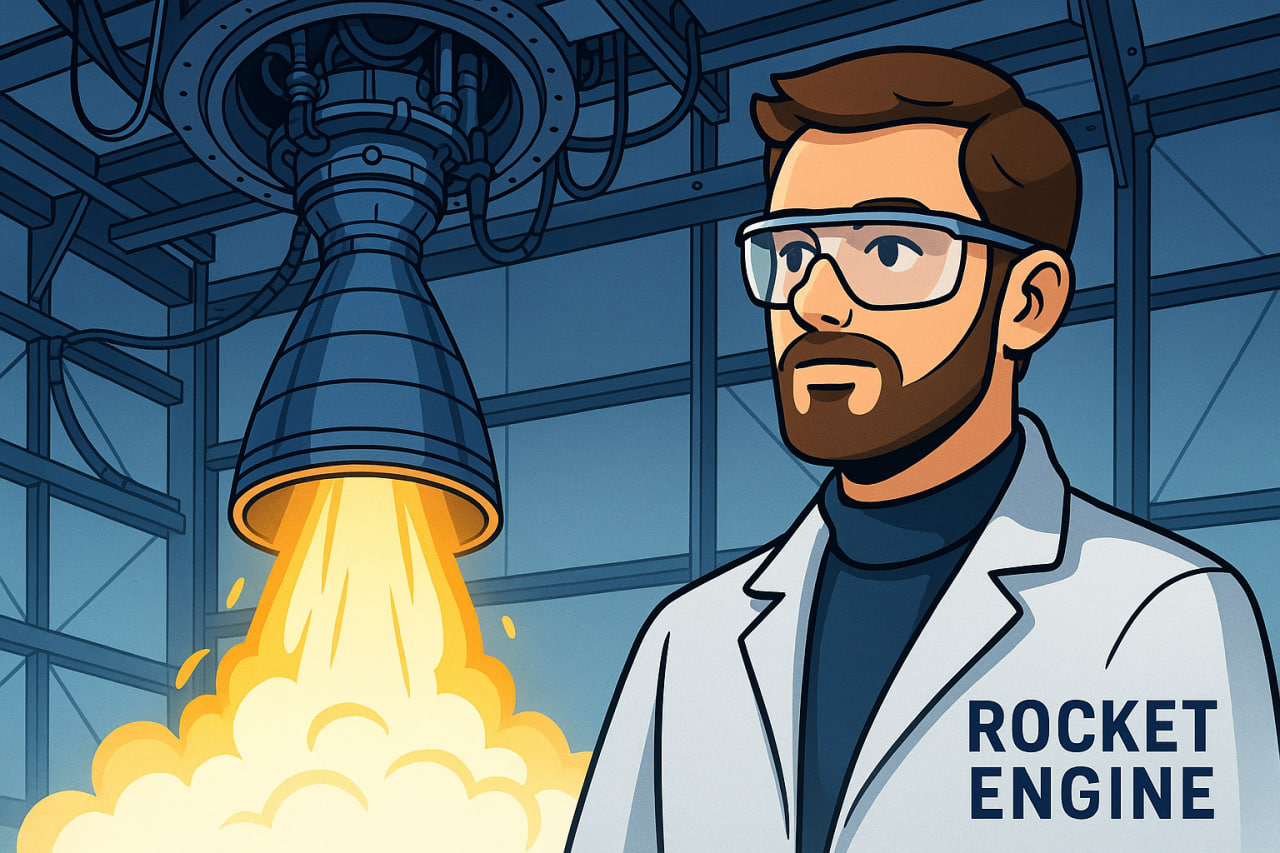
Rocket Engines: The Power Behind Space Exploration

Rocket engines are the fundamental technology that makes space travel possible, enabling spacecraft to break free from Earth’s gravity and operate in the vacuum of space. Unlike aircraft engines that rely on atmospheric oxygen, rocket engines carry both fuel and oxidizer, allowing them to function in environments with no air at all. This makes them uniquely powerful and efficient for reaching orbit, traveling to other planets, and conducting scientific missions deep into the cosmos. Modern rocket engines combine precise engineering, advanced materials, and complex thermodynamics to generate extraordinary amounts of thrust. Despite their incredible power, they remain highly sensitive systems that require exact control and deep scientific understanding. As space agencies and private companies push toward new frontiers, rocket engine technology continues to evolve, shaping the future of exploration and transportation beyond Earth.