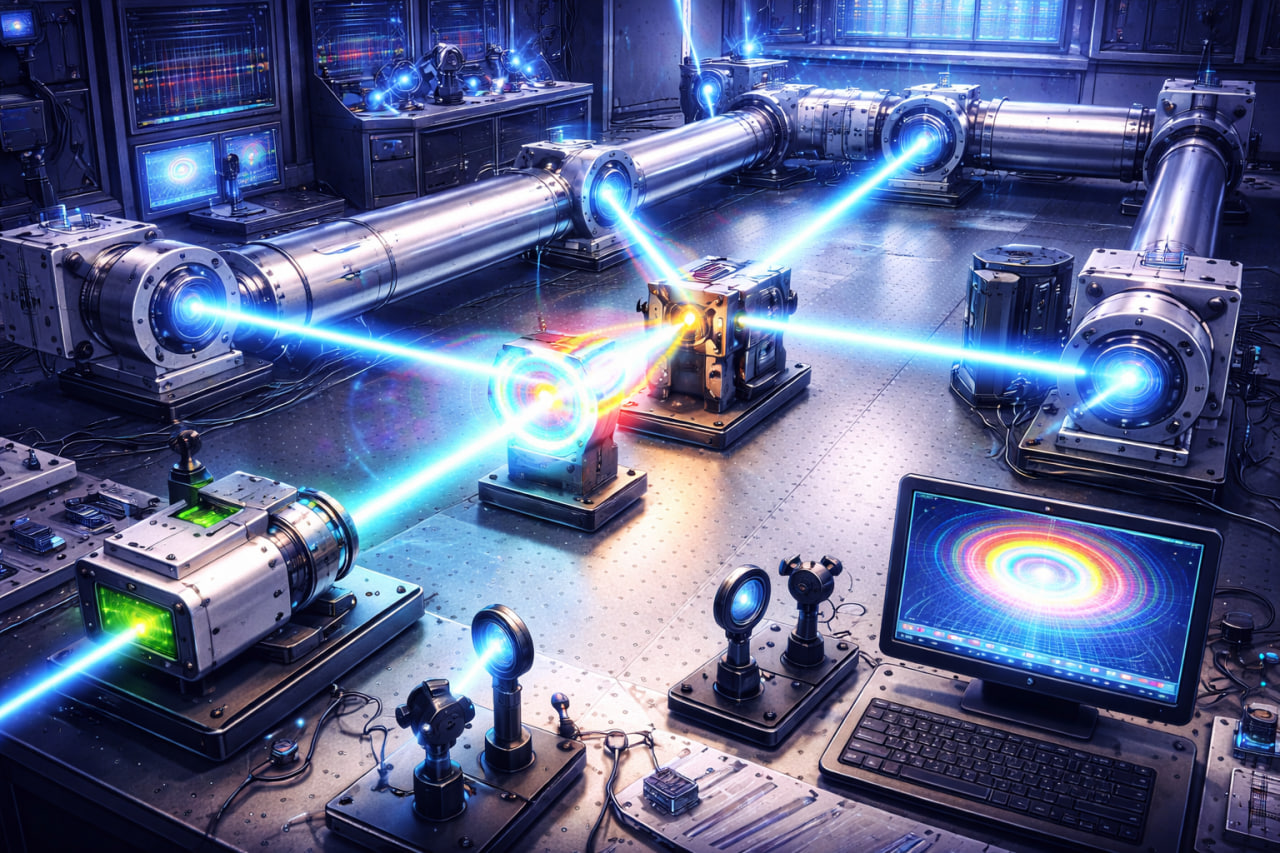
Interferometers: Measuring the Invisible with Waves
Interferometers are among the most precise scientific instruments ever created, designed to detect changes so small they are almost impossible to imagine. They work by comparing waves—most commonly light or radio waves—to measure extremely tiny differences in distance, motion, or time. Thanks to interferometers, scientists can observe phenomena that would otherwise remain completely hidden, from atomic-scale shifts to cosmic events billions of light-years away. These instruments play a central role in modern physics, astronomy, and engineering, transforming abstract wave behavior into measurable data. Although the underlying concept is elegant, interferometers are capable of extraordinary sensitivity. Understanding how interferometers work reveals how humanity measures reality at its most subtle levels.