Catalysis: How One Tiny Particle Can Make a Reaction Run Trillions of Times Faster
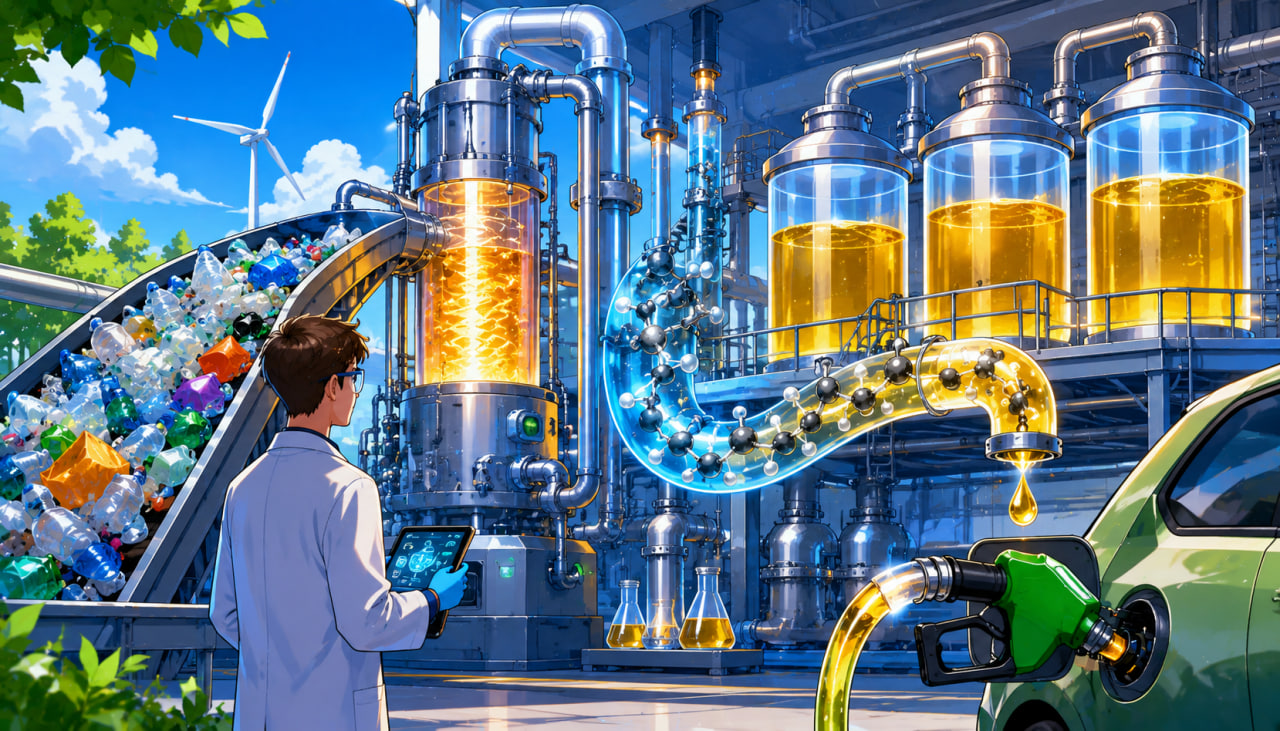
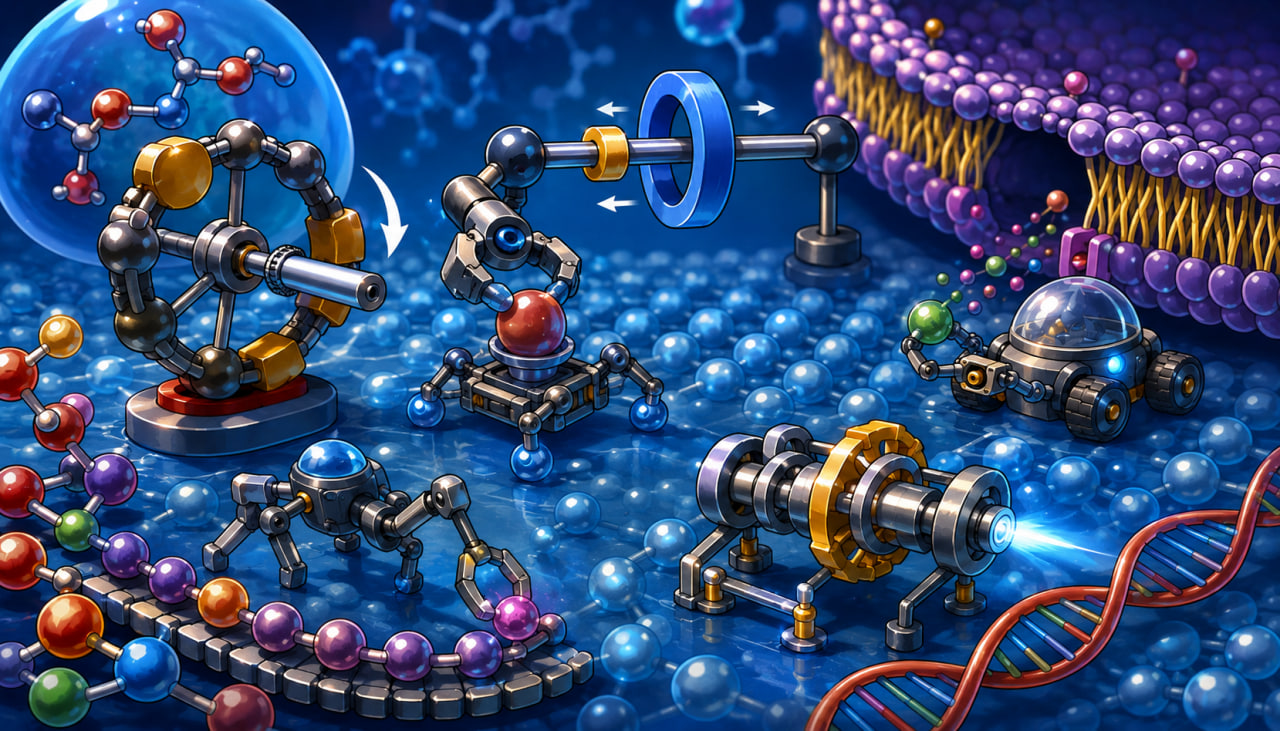
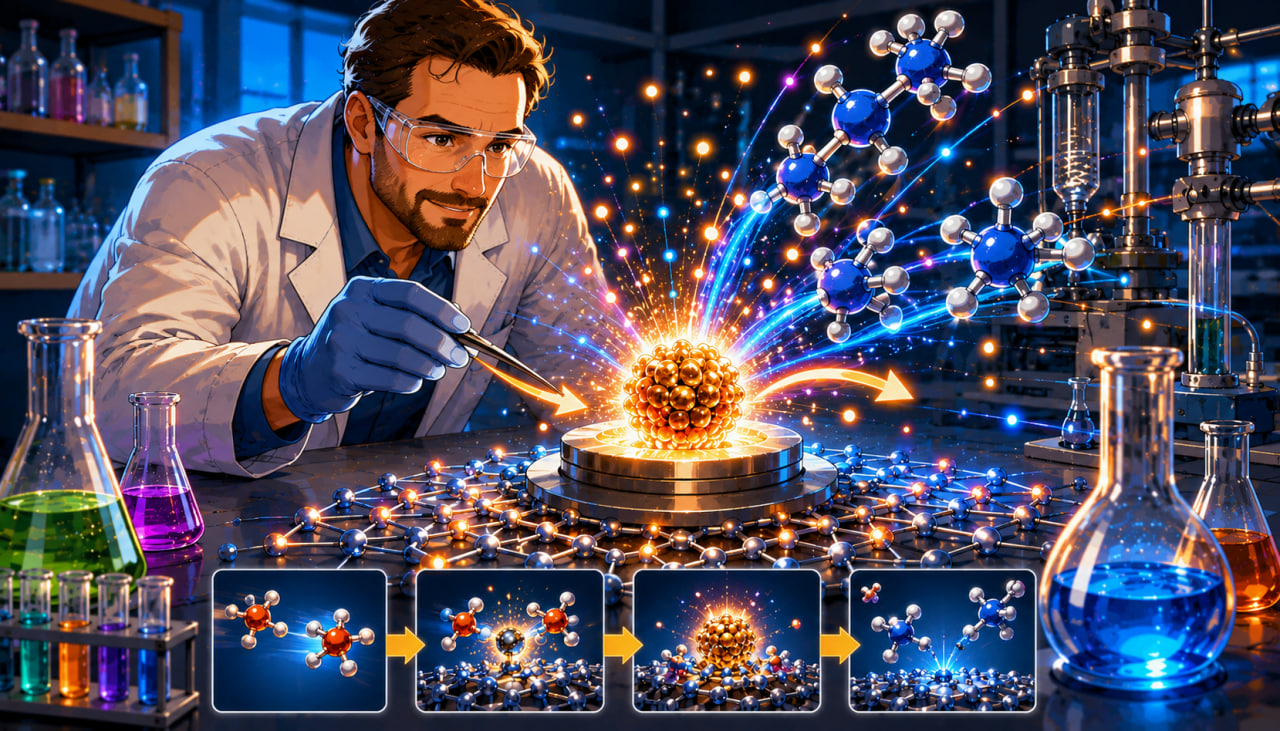
Catalysis is one of the most powerful and important phenomena in chemistry. Without catalysts, many chemical reactions that sustain modern civilization would occur far too slowly to be useful. From producing fuels and fertilizers to manufacturing medicines and cleaning vehicle exhaust, catalysts quietly accelerate countless processes that affect daily life. Perhaps the most astonishing aspect of catalysis is that an extremely small amount of catalyst can dramatically increase reaction speed. In some cases, reactions proceed millions, billions, or even trillions of times faster than they would otherwise. This remarkable ability has fascinated scientists for more than a century and continues to drive advances in chemistry, biology, energy production, and environmental protection. Understanding catalysis reveals how nature and technology accomplish seemingly impossible chemical transformations with extraordinary efficiency.