New Discoveries

LiDAR: How Light Reveals the Hidden Shape of the World
Hi-Tech Smart Technology Science

LiDAR: How Light Reveals the Hidden Shape of the World

From mapping distant planets to guiding self-driving cars, LiDAR technology has revolutionized how humans see and understand their surroundings. Using beams of light instead of traditional photography, LiDAR (Light Detection and Ranging) allows scientists, engineers, and explorers to capture the world in breathtaking three-dimensional detail.

Humanoid Robots: The Future of Human-Like Machines
Hi-Tech Smart Technology AI & Ethics

Humanoid Robots: The Future of Human-Like Machines

From science fiction dreams to real-world innovation, humanoid robots have evolved into some of the most advanced technologies of the modern era. Designed to look and move like humans, these robots are not only reshaping industries but also redefining how we think about work, companionship, and the boundaries between humans and machines.

Plastic: A Modern Convenience with Lasting Consequences
Science New Discoveries Be Smart

Plastic: A Modern Convenience with Lasting Consequences

Plastic is one of humanity’s most revolutionary inventions — a lightweight, versatile, and inexpensive material that has changed nearly every aspect of modern life. From packaging and electronics to medicine and construction, it’s hard to imagine the world without it. Yet, the same properties that make plastic so useful also make it one of the most persistent pollutants on Earth.

Scientific Innovations: The Breakthroughs of Recent Years
Hi-Tech Smart Technology Science

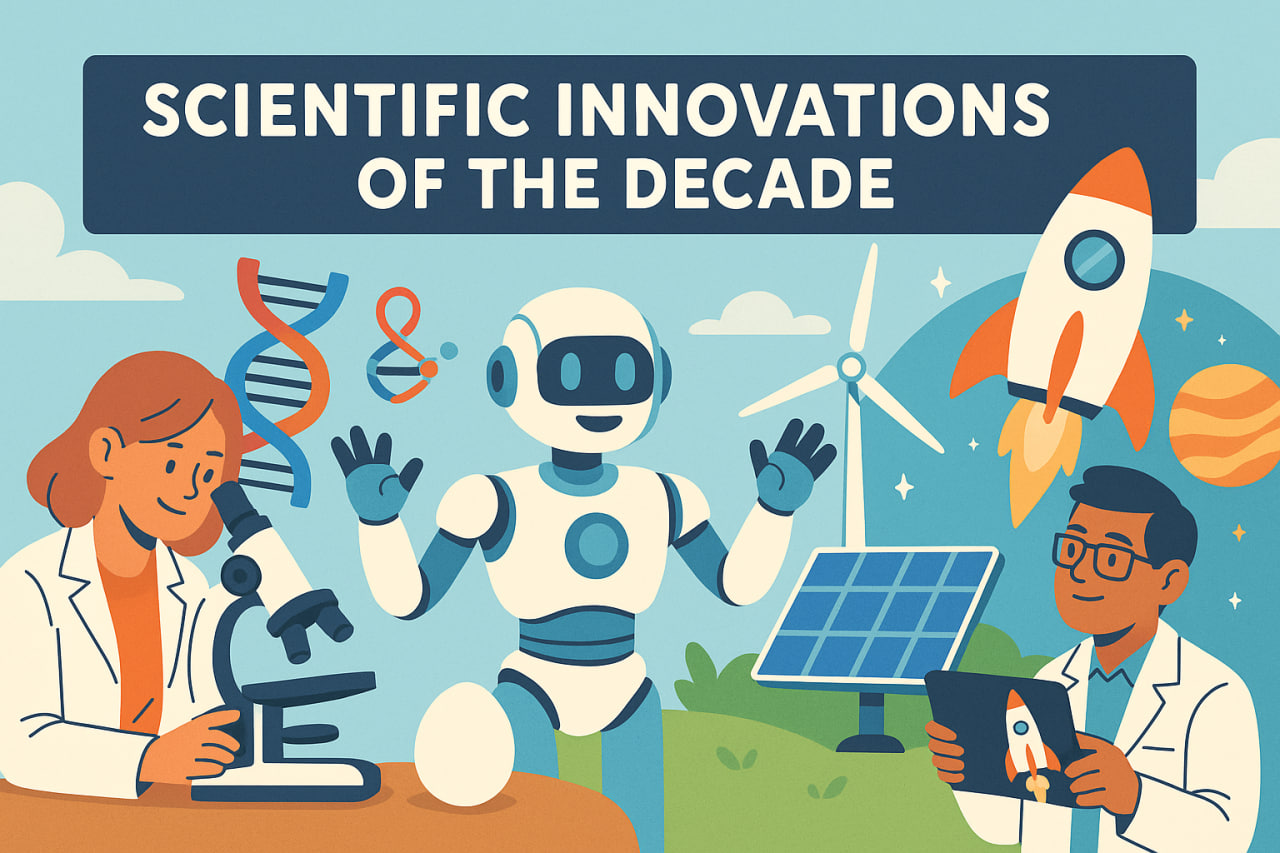
Scientific Innovations: The Breakthroughs of Recent Years

Science never stands still. Over the past decade, humanity has witnessed a wave of discoveries and technologies that are transforming medicine, energy, communication, and our understanding of the universe. These innovations are not just reshaping industries — they’re redefining what’s possible for human progress.

Magnetic Levitation: The Science of Floating Without Touch
Hi-Tech Science New Discoveries

Magnetic Levitation: The Science of Floating Without Touch

Magnetic levitation, often shortened to maglev, is a remarkable scientific principle that allows objects to float in the air without any physical support. This is made possible through the power of magnetism—specifically, the repulsion or attraction between magnetic fields. Instead of relying on wheels, ropes, or surfaces, magnetic levitation uses invisible forces to overcome gravity. This technology is already used in high-speed trains, science experiments, and precision engineering, and it has the potential to revolutionize transportation, industry, and everyday life. Understanding how magnetic levitation works helps us appreciate one of the most elegant and futuristic applications of physics.

How Electromagnets Work
Science New Discoveries Be Smart

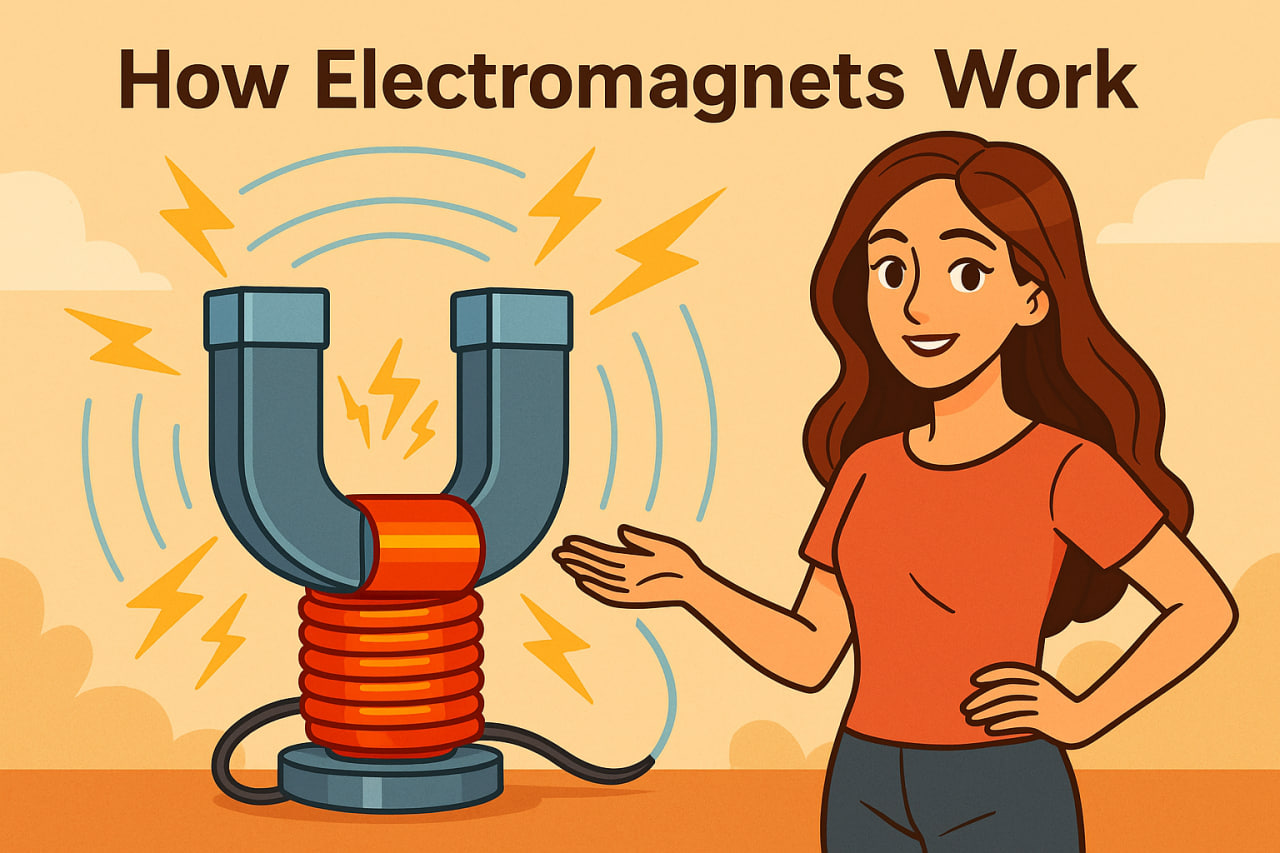
How Electromagnets Work

Electromagnets are special magnets that rely on electricity to create magnetic force. Unlike permanent magnets, which always have a magnetic field, electromagnets generate magnetism only when electric current flows through them. This ability to turn magnetism on and off makes electromagnets incredibly useful in technology, industry, transportation, and everyday devices. They are found in electric motors, speakers, medical equipment, cranes that lift heavy metal scrap, and even the doorbells and headphones we use daily. Electromagnets demonstrate the powerful connection between electricity and magnetism—a relationship at the heart of modern engineering.

Thermos: The Science of Keeping Things Hot and Cold
New Discoveries Be Smart Inventions

Thermos: The Science of Keeping Things Hot and Cold

A thermos is one of those simple yet ingenious inventions that combines physics and practicality to make everyday life more comfortable. Whether you’re sipping hot tea on a winter hike or enjoying a chilled drink under the summer sun, the thermos makes it possible to preserve temperature for hours. But beyond its everyday convenience, this invention represents a fascinating triumph of science—specifically, the control of heat transfer. From laboratory origins to global household use, the thermos remains a symbol of efficiency, portability, and human creativity.

Laser: The Light of Precision and Innovation
Hi-Tech Smart Technology Science

Laser: The Light of Precision and Innovation

The laser, an invention that revolutionized modern technology, is one of the most remarkable tools ever created by humankind. The term “laser” stands for Light Amplification by Stimulated Emission of Radiation, and it refers to a process that produces a concentrated beam of light with extraordinary precision. Since its invention in 1960 by physicist Theodore Maiman, the laser has become indispensable across fields ranging from medicine and communication to manufacturing and entertainment. Its unique ability to focus light into a single wavelength allows it to cut, heal, measure, and even transmit data at incredible speeds. Understanding how lasers work reveals not only the beauty of physics but also the endless possibilities of controlled light.

Quantum Nanodiamonds – The Future of Ultra-Precise Technology
Hi-Tech Science New Discoveries

Quantum Nanodiamonds – The Future of Ultra-Precise Technology

In the intersection of quantum physics and nanotechnology lies one of the most fascinating materials of the modern age — quantum nanodiamonds. These tiny crystalline structures, often just billionths of a meter in size, are revolutionizing fields from medicine to computing. What makes them so remarkable is their ability to manipulate and sense quantum information at room temperature — something few materials can achieve. Quantum nanodiamonds are not just a scientific curiosity; they are a gateway to the next generation of quantum sensors, biomedical imaging tools, and ultra-secure communication systems.