New Discoveries

Self-Healing Tires: The Future of Safer and Smarter Transportation
Hi-Tech Smart Technology New Discoveries

Self-Healing Tires: The Future of Safer and Smarter Transportation

Self-healing tires are one of the most exciting technological innovations in modern transportation. Designed to automatically repair punctures and maintain their structural integrity, these advanced tires offer a safer, more reliable, and longer-lasting alternative to traditional rubber designs. Their development combines material science, polymer chemistry, nanotechnology, and smart engineering. As cities move toward sustainable mobility and autonomous vehicles, self-healing tires could dramatically reduce maintenance costs, improve road safety, and help decrease waste created by tire replacement. Understanding how these tires work, what materials they use, and how close we are to widespread adoption offers a fascinating look into the future of mobility.
The Quantum Eraser: One of the Most Mysterious Experiments in Modern Physics
Science New Discoveries Be Smart

The Quantum Eraser: One of the Most Mysterious Experiments in Modern Physics

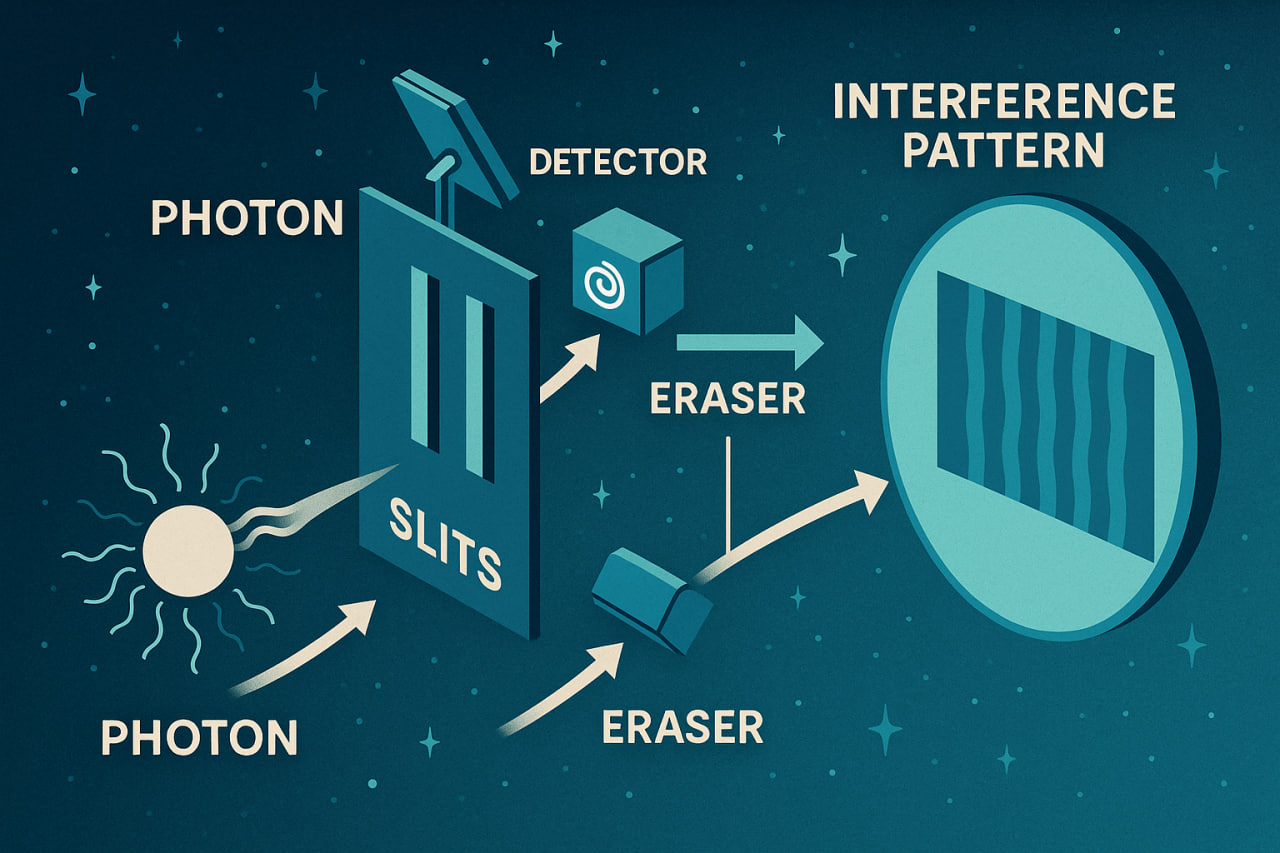
The quantum eraser experiment is one of the most surprising and mind-bending demonstrations in quantum mechanics. It expands upon the famous double-slit experiment by showing that information itself determines whether particles behave like waves or particles. In a quantum eraser setup, the interference pattern created by photons or electrons can disappear — and then reappear — depending on whether information about the particle’s path is available or has been “erased.” Even more astonishing is the delayed-choice quantum eraser, where the decision to erase or keep the information can be made after the particle has already passed through the slits, yet the outcome still changes. This challenges classical logic and reveals how deeply quantum mechanics intertwines information, measurement, and physical reality.

Bionics: How Nature Inspires the Future of Human Technology
Hi-Tech Bioengineering Science

Bionics: How Nature Inspires the Future of Human Technology

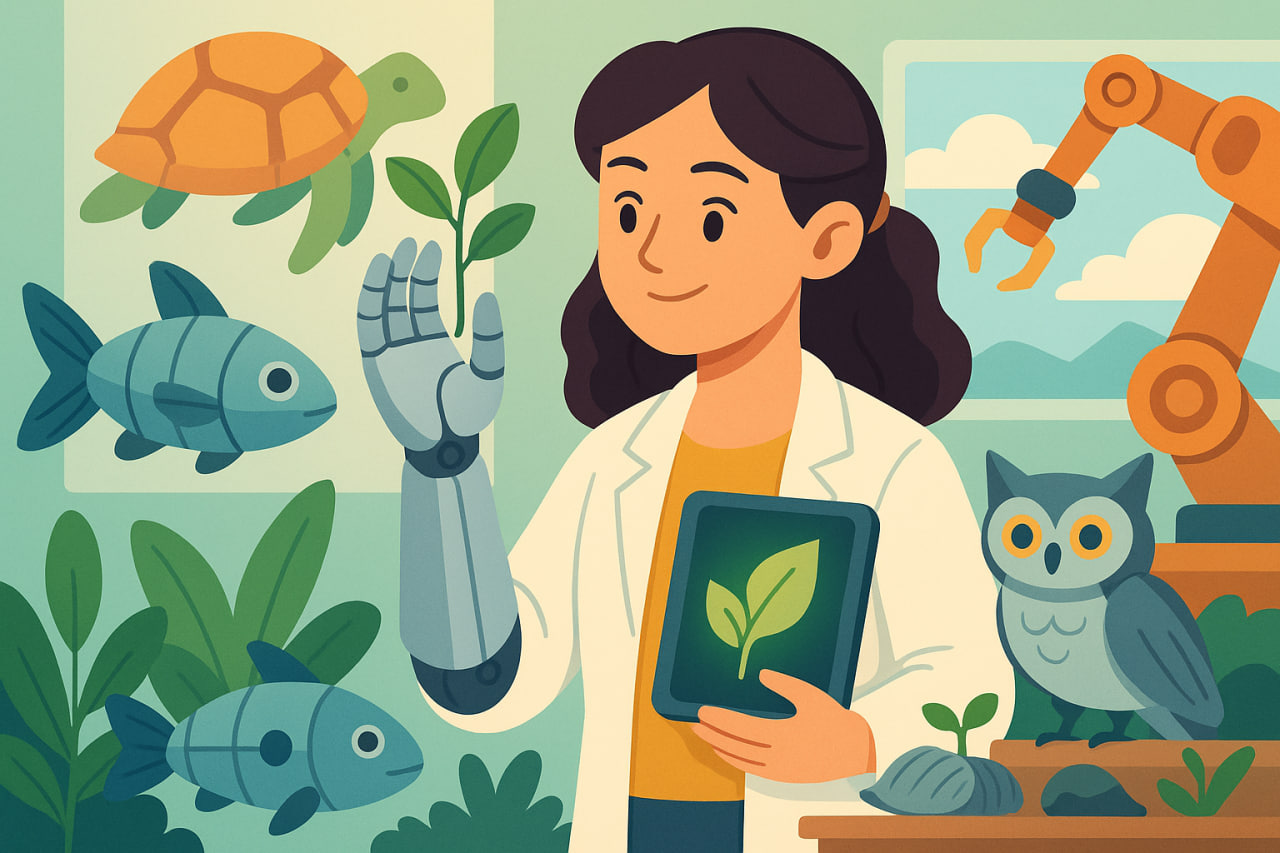
Bionics is a scientific field that studies how biological systems work and applies these principles to create new technologies, devices, and engineering solutions. By observing how nature solves complex problems — from movement and sensing to energy efficiency and structural strength — researchers develop innovations that improve human life. Bionics is responsible for breakthroughs in robotics, prosthetics, architecture, medicine, and materials science. It bridges the gap between biology and engineering by showing that millions of years of evolution offer some of the most effective design strategies on Earth. Understanding bionics allows us to create technologies that are more efficient, sustainable, and adaptable.

Liquid Light: The Strange State of Matter Where Light Behaves Like a Fluid
Hi-Tech New Discoveries Be Smart

Liquid Light: The Strange State of Matter Where Light Behaves Like a Fluid

Light is usually described as a stream of photons — particles that have no mass, travel at incredible speed, and do not interact strongly with one another. But under certain extreme conditions, scientists have discovered that light can transform into something astonishing: a fluid-like state known as “liquid light.” In this state, photons behave not as free, independent particles but as a collective entity that flows like a liquid. This remarkable phenomenon blurs the boundaries between matter and energy and opens the door to new technologies in quantum physics, computing, and advanced materials. Understanding liquid light sheds light on the mysterious world of quantum mechanics and reveals just how strange the universe can be.

Quantum Processors: The Future of Ultra-Fast Computational Power
Hi-Tech Smart Technology New Discoveries

Quantum Processors: The Future of Ultra-Fast Computational Power

Quantum processors represent one of the most revolutionary advancements in modern computing, offering capabilities far beyond those of classical processors. Instead of using traditional bits that store information as 0 or 1, quantum processors use qubits, which can exist in multiple states simultaneously through a phenomenon known as superposition. This allows quantum computers to process massive amounts of data in parallel, solve complex problems more efficiently, and tackle challenges that classical systems cannot handle within a realistic timeframe. Quantum processors hold the potential to transform cryptography, materials science, artificial intelligence, climate modeling, and pharmaceutical development. Their power comes from the fundamental laws of quantum mechanics, where particles behave in unpredictable yet mathematically precise ways.

Innovations in Robotics: How Modern Machines Are Transforming the Future
Cosmic Innovations Hi-Tech Smart Technology

Innovations in Robotics: How Modern Machines Are Transforming the Future

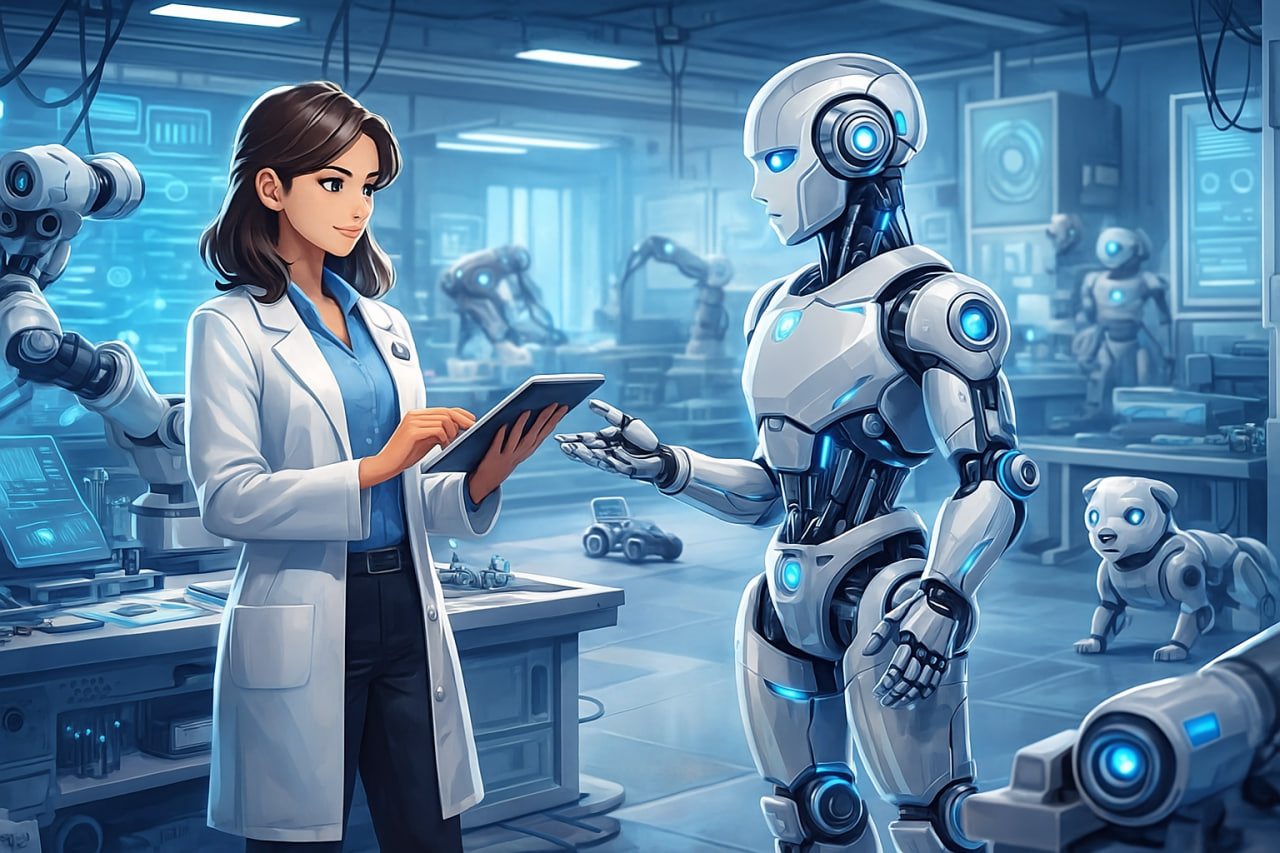
Robotics has entered a new era marked by rapid technological breakthroughs, smarter machines, and unprecedented levels of automation. What began as simple mechanical tools has evolved into a multidisciplinary field combining artificial intelligence, advanced sensors, bio-inspired engineering, and human–machine collaboration. Today’s robots can navigate complex environments, perform delicate tasks with surgical precision, and even learn from experience. Innovations in robotics are reshaping industries such as healthcare, manufacturing, transportation, space exploration, and environmental protection. Understanding these advancements reveals how robots are becoming essential partners to humans, boosting efficiency, safety, and scientific progress.

Electrolysis: The Chemical Process Powering Modern Industry and Clean Energy
Science New Discoveries Be Smart

Electrolysis: The Chemical Process Powering Modern Industry and Clean Energy

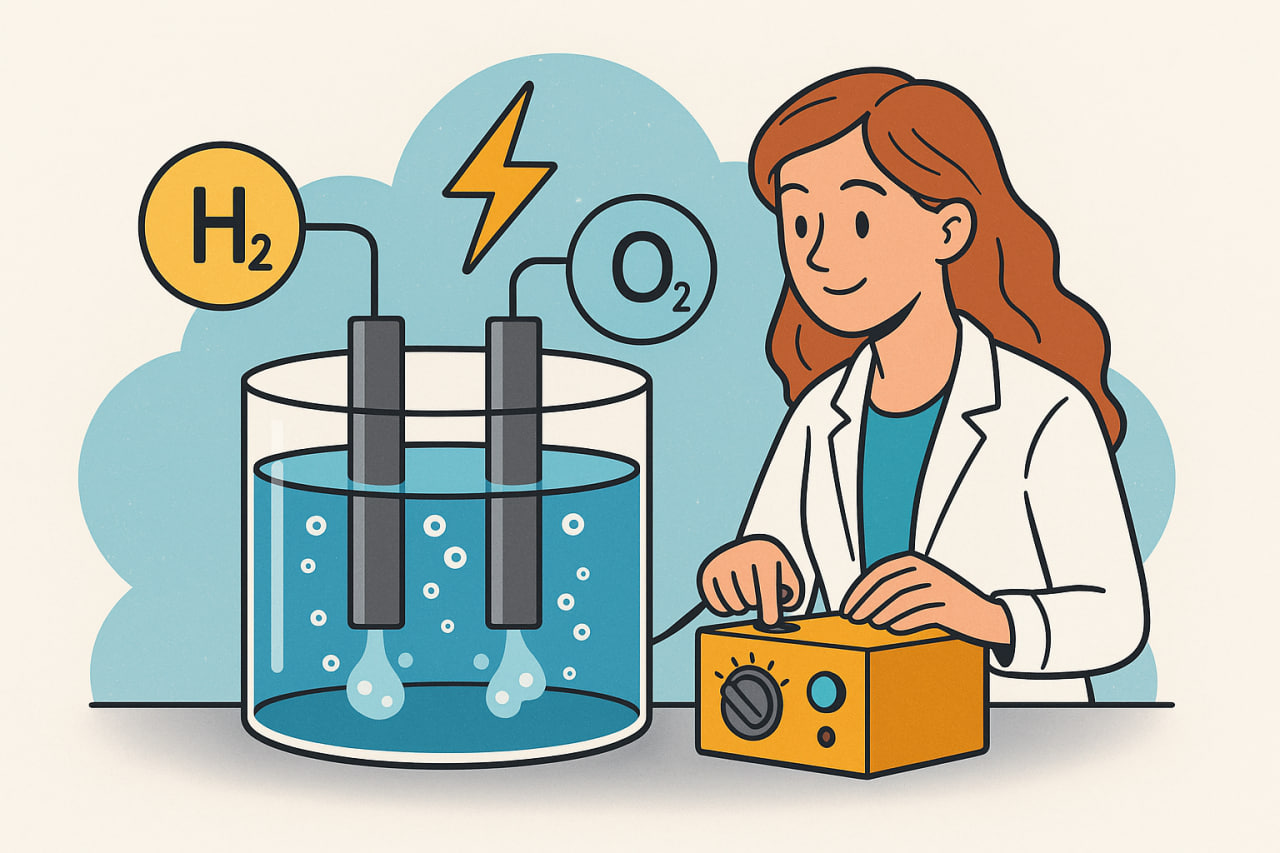
Electrolysis is a fundamental chemical process in which an electric current is used to drive a reaction that would not normally occur on its own. By splitting compounds into their component elements, electrolysis plays a key role in manufacturing, metallurgy, environmental technology, and renewable energy systems. The process is most widely known for splitting water into hydrogen and oxygen, but it is also essential for producing aluminum, chlorine, sodium hydroxide, and many industrial chemicals. In the modern energy landscape, electrolysis is gaining even greater attention as the foundational technology behind green hydrogen, a clean fuel that can help reduce global carbon emissions. Understanding how electrolysis works and why it is so important reveals its influence on energy, industry, and technological innovation.

The Newest Advancements in Space Technology: Innovations Shaping the Future of Exploration
Cosmic Innovations Hi-Tech Smart Technology

The Newest Advancements in Space Technology: Innovations Shaping the Future of Exploration

Modern space technology is evolving faster than ever before, driven by international missions, private industry, and groundbreaking scientific research. Today’s innovations go far beyond traditional rockets or satellites — they include reusable launch systems, advanced propulsion engines, deep-space habitats, autonomous robots, and next-generation telescopes capable of seeing further into the universe than any previous instrument. These technologies aim to make space travel more affordable, safer, and more capable of supporting long-term human presence beyond Earth. As global interest in the Moon, Mars, and near-Earth asteroids grows, the newest developments in space engineering are shaping the roadmap for the next century of exploration. Understanding these advances reveals how humanity is preparing to push deeper into space than ever before.

What We Know About Black Holes: Mysteries, Physics, and Modern Discoveries
Space Stories Universe New Discoveries

What We Know About Black Holes: Mysteries, Physics, and Modern Discoveries

Black holes are among the most mysterious and fascinating objects in the universe. Formed from the collapse of massive stars or through the gradual accumulation of matter, black holes possess gravitational forces so strong that nothing — not even light — can escape once it crosses the event horizon. Although they cannot be observed directly, their presence is detected through the way they interact with surrounding matter, distort spacetime, and emit powerful radiation through accretion processes. Advances in astrophysics, gravitational-wave detection, and high-resolution imaging have transformed black holes from theoretical concepts into observable cosmic realities. Studying black holes helps scientists test fundamental physics, understand galaxy evolution, and explore the limits of space, time, and gravity.

Human-Cell Processors: Building Computers From Living Tissue
Neuro-Tech Hi-Tech Bioengineering

Human-Cell Processors: Building Computers From Living Tissue

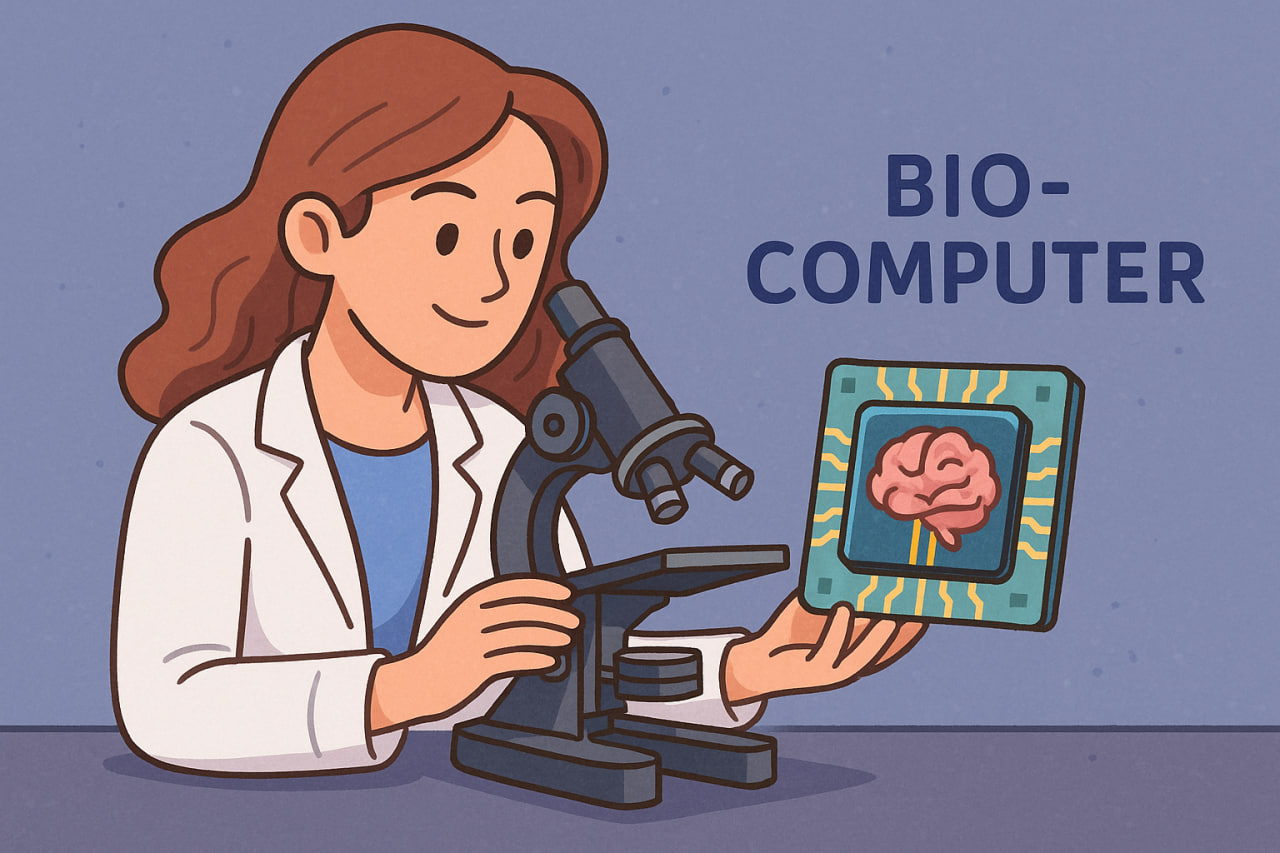
Human-cell processors, sometimes called bio-computers or organoid-based processors, are an emerging technology that uses living human cells as the core of a computing system instead of traditional silicon transistors. In most experimental designs, tiny clusters of brain-like cells are grown in the lab and connected to electronic interfaces that can send signals in and read activity out. These living networks are capable of learning, adapting, and processing information in ways that resemble biological brains rather than conventional computers. The goal is not to replace digital chips completely, but to explore new kinds of computation that are more energy-efficient and better at tasks such as pattern recognition, decision-making, and learning from experience. At the same time, these systems raise important ethical, technical, and safety questions that scientists must address carefully as the field develops.