New Discoveries

Wave–Particle Duality: Understanding the Dual Nature of Light and Matter
Science New Discoveries Be Smart

Wave–Particle Duality: Understanding the Dual Nature of Light and Matter

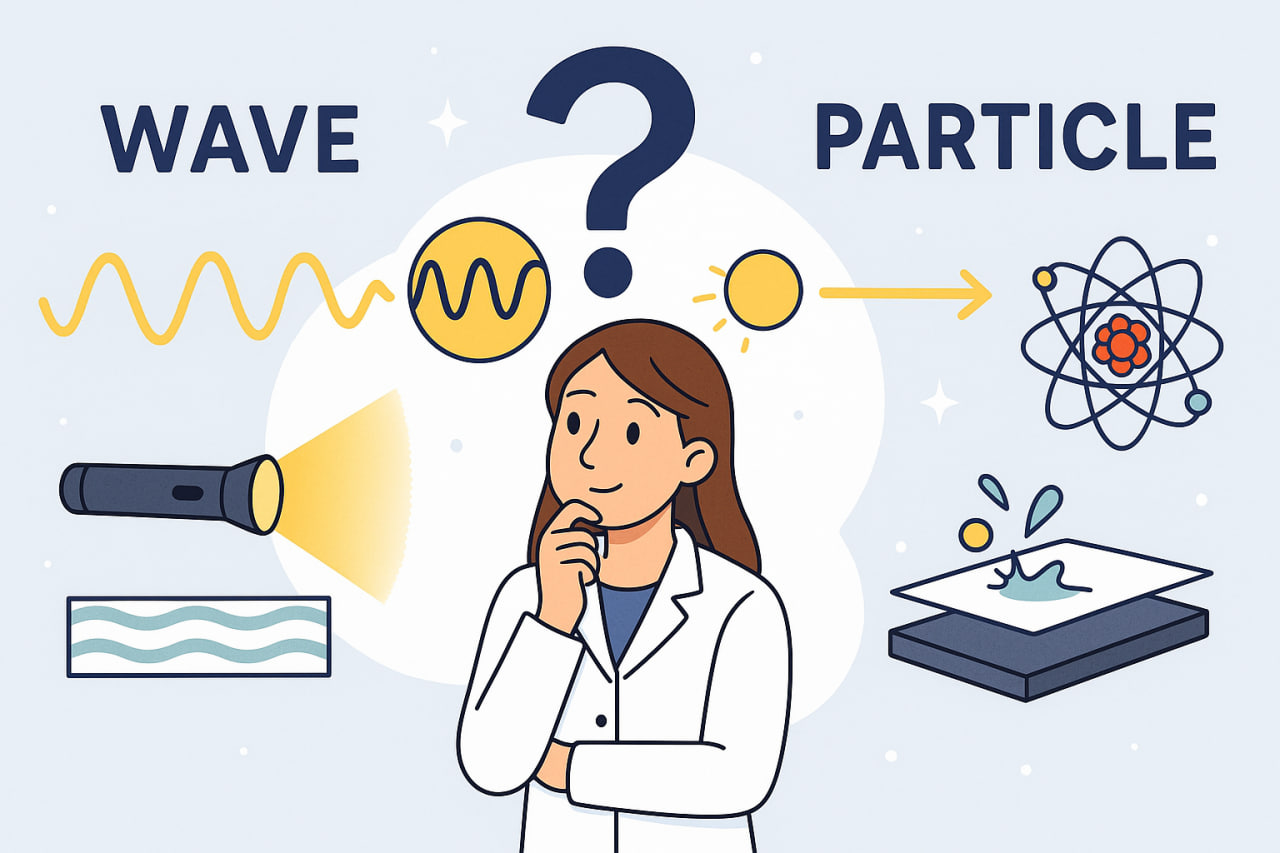
Wave–particle duality is one of the most intriguing and foundational concepts in quantum physics. It describes the surprising behavior of light and matter, which exhibit both wave-like and particle-like properties depending on how they are observed. This principle fundamentally changed our understanding of reality, revealing that classical physics cannot fully describe the microscopic world. Wave–particle duality lies at the heart of quantum mechanics and explains phenomena such as electron interference, photon behavior, and the structure of atoms. Although the idea may seem paradoxical, it reflects the complex and elegant nature of the universe. Understanding this duality helps scientists design modern technologies, from lasers and semiconductors to quantum computers and advanced communication systems.
Teleportation: What Science Understands Today and What the Future May Hold
Science New Discoveries Be Smart

Teleportation: What Science Understands Today and What the Future May Hold

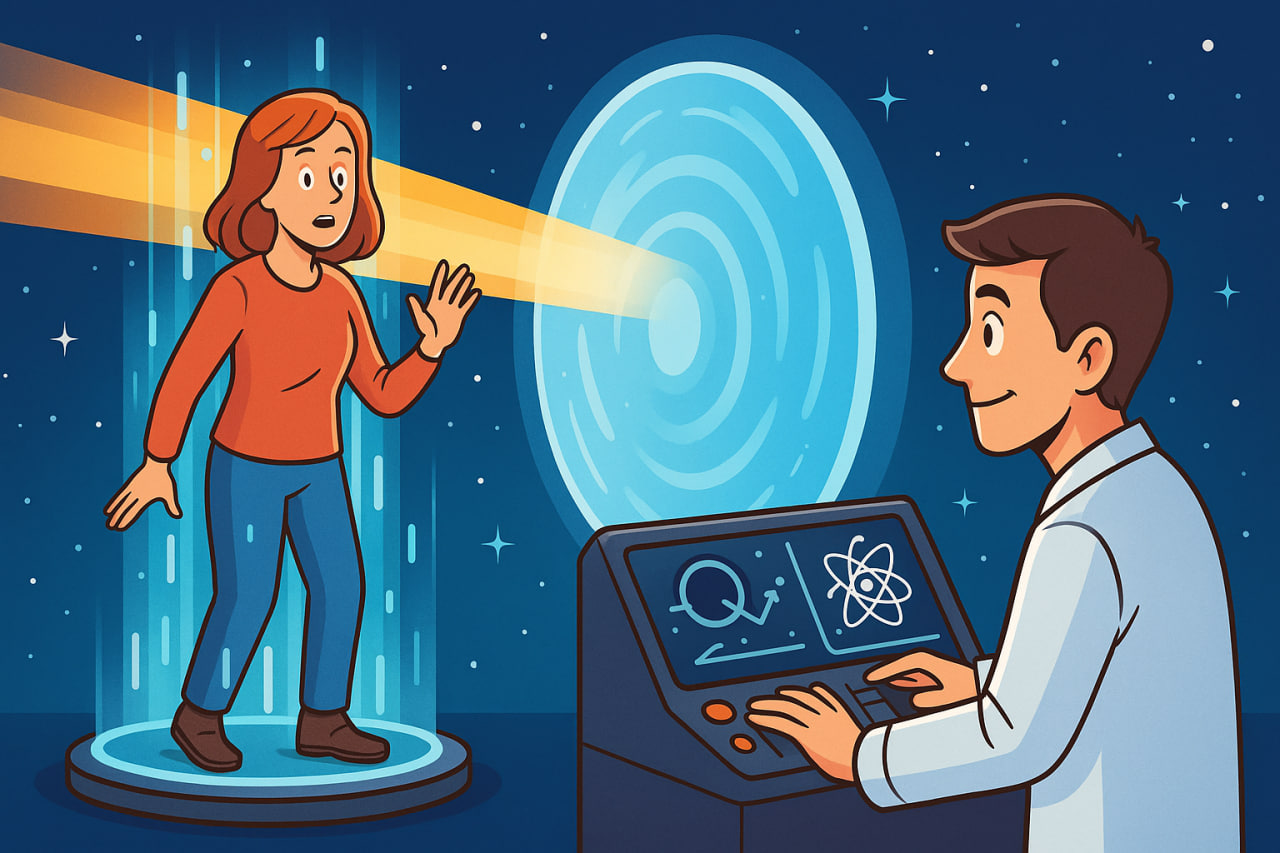
Teleportation has long fascinated humanity — from ancient myths to modern science fiction. The idea of instantly transferring objects or people from one place to another captures the imagination because it challenges our fundamental understanding of space, motion, and physical constraints. While physical teleportation of humans remains impossible with today’s science, quantum teleportation is a real and experimentally proven phenomenon that already powers breakthroughs in communication, cryptography, and fundamental physics research. Understanding what teleportation truly means in scientific terms reveals both the astonishing potential and the strict limitations of current physics.

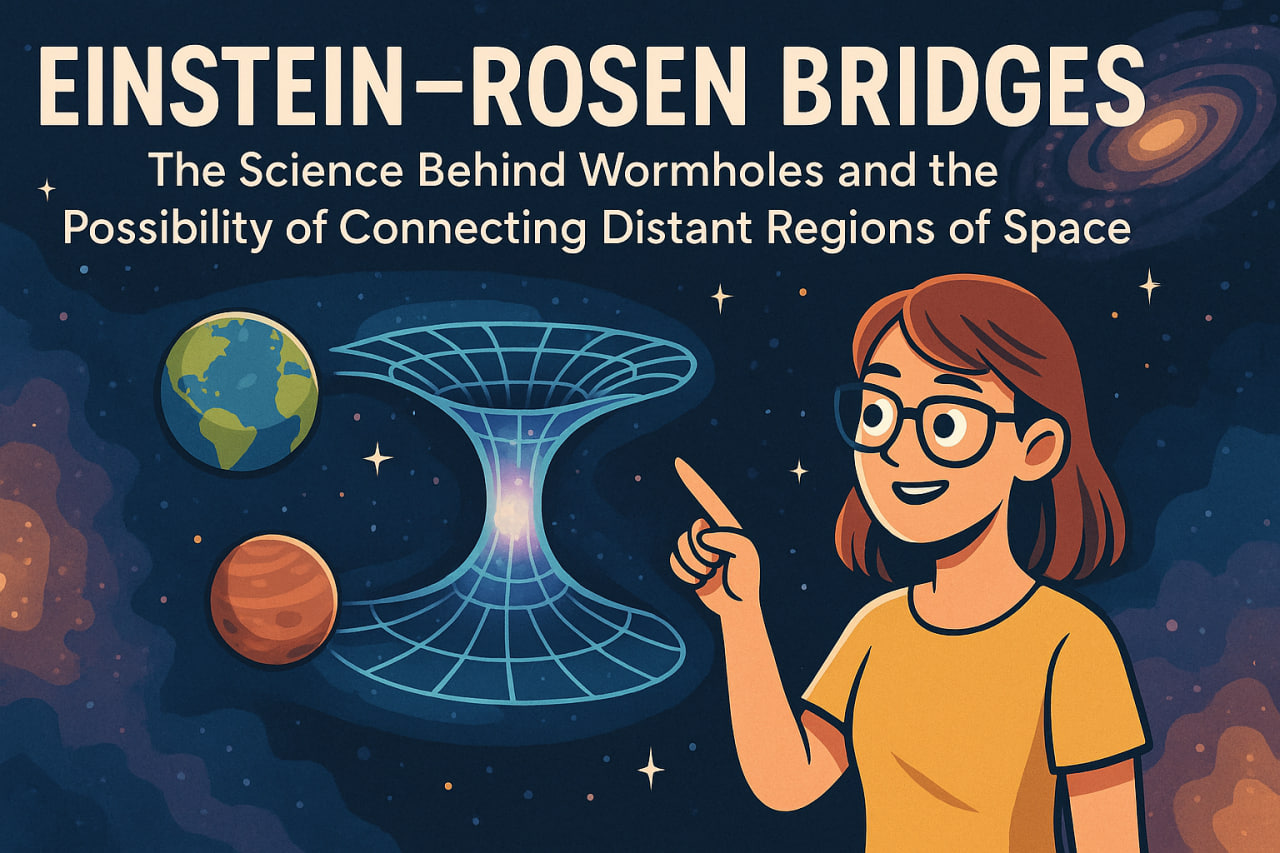
Einstein–Rosen Bridges: The Science Behind Wormholes and the Possibility of Connecting Distant Regions of Space
Science New Discoveries Be Smart

Einstein–Rosen Bridges: The Science Behind Wormholes and the Possibility of Connecting Distant Regions of Space

Einstein–Rosen bridges, more commonly known as wormholes, are hypothetical structures predicted by the equations of general relativity. They represent tunnels through spacetime that could, in theory, connect distant regions of the universe — or even different universes entirely. While no wormhole has ever been observed, the mathematics behind them is grounded in legitimate physics, and scientists continue to explore whether such phenomena could exist in reality. Wormholes embody some of the most fascinating ideas in modern theoretical research, blending gravity, quantum mechanics, and geometry into a single, exotic concept.

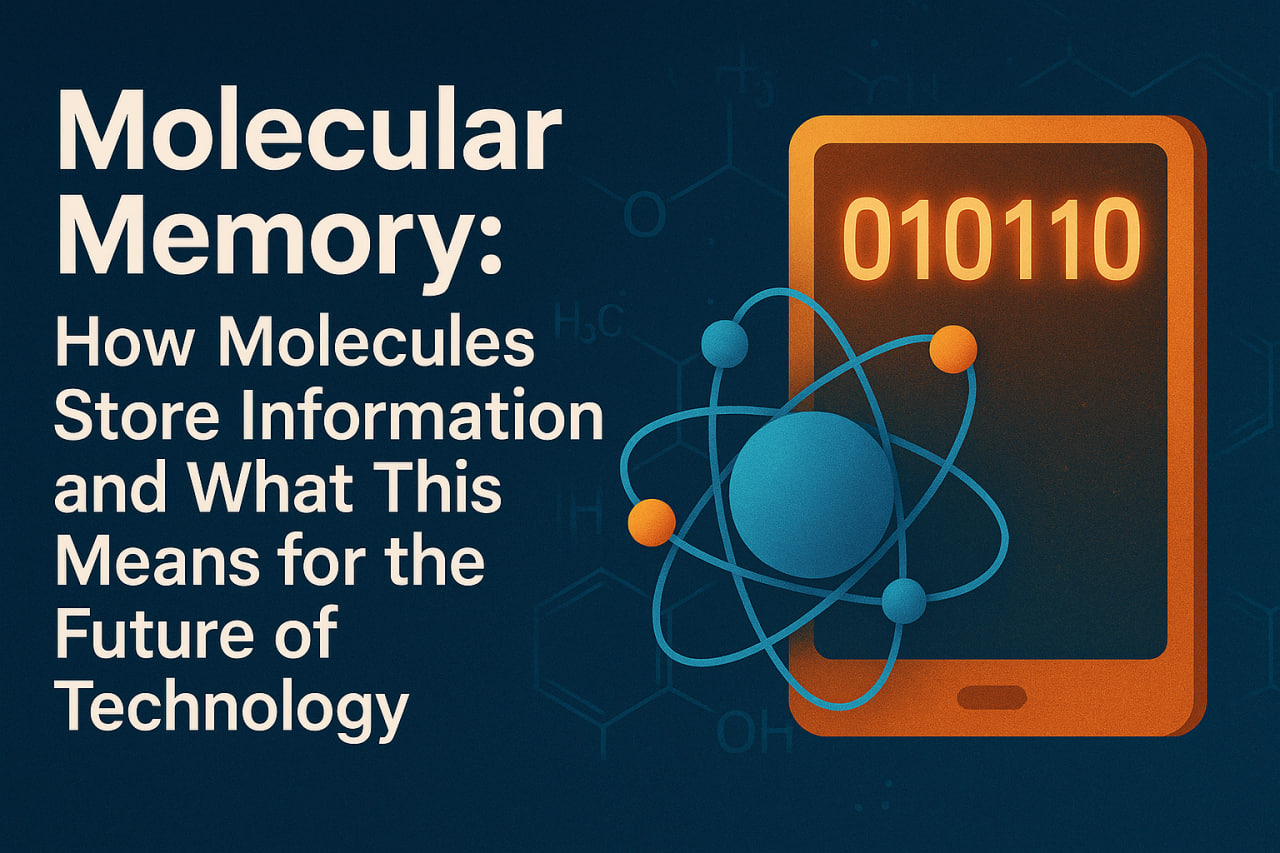
Molecular Memory: How Molecules Store Information and What This Means for the Future of Technology
Hi-Tech Smart Technology New Discoveries

Molecular Memory: How Molecules Store Information and What This Means for the Future of Technology

Molecular memory is an emerging scientific field that explores how information can be encoded, stored, and retrieved at the molecular level. Instead of relying on traditional electronic circuits, molecular memory systems use the physical or chemical states of molecules — such as shape, charge, or bonding arrangement — to hold data. This radically different approach offers the potential for ultra-dense, energy-efficient, and long-lasting data storage technologies. As digital information grows exponentially, scientists are searching for ways to surpass the physical limits of conventional semiconductor memory. Molecular memory could become a key solution.

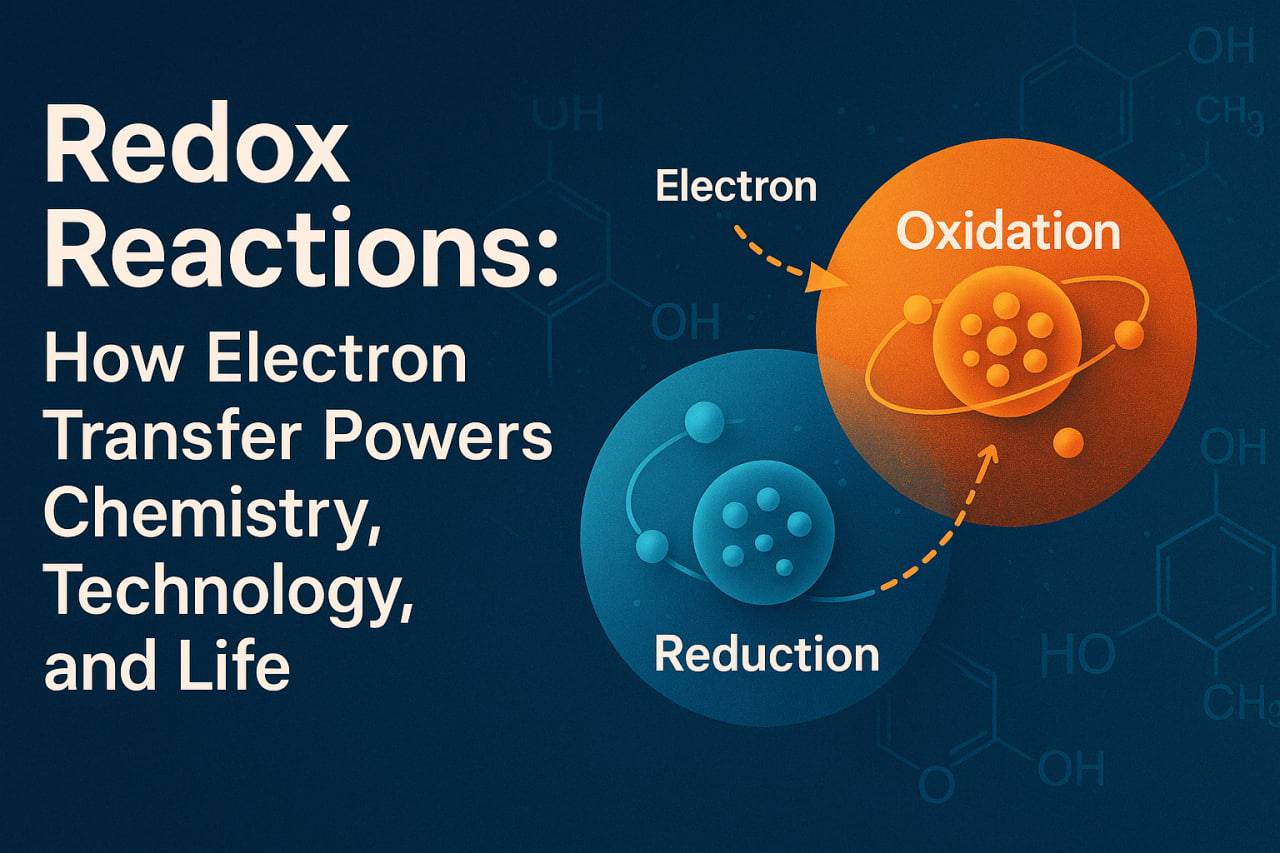
Redox Reactions: How Electron Transfer Powers Chemistry, Technology, and Life
Hi-Tech Science New Discoveries

Redox Reactions: How Electron Transfer Powers Chemistry, Technology, and Life

Redox reactions — short for reduction–oxidation reactions — are fundamental chemical processes that drive many of the transformations occurring in nature, technology, and even inside the human body. These reactions involve the transfer of electrons between substances, causing one material to be oxidized (lose electrons) while another is reduced (gain electrons). Although the concept seems simple, redox reactions power some of the most essential processes in the universe, including cellular respiration, photosynthesis, metal corrosion, energy storage, combustion, and industrial synthesis. Understanding how they work provides insight into chemistry’s hidden mechanisms and reveals how electron flow fuels the world around us.

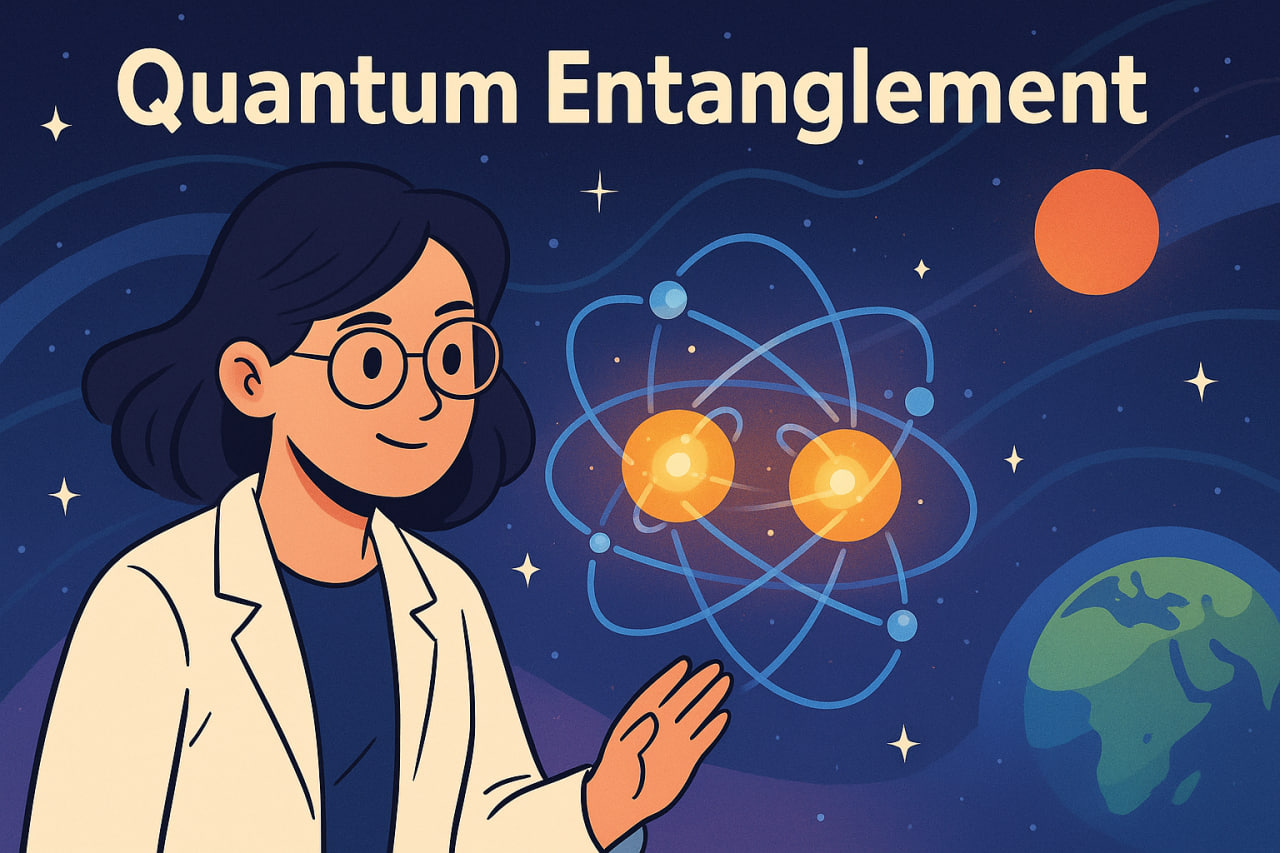
Quantum Entanglement: One of the Most Mysterious Phenomena in Modern Physics
Hi-Tech Science New Discoveries

Quantum Entanglement: One of the Most Mysterious Phenomena in Modern Physics

Quantum entanglement is one of the most fascinating and mind-bending concepts in quantum mechanics. It describes a state in which two or more particles become so deeply connected that the condition of one particle instantly correlates with the condition of another — even if they are separated by vast distances. This behavior appears to violate classical intuition and has been described by Einstein as “spooky action at a distance.” Despite its strange nature, entanglement has been verified experimentally countless times and now forms the foundation of modern quantum technologies, including quantum computing, quantum communication, and quantum encryption.

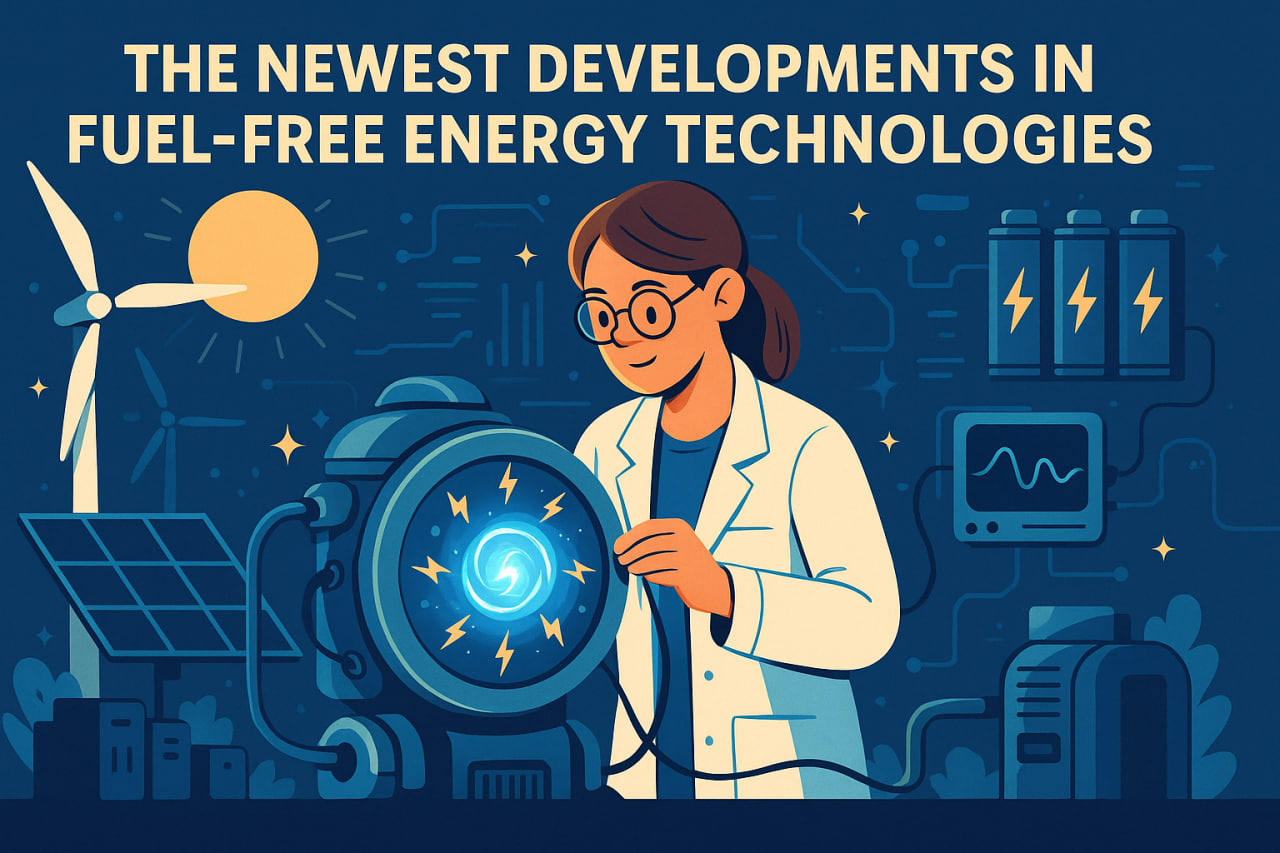
The Newest Developments in Fuel-Free Energy Technologies: What Science Is Actually Exploring
Hi-Tech Smart Technology Science

The Newest Developments in Fuel-Free Energy Technologies: What Science Is Actually Exploring

Fuel-free energy, in a strict scientific sense, does not mean creating energy from nothing. According to the laws of physics — especially the conservation of energy — no device can operate without an energy source. However, scientists and engineers are actively working on systems that do not rely on traditional fuels, such as coal, oil, or gas. Instead, these technologies draw power from natural physical processes: sunlight, heat differences, electromagnetic fields, mechanical motion, or ambient environmental energy. These innovations are often referred to as renewable, self-powered, or ultra-low-energy systems, rather than “fuel-free” generators.

Matter–Antimatter Asymmetry: Why the Universe Exists at All
Universe Science New Discoveries

Matter–Antimatter Asymmetry: Why the Universe Exists at All

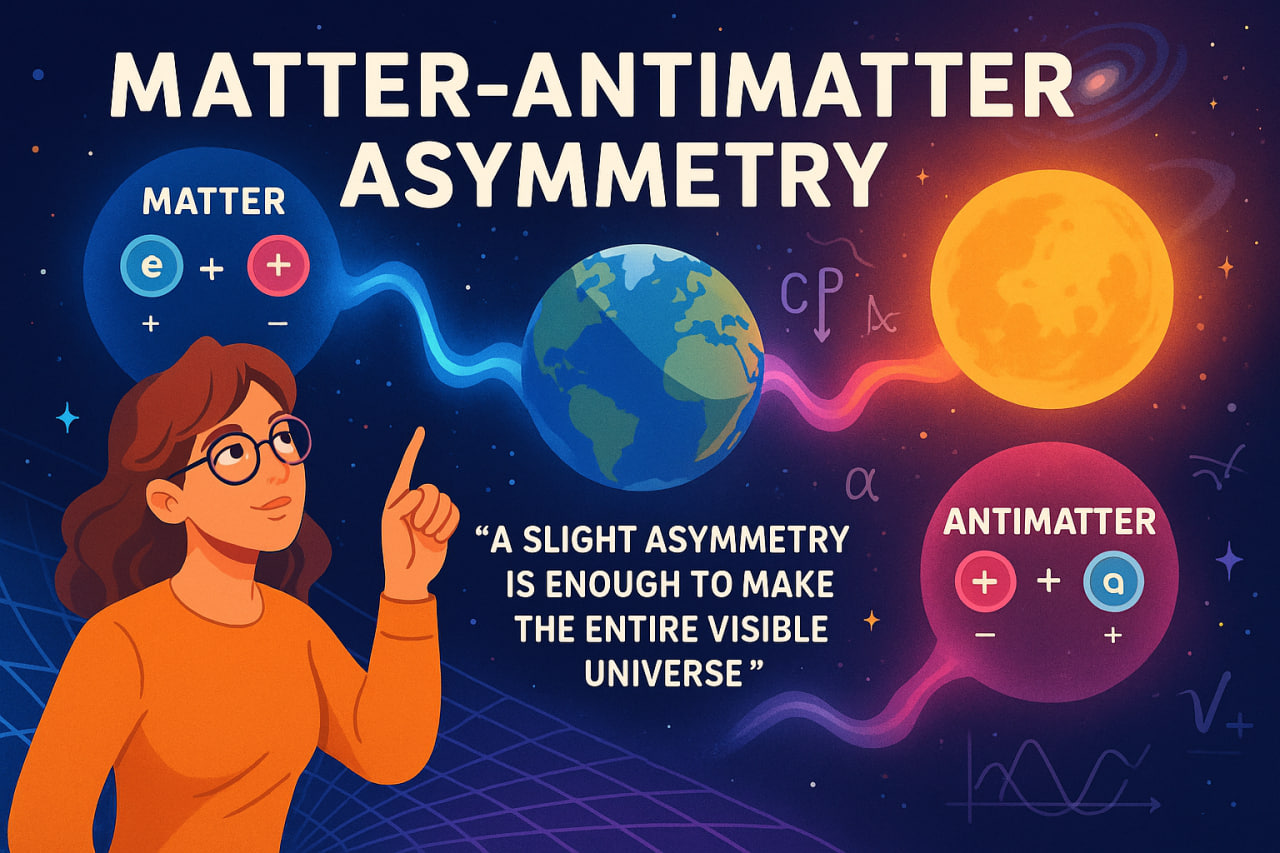
The matter–antimatter asymmetry is one of the deepest and most fascinating mysteries in modern physics. According to the known laws of particle physics, the Big Bang should have produced equal amounts of matter and antimatter. But if that had happened, matter and antimatter would have instantly annihilated each other, leaving behind nothing but light. Instead, our universe contains galaxies, planets, humans — all made of matter. Antimatter, by contrast, is almost completely absent. This imbalance, known as baryon asymmetry, remains one of the most important unsolved problems in cosmology and particle physics.

Electric Cars: How They Work, Why They Matter, and the Future of Sustainable Transportation
Hi-Tech Smart Technology New Discoveries

Electric Cars: How They Work, Why They Matter, and the Future of Sustainable Transportation

Electric cars have rapidly transformed from a niche technology into one of the most important developments in modern transportation. Powered entirely or partly by electricity instead of gasoline, these vehicles offer cleaner mobility, lower emissions, and a quieter driving experience. As climate concerns and technological innovations accelerate, electric cars are becoming central to global strategies aimed at reducing pollution, improving energy efficiency, and creating sustainable cities. Understanding how electric cars work, their benefits, and their limitations helps drivers make informed choices in a world shifting toward renewable energy.

Time Crystals: A New State of Matter That Breaks the Rules of Physics
Hi-Tech Science New Discoveries

Time Crystals: A New State of Matter That Breaks the Rules of Physics

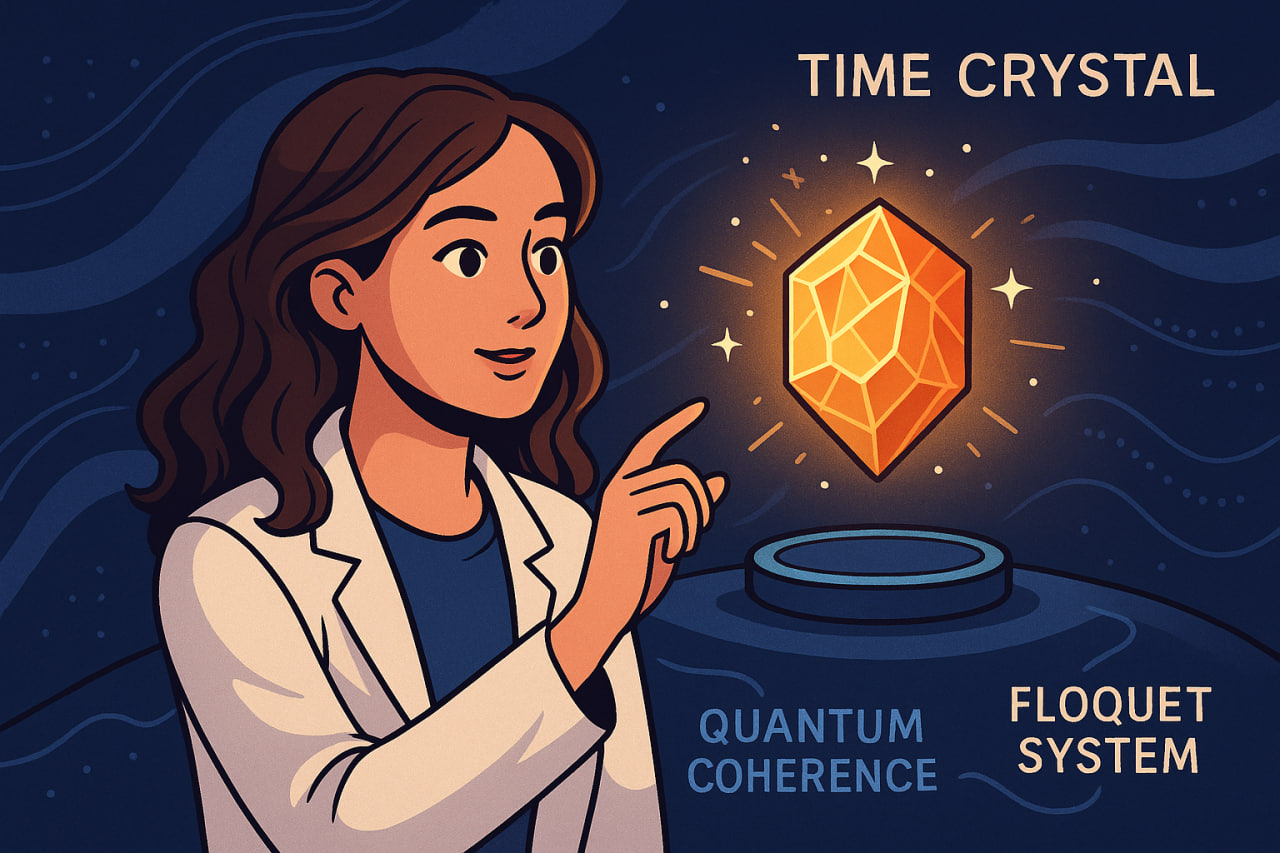
Time crystals are one of the most astonishing scientific discoveries of the 21st century — a completely new state of matter that behaves in ways once thought impossible. Unlike ordinary crystals, which repeat their structure in space, time crystals repeat their structure in time. They oscillate, switch, or “tick” at regular intervals without consuming energy, seemingly defying the fundamental laws of thermodynamics. First proposed by Nobel laureate Frank Wilczek in 2012 and experimentally realized several years later, time crystals challenge long-standing assumptions about stability, order, and motion at the quantum level. Their unique properties open the door to next-generation quantum technologies, ultra-stable memory systems, and deeper understanding of non-equilibrium physics.