New Discoveries

Artificial Photosynthesis: Creating Clean Energy Inspired by Nature
Hi-Tech Bioengineering New Discoveries

Artificial Photosynthesis: Creating Clean Energy Inspired by Nature

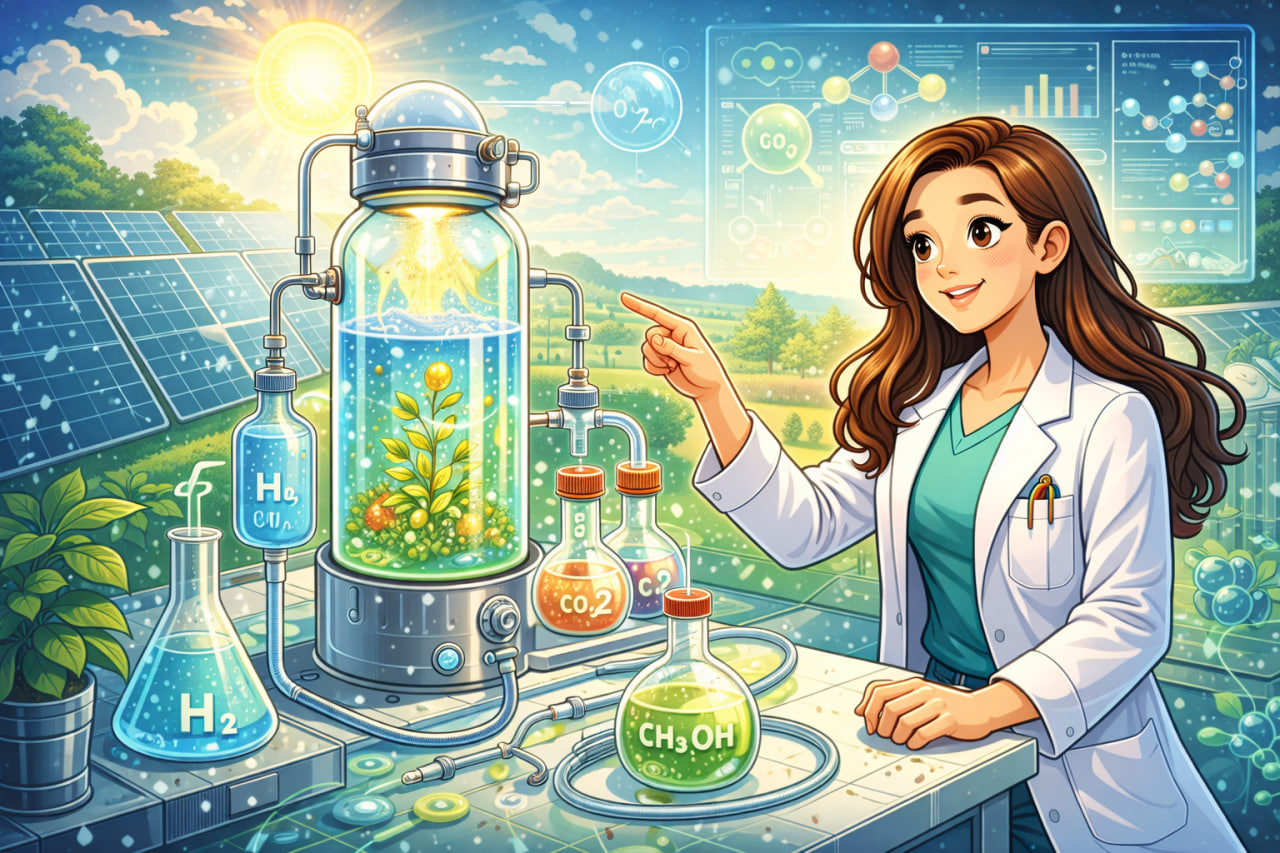
Artificial photosynthesis is a cutting-edge scientific concept that seeks to replicate one of nature’s most powerful processes: the conversion of sunlight, water, and carbon dioxide into usable energy. In natural photosynthesis, plants transform solar energy into chemical bonds that sustain life on Earth. Scientists aim to imitate and improve this process using advanced materials, catalysts, and engineering systems. The goal is to produce clean fuels and valuable chemicals while reducing carbon emissions. Artificial photosynthesis represents a bridge between renewable energy, chemistry, and environmental sustainability. Understanding this technology reveals why it is considered a potential cornerstone of a future low-carbon economy.


Batteries of the Future: Powering the Next Technological Era
Hi-Tech New Discoveries Inventions

Batteries of the Future: Powering the Next Technological Era

Batteries of the future are set to play a decisive role in shaping global energy systems, transportation, and digital technologies. As societies transition toward renewable energy and electrification, the limitations of current battery technologies become increasingly apparent. Modern research focuses on improving energy density, safety, charging speed, lifespan, and environmental sustainability. Scientists are exploring new materials and chemical principles to overcome the constraints of traditional lithium-ion batteries. These innovations aim not only to store more energy, but to do so more reliably and responsibly. Understanding future battery technologies helps explain how energy storage will support a low-carbon and technologically advanced world.

Supercritical Fluids: Matter Beyond Liquid and Gas
Science New Discoveries Be Smart

Supercritical Fluids: Matter Beyond Liquid and Gas

Supercritical fluids represent a unique state of matter that exists beyond the traditional boundaries of liquids and gases. When a substance is subjected to temperatures and pressures above its critical point, it enters a supercritical state where it exhibits properties of both phases simultaneously. In this condition, the fluid can flow like a gas while dissolving substances like a liquid. These unusual characteristics make supercritical fluids extremely valuable for science and industry. Over the past decades, they have become essential tools in chemistry, materials science, energy technology, and environmental engineering. Understanding supercritical fluids reveals how subtle changes in physical conditions can unlock entirely new behaviors of matter.

Cheminformatics: Where Chemistry Meets Data and Algorithms
Science New Discoveries Be Smart

Cheminformatics: Where Chemistry Meets Data and Algorithms

Cheminformatics is a scientific discipline that combines chemistry, computer science, and data analysis to manage, analyze, and interpret chemical information. As modern chemistry produces massive amounts of data, traditional experimental methods alone are no longer sufficient to extract meaningful insights. Cheminformatics provides tools that help scientists predict molecular behavior, discover new compounds, and optimize chemical processes more efficiently. This field plays a crucial role in drug discovery, materials science, and environmental research. By transforming chemical structures into digital data, cheminformatics allows researchers to explore chemical space at an unprecedented scale. Understanding cheminformatics explains why computation has become essential to modern chemical innovation.

Metal–Organic Frameworks: Programmable Materials at the Atomic Scale
Hi-Tech Bioengineering Science

Metal–Organic Frameworks: Programmable Materials at the Atomic Scale

Metal–organic frameworks, often abbreviated as MOFs, are one of the most exciting classes of materials developed in modern chemistry and materials science. These structures are built from metal ions linked together by organic molecules, forming highly ordered, porous networks at the molecular level. What makes MOFs extraordinary is their extreme surface area, tunable structure, and chemical versatility. Scientists can design them almost like molecular construction kits, adjusting their properties for specific tasks. As a result, metal–organic frameworks are being explored for applications ranging from clean energy to medicine and environmental protection. Understanding MOFs helps explain why they are considered a cornerstone of next-generation materials.

Room-Temperature Superconductivity: A Breakthrough in Modern Physics
Hi-Tech Science New Discoveries

Room-Temperature Superconductivity: A Breakthrough in Modern Physics

For more than a century, scientists have dreamed of achieving superconductivity at room temperature — the ability of a material to conduct electricity with zero resistance under everyday conditions. Superconductors, first discovered in 1911, can transmit electric current without any loss of energy, but until recently they only worked at extremely low temperatures, often close to absolute zero. Achieving this phenomenon at room temperature would revolutionize technology, making power grids ultra-efficient, magnetic levitation commonplace, and quantum computers more practical. In recent years, advances in material science and high-pressure physics have brought this dream closer to reality, but significant challenges remain before it becomes part of daily life.

The Kirlian Effect: Mystery, Photography, and Scientific Interpretation
Science New Discoveries Be Smart

The Kirlian Effect: Mystery, Photography, and Scientific Interpretation

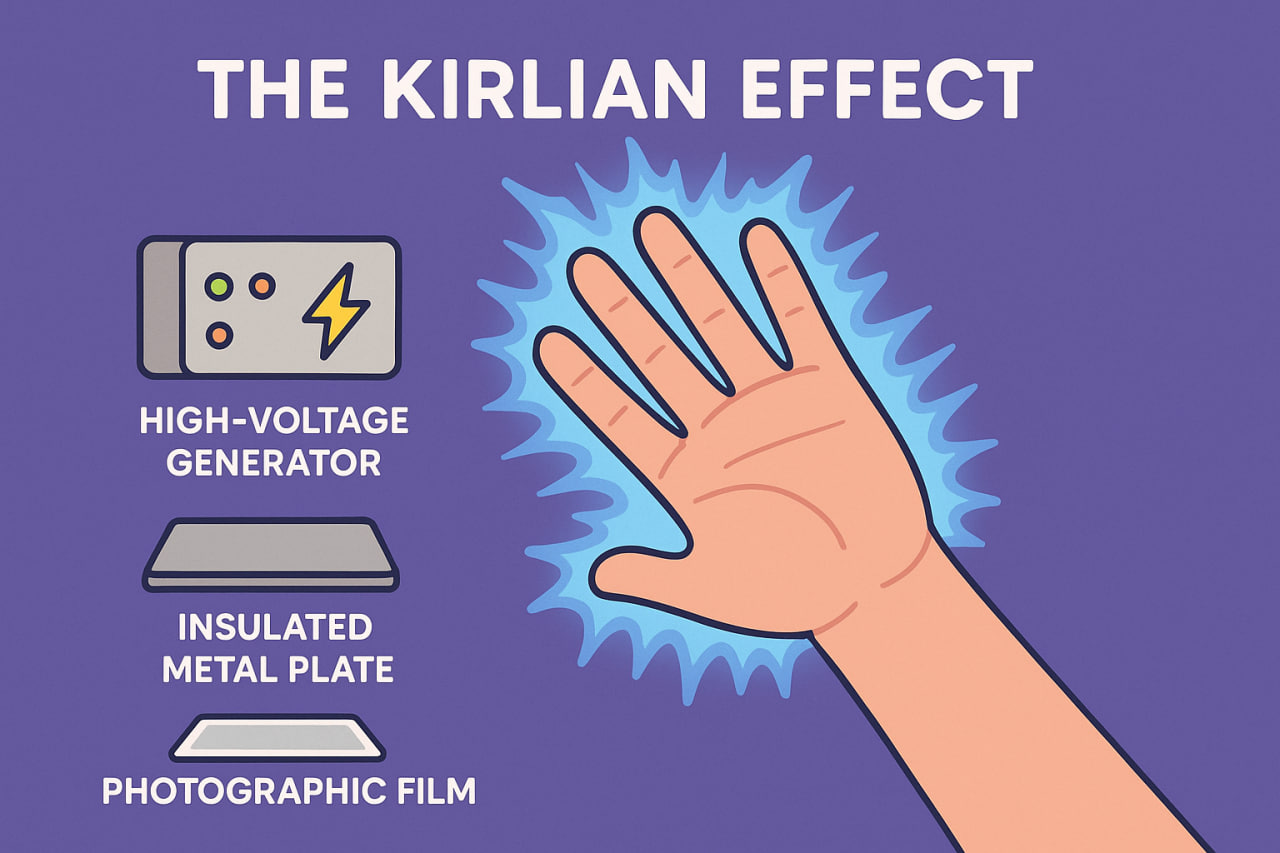
The Kirlian effect refers to a visual phenomenon in which a glowing, colorful aura appears around objects or living organisms when they are photographed using high-voltage, high-frequency electrical fields. Discovered accidentally in 1939 by Soviet inventor Semyon Kirlian, this effect captured global attention because the resulting images seemed to show “energy fields” surrounding plants, leaves, coins, and even human fingertips. For decades, the Kirlian effect inspired scientific curiosity, artistic exploration, and widespread myths. While often misunderstood, the phenomenon remains a fascinating intersection of physics, photography, and cultural imagination.

Quantum Leap: What It Really Means in Physics
Science New Discoveries Be Smart

Quantum Leap: What It Really Means in Physics

A “quantum leap,” or quantum jump, is one of the most fascinating ideas in modern physics — yet also one of the most misunderstood. In everyday language, people often use “quantum leap” to describe a dramatic or revolutionary change. But in science, the term has a much more precise meaning. A quantum leap refers to the sudden transition of an electron within an atom from one energy level to another. This process happens instantly and does not involve moving through the space in between. Instead, the electron absorbs or emits a specific amount of energy — a “quantum” — and immediately appears in a different state. Understanding quantum leaps is essential for explaining atomic structure, light emission, lasers, electronics, and many aspects of quantum technology.

Biophotons: Mysterious Light Emitted by Living Organisms
Bioengineering Science New Discoveries

Biophotons: Mysterious Light Emitted by Living Organisms

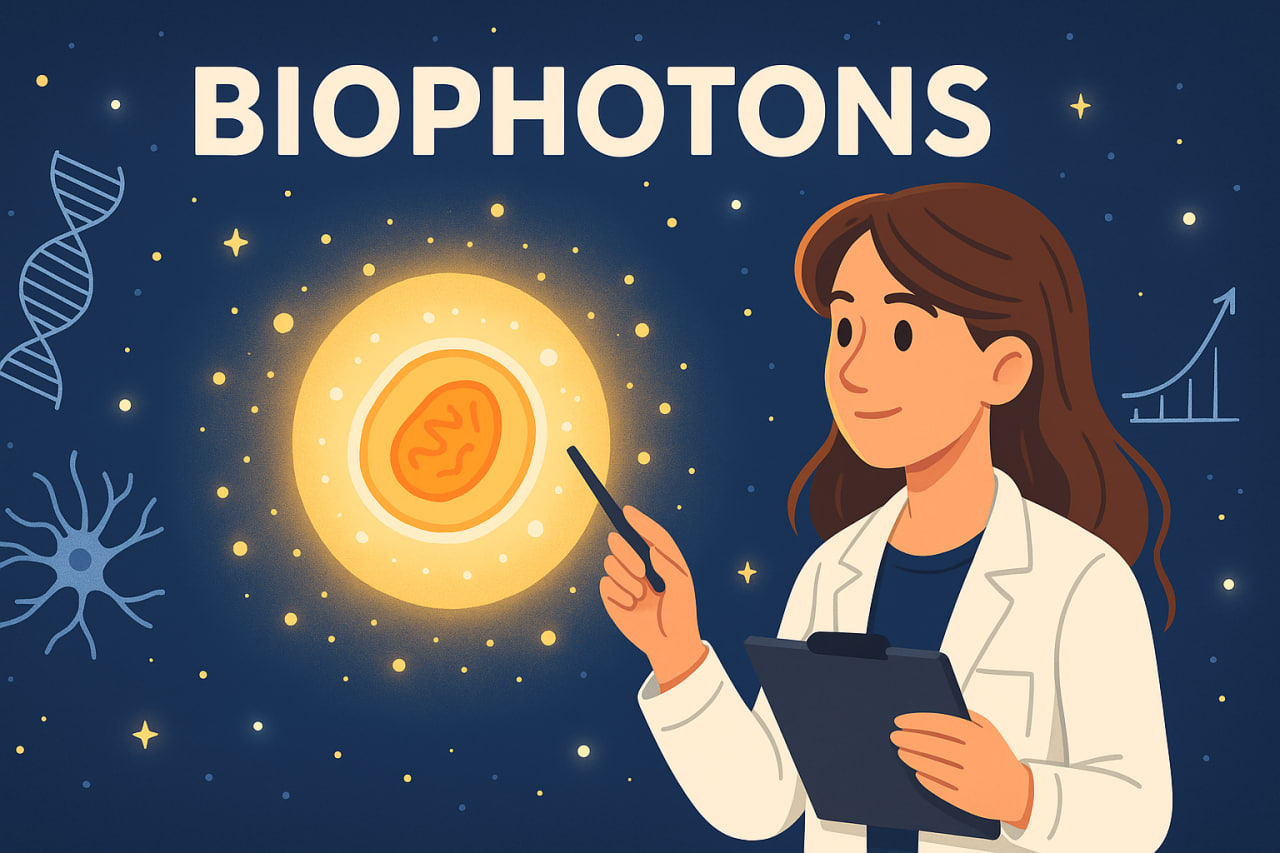
Biophotons are extremely weak light emissions produced by all living cells, including those of humans, plants, animals, and microorganisms. Although invisible to the naked eye, biophotons can be detected with highly sensitive instruments and offer a fascinating window into cellular communication and metabolic processes. These ultra-low levels of light emerge during biochemical reactions — especially those involving oxygen — and may reflect the health and functional state of cells. Scientists around the world study biophotons to understand how living organisms regulate internal processes and respond to stress, aging, and environmental conditions. While research is still ongoing, biophotons reveal that life expresses itself not only through chemistry and electricity but also through subtle light.

QKD: Quantum Key Distribution and the Future of Secure Communication
Hi-Tech Smart Technology New Discoveries

QKD: Quantum Key Distribution and the Future of Secure Communication

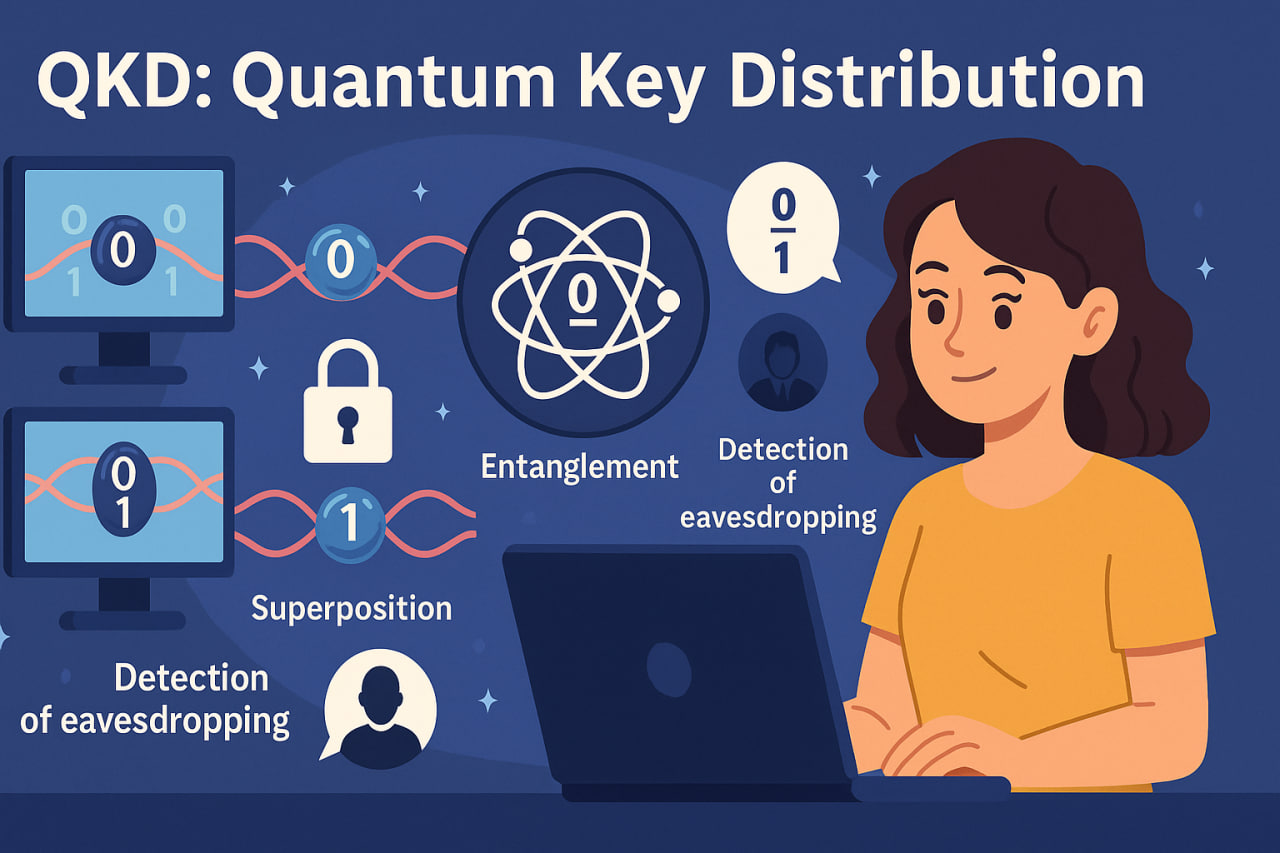
Quantum Key Distribution (QKD) is one of the most groundbreaking technologies in quantum communication, offering an entirely new level of security based on the principles of quantum physics. Unlike traditional cryptographic systems—which rely on mathematical complexity—QKD uses the behavior of quantum particles to create encryption keys that cannot be intercepted or copied without detection. This makes QKD an essential tool for protecting sensitive information in finance, government, medicine, and global communications. As cyber threats grow and classical systems face the future challenge of quantum computers, QKD stands out as a powerful and future-proof solution for secure digital exchange.