News

How Can a Chatbot Be Useful to an Ordinary Person?
KnowHow AI & Ethics AI

How Can a Chatbot Be Useful to an Ordinary Person?

Artificial intelligence has rapidly become part of everyday life. Just a few years ago, most people associated AI with science fiction, research laboratories, or advanced technology companies. Today, millions of people interact with AI-powered chatbots daily, often without even realizing it. These systems can answer questions, explain concepts, assist with work, and help solve practical problems.

Smartphone Care: What Every User Should Know
KnowHow Be Smart News

Smartphone Care: What Every User Should Know

Modern smartphones are among the most advanced pieces of technology most people own. These compact devices serve as cameras, navigation systems, communication tools, entertainment centers, and portable computers. Because smartphones play such an important role in daily life, proper care can significantly extend their lifespan, improve performance, and reduce repair costs.

RAM Shortages on the Market: Why Memory Sometimes Becomes Hard to Find
Hi-Tech Smart Technology News

RAM Shortages on the Market: Why Memory Sometimes Becomes Hard to Find

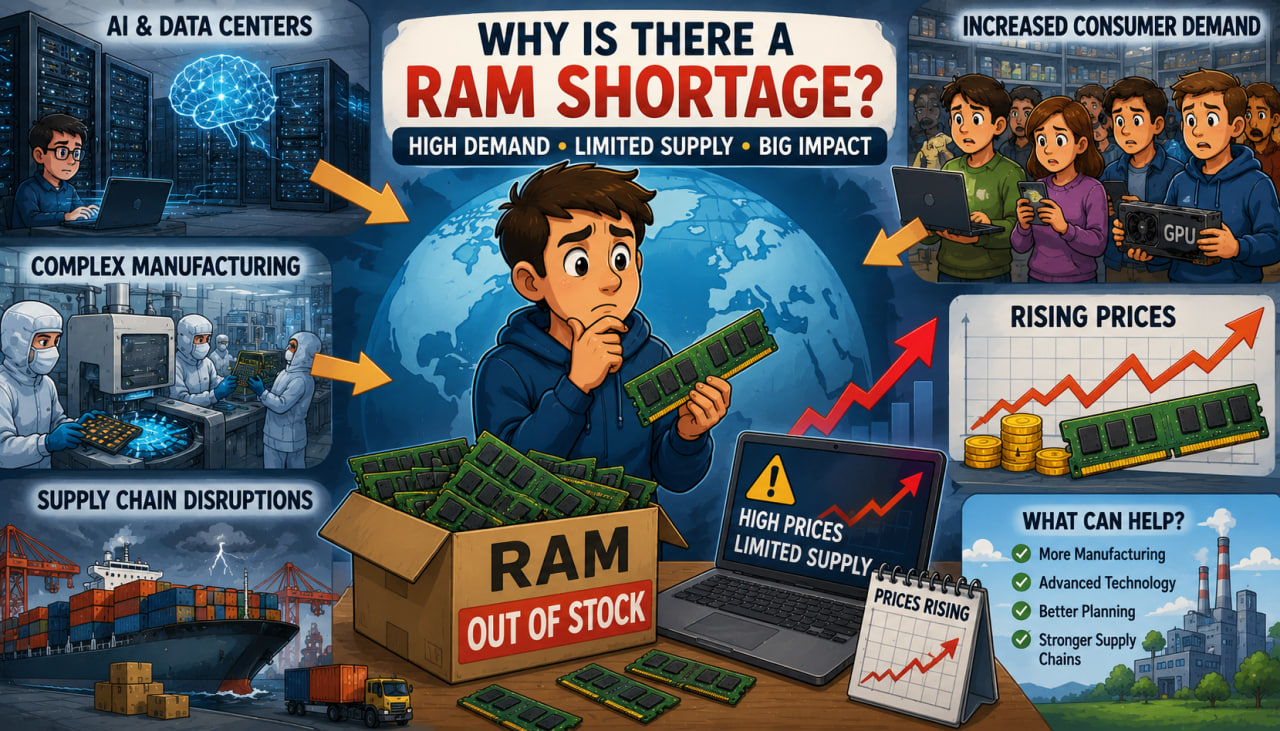
Random Access Memory, better known as RAM, is one of the most important components in modern computing. Every smartphone, laptop, gaming console, server, and artificial intelligence system relies on memory chips to function efficiently. Although RAM often receives less attention than processors or graphics cards, the global technology industry depends heavily on a stable memory supply. From time to time, however, the market experiences RAM shortages. During these periods, memory becomes more expensive, manufacturers struggle to secure supply, and consumers may face rising prices when purchasing computers or upgrading existing systems. Understanding why RAM shortages occur provides insight into how the modern electronics industry operates and why even small disruptions can have global consequences.

Computer Innovations of 2026: Technologies Shaping the Future of Computing
Hi-Tech Smart Technology Science

Computer Innovations of 2026: Technologies Shaping the Future of Computing

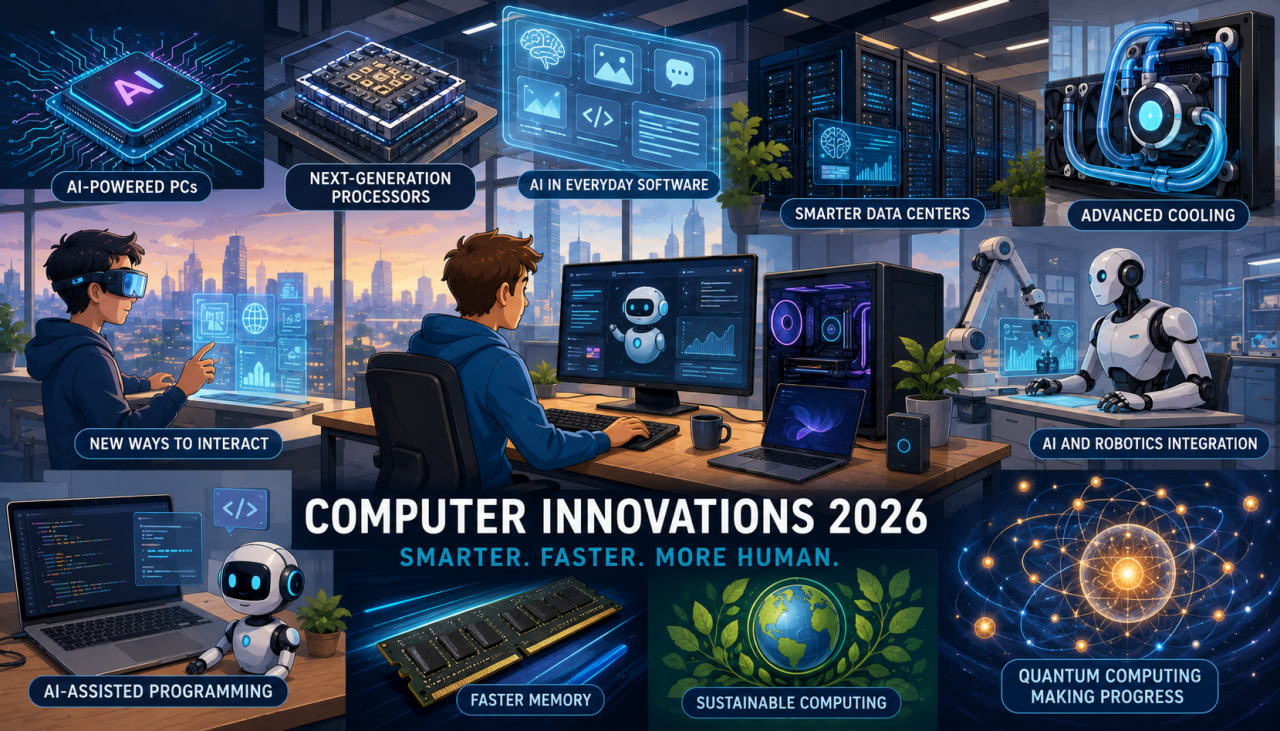
The year 2026 is becoming an exciting period for computer technology. Advances in artificial intelligence, processor design, memory systems, data centers, and human-computer interaction are transforming how computers operate and how people use them. While computers have become increasingly powerful over the past decades, recent innovations are focusing not only on raw performance but also on efficiency, intelligence, and adaptability. From AI-powered personal computers to next-generation chips and emerging quantum technologies, the computing industry is entering a new phase of development. These innovations are expected to influence everything from home computing and gaming to scientific research and industrial automation.

Epigenetic Clocks: How the Chemistry of DNA Reveals Biological Age
Bioengineering Science News

Epigenetic Clocks: How the Chemistry of DNA Reveals Biological Age

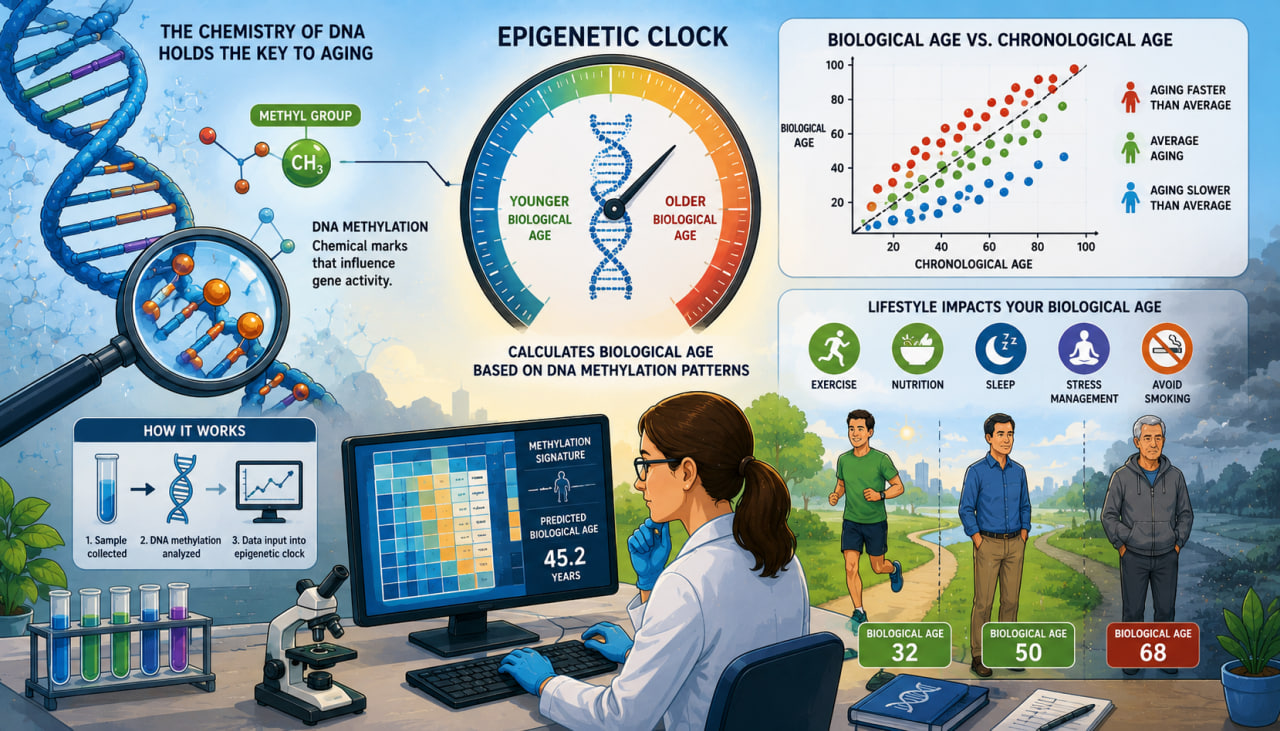
Most people know their chronological age—the number of years that have passed since their birth. However, scientists have increasingly discovered that chronological age does not always match biological age. Two people born on the same day can have remarkably different levels of health, disease risk, and life expectancy. This realization has led researchers to search for reliable ways to measure how old the body truly is. One of the most promising tools to emerge from this effort is the epigenetic clock. By analyzing chemical markers attached to DNA, scientists can estimate biological age with astonishing accuracy and gain insights into how quickly a person is aging. Some modern epigenetic clocks are so precise that they can predict age within a few years and, under certain laboratory conditions, detect changes that occur over relatively short periods. These discoveries are transforming aging research and may eventually help doctors monitor health in entirely new ways.

Enzymes: Biological Nanorobots That Outlive Molecules
Bioengineering Science Be Smart

Enzymes: Biological Nanorobots That Outlive Molecules

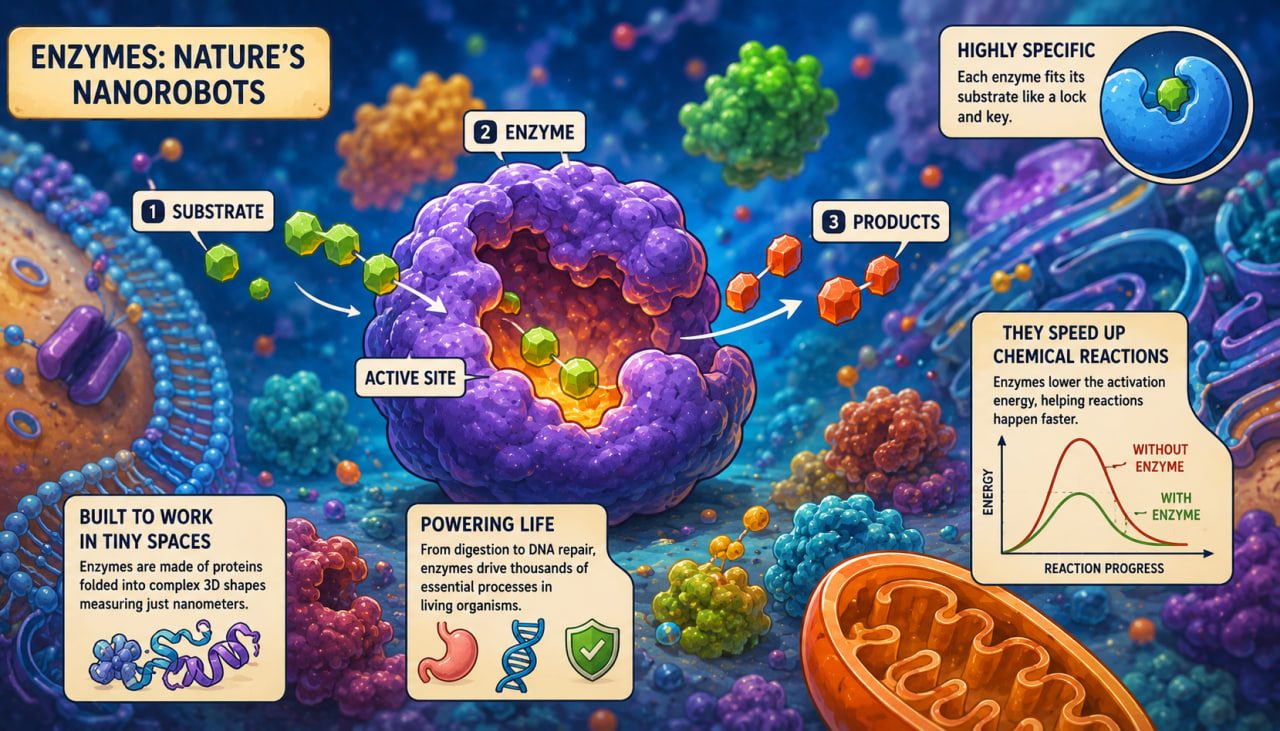
Life as we know it would be impossible without enzymes. Every heartbeat, every breath, every thought, and every movement depends on these remarkable biological molecules. Although invisible to the naked eye, enzymes perform trillions of chemical operations inside living organisms every second. Scientists often compare enzymes to molecular machines because of their extraordinary precision and efficiency. Some researchers even describe them as biological nanorobots—tiny structures capable of recognizing specific molecules, carrying out complex tasks, and repeating those tasks thousands or even millions of times. What makes enzymes particularly fascinating is that they often survive long after the molecules they process have disappeared. While the substances they act upon are transformed into entirely new compounds, the enzyme itself frequently remains unchanged and ready for another cycle of work.

Cryoelectronics: Why Computers Work Faster at Ultra-Low Temperatures
Hi-Tech Smart Technology Inventions

Cryoelectronics: Why Computers Work Faster at Ultra-Low Temperatures

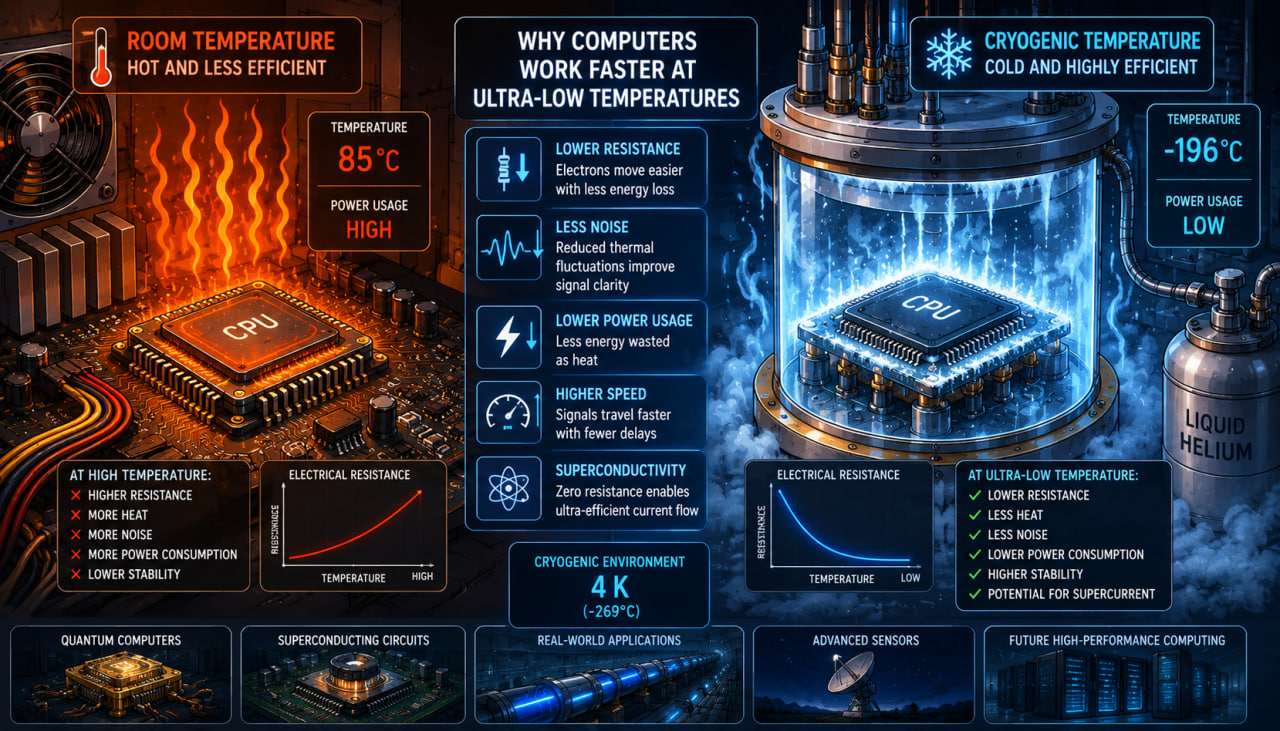
Modern computers have become astonishingly powerful, yet they face a fundamental challenge: heat. Every calculation performed by a processor generates energy losses that appear as heat, and as chips become faster and more densely packed, managing that heat becomes increasingly difficult. For decades, scientists and engineers have explored an intriguing solution—operating electronic systems at extremely low temperatures. This field, known as cryoelectronics, studies how electronic devices behave when cooled to temperatures far below freezing. Under these conditions, some components can operate faster, consume less power, and even exhibit entirely new physical properties. Cryoelectronics is already playing an important role in advanced scientific instruments, quantum computers, and experimental high-performance systems. But why exactly do computers often perform better in the cold?

Palantir: A Real-World Prototype of Skynet or Just an Advanced Data Platform?
AI & Ethics AI Challenges

Palantir: A Real-World Prototype of Skynet or Just an Advanced Data Platform?

Few technology companies inspire as much fascination and controversy as Palantir Technologies. Known for its powerful data analysis platforms and its work with governments, intelligence agencies, militaries, and large corporations, Palantir has often been compared to fictional artificial intelligence systems from science fiction. Some critics describe it as a step toward "Skynet," the self-aware AI from the Terminator franchise that eventually turns against humanity. Supporters argue that such comparisons are exaggerated and misunderstand what Palantir actually does. So, is Palantir really a prototype of Skynet, or is it something fundamentally different? The answer requires understanding both the company's technology and the growing role of artificial intelligence in modern decision-making.

AI-Generated Content Is Flooding the Internet: What Do Experts Say?
AI & Ethics AI Be Smart

AI-Generated Content Is Flooding the Internet: What Do Experts Say?

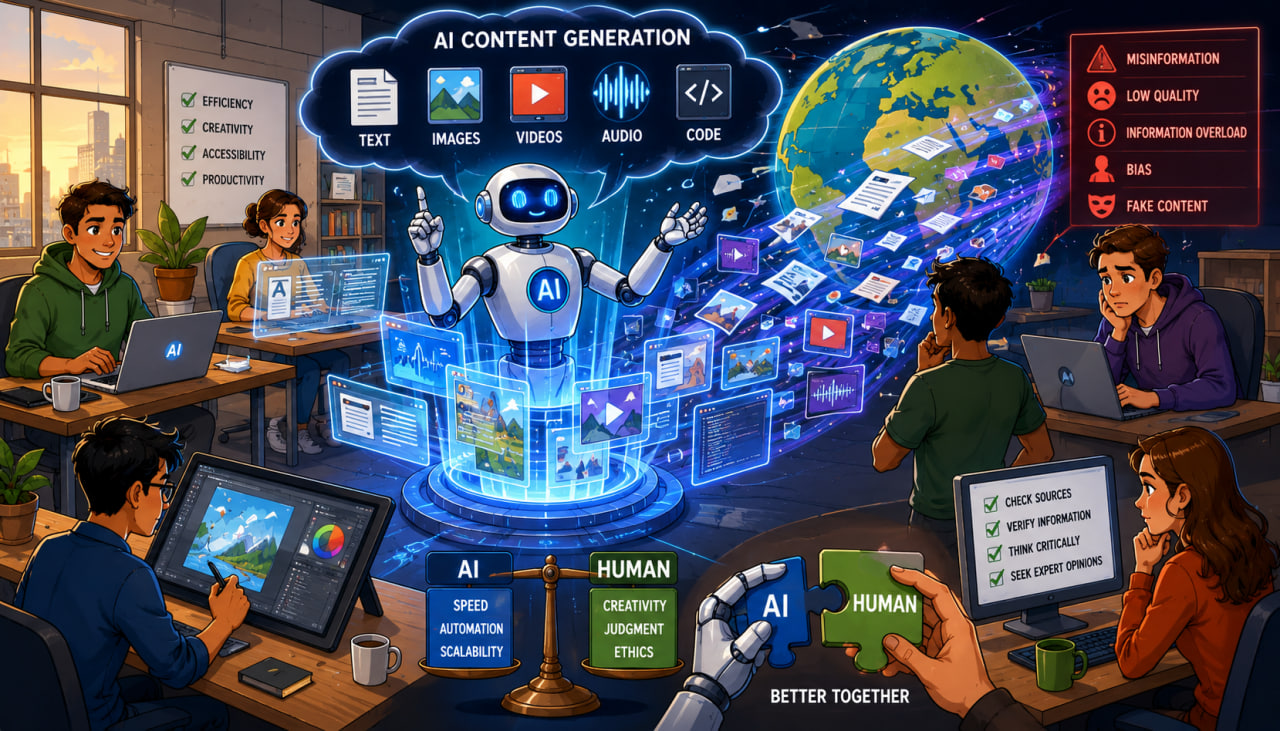
Artificial intelligence is transforming the internet at an unprecedented pace. Just a few years ago, most online articles, images, videos, and social media posts were created entirely by humans. Today, AI systems can generate blog posts, illustrations, marketing materials, code, videos, and even realistic voices within seconds. As a result, the amount of AI-generated content online is growing rapidly. Some experts see this as a revolutionary development that will democratize creativity and knowledge sharing. Others warn that it could lead to misinformation, lower content quality, and an internet increasingly filled with repetitive material. The debate is far from settled, but one thing is clear: AI-generated content is already reshaping the digital world.

Plastic Fuel: Can Waste Plastic Become High-Octane Fuel for Transportation?
Science Inventions Challenges

Plastic Fuel: Can Waste Plastic Become High-Octane Fuel for Transportation?

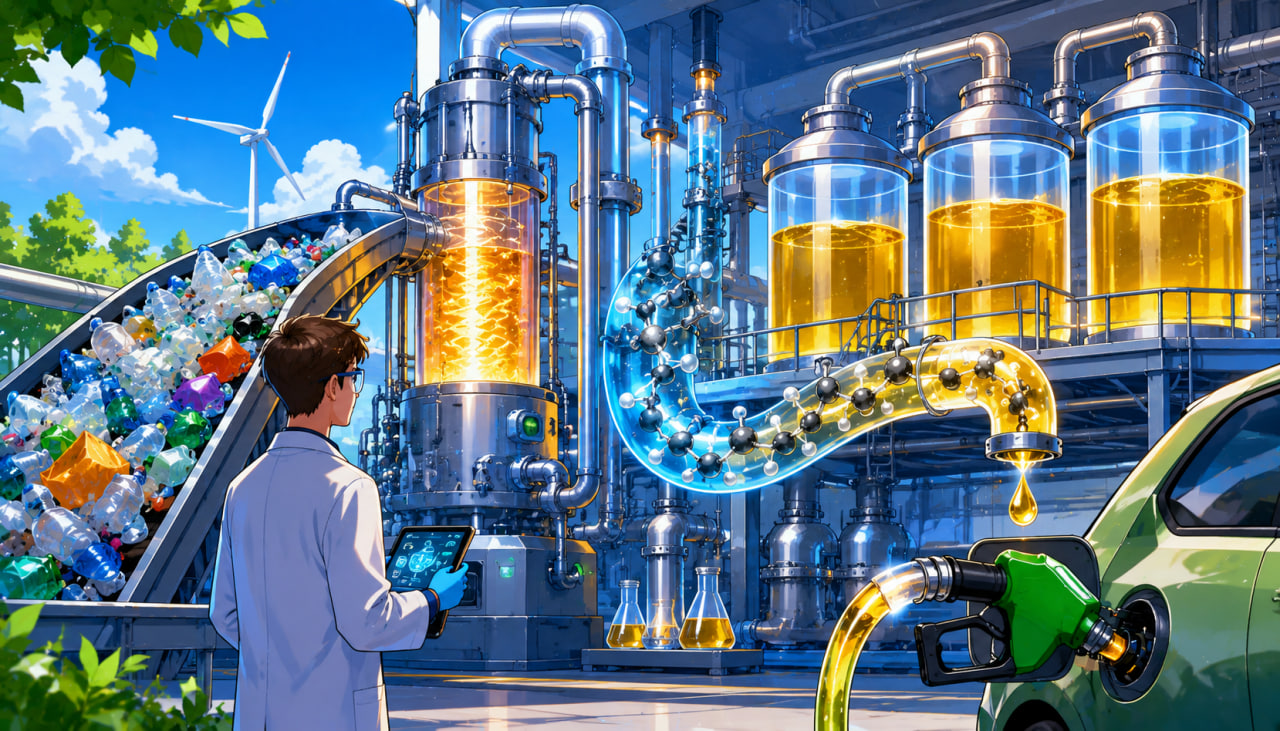
Plastic waste is one of the most pressing environmental challenges of the modern world. Millions of tons of plastic enter landfills, rivers, and oceans every year, creating long-term pollution problems. At the same time, society continues to depend heavily on liquid fuels for transportation. These two issues have inspired scientists and engineers to explore an intriguing solution: converting waste plastic into fuel. Over the past several decades, researchers have developed technologies capable of transforming certain plastics into liquid hydrocarbons that can be used as fuel or refined into fuel components. Some experimental and commercial processes have produced fuels with properties similar to gasoline, diesel, or jet fuel. In certain cases, the resulting fuel fractions can exhibit very high octane ratings, sometimes exceeding 100, depending on feedstock composition and refining methods. This article explores the science behind plastic-to-fuel technologies, their advantages, limitations, and their potential role in future energy systems.