News

Asbestos: The “Miracle Mineral” That Became a Global Health Hazard
Be Smart Inventions News

Asbestos: The “Miracle Mineral” That Became a Global Health Hazard

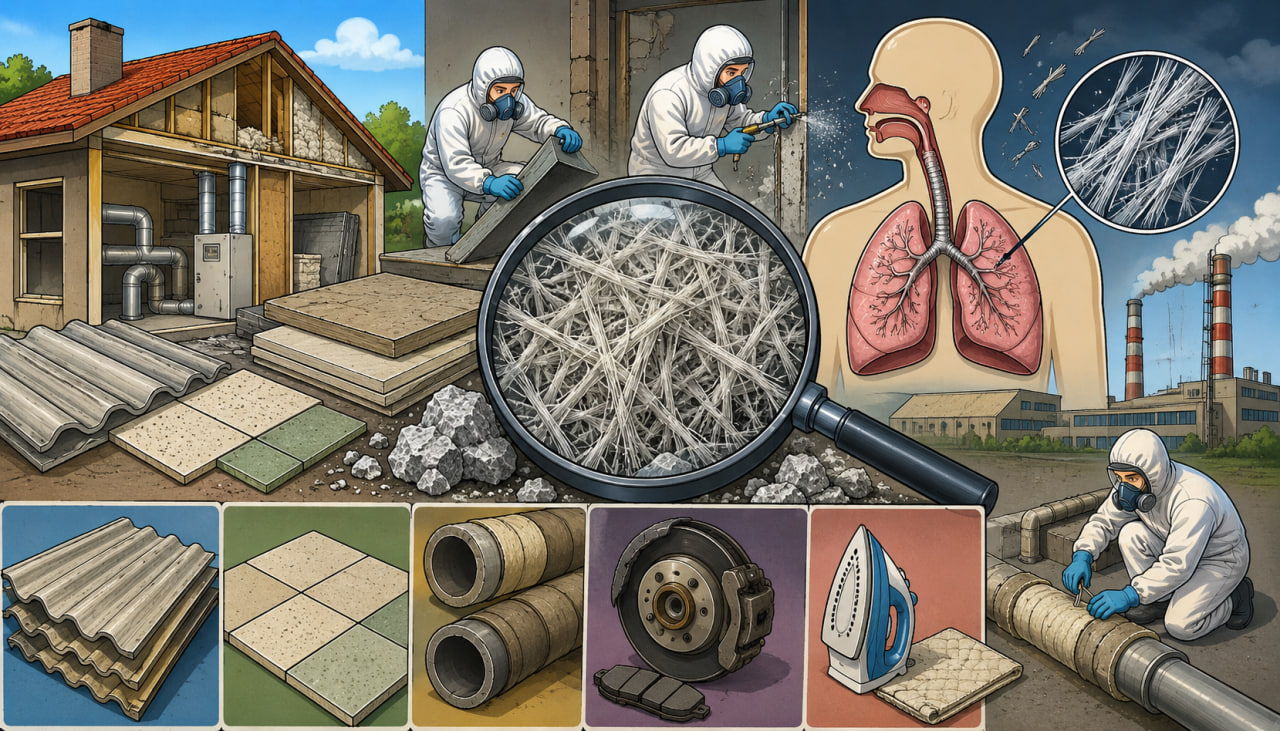
For much of the 20th century, asbestos was celebrated as a wonder material. Its remarkable resistance to heat, fire, and chemicals made it a key ingredient in construction, manufacturing, and insulation. However, decades of scientific research eventually revealed a darker reality: asbestos exposure can cause severe and often fatal diseases. Today, it is considered one of the most dangerous industrial materials ever widely used.
How Air Ionization Influences the Electrostatic Charge of Microplastics and Nanoplastics
Smart Technology Smart Home New Discoveries

How Air Ionization Influences the Electrostatic Charge of Microplastics and Nanoplastics

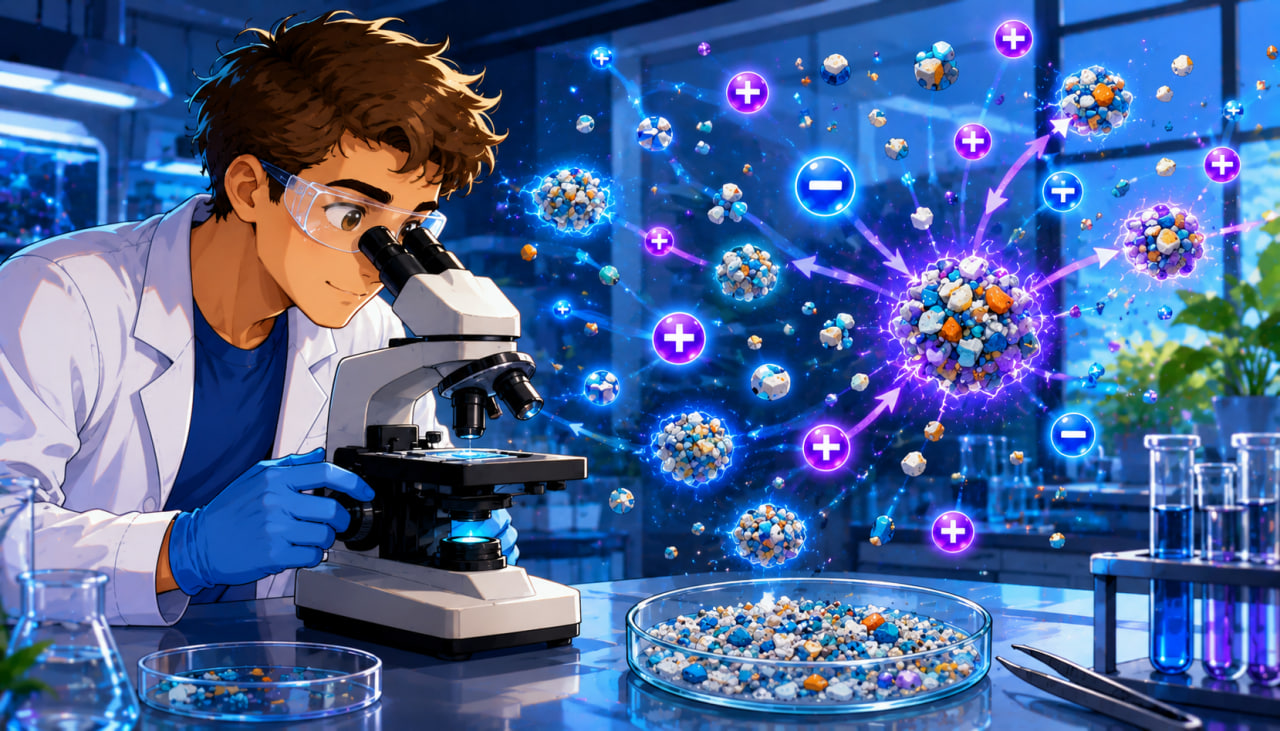
Microplastics and nanoplastics have become some of the most intensively studied environmental pollutants of the 21st century. These tiny plastic particles are found in oceans, rivers, soil, food, drinking water, and even the air we breathe. While much attention has focused on their chemical composition and biological effects, scientists are increasingly interested in another important property: electrostatic charge. Many airborne plastic particles naturally acquire electrical charges through friction, sunlight exposure, atmospheric interactions, and industrial processes. Air ionization can significantly alter these charges, influencing how microplastics and nanoplastics move, aggregate, settle, and interact with living organisms. Understanding this relationship is important for environmental science, pollution control, indoor air quality, and future technologies designed to remove plastic particles from the atmosphere.

Fullerenes and Nanotubes: The Sporting Shapes of Pure Carbon
Hi-Tech Science New Discoveries

Fullerenes and Nanotubes: The Sporting Shapes of Pure Carbon

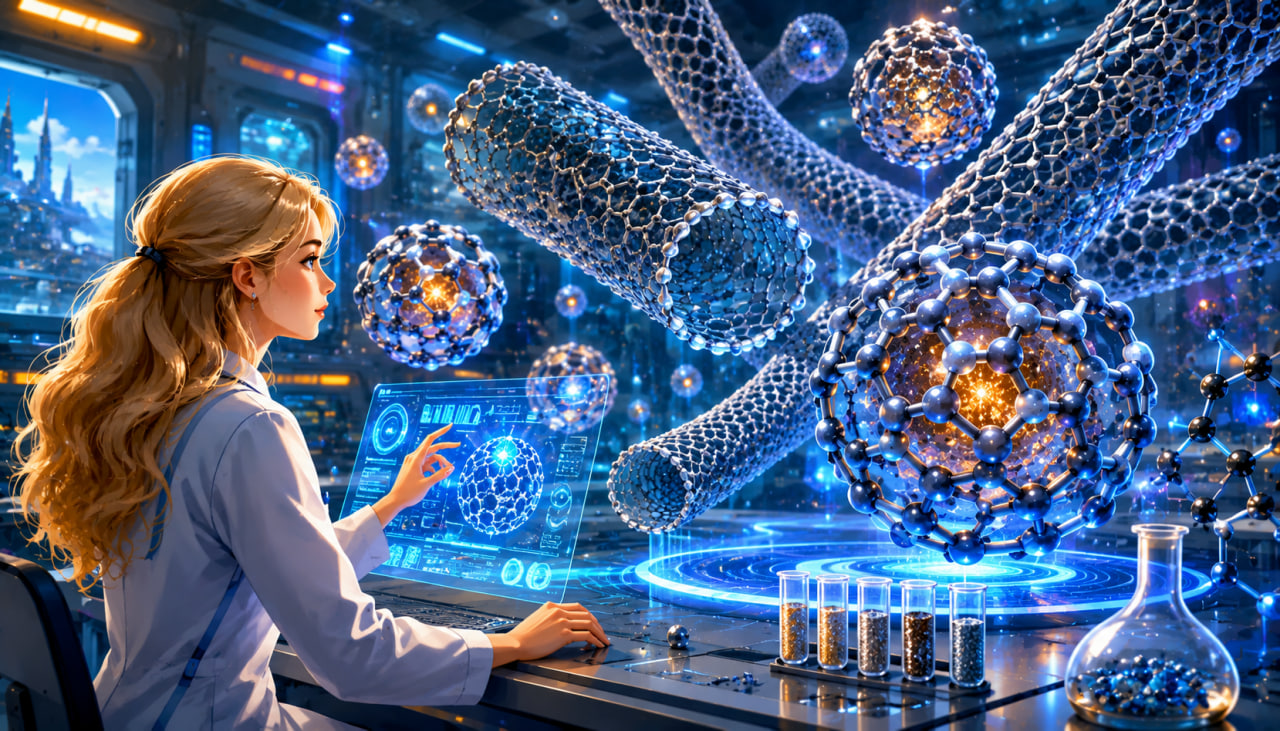
Carbon is one of the most remarkable elements in the universe. It forms the basis of all known life and exists in a surprising variety of structures. Most people are familiar with carbon as graphite in pencils or as diamond in jewelry. However, during the late twentieth century, scientists discovered entirely new forms of carbon that revolutionized materials science and nanotechnology. Among the most fascinating are fullerenes and carbon nanotubes. These structures consist entirely of carbon atoms, yet their shapes resemble soccer balls, tubes, and futuristic engineering components. Their discovery revealed that carbon is capable of forming geometries far more complex than previously imagined. Today, fullerenes and nanotubes are at the center of research into advanced electronics, medicine, energy storage, and next-generation materials.

Sol-Gel Technology: How Can Glass or Ceramics Be Grown Like a Flower?
Science New Discoveries News

Sol-Gel Technology: How Can Glass or Ceramics Be Grown Like a Flower?

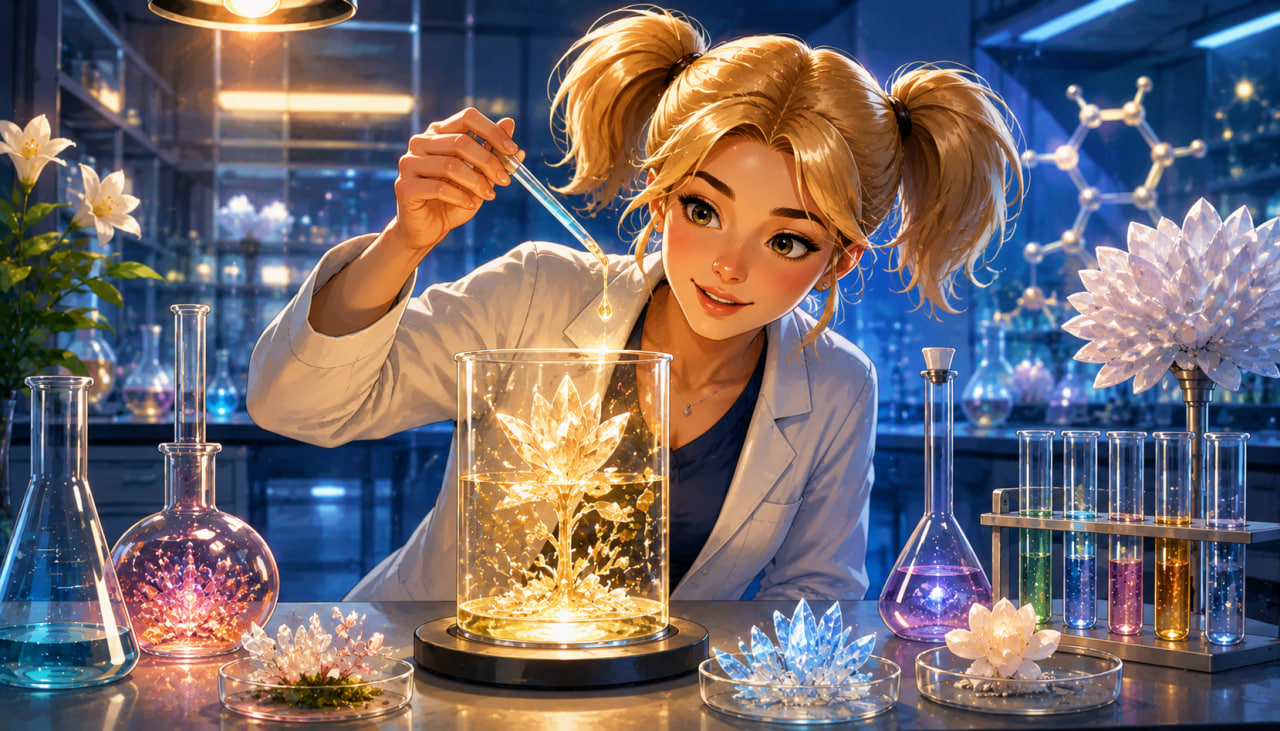
When most people think of glass or ceramics, they imagine materials created in blazing furnaces at extremely high temperatures. Traditional manufacturing often requires melting raw materials at temperatures exceeding 1,000°C. However, modern materials science has developed a surprisingly elegant alternative known as sol-gel technology. This method allows scientists to create advanced glass, ceramics, coatings, and even nanomaterials through chemical processes that occur at relatively low temperatures. Instead of shaping molten material, researchers can "grow" complex structures from liquid solutions, much like crystals forming in nature or flowers developing from seeds. Today, sol-gel technology plays a vital role in fields ranging from electronics and medicine to aerospace engineering and renewable energy.

Hydrophilic and Hydrophobic Elements: How Chemistry Creates Cell Membranes
Hi-Tech Bioengineering Science

Hydrophilic and Hydrophobic Elements: How Chemistry Creates Cell Membranes

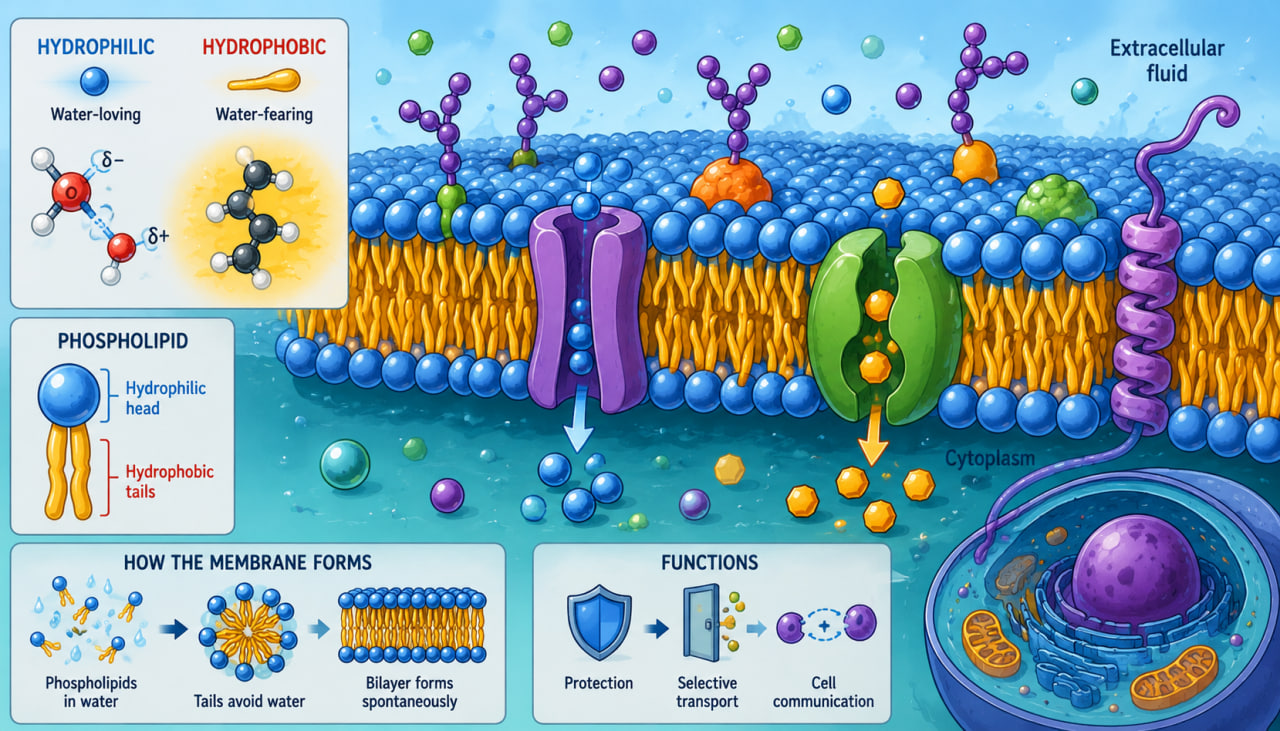
Every living organism, from the smallest bacterium to the largest whale, depends on cell membranes. These incredibly thin structures separate the inside of a cell from its surroundings, regulate the movement of substances, and help maintain the conditions necessary for life. What makes cell membranes especially fascinating is that they assemble themselves almost automatically. This remarkable phenomenon is possible because of two fundamental chemical properties: hydrophilicity and hydrophobicity. The interaction between water-loving and water-repelling molecules creates one of biology's most important structures—the cell membrane. Understanding how hydrophilic and hydrophobic elements work provides insight into the chemistry behind life itself.

Molecular Machines: The Nobel Prize for Robots the Size of Molecules
Neuro-Tech Bioengineering Inventions

Molecular Machines: The Nobel Prize for Robots the Size of Molecules

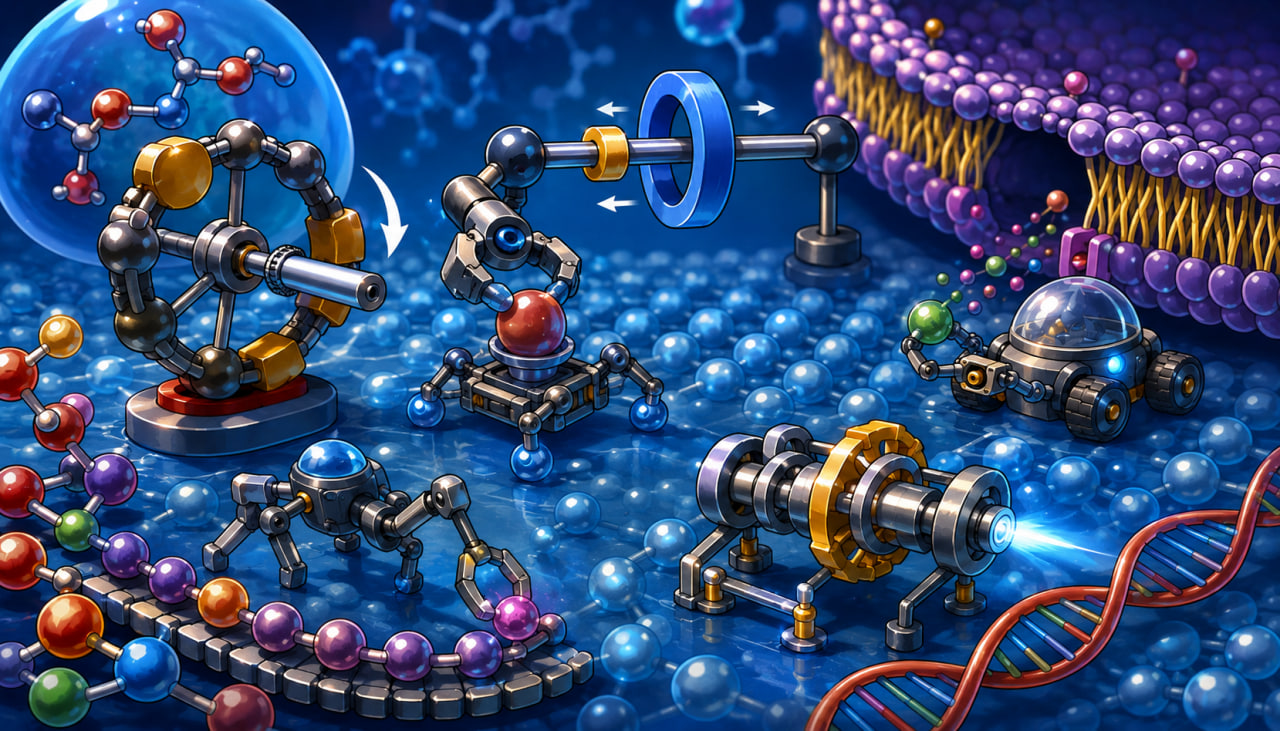
When people hear the word "robot," they usually imagine machines made of metal, wires, and electronic components. However, some of the most remarkable machines ever created are so small that millions of them could fit on the tip of a needle. These are molecular machines—structures built from individual molecules that can perform controlled movements and mechanical tasks. The development of molecular machines was such a groundbreaking achievement that the 2016 Nobel Prize in Chemistry was awarded to three scientists: Jean-Pierre Sauvage, Sir J. Fraser Stoddart, and Bernard L. Feringa. Their work opened the door to an entirely new field where chemistry, nanotechnology, and engineering intersect. Although molecular machines are still in the early stages of development, many scientists believe they could one day revolutionize medicine, computing, manufacturing, and materials science.

The de Broglie–Bohm Theory: Is the Universe a Giant Deterministic Machine Without Randomness?
Science What if? Physics

The de Broglie–Bohm Theory: Is the Universe a Giant Deterministic Machine Without Randomness?

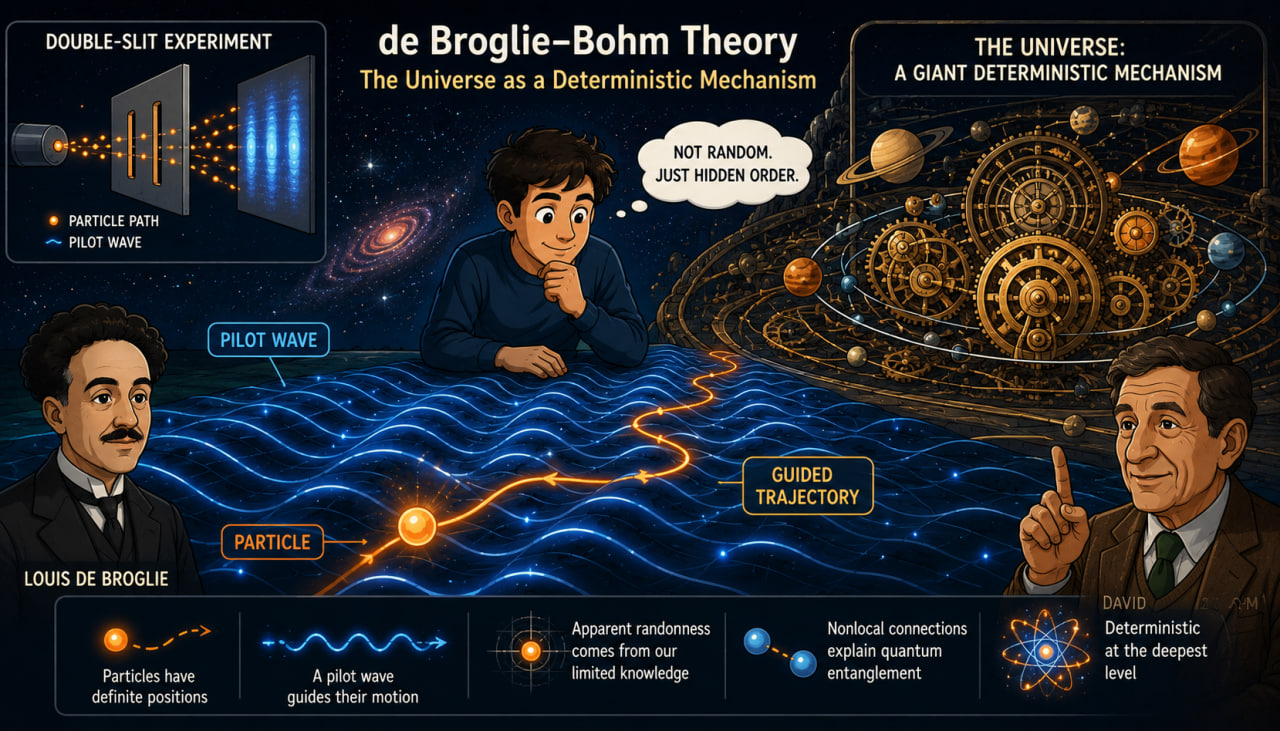
Quantum mechanics is famous for introducing uncertainty into physics. According to the standard interpretation, many events at the quantum level are fundamentally random. Particles do not have definite positions until measured, and probabilities seem to play a central role in the behavior of nature. However, not all physicists have accepted this view. One of the most intriguing alternatives is the de Broglie–Bohm theory, also known as Bohmian mechanics or the pilot-wave theory. This interpretation suggests that the universe may actually be completely deterministic, with particles following precise trajectories guided by an invisible quantum wave. If correct, randomness may not be a fundamental feature of reality at all. Instead, the universe could operate like a vast cosmic mechanism whose future is determined by hidden underlying laws.

GPT-5.5: What's New in OpenAI's Next-Generation AI Model?
AI & Ethics AI News

GPT-5.5: What's New in OpenAI's Next-Generation AI Model?

Artificial intelligence continues to evolve at an extraordinary pace, and one of the most anticipated developments is the arrival of GPT-5.5. Building upon the capabilities of earlier GPT models, GPT-5.5 represents another step toward more capable, reliable, and useful AI systems. Modern AI models are no longer limited to answering simple questions. They can: Write articles Analyze data Generate code Assist with research Interpret images Support education and productivity GPT-5.5 aims to improve many of these capabilities while reducing some of the limitations that affected earlier generations. Although AI development is an ongoing process rather than a single breakthrough, each new model brings significant refinements in: Accuracy Reasoning Speed Context understanding User interaction Understanding what makes GPT-5.5 different helps illustrate the broader direction of modern artificial intelligence.

Exotic Matter: The Hypothetical Substance with Negative Mass
Science What if? News

Exotic Matter: The Hypothetical Substance with Negative Mass

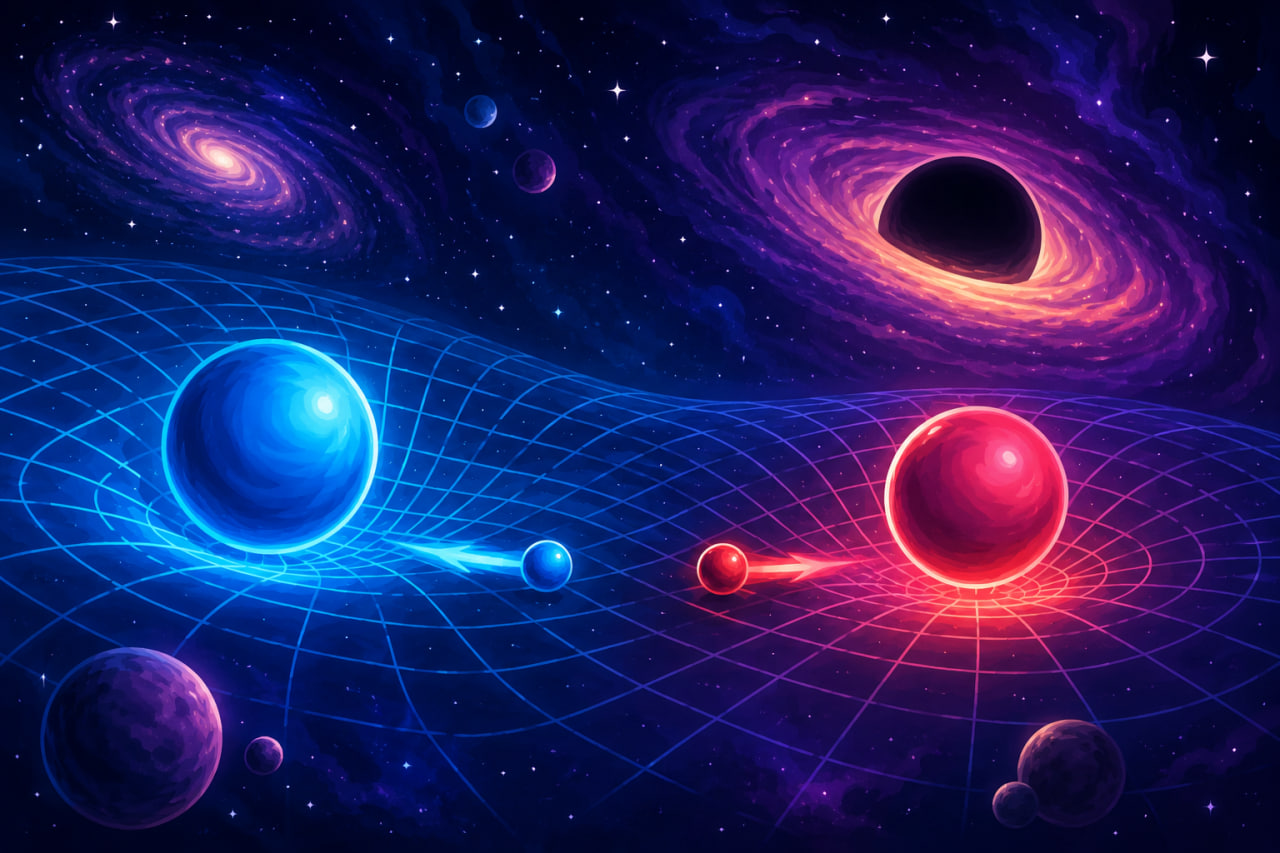
Among the strangest ideas in modern physics is the concept of exotic matter—a hypothetical form of matter that behaves in ways completely unlike anything we encounter in everyday life. Ordinary matter has: Positive mass Positive energy density Normal gravitational behavior Exotic matter, in some theoretical models, may possess: Negative mass Negative energy density Unusual gravitational properties If such matter exists, it could potentially make possible some of the most extraordinary concepts ever proposed by physicists, including: Wormholes Warp drives Time machines Antigravity-like effects At present, exotic matter remains largely theoretical. However, the mathematics of modern physics continues to suggest that nature may allow phenomena far stranger than our everyday experience. Understanding exotic matter takes us to the frontier where: Quantum mechanics Relativity Cosmology meet some of the biggest mysteries of the universe.

Theory of Everything: Why Gravity Refuses to Get Along with Quantum Physics
Universe Science What if?

Theory of Everything: Why Gravity Refuses to Get Along with Quantum Physics

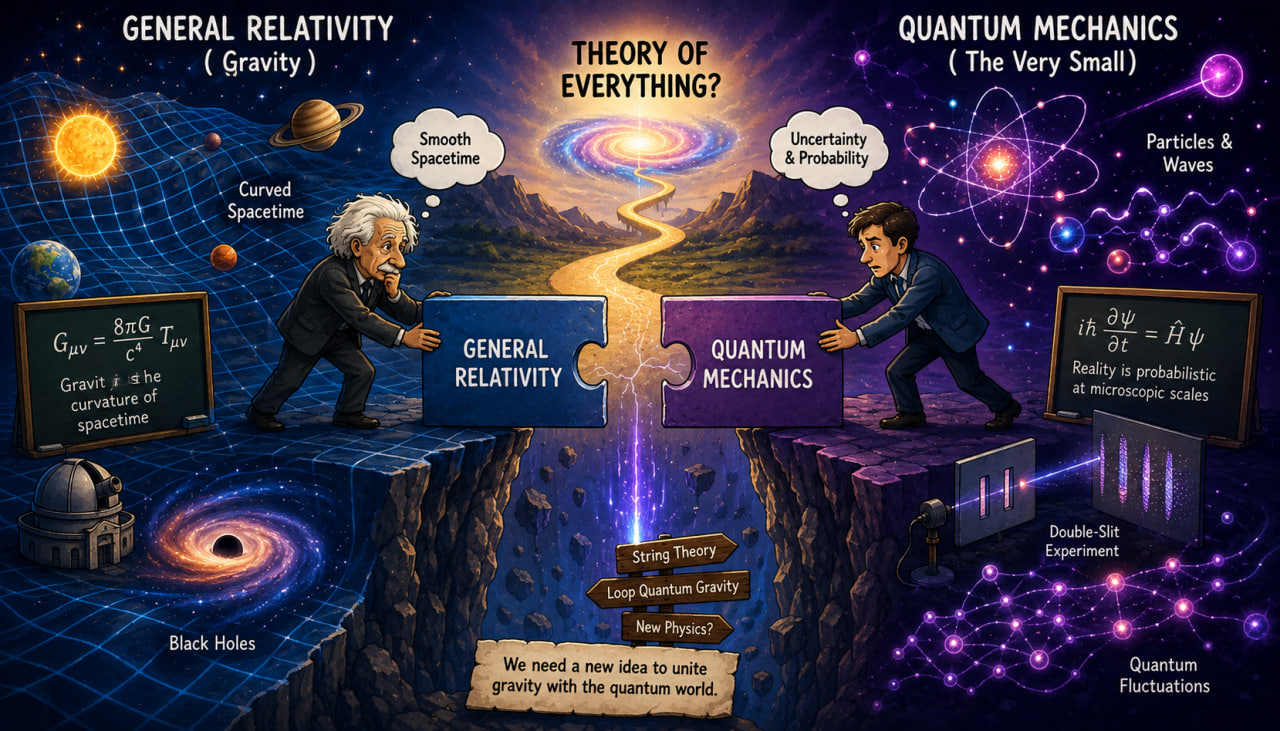
Modern physics is built upon two extraordinarily successful theories. The first is: Quantum Mechanics which describes the behavior of: Atoms Electrons Photons Subatomic particles The second is: General Relativity developed by Albert Einstein to explain: Gravity Space Time The structure of the universe Both theories have passed countless experimental tests and are among the greatest achievements in scientific history. Yet there is a major problem: The two theories do not work well together. When physicists try to combine gravity with quantum mechanics, the mathematics often breaks down. This conflict has inspired one of the most ambitious goals in science: The Theory of Everything a single framework capable of explaining all fundamental forces and particles in the universe. Finding such a theory would represent one of humanity's greatest intellectual achievements.