News

Dating Algorithms: How Tinder and Modern Apps Choose Potential Partners for Us
Smart Technology AI Be Smart

Dating Algorithms: How Tinder and Modern Apps Choose Potential Partners for Us

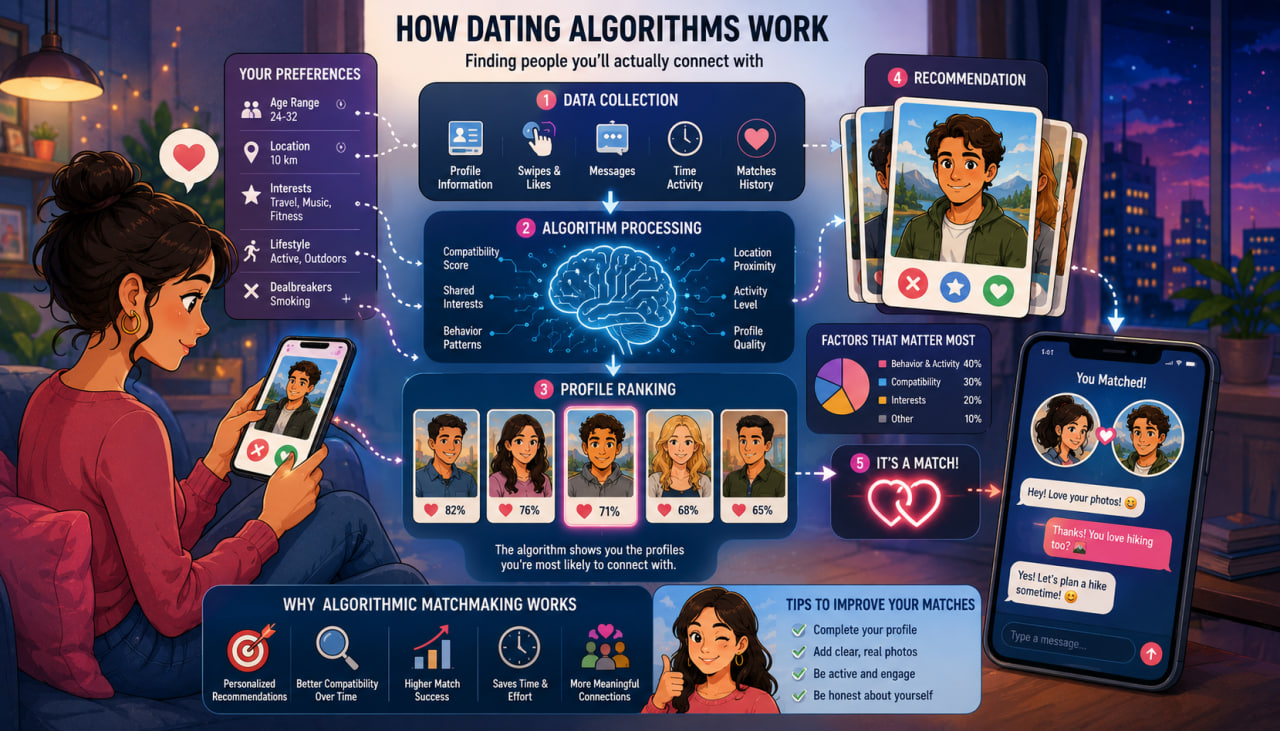
Modern dating has changed dramatically over the last decade. Instead of meeting through friends, workplaces, or random encounters, millions of people now rely on dating apps powered by complex algorithms. Platforms like Tinder, Bumble, Hinge, and others do much more than simply display random profiles — they actively analyze behavior, preferences, and interaction patterns to determine which people users are most likely to engage with. Behind every swipe lies a sophisticated digital system designed to maximize compatibility, attention, and user activity. These algorithms influence modern relationships in ways many people do not fully realize. So how do dating algorithms actually work, and how do apps decide who appears on your screen?
Digital Money: How It Appeared and Why It Is Changing the Global Economy
History Smart Technology New Discoveries

Digital Money: How It Appeared and Why It Is Changing the Global Economy

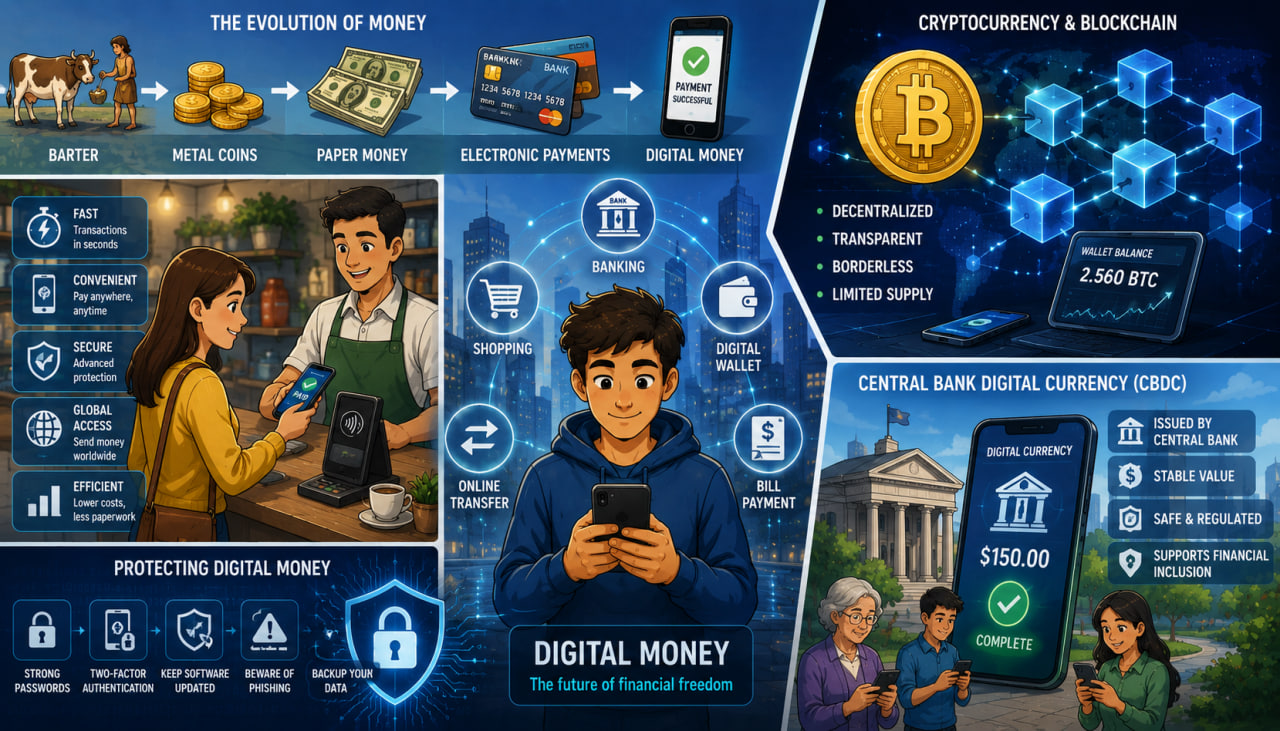
Money has evolved dramatically throughout human history. Ancient civilizations once relied on barter systems, then moved to metal coins, paper banknotes, and eventually electronic banking. Today, humanity is entering another major financial transformation — the era of digital money. Digital money is rapidly becoming a central part of modern economies. People increasingly pay using smartphones, bank apps, online transfers, cryptocurrencies, and contactless systems rather than physical cash. Governments, banks, and technology companies are investing billions into digital financial infrastructure, while economists debate how these technologies may reshape society. But what exactly is digital money, how did it emerge, and why do many experts believe it may become dominant in the future?

Cyber Weapons: How Critical Infrastructure Like Nuclear Plants and Water Systems Gets Hacked — and How Experts Defend Against It
AI & Ethics AI New Discoveries

Cyber Weapons: How Critical Infrastructure Like Nuclear Plants and Water Systems Gets Hacked — and How Experts Defend Against It

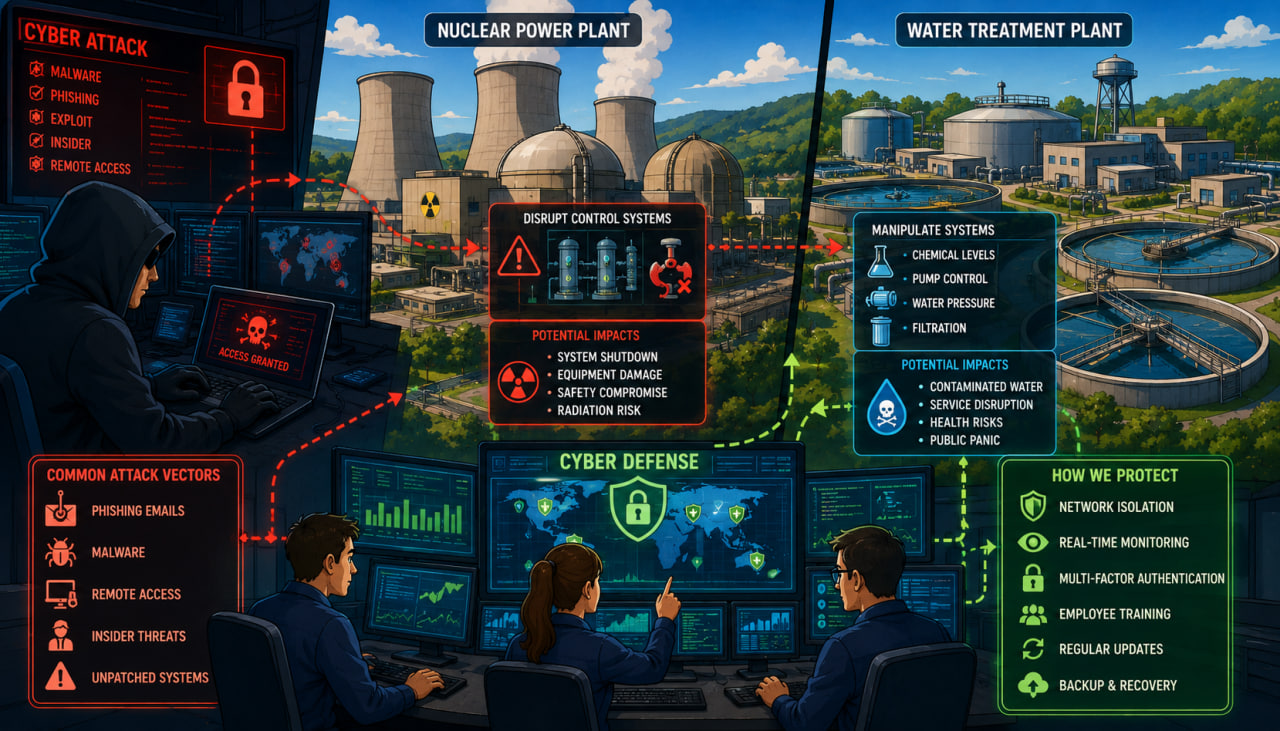
Modern civilization depends on invisible digital systems. Electricity grids, nuclear power plants, transportation networks, hospitals, water treatment facilities, and industrial factories increasingly rely on computers and internet-connected technologies. While this improves efficiency and automation, it also creates dangerous vulnerabilities. Today, cyberattacks are no longer limited to stealing passwords or damaging websites. Governments and cybersecurity experts warn that cyber weapons can target entire infrastructures capable of affecting millions of people. Attacks on power stations, pipelines, and water systems demonstrate that digital warfare has become one of the most serious security challenges of the 21st century.

The Metamorphosis of Labor: Which Professions Could Disappear by 2030?
AI & Ethics AI News

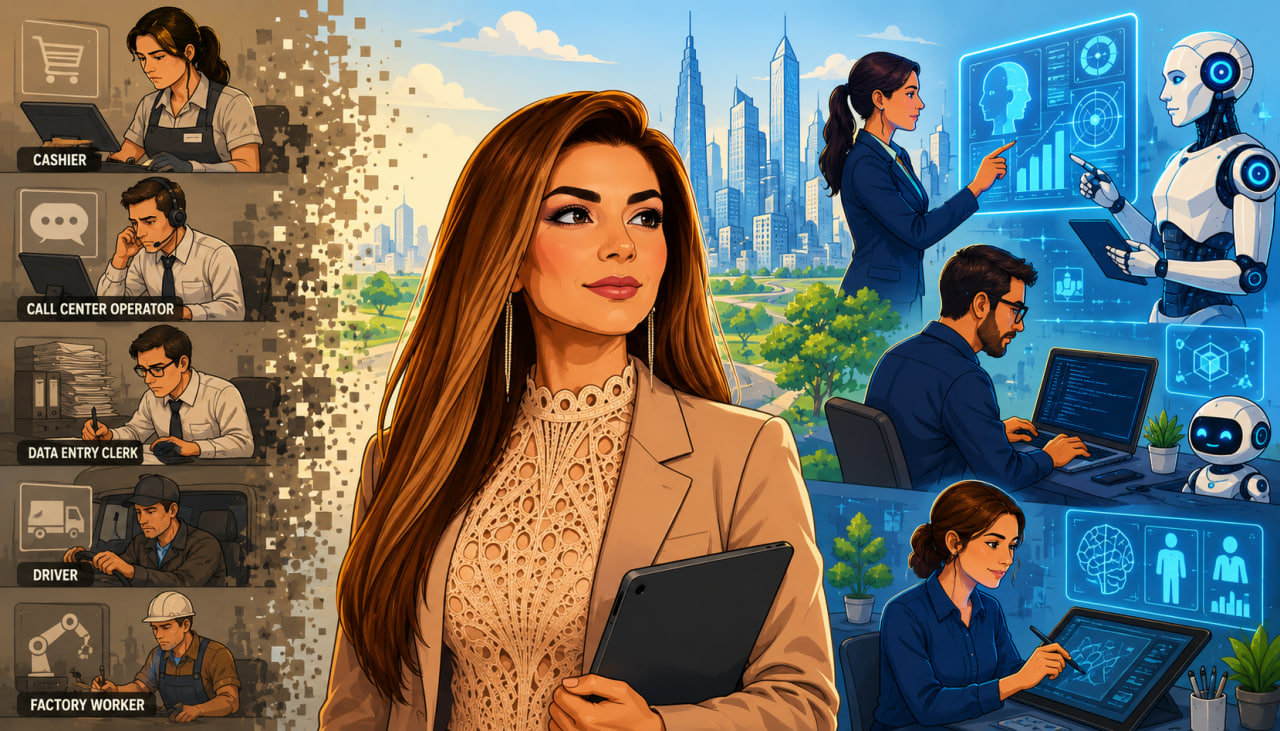
The Metamorphosis of Labor: Which Professions Could Disappear by 2030?

The world of work is changing faster than at any other point in modern history. Artificial intelligence, robotics, automation, and digital platforms are transforming industries that once seemed stable and permanent. Tasks that previously required human workers can now be performed by algorithms, machines, or intelligent systems with increasing speed and accuracy. Experts predict that by 2030, millions of jobs will change dramatically — and some professions may disappear almost entirely. However, this transformation is not only about job loss. It is also about the emergence of entirely new forms of work, skills, and economic structures. Understanding these changes is becoming essential for workers, businesses, and society itself.

Smart Dust: Could Tiny Flying Robots Fill the Air in the Future?
Hi-Tech Smart Technology Inventions

Smart Dust: Could Tiny Flying Robots Fill the Air in the Future?

Imagine billions of microscopic machines floating invisibly through the air, collecting information, monitoring the environment, communicating with each other, and possibly interacting with the world around them. This futuristic concept is known as smart dust — a network of extremely small sensors or micro-robots capable of sensing, processing, and transmitting data. Once considered science fiction, smart dust is now an active area of scientific research involving nanotechnology, robotics, wireless communication, and artificial intelligence. Researchers believe these microscopic systems could transform medicine, industry, environmental science, and even military technology. But could such tiny machines really one day fly through the air around us?

Modern Ships: What Has Changed Over the Last 100 Years?
History Hi-Tech Smart Technology

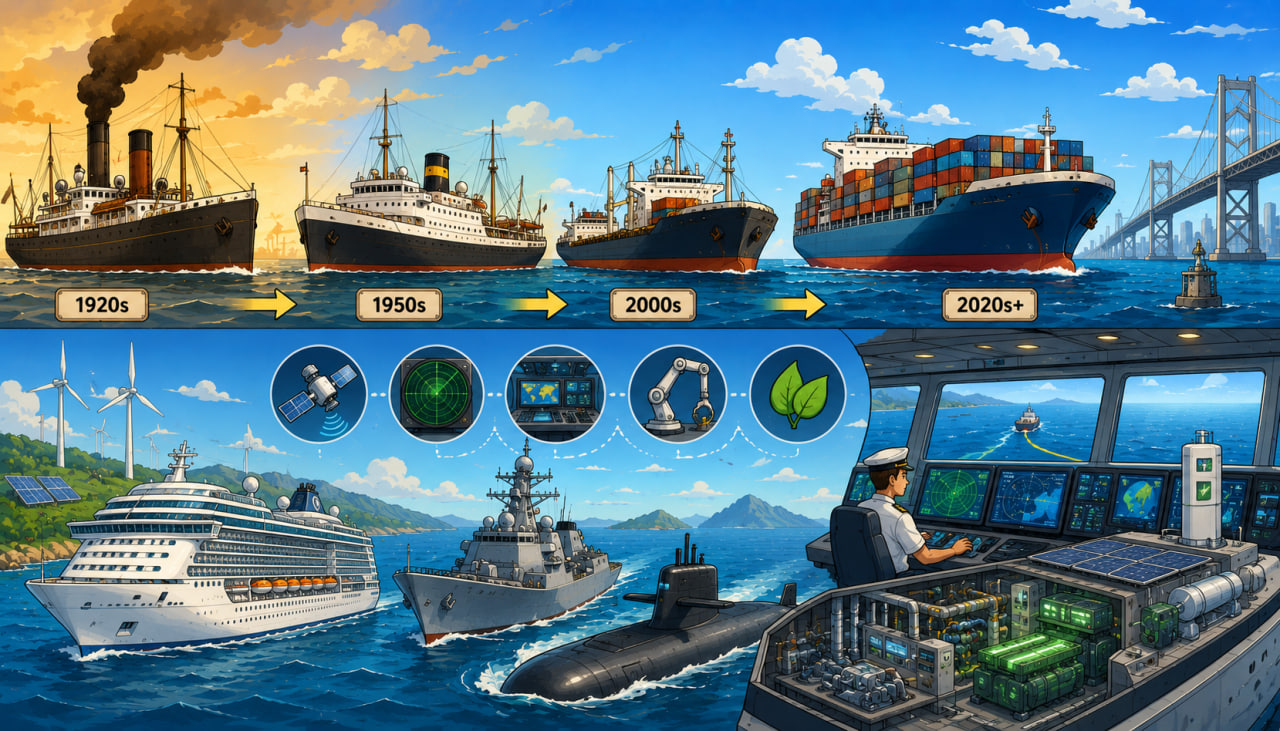
Modern Ships: What Has Changed Over the Last 100 Years?

Ships have played a crucial role in human civilization for thousands of years, connecting continents, transporting goods, enabling exploration, and supporting global trade. Over the past century, ship technology has evolved dramatically. Modern vessels are faster, safer, larger, more efficient, and far more technologically advanced than ships from the early 20th century. Understanding these changes reveals how engineering, automation, and globalization transformed maritime transportation.

How Diamonds Are Grown: The Science Behind Lab-Created Gems
Science Physics News

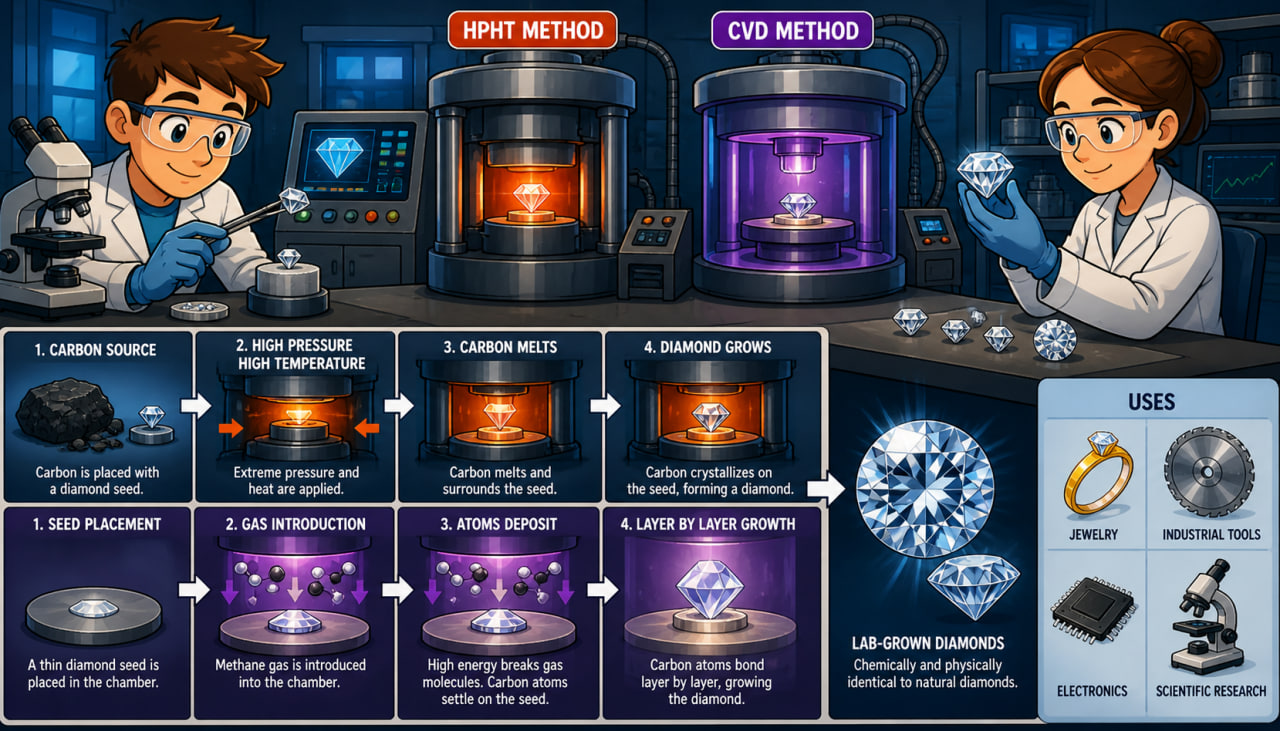
How Diamonds Are Grown: The Science Behind Lab-Created Gems

Diamonds have long been associated with rarity, beauty, and immense value. Traditionally formed deep within the Earth over billions of years, diamonds are now being produced in laboratories using advanced technology. These lab-grown diamonds are chemically and physically identical to natural ones. Understanding how they are created reveals how science can replicate one of nature’s most extraordinary processes in a controlled environment.

Self-Driving Cars: How Autonomous Vehicles Are Transforming Transportation
Hi-Tech Smart Technology Tesla&Co

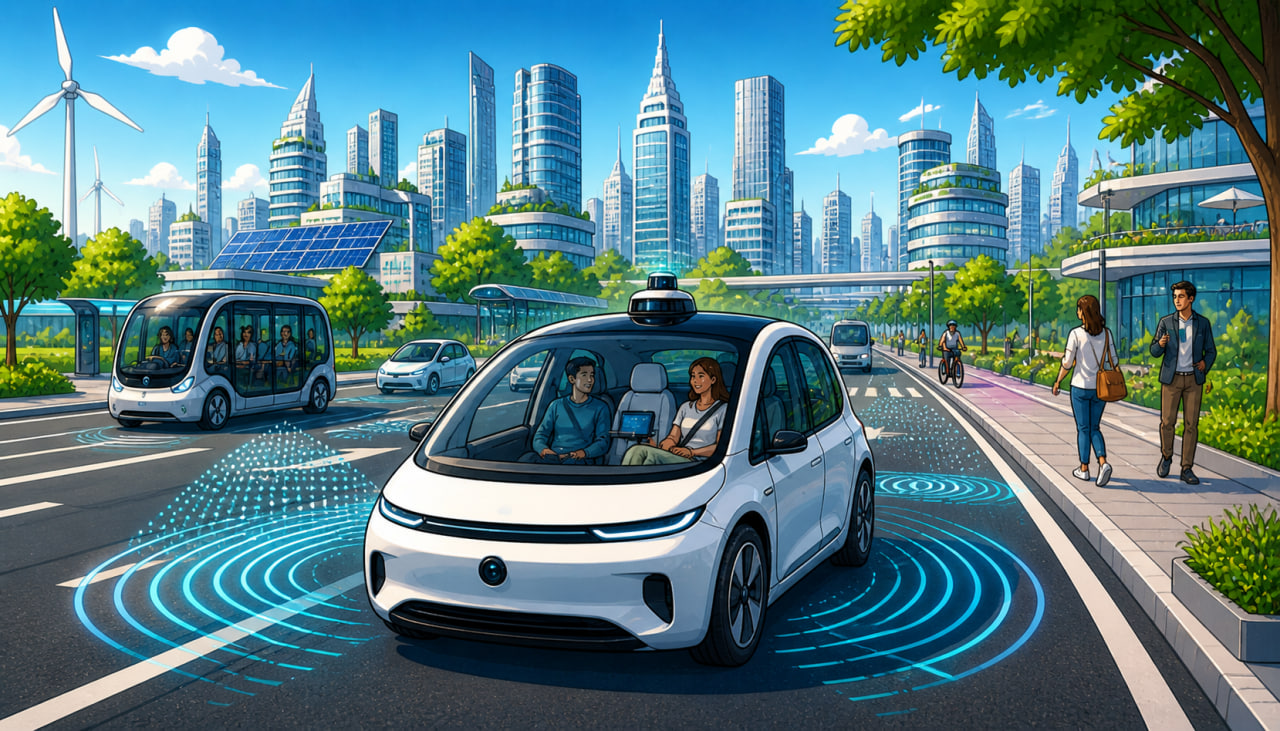
Self-Driving Cars: How Autonomous Vehicles Are Transforming Transportation

Self-driving cars, also known as autonomous vehicles, represent one of the most exciting technological advancements of the 21st century. These vehicles are designed to navigate and operate without human intervention, using advanced sensors, artificial intelligence, and real-time data processing. As the technology continues to evolve, self-driving cars have the potential to revolutionize transportation, improve safety, and reshape cities.

Eiffel Tower: Engineering Marvel and Symbol of Paris
History Be Smart Inventions

Eiffel Tower: Engineering Marvel and Symbol of Paris

The Eiffel Tower is one of the most recognizable landmarks in the world and a symbol of both Paris and modern engineering. Built in the late 19th century, it demonstrated that iron structures could reach unprecedented heights. Today, it remains a masterpiece of design, attracting millions of visitors every year. Understanding how the Eiffel Tower was built reveals the innovation, precision, and bold vision that defined a new era of architecture.

Kozyrev Mirrors: Exploring the Idea of Time, Consciousness, and Space
Smart Technology New Discoveries Inventions

Kozyrev Mirrors: Exploring the Idea of Time, Consciousness, and Space

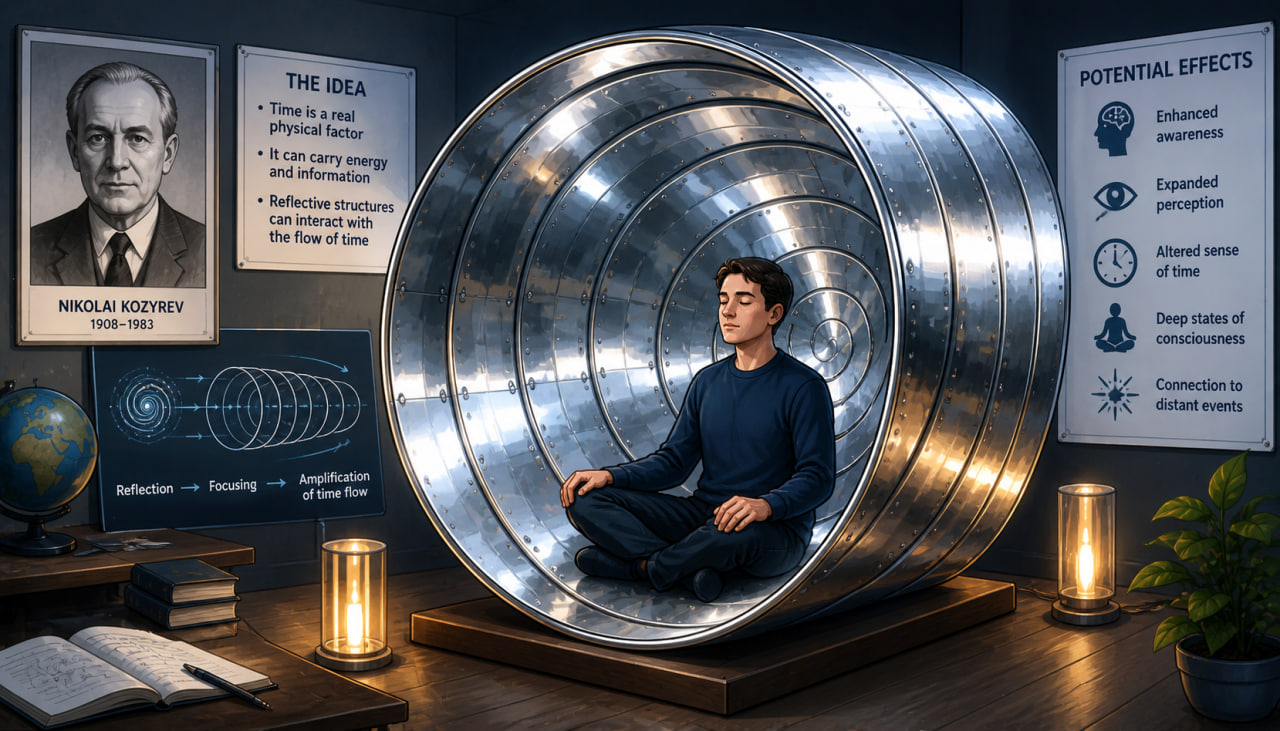
Kozyrev mirrors are one of the most mysterious and unconventional concepts associated with experimental physics and consciousness research. They are named after the Russian astrophysicist Nikolai Kozyrev, who proposed that time is not just a passive dimension but an active force that can influence physical processes. Supporters of this idea believe that specially designed reflective structures—called Kozyrev mirrors—can interact with this “flow of time” and potentially enhance human perception.