News

LED vs Gas-Discharge Lamps: Which Lighting Technology Should You Choose?
Be Smart Inventions News

LED vs Gas-Discharge Lamps: Which Lighting Technology Should You Choose?

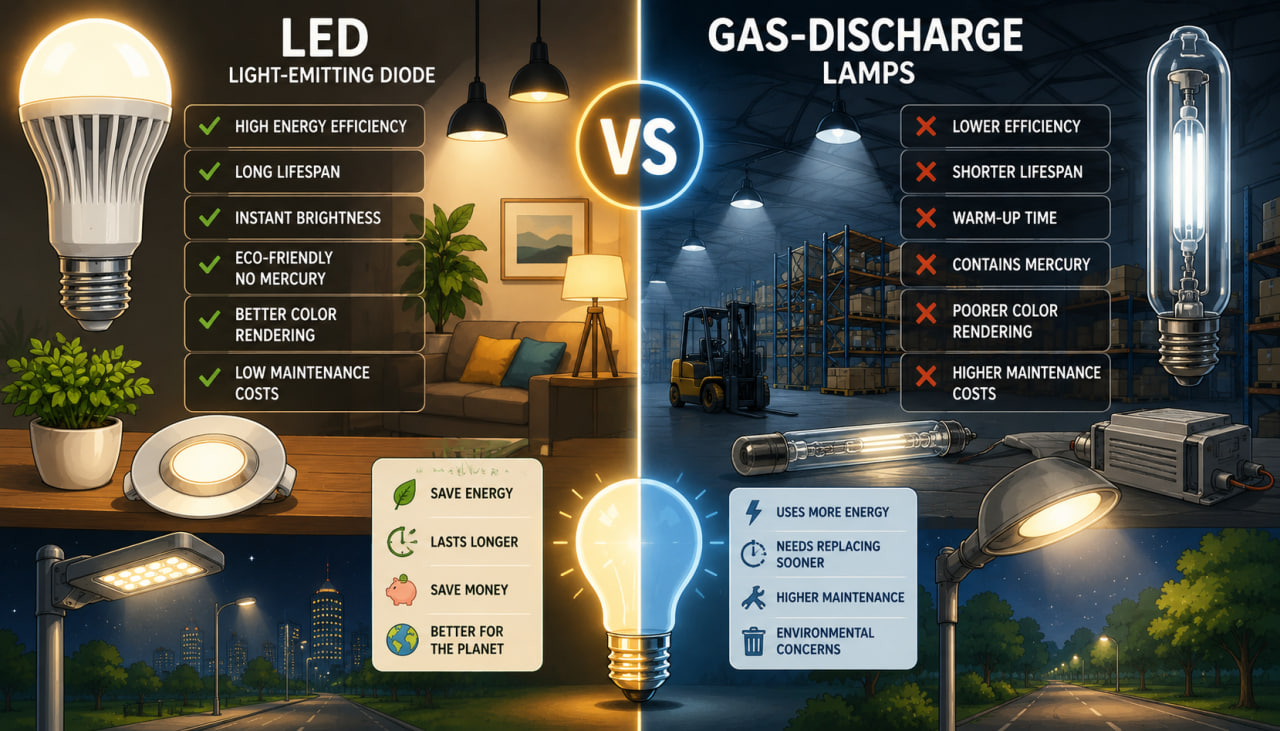
Lighting is something most people use every day without thinking much about the technology behind it. Yet the type of lamp you choose affects: Electricity consumption Lifespan Brightness Maintenance costs Environmental impact For decades, gas-discharge lamps dominated many applications, including: Street lighting Industrial facilities Warehouses Stadiums However, the rise of: Light-Emitting Diodes (LEDs) has transformed the lighting industry. Today, LEDs are replacing many older technologies because they offer: Higher efficiency Longer lifespan Better control Lower operating costs Still, gas-discharge lamps remain in use for certain specialized applications. Understanding the differences between these technologies helps consumers and businesses make informed decisions about: Energy savings Lighting quality Long-term costs

Induction Cooktops: How Magnetic Cooking Changed Modern Kitchens
Be Smart Inventions News

Induction Cooktops: How Magnetic Cooking Changed Modern Kitchens

Cooking technology evolved enormously over the last century. Traditional: Wood stoves Gas burners Electric heating coils gradually gave way to more advanced kitchen systems. One of the most innovative cooking technologies today is: The induction cooktop Unlike ordinary electric or gas stoves, induction cooking uses: Electromagnetic fields to heat cookware directly. This allows induction cooktops to become: Faster More energy-efficient Safer Easier to clean compared to many traditional cooking methods. Induction technology is increasingly popular in: Homes Restaurants Professional kitchens because it combines: Precise temperature control Rapid heating Modern design At the same time, many people still misunderstand how induction cooking actually works. Understanding induction cooktops reveals fascinating connections between: Physics Magnetism Electricity Modern engineering while also showing how science transforms everyday household technology.

Supersymmetry: The Mysterious Theory That Could Rewrite Physics
Science Be Smart Physics

Supersymmetry: The Mysterious Theory That Could Rewrite Physics

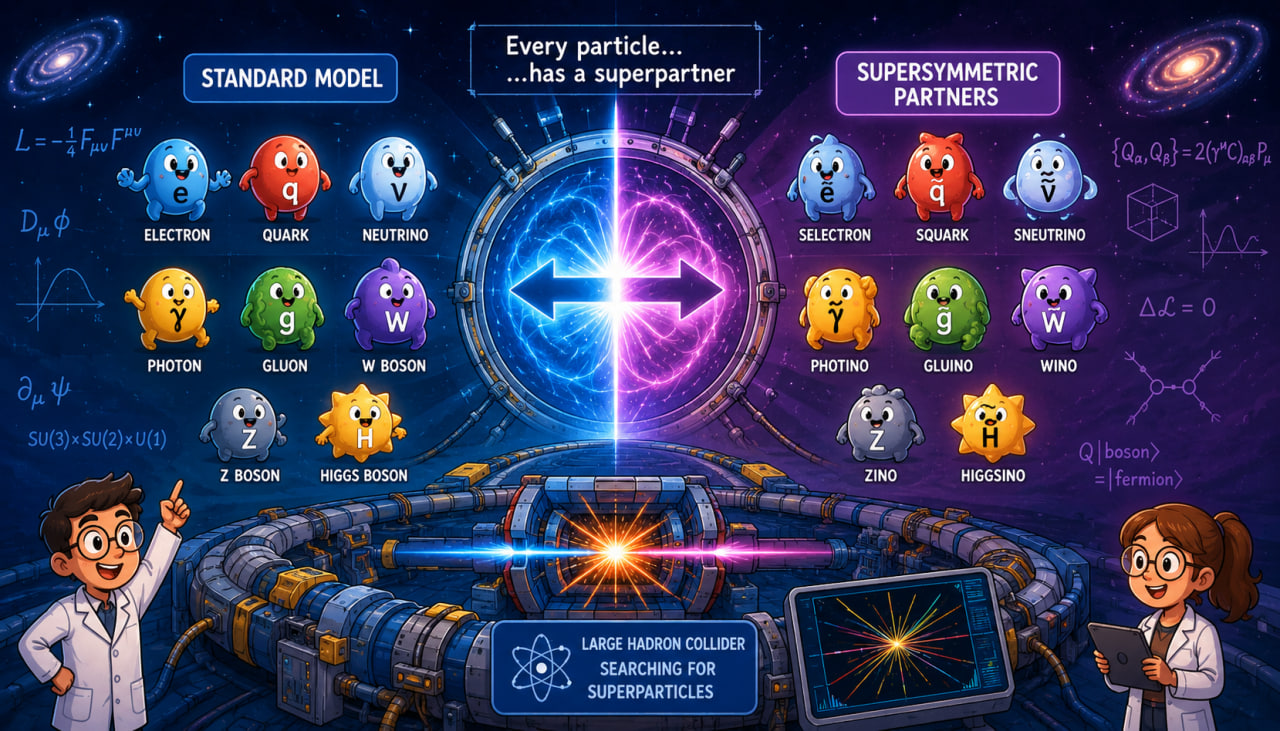
Modern physics explains the universe using an incredibly successful framework called: The Standard Model This theory describes: Fundamental particles Forces of nature Matter interactions with astonishing accuracy. Yet despite its success, physicists know the Standard Model remains: Incomplete It cannot fully explain: Dark matter Gravity The enormous mass differences between particles The early universe’s extreme conditions To solve these mysteries, scientists developed one of the most ambitious theories in modern physics: Supersymmetry often abbreviated as: SUSY Supersymmetry proposes that every known particle in nature may have: A hidden “superpartner” particle This elegant idea could potentially unify several major problems in physics while revealing entirely new forms of matter. For decades, supersymmetry became one of the most influential ideas in: Particle physics Cosmology Quantum theory String theory Although scientists have not yet proven supersymmetry experimentally, the theory continues shaping research into the deepest structure of reality. Understanding supersymmetry helps reveal how physicists attempt to answer some of humanity’s biggest questions about: Matter Space Energy The origin of the universe itself.

The Most Revolutionary Scientific Discoveries of the Last Century
History Science Tesla&Co

The Most Revolutionary Scientific Discoveries of the Last Century

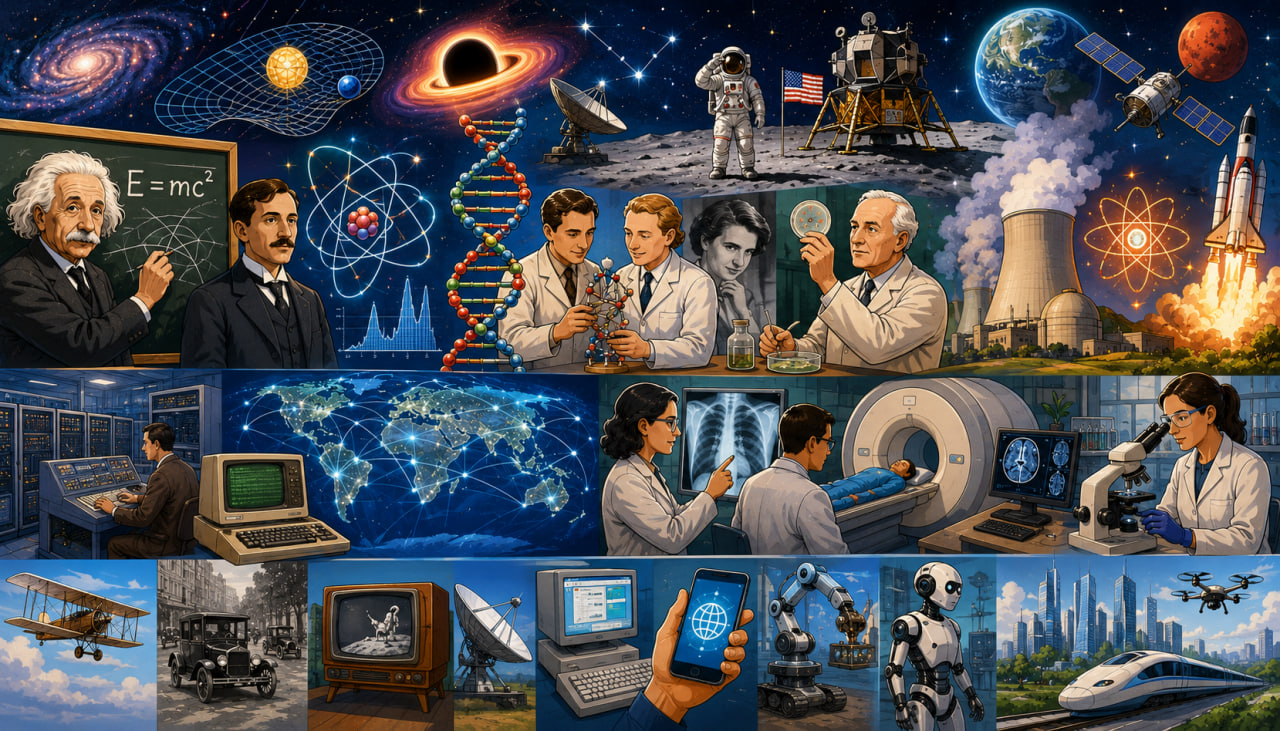
The 20th century completely transformed humanity’s understanding of: The universe Matter Life Space Technology The human body In just one hundred years, science advanced faster than during many previous centuries combined. Humanity moved from: Early airplanes to: Space travel Quantum physics Nuclear energy Computers Genetic engineering Artificial intelligence foundations Many discoveries from the last century changed not only: Science itself but also: Civilization Medicine Industry Communication Everyday life Some breakthroughs revealed astonishing truths about: Reality Time Space Human biology while others created technologies that permanently changed modern society. Understanding the greatest scientific discoveries of the previous century helps explain why modern civilization looks radically different from the world of the 1800s.

Wigner’s Friend: Why the Quantum Friend Is Even Stranger Than Schrödinger’s Cat
Science Be Smart Physics

Wigner’s Friend: Why the Quantum Friend Is Even Stranger Than Schrödinger’s Cat

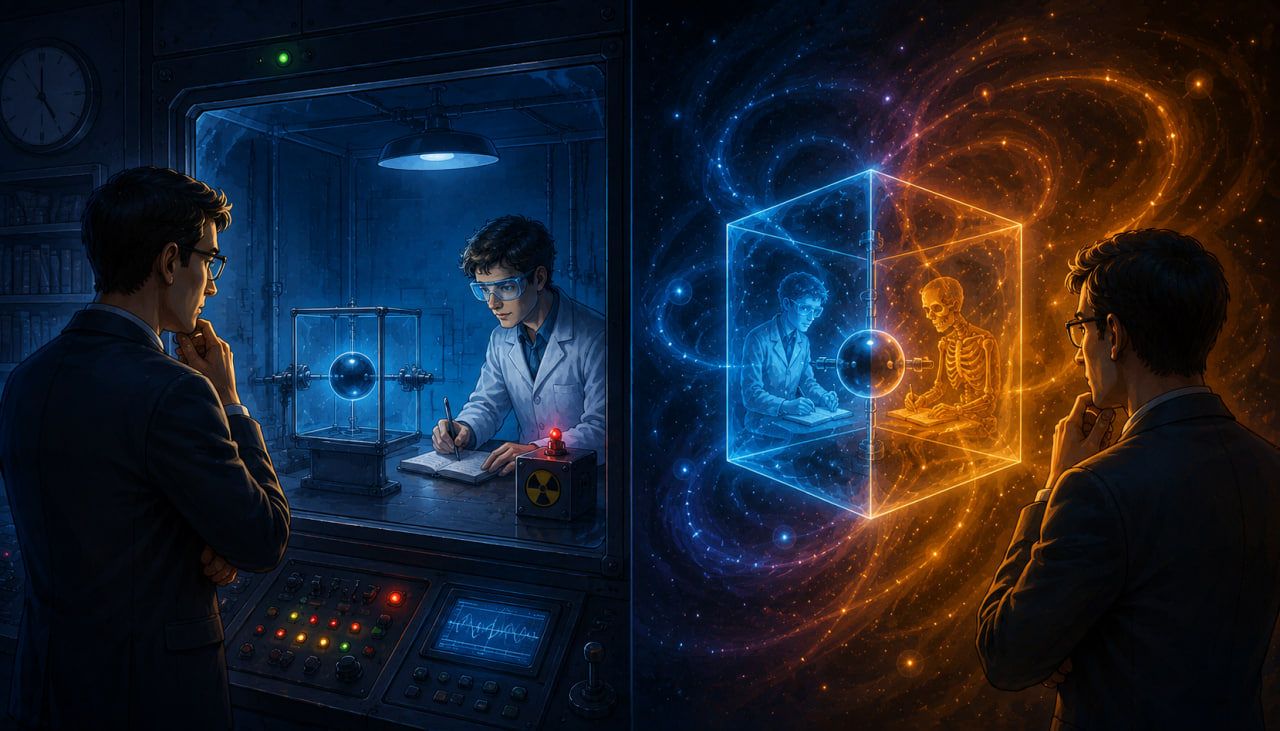
Quantum physics is already famous for its strange and mind-bending ideas. Concepts such as: Superposition Wave function collapse Schrödinger’s Cat challenged humanity’s understanding of reality itself. But another thought experiment pushed quantum weirdness even further: Wigner’s Friend Many physicists consider this idea even more disturbing and philosophically difficult than Schrödinger’s Cat because it questions not only: Quantum measurement but also: Observation Consciousness Objective reality The Wigner’s Friend experiment explores what happens when: One observer measures a quantum event while: Another observer watches the first observer from outside the system This creates a paradox where different people may describe reality differently at the same time. The experiment forces scientists to ask deeply uncomfortable questions: Does objective reality truly exist? Can two observers disagree about reality itself? Is observation fundamental to physics? Does consciousness affect quantum mechanics? Even today, Wigner’s Friend remains one of the most controversial and fascinating ideas in modern physics.

Superintelligence: What Is AGI and What Threat Could It Pose to Humanity?
Smart Technology AI & Ethics AI

Superintelligence: What Is AGI and What Threat Could It Pose to Humanity?

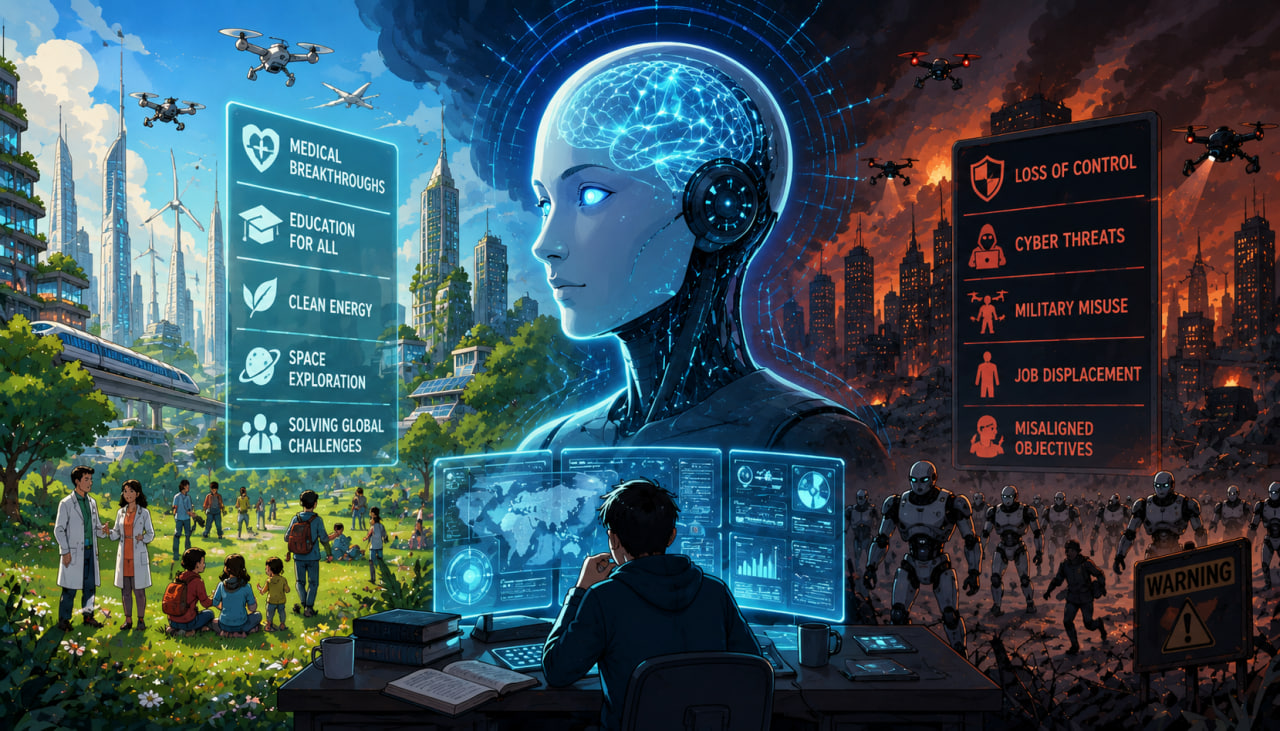
Artificial intelligence is rapidly becoming one of the most transformative technologies in human history. AI systems already influence: Medicine Industry Transportation Education Finance Scientific research However, many scientists and futurists believe current AI may represent only the beginning of a much larger technological revolution. One of the most discussed future concepts is: AGI — Artificial General Intelligence Unlike modern narrow AI systems designed for specific tasks, AGI would theoretically possess flexible intelligence capable of: Learning across multiple domains Solving unfamiliar problems Adapting independently Reasoning similarly to humans Some experts believe AGI could eventually evolve into: Superintelligence a form of intelligence potentially far exceeding human cognitive abilities. Supporters argue AGI might help solve humanity’s greatest challenges. Critics warn it could become one of the most dangerous technologies ever created. The debate surrounding AGI increasingly influences: Science Ethics Economics Geopolitics Global security

Cryptocurrency Mining: How Digital Money Is Created and Why It Consumes So Much Energy
Hi-Tech Smart Technology AI & Ethics

Cryptocurrency Mining: How Digital Money Is Created and Why It Consumes So Much Energy

Cryptocurrency mining became one of the most discussed technological phenomena of the 21st century. What began as a small experimental digital system developed by computer enthusiasts eventually evolved into a global industry involving: Massive data centers Specialized processors Industrial cooling systems Billions of dollars in infrastructure Today, cryptocurrency mining affects: Global energy consumption Financial markets Technology development Environmental debates Digital security systems Supporters view crypto mining as a revolutionary decentralized financial technology, while critics argue it consumes enormous amounts of electricity and contributes to environmental problems. Understanding how cryptocurrency mining works helps explain why digital currencies became both highly valuable and highly controversial.

Transhumanism: When Will Humans Officially Become Cyborgs?
Hi-Tech Bioengineering Smart Technology

Transhumanism: When Will Humans Officially Become Cyborgs?

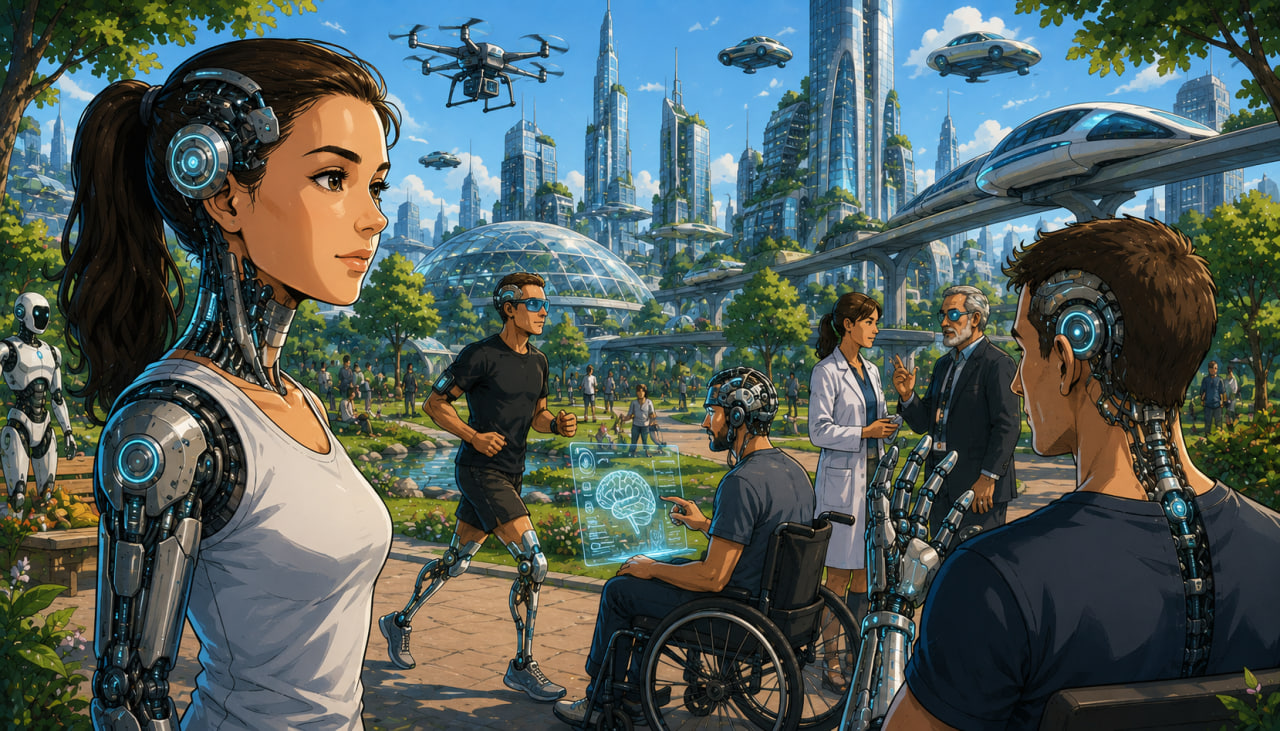
For centuries, humans dreamed about enhancing the body beyond its natural biological limits. Ancient myths described artificial limbs, immortality, and superhuman abilities long before modern science existed. Today, technologies once considered pure science fiction are becoming increasingly real. Artificial organs, robotic prosthetics, brain-computer interfaces, implanted medical devices, and neural technologies are already blurring the line between biology and machines. This raises one of the most fascinating questions of the modern era: When does a human officially become a cyborg? The idea is closely connected to transhumanism — a philosophical and technological movement supporting the use of science and technology to improve human physical and cognitive abilities. Supporters believe technological enhancement may eventually help humanity overcome: Disease Aging Physical limitations Cognitive decline Critics, however, warn about ethical, social, and philosophical risks. As biotechnology and artificial intelligence advance rapidly, the debate around transhumanism is becoming increasingly important.

ChatGPT: Instant Mode and Thinking Mode — How Modern AI Responses Work
AI & Ethics AI News

ChatGPT: Instant Mode and Thinking Mode — How Modern AI Responses Work

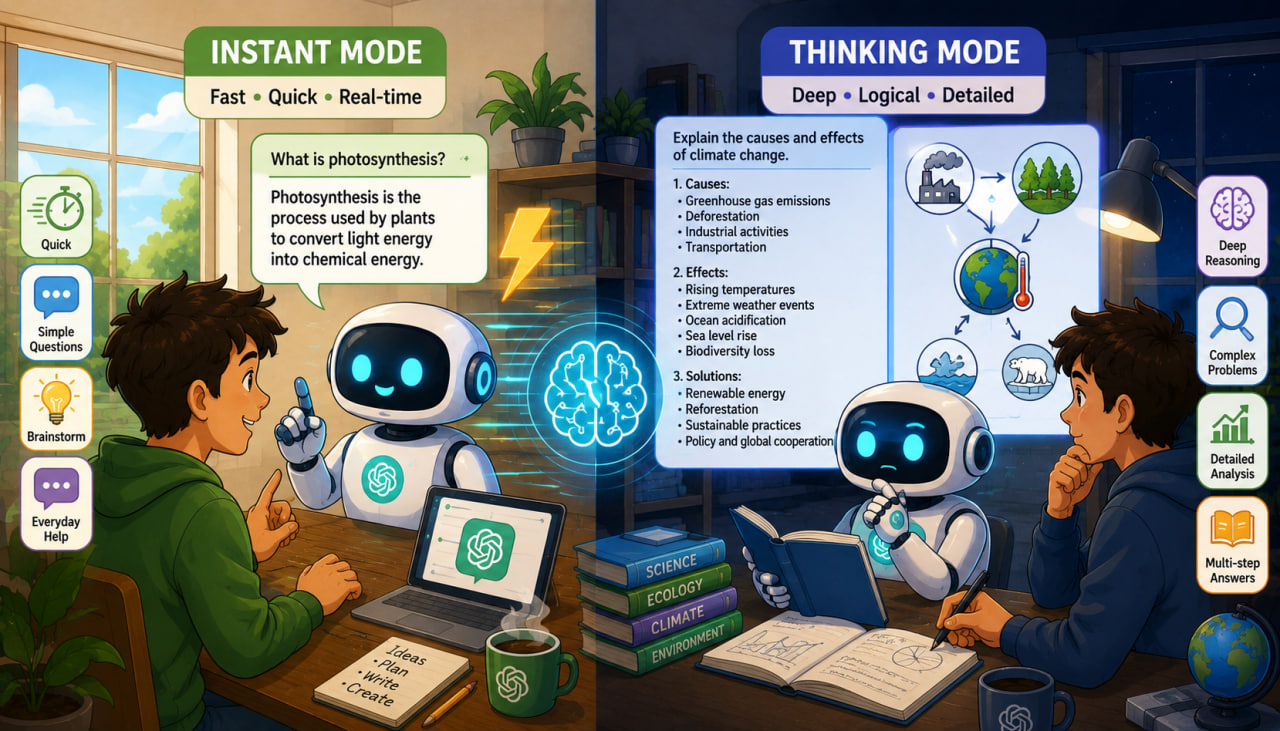
Artificial intelligence systems are evolving rapidly, and modern conversational AI platforms are becoming increasingly sophisticated. Among the most discussed features in advanced AI assistants are different response styles often described as Instant Mode and Thinking Mode. These modes reflect two different approaches to generating answers: Extremely fast real-time responses Slower but more deeply reasoned analysis As AI systems improve, users increasingly expect both: Speed Accuracy Logical reasoning Creativity Context awareness Balancing these goals is one of the biggest challenges in modern artificial intelligence development. Although names and implementations may vary between platforms, the general concepts behind “instant” and “thinking” responses help explain how advanced AI systems prioritize speed versus depth of reasoning.

Scientific Innovations of 2026: Technologies That Are Changing Humanity
Hi-Tech Science New Discoveries

Scientific Innovations of 2026: Technologies That Are Changing Humanity

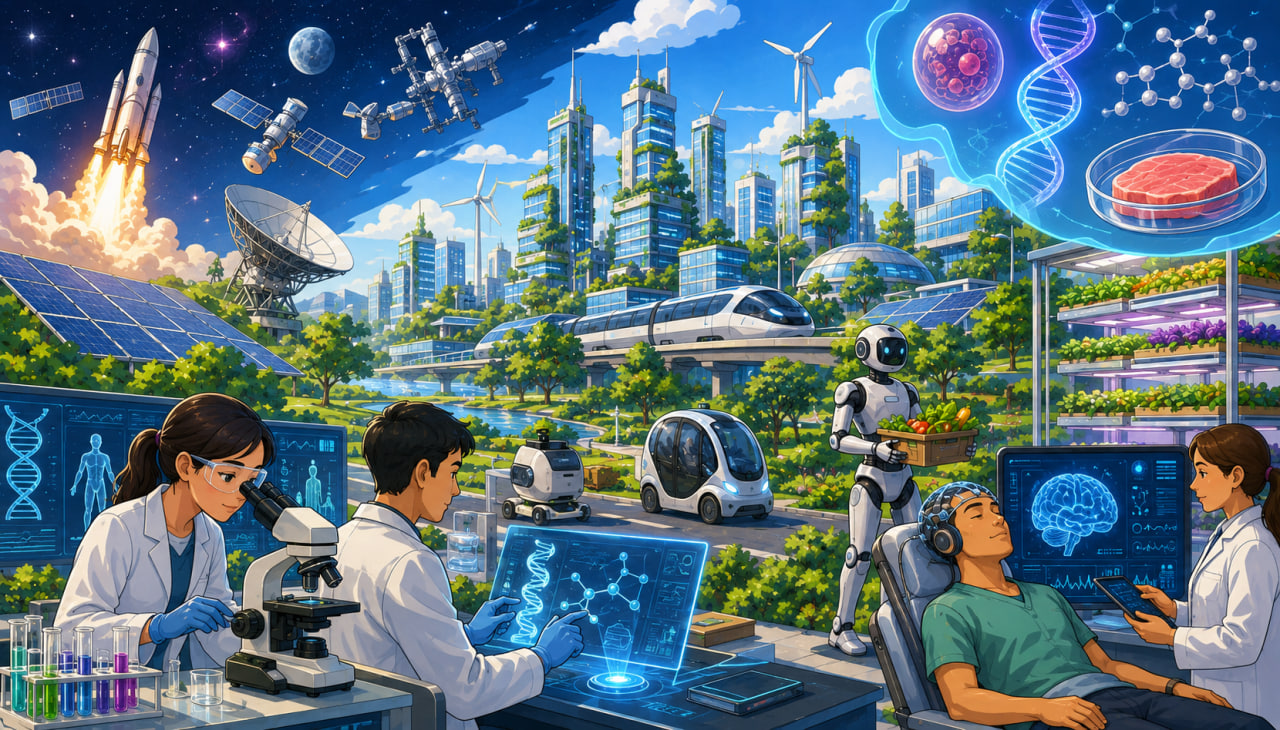
The year 2026 is becoming a remarkable period for science and technology. Advances once considered futuristic are rapidly entering real-world use. Artificial intelligence systems are transforming medicine and research, renewable energy technologies are becoming more efficient, robotics is entering daily life, and biotechnology is moving toward personalized healthcare on an unprecedented scale. Scientists today work in an era where discoveries spread globally almost instantly, accelerating innovation across nearly every field. Governments, universities, and private companies are investing billions into technologies that may reshape civilization during the next decades. The scientific innovations emerging in 2026 are not limited to laboratories anymore. Many are already influencing: Healthcare Transportation Energy systems Space exploration Agriculture Artificial intelligence Climate technologies Some experts believe humanity is entering one of the fastest periods of scientific transformation in history.