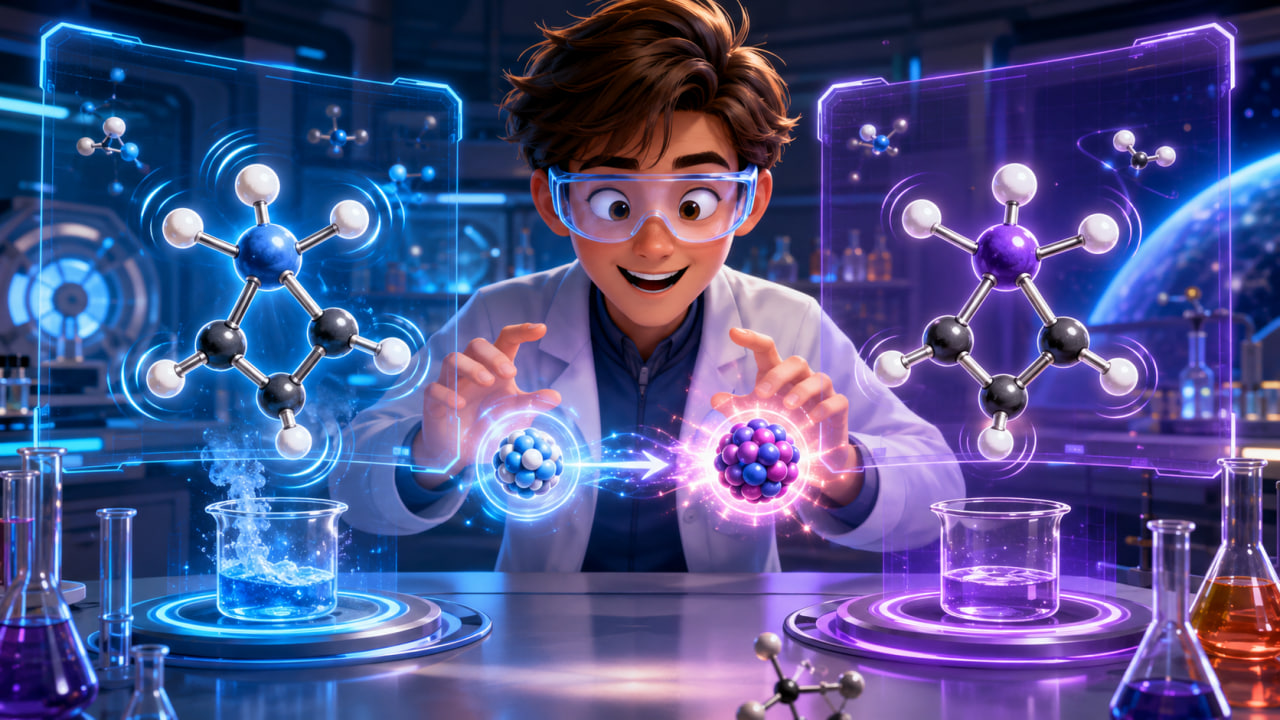
At first glance, isotopes seem almost identical. They belong to the same chemical element, have the same number of protons, and usually participate in the same kinds of chemical reactions. Yet replacing one isotope with another can subtly, and sometimes dramatically, change how a substance behaves.
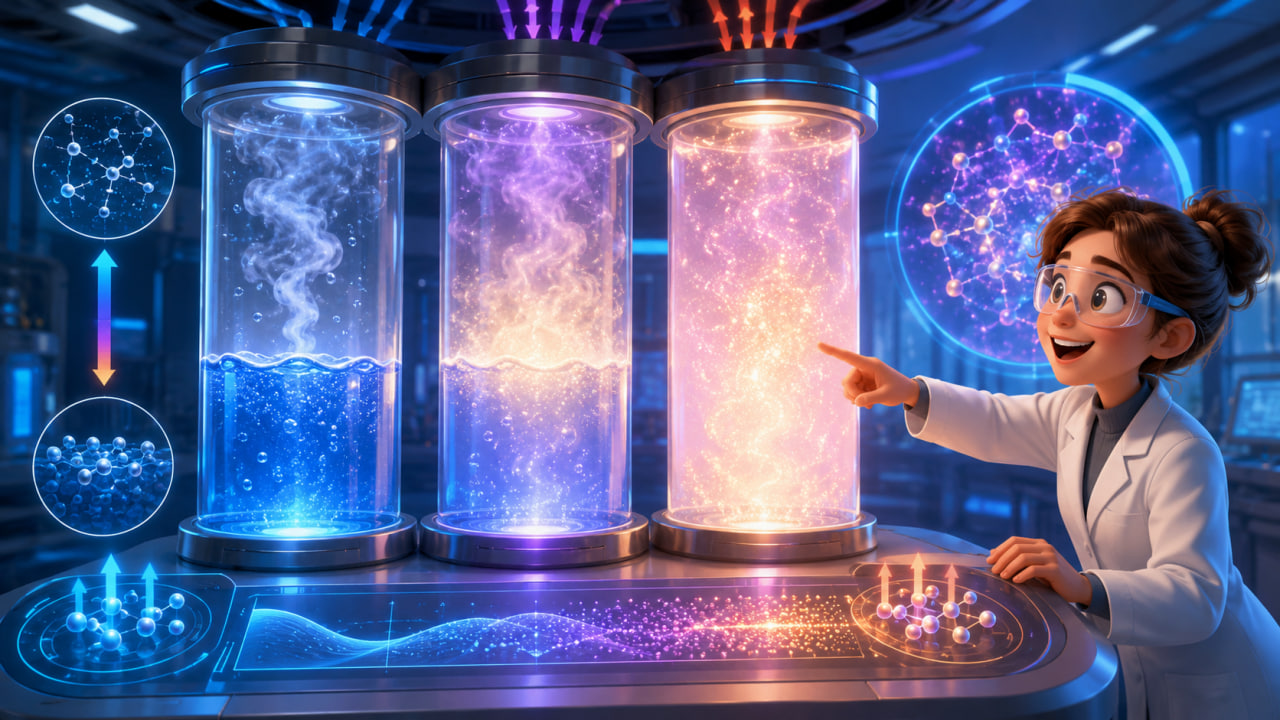
Most people learn that matter has clear states: solid, liquid, and gas. Water freezes into ice, melts into liquid, and boils into vapor. This simple picture works well in everyday life.
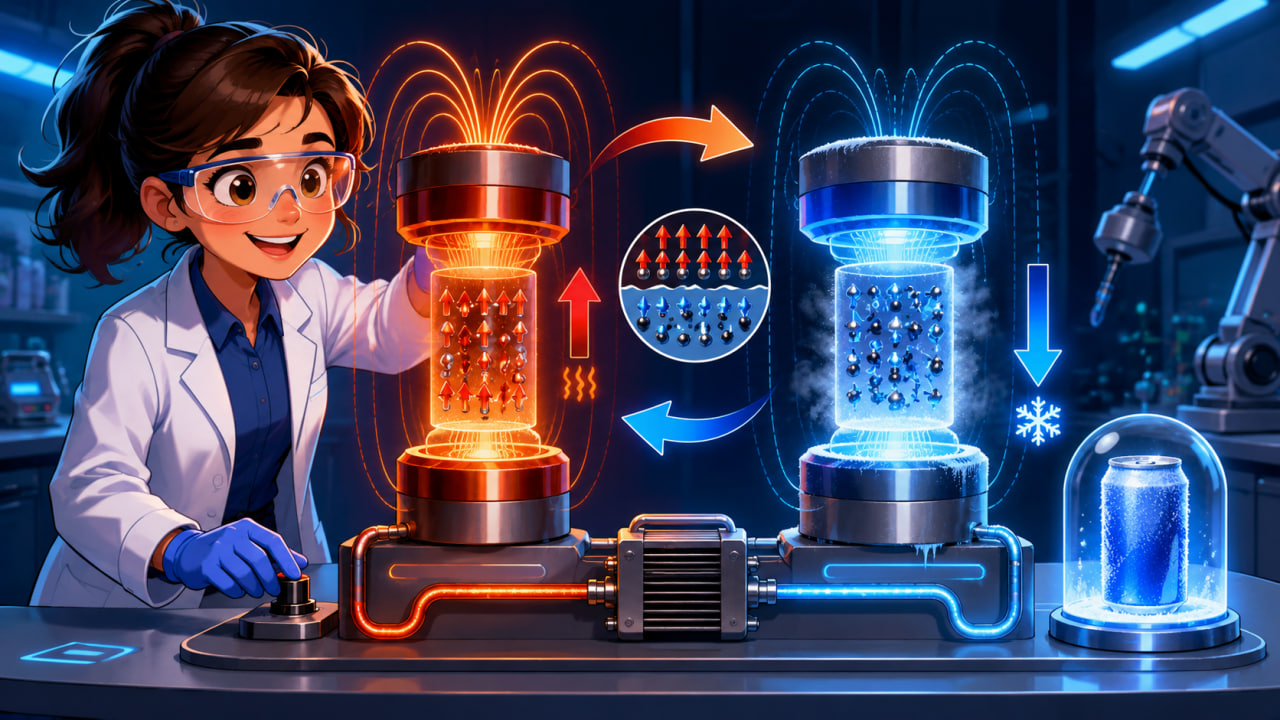
Most refrigerators cool by compressing and expanding gases. This familiar technology works well, but it depends on moving mechanical parts, refrigerants, and energy-intensive cycles. Scientists and engineers are now exploring a different approach: cooling with magnetic fields.
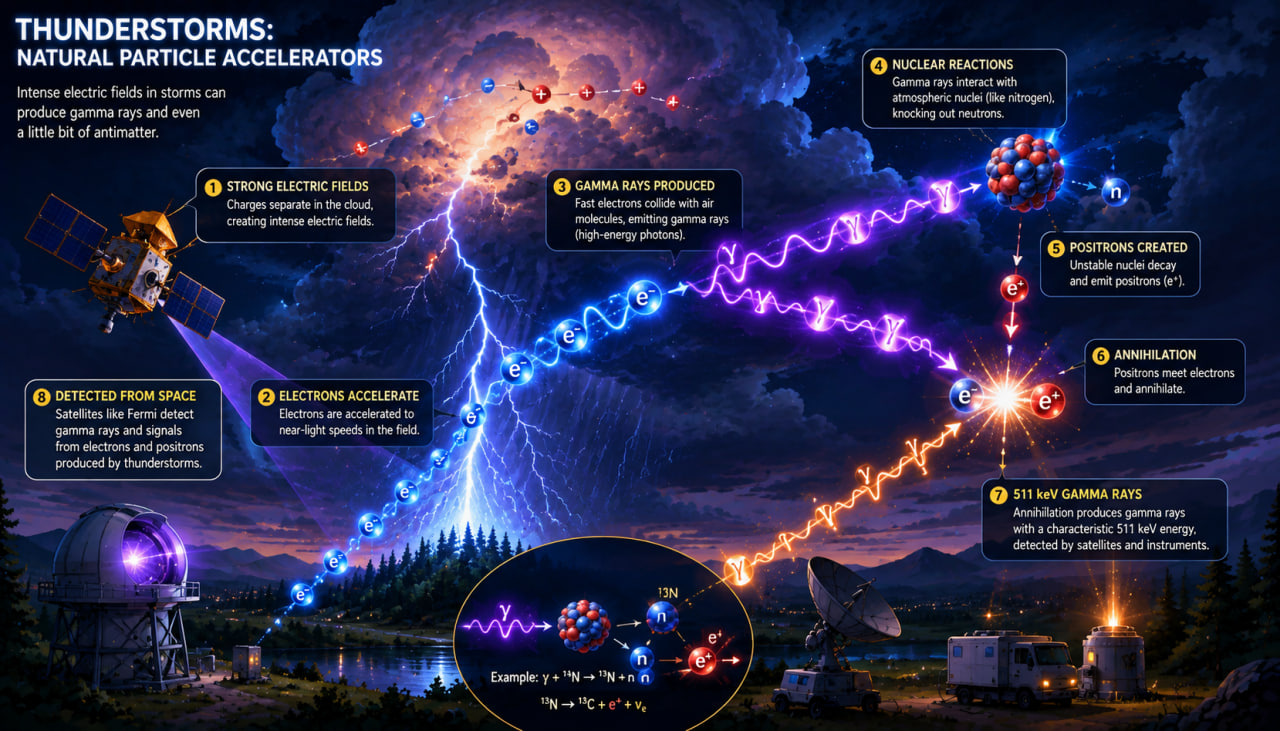
A thunderstorm may look familiar: dark clouds, lightning, thunder, rain, and sudden flashes across the sky. But inside some storms, nature can build something far stranger than ordinary electricity.
An airplane weighing hundreds of tonnes can rise into the sky, while a steel ship carrying thousands of containers can remain afloat. At first glance, both achievements appear to defy gravity.
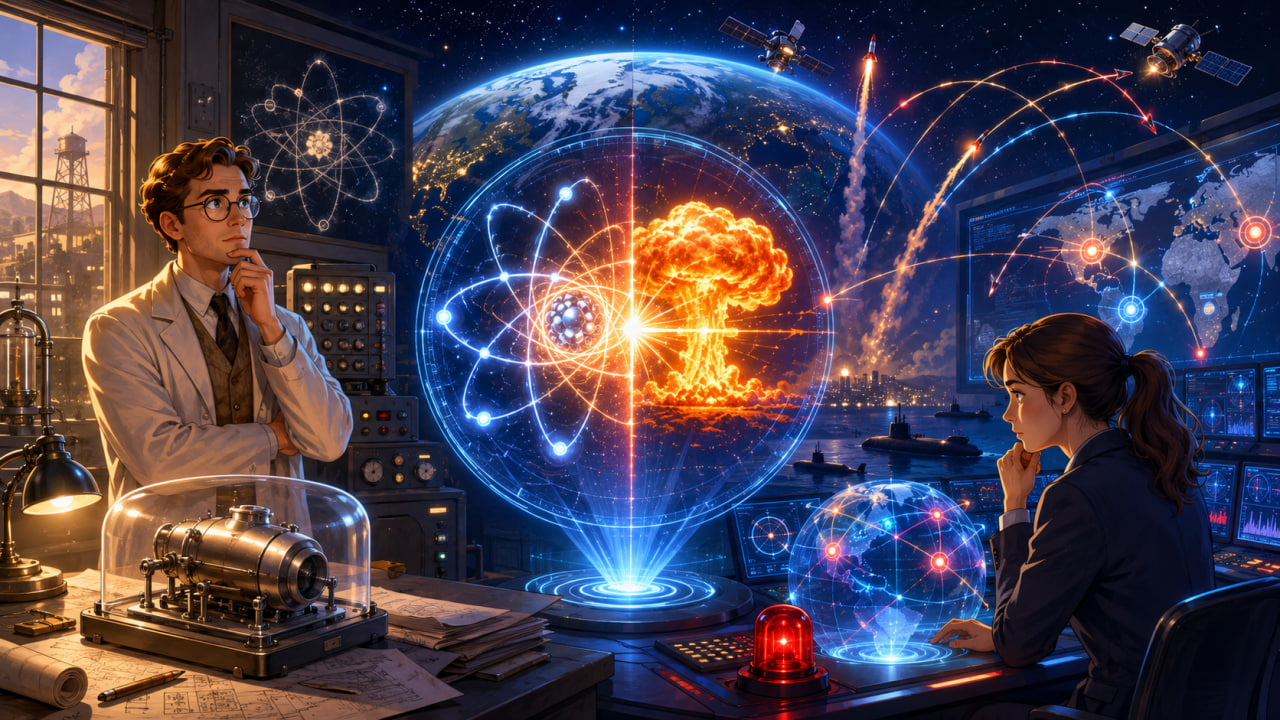
The Manhattan Project began as a secret wartime effort to build an atomic bomb before Nazi Germany could develop one. It succeeded with extraordinary speed, combining theoretical physics, industrial production, military organization, and enormous financial resources.
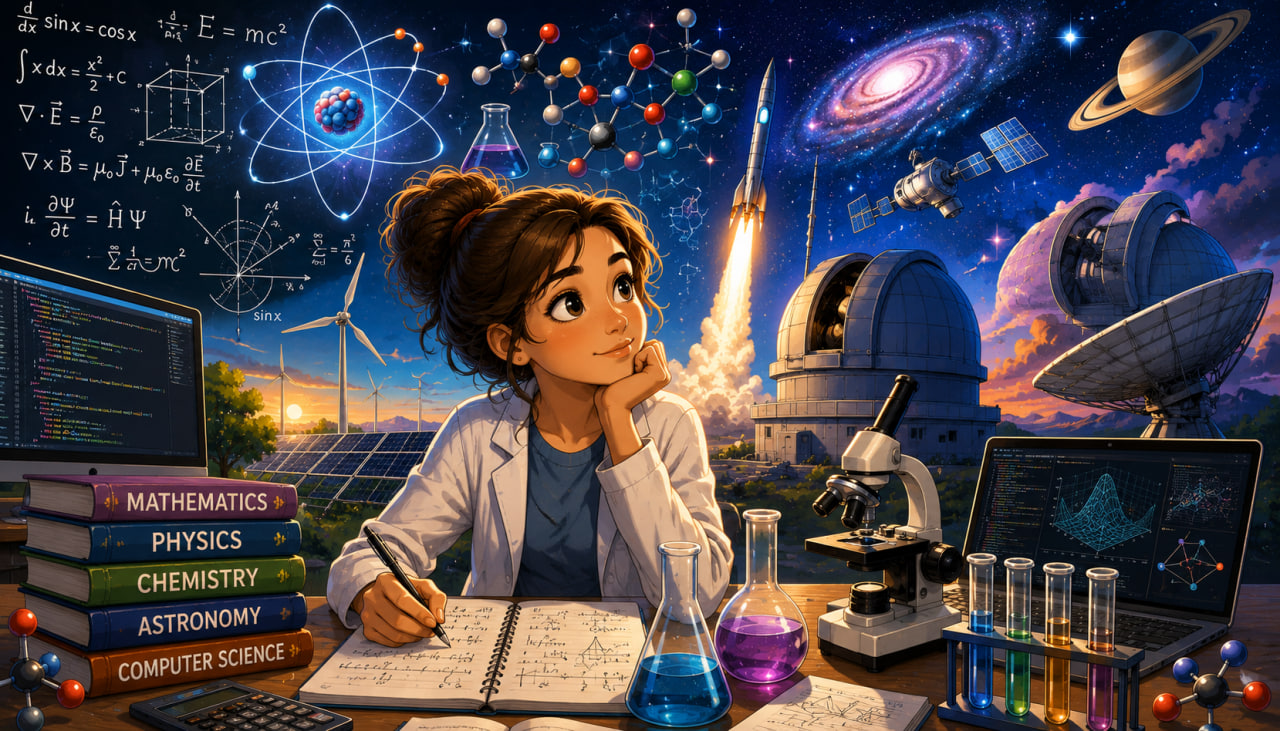
From smartphones and satellites to life-saving medicines and space exploration, nearly every technological achievement of modern society is built upon the exact sciences. These disciplines seek to understand the universe through precise measurements, logical reasoning, mathematical models, and repeatable experiments. Unlike fields that often rely on subjective interpretation, the exact sciences strive to produce objective knowledge that can be tested, verified, and refined. The exact sciences have transformed humanity's understanding of nature, enabling breakthroughs that once seemed impossible. They allow engineers to design bridges that withstand earthquakes, astronomers to predict planetary motions, physicists to explore the smallest particles of matter, and mathematicians to solve problems that shape the digital world. This article explores what the exact sciences are, why they matter, how they differ from other scientific disciplines, and why they continue to drive innovation across nearly every aspect of modern life.
Few natural phenomena are as mysterious as ball lightning. Unlike ordinary lightning, which appears as a brilliant flash lasting only a fraction of a second, ball lightning is described as a glowing sphere that can float through the air for several seconds before disappearing. For centuries, witnesses have reported luminous balls drifting silently through storms, entering buildings through open windows, and sometimes vanishing with a loud explosion. Despite thousands of eyewitness accounts, ball lightning remains one of the least understood atmospheric phenomena in science. Researchers continue investigating its origin using laboratory experiments, computer simulations, and observations from thunderstorms. While several promising theories exist, no single explanation has yet been universally accepted.
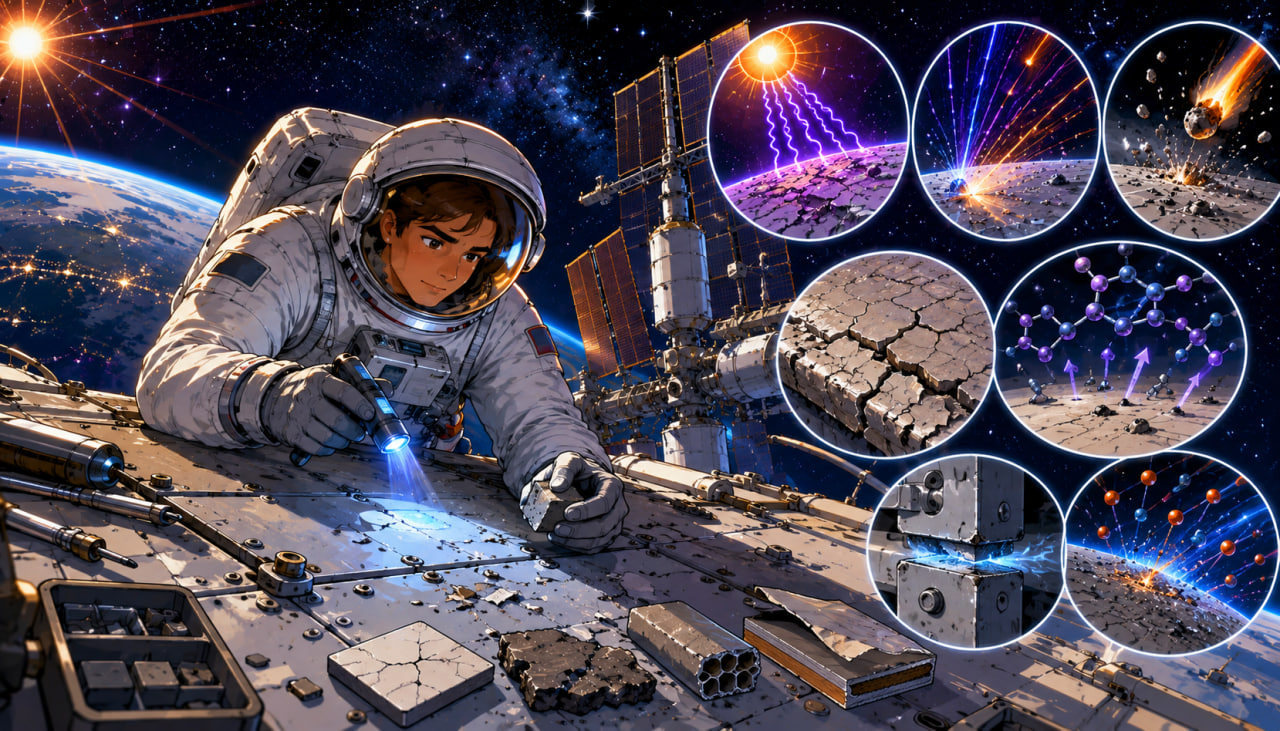
When people think about material aging, they often imagine rust, corrosion, moisture damage, or chemical reactions involving oxygen. On Earth, oxygen plays a major role in the breakdown of metals, plastics, rubber, paints, and countless other materials. But what happens in space, where there is almost no atmosphere and virtually no oxygen? At first glance, it might seem that materials placed in the vacuum of space would last forever because traditional oxidation cannot occur. Surprisingly, the reality is far more complex. Space presents a unique set of environmental challenges that can degrade materials in ways rarely encountered on Earth. Scientists and engineers have spent decades studying how spacecraft, satellites, space stations, and scientific instruments age in the harsh environment beyond our planet. Their findings reveal that the vacuum of space creates its own form of aging, often called vacuum degradation or oxygen-free aging.
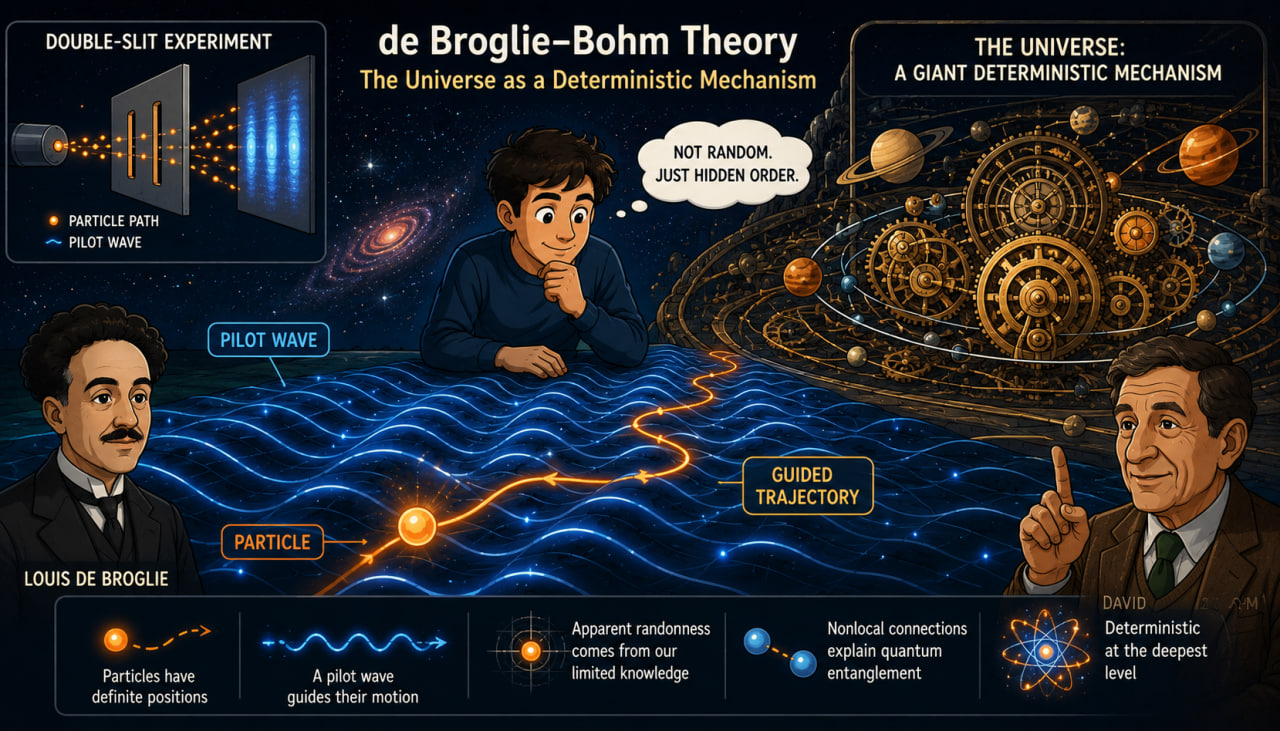
Quantum mechanics is famous for introducing uncertainty into physics. According to the standard interpretation, many events at the quantum level are fundamentally random. Particles do not have definite positions until measured, and probabilities seem to play a central role in the behavior of nature. However, not all physicists have accepted this view. One of the most intriguing alternatives is the de Broglie–Bohm theory, also known as Bohmian mechanics or the pilot-wave theory. This interpretation suggests that the universe may actually be completely deterministic, with particles following precise trajectories guided by an invisible quantum wave. If correct, randomness may not be a fundamental feature of reality at all. Instead, the universe could operate like a vast cosmic mechanism whose future is determined by hidden underlying laws.