
Electrolysis: The Chemical Process Powering Modern Industry and Clean Energy
Electrolysis is a fundamental chemical process in which an electric current is used to drive a reaction that would not normally occur on its own.
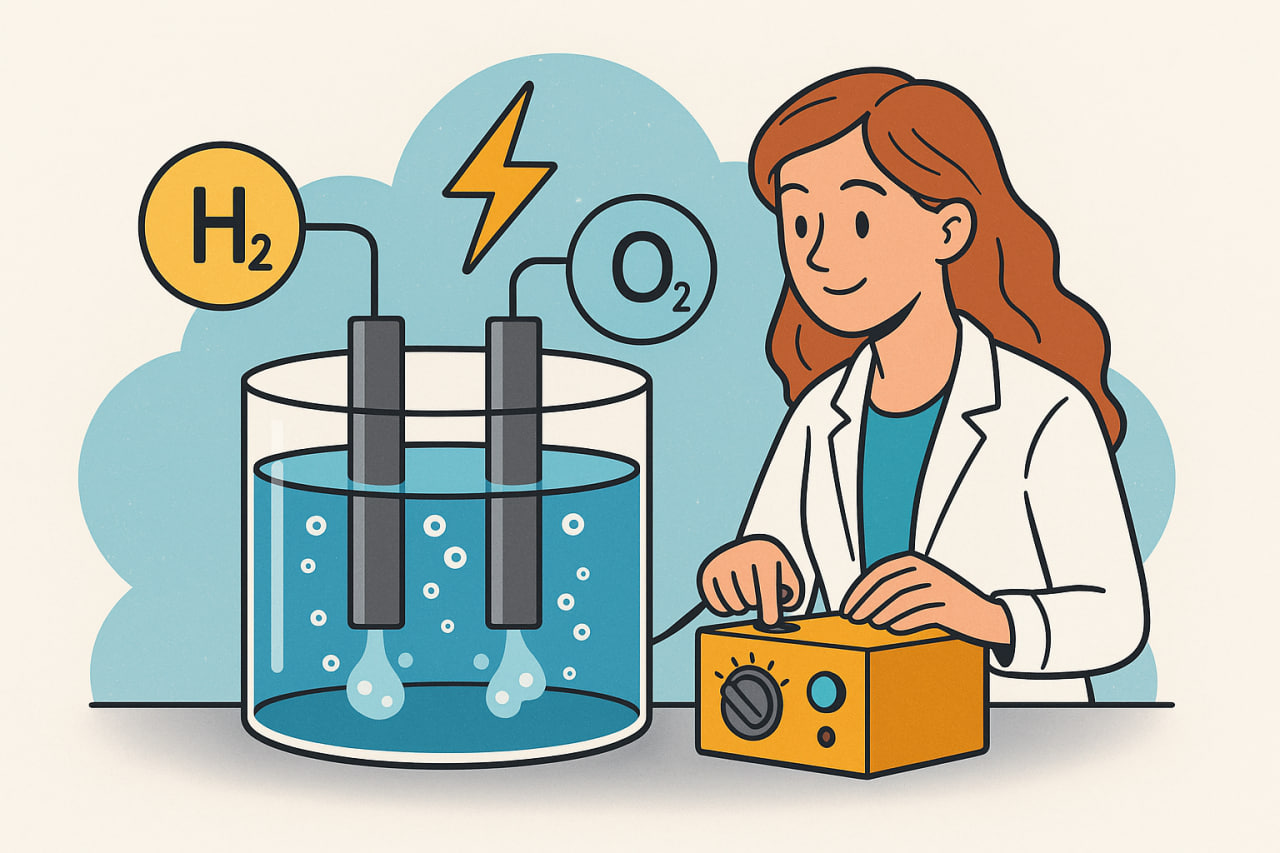
Electrolysis is a fundamental chemical process in which an electric current is used to drive a reaction that would not normally occur on its own.

String theory is one of the most ambitious and mathematically rich ideas in modern physics.

Astrobiology is the scientific discipline that explores one of humanity’s most profound questions: Does life exist elsewhere in the universe?

Solar sails are one of the most elegant and futuristic propulsion technologies ever developed, offering a method of space travel that requires no fuel and relies solely on the power of sunlight.
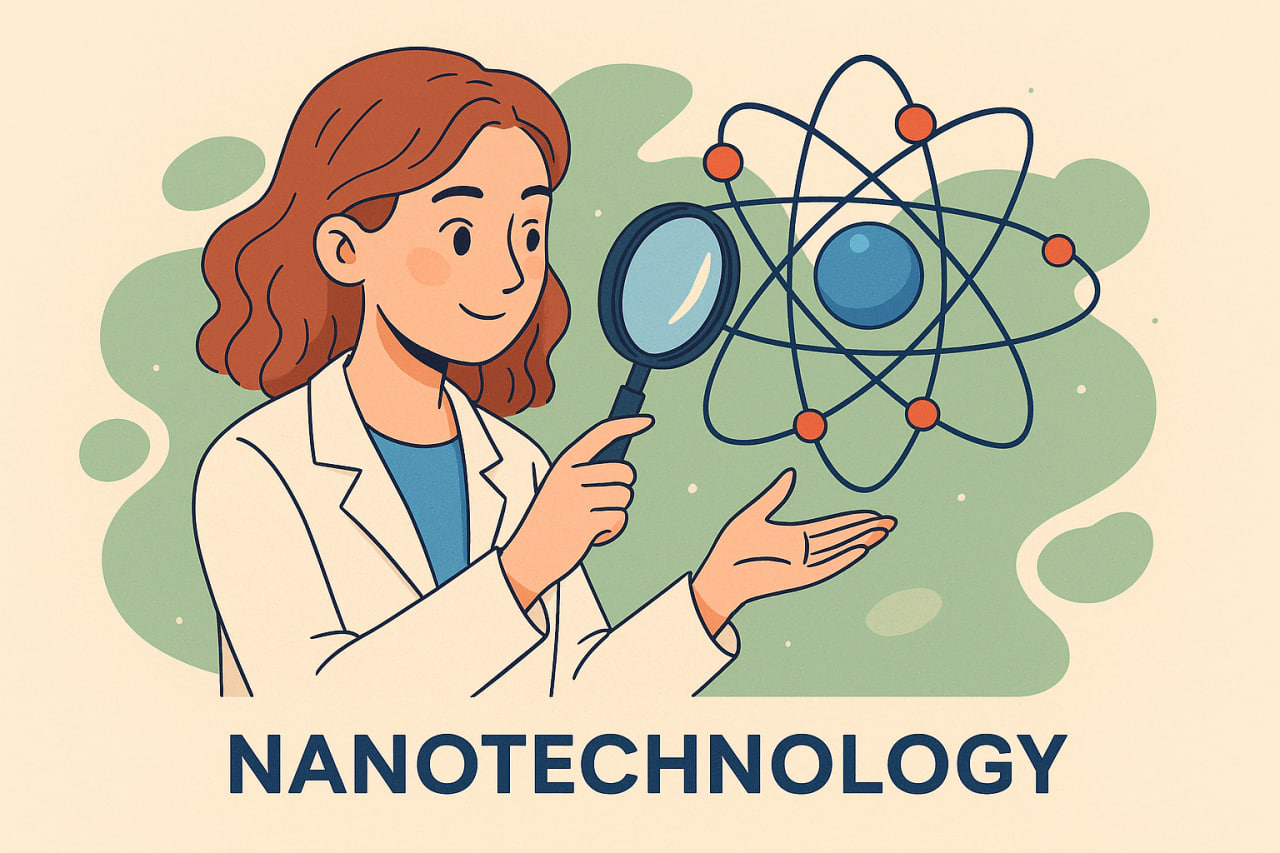
Nanotechnology is the science and engineering of manipulating matter at the scale of atoms and molecules, typically between 1 and 100 nanometers.
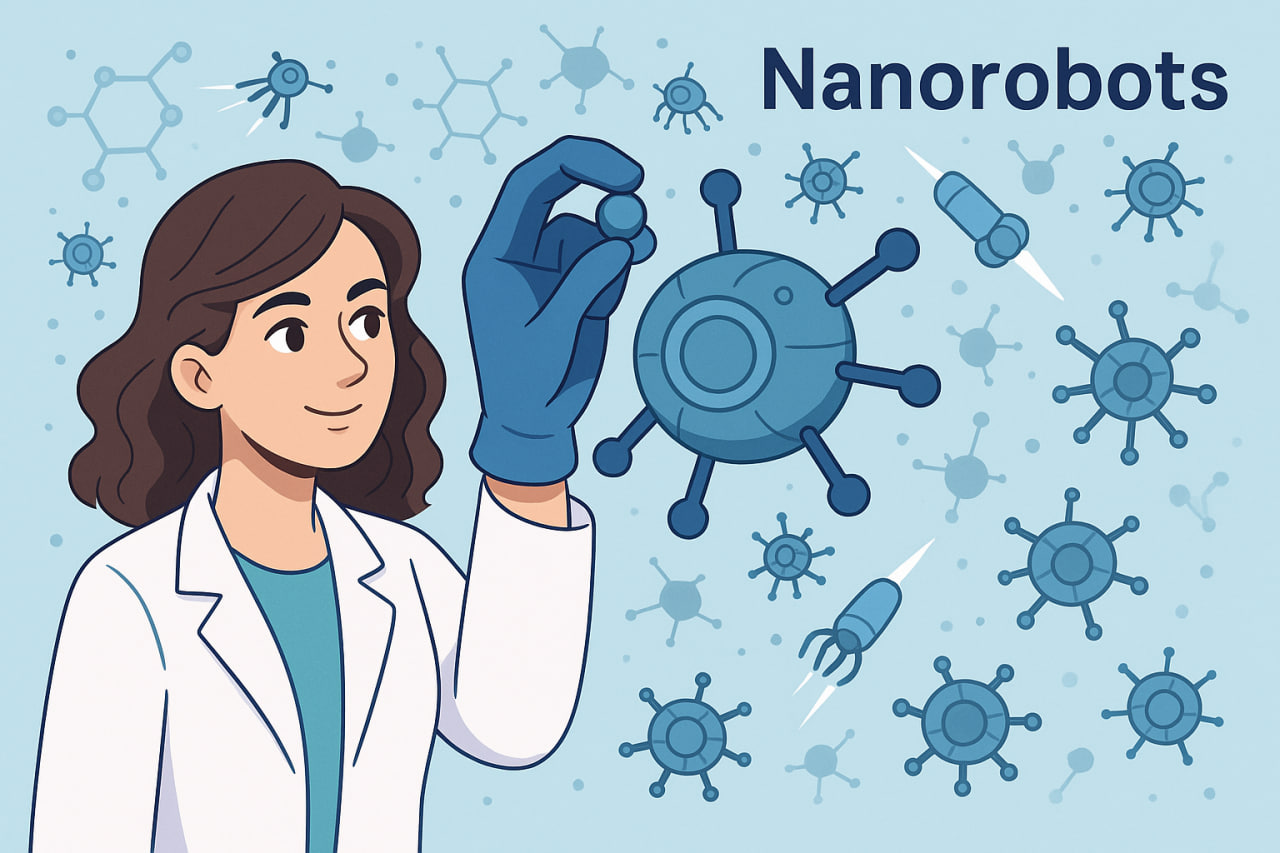
Nanorobots — tiny machines measured in billionths of a meter — represent one of the most revolutionary frontiers in modern science.
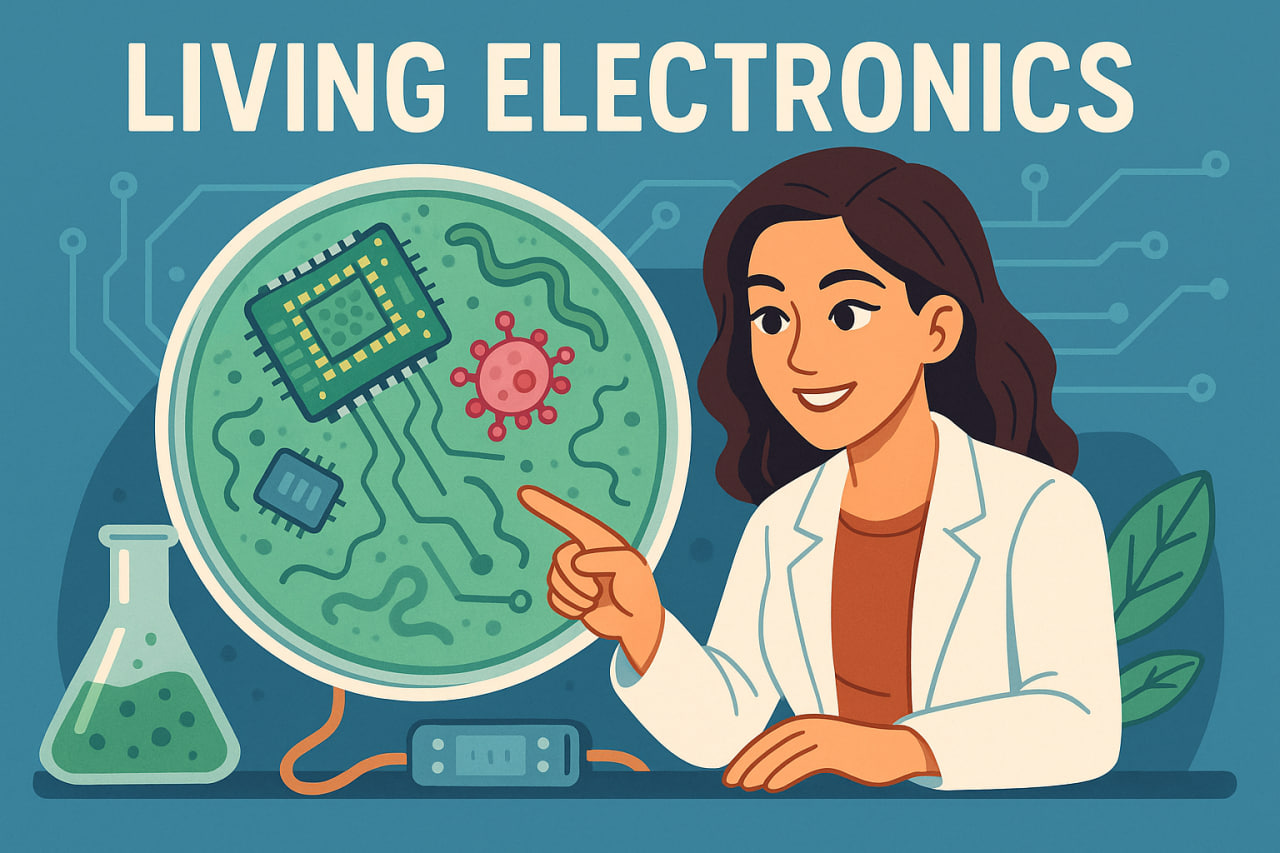
Living electronics, also known as bio-electronics or biological electronic systems, represent a rapidly evolving field that integrates living cells, biological materials, and electronic...

Archimedean solids are a unique family of polyhedra distinguished by their elegant balance of symmetry, uniformity, and combinatorial regularity.

Electricity powers modern life, and understanding the difference between direct current (DC) and alternating current (AC) is essential for grasping how global energy systems operate.
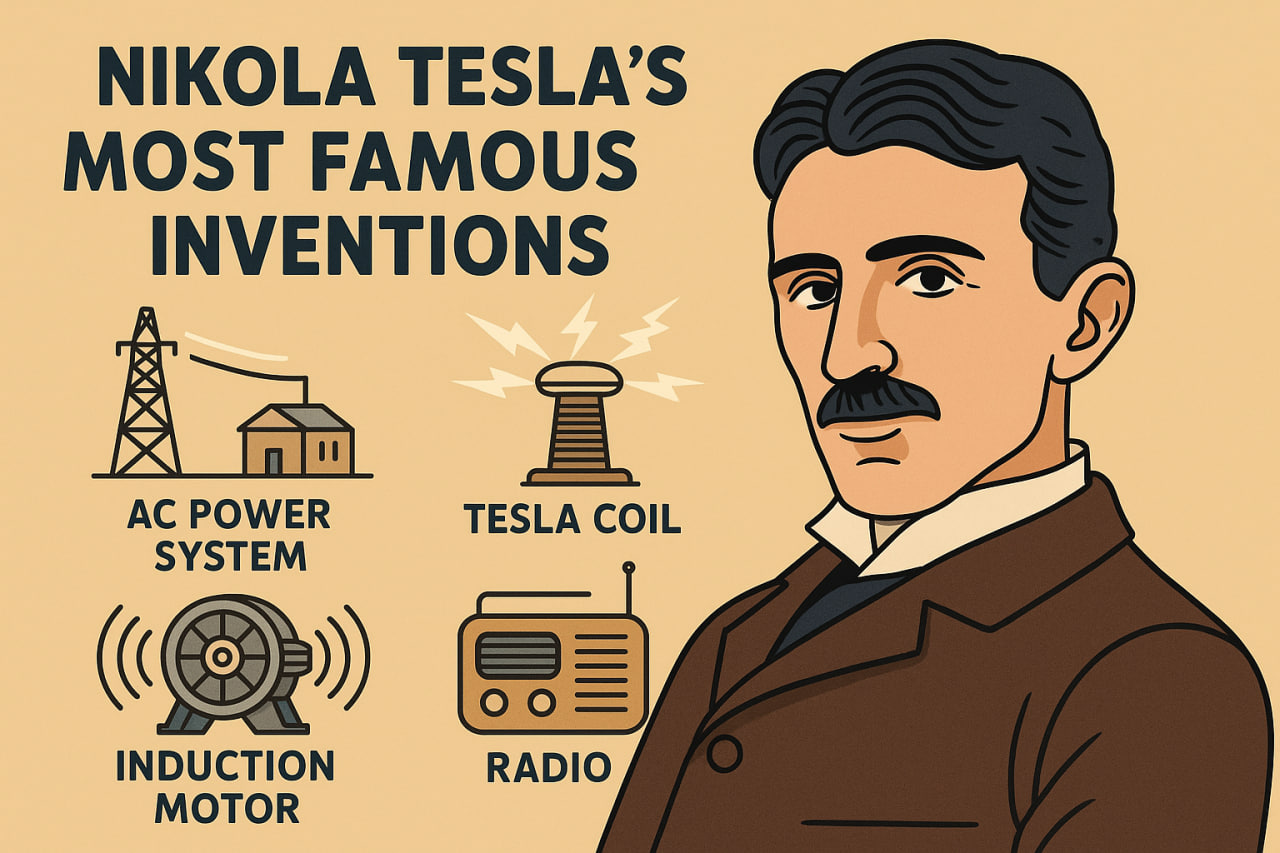
Nikola Tesla is regarded as one of the most influential inventors in history, whose ideas continue to shape modern technology more than a century later.